×
Remove product
Remove item from cart?


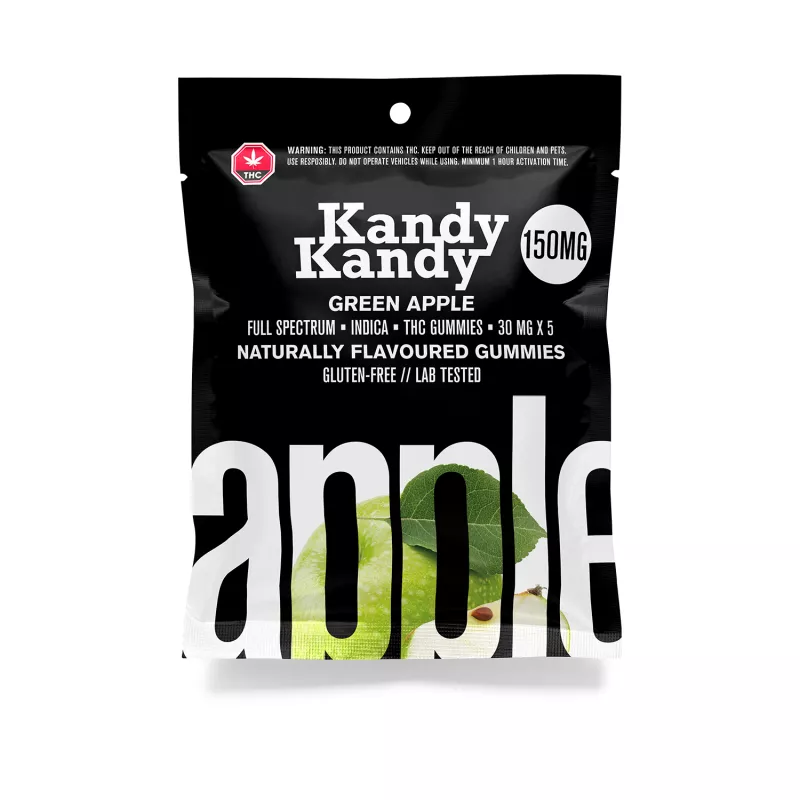
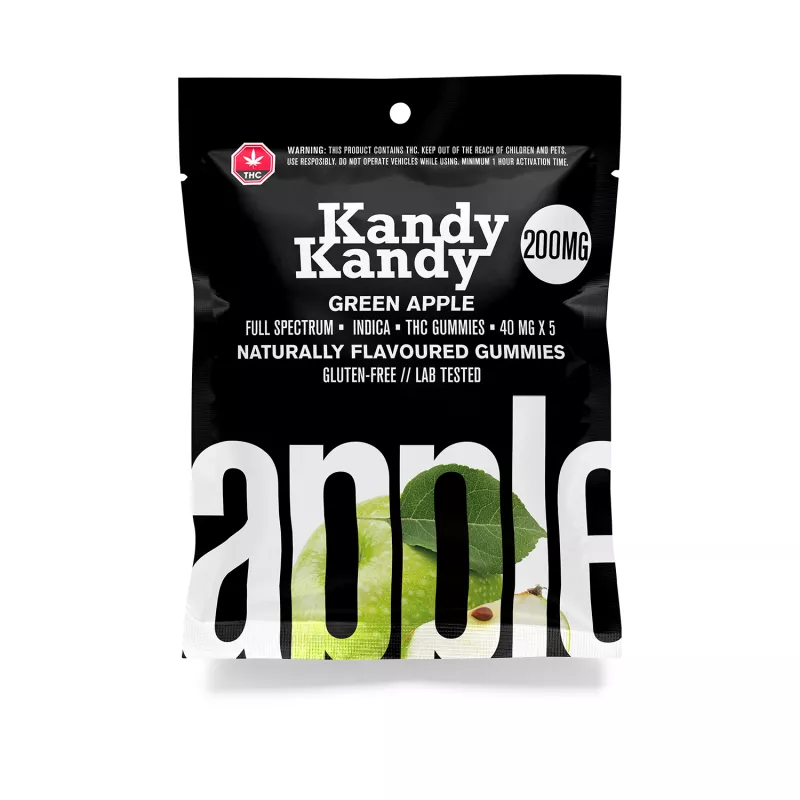
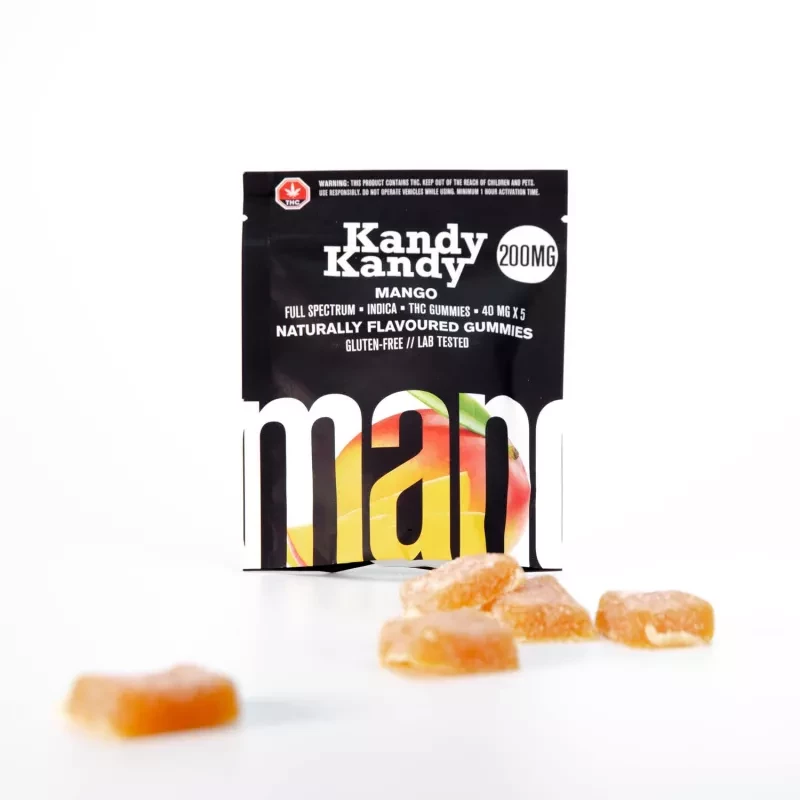
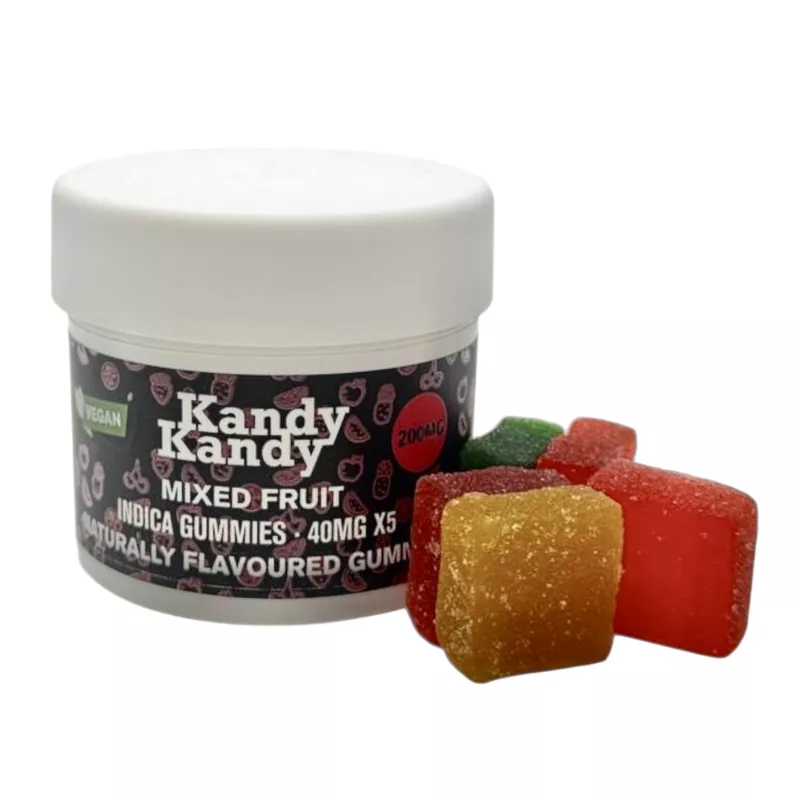
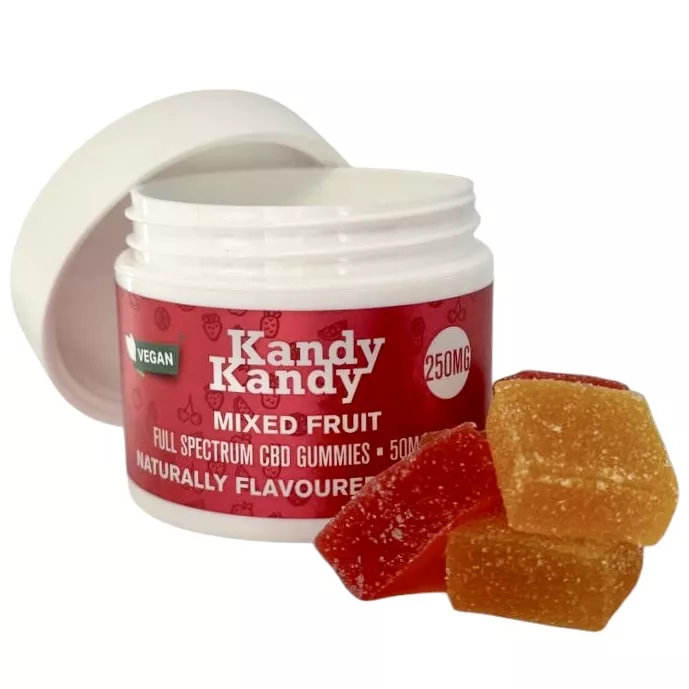
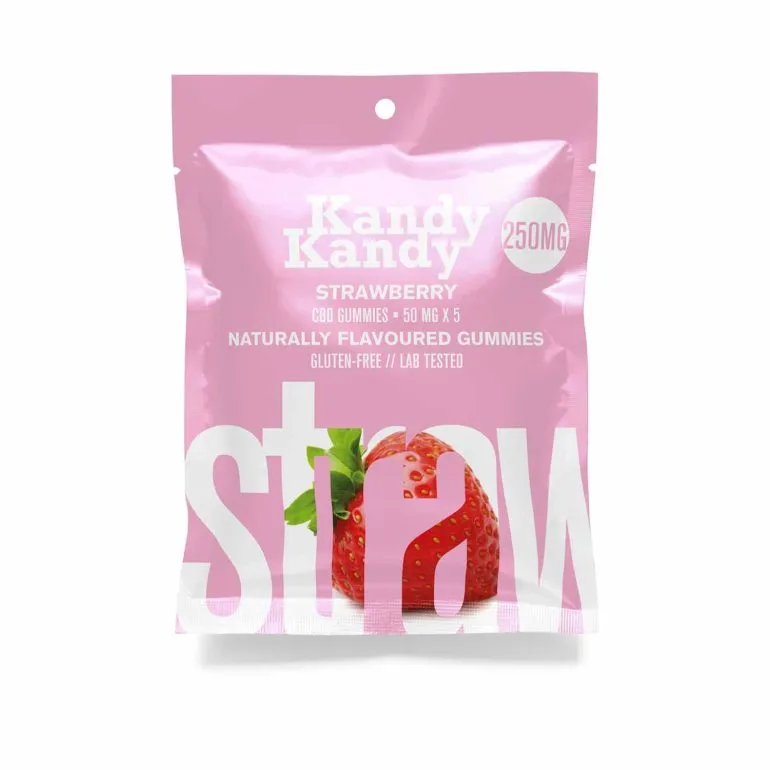
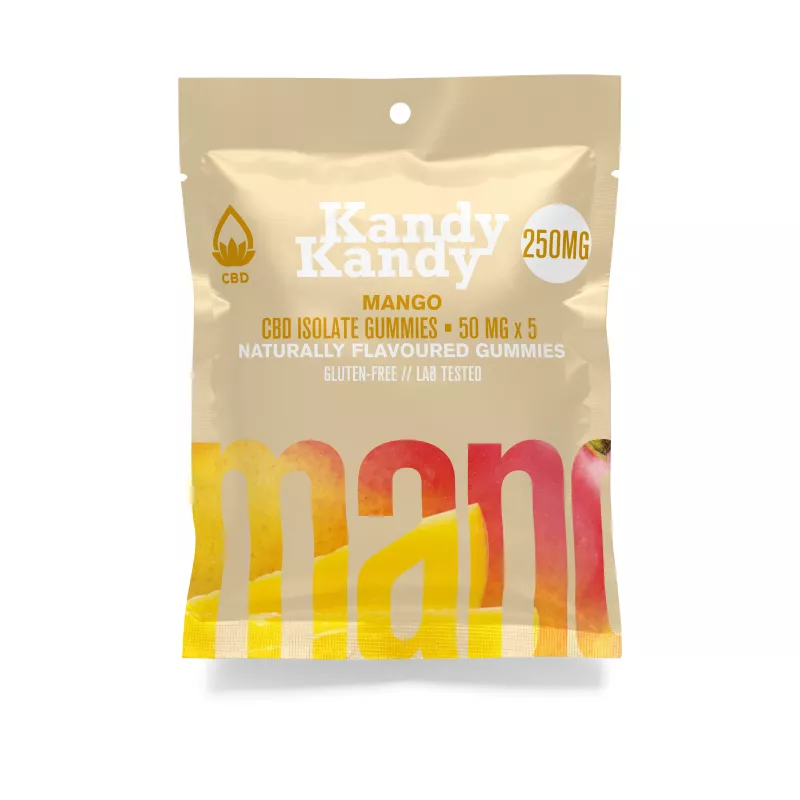
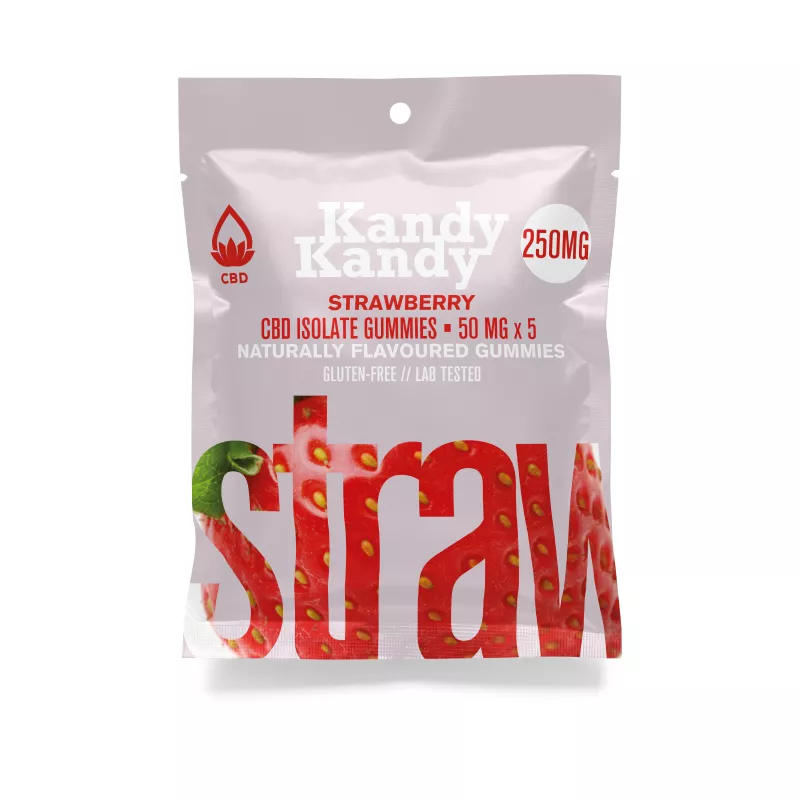
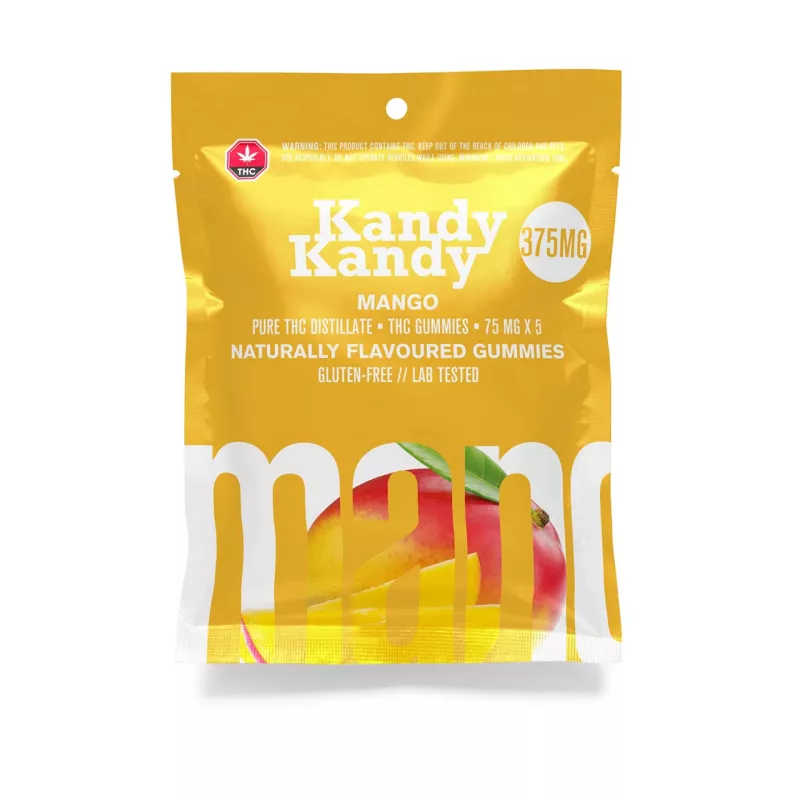
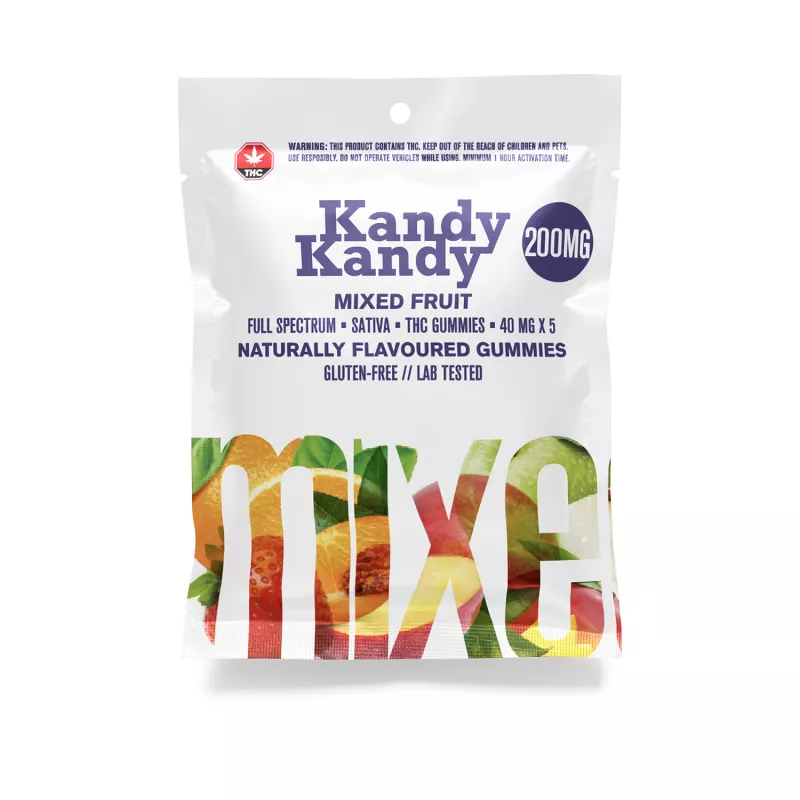
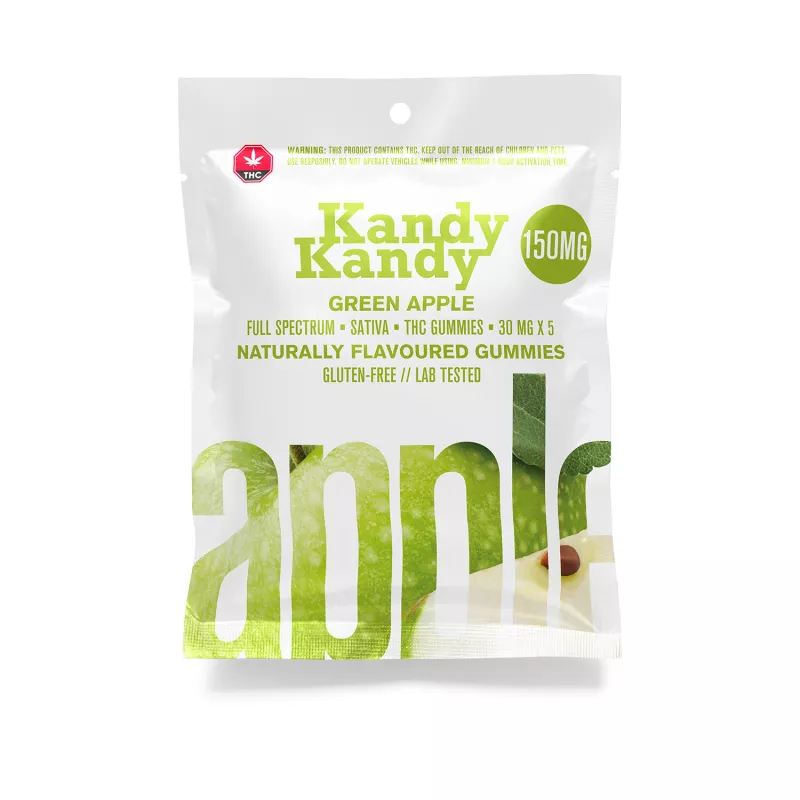

Showing 1–50 of 271 results

Receive free shipping on all orders over $135! This is calculated after any offers and coupons and before taxes.

Get 15% off your first order with us! All of our members also become eligible for exclusive giveaways, freebies, VIP sales, and other goodies only you will know about!

Leave a review for any product you purchased at any time on any other site, and you are automatically entered in our monthly contest to win up to $500 of free BIRCH+FOG products!
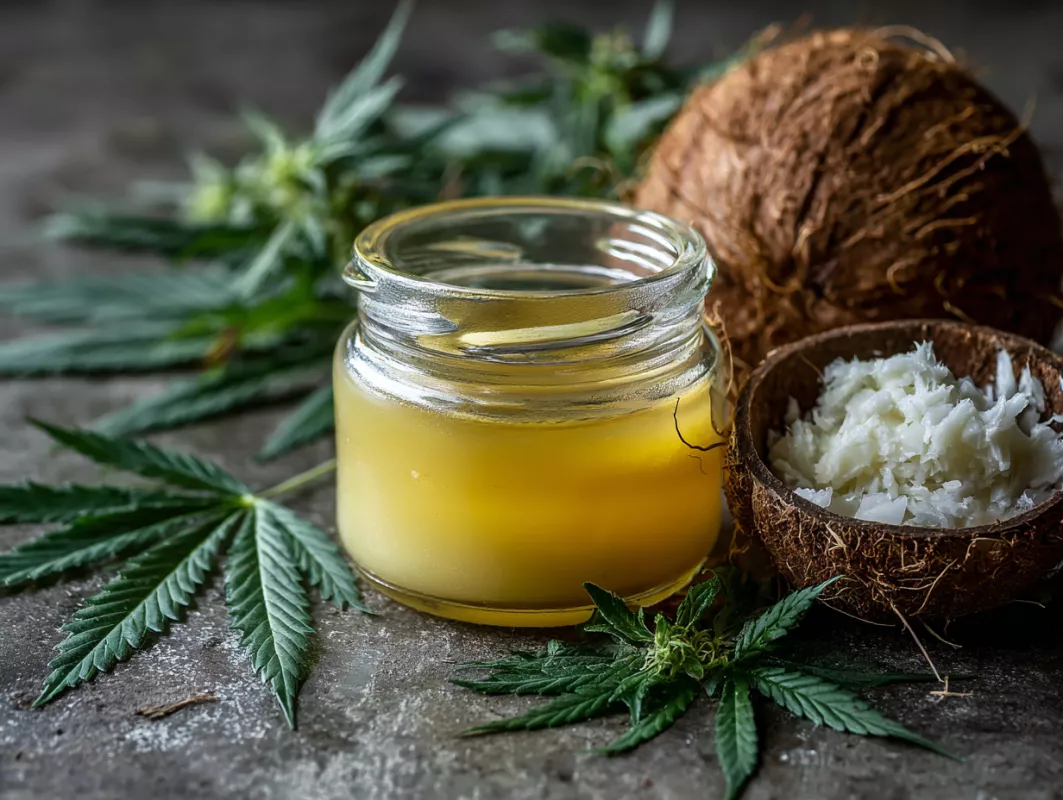
Cannabis Coconut Oil Edibles Recipe: How to Make THC Coconut Oil
Index Cannabis Coconut Oil Edibles Introduction Essential Ingredients and Equipment Cannabis Decarboxylation Process Step-by-Step [...]
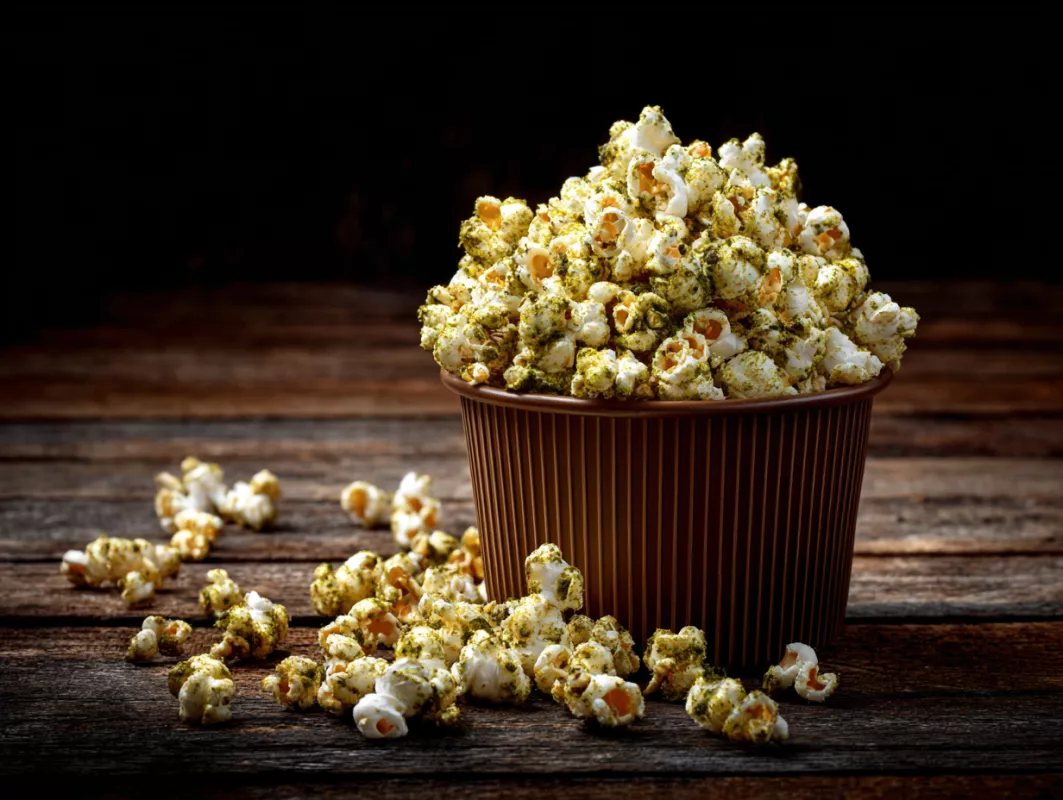
Cannabis Popcorn Edibles Recipe: THC Butter Popcorn Snack
Index Cannabis Popcorn Edibles Introduction Essential Ingredients and Equipment Cannabis Butter Preparation Step-by-Step Recipe [...]
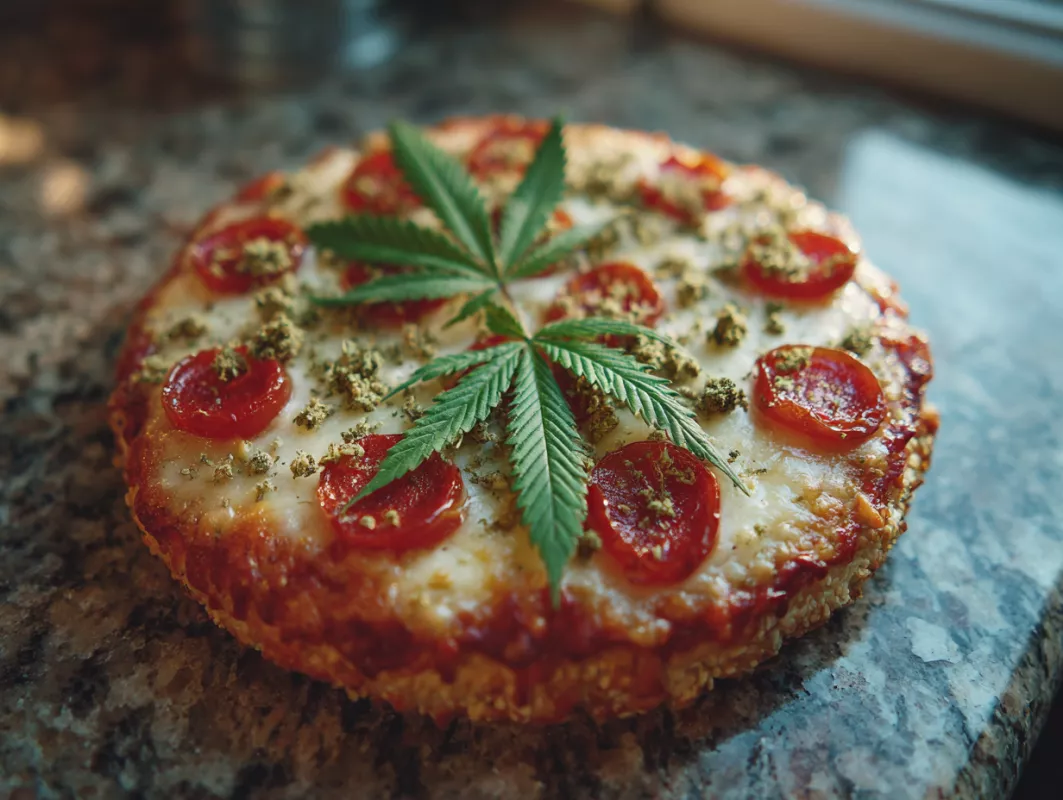
Cannabis Pizza Edibles Recipe: THC-Infused Pizza Dough and Sauce
Index Cannabis Pizza Edibles Introduction Essential Ingredients and Equipment Cannabis Oil Preparation Step-by-Step Recipe [...]
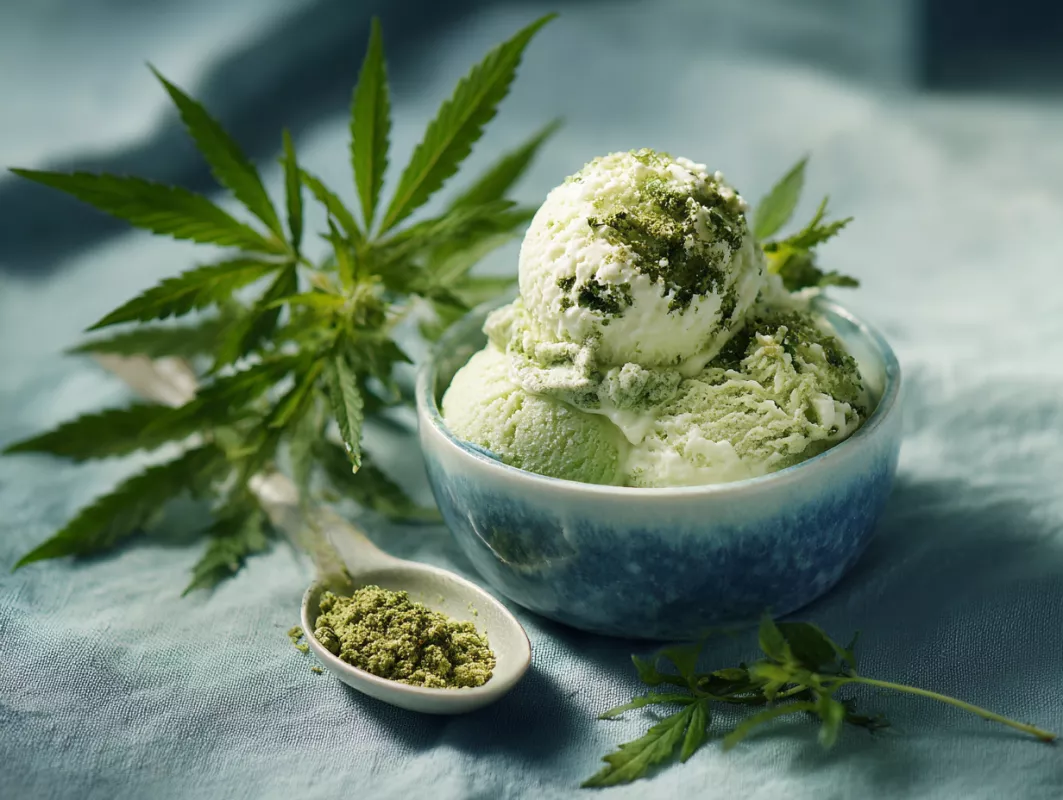
Cannabis Ice Cream Edibles Recipe: Homemade THC Ice Cream
Index Cannabis Ice Cream Edibles Introduction Essential Ingredients and Equipment Cannabis Infused Cream Preparation [...]
Cannabis Gummy Worm Edibles Recipe: Sour THC Gummy Candies
Index Cannabis Gummy Worm Edibles Introduction Essential Ingredients and Equipment Cannabis Tincture Preparation Step-by-Step [...]
Cannabis Smoothie Edibles Recipe: Healthy THC Protein Smoothies
Index Cannabis Smoothie Edibles Introduction Essential Ingredients and Equipment Cannabis Oil and Tincture Preparation [...]
Cannabis Fudge Edibles Recipe: Rich Chocolate THC Fudge
Index Cannabis Fudge Edibles Introduction Essential Ingredients and Equipment Cannabis Chocolate Preparation Classic Cannabis [...]
Cannabis Tea Edibles Recipe: How to Make THC Tea at Home
Index Cannabis Tea Edibles Introduction Essential Ingredients and Equipment Cannabis Preparation Methods Decarboxylation for [...]
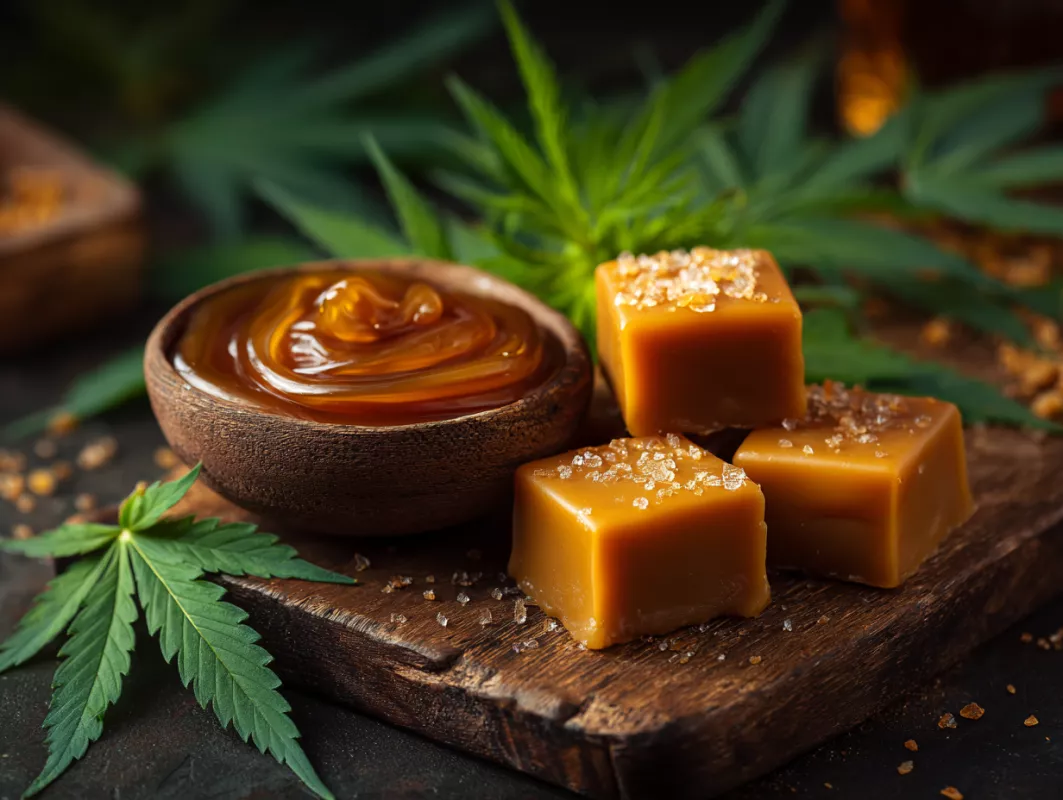
Cannabis Caramel Edibles Recipe: Chewy THC Candy Squares
Index Cannabis Caramel Edibles Introduction Essential Ingredients and Equipment Cannabis Oil Preparation Caramel Making [...]
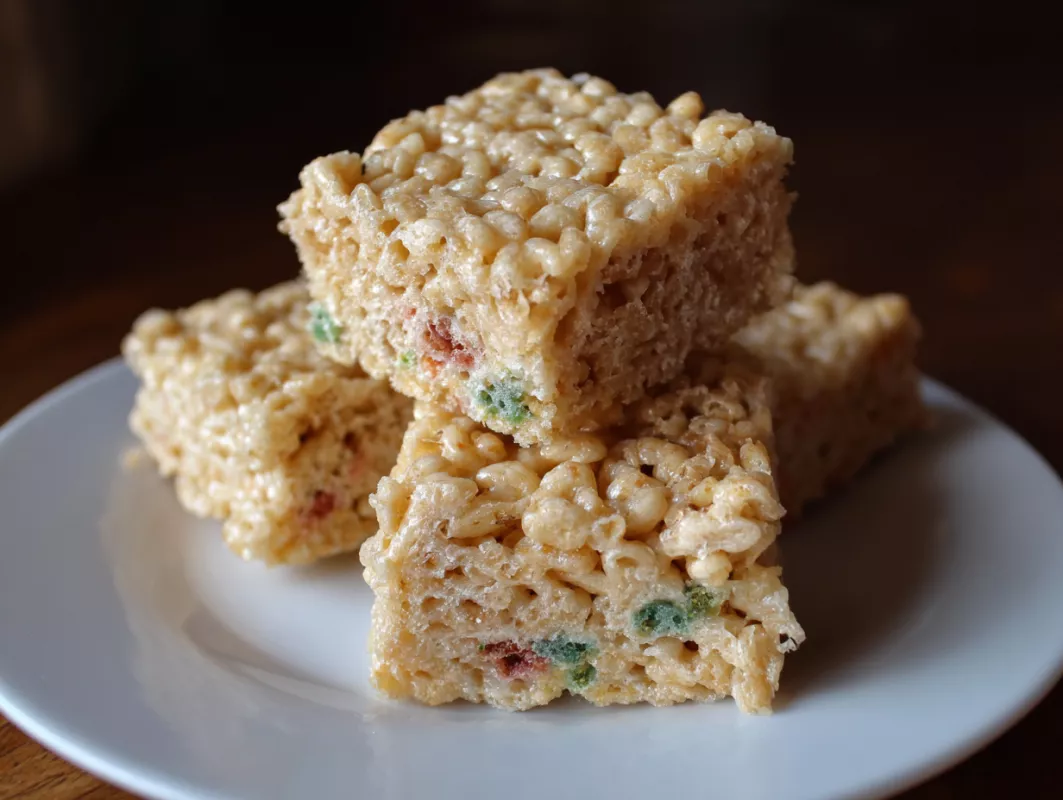
Cannabis Rice Krispie Edibles Recipe: No-Bake THC Treats
Index Cannabis Rice Krispie Treats Introduction Essential Ingredients and Equipment Cannabis Butter Preparation Step-by-Step [...]
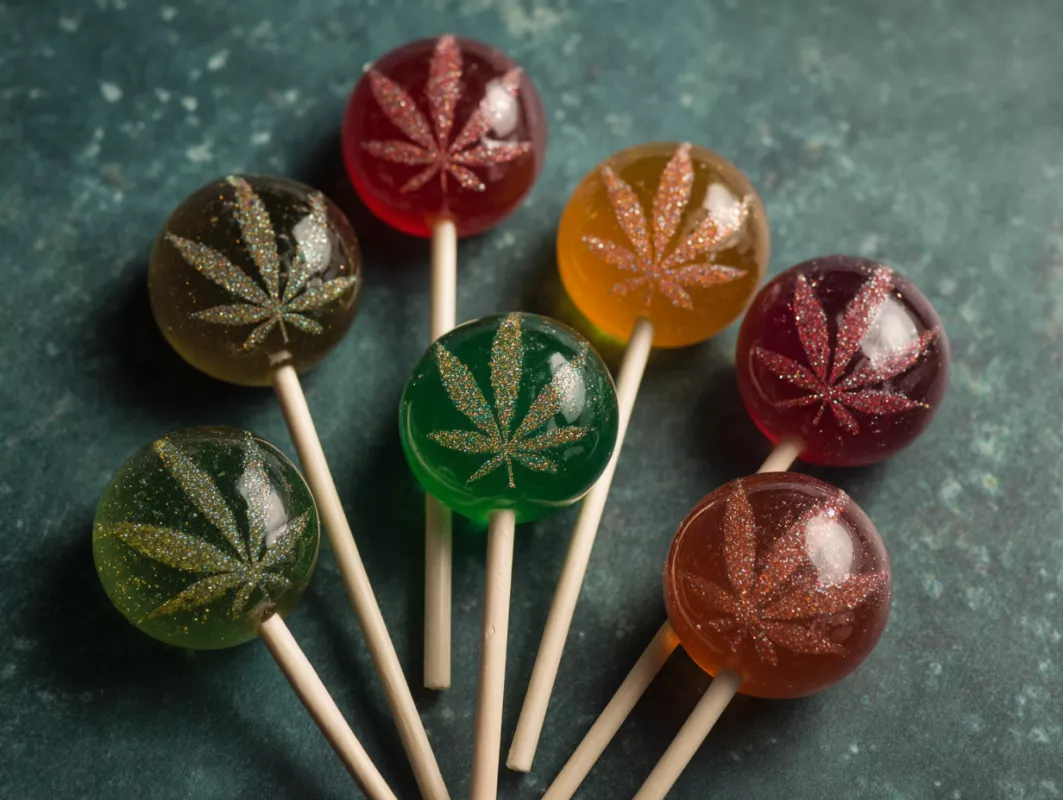
Cannabis Lollipop Edibles Recipe: Hard Candy THC Suckers
Index Cannabis Lollipop Edibles Introduction Essential Ingredients and Equipment Cannabis Tincture Preparation Step-by-Step Recipe [...]
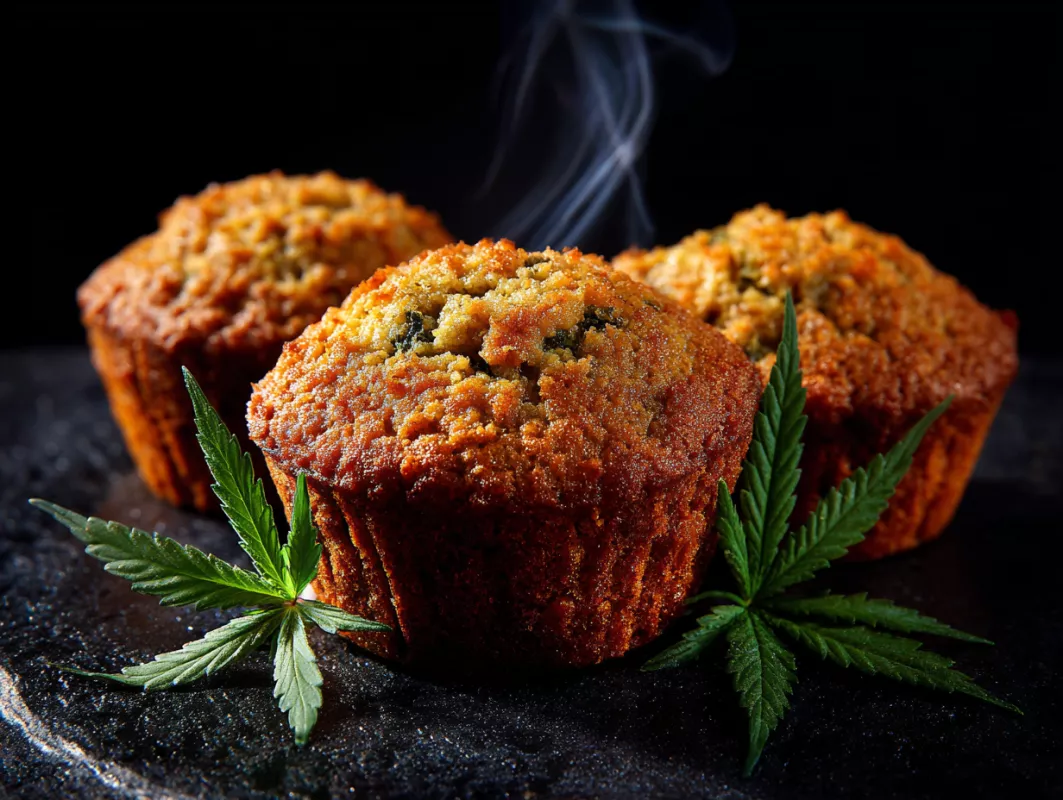
Cannabis Muffin Edibles Recipe: Easy THC Blueberry Muffins
Index Cannabis Muffin Edibles Introduction Essential Ingredients and Equipment Cannabis Oil Preparation Step-by-Step Recipe [...]
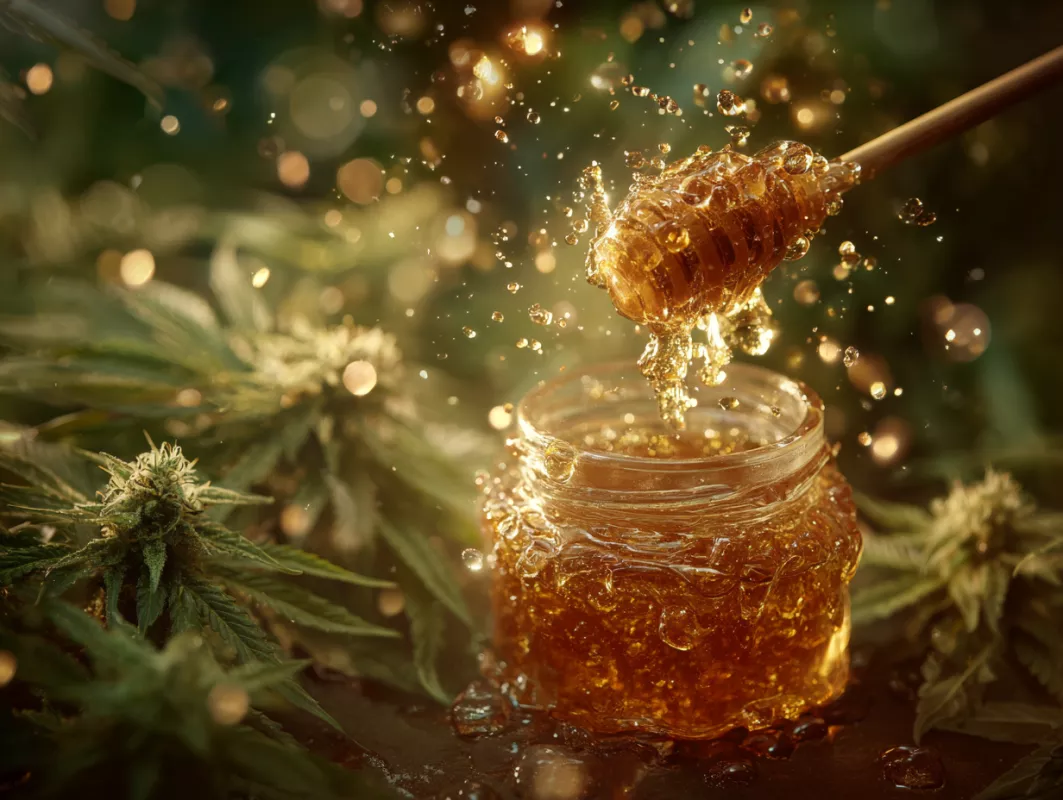
Cannabis Honey Edibles Recipe: Infused Honey for Tea and Cooking
Index Cannabis Honey Edibles Introduction Essential Ingredients and Equipment Cannabis Preparation and Decarboxylation Step-by-Step [...]
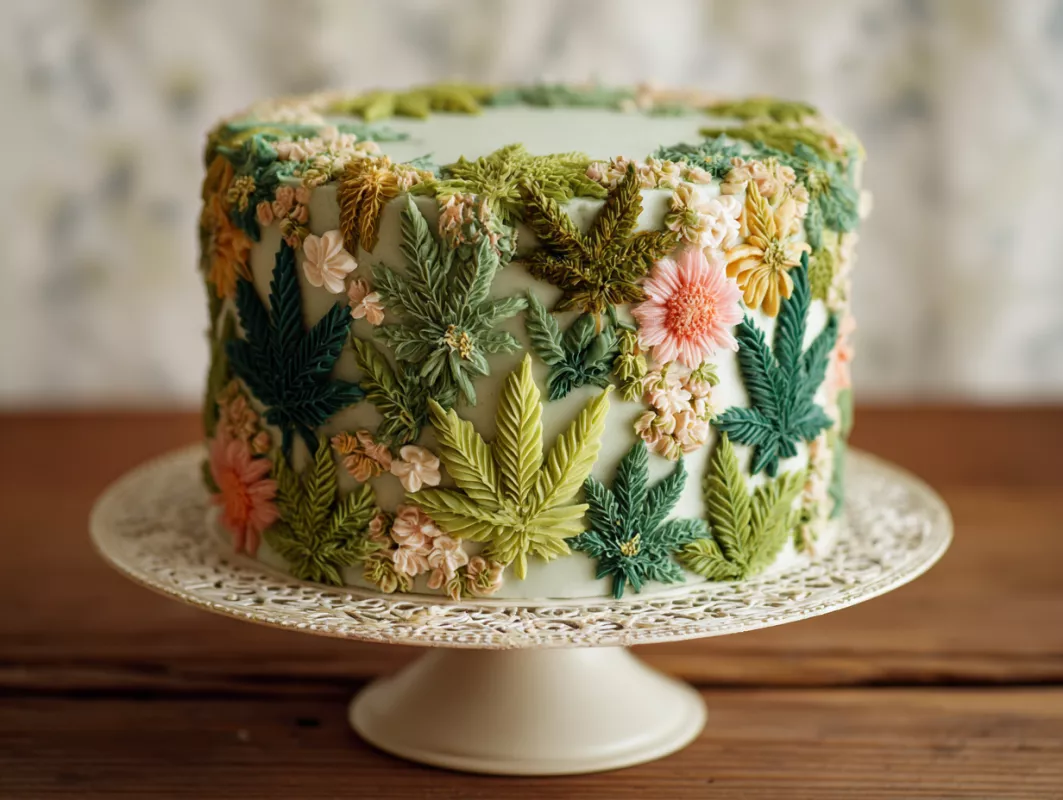
Cannabis Cake Edibles Recipe: Moist Weed Cake with Frosting
Index Cannabis Cake Edibles Introduction Essential Ingredients and Equipment Cannabis Butter Preparation Step-by-Step Recipe [...]
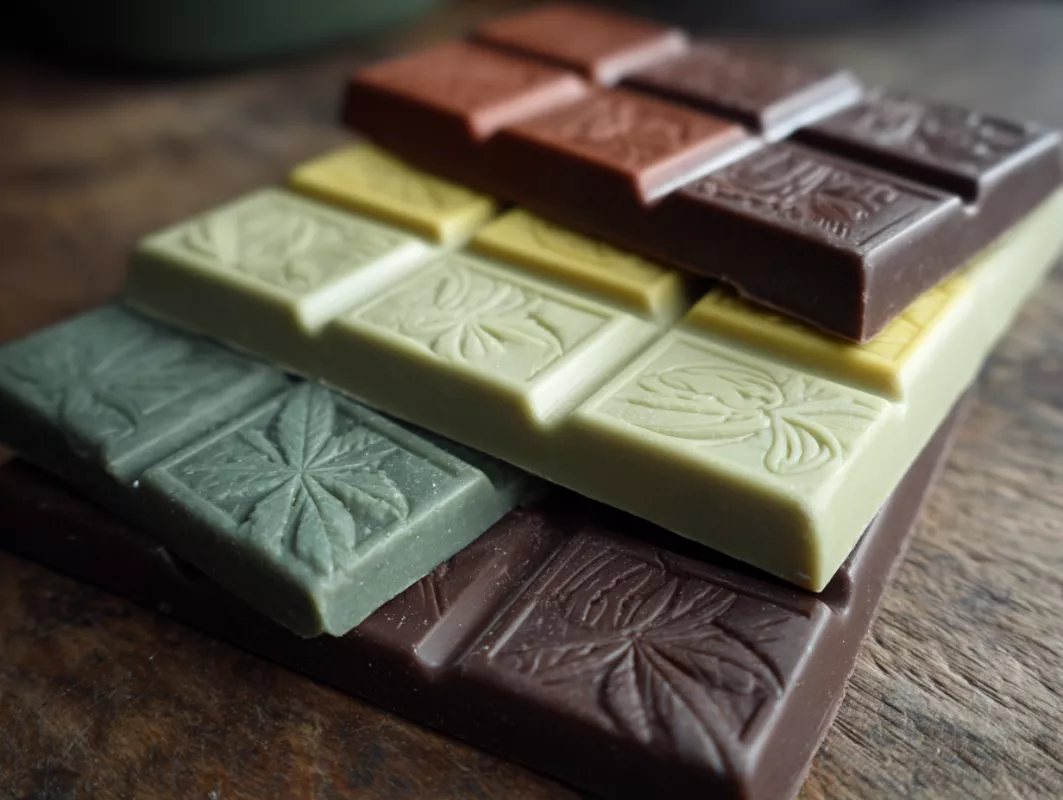
Cannabis Chocolate Edibles Recipe: Homemade THC Chocolate Bars
Index Cannabis Chocolate Edibles Introduction Essential Ingredients and Equipment Cannabis Oil Preparation Step-by-Step Recipe [...]
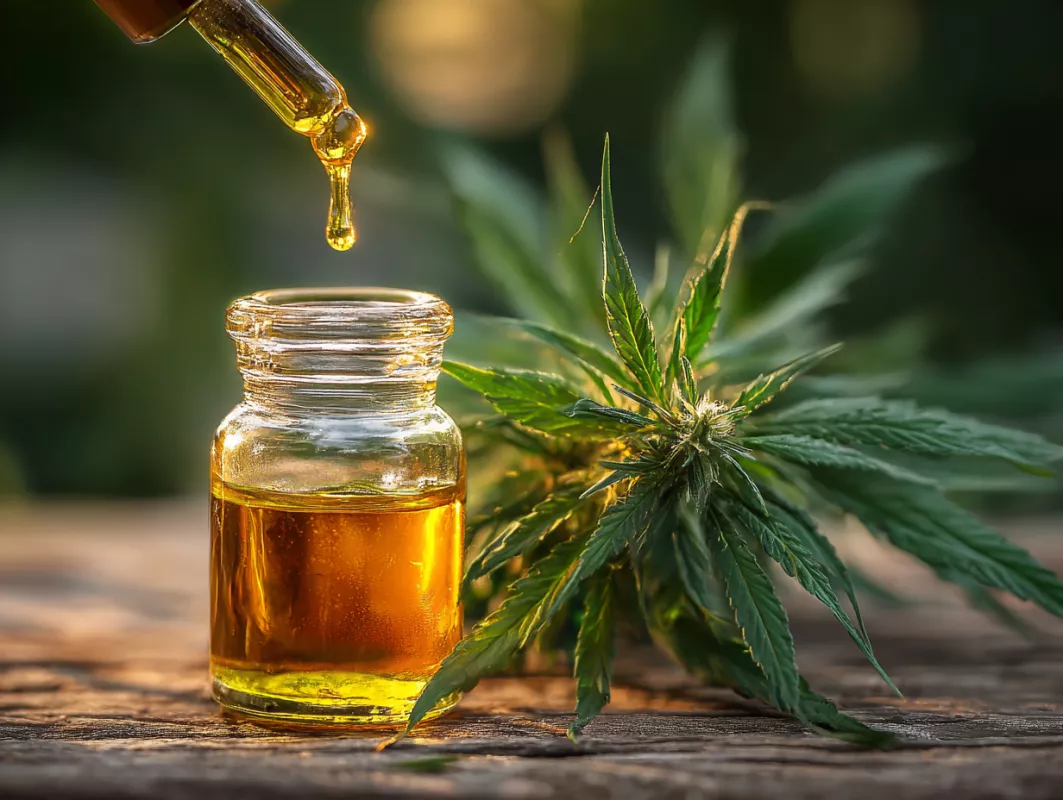
Cannabis Oil for Edibles Recipe: How to Make Weed Cooking Oil
Index Cannabis Oil for Edibles Introduction Essential Ingredients and Equipment Cannabis Preparation and Decarboxylation [...]
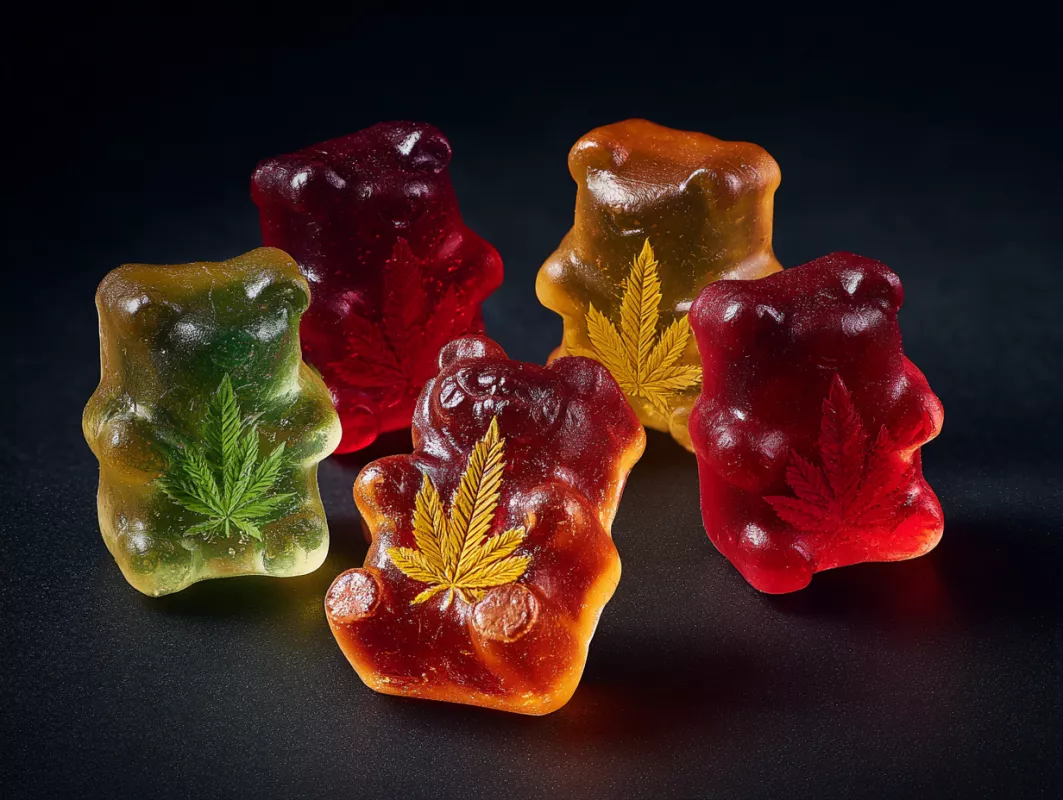
Cannabis Gummy Edibles Recipe: Homemade THC Gummy Bears
Index Cannabis Gummy Edibles Introduction Essential Ingredients and Equipment Cannabis Oil Preparation Step-by-Step Recipe [...]
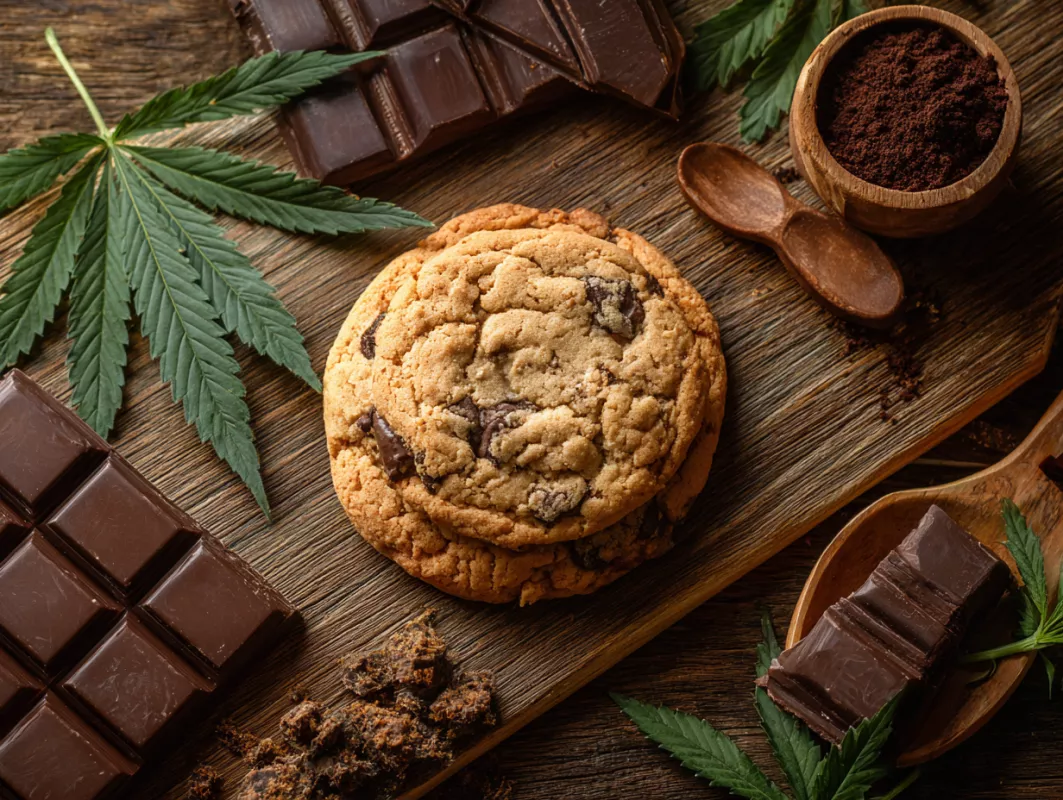
Cannabis Cookie Edibles Recipe: Easy Weed Chocolate Chip Cookies
Index Cannabis Cookie Edibles Introduction Essential Ingredients and Equipment Cannabis Butter Preparation Step-by-Step Recipe [...]
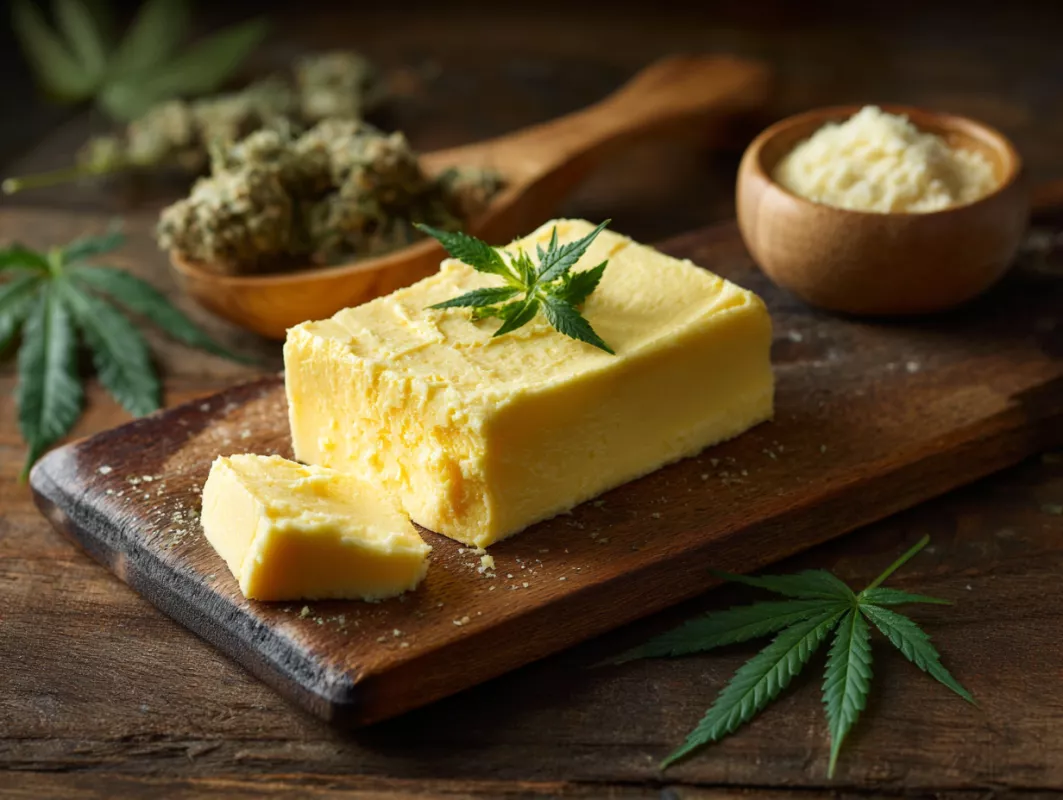
How to Make Cannabutter for Edibles: Complete Recipe Guide
Index How to Make Cannabutter for Edibles Introduction Essential Ingredients and Equipment Cannabis Preparation [...]
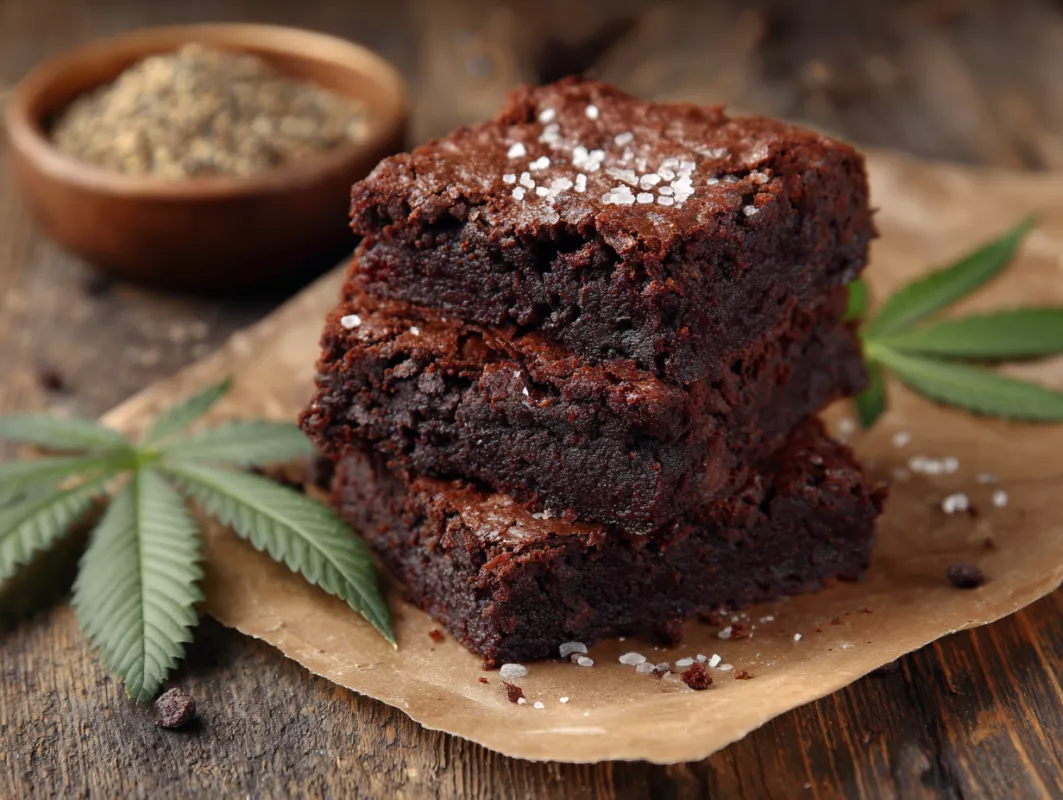
Cannabis Brownies Edibles Recipe: Perfect Potent Weed Brownies
Index Cannabis Brownies Edibles Introduction Essential Ingredients and Equipment Cannabis Butter Preparation Step-by-Step Recipe [...]
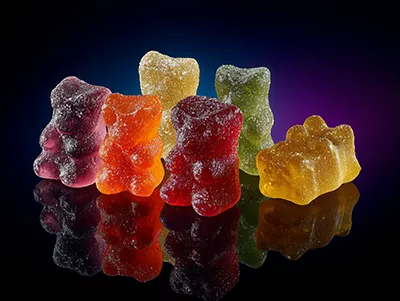
Premium BIRCH+FOG gummy bears showcasing our curated selection of cannabis edibles for Canadian consumers
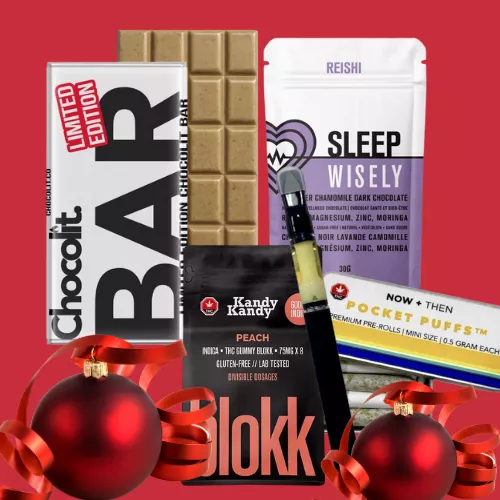
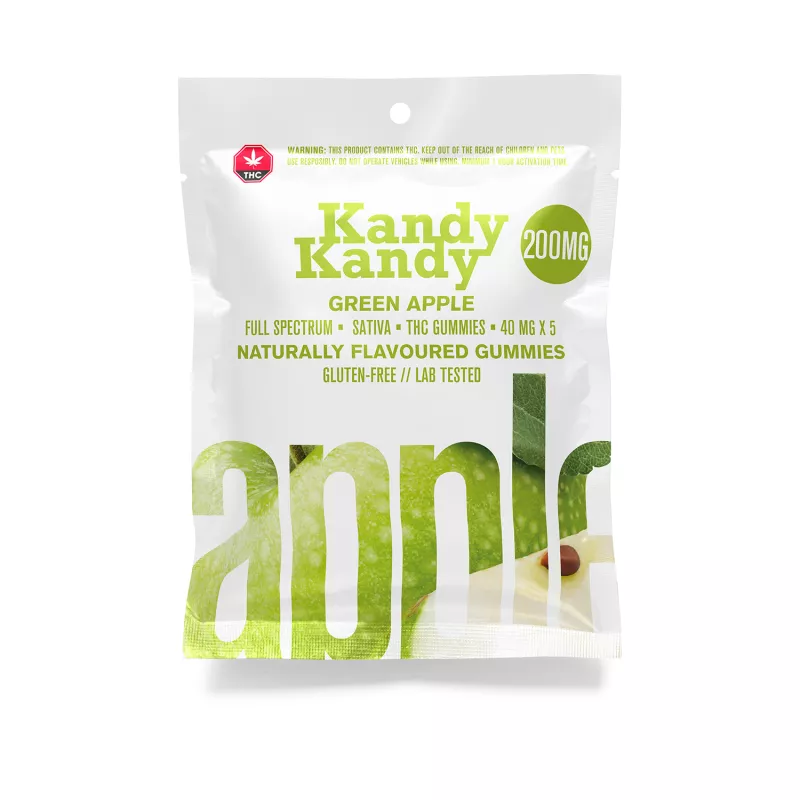
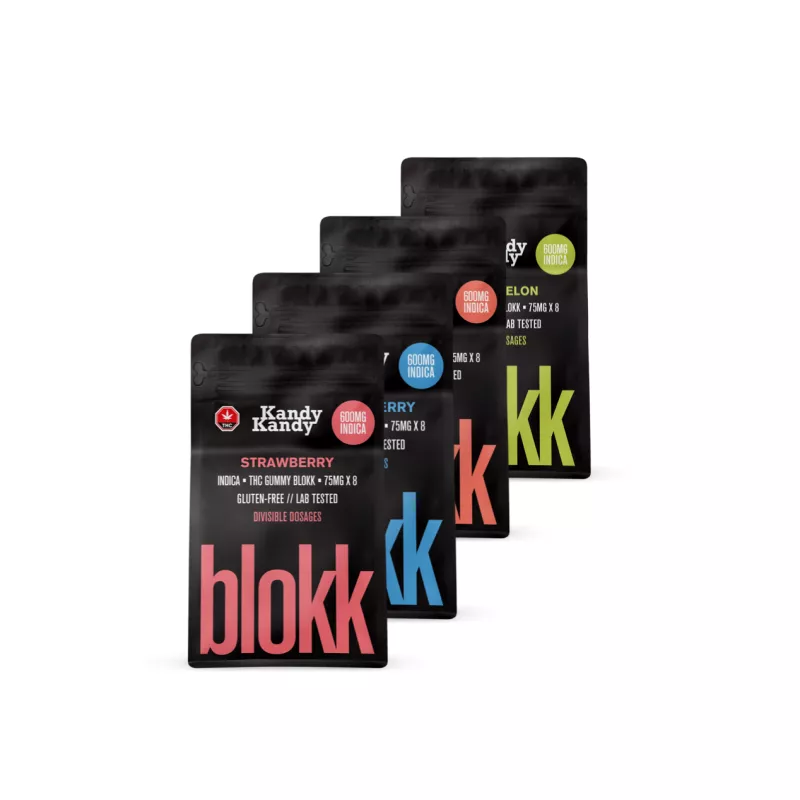
Cannabis edibles are a delicious way for Canadians to enjoy marijuana! At BIRCH+FOG, we’ve carefully curated Canada’s finest edibles collection, featuring premium products like our award-winning Mixed Sour Squares CBD Gummies delivering 30mg per piece, high-potency KANDY KANDY Gummy Blokks with precise 75mg dosing, and therapeutic Pain Gummies combining CBD and CBG for targeted relief. Our selection spans from gentle 10mg Bedtime Bears perfect for beginners to powerful 300mg Phoenix Tears gummies for experienced users.
This helpful edibles guide will teach Canadian newbies how to safely experience the benefits of THC, CBD, and other cannabinoids through our expertly curated edible creations. From vegan options to strain-specific formulations, we’ll explore the tasty world of premium cannabis edibles canada has to offer!
???? Cannabis 2.0 Revolution
Since the legalization of cannabis edibles in Canada on October 17, 2019, the landscape of cannabis consumption has been forever transformed. This historic milestone marked the beginning of Cannabis 2.0, opening doors to innovative products like our LIIFT Tropical Fruit Punch cannabis gummies and vegan-friendly KANDY KANDY collections that have revolutionized how Canadians experience edibles canada.
???? Diverse Consumer Demographics
Research reveals that Canadian edibles consumers represent a diverse demographic, with edibles attracting significant numbers of cannabis newcomers. Our product selection addresses this diversity with options ranging from 10mg beginner-friendly canna gummies to high-dose specialty items like our 600mg Gummy Blokks and therapeutic pain relief formulations.
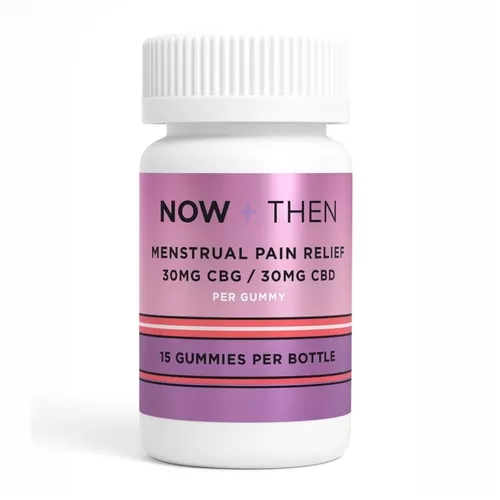
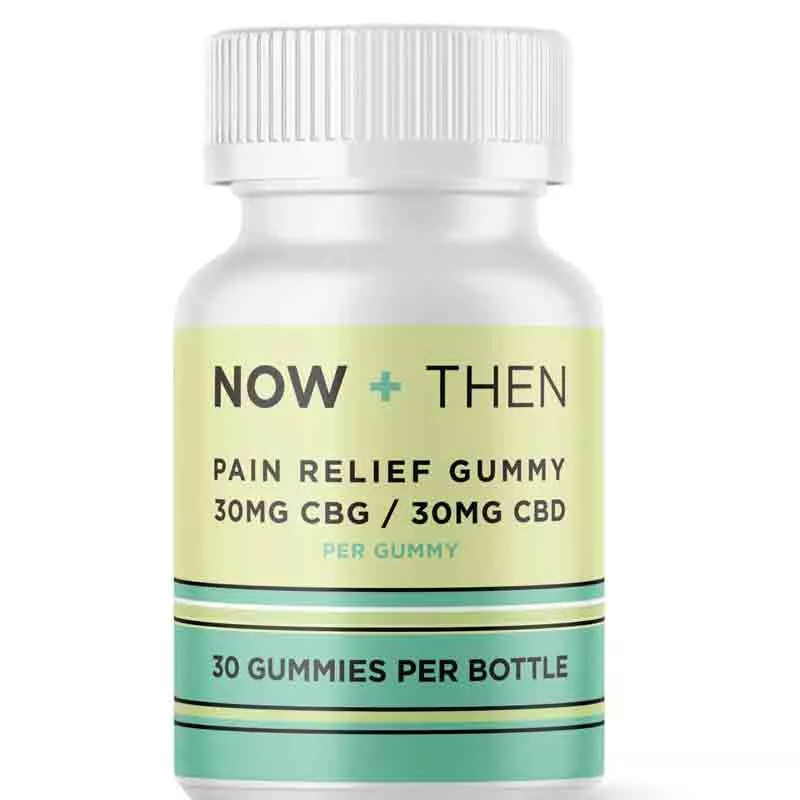
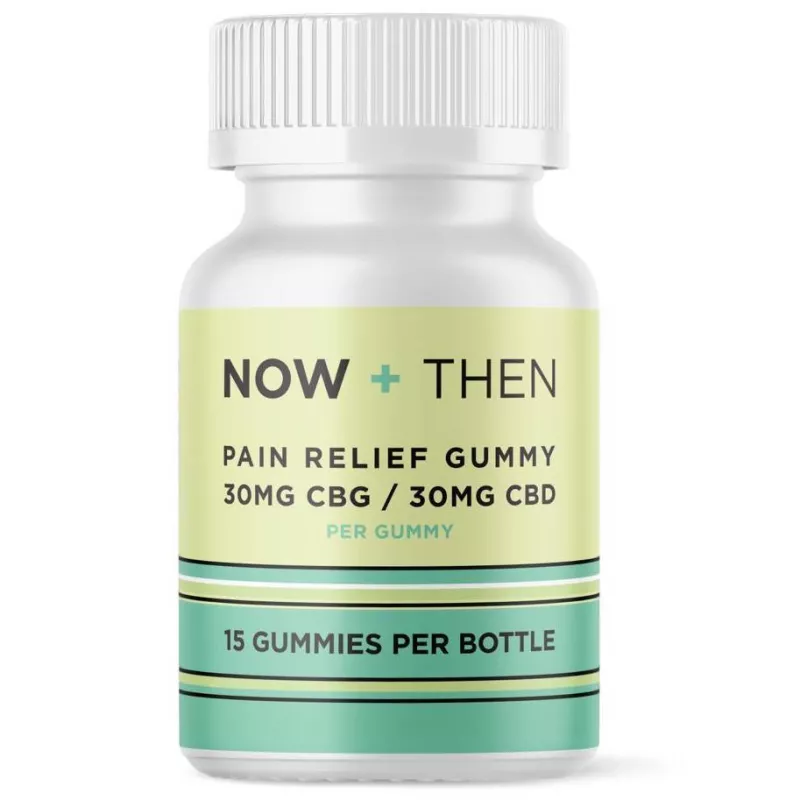
For those seeking natural anxiety relief, our anxiety edibles collection features specially formulated products designed to promote calm and relaxation. The standout product in this category is our NOW+THEN Pain Gummies, which combine 60mg of CBD and CBG per piece to provide comprehensive therapeutic support for both anxiety and physical discomfort.
???? Calming Cannabinoid Formulations
Our anxiety-focused edibles utilize specific cannabinoid ratios and calming terpenes that promote relaxation without overwhelming sedation. These products are perfect for managing daily stress, social anxiety, and situational nervousness while maintaining mental clarity and functionality.
???? Enhanced CBD and CBG Synergy
The Pain Gummies in our anxiety collection feature enhanced formulations with CBD and CBG working synergistically to address both mental and physical tension. Available in 15-piece and 30-piece bottles, these gummies provide flexible dosing options for different anxiety management needs.
???? Natural Pharmaceutical Alternative
Our anxiety edibles represent a natural alternative to pharmaceutical options, offering users the ability to manage anxiety symptoms while avoiding harsh side effects. The combination of cannabinoids provides comprehensive support for stress management and emotional balance.

CBD tinctures and wellness products demonstrating precise dosing for therapeutic cannabidiol applications
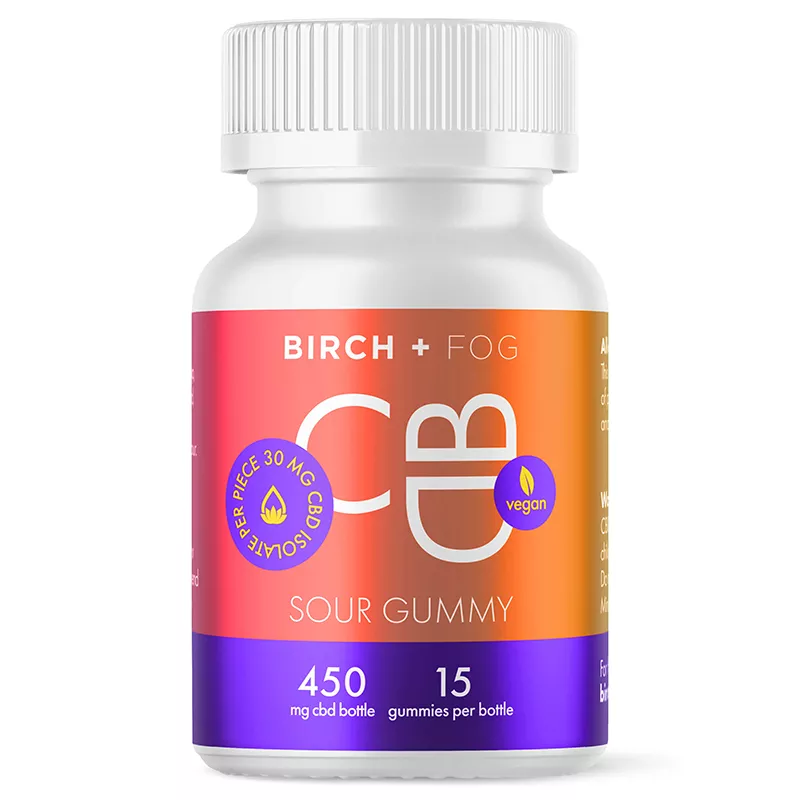
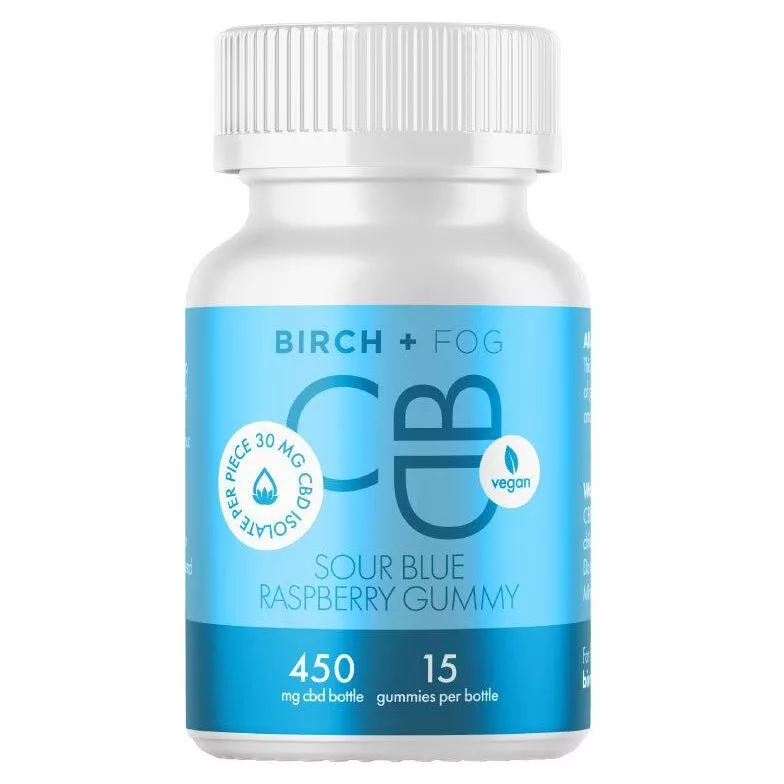
Our CBD edibles collection showcases the therapeutic potential of cannabidiol without psychoactive effects. Featured products include our premium Mixed Sour Squares CBD Gummies with 30mg per piece and Blue Raspberry CBD Gummies, both offering potent wellness benefits in delicious, vegan-friendly formats.
???? Consistent Daily Wellness Support
Our CBD gummies provide consistent wellness benefits for stress management, inflammation reduction, and overall health optimization. The 450mg total bottles offer excellent value for daily CBD supplementation, with each 30mg gummy delivering therapeutic doses in convenient, portable form.
???? Non-Psychoactive Professional Use
These non-psychoactive options provide all the wellness benefits of cannabis without impairment, making them perfect for professional environments and daily routines. The high potency ensures effective therapeutic outcomes while maintaining complete mental clarity and functionality.
???? Natural Fruit Flavor Masking
Our CBD gummies feature natural fruit flavors that mask any cannabis taste while delivering potent therapeutic effects. The Mixed Sour variety provides exciting flavor combinations, while Blue Raspberry offers a classic taste that appeals to all preferences.

Comprehensive THC dosing guide showing potency levels and consumption guidelines for cannabis edibles
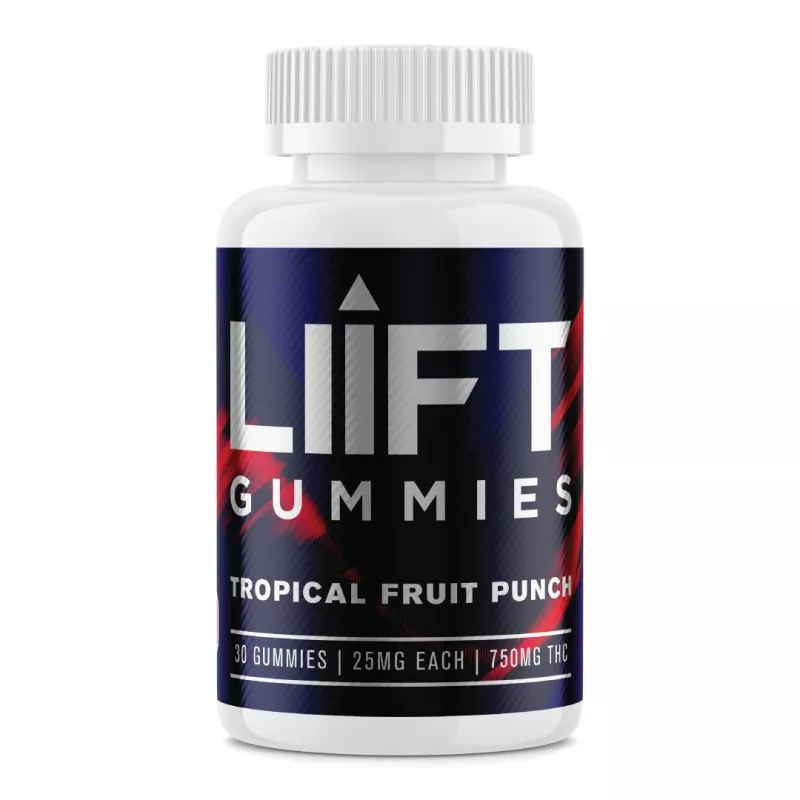
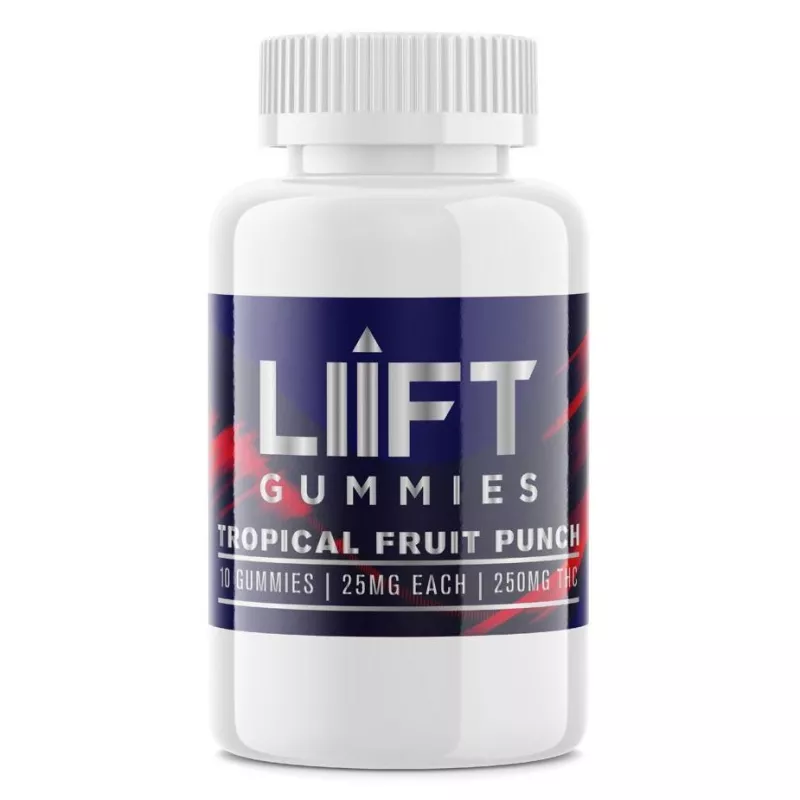
Our thc edibles collection features powerful recreational and therapeutic options, highlighted by LIIFT’s Tropical Fruit Punch THC Gummies and KANDY KANDY’s impressive Gummy Blokks. These products deliver precise dosing from 10mg beginner options to 75mg high-potency formulations for experienced users.
???? High-Potency Gummy Blokks
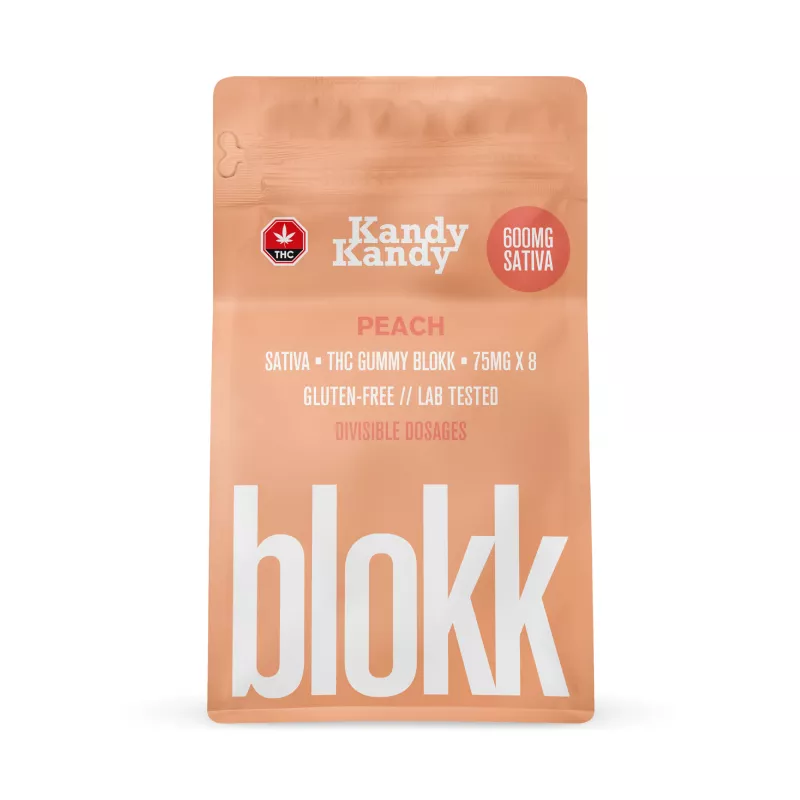
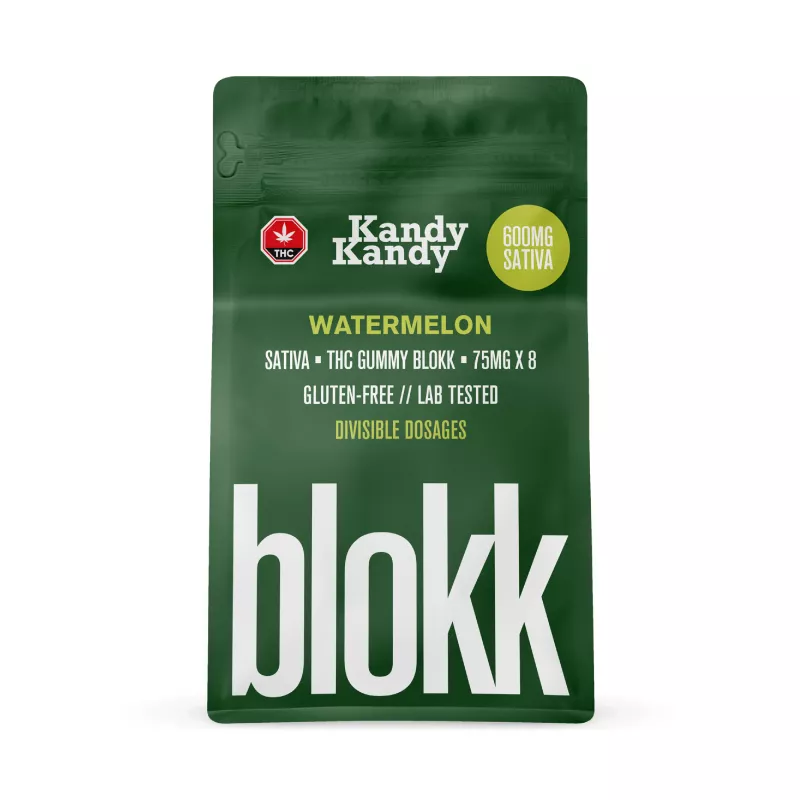
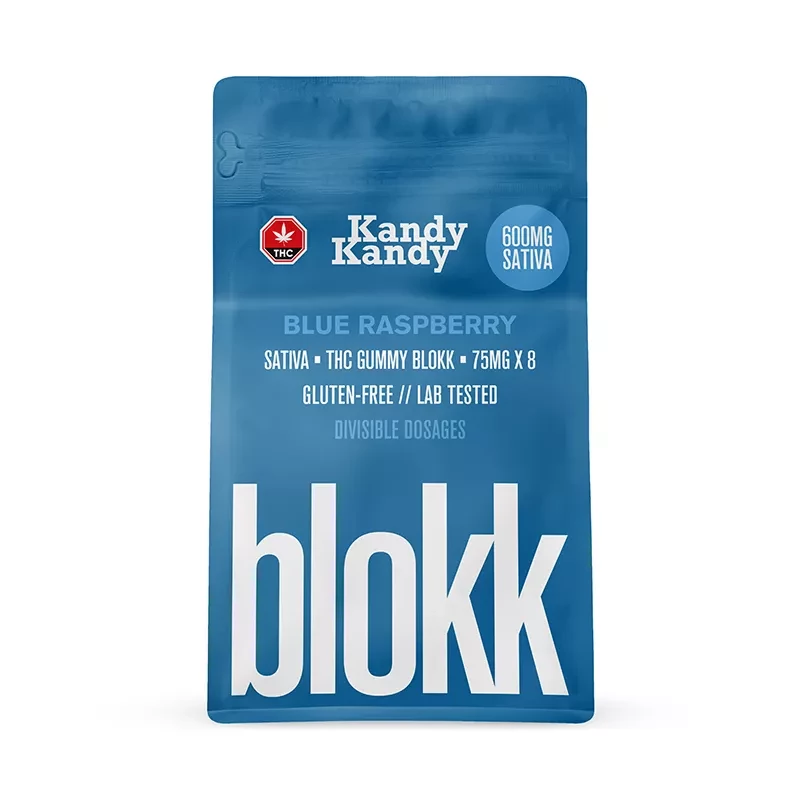
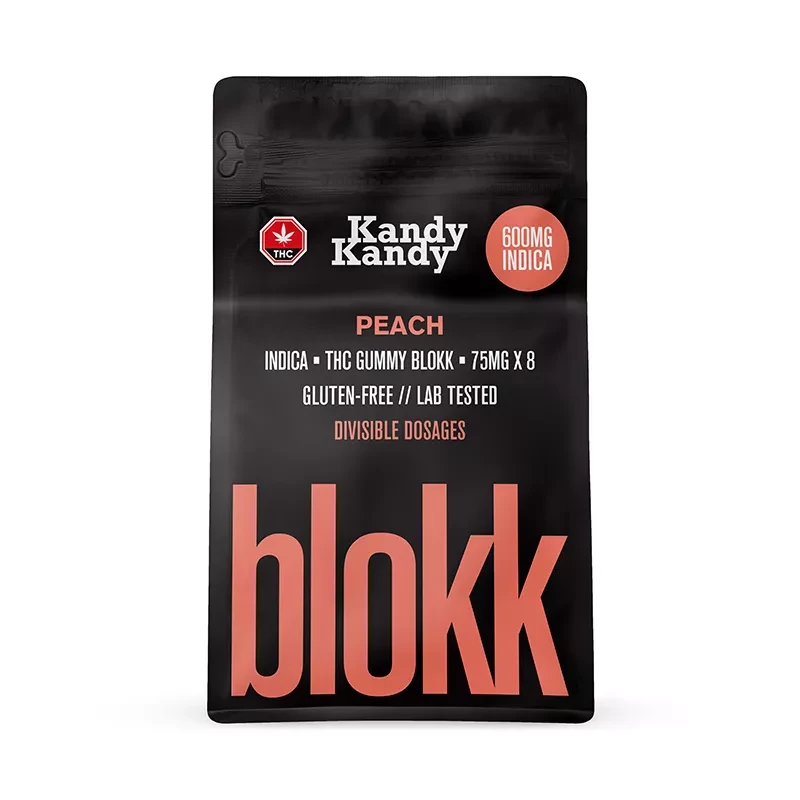
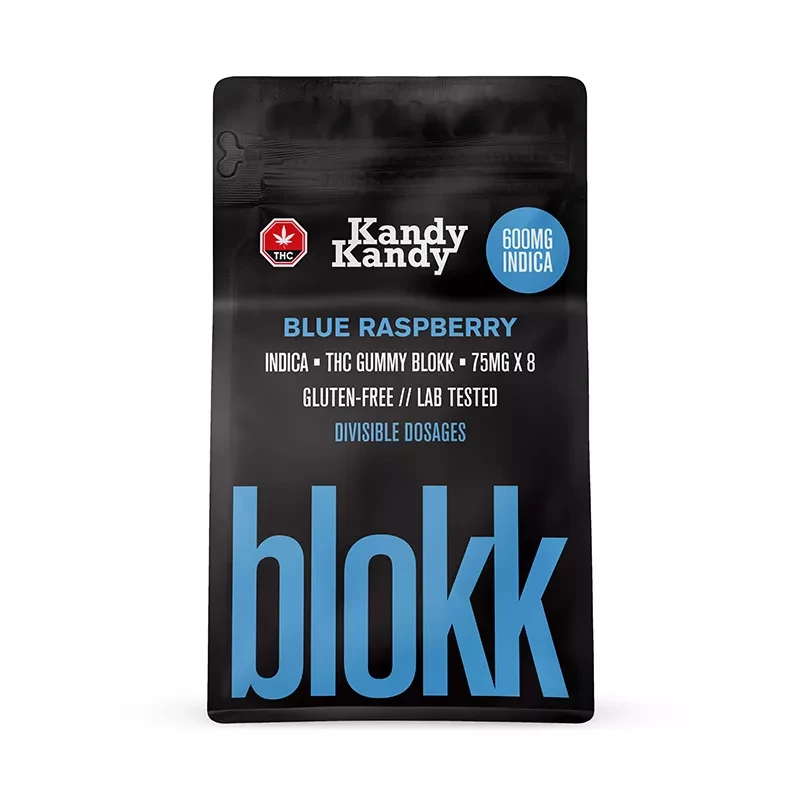
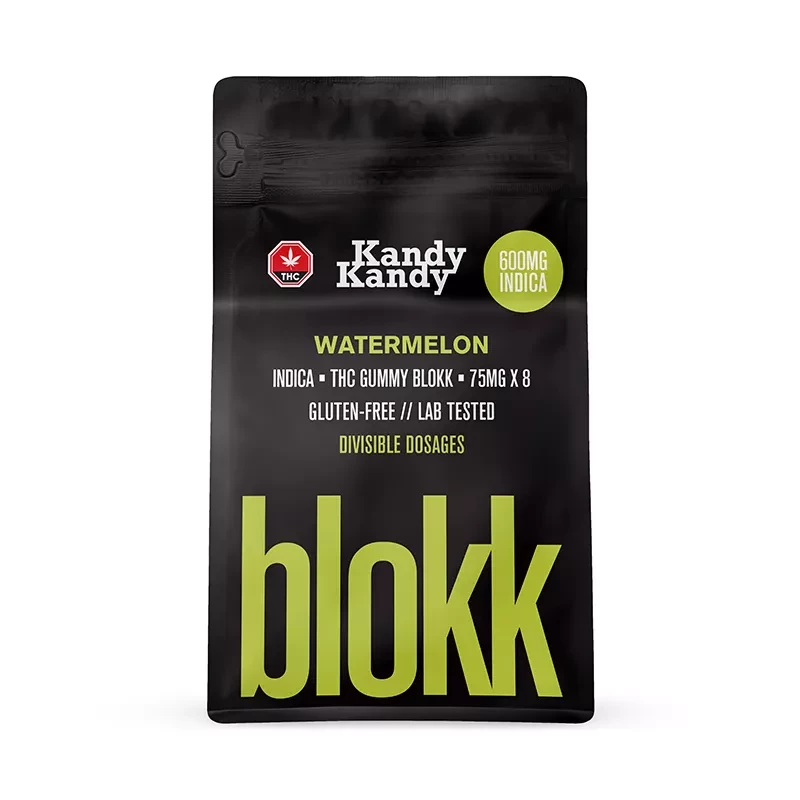
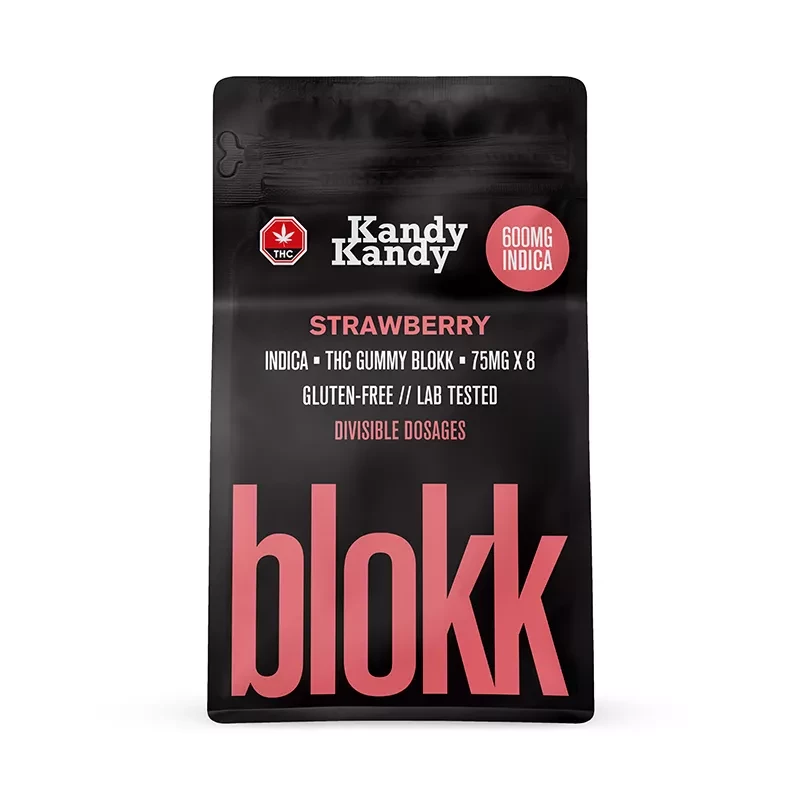
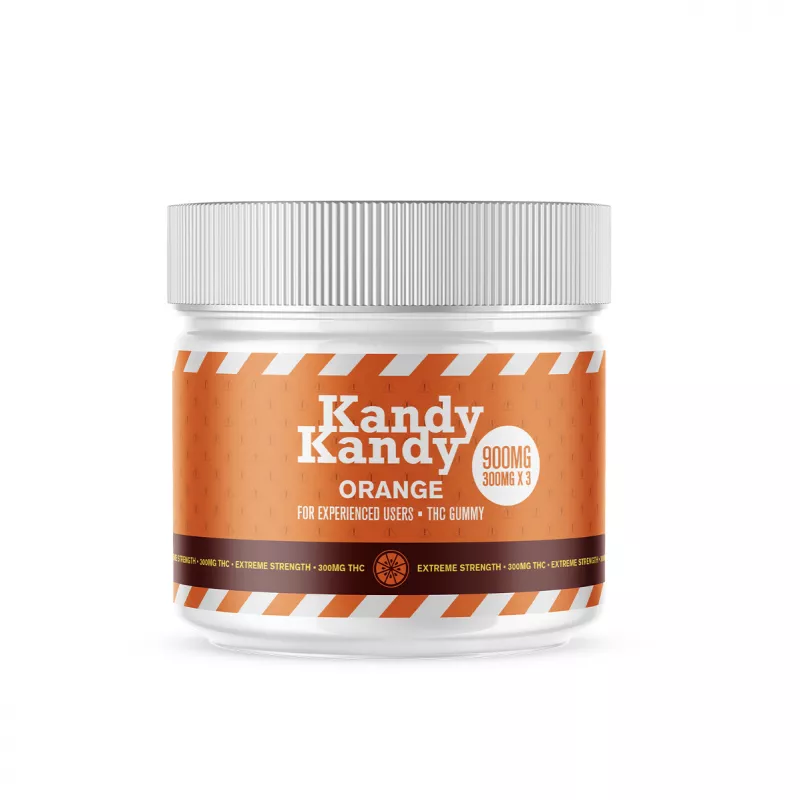
The KANDY KANDY Gummy Blokks represent the pinnacle of thc gummies canada offerings, with each piece containing 75mg of premium THC extract. Available in multiple flavor profiles including Strawberry, Watermelon, Blue Raspberry, and Peach, these products provide powerful experiences for seasoned cannabis consumers.
⚡ Enhanced Bioavailability Formulations
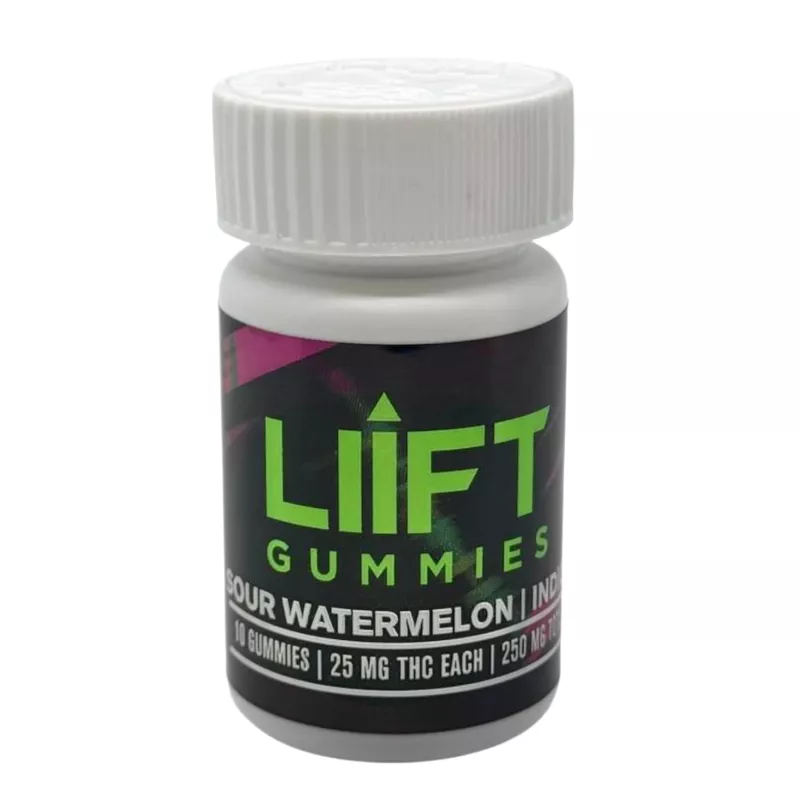
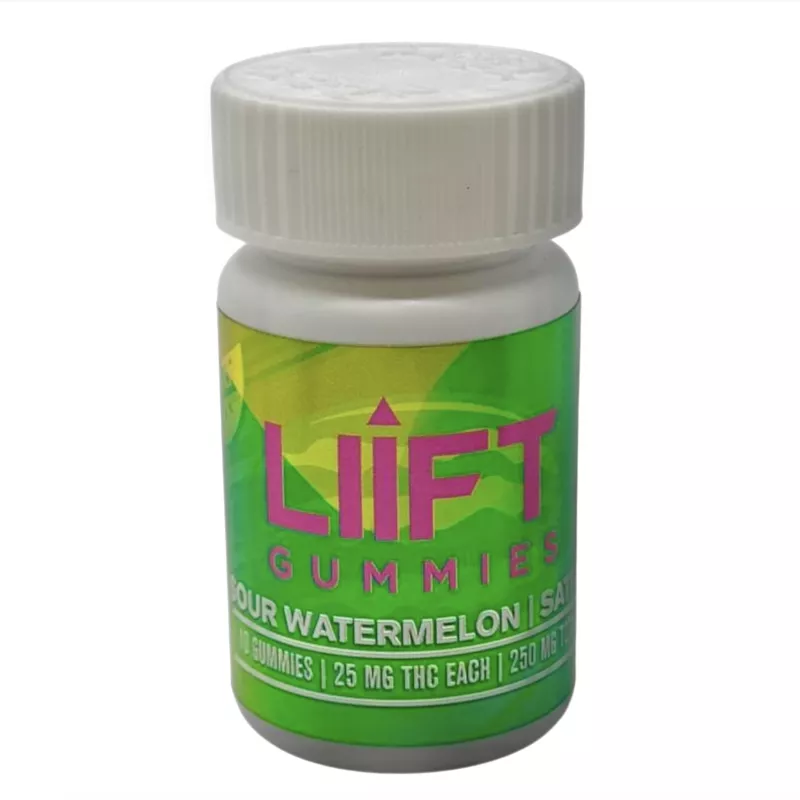
LIIFT’s Tropical Fruit Punch series offers enhanced bioavailability with 25mg THC per gummy, designed for more predictable onset times and consistent effects. Available in 10-piece and 30-piece options, these gummies provide flexibility for different consumption preferences.
???? Strain-Specific Effect Profiles
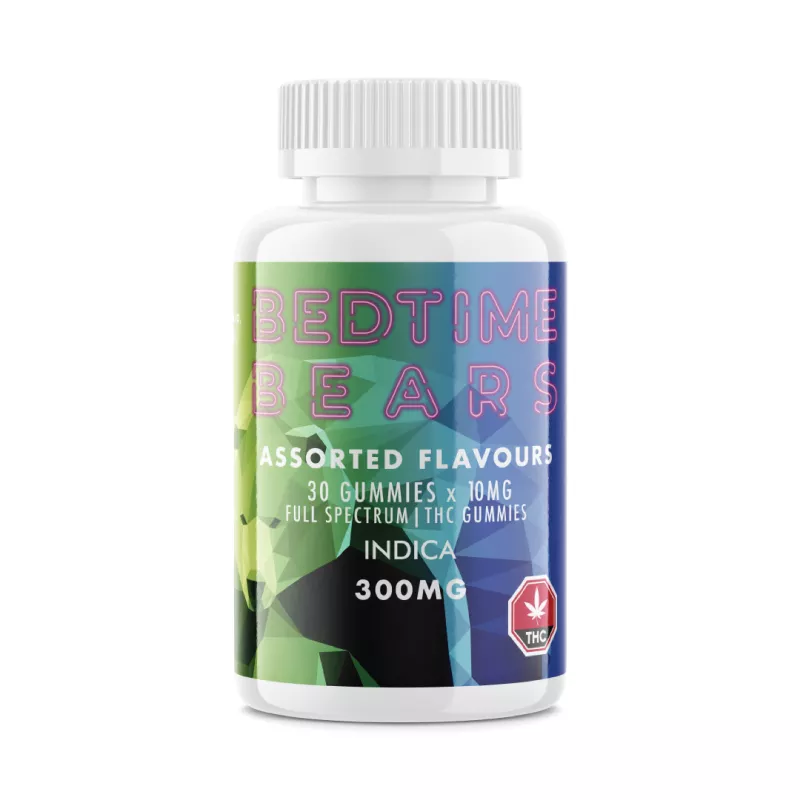
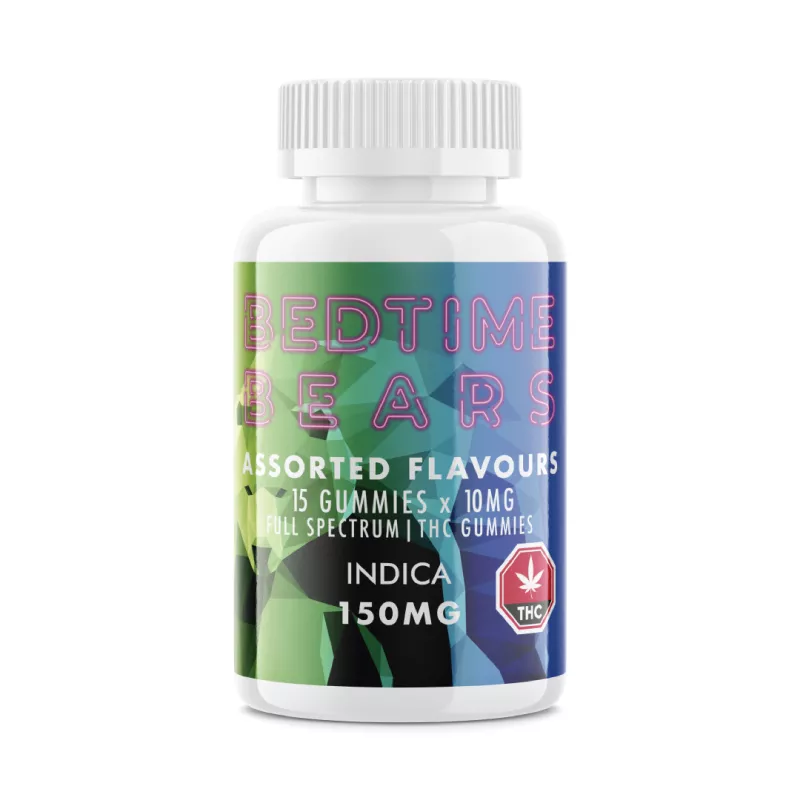
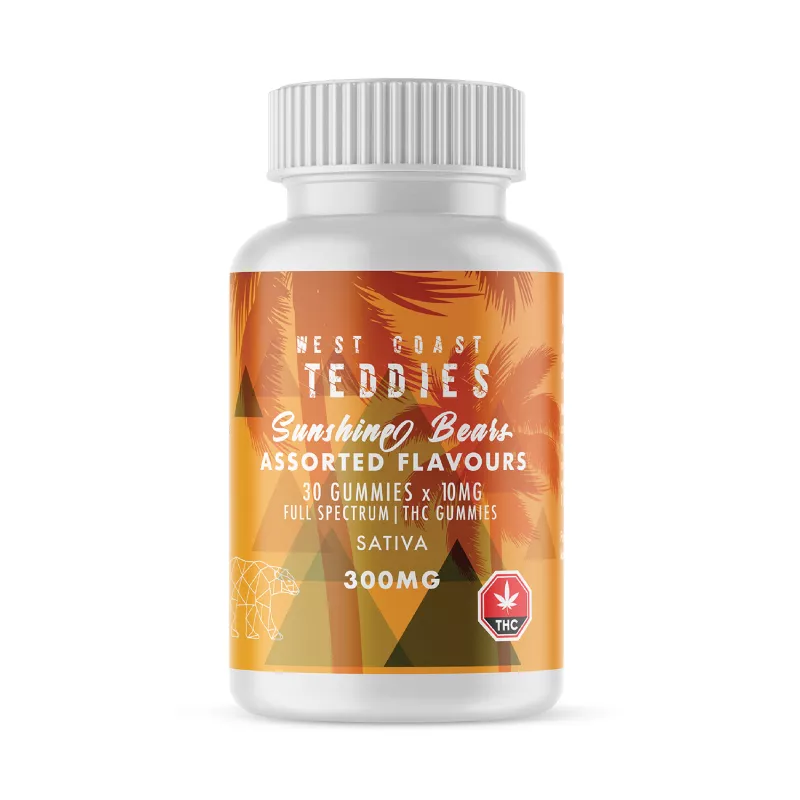
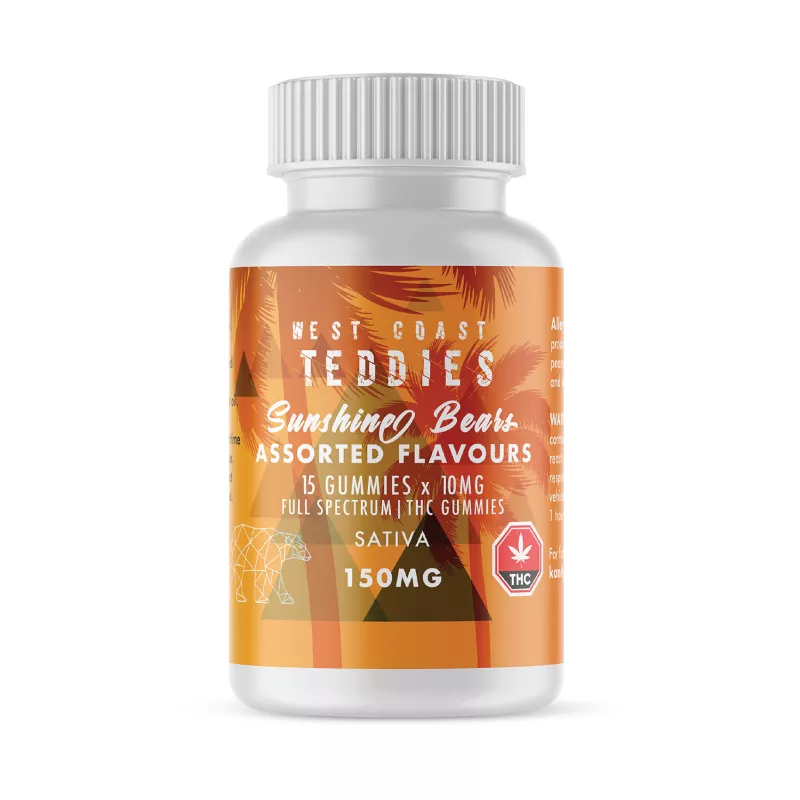
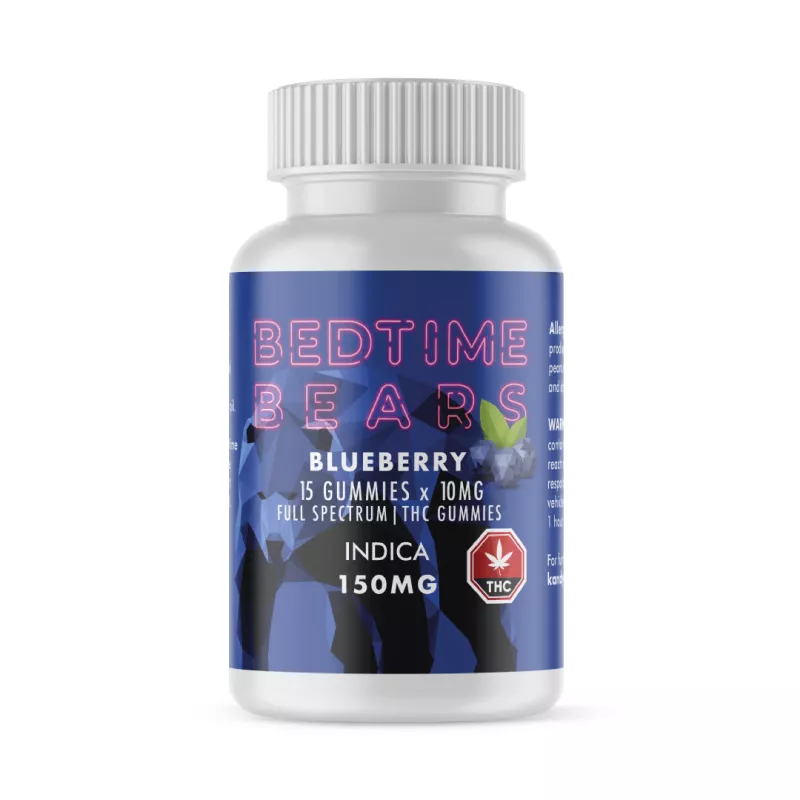
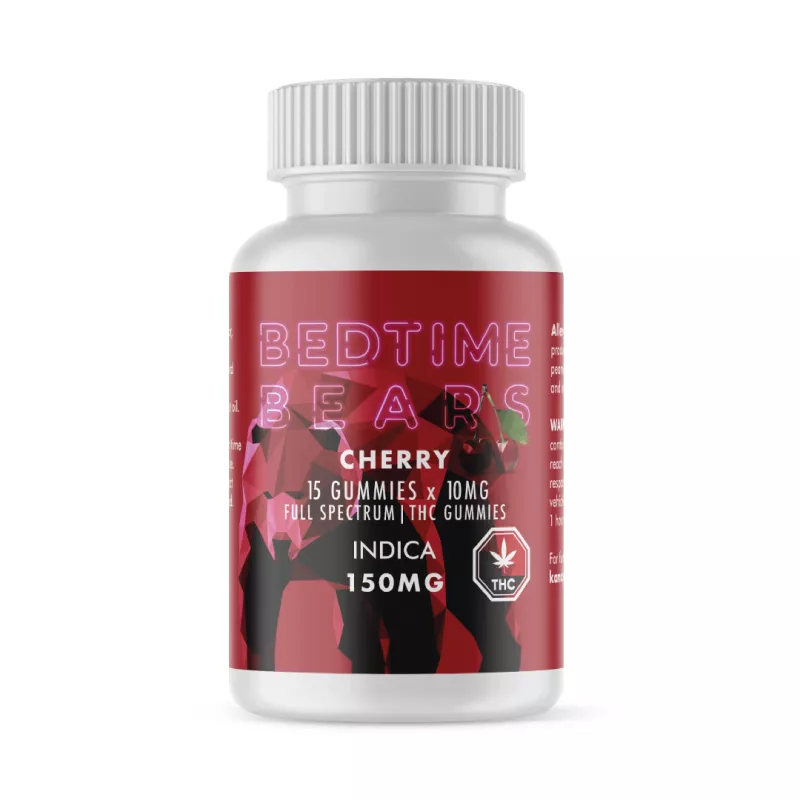
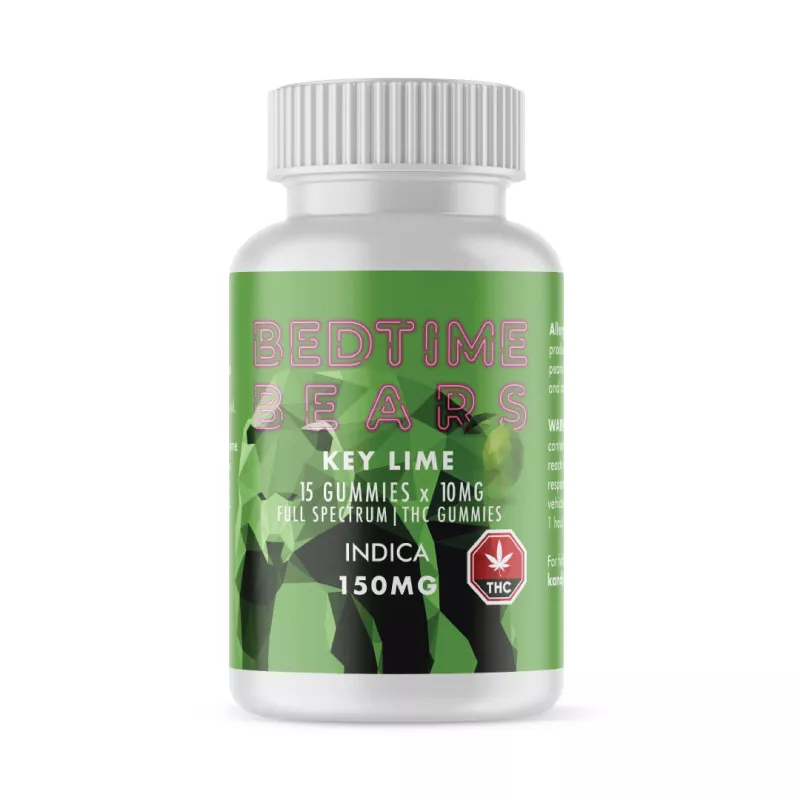
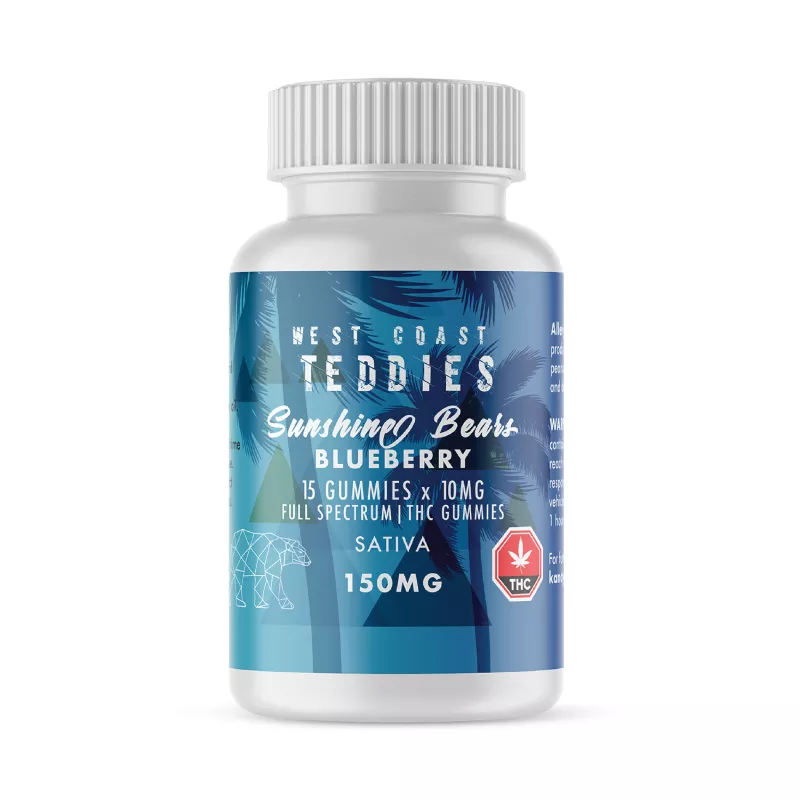
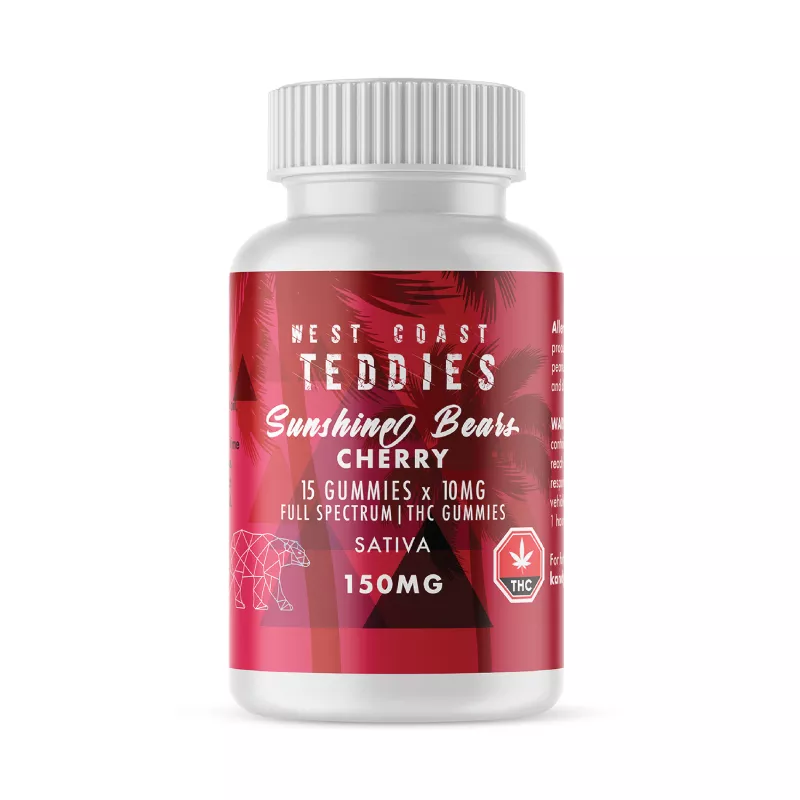
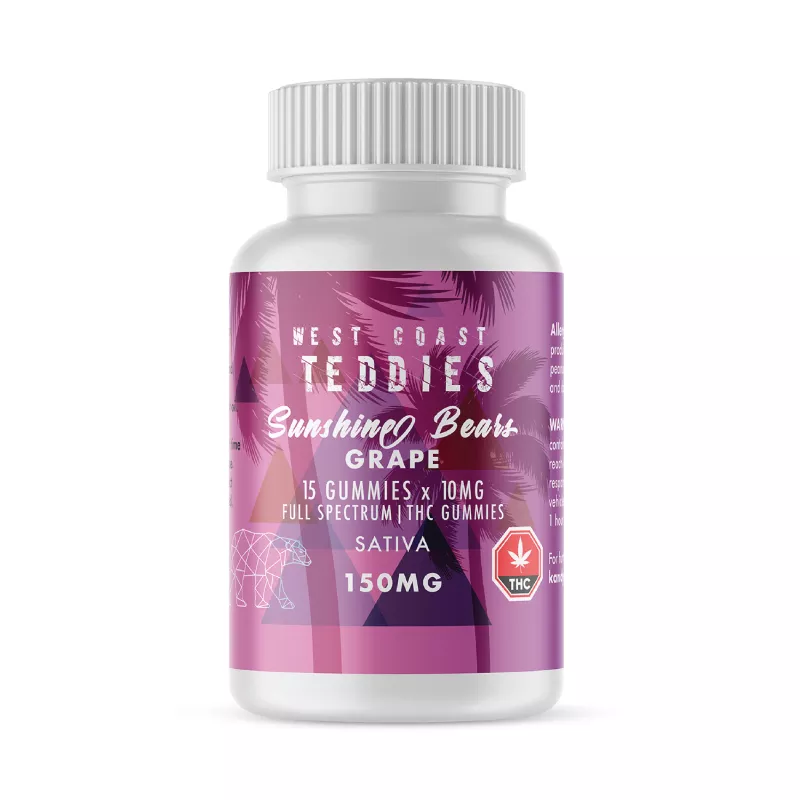
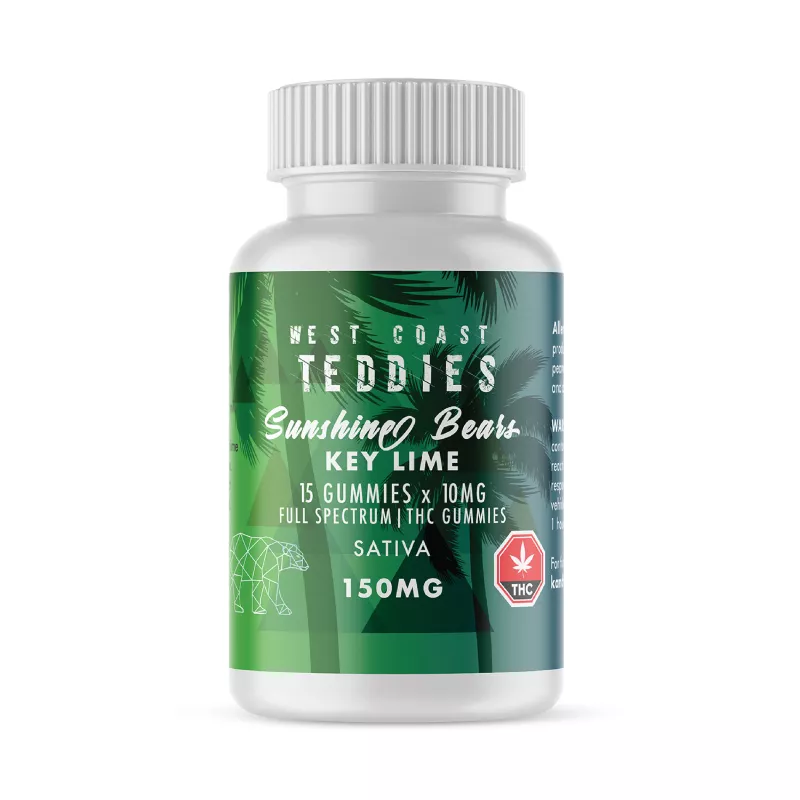
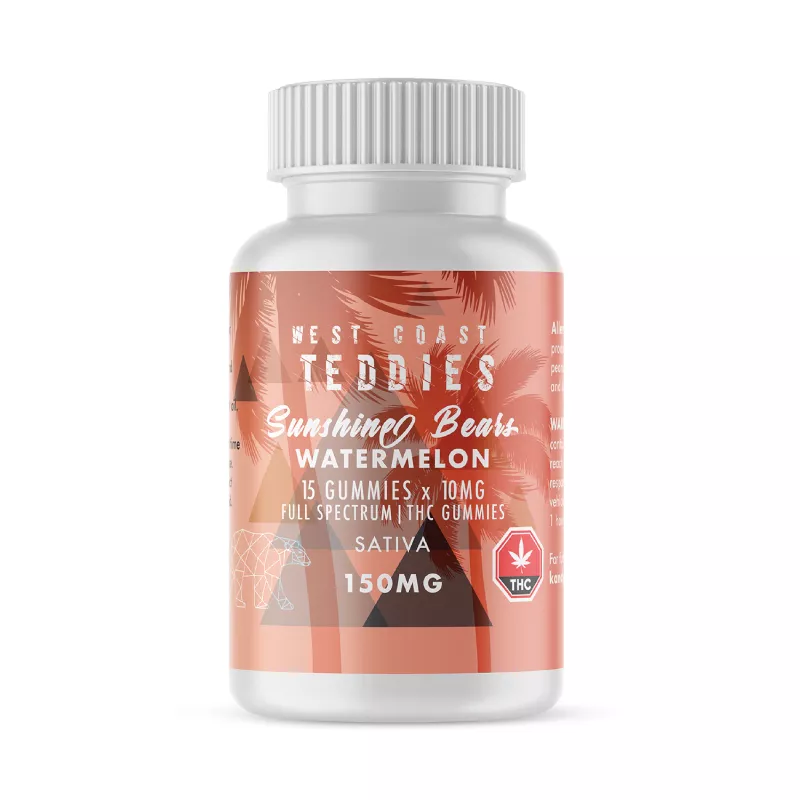
Our THC collection includes both Indica and Sativa options, allowing users to choose products based on desired effects. The Bedtime Bears provide relaxing Indica effects at 10mg per piece, while Sunshine Bears offer energizing Sativa experiences in the same convenient format.
Hybrid edibles offer the perfect balance of effects, combining the best aspects of both Indica and Sativa varieties. Our hybrid collection provides versatile options that work effectively throughout the day without being too stimulating or sedating.
⚖️ Balanced THC Effect Profiles
Hybrid edibles in our collection feature carefully balanced THC ratios that provide moderate euphoria with manageable effects. These products are ideal for social situations, creative activities, and general recreational use without overwhelming intensity.
???? All-Day Versatility
The balanced nature of hybrid edibles makes them suitable for various times of day and different activities. Whether you’re seeking mild relaxation in the evening or gentle euphoria during social gatherings, hybrid options provide adaptable experiences.
???? Premium Flavor Enhancement
Our hybrid edibles come in diverse flavor profiles that enhance the consumption experience beyond just the effects. Premium ingredients and natural flavoring create products that are as enjoyable to taste as they are effective therapeutically.
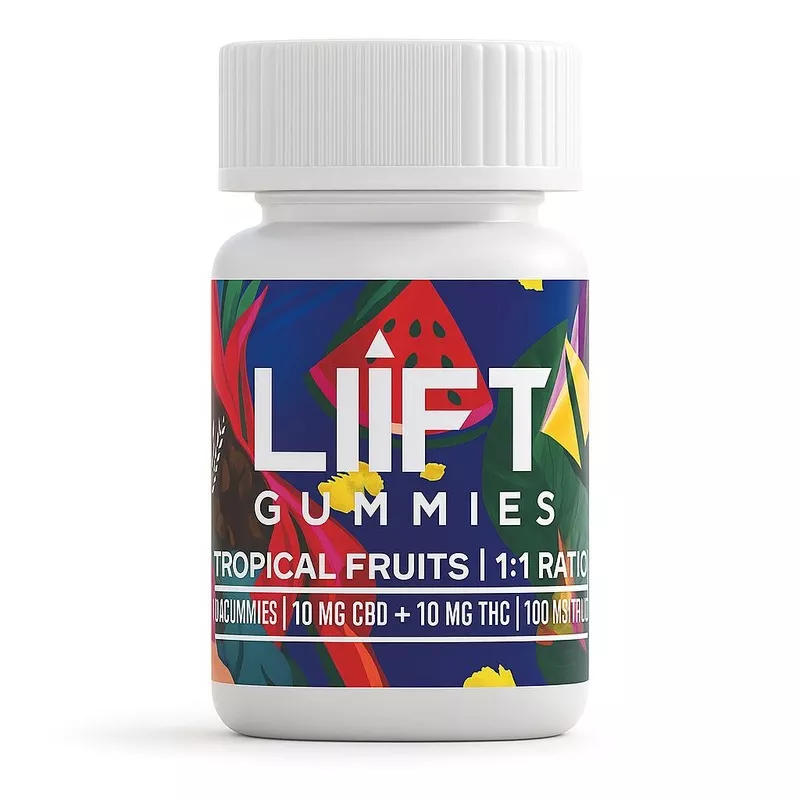
Ratio edibles combine CBD and THC in specific proportions to create unique therapeutic profiles. Our LIIFT Tropical Fruits Gummies feature balanced 10mg CBD:THC ratios that provide mild psychoactive effects enhanced by CBD’s balancing properties.
⚖️ Synergistic Entourage Effects
The 1:1 CBD:THC ratio in our Tropical Fruits Gummies creates synergistic effects through the entourage effect, where cannabinoids work together to enhance therapeutic benefits while moderating psychoactive intensity. This makes them perfect for new users and medical patients.
???? Medical Patient Applications
Ratio formulations are particularly valuable for medical cannabis patients who need therapeutic benefits with controlled psychoactive effects. The balanced approach allows for symptom management while maintaining functionality for daily activities.
???? Precise Dosing Consistency
Each ratio gummy contains exactly 10mg of both CBD and THC, providing predictable effects that users can rely on for consistent therapeutic outcomes. This precision is crucial for medical applications and dosing protocols.
Our pain relief edibles feature the revolutionary NOW+THEN Pain Gummies, which combine 60mg of CBD and CBG per piece for comprehensive pain management. These therapeutic powerhouses represent the cutting edge of cannabinoid medicine for pain relief.
???? Dual Cannabinoid Pain Targeting
The unique CBD:CBG combination in our Pain Gummies targets multiple pain pathways simultaneously. CBG (cannabigerol) works synergistically with CBD to provide enhanced anti-inflammatory and analgesic effects compared to single-cannabinoid products.
???? Chronic Condition Formulations
These high-potency gummies are specifically formulated for chronic pain conditions, post-workout recovery, and inflammatory disorders. The 1800mg total bottles provide substantial therapeutic value for serious pain management protocols.
???? Pharmaceutical-Grade Standards
Our pain relief gummies meet pharmaceutical standards for consistency and purity, making them suitable for medical cannabis patients requiring reliable therapeutic outcomes. Each piece delivers exact dosing for predictable pain relief.
Our extensive vegan edibles collection ensures that plant-based consumers can enjoy premium cannabis products without compromising their ethical values. The entire KANDY KANDY line features vegan formulations, from the 10mg Gummy Bears to the powerful 75mg Gummy Blokks.
???? Organic Plant-Based Ingredients
Every vegan product in our collection uses organic, plant-based ingredients without gelatin or animal-derived components. The KANDY KANDY vegan gummies maintain the same potency and flavor quality as traditional options while meeting strict vegan standards.
???? Complete Potency Range
Our vegan lineup includes options for every preference and potency level, from gentle Bedtime Bears at 10mg THC to high-dose Gummy Blokks at 75mg per piece. Sativa and Indica options ensure vegan consumers have access to the full spectrum of cannabis effects.
???? Ethical Cannabis Consumption
Choosing vegan edibles aligns cannabis consumption with environmental and ethical values while delivering the same therapeutic and recreational benefits. Our vegan products prove that conscious consumption doesn’t require any compromise in quality or effects.

Modern processing facility demonstrating how cannabis edibles are formulated for optimal body absorption and metabolism
With edibles, THC enters through the digestive system rather than the lungs. It’s metabolized by the liver into a more potent variant called 11-hydroxy-THC. This leads to delayed onset times of 30-90 minutes and extended effects lasting 4-12 hours. Understanding this process is crucial whether you’re taking a 10mg Bedtime Bear or a 75mg Gummy Blokk.
???? Complete Digestive Processing
When you consume our edibles, active compounds must navigate through your entire digestive system before reaching your bloodstream and interacting with your endocannabinoid system. Initial digestion begins in stomach acid within 30 minutes, followed by liver processing that converts THC over 30-90 minutes, then bloodstream entry occurs at 60-120 minutes, with peak effects typically manifesting at 90-180 minutes.
???? Variable Processing Factors
Multiple variables influence how your body processes our edibles. Food intake affects timing – a full stomach slows absorption but may enhance effects. Product formulation matters too, which is why our LIIFT gummies may hit differently than KANDY KANDY Blokks due to different manufacturing processes and ingredient profiles. For those preferring inhalation methods, options like a disposable dab pen provide immediate effects compared to edibles’ delayed onset.
⏰ Patience and Timing Principles
Whether you’re consuming a 30mg CBD gummy or a 25mg THC option, patience is essential. Individual metabolism, body weight, and tolerance levels all affect processing speed. Never consume additional doses within the first 2-4 hours, as effects may still be building toward peak intensity.
Our premium edibles from brands like KANDY KANDY, LIIFT, and BIRCH+FOG follow strict Canadian regulations and quality standards. High-quality edibles use premium cannabis extracts, food-grade ingredients, and consistent production methods for accurate dosing and reliable experiences every time.
???? Pharmaceutical Manufacturing Standards
Our partner manufacturers operate under Good Manufacturing Practices with pharmaceutical-grade facility standards, comprehensive laboratory testing for potency and purity, standardized batch consistency processes, multi-stage quality assurance protocols, and child-resistant, tamper-evident packaging that meets Health Canada requirements.
???? Comprehensive Product Testing
Every product undergoes cannabinoid profiling for THC, CBD, and minor cannabinoids, comprehensive contaminant screening for pesticides and heavy metals, microbial testing for bacteria and pathogens, terpene analysis for flavor profiles, and homogeneity testing to ensure uniform distribution throughout each batch.
???? Premium Brand Excellence
Our curated brands demonstrate organic ingredient sourcing, sustainable supply chain practices, expert formulation through collaboration between chefs and cannabis scientists, complete transparency in ingredient lists and production information, and industry recognition through awards and certifications from cannabis organizations.
Always start very low, around 2.5 to 5mg THC, until you understand your tolerance and effects. Our product range accommodates every experience level, from 10mg Bedtime Bears for beginners to 300mg Phoenix Tears gummies for experienced users. Consuming excessive THC can result in uncomfortable experiences, so increase dosing cautiously over time.
???? Progressive Dosing Levels
Micro-dose (1-2.5mg) provides subtle effects and enhanced creativity with minimal impairment. Low dose (2.5-5mg) like our smaller gummy options offers mild euphoria and improved mood. Moderate dose (5-10mg) such as our Bedtime Bears delivers noticeable psychoactive effects. High dose (10-25mg) like LIIFT gummies produces strong euphoria and significant effects. Very high dose (25mg+) including our Gummy Blokks is for experienced users only.
⚠️ Safety and Assessment Protocols
Wait and assess for 2-4 hours before redosing, regardless of product strength. Track experiences in a dosing journal with effects and timing. Consider food intake as empty stomach speeds onset but may intensify effects. Know your products since different formulations like LIIFT versus KANDY KANDY may have varying effects. Use edibles in comfortable, familiar settings for optimal experiences.
???? Individual Response Variables
Body weight influences dosing needs as larger individuals may require higher doses. Genetic variations affect THC processing speed and intensity. Experience level matters since regular users develop tolerance over time. Desired effects influence choice between therapeutic CBD options and recreational THC varieties. Duration requirements help determine whether to choose 10mg options or higher-dose alternatives.
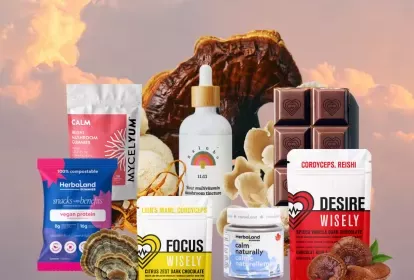
Wellness products showcasing the therapeutic benefits and health applications of cannabis edibles
Edibles provide longer-lasting relief compared to inhaling cannabis, making them ideal for treating conditions like chronic pain, anxiety, nausea, and insomnia. Our diverse product range from therapeutic Pain Gummies to recreational Gummy Blokks offers discreet consumption and precise dosing. Flavored options like our fruit-forward collections satisfy snack cravings while delivering therapeutic benefits!
???? Medical and Therapeutic Advantages
Extended duration provides 6-12 hour relief periods perfect for chronic conditions. Precise dosing enables accurate cannabinoid delivery for consistent treatment outcomes. Lung-friendly consumption avoids respiratory irritation from combustion. Discreet usage produces no odor or visible consumption signs. Palatable options mask cannabis taste with appealing natural flavors.
???? Mental Health and Wellness Benefits
Stress management through long-lasting relaxation and anxiety relief, especially with our CBD-dominant options. Sleep enhancement with improved quality and duration using our Bedtime Bears. Creativity boost from enhanced artistic thinking with appropriate Sativa formulations. Social experiences through shared consumption in group settings. Mindfulness support for deeper meditation and self-reflection.
???? Physical Health Applications
Chronic pain relief for arthritis, fibromyalgia, and nerve pain using our specialized Pain Gummies. Nausea control for chemotherapy and motion sickness relief. Appetite stimulation supporting eating disorders and medical appetite needs. Muscle recovery assistance for post-exercise inflammation and soreness. Anti-inflammatory effects providing systemic inflammation reduction throughout the body.
Canada has become the global leader in cannabis edibles innovation since legalization, with manufacturers developing groundbreaking products that set international standards. From nano-emulsified gummies that work in 15 minutes to precision-dosed capsules for medical patients, Canadian companies like those in our curated collection continue pushing the boundaries of what’s possible with cannabis edibles.
???????? Global Innovation Leadership
Canada leads the world in edibles innovation with over 2,000 licensed products available nationwide. Provincial markets have developed unique preferences – Ontario favors high-potency options, British Columbia embraces artisanal products, Quebec shows strong demand for beverages and chocolates, while Prairie provinces prefer functional wellness edibles targeting specific health applications.
????️ Regional Market Preferences
Regional edibles markets reflect fascinating cultural preferences across Canada. Atlantic provinces show growing interest in micro-dosing products, while Western Canada drives innovation in high-potency formulations. Urban centers prefer discreet options like mints and capsules, while rural areas favor traditional formats like chocolates and baked goods with familiar flavors and reliable effects.
???? Medical Patient Success Stories
Medical cannabis patients report remarkable success with edibles for chronic conditions. Clinical studies show 73% of arthritis patients experience significant pain reduction, while 68% of insomnia sufferers achieve better sleep quality. Our Pain Gummies have become particularly popular among fibromyalgia patients who require sustained relief throughout the day and night.
⚖️ Smart Consumption Guidelines
Smart consumption practices ensure optimal edibles experiences. Start your journey in comfortable settings with trusted friends, keep CBD products nearby to counteract any overwhelming effects, stay hydrated with water and light snacks, and remember that edibles effects can last 6-12 hours so plan accordingly for sleep and next-day responsibilities.
Cannabis edibles represent the most approachable way for newcomers to experience marijuana’s benefits without smoking or vaping. These delicious treats, ranging from thc gummies to cannabis chocolates, provide longer-lasting effects with precise dosing that makes them perfect for both medical patients and recreational users exploring cannabis edibles for the first time.
???? Understanding what makes edibles different from other cannabis consumption methods is crucial for beginners.
Unlike smoking where effects hit within minutes, weed edibles require patience as they work through your digestive system. The onset typically takes 30-90 minutes, but effects can last 4-12 hours, making them ideal for sustained relief or extended recreational experiences.
???? Modern cannabis edibles come in countless varieties beyond the stereotypical “pot brownie.”
Today’s market offers everything from precisely dosed thc gummies and cannabis candy to sophisticated chocolates and beverages. Each type provides different experiences, onset times, and duration, allowing users to choose products that match their specific needs and lifestyle preferences.
???? Dosing represents the most critical aspect for beginners to master.
Start with 2.5-5mg THC and wait at least 2 hours before consuming more. Many newcomers make the mistake of taking additional doses too quickly, leading to uncomfortable experiences. Remember: you can always take more, but you can’t take less once it’s consumed.
???? Quality edibles from reputable sources ensure consistent experiences and safety.
Look for products with clear labeling, lab testing results, and child-resistant packaging. Avoid homemade edibles from unknown sources, as they often have unpredictable potency that can lead to unpleasant experiences for cannabis edibles beginners.
⏰ Planning your first edibles experience sets you up for success.
Choose a comfortable environment with trusted people, clear your schedule for 6-8 hours, have CBD available to counteract any overwhelming effects, and keep water and light snacks nearby. Starting on an empty stomach speeds onset but may intensify effects.
???? Different cannabinoid profiles create varying effects that beginners should understand.
THC provides the psychoactive “high” sensation, while CBD offers therapeutic benefits without intoxication. Balanced ratio products like 1:1 THC:CBD provide mild euphoria with reduced anxiety, making them perfect for newcomers to cannabis edibles canada markets.
???? Common beginner mistakes include taking too much too soon, mixing with alcohol, consuming on a full stomach without adjusting expectations, and not having a safe environment prepared.
Learning from others’ experiences helps avoid these pitfalls and ensures positive introductions to the world of edibles.
The modern cannabis edibles market offers an incredible variety of products, each designed for specific preferences, lifestyles, and therapeutic needs. Understanding the differences between thc gummies, chocolates, beverages, and other cannabis candy options helps beginners choose products that match their comfort level and desired experiences.
???? Gummies and Soft Chews
THC gummies represent the most popular category of cannabis edibles, offering precise dosing, familiar flavors, and consistent textures. These products range from 2.5mg beginner options to 25mg high-potency varieties. Gummies provide excellent shelf stability, discrete consumption, and predictable effects that make them ideal for newcomers to weed edibles.
???? Chocolates and Confections
Cannabis chocolates offer sophisticated flavor profiles and luxurious experiences that appeal to discerning users. Dark chocolate varieties pair beautifully with cannabis terpenes, while milk chocolate provides sweeter profiles. Artisanal cannabis candy in this category includes truffles, bonbons, and specialty bars with unique flavor combinations.
???? Beverages and Liquid Edibles
Cannabis drinks provide familiar consumption methods with faster onset times compared to solid edibles. This category includes sodas, teas, coffees, and functional beverages designed for specific effects like energy, relaxation, or recovery. Liquid edibles often begin working within 30-45 minutes due to sublingual absorption.
???? Baked Goods and Traditional Treats
Classic cannabis baked goods like brownies, cookies, and muffins maintain popularity despite inconsistent dosing challenges. Modern versions offer improved precision and variety, including gluten-free, vegan, and sugar-free options that accommodate various dietary restrictions while delivering reliable cannabis edibles experiences.
???? Capsules and Pills
Cannabis capsules provide the most discrete and precise dosing option available. These pharmaceutical-style products eliminate taste concerns while offering exact dosing for medical applications. Time-release formulations provide sustained effects ideal for chronic conditions requiring all-day relief.
???? Tinctures and Sublingual Products
While technically not edibles, tinctures and sublingual strips provide fast-acting alternatives that bridge smoking and traditional edibles. These products work within 15-30 minutes when held under the tongue, offering rapid relief with edible-style convenience and dosing precision.
Your first cannabis edibles experience sets the foundation for future use, making proper preparation and realistic expectations crucial for positive outcomes. This comprehensive guide ensures beginners approach thc gummies and other cannabis edibles with confidence and safety.
???? Pre-Experience Planning
Schedule your first edibles experience when you have 8-12 hours free with no responsibilities. Choose a comfortable, familiar environment with trusted friends who understand cannabis effects. Inform someone about your plans and ensure they can assist if needed. Clear your schedule for the following day as residual effects may linger.
???? Product Selection for Beginners
Choose reputable brands with clear labeling and third-party testing. Start with 2.5mg THC products or 1:1 CBD:THC ratios for gentler experiences. Avoid homemade edibles or products without clear potency information. Gummies and chocolates offer the most predictable experiences for first-time cannabis edibles users.
????️ Food and Timing Strategies
Eat a light meal 1-2 hours before consuming edibles to avoid empty stomach intensity while ensuring reasonable absorption. Have water, healthy snacks, and comfort foods available. Avoid alcohol, which can unpredictably intensify cannabis effects and complicate your first weed edibles experience.
⏰ Consumption Protocol
Take your chosen dose and set a timer for 2 hours before considering additional consumption. Many beginners make the mistake of redosing too quickly when effects don’t appear immediately. Use this waiting period for relaxing activities like gentle music, movies, or conversation with trusted friends.
????️ Safety Preparations
Have CBD products available to counteract overwhelming THC effects if needed. Keep your doctor’s contact information accessible if you take medications that might interact. Prepare a calm environment with comfortable seating, soft lighting, and access to bathroom facilities. Remove any potential hazards or stressors from your space.
???? Support System Setup
Designate a sober friend as your “trip sitter” who can provide reassurance and practical assistance. Share your dosing information and timeline with them. Have access to cannabis-experienced friends who can offer guidance if you feel overwhelmed by your cannabis candy or other edibles effects.
???? Activity Planning
Prepare relaxing, low-key activities like gentle music, nature documentaries, art supplies, or comfortable reading materials. Avoid intense movies, stressful topics, or challenging tasks. Many find creative activities particularly enjoyable during their first positive cannabis edibles experiences.
The science behind cannabis edibles reveals why they produce such different effects compared to smoking or vaping. Understanding this complex process helps users optimize their experiences with thc edibles while appreciating the remarkable biological mechanisms that make edibles so uniquely effective for both medical and recreational applications.
???? When you consume cannabis edibles, THC travels through your digestive system rather than directly into your bloodstream through the lungs.
This journey begins in your stomach, where acidic conditions start breaking down the edible matrix while cannabinoids remain protected within fats or other carrier substances that facilitate absorption.
???? The liver performs the crucial transformation that makes edibles so potent and long-lasting.
During first-pass metabolism, liver enzymes convert delta-9-THC into 11-hydroxy-THC, a metabolite that’s more potent and crosses the blood-brain barrier more easily than regular THC. This explains why weed edibles often feel more intense and body-focused than smoking.
⏱️ Absorption timing varies dramatically based on multiple factors including stomach contents, individual metabolism, body weight, and the specific edible formulation.
Empty stomachs allow faster absorption but may intensify effects, while full stomachs slow onset but can provide more gradual, manageable experiences with your cannabis edibles.
???? Bioavailability differences explain why edibles require higher doses than smoking.
While smoking delivers 30-40% of cannabinoids to your bloodstream, edibles typically achieve only 10-20% bioavailability due to digestive losses and liver metabolism. This lower efficiency is offset by the conversion to more potent 11-hydroxy-THC.
???? The endocannabinoid system responds differently to orally consumed cannabinoids compared to inhaled ones.
CB1 receptors throughout your digestive tract and liver process edibles before cannabinoids reach brain receptors, creating a more distributed, full-body effect that characterizes the classic “edible high” experienced with thc gummies and other products.
???? Individual genetic variations significantly impact how people process cannabis edibles.
Differences in liver enzyme activity, particularly CYP2C9 and CYP3A4, affect how quickly individuals metabolize THC. Some people are rapid metabolizers who feel effects quickly but briefly, while slow metabolizers experience delayed onset but longer duration.
???? Fat solubility plays a crucial role in cannabinoid absorption and effectiveness.
THC and CBD are fat-soluble compounds that require lipids for optimal absorption. Consuming edibles with fatty foods or choosing products made with high-fat carriers like coconut oil enhances bioavailability and creates more predictable effects.
⚖️ Tolerance development with edibles follows different patterns than smoking tolerance.
Regular edibles users often develop tolerance to the euphoric effects while maintaining sensitivity to therapeutic benefits. This unique tolerance profile makes cannabis candy and other edibles particularly valuable for medical patients requiring sustained relief.
Understanding how your body processes cannabis edibles explains why they feel different from smoking and helps predict timing and intensity. This metabolic journey from consumption to effects involves complex biological processes that determine your experience with thc edibles and other cannabis products.
????️ Digestive Phase (0-60 minutes)
Cannabis edibles begin breaking down in your stomach’s acidic environment. Fats and other carriers protect cannabinoids during this initial phase while the edible matrix dissolves. Stomach contents significantly affect this stage – empty stomachs process faster but may intensify effects, while full stomachs slow processing but provide more gradual onset.
???? First-Pass Liver Metabolism (30-120 minutes)
The liver performs the crucial transformation that makes weed edibles so uniquely potent. Hepatic enzymes convert delta-9-THC into 11-hydroxy-THC, a more potent and longer-lasting compound. This metabolic conversion explains why cannabis candy and other edibles often feel more intense and body-focused than inhaled cannabis.
???? Bloodstream Distribution (60-180 minutes)
Activated cannabinoids enter systemic circulation and travel throughout your body. Peak blood concentrations typically occur 1-3 hours after consumption, depending on individual factors like metabolism rate, body composition, and product formulation. This phase determines maximum intensity of your cannabis edibles experience.
???? Brain Receptor Interaction (90-240 minutes)
Cannabinoids cross the blood-brain barrier and interact with CB1 receptors throughout your central nervous system. The 11-hydroxy-THC created during liver processing crosses this barrier more efficiently than regular THC, explaining the distinct “edible high” character that differs from smoking effects.
⏳ Duration and Elimination (4-12 hours)
Cannabis edibles effects typically last 4-8 hours for most users, with some experiencing residual effects up to 12 hours. Elimination involves gradual metabolism and excretion, with THC metabolites remaining detectable much longer than the psychoactive effects last.
???? Individual Variation Factors
Genetic differences in liver enzyme activity create significant variation in how people process thc gummies and other edibles. Age, body weight, metabolism rate, and regular cannabis use all influence absorption and effects. Understanding your personal response pattern helps optimize future cannabis edibles experiences.
The endocannabinoid system represents one of your body’s most important regulatory networks, maintaining balance across numerous physiological processes. Understanding how cannabis edibles interact with this system helps explain their therapeutic potential and guides optimal use for both medical and recreational applications.
???? System Components and Function
Your endocannabinoid system consists of cannabinoid receptors (CB1 and CB2), endogenous cannabinoids (anandamide and 2-AG), and enzymes that synthesize and break down these compounds. This network regulates mood, appetite, sleep, immune function, and pain perception – explaining why weed edibles affect so many aspects of human experience.
???? CB1 Receptor Distribution
CB1 receptors concentrate heavily in your brain and central nervous system, particularly in areas controlling memory, coordination, pleasure, and time perception. When THC from cannabis candy binds to these receptors, it produces the characteristic euphoria, altered perception, and relaxation associated with cannabis use.
????️ CB2 Receptor Functions
CB2 receptors predominate in immune tissues and peripheral organs, mediating anti-inflammatory and immune-modulating effects. CBD and other cannabinoids interact with these receptors to provide therapeutic benefits without psychoactive effects, explaining why some cannabis edibles focus on wellness rather than intoxication.
⚖️ Homeostatic Regulation
The endocannabinoid system maintains homeostasis by adjusting neurotransmitter release and cellular activity throughout your body. Cannabis edibles temporarily modify this system’s function, potentially providing therapeutic benefits for conditions involving endocannabinoid deficiency or dysregulation.
???? Therapeutic Targeting
Different cannabinoids interact uniquely with your endocannabinoid system, allowing targeted therapeutic effects. THC provides pain relief and appetite stimulation, CBD offers anti-inflammatory and anxiolytic effects, while minor cannabinoids like CBG and CBN contribute additional therapeutic properties found in full-spectrum cannabis edibles.
???? Tolerance and Adaptation
Regular cannabis use causes endocannabinoid system adaptation, including receptor downregulation and altered endogenous cannabinoid production. Understanding these changes helps explain tolerance development and guides strategies for maintaining effectiveness of thc edibles and other cannabis products over time.
Mastering cannabis edibles dosing represents the difference between enjoyable experiences and uncomfortable ones. This comprehensive guide covers everything from beginner micro-doses to advanced high-dose protocols, ensuring safe and effective use of thc gummies, chocolates, and other cannabis edibles regardless of your experience level.
???? Beginner Dosing (1-5mg THC):
New users should start with 1-2.5mg THC and wait 2-4 hours before considering additional doses. These micro-doses provide subtle mood enhancement, mild relaxation, and reduced anxiety without overwhelming psychoactive effects. Many find 2.5-5mg perfect for social situations, creative activities, or gentle stress relief with their first cannabis edibles experiences.
???? Intermediate Dosing (5-15mg THC):
Users comfortable with low doses can explore 5-10mg for noticeable euphoria, enhanced sensory perception, and moderate body relaxation. The 10-15mg range provides stronger psychoactive effects suitable for recreational use, creative projects, or managing moderate pain and anxiety with weed edibles.
???? Advanced Dosing (15-50mg THC):
Experienced users may require 15-30mg for desired effects due to tolerance development. Doses above 30mg are considered high and should only be attempted by very experienced users comfortable with intense, long-lasting effects. These doses are typically reserved for severe medical conditions or high-tolerance recreational users.
⚗️ Medical Dosing Protocols:
Medical cannabis patients often require higher doses and different timing strategies. Cancer patients may need 50-100mg+ for appetite stimulation and pain relief, while epilepsy patients might use specific CBD:THC ratios. Always consult healthcare providers when using cannabis edibles for medical conditions.
⏰ Timing Strategies for Optimal Results:
Take edibles 1-2 hours before desired effects, accounting for onset variability. For all-day relief, consider splitting doses every 4-6 hours rather than taking one large dose. Evening doses should be taken 2-3 hours before desired sleep time to allow for peak effects and gradual wind-down.
????️ Food Interaction Effects:
Empty stomachs speed onset to 30-60 minutes but may intensify effects unpredictably. Taking cannabis candy with fatty foods slows onset to 90-120 minutes but enhances absorption and provides more stable, predictable effects. Experiment to find your optimal food timing for consistent experiences.
???? Calculating Personal Optimal Dose:
Track your experiences with a cannabis journal noting dose, timing, food intake, and effects duration. Start with conservative estimates and increase by 2.5mg increments every few sessions until finding your sweet spot. Remember that optimal doses may vary based on desired effects, time of day, and specific activities planned.
⚠️ Safety Protocols and Overdose Management:
Cannabis edibles overdoses are uncomfortable but not dangerous. Symptoms include anxiety, paranoia, rapid heartbeat, and nausea lasting 6-12 hours. Management involves staying calm, hydrating, using CBD to counteract THC effects, and waiting in a safe environment. Never drive or operate machinery while experiencing edibles effects.
???? Tolerance Breaks and Dosing Adjustments:
Regular users develop tolerance requiring higher doses for the same effects. Taking 1-2 week tolerance breaks resets sensitivity, allowing return to lower, more cost-effective doses. Alternatively, switching between different cannabis edibles types or cannabinoid ratios can help maintain effectiveness without constantly increasing doses.
???? Special Considerations for Different Demographics:
Seniors should start with 1mg doses due to potentially slower metabolism and medication interactions. Athletes may prefer CBD-dominant edibles for recovery without intoxication. Parents using medical cannabis need special safety protocols for storage and timing to ensure child safety and functional parenting capability.
Microdosing cannabis edibles involves consuming minimal amounts (1-5mg THC) to achieve therapeutic benefits without significant intoxication. This approach appeals to medical patients, professionals, and anyone seeking cannabis benefits while maintaining full functionality throughout their daily activities.
???? Defining Microdose Ranges
True microdoses range from 0.5-2.5mg THC, providing subtle effects below the psychoactive threshold for most users. Low doses of 2.5-5mg offer mild mood enhancement and stress relief while remaining functional. These ranges allow users to experience cannabis candy and other edibles benefits without impairment.
???? Therapeutic Applications
Microdosing effectively manages anxiety, mild pain, inflammation, and sleep issues without interfering with work or social obligations. Many users report improved focus, creativity, and emotional regulation with consistent low-dose protocols using cannabis edibles designed for subtle effects.
???? Protocol Development
Start with 1mg THC and maintain this dose for 3-5 days while monitoring effects and tolerance. Gradually increase by 0.5-1mg increments weekly until finding your optimal therapeutic window. Most successful microdosers find their sweet spot between 1-5mg taken once or twice daily.
⏰ Timing Strategies
Morning microdoses can enhance focus and mood for the day ahead, while evening doses support relaxation and sleep quality. Some users prefer split dosing – smaller amounts twice daily for sustained benefits. Experiment with timing to find what works best with your lifestyle and goals.
???? Tracking and Optimization
Maintain detailed records of dose, timing, effects, and any side effects. Note interactions with food, stress levels, and other medications. This data helps identify patterns and optimize your personal microdosing protocol for maximum benefit from thc gummies and other low-dose products.
???? Professional Considerations
Many professionals successfully microdose cannabis edibles while maintaining workplace performance and responsibilities. However, understand your employer’s policies, legal requirements in your jurisdiction, and potential drug testing implications before implementing any cannabis protocol.
Medical cannabis patients often require different dosing approaches than recreational users, with emphasis on therapeutic outcomes rather than psychoactive experiences. These guidelines help patients work with healthcare providers to develop effective treatment protocols using cannabis edibles for various medical conditions.
???? Condition-Specific Dosing
Chronic pain patients typically require 5-20mg THC every 4-6 hours for sustained relief. Cancer patients may need 50-100mg+ for appetite stimulation and severe pain management. Anxiety and PTSD often respond well to 2.5-10mg doses, while epilepsy treatment may require high-CBD formulations with minimal THC content.
????⚕️ Healthcare Provider Collaboration
Work with cannabis-knowledgeable healthcare providers to develop appropriate treatment plans. Share detailed records of dosing, effects, and interactions with other medications. Regular monitoring ensures optimal therapeutic outcomes while minimizing side effects from your cannabis edibles regimen.
???? Drug Interaction Considerations
Cannabis edibles can interact with blood thinners, seizure medications, and other drugs metabolized by liver enzymes. Always inform healthcare providers about cannabis use and monitor for interaction effects. Some medications may require dose adjustments when using weed edibles therapeutically.
⏱️ Titration Protocols
Medical dosing often involves careful titration – starting low and gradually increasing until achieving therapeutic benefits. This process may take weeks to optimize, requiring patience and careful monitoring. Document all changes and effects to guide healthcare provider recommendations.
???? Therapeutic Windows
Each condition has an optimal dosing range where benefits outweigh side effects. Too little provides insufficient relief, while too much may cause unwanted psychoactive effects or tolerance development. Finding this therapeutic window is crucial for successful medical use of cannabis candy and other edibles.
???? Documentation Requirements
Medical cannabis use requires detailed documentation for healthcare providers and legal compliance. Track doses, times, effects, side effects, and interactions with other treatments. This information guides treatment optimization and provides legal protection where medical cannabis is regulated.
Safe cannabis edibles use requires understanding potential risks and implementing protective measures. These protocols ensure positive experiences while minimizing adverse effects, legal issues, and safety concerns associated with thc gummies and other cannabis products.
???? Storage and Child Safety
Store all cannabis edibles in original packaging with child-resistant features. Keep products locked away from children, pets, and visitors who might mistake them for regular candy. Never leave cannabis candy or other edibles accessible in common areas or purses where accidental consumption could occur.
???? Impairment and Transportation
Never drive or operate machinery while under the influence of cannabis edibles. Effects can last 8-12 hours and may impair judgment even when you feel sober. Plan transportation alternatives and avoid activities requiring coordination or quick reflexes during your entire experience window.
⚠️ Overdose Recognition and Management
Cannabis edibles overdoses cause anxiety, paranoia, rapid heartbeat, nausea, and disorientation but are not life-threatening. Management involves staying calm, hydrating, using CBD to counteract THC effects, and waiting in a safe environment. Seek medical attention for severe anxiety or if mixing with other substances.
???? Environmental Safety
Use cannabis edibles only in safe, comfortable environments with trusted people. Remove potential hazards, ensure access to water and bathroom facilities, and avoid unfamiliar or stressful situations during your experience. Have emergency contacts readily available.
???? Medication Interactions
Cannabis can interact with blood thinners, seizure medications, and other drugs. Consult healthcare providers before combining weed edibles with prescription medications. Monitor for unusual effects and report concerns to medical professionals immediately.
???? Emergency Preparedness
Know local emergency numbers and have sober contacts available for assistance. Keep CBD products nearby to counteract overwhelming THC effects. Understand when to seek medical attention versus riding out uncomfortable but safe experiences with cannabis edibles.
Cannabis edibles can interact with various medications and may be contraindicated for certain medical conditions. Understanding these interactions ensures safe use and helps healthcare providers make informed decisions about incorporating thc edibles into treatment plans.
???? Major Drug Interaction Categories
Cannabis affects blood clotting and may enhance warfarin and other anticoagulant effects, potentially causing dangerous bleeding. Seizure medications like phenytoin and carbamazepine may have altered effectiveness when combined with cannabis edibles. Sedatives and alcohol create additive effects that can be dangerous.
???? Neurological Medication Concerns
Antidepressants, particularly MAOIs, may interact unpredictably with THC in cannabis candy and other edibles. Benzodiazepines combined with cannabis can cause excessive sedation. Patients with neurological conditions should work closely with specialists when considering cannabis edibles integration.
❤️ Cardiovascular Considerations
Cannabis edibles can affect heart rate and blood pressure, potentially interacting with cardiac medications. Beta-blockers, ACE inhibitors, and other cardiovascular drugs may require monitoring when patients use weed edibles. Those with heart conditions should consult cardiologists before cannabis use.
???? Absolute Contraindications
Pregnancy and breastfeeding represent absolute contraindications for cannabis edibles use. Severe psychiatric conditions like schizophrenia may be worsened by THC. Children should never consume cannabis products except under strict medical supervision for approved conditions like epilepsy.
⚠️ Relative Contraindications
History of substance abuse, severe anxiety disorders, and respiratory conditions require careful consideration before using cannabis edibles. These situations may still allow cannabis use but need enhanced monitoring and potentially modified protocols.
???? Monitoring Requirements
Regular monitoring of liver function, drug levels, and therapeutic outcomes becomes important when combining cannabis edibles with other medications. Healthcare providers should adjust monitoring schedules and be alert for interaction signs when patients use cannabis therapeutically.
Managing onset times and duration helps users plan cannabis edibles experiences effectively while avoiding common timing mistakes that lead to overconsumption or inappropriate situations. Understanding these factors optimizes both recreational enjoyment and medical therapeutic outcomes.
⏰ Typical Onset Patterns
Most cannabis edibles begin working 30-90 minutes after consumption, with peak effects occurring 2-4 hours later. However, onset can vary from 15 minutes to 3 hours based on individual factors, product formulation, and stomach contents. Never redose within 2-4 hours of initial consumption.
????️ Food Effects on Timing
Empty stomachs accelerate onset to 30-60 minutes but may intensify effects unpredictably. Consuming thc gummies with fatty foods slows onset to 90-180 minutes but enhances absorption and provides more stable, predictable effects. High-fiber meals can significantly delay absorption.
???? Individual Variation Factors
Metabolism rate, body weight, liver function, and genetics all influence how quickly you feel cannabis candy effects. First-time users often have slower onset than experienced users. Age affects metabolism – seniors typically experience delayed onset but longer-lasting effects.
???? Duration Expectations
Cannabis edibles effects typically last 4-8 hours for most users, with some experiencing effects up to 12 hours. Higher doses generally last longer than lower doses. CBD-dominant products often have shorter duration than THC-dominant weed edibles.
???? Strategic Timing Planning
Plan edibles consumption 2-3 hours before desired peak effects. For evening use, consume 3-4 hours before intended sleep time to avoid residual effects the next morning. Consider half-life when planning activities – you may feel effects for twice as long as the peak experience.
⚡ Fast-Acting Alternatives
Sublingual tinctures, nano-emulsified products, and certain beverage formulations can work within 15-30 minutes. These options provide faster onset when traditional cannabis edibles timing doesn’t fit your schedule or needs.
???? Managing Extended Duration
If effects last longer than desired, stay hydrated, eat light foods, and rest in comfortable surroundings. CBD can help counteract overwhelming THC effects. Exercise and activities may help metabolize cannabinoids faster, but avoid anything requiring coordination or judgment during peak effects.
We have an incredible wealth of information in the tabs above, listed in point form Q & A to help answer any questions you could possibly have in regards to this category of cannabis products. If you would like to read even more information, please check out the BIRCH+FOG Blog where we make entire articles about the most important aspects of how to benefit from cannabis products safely and effectively, as well as ideas for how to get the most from your experience in our store, and with respect to your use of THC & CBD products.
The history of cannabis edibles spans over 4,000 years, beginning with ancient civilizations who discovered that consuming cannabis provided longer-lasting therapeutic effects than smoking. These early pioneers laid the foundation for modern thc gummies, cannabis chocolates, and other edibles we enjoy today, proving that oral cannabis consumption has deep historical roots in human medicine and culture.
???? Ancient Chinese Medicine (2737 BCE)
Emperor Shen Nung’s pharmacological texts first documented cannabis tea preparations for treating rheumatism, gout, malaria, and absent-mindedness. Chinese physicians created cannabis wine and food preparations that delivered sustained therapeutic effects. These early cannabis edibles established principles of dosing and preparation that influenced medical practices for millennia.
???? Indian Ayurvedic Traditions (1000 BCE)
Ancient Indian texts describe bhang, a cannabis-infused drink mixed with milk, ghee, and spices, used for religious ceremonies and medical treatment. Ayurvedic practitioners created cannabis candy preparations called modaka, sweet balls infused with cannabis paste for treating digestive disorders, anxiety, and pain. These preparations represent some of history’s first standardized cannabis edibles.
????️ Greco-Roman Applications (500 BCE – 500 CE)
Greek physician Pedanius Dioscorides documented cannabis preparations for ear pain and inflammation in his medical text “De Materia Medica.” Romans created cannabis wine and food preparations for various ailments. Archaeological evidence suggests cannabis-infused honey and olive oil preparations were common throughout the Mediterranean region.
???? African Traditional Medicine
Various African cultures developed unique cannabis edible preparations, including fermented beverages and food mixtures used for pain relief, appetite stimulation, and spiritual practices. These traditional preparations influenced global cannabis culture through trade routes and cultural exchange, contributing to the diversity of modern weed edibles worldwide.
???? Medical Documentation Evolution
Ancient medical texts consistently reported that oral cannabis consumption provided longer-lasting relief than smoking, with fewer respiratory side effects. These early observations align with modern understanding of cannabis edibles pharmacokinetics, demonstrating the sophistication of ancient medical knowledge and its relevance to contemporary cannabis candy development.
???? Scientific Principles Discovery
Ancient practitioners unknowingly discovered principles of decarboxylation by heating cannabis in various preparations, activating THC for oral consumption. They developed extraction techniques using fats, oils, and alcohol that remain fundamental to modern cannabis edibles production, proving the timeless nature of effective cannabis preparation methods.
Traditional cannabis edible preparations from around the world showcase remarkable diversity in methods, ingredients, and cultural applications. These time-tested formulations influenced modern cannabis edibles development and continue inspiring contemporary thc gummies, beverages, and other innovative products found in today’s edibles canada market.
???????? Indian Subcontinent Specialties
Bhang remains India’s most famous cannabis preparation, combining cannabis paste with milk, sugar, and aromatic spices like cardamom and rose water. Bhang thandai, a festive drink for Holi celebrations, demonstrates cannabis integration into cultural traditions. Cannabis laddu (sweet balls) and other confections show early innovation in cannabis candy creation that predates modern commercial products.
???????? North African Innovations
Moroccan and Algerian cultures developed majoun, a cannabis-infused jam mixed with nuts, dried fruits, and honey. This preparation method maximized bioavailability using natural fats while creating palatable flavors that masked cannabis taste. Majoun influenced European cannabis culture and contributed to modern understanding of fat-based cannabis extraction techniques.
???????? Caribbean Cannabis Culture
Jamaican Rastafarian culture created various cannabis food preparations, including ital stew with cannabis leaves and cannabis tea preparations. These plant-based approaches emphasized whole-plant consumption and natural preparation methods that align with modern full-spectrum cannabis edibles philosophy.
???????? Himalayan High-Altitude Preparations
Nepalese and Tibetan cultures developed cannabis preparations suited for high-altitude environments, including butter tea infusions and tsampa (barley flour) preparations with cannabis. These high-fat, high-calorie preparations provided energy and therapeutic benefits for harsh mountain conditions.
???????? European Folk Medicine
Medieval European herbalists created cannabis wine, cannabis honey preparations, and various tinctures for medical applications. These alcohol-based extractions demonstrated early understanding of cannabinoid solubility and preservation techniques that influence modern cannabis edibles production methods.
???? Indigenous American Practices
Various Native American tribes incorporated cannabis into traditional food preparations and ceremonial beverages. These practices emphasized spiritual and medicinal applications, contributing to holistic approaches to cannabis consumption that influence contemporary wellness-focused weed edibles development.
Medieval and Renaissance periods saw cannabis edibles evolve from folk remedies to documented medical treatments, with early pharmaceutical preparations laying groundwork for modern standardized cannabis edibles. This era established many principles of dosing, preparation, and therapeutic application that influence contemporary thc edibles development.
???? Medieval Monastery Medicine
European monasteries served as centers of medical knowledge, with monks documenting cannabis preparations in illuminated manuscripts. Monastery gardens grew cannabis for medicinal purposes, and monks created standardized preparations including cannabis wine, honey preparations, and herbal mixtures that represent early pharmaceutical approaches to cannabis candy development.
???? Renaissance Pharmacological Advancement
Renaissance physicians like Nicholas Culpeper documented cannabis preparations in official pharmacopoeias, establishing standardized dosing and preparation methods. These texts influenced medical practice across Europe and contributed to scientific approaches to cannabis edibles that bridge historical knowledge with modern pharmaceutical standards.
⚗️ Alchemical Innovations
Medieval alchemists developed sophisticated extraction techniques using alcohol, oils, and other solvents to concentrate cannabis preparations. These early distillation and extraction methods laid foundations for modern cannabis concentrate production used in today’s high-potency weed edibles and specialized formulations.
???? Cultural Integration
Cannabis preparations appeared in Renaissance literature, art, and cultural practices, indicating widespread acceptance and use. Literary references suggest cannabis edibles were consumed for both medicinal and recreational purposes, demonstrating the dual nature of cannabis consumption that continues in modern cannabis edibles culture.
???? Herbalist Traditions
Renaissance herbalists created detailed botanical illustrations and preparation instructions for cannabis edibles, preserving traditional knowledge while advancing scientific understanding. These texts documented dosing guidelines, contraindications, and therapeutic applications that inform modern medical cannabis edibles protocols.
????️ Academic Recognition
Universities began including cannabis in medical curricula, with professors lecturing on preparation methods and therapeutic applications. This academic recognition elevated cannabis from folk medicine to legitimate pharmaceutical practice, establishing precedents for modern medical cannabis edibles research and development.
The modern evolution of cannabis edibles began in the 1960s counterculture movement and accelerated through legalization, culminating in today’s sophisticated market featuring precision-dosed thc gummies, artisanal chocolates, and innovative formulations that combine ancient wisdom with cutting-edge technology.
???? 1960s Counterculture Revolution
The hippie movement popularized cannabis brownies and other baked goods, making edibles accessible to mainstream audiences. Alice B. Toklas’s infamous brownie recipe became cultural legend, introducing millions to cannabis edibles through countercultural cookbooks and underground publications that spread preparation knowledge widely.
???? Underground Cookbook Era (1970s-1990s)
Publications like “The Alice B. Toklas Cook Book” and “Brownie Mary’s Marijuana Cookbook” preserved and spread cannabis edibles knowledge during prohibition. These underground resources maintained preparation traditions and educated users about dosing, safety, and various preparation methods for cannabis candy and other edibles.
???? Medical Cannabis Movement (1990s-2000s)
Medical cannabis advocates like “Brownie Mary” Rathbun demonstrated cannabis edibles’ therapeutic potential for AIDS and cancer patients. This medical focus shifted perception from recreational party food to legitimate medicine, establishing foundations for today’s medical-grade cannabis edibles formulations.
⚖️ Early Legalization Challenges (2000s-2010s)
Early legal markets struggled with inconsistent dosing, contamination issues, and lack of standardization in cannabis edibles. These challenges drove innovation in testing, manufacturing standards, and regulatory frameworks that created today’s safe, reliable weed edibles market.
???? Scientific Revolution (2010s-Present)
Modern cannabis science revolutionized edibles through understanding of cannabinoid pharmacology, bioavailability enhancement, and precision dosing. Innovations like nano-emulsification, standardized extraction, and pharmaceutical-grade manufacturing created today’s consistent, effective cannabis edibles.
???? Artisanal and Craft Movement
Contemporary cannabis edibles embrace artisanal approaches combining traditional techniques with modern precision. Craft producers create gourmet cannabis candy, single-origin chocolate infusions, and sophisticated flavor profiles that elevate cannabis consumption to culinary art forms.
Canada’s journey from cannabis prohibition to becoming a global leader in cannabis edibles reflects changing social attitudes, evolving medical understanding, and progressive policy development. This transformation created the world’s most comprehensive legal framework for thc gummies and other cannabis edibles, establishing Canada as an international model for regulation.
???? Early Prohibition Period (1923-1960s)
Canada criminalized cannabis in 1923 under the Opium and Drug Act, driving cannabis edibles underground. Despite prohibition, traditional cannabis preparations persisted in various communities, with immigrants bringing traditional recipes and preparation methods that preserved cannabis edibles knowledge through dark decades.
⚖️ Le Dain Commission (1972)
The Commission of Inquiry into the Non-Medical Use of Drugs recommended cannabis decriminalization, marking the first official recognition of prohibition’s failures. This comprehensive study acknowledged cannabis edibles’ therapeutic potential and questioned the scientific basis for prohibition policies.
???? Medical Cannabis Emergence (1999)
Health Canada’s Marihuana Medical Access Regulations (MMAR) allowed limited medical cannabis access, though edibles remained prohibited. Patients and advocates argued for edibles access, highlighting their benefits for cancer, AIDS, and chronic pain patients who couldn’t smoke.
???? Medical Marijuana for Medical Purposes Regulations (2013)
MMPR expanded medical access while maintaining edibles prohibition, creating tension between patient needs and regulatory restrictions. Underground medical edibles providers filled this gap, demonstrating demand for legal cannabis candy and other edible preparations.
???? Cannabis Task Force Recommendations (2016)
The federal Task Force on Cannabis Legalization and Regulation specifically recommended including edibles in legalization framework, recognizing their importance for medical patients and harm reduction. This recommendation acknowledged edibles as essential components of comprehensive cannabis policy.
????️ Political Evolution
Liberal Party promises to legalize cannabis included specific commitments to edibles access, reflecting evolving political consensus about cannabis policy reform. Public opinion polling showed strong support for medical edibles and growing acceptance of recreational cannabis edibles among Canadians.
???? Legalization Preparation
Years of consultation, research, and regulatory development preceded edibles legalization, with Health Canada studying international models and consulting stakeholders. This careful preparation created robust frameworks for quality, safety, and access that define today’s edibles canada market.
October 17, 2019 marked Cannabis 2.0’s launch, legally introducing cannabis edibles to Canadian consumers for the first time. This historic moment transformed Canada’s cannabis industry and positioned the country as a global leader in cannabis edibles innovation, regulation, and market development.
???? Historic Launch Day
Cannabis 2.0 introduced edibles, extracts, and topicals to legal Canadian markets, ending nearly a century of prohibition on cannabis edibles. The first legal thc gummies, chocolates, and beverages appeared in stores, marking a cultural milestone that acknowledged cannabis edibles’ legitimate place in Canadian society.
???? Immediate Market Response
Cannabis edibles generated $11.2 million in sales during their first month, demonstrating massive pent-up demand. Early products included gummies, chocolates, and beverages that established market preferences and consumption patterns still evident in today’s weed edibles market.
???? Industry Transformation
Licensed producers invested billions in edibles manufacturing facilities, hiring food scientists, chocolatiers, and confectionery experts. This influx of talent and capital elevated Canadian cannabis edibles production to world-class standards, creating products that compete with premium confectionery markets.
???? Innovation Acceleration
Legal markets spurred innovation in nano-emulsification, precision dosing, and novel delivery methods. Canadian companies developed water-soluble cannabinoids, fast-acting formulations, and sophisticated flavor masking techniques that advanced global cannabis edibles technology.
???? International Recognition
Canada’s successful Cannabis 2.0 launch influenced international cannabis policy, with countries studying Canadian regulations and market outcomes. This global attention positioned Canada as the authority on cannabis edibles regulation and best practices.
???? Market Evolution
Cannabis edibles market grew from $11.2 million in December 2019 to over $287 million by 2023, representing 340% growth. This expansion reflects increasing consumer acceptance and product innovation that continues driving cannabis candy and other edibles development.
???? Consumer Education Success
Comprehensive public education campaigns helped Canadians understand edibles dosing, onset times, and safety considerations. These efforts contributed to remarkably low rates of adverse events and emergency department visits related to cannabis edibles consumption.
Canada developed the world’s most comprehensive cannabis edibles regulatory framework, balancing public health protection with industry innovation. This framework established global standards for cannabis edibles safety, quality, and access that influence international cannabis policy development.
???? Comprehensive Regulations
Health Canada’s Cannabis Regulations cover every aspect of edibles production, from facility licensing to final product packaging. These regulations ensure consistent quality and safety across all thc gummies, chocolates, and other cannabis candy products sold in Canadian markets.
???? Testing and Quality Standards
Mandatory testing requirements include cannabinoid potency, pesticides, heavy metals, and microbial contamination. These standards ensure every cannabis edibles product meets pharmaceutical-grade quality requirements, providing consumers with safe, consistent products they can trust.
???? Packaging and Labeling Requirements
Child-resistant packaging, clear potency labeling, and standardized health warnings protect consumers while providing essential information. These requirements prevent accidental consumption while enabling informed decision-making about weed edibles use.
???? Manufacturing Standards
Good Manufacturing Practices (GMP) requirements ensure pharmaceutical-grade production facilities and processes. These standards create consistent, high-quality cannabis edibles that meet international safety and quality benchmarks.
???? Dosing Limitations
10mg THC maximum per package and 2.5mg per piece limits prevent overconsumption while allowing therapeutic dosing flexibility. These limits balance safety concerns with medical patient needs and consumer preferences for various potency levels.
???? Ingredient Restrictions
Prohibited ingredients include alcohol, caffeine, and nicotine, preventing potentially dangerous combinations. Allowed ingredients must meet food safety standards, ensuring cannabis candy and other edibles contain only safe, approved components.
???? Compliance Monitoring
Regular inspections, product recalls, and enforcement actions maintain regulatory compliance across the industry. This robust oversight system protects consumers while maintaining industry standards that support long-term market development.
Canadian cannabis edibles market growth demonstrates the success of legalization and regulation, with impressive statistics reflecting consumer adoption, industry investment, and economic impact. These numbers illustrate the transformation from prohibition to a thriving legal market for thc edibles and other cannabis products.
???? Sales Growth Trajectory
Cannabis edibles sales grew from $11.2 million in December 2019 to $287 million in 2023, representing 340% growth over four years. Monthly sales increased consistently, reaching $28.5 million per month by late 2023, demonstrating sustained consumer demand for cannabis candy and other edibles.
???? Industry Employment
The cannabis edibles sector employs over 15,000 Canadians directly, with additional indirect employment in supporting industries. These jobs span manufacturing, quality assurance, research and development, marketing, and retail, creating diverse career opportunities across the cannabis edibles value chain.
???? Economic Impact
Cannabis edibles generated over $850 million in total economic activity since legalization, including direct sales, employment income, and business investment. Tax revenues exceeded $95 million, funding public health programs and regulatory oversight while reducing enforcement costs.
???? Export Potential
Canadian cannabis edibles companies have secured international contracts worth over $200 million, positioning Canada as a global supplier of premium cannabis products. This export success demonstrates the quality and innovation of Canadian weed edibles in international markets.
???? Research Investment
Industry and government invested over $125 million in cannabis edibles research since legalization, funding studies on bioavailability, dosing optimization, and therapeutic applications. This research investment maintains Canada’s leadership in cannabis science and product development.
???? Market Share Evolution
Edibles grew from 3% of total cannabis sales in 2019 to 18% by 2023, reflecting increasing consumer preference for smoke-free consumption methods. Gummies maintain 65% of edibles market share, followed by chocolates at 22% and beverages at 13%.
???? Consumer Demographics
Cannabis edibles attract diverse demographics, with 42% of users being new to cannabis entirely. Women comprise 48% of edibles consumers compared to 35% of flower consumers, indicating edibles’ appeal to previously underserved market segments.
Cannabis edibles culture varies dramatically worldwide, reflecting different legal frameworks, cultural attitudes, and historical traditions. Understanding these global differences provides context for Canada’s unique position and demonstrates diverse approaches to cannabis edibles integration into society.
???????? United States: State-by-State Variation
American cannabis edibles markets vary dramatically between states, with Colorado and California leading innovation while others maintain restrictive policies. US markets often allow higher potency products than Canada, with some states permitting 100mg+ packages that create different consumption cultures and safety considerations.
???????? Netherlands: Tolerance and Tourism
Dutch cannabis culture embraces space cakes and other edibles through coffee shop tolerance policies, creating unique tourism experiences. Amsterdam’s cannabis edibles scene attracts international visitors while maintaining relatively controlled access through established coffee shop systems.
???????? Spain: Cannabis Social Clubs
Spanish cannabis social clubs create private spaces for cannabis edibles consumption and education. These member-based organizations develop unique edibles cultures emphasizing community, education, and responsible use while operating within legal gray areas.
???????? Germany: Medical Focus
German cannabis policy emphasizes medical applications, with cannabis edibles primarily available through prescription for specific conditions. This medical focus creates different consumption patterns and cultural attitudes compared to recreational markets like Canada’s cannabis edibles landscape.
???????? Uruguay: Pioneer Nation
As the first country to fully legalize cannabis, Uruguay developed unique edibles policies and cultural attitudes. Their experience influenced international cannabis policy while creating distinctive consumption patterns that emphasize home cultivation and pharmacy distribution.
???????? Israel: Research Leadership
Israeli cannabis research excellence influences global edibles development, with companies pioneering pharmaceutical-grade cannabis products. This research focus creates innovation-driven edibles culture that emphasizes medical applications and scientific advancement.
???? Asia: Traditional Persistence
Despite prohibition, traditional cannabis edibles preparations persist in various Asian cultures, demonstrating the enduring appeal of oral cannabis consumption. These traditional practices influence contemporary product development as international markets evolve.
Canadian cannabis edibles preferences vary significantly by region, reflecting cultural influences, demographics, and local market development. Understanding these regional differences helps explain the diversity of products and consumption patterns across edibles canada markets.
???? Ontario: Innovation Hub
Ontario’s large population and diverse demographics drive innovation in cannabis edibles, with Toronto serving as a testing ground for new products and concepts. The province shows strong preference for premium products, craft formulations, and sophisticated flavor profiles in thc gummies and chocolates.
???? British Columbia: Artisanal Focus
BC’s cannabis culture emphasizes craft production and artisanal quality, with consumers preferring small-batch edibles made with organic ingredients. The province leads in cannabis beverage adoption and shows strong demand for locally-produced cannabis candy and specialty items.
⚜️ Quebec: Unique Preferences
Quebec consumers show distinct preferences for chocolates and beverages over gummies, possibly reflecting the province’s sophisticated culinary culture. French-language marketing and packaging create unique market dynamics not seen elsewhere in Canadian weed edibles markets.
???? Prairie Provinces: Functional Focus
Alberta, Saskatchewan, and Manitoba show strong demand for functional edibles targeting specific wellness applications. Rural demographics drive preference for traditional formats like chocolates and baked goods over trendy gummy varieties.
???? Atlantic Canada: Traditional Appeals
Maritime provinces favor familiar edibles formats with conservative dosing, reflecting regional attitudes toward cannabis adoption. Local producers focus on traditional flavors and time-tested formulations rather than innovative cannabis edibles concepts.
????️ Northern Territories: Access Focus
Remote geography creates unique challenges and opportunities for cannabis edibles distribution, with consumers preferring shelf-stable products and value-oriented packaging. Online sales play crucial roles in providing access to diverse cannabis candy options.
???? Urban vs Rural Divide
Urban centers drive demand for innovative, premium cannabis edibles with sophisticated marketing and packaging. Rural areas prefer straightforward products with clear dosing and familiar flavors, creating distinct market segments within provincial boundaries.
Cannabis edibles innovation accelerated dramatically since legalization, with Canadian companies pioneering technologies and formulations that influence global markets. Understanding this innovation timeline reveals future trends that will shape the next generation of thc edibles and cannabis products.
???? 2019-2020: Foundation Phase
Early legal cannabis edibles focused on establishing basic product categories – gummies, chocolates, and beverages. Companies prioritized regulatory compliance and manufacturing scale over innovation, creating functional but limited product ranges that established market foundations.
???? 2021: Technology Integration
Nano-emulsification technology emerged, enabling faster-acting cannabis edibles with improved bioavailability. Water-soluble cannabinoids allowed new product categories and more predictable effects, revolutionizing consumer experiences with weed edibles and beverages.
???? 2022: Artisanal Evolution
Craft producers introduced sophisticated flavor profiles, premium ingredients, and artistic presentations. Cannabis chocolatiers partnered with award-winning confectioners, elevating cannabis candy to luxury confectionery standards that compete with premium non-cannabis products.
???? 2023: Personalization Focus
Companies began developing personalized cannabis edibles based on individual genetics, preferences, and desired effects. AI-driven recommendation systems and customizable formulations represent the beginning of truly personalized cannabis experiences.
???? 2024-2025: Predicted Innovations
Emerging trends include time-release formulations for extended effects, cannabinoid-specific targeting for precise therapeutic outcomes, and integration with wellness tracking technology. Functional foods combining cannabis with adaptogens and nootropics will create new market categories.
???? Long-term Future Vision
Future cannabis edibles may include smart packaging with dosing sensors, personalized formulations based on genetic testing, and integration with digital health platforms. Precision medicine approaches will create truly customized cannabis candy and other edibles for individual needs.
???? Research Frontiers
Ongoing research into minor cannabinoids, terpene interactions, and novel delivery systems will create new product categories and therapeutic applications. Universities and companies are investing heavily in understanding optimal formulations for specific conditions and consumer preferences.
Cannabis edibles legalization profoundly impacted Canadian culture, changing social attitudes, consumption patterns, and lifestyle integration. These cultural shifts demonstrate how progressive cannabis policy can successfully integrate cannabis edibles into mainstream society while maintaining public health and safety.
???? Social Normalization
Cannabis edibles became socially acceptable alternatives to alcohol for many Canadians, with dinner parties and social gatherings increasingly featuring thc gummies or cannabis chocolates alongside traditional refreshments. This normalization reduced stigma and enabled open conversations about cannabis use.
???? Home Integration
Many Canadians incorporated cannabis edibles into daily routines for stress management, sleep support, and wellness applications. Medicine cabinets now commonly contain CBD gummies alongside traditional medications, representing mainstream acceptance of cannabis as legitimate healthcare option.
???????????????? Family Discussions
Legalization prompted important family conversations about cannabis use, safety, and responsible consumption. Parents discuss cannabis candy dangers with children while educating teenagers about legal use ages and safety considerations, creating more open family communication.
???? Educational Initiatives
Schools, healthcare providers, and community organizations developed comprehensive cannabis edibles education programs. These initiatives provide accurate information about dosing, effects, and safety while countering misinformation and promoting responsible use among adults.
???? Healthcare Integration
Medical professionals increasingly recommend cannabis edibles for various conditions, integrating them into treatment plans alongside traditional medications. This medical acceptance validates therapeutic applications while encouraging professional monitoring and guidance for patients.
???? Workplace Evolution
Employers developed nuanced cannabis policies that accommodate medical use while maintaining safety standards. Progressive companies recognize employee cannabis edibles use for wellness applications while establishing clear guidelines for workplace impairment and safety considerations.
???? International Influence
Canada’s successful cannabis edibles integration influences international policy discussions and social attitudes globally. Other countries study Canadian approaches to regulation, education, and cultural integration when developing their own cannabis policies and frameworks.
We have an incredible wealth of information in the tabs above, listed in point form Q & A to help answer any questions you could possibly have in regards to this category of cannabis products. If you would like to read even more information, please check out the BIRCH+FOG Blog where we make entire articles about the most important aspects of how to benefit from cannabis products safely and effectively, as well as ideas for how to get the most from your experience in our store, and with respect to your use of THC & CBD products.
Creating premium edibles starts with proper decarboxylation – the critical process that activates THC and CBD in raw cannabis flower. This scientific foundation determines the potency and effectiveness of all your homemade cannabis edibles, whether you’re making thc gummies, cannabis chocolates, or any other cannabis candy creations.
???? Decarboxylation Science
Decarboxylation converts non-psychoactive THCA into active THC through controlled heat application. The optimal temperature range is 220-245°F (104-118°C) for 30-45 minutes, depending on your desired cannabinoid profile. Lower temperatures preserve terpenes for better flavor, while higher temperatures maximize THC conversion for stronger edibles.
⏰ Timing Precision
Timing precision is crucial for successful decarboxylation. Undercooked cannabis won’t fully activate, resulting in weak edibles. Overcooked cannabis degrades THC into CBN, creating sedating effects rather than the euphoric high most seek in thc edibles. Use an oven thermometer to verify accurate temperatures, as oven dials are notoriously unreliable.
???? Strain Considerations
Different cannabis strains require slight timing adjustments. Indica varieties typically need the full 45 minutes due to denser trichomes, while sativa strains may complete decarboxylation in 30-35 minutes. Fresh cannabis contains more moisture and requires longer processing than properly cured flower.
???? Quality Indicators
Quality indicators include color change from bright green to golden brown, reduced moisture content making the flower crumbly, and the distinctive “roasted” cannabis aroma that develops during proper decarboxylation. This activated cannabis becomes the foundation for all your homemade cannabis edibles canada creations.
Creating professional-quality thc gummies at home requires understanding both cannabis extraction and confectionery science. These beloved cannabis edibles offer precise dosing, long shelf life, and incredible flavor possibilities that rival commercial products found in dispensaries across edibles canada markets.
???? Gelatin Base Mastery
The gelatin base determines gummy texture and stability. Use high-quality unflavored gelatin (2-3 packets per batch) bloomed in cold water for optimal texture. Pectin creates vegan alternatives but requires different pH and sugar ratios. The key is achieving the perfect balance between firmness and chewability that makes great edibles gummies.
???? Cannabis Oil Integration
Cannabis oil integration requires emulsification for even distribution. Lecithin acts as the binding agent, ensuring every gummy contains consistent THC levels. Without proper emulsification, cannabis oil separates, creating unpredictable dosing that can ruin your homemade weed edibles experience.
????️ Temperature Control
Temperature control prevents THC degradation during cooking. Keep mixture below 180°F (82°C) once cannabis oil is added. Higher temperatures break down cannabinoids and create bitter flavors that overpower your carefully crafted cannabis candy creations.
???? Dosing Calculations
Dosing calculations ensure safe, predictable effects. If using 3.5g of 20% THC flower (700mg total THC), divided into 70 gummies equals 10mg per piece – perfect for most users. Always start with lower doses when making your first batch of homemade thc gummies.
???? Flavor Mastering
Flavor mastering involves balancing sweetness to mask cannabis taste while preserving the therapeutic compounds. Natural fruit flavors work best, with citrus varieties particularly effective at covering earthy cannabis notes in your finished edibles.
Creating cannabis chocolates represents the pinnacle of edible artistry, combining the ancient craft of chocolate making with modern cannabis science. These premium cannabis edibles offer sophisticated flavor profiles and effects that showcase cannabis in its most elegant form.
???? Chocolate Selection
Chocolate selection determines final quality and cannabis compatibility. Dark chocolate (70%+ cacao) pairs beautifully with cannabis terpenes, while milk chocolate provides sweeter profiles that appeal to broader audiences. White chocolate offers neutral flavor bases perfect for showcasing specific cannabis strains in your thc edibles.
????️ Tempering Mastery
Tempering mastery creates professional-quality cannabis chocolates with proper snap, shine, and shelf stability. The tempering process involves precise temperature control through heating, cooling, and reheating cycles that align chocolate crystals for optimal texture and appearance.
???? Cannabis Integration Timing
Cannabis integration timing affects potency and flavor. Add cannabis oil during the final tempering stage when chocolate reaches 88-90°F (31-32°C). This temperature preserves cannabinoids while ensuring smooth incorporation throughout your cannabis candy creation.
⚖️ Dosing Precision
Dosing precision in chocolate requires careful calculation based on final weight. A 100g chocolate bar infused with 100mg THC provides 1mg per gram, allowing precise portion control. Mark dosing clearly on finished products to prevent accidental overconsumption of your homemade cannabis edibles.
???? Flavor Enhancement
Flavor enhancement techniques include adding complementary terpenes, sea salt for contrast, nuts for texture, or dried fruits for complexity. These additions create gourmet cannabis edibles that rival the finest commercial chocolate offerings available in cannabis edibles canada markets.
Hard candies and lollipops offer discrete, long-lasting cannabis consumption perfect for medical patients and recreational users seeking sustained effects. These cannabis candy creations provide precise dosing with rapid sublingual absorption that bridges the gap between smoking and traditional edibles.
???? Sugar Chemistry
Sugar chemistry creates the foundation for successful cannabis hard candies. The hard crack stage (300-310°F/149-154°C) removes all moisture, creating the characteristic snap and clarity. Understanding sugar stages prevents crystallization that ruins texture in your finished thc edibles.
⚡ Cannabis Tincture Integration
Cannabis tincture integration works best for hard candies since alcohol-based extracts mix seamlessly with hot sugar solutions. Add tinctures after removing from heat to preserve cannabinoids while ensuring even distribution throughout your cannabis edibles batch.
???? Rapid Cooling Techniques
Rapid cooling techniques prevent cannabis degradation and maintain clarity. Pour onto silicone molds or parchment paper immediately after mixing. Slow cooling allows sugar crystallization that creates cloudy, grainy textures inappropriate for premium cannabis candy.
???? Humidity Control
Humidity control affects storage and stability. Hard candies absorb moisture, becoming sticky and losing their characteristic snap. Store finished cannabis edibles in airtight containers with desiccant packets to maintain quality and potency over time.
???? Flavor Layering
Flavor layering creates complex taste experiences that mask cannabis flavors while delivering consistent effects. Combine fruit acids, natural extracts, and food coloring to create professional-quality cannabis hard candies that rival commercial weed edibles offerings.
Cannabis-infused fats form the cornerstone of edible creation, serving as the vehicle for cannabinoid extraction and the base for countless recipes. Mastering butter and oil infusions unlocks unlimited possibilities for creating diverse cannabis edibles from brownies to gourmet dishes.
???? Butter Infusion
Butter infusion creates rich, flavorful bases perfect for baking applications. Use unsalted butter to control sodium levels and prevent cannabis degradation. The milk solids in butter can burn at lower temperatures, so maintain gentle heat (160-180°F) throughout the infusion process for optimal thc edibles.
???? Coconut Oil Benefits
Coconut oil offers high saturated fat content that efficiently extracts cannabinoids while remaining stable at room temperature. This versatility makes coconut oil ideal for both sweet and savory cannabis edibles applications, from chocolates to salad dressings.
???? Slow Cooker Methods
Slow cooker methods provide consistent temperature control for extended extraction periods. Low settings (160-180°F) for 4-6 hours maximize cannabinoid extraction while preserving terpenes that enhance flavor and effects in your finished cannabis candy and other edibles.
⏱️ Extraction Timing
Extraction timing balances potency with flavor. Longer extractions (6-8 hours) maximize THC transfer but may develop overpowering cannabis flavors. Shorter extractions (2-4 hours) preserve more pleasant tastes while still creating effective bases for weed edibles.
???? Straining Techniques
Straining techniques determine final product quality. Use fine mesh strainers lined with cheesecloth to remove all plant matter while preserving maximum cannabinoid content. Pressing strained material extracts additional potency from your valuable cannabis investment.
Professional extraction techniques elevate homemade cannabis edibles to commercial quality levels. These advanced methods maximize potency, improve flavor profiles, and create consistent products that rival the best cannabis edibles canada has to offer.
???? Rosin Pressing
Rosin pressing uses heat and pressure to extract cannabis concentrate without solvents. This clean extraction method preserves full terpene profiles while creating potent concentrates perfect for premium thc gummies and other high-end cannabis candy applications.
❄️ Ice Water Extraction
Ice water extraction (bubble hash) uses temperature and agitation to separate trichomes from plant material. This solventless method creates clean, flavorful extracts ideal for edibles where cannabis flavor enhancement is desired rather than masked.
???? Alcohol Extraction
Alcohol extraction creates versatile tinctures perfect for hard candies and liquid edibles. Food-grade ethanol dissolves cannabinoids efficiently while evaporating cleanly, leaving behind concentrated extracts for precise dosing in your cannabis edibles creations.
????️ Sous Vide Extraction
Sous vide extraction provides precise temperature control for optimal cannabinoid preservation. Vacuum-sealed cannabis and fats heated at exact temperatures for extended periods create incredibly potent infusions without degradation or unwanted flavors.
⚗️ Distillation Techniques
Distillation techniques concentrate cannabinoids while removing unwanted compounds. Though complex, distillation creates nearly pure THC oils perfect for high-potency edibles gummies and other concentrated cannabis candy applications.
Accurate dosing separates amateur attempts from professional-quality cannabis edibles. Understanding the mathematics behind cannabinoid distribution ensures consistent, safe products that deliver predictable effects every time you create thc edibles or other cannabis candy.
???? THC Percentage Calculation
THC percentage calculation forms the foundation of all dosing math. Cannabis testing at 20% THC contains 200mg per gram, 700mg per eighth (3.5g), and 5,600mg per ounce. These baseline numbers enable precise potency planning for any cannabis edibles recipe.
???? Extraction Efficiency
Extraction efficiency varies by method and affects final potency calculations. Butter infusions typically achieve 60-80% extraction efficiency, while alcohol extractions can reach 80-95%. Account for these losses when calculating expected potency in your finished weed edibles.
⚖️ Portion Control
Portion control determines individual serving strength. Dividing total THC content by number of servings provides per-piece dosing. A batch containing 1000mg THC divided into 100 gummies equals 10mg per piece – ideal for most cannabis edibles applications.
???? Bioavailability Factors
Bioavailability factors affect actual dosing experiences. Edibles typically have 10-20% bioavailability compared to smoking’s 30-40%. This means a 10mg edible provides effects similar to smoking 25-50mg of cannabis, explaining why edibles feel so different from other consumption methods.
???? Safety Margins
Safety margins prevent overdosing accidents. Start with conservative estimates and test small batches before scaling up production. It’s easier to add potency than remove it from finished cannabis edibles, making conservative calculations the smart approach for homemade thc gummies and other creations.
Professional quality control ensures your homemade cannabis edibles meet safety and potency standards. Implementing testing protocols protects consumers and maintains consistency across batches of your thc gummies, chocolates, and other cannabis candy creations.
???? Potency Testing
Potency testing verifies actual THC content matches calculated expectations. Home test kits provide rough estimates, while professional lab testing offers precise cannabinoid profiles. Regular testing helps refine your extraction and infusion techniques for consistent cannabis edibles.
???? Microbial Safety
Microbial safety prevents contamination in finished products. Proper sanitation, temperature control, and pH management reduce bacterial and mold growth risks. Cannabis edibles with high moisture content require special attention to prevent spoilage and health hazards.
???? Shelf Life Testing
Shelf life testing determines storage requirements and expiration dates. Different edibles types have varying stability – hard candies last months while fresh-baked goods spoil quickly. Understanding degradation patterns helps optimize storage for your cannabis edibles canada products.
???? Consistency Verification
Consistency verification ensures every piece contains intended dosing. Test multiple samples from each batch to verify even cannabinoid distribution. Poor mixing creates hot spots and weak areas that compromise safety in your thc edibles.
???? Documentation Protocols
Documentation protocols track ingredients, processes, and results for future improvement. Detailed records help identify successful techniques and troubleshoot problems in your weed edibles production, creating reproducible results over time.
Even experienced makers encounter challenges when creating cannabis edibles. Understanding common problems and their solutions prevents waste while improving your skills in crafting professional-quality thc gummies, chocolates, and other cannabis candy creations.
???? Weak Potency
Weak potency usually results from insufficient decarboxylation, poor extraction techniques, or inaccurate dosing calculations. Review each step to identify where cannabinoids were lost or never activated properly in your cannabis edibles process.
???? Overwhelming Cannabis Flavor
Overwhelming cannabis flavor often indicates excessive plant material or inadequate straining. Using too much flower, insufficient decarboxylation, or poor filtration creates harsh, grassy flavors that overpower your edibles gummies and other creations.
???? Texture Problems
Texture problems in gummies stem from incorrect gelatin ratios, temperature issues, or pH imbalances. Too much gelatin creates rubbery textures, while too little produces sticky, unstable products that won’t hold their shape properly.
????️ Chocolate Tempering Failures
Chocolate tempering failures result in cloudy, soft, or grainy textures that lack professional appearance. Improper temperature control or moisture contamination prevents proper crystal formation in your cannabis chocolate creations.
⚖️ Uneven Dosing
Uneven dosing occurs when cannabis oils separate from base ingredients during cooking or setting. Proper emulsification and thorough mixing prevent hot spots that create dangerous concentration variations in finished thc edibles.
???? Crystallization Issues
Crystallization in hard candies ruins clarity and texture through improper sugar cooking or contamination. Clean equipment, precise temperatures, and avoiding agitation during cooling prevent this common problem in cannabis candy making.
Proper storage maintains potency, flavor, and safety in your homemade cannabis edibles. Understanding preservation techniques extends shelf life while protecting your investment in quality ingredients and time spent crafting premium thc gummies and other cannabis candy creations.
❄️ Refrigeration Benefits
Refrigeration extends shelf life for most cannabis edibles while slowing cannabinoid degradation. Store chocolates, gummies, and baked goods in airtight containers to prevent moisture absorption and maintain optimal texture and potency over time.
????️ Temperature Stability
Temperature stability prevents melting and maintains texture integrity. Gummies become sticky in heat while chocolates lose temper and become cloudy. Consistent cool temperatures preserve the professional appearance of your cannabis edibles canada products.
???? Oxygen Protection
Oxygen exposure degrades cannabinoids and affects flavor profiles. Vacuum sealing or using oxygen absorber packets prevents oxidation that reduces potency and creates off-flavors in stored weed edibles over extended periods.
☀️ Light Protection
Light protection prevents cannabinoid breakdown and maintains color stability. UV rays rapidly degrade THC and CBD while causing color fading in your edibles gummies and chocolates. Store in dark containers or locations for maximum preservation.
???? Freezing for Long-term Storage
Freezing provides long-term storage for cannabis-infused ingredients like butter and oils. Properly wrapped cannabis fats maintain quality for months in freezers, providing ready ingredients for future thc edibles projects without loss of potency.
???? Child-resistant Packaging
Child-resistant packaging ensures safety while maintaining product quality. Use proper containers that prevent accidental access while protecting your cannabis edibles from environmental factors that could compromise their integrity and effectiveness.
We have an incredible wealth of information in the tabs above, listed in point form Q & A to help answer any questions you could possibly have in regards to this category of cannabis products. If you would like to read even more information, please check out the BIRCH+FOG Blog where we make entire articles about the most important aspects of how to benefit from cannabis products safely and effectively, as well as ideas for how to get the most from your experience in our store, and with respect to your use of THC & CBD products.
Transform your favorite BIRCH+FOG thc gummies into decadent homemade brownies with these professional techniques. This method preserves cannabinoid potency while creating custom-dosed treats that combine the convenience of store-bought edibles with homemade flavor and texture.
???? Gummy-to-Brownie Conversion Method
Melt 8-10 cannabis gummies in a double boiler with 2 tablespoons of coconut oil at low temperature (under 200°F). Stir gently until completely dissolved, creating a potent cannabis syrup that integrates seamlessly into any brownie recipe. This method ensures even distribution and precise dosing control.
???? Temperature-Safe Integration
Add the melted gummy mixture to your brownie batter after removing from heat, when the temperature drops below 180°F. High temperatures can degrade THC, so timing is crucial for maintaining potency. Mix thoroughly but gently to avoid creating air bubbles that could affect texture.
???? Dosing Your Homemade Brownies
Calculate total THC content by multiplying number of gummies used by individual gummy potency, then divide by number of brownie pieces. For example: 10 gummies at 5mg each = 50mg total, cut into 16 pieces = 3.1mg per brownie. Always label and store safely.
⏰ Baking Time Adjustments
Cannabis-infused batters may require slightly longer baking times due to added moisture from melted gummies. Start checking doneness 5 minutes before the original recipe time, using a toothpick test. Overbaking can create harsh flavors and reduce potency.
???? Flavor Enhancement Tips
Choose complementary gummy flavors – berry gummies work beautifully with chocolate brownies, while citrus gummies add bright notes to vanilla or white chocolate versions. The gummy flavors will concentrate during baking, creating unique taste profiles.
✨ Professional Finishing Touches
Drizzle cooled brownies with melted chocolate, dust with powdered sugar, or top with fresh berries to mask any cannabis taste. These finishing touches create bakery-quality presentations that rival professional cannabis edibles.
BIRCH+FOG tinctures offer the most precise dosing control for homemade edibles canada creations. These alcohol or oil-based extracts integrate seamlessly into virtually any recipe while maintaining consistent potency and allowing micro-dosing flexibility that’s impossible with other methods.
???? Tincture Integration Techniques
Add tinctures to wet ingredients (eggs, melted butter, milk) rather than dry ingredients for better distribution. Oil-based tinctures work best in fat-rich recipes like cookies and cakes, while alcohol-based tinctures suit lighter batters and frostings perfectly.
???? Alcohol Evaporation Considerations
Alcohol-based tinctures lose some potency during long baking times as alcohol evaporates. For maximum potency retention, add tinctures to no-bake recipes, frostings, or add them to baked goods after cooling. This preserves full cannabinoid content.
???? Precise Micro-Dosing
Tinctures enable precise dosing down to individual drops. Start with 0.25ml (about 6 drops) per serving for beginners, increasing gradually. Use graduated droppers or syringes for accuracy when creating custom-dosed cannabis edibles canada treats.
???? Perfect Tincture Applications
Tinctures excel in: buttercream frostings, ganache, no-bake cookies, energy balls, smoothies, and sauces. They also work wonderfully in yeast breads where the alcohol helps activate yeast while providing consistent cannabinoid distribution.
????️ Heat-Sensitive Recipes
For delicate recipes like meringues or whipped creams, add tinctures after cooking or whipping. The concentrated nature means small amounts provide desired effects without compromising texture or flavor profiles of sensitive preparations.
???? Batch Consistency Tips
When making large batches, pre-mix tinctures with a small amount of the recipe’s fat component (butter, oil) before adding to the full batch. This ensures even distribution and prevents concentration hot spots in your finished weed edibles.
BIRCH+FOG cannabis chocolates serve as premium ingredients for elevated desserts and confections. These artisanal products bring sophisticated flavor profiles and consistent dosing to homemade creations, transforming simple recipes into gourmet cannabis candy experiences.
???? Chocolate Melting Mastery
Melt cannabis chocolates using gentle double-boiler method, maintaining temperatures between 86-90°F to preserve cannabinoids and prevent chocolate bloom. Stir constantly and remove from heat immediately when melted smooth. Overheating destroys both THC and chocolate quality.
???? Ganache and Truffle Creation
Create luxurious cannabis ganache by melting 4 pieces of cannabis chocolate with ½ cup warm heavy cream. This base works for truffles, cake fillings, or glaze. Each piece typically contains 2.5-5mg THC, allowing precise dosing control in finished desserts.
???? Baking Integration Methods
Chop cannabis chocolates into chunks for cookies, muffins, or quick breads, adding them during final mixing stage. The chocolate chunks provide bursts of flavor and consistent dosing throughout each serving, creating professional-quality cannabis edibles.
???? Fruit and Chocolate Pairings
Melt cannabis chocolate for strawberry or fruit dipping stations at parties. The sophisticated flavor profiles of premium cannabis chocolates complement fresh fruits beautifully while providing controlled dosing for social consumption.
☕ Hot Beverage Applications
Dissolve 1-2 pieces of cannabis chocolate in hot milk or coffee for elevated cannabis beverages. This method provides faster onset than traditional edibles while creating cafe-quality drinks with precise potency control.
???? Decorative Applications
Use melted cannabis chocolate for drizzling over desserts, creating decorative molds, or making chocolate bark with nuts and dried fruits. These applications showcase the chocolate’s quality while providing elegant presentation for special occasions.
This comprehensive collection transforms BIRCH+FOG products into diverse culinary creations, from simple snacks to elaborate dinner party desserts. Each recipe includes precise dosing calculations and professional techniques for consistent, delicious results.
???? Quick Cookie Creations (5 Recipes)
Chocolate Chip Gummy Cookies: Melt 6 thc gummies into cookie dough for 24 evenly-dosed treats. Oatmeal Tincture Cookies: Add 2ml tincture to wet ingredients. Shortbread with Cannabis Chocolate: Incorporate chopped cannabis chocolate pieces. Sugar Cookie Glaze: Mix tincture into royal icing. Snickerdoodle Surprise: Roll cookie balls in cannabis sugar mixture.
???? Cupcake and Muffin Magic (8 Recipes)
Birthday Cake Gummy Cupcakes: Dissolve gummies in frosting base. Chocolate Cannabis Muffins: Fold chocolate pieces into batter. Lemon Tincture Cupcakes: Add citrus tincture to lemon base. Banana Bread Muffins: Incorporate cannabis oil into wet ingredients. Vanilla Bean Cannabis Cupcakes: Infuse frosting with tincture.
???? Elegant Cake Creations (6 Recipes)
Layer Cake with Cannabis Ganache: Use melted chocolate between layers. Pound Cake Perfection: Add tincture to traditional recipe. Cheesecake Innovation: Incorporate tincture into filling. Red Velvet Cannabis Cake: Blend gummy mixture into batter. Chocolate Lava Cakes: Use cannabis chocolate for molten centers.
???? Candy and Confection Collection (10 Recipes)
Gummy Bear Bark: Melt gummies with white chocolate. Tincture Truffles: Roll ganache balls infused with drops. Cannabis Caramels: Add oil to caramel base. Chocolate-Covered Pretzels: Dip in melted cannabis chocolate. Peppermint Patties: Incorporate tincture into filling.
???? Beverage Innovations (8 Recipes)
Cannabis Hot Chocolate: Melt chocolate pieces in warm milk. Smoothie Boosters: Add tincture drops to fruit blends. Iced Coffee Enhancement: Dissolve chocolate in espresso. Tea Infusions: Add oil-based tincture to herbal teas. Milkshake Madness: Blend gummies into ice cream base.
???? Frozen Treat Adventures (6 Recipes)
Cannabis Ice Cream: Infuse cream base with tincture. Popsicle Paradise: Melt gummies into fruit purees. Frozen Yogurt Bark: Swirl tincture through yogurt. Gelato Innovations: Incorporate cannabis chocolate chunks. Sorbet Sensations: Add tincture to simple syrups.
???? Pie and Pastry Perfection (7 Recipes)
Cannabis Apple Pie: Add tincture to filling mixture. Chocolate Tart Creation: Use cannabis chocolate in ganache. Cream Puff Filling: Infuse pastry cream with tincture. Eclair Excellence: Fill with cannabis chocolate cream. Fruit Galette Glory: Brush crust with cannabis butter mixture.
Mastering gummy melting techniques unlocks endless possibilities for incorporating BIRCH+FOG edibles gummies into homemade creations. These methods preserve potency while creating smooth, evenly-distributed cannabis treats that rival commercial products.
???? Perfect Melting Temperature Control
Heat gummies slowly in double boiler, maintaining water temperature between 140-160°F. Never exceed 200°F as higher temperatures degrade THC content and create bitter flavors. Stir gently and consistently to prevent hot spots that could burn the mixture.
???? Liquid Addition for Smooth Consistency
Add 1-2 teaspoons of coconut oil, corn syrup, or glycerin per 10 gummies to prevent hardening and ensure smooth pouring consistency. These additions help the melted mixture integrate better into batters and maintain flexibility when cooled.
???? Gummy Bark and Candy Applications
Pour melted gummy mixture onto silicone mats, add nuts, seeds, or dried fruits, then refrigerate until set. This creates custom cannabis candy bars with personalized ingredients and precise dosing. Cut into serving sizes based on original gummy potency.
⏰ Timing for Batter Integration
Allow melted gummy mixture to cool to room temperature before adding to cake batters or cookie dough. Hot mixture can cook eggs prematurely or melt butter, affecting final texture. Test temperature with clean finger before mixing.
???? Creative Molding Techniques
Use candy molds, ice cube trays, or silicone baking molds to create custom shapes from melted gummy mixture. Add food coloring or flavor extracts to create personalized edibles canada that reflect your style and preferences.
???? Re-melting and Reshaping
Melted gummy mixtures can be re-heated and reshaped multiple times without significant potency loss, making them perfect for experimentation. This flexibility allows creativity in presentation and portion control for different occasions.
BIRCH+FOG oils and concentrates offer the highest potency and versatility for serious home cannabis cooking. These products integrate seamlessly into traditional recipes while providing precise dosing control and maximum cannabinoid preservation.
???? Oil Substitution Guidelines
Replace 1-2 tablespoons of recipe oil with cannabis oil, adjusting other fats accordingly to maintain proper texture. Start with smaller amounts as cannabis oils are typically more potent than other infusion methods. Always account for the carrier oil flavor in your recipes.
???? Bread and Yeast Applications
Cannabis oils work exceptionally well in bread recipes, providing even distribution and enhanced bioavailability. Add oils during the fat incorporation stage, ensuring thorough mixing. The fermentation process doesn’t affect cannabinoid potency but may enhance flavors.
???? Savory Cooking Applications
Incorporate cannabis oils into salad dressings, marinades, and sauces for savory thc edibles experiences. These applications work best with strain-specific oils that complement herbs and spices. Always add oils after cooking to preserve maximum potency.
⚡ Concentrate Integration Techniques
Concentrates require careful temperature management and fat-soluble carriers for proper integration. Mix concentrates with warm (not hot) butter or oil before adding to recipes. Use a 1:10 ratio of concentrate to carrier fat for proper dissolution.
???? Potency Calculations for Concentrates
Concentrates typically contain 70-90% cannabinoids, making them extremely potent. Start with rice grain-sized amounts (approximately 25-50mg) per batch of 12 servings. Always test small amounts first and adjust based on desired effects.
????️ Heat-Sensitive Preservation
Add oils and concentrates to recipes during cooling phases or in no-heat applications when possible. For baked goods, incorporate during final mixing stages when batter temperature has cooled below 180°F to preserve maximum cannabinoid content.
Maintaining proper temperatures during cooking ensures maximum cannabinoid preservation and optimal effects in your homemade cannabis edibles canada creations. Understanding these principles separates amateur attempts from professional-quality results.
????️ Critical Temperature Thresholds
THC begins degrading at 200°F and rapidly deteriorates above 250°F. CBD is slightly more heat-stable but still degrades significantly above 300°F. Most home baking occurs at 325-375°F, requiring careful timing and ingredient addition strategies to preserve potency.
⏱️ Timing Strategy for Baked Goods
Add cannabis ingredients during final 10-15 minutes of mixing, when batters have cooled from initial heating. For bread and long-baking items, add cannabis components to cooler sections of recipes or incorporate through low-temperature methods.
???? Double Boiler Mastery
Master the double boiler technique for all cannabis ingredient preparation. This indirect heating method maintains consistent temperatures below 200°F, ensuring cannabinoid preservation while achieving proper integration. Never allow direct heat contact with cannabis products.
❄️ Cold Integration Methods
Maximize potency through cold integration techniques: no-bake cookies, frozen desserts, cold soups, and uncooked frostings. These methods preserve 100% of original cannabinoid content while creating delicious weed edibles.
???? Internal Temperature Monitoring
Use instant-read thermometers to monitor internal temperatures of baked cannabis edibles. Ensure centers don’t exceed 180°F during baking to preserve cannabinoids while achieving proper cooking. This precision distinguishes professional from amateur results.
????️ Protective Cooking Techniques
Create protective barriers around cannabis ingredients using fats, proteins, or sugars that absorb heat first. Encasing cannabis elements in chocolate, cream cheese, or butter creates insulation that preserves potency during cooking processes.
Accurate dosing transforms homemade cannabis edibles from guesswork into predictable, enjoyable experiences. These calculation methods ensure consistent potency and safe consumption for all experience levels.
???? Basic Dosing Mathematics
Total THC (mg) ÷ Number of Servings = Dose per Serving. Example: 10 gummies × 5mg each = 50mg total ÷ 16 brownies = 3.1mg per brownie. Always round down for safety and clearly label finished products with actual dosing information.
???? Potency Loss Calculations
Account for 10-15% potency loss during baking processes due to heat degradation. If starting with 50mg total THC, expect 42-45mg in finished product. This calculation ensures realistic dosing expectations and prevents accidental overconsumption.
⚖️ Scaling Recipes Up and Down
When doubling recipes, double cannabis ingredients proportionally. When halving, account for minimum effective doses – sometimes it’s better to make full batches and freeze portions rather than create weak single servings that don’t provide desired effects.
???? Experience Level Guidelines
Beginners: 1-2.5mg per serving, Occasional Users: 2.5-5mg per serving, Regular Users: 5-10mg per serving, Experienced Users: 10mg+ per serving. Always start lower when trying new preparation methods as bioavailability can vary significantly.
???? Documentation and Labeling
Keep detailed records of ingredients, potencies, and batch sizes. Label all homemade cannabis candy and edibles with: creation date, estimated potency per serving, number of servings, and storage instructions. This prevents accidental overconsumption and tracks successful recipes.
???? Adjustment Strategies
If batches turn out too weak, don’t add more cannabis to existing products. Instead, adjust recipes for next batch or create concentrated “booster” portions that can be consumed alongside weaker batches for desired effects.
Proper storage and safety protocols protect your homemade edibles canada creations while preventing accidental consumption. These professional practices ensure longevity, potency preservation, and household safety.
???? Child-Safe Storage Solutions
Store all homemade cannabis edibles in locked containers, separate from regular food items. Use opaque containers to prevent identification by children or guests. Consider cannabis-specific storage boxes with combination locks for maximum security and peace of mind.
❄️ Optimal Storage Conditions
Store most cannabis edibles in cool, dark, dry conditions. Refrigerate cream-based items and chocolates in warm weather. Freeze cookie dough balls or brownie portions for long-term storage – they maintain potency for 3-6 months when properly wrapped.
????️ Clear Labeling Systems
Label every container with: contents, potency per serving, creation date, and “CONTAINS THC” warnings. Use color-coded labels or tape to distinguish cannabis products from regular food. Include your contact information in case of emergency questions.
???? Shelf Life Guidelines
Baked goods: 3-5 days room temperature, 1 week refrigerated, 3 months frozen. Chocolates: 2 weeks room temperature, 1 month refrigerated. Gummy creations: 1 week room temperature, 2 weeks refrigerated. Always check for spoilage before consumption.
???? Guest and Party Protocols
Never serve homemade cannabis edibles without explicit consent and clear dosing information. Keep cannabis treats completely separate from regular party food. Consider using distinctive serving dishes or plates that clearly identify cannabis-containing items.
⚠️ Emergency Preparedness
Keep activated charcoal and contact information for poison control readily available. Know the signs of overconsumption: anxiety, rapid heartbeat, paranoia, nausea. Remember that effects can last 4-8 hours and drinking water, staying calm, and waiting are the best responses.
Even experienced cooks encounter challenges when working with cannabis ingredients. These troubleshooting solutions address common problems and ensure consistent results in your thc gummies canada inspired homemade creations.
???? Eliminating Cannabis Taste
Strong cannabis flavors often indicate overheating or poor-quality starting materials. Mask with complementary flavors: chocolate covers earthy notes, citrus brightens harsh flavors, vanilla smooths rough edges. Adding a pinch of salt reduces bitterness in all applications.
???? Preventing Potency Loss
If batches consistently turn out weaker than expected, check temperatures with accurate thermometers, reduce cooking times, or switch to no-bake methods. Consider using higher-potency starting materials or increasing quantities while maintaining safety protocols.
???? Fixing Separation Issues
Oil and water separation in batters indicates insufficient emulsification. Add lecithin (1 teaspoon per cup of mixture) or blend longer with immersion blender. For chocolate applications, ensure all ingredients are at similar temperatures before combining.
⚡ Achieving Even Distribution
Hot spots or uneven potency result from insufficient mixing. Pre-dissolve cannabis ingredients in small amounts of recipe fats before adding to full batches. Mix thoroughly but gently, using folding motions rather than aggressive stirring.
???? Texture Problems
Dense, heavy textures often result from overmixing after adding cannabis ingredients or temperature shock. Add cannabis components during final mixing stages and avoid overworking batters. Room temperature ingredients integrate better than cold components.
⏰ Timing Coordination
Complex recipes with multiple cannabis integration points require careful timing. Prepare cannabis ingredients first, allowing proper cooling time. Create detailed prep schedules for complicated recipes to ensure proper temperature management throughout the process.
Master-level cannabis cooking techniques elevate homemade creations to professional standards. These advanced methods maximize bioavailability, enhance flavors, and create sophisticated cannabis edibles that rival commercial products.
???? Emulsification Mastery
Create stable emulsions using lecithin, polysysorbate 80, or xanthan gum to improve cannabinoid bioavailability and texture. These emulsifiers create smoother mouthfeel and faster onset times in beverages and cream-based applications.
❄️ Liquid Nitrogen Applications
For advanced home cooks with access to liquid nitrogen, flash-freezing cannabis-infused elements preserves maximum potency while creating unique textures. This technique works exceptionally well for mousses, ice creams, and specialty cocktail elements.
????️ Sous Vide Integration
Sous vide techniques allow precise temperature control for cannabis ingredient preparation. Infuse oils, create perfectly controlled ganaches, or prepare cannabis-enhanced proteins at exactly optimal temperatures for cannabinoid preservation.
⚗️ Molecular Gastronomy Elements
Incorporate spherification, gelification, and foam techniques to create avant-garde cannabis edibles. These methods allow for precise dosing in small, intensely flavored portions while creating memorable presentation and unique consumption experiences.
???? Professional Tempering
Master chocolate tempering techniques for professional-quality cannabis chocolates and confections. Proper tempering creates stable crystals, glossy finishes, and satisfying snap while preserving cannabinoid potency throughout the process.
???? pH Balance Optimization
Understanding pH effects on cannabinoid stability and bioavailability allows recipe optimization. Slightly acidic environments (pH 6-6.5) optimize THC stability while alkaline conditions can enhance certain terpene expressions in finished products.
Celebrate throughout the year with cannabis-enhanced versions of traditional holiday treats. These seasonal recipes bring cannabis edibles to family traditions while maintaining festive flavors and presentations that honor cultural celebrations.
???? Halloween and Fall Celebrations
Pumpkin Spice Cannabis Cookies: Incorporate tincture into traditional spice cookie recipes. Cannabis Caramel Apples: Dip apples in cannabis caramel made with infused butter. Maple Cannabis Fudge: Celebrate autumn with Vermont-inspired cannabis fudge featuring real maple syrup and cannabis chocolate.
???? Thanksgiving Traditions
Cannabis Pecan Pie: Add tincture to filling for adults-only dessert table. Cranberry Cannabis Sauce: Incorporate cannabis oil into tart cranberry preparations. Pumpkin Cannabis Cheesecake: Elevate traditional pumpkin desserts with carefully dosed tincture additions.
???? Christmas and Winter Holidays
Cannabis Sugar Cookies: Create festive decorated cookies with cannabis-infused royal icing. Peppermint Cannabis Bark: Combine melted cannabis chocolate with crushed candy canes. Eggnog Cannabis Truffles: Roll ganache made with cannabis chocolate and eggnog flavoring.
???? Valentine’s Day Romance
Strawberry Cannabis Chocolates: Dip fresh strawberries in melted cannabis chocolate. Red Velvet Cannabis Cupcakes: Create romantic desserts with cannabis-infused cream cheese frosting. Champagne Cannabis Truffles: Sophisticated adult treats combining champagne and cannabis chocolate.
???? Easter and Spring Celebrations
Lemon Cannabis Bars: Bright citrus treats featuring cannabis-infused shortbread crust. Carrot Cannabis Cake: Traditional spice cake enhanced with cannabis oil in cream cheese frosting. Coconut Cannabis Macaroons: Tropical treats perfect for spring celebrations.
???? Summer and Patriotic Holidays
Red, White, and Blue Cannabis Parfait: Layer cannabis-infused whipped cream with berries. Cannabis Ice Cream Sandwiches: Perfect for summer gatherings with cannabis cookie outsides. Fruit Salad with Cannabis Honey: Light, refreshing cannabis enhancement for outdoor entertaining.
We have comprehensive information available to help answer any questions about cooking with cannabis products. For even more detailed recipes and techniques, please visit the BIRCH+FOG Blog where we regularly publish new cooking guides, safety tips, and innovative recipe ideas for making the most of your cannabis products at home.
Our flagship BIRCH+FOG house brand represents premium CBD-focused cannabis edibles crafted for wellness-conscious consumers. Every product uses vegan pectin formulations with organic cane sugar and natural flavors, delivering sophisticated taste profiles that make CBD consumption genuinely enjoyable while maintaining zero THC content.
???? BIRCH+FOG Vegan CBD Gummies
Our CBD gummies feature 100% vegan pectin formulation with natural blue raspberry and mixed sour squares flavors. Each package contains 15 pieces at 30mg CBD per gummy (450mg total), providing substantial therapeutic doses perfect for serious CBD users. The pectin base creates superior texture while natural flavors eliminate any hemp aftertaste completely.
???? Premium CBD Chocolate Bar Collection
BIRCH+FOG chocolate bars showcase artisanal craftsmanship with four distinct varieties: Classic Milk (500mg CBD), Sugar-Free Vegan Dark (500mg CBD), Pumpkin Spice Latte (500mg CBD), and limited-edition Milk Chocolate Candy Cane (250mg CBD). Each bar contains 15-24 precisely dosed squares for flexible consumption and gift-worthy presentation.
???? CBD Cough Drops for Wellness
Our therapeutic cough drops combine 25mg CBD per piece with natural wellness ingredients: Citrus Menthol for respiratory clarity and Lemon Honey for soothing comfort. Each package contains 20 pieces (500mg total CBD), providing discrete relief that doubles as functional wellness support throughout the day without any cannabis appearance.
???? Clean Ingredient Philosophy
Every BIRCH+FOG product uses CBD isolate ensuring zero THC, organic cane sugar, natural flavors, and vegan-friendly bases. We avoid artificial colors, synthetic preservatives, and animal-derived ingredients. This clean approach creates products that fit into health-conscious lifestyles while delivering consistent therapeutic benefits without psychoactive effects.
???? Targeted CBD Dosing
BIRCH+FOG products offer substantial CBD doses perfect for therapeutic applications: 30mg gummies for significant wellness effects, 17-21mg chocolate squares for flexible dosing, and 25mg cough drops for discrete daily support. These potencies target serious CBD users seeking therapeutic benefits rather than micro-dosing beginners.
✨ Premium Market Position
Our house brand represents the premium tier of edibles canada, competing with luxury confectionery while delivering pharmaceutical-grade CBD benefits. The sophisticated packaging, artisanal flavors, and clean ingredients justify premium pricing while attracting discerning consumers who prioritize quality and effectiveness over cost savings.
NOW+THEN represents our medical and therapeutic specialist brand, featuring targeted cannabinoid combinations designed for specific health applications. This science-driven line emphasizes functionality over recreational appeal, delivering precise therapeutic effects through innovative formulations and cutting-edge delivery technologies.
???? Pain Management Gummy Formula
Our Pain Gummies combine 60mg of CBD and CBG per piece in precisely balanced ratios targeting inflammation, chronic pain, and recovery support. Available in 15-piece and 30-piece packages, these therapeutic gummies use medical-grade ingredients and gelatin-based formulation for consistent bioavailability and predictable therapeutic effects throughout the day.
???? Sugar-Free Vegan Medical Chocolates
NOW+THEN chocolate bars feature 1000mg cannabinoid content across 24 pieces, offering three targeted formulations: CBD+CBN for sleep support, CBD+CBG for pain management, and high-dose CBD for general wellness. These sugar-free, vegan dark chocolate bars serve diabetic patients and health-conscious medical users without compromising therapeutic potency.
⚡ Nano-Enhanced Beverage Innovation
Our beverage line showcases cutting-edge nano-emulsification technology in four varieties: THC Ginger Ale (20mg), THC Lemon Vanilla Seltzer (20mg), THC Purple Iced Tea (20mg), and CBD Tropical Green Tea (25mg). These fast-acting beverages produce effects within 5-15 minutes, perfect for titrated dosing and functional consumption throughout the day.
???? Medical-Grade Cannabinoid Combinations
NOW+THEN specializes in targeted cannabinoid ratios based on therapeutic research: CBD+CBG for anti-inflammatory effects, CBD+CBN for sleep enhancement, and high-dose single cannabinoids for specific medical applications. These formulations target serious medical conditions rather than general wellness or recreational use.
???? Patient-Focused Design Philosophy
Every NOW+THEN product prioritizes medical efficacy over recreational appeal: consistent dosing, pharmaceutical-grade ingredients, sugar-free options for diabetics, and packaging that resembles medical supplements rather than recreational treats. This approach serves patients who need cannabis as medicine, not entertainment.
⏰ Breakthrough Rapid-Onset Technology
Our nano-enhanced beverages represent breakthrough technology delivering cannabis effects faster than traditional weed edibles. The microscopic cannabinoid particles absorb directly through oral tissues, producing onset times comparable to sublingual tinctures while maintaining beverage convenience and social acceptability for functional use.
LIIFT transports consumers to tropical paradise through vibrant fruit flavors and uplifting cannabis experiences. This energetic brand focuses on sativa-dominant formulations and exotic fruit profiles that inspire creativity, social connection, and adventure while delivering precise THC effects in premium gummy formats.
???? Tropical Fruit Paradise Collection
LIIFT showcases authentic tropical flavors including Tropical Fruits balanced CBD:THC gummies (10mg each), vibrant Tropical Fruit Punch THC gummies (25mg), and exotic fruit combinations that capture vacation vibes. Each flavor uses real fruit extracts and natural colors that create Instagram-worthy visual appeal alongside delicious tropical taste experiences.
???? Sour Watermelon Signature Series
Our signature Sour Watermelon gummies come in both Sativa and Indica formulations at 25mg THC per piece, allowing consumers to choose their experience while enjoying the same beloved flavor. The sour coating provides initial tang that gives way to sweet watermelon flavor, creating complex taste journeys that enhance the consumption ritual.
⚡ High-Dose Adventure Options
LIIFT Exotic Fruit High Dose gummies deliver 100mg THC per piece in 30-piece packages (3000mg total), targeting experienced users seeking maximum adventure. These ultra-potent options maintain tropical flavor integrity while providing serious recreational and therapeutic effects for tolerance-adapted consumers.
???? Uplifting Experience Design
LIIFT formulations emphasize sativa-dominant effects that inspire creativity, social connection, and active lifestyles. The tropical branding and flavor profiles create psychological associations with vacation, relaxation, and positive experiences that enhance the overall cannabis journey beyond just cannabinoid effects.
???? Premium Gummy Craftsmanship
Every LIIFT gummy features vibrant colors, perfect texture, and consistent dosing that reflects premium confectionery standards. The tropical aesthetics and professional presentation make LIIFT products perfect for social sharing and gifting, elevating cannabis consumption to lifestyle accessory status.
???? Flexible Dosing Architecture
LIIFT offers multiple potency options across tropical flavors: 10mg CBD:THC balanced options for gentle introduction, 25mg THC pieces for moderate recreational use, and 100mg high-dose options for experienced consumers. This range accommodates different tolerance levels while maintaining consistent tropical flavor experiences.
KANDY KANDY represents Canada’s most comprehensive vegan cannabis edibles line, revolutionizing the thc gummies market with 100% plant-based formulations across every single product. This innovative brand offers unmatched variety in vegan cannabis edibles, from micro-dose gummy bears to ultra-high potency distillate blocks, all crafted without any animal products whatsoever.
???? Vegan THC Gummy Bears Collection
Our signature collection features “Sunshine” (Sativa) and “Bedtime” (Indica) gummy bears in watermelon, key lime, cherry, blueberry, and assorted flavors. Each bear contains precisely 10mg THC in 15-piece or 30-piece packages, providing perfect micro-dosing for recreational and medical users seeking gentle, controlled effects while maintaining complete vegan integrity through pectin-based formulations.
???? High-Potency Vegan Gummy Blokks
KANDY KANDY Gummy Blokks deliver serious potency in vegan formulations: 75mg pieces in strawberry, watermelon, blue raspberry, and peach flavors across Sativa, Indica, and balanced CBD:THC ratios. These 8-piece packages (600mg total) target experienced users requiring substantial doses while maintaining delicious fruit flavors and ethical vegan production standards.
⚡ Ultra-High Dose Phoenix Tears Series
Our most potent offerings feature Phoenix Tears distillate in orange flavored 300mg per piece gummies, delivering 900mg total per package. These vegan ultra-high potency products serve serious medical patients and experienced recreational users requiring maximum effects in minimal consumption, all while maintaining our unwavering plant-based commitment.
???? Vegan Hard Candy Innovation
KANDY KANDY extends vegan excellence beyond gummies with Assorted Sativa Hard Candy featuring 10mg pieces in 30-piece packages. These vegan hard candies provide sublingual absorption benefits and faster onset times while maintaining our ethical formulation standards across all product categories and consumption methods.
???? Comprehensive Vegan Flavor Portfolio
Our extensive lineup showcases over 15 distinct vegan flavors: tropical options like mango and key lime, classic berries including strawberry and blueberry, citrus varieties like orange and green apple, plus unique combinations in mixed fruit assortments. Every flavor profile uses natural fruit extracts in completely vegan formulations without compromising taste quality.
???? Complete Vegan Dosing Architecture
KANDY KANDY offers unmatched dosing flexibility across vegan formulations: 10mg micro-doses for beginners, 30-40mg moderate pieces for regular users, 75mg high-potency options for experienced consumers, and 100-300mg ultra-high doses for medical applications. This comprehensive range accommodates every tolerance level while maintaining complete vegan integrity.
???? Revolutionary Vegan Manufacturing Process
All KANDY KANDY products use plant-based pectin instead of gelatin, corn syrup for optimal texture, natural fruit flavoring, and citric acid for tartness. This completely vegan approach maintains superior texture, bioavailability, and shelf stability while serving ethical consumers who refuse animal-derived ingredients in their cannabis candy consumption.
Opulence represents our ultra-premium chocolate line, featuring sophisticated formulations that compete with world-class confectionery while delivering precise cannabis effects. This luxury brand showcases artisanal craftsmanship, exotic flavors, and potencies ranging from gentle introduction to ultra-high dose therapeutic applications for discerning consumers.
???? Artisanal Milk Chocolate Collection
Opulence milk chocolate bars feature rich, creamy Belgian chocolate in 250mg and 500mg potencies across 24 precisely dosed squares. Our Milk Chocolate Sativa and Indica Shatter Bars incorporate strain-specific extracts that preserve unique terpene profiles while delivering smooth, luxurious chocolate experiences that completely mask any cannabis taste through expert flavor balancing.
???? Sugar-Free Vegan Dark Chocolate Series
Our sophisticated dark chocolate line serves health-conscious consumers with sugar-free, vegan formulations in 125mg, 250mg, 500mg, and ultra-high 1200mg potencies. The Sugar-Free Vegan Dark Sativa and Indica Shatter Bars provide maximum therapeutic potency options while accommodating diabetic and vegan dietary requirements without compromising rich chocolate flavor quality.
???? Limited Edition Gourmet Flavor Collection
Opulence showcases exclusive flavor profiles including Pink Champagne and Caramel Gold varieties in 250mg and 500mg potencies. These sophisticated combinations elevate cannabis consumption to celebratory occasions, featuring complex flavor layering and premium ingredients that create memorable experiences worthy of special events and luxury gifting applications.
⚡ Ultra-High Dose Therapeutic Options
Our Opulence line includes some of Canada’s highest potency chocolate bars at 1200mg across 24 pieces (50mg per square), available in both Sativa and Indica formulations. These medical-grade products serve serious patients requiring substantial doses while maintaining the luxury chocolate experience that distinguishes Opulence from clinical pharmaceutical alternatives.
???? Strain-Specific Shatter Integration
Opulence Shatter Bars incorporate high-quality cannabis shatter that preserves strain-specific terpene profiles and effects. This premium extraction method creates distinct Sativa and Indica experiences within luxury chocolate formats, allowing consumers to enjoy both gourmet confectionery and targeted cannabis effects in sophisticated presentations.
???? Luxury Market Positioning
Opulence competes directly with premium confectionery brands while delivering pharmaceutical-grade cannabis effects. The elegant packaging, exotic flavor combinations, and ultra-high potency options justify luxury pricing while attracting affluent consumers who demand both exceptional chocolate quality and sophisticated cannabis experiences in their edibles choices.
Chocolit represents our artisan confectionery approach to cannabis edibles, focusing on exceptional chocolate craftsmanship and innovative flavor combinations. This boutique brand bridges traditional chocolatiering with modern cannabis science, creating unique products that appeal to both chocolate connoisseurs and cannabis enthusiasts seeking elevated experiences.
???? Mint THC Vegan Dark Chocolate Innovation
Chocolit’s signature Mint THC Vegan Dark Chocolate Bar (500mg across 24 pieces) showcases our commitment to both ethical production and flavor innovation. The cooling mint perfectly complements rich dark chocolate while masking any residual cannabis flavors, creating a sophisticated after-dinner mint experience that delivers therapeutic effects alongside confectionery pleasure.
???? Artisan Chocolate Craftsmanship
Every Chocolit product reflects traditional European chocolatiering techniques combined with modern cannabis integration methods. We use premium cacao beans, natural flavor extracts, and careful temperature control throughout production to maintain both chocolate quality and cannabinoid potency in every piece we create.
???? Vegan Excellence Standards
Chocolit maintains strict vegan formulations across the entire line, using plant-based alternatives that don’t compromise texture, flavor, or cannabinoid bioavailability. Our vegan dark chocolate base provides rich, satisfying taste experiences while accommodating ethical dietary choices and expanding accessibility to broader consumer segments.
❄️ Cooling Mint Flavor Mastery
The mint integration in Chocolit products represents sophisticated flavor chemistry that enhances rather than masks the cannabis experience. Natural mint oils provide cooling sensations that cleanse the palate while complementing earthy cannabis notes, creating harmonious flavor profiles that elevate consumption beyond simple medication delivery.
???? Boutique Production Approach
Chocolit emphasizes small-batch production methods that ensure consistent quality and allow for flavor experimentation. This artisan approach enables innovation in flavor combinations and production techniques while maintaining the personal attention to detail that distinguishes craft confectionery from mass-produced alternatives.
???? Premium Ingredient Sourcing
Every Chocolit product uses ethically sourced cacao, natural mint extracts, and premium cannabis oils selected for both flavor compatibility and therapeutic effectiveness. This ingredient quality creates chocolate experiences that stand alone as confectionery while delivering reliable cannabis effects that meet medical and recreational expectations.
Natuur focuses on natural wellness applications through therapeutic lozenge formulations that combine CBD benefits with traditional herbal remedies. This health-focused brand emphasizes functional wellness over recreational use, creating products that integrate seamlessly into daily health routines while providing discrete cannabis benefits.
???? Therapeutic Lozenge Collection
Natuur offers two targeted formulations: Citrus Menthol CBD Lozenges and Lemon Honey CBD Lozenges, each containing 25mg CBD per piece in 20-piece packages (500mg total). These therapeutic lozenges provide sublingual absorption for faster onset while delivering sustained release through slow dissolution, creating optimal bioavailability for wellness applications.
???? Natural Ingredient Integration
Every Natuur lozenge combines premium CBD isolate with traditional wellness ingredients: menthol for respiratory support and cooling effects, honey for throat soothing and natural sweetness, and citrus oils for vitamin C benefits and flavor enhancement. These combinations create synergistic effects that enhance both therapeutic benefits and consumption experiences.
⚡ Sublingual Absorption Advantages
Natuur lozenges provide faster onset than traditional edibles through sublingual absorption while maintaining longer duration than tinctures. The slow dissolution allows gradual cannabinoid release, creating sustained effects perfect for all-day wellness support without the peaks and valleys associated with other consumption methods.
???? Professional Discrete Usage
The lozenge format enables discrete consumption in professional and social settings where other cannabis products might be inappropriate. Natuur products resemble traditional throat lozenges, allowing wellness-focused cannabis use without drawing attention or requiring explanation in workplace or social environments.
????️ Functional Wellness Applications
Natuur targets specific wellness needs: respiratory comfort through menthol formulations, throat soothing through honey varieties, and general stress relief through consistent CBD delivery. These functional approaches position cannabis as legitimate wellness support rather than recreational indulgence, expanding acceptance among health-conscious consumers.
???? Medical Integration Potential
The lozenge format and natural ingredient combinations make Natuur products suitable for integration into existing wellness routines alongside traditional supplements and medications. Healthcare providers often find lozenges more acceptable than other cannabis formats due to familiar delivery methods and therapeutic positioning.
Wisely represents cutting-edge innovation in functional wellness, combining adaptogenic mushrooms with premium dark chocolate in targeted formulations. This forward-thinking brand bridges ancient mushroom wisdom with modern wellness science, creating products that support specific lifestyle needs through natural, synergistic ingredient combinations.
???? Targeted Functional Formulations
Wisely offers seven distinct formulations: RELAX (Sea Salt Dark), GLOW (Vanilla Berry Dark), BOOST (Honey Lemon Dark), CHARGE (Espresso Dark), SLEEP (Lavender Chamomile Dark), FOCUS (Citrus Zest Dark), and DESIRE (Spiced Vanilla Dark). Each 30g bar contains 6 pieces with specific mushroom blends targeting different wellness goals and lifestyle needs.
???? Sleep and Relaxation Support
RELAX and SLEEP formulations combine calming mushrooms like Reishi with complementary flavors: sea salt for mineral balance and stress reduction, lavender and chamomile for traditional sleep support. These evening-focused products create bedtime rituals that support natural circadian rhythms while delivering adaptogenic benefits through delicious dark chocolate vehicles.
⚡ Energy and Focus Enhancement
BOOST, CHARGE, and FOCUS varieties feature energizing mushrooms like Lion’s Mane and Cordyceps with stimulating flavors: honey lemon for natural energy, espresso for caffeine synergy, and citrus zest for mental clarity. These daytime formulations support productivity and cognitive function without the jitters associated with traditional stimulants.
✨ Beauty and Wellness Optimization
GLOW and DESIRE formulations target beauty and vitality through mushrooms that support skin health, hormone balance, and overall wellness. Vanilla berry provides antioxidants while spiced vanilla creates warming, aphrodisiac-like experiences that enhance both physical and emotional well-being through natural ingredient synergies.
???? Premium Dark Chocolate Base
Every Wisely product uses high-quality dark chocolate that provides its own health benefits: antioxidants, mood enhancement, and cardiovascular support. The rich chocolate masks any mushroom earthiness while contributing additional wellness benefits, creating indulgent experiences that happen to be functional rather than feeling medicinal.
???? Adaptogenic Science Integration
Wisely formulations reflect modern understanding of adaptogenic mushrooms and their synergistic interactions with other natural compounds. Each blend considers bioavailability, timing of effects, and complementary flavors to create products that deliver measurable wellness benefits through enjoyable consumption experiences.
???? Natural Wellness Philosophy
The Wisely brand represents holistic wellness approaches that honor traditional mushroom use while embracing modern nutritional science. These products appeal to consumers seeking natural alternatives to pharmaceutical interventions, supporting wellness goals through food-as-medicine approaches that taste like premium confectionery treats.
Understanding the distinct positioning and strengths of each BIRCH+FOG house brand helps consumers select optimal products for their specific needs, preferences, and consumption goals. Each brand serves different market segments while maintaining our commitment to quality, innovation, and customer satisfaction.
???? Target Audience Breakdown
BIRCH+FOG targets premium CBD wellness consumers, NOW+THEN serves medical patients and therapeutic users, LIIFT appeals to recreational tropical experience seekers, KANDY KANDY revolutionizes vegan cannabis consumption, Opulence attracts luxury chocolate connoisseurs, Chocolit serves artisan confectionery enthusiasts, Natuur focuses on natural wellness integration, and Wisely bridges functional mushrooms with modern wellness.
???? Price Point Positioning
Opulence commands premium luxury pricing, BIRCH+FOG represents premium CBD value, Chocolit and Wisely target artisan/specialty pricing, NOW+THEN balances medical efficacy with accessibility, KANDY KANDY offers competitive vegan pricing across all potencies, LIIFT provides tropical experience value, and Natuur delivers wellness-focused pricing for functional benefits.
⚡ Potency and Onset Characteristics
NOW+THEN beverages provide fastest onset (5-15 minutes), Natuur lozenges offer sublingual advantages (10-30 minutes), traditional gummies and chocolates require 30-120 minutes, while Wisely focuses on adaptogenic timeline effects. Potencies range from KANDY KANDY micro-doses (10mg) to Opulence ultra-high options (1200mg total).
???? Dietary Accommodation Comparison
All BIRCH+FOG, KANDY KANDY, and select NOW+THEN products are 100% vegan, Opulence and Chocolit offer vegan dark chocolate options, Wisely maintains vegan functional formulations, while some NOW+THEN medical products use gelatin for bioavailability optimization. Sugar-free options available across multiple brands for diabetic accommodation.
???? Flavor Profile Distinctions
LIIFT specializes in tropical fruit authenticity, KANDY KANDY offers comprehensive fruit variety in vegan formulations, BIRCH+FOG emphasizes clean CBD flavor masking, Opulence showcases luxury chocolate craftsmanship, Chocolit innovates with mint integration, Natuur combines therapeutic ingredients, and Wisely balances mushroom earthiness with gourmet chocolate.
???? Consumption Occasion Optimization
Natuur and NOW+THEN beverages suit professional/discrete use, Wisely supports specific daily wellness routines, LIIFT enhances social and creative occasions, KANDY KANDY provides ethical consumption across all situations, Opulence elevates special occasions and gifting, Chocolit serves after-dinner sophistication, and BIRCH+FOG integrates into premium wellness lifestyles.
BIRCH+FOG leads edibles canada innovation through comprehensive vegan formulations across multiple house brands. Our scientific approach to plant-based cannabis edibles delivers superior texture, flavor, and bioavailability without compromising ethical values, dietary restrictions, or therapeutic effectiveness.
???? Pectin vs Gelatin Technology Advancement
All BIRCH+FOG, KANDY KANDY, Chocolit, and select NOW+THEN gummies use pharmaceutical-grade pectin instead of animal-derived gelatin. Pectin provides superior heat stability, creates cleaner flavor profiles, maintains consistent texture across temperature variations, and enables faster dissolution for improved bioavailability while serving ethical consumers who refuse animal products in their cannabis consumption.
???? Bioavailability Optimization in Vegan Systems
Our vegan formulations achieve bioavailability comparable to or exceeding traditional gelatin systems through careful ingredient selection and processing optimization. Pectin creates more uniform cannabinoid distribution, while plant-based emulsifiers enhance absorption without requiring animal-derived components that conflict with ethical consumption values.
⚗️ Natural Binding and Texture Systems
Vegan gummy production requires sophisticated understanding of plant-based binding systems. We use combinations of pectin, natural gums, and fruit-derived components that create optimal texture while maintaining cannabinoid stability. These natural systems often provide superior shelf stability compared to animal-derived alternatives.
???? Natural Color and Flavor Integration
Vegan formulations excel at incorporating natural fruit extracts and colors that enhance rather than mask cannabis flavors. Plant-based color systems provide vibrant visual appeal while contributing additional antioxidants and nutritional benefits that synthetic colors cannot match, creating healthier products that appeal to wellness-conscious consumers.
???? Vegan Chocolate Mastery
Our vegan chocolate formulations in Opulence, Chocolit, and NOW+THEN lines use premium plant-based alternatives that maintain rich texture and flavor complexity. These formulations often provide better cannabinoid integration than dairy-based chocolates while serving larger consumer segments and ethical dietary requirements.
???? Production Innovation for Vegan Systems
Vegan cannabis edibles require specialized production techniques and equipment optimization. Our manufacturing processes are designed specifically for plant-based systems, ensuring consistent quality, potency, and texture that meets or exceeds traditional cannabis edibles standards while maintaining complete ethical integrity throughout production.
BIRCH+FOG maintains pharmaceutical-grade manufacturing standards across all house brands, ensuring consistent quality, potency, and safety that exceeds regulatory requirements. Our comprehensive quality systems protect consumers while enabling innovation and maintaining the premium positioning of our cannabis edibles portfolio.
???? Comprehensive Testing Protocols
Every batch undergoes rigorous testing for cannabinoid potency (±5% variance), pesticide residues, heavy metals, microbial contamination, and residual solvents. Third-party laboratory verification ensures accuracy while in-house testing enables rapid quality control. These standards apply equally across all brands from KANDY KANDY micro-doses to Opulence luxury formulations.
???? Pharmaceutical-Grade Manufacturing
Our production facilities meet Good Manufacturing Practices (GMP) standards with controlled environments, validated equipment, and documented procedures. Temperature and humidity control throughout production ensures consistent texture and potency while preventing contamination. These systems enable reliable production of complex formulations like NOW+THEN nano-beverages and Wisely mushroom integrations.
???? Advanced Packaging and Preservation
Child-resistant packaging protects consumers while oxygen barrier films preserve cannabinoid potency and prevent degradation. Tamper-evident seals ensure product integrity from production to consumption. Package design balances regulatory compliance with brand differentiation across our diverse portfolio of house brands.
⚖️ Precise Dosing Technology
Automated dosing systems ensure consistent cannabinoid distribution within ±3% variance across all products. Weight verification and visual inspection catch anomalies before packaging. This precision enables reliable micro-dosing in KANDY KANDY products and therapeutic consistency in NOW+THEN medical formulations.
????️ Temperature-Controlled Processing
Cannabinoid preservation requires strict temperature control throughout manufacturing. We monitor and document temperatures at every stage, ensuring optimal potency retention while achieving proper texture and consistency. This control is especially critical for heat-sensitive formulations like Natuur lozenges and vegan gummy production.
???? Batch Documentation and Traceability
Complete batch records enable full traceability from raw materials to finished products. Ingredient sourcing, processing parameters, and quality test results are documented for every production run. This system enables rapid response to any quality issues while supporting continuous improvement across all house brands.
????️ Safety and Regulatory Compliance
Our quality systems exceed Health Canada requirements while anticipating future regulatory developments. Regular audits, employee training, and procedure updates ensure ongoing compliance. This proactive approach protects consumers while enabling continued innovation in emerging categories like functional mushrooms and nano-enhanced beverages.
Selecting the optimal BIRCH+FOG house brand depends on your consumption goals, dietary requirements, potency preferences, and lifestyle factors. This comprehensive guide helps match individual needs with our specialized product lines to ensure optimal cannabis experiences and therapeutic outcomes.
???? For Vegan and Ethical Consumers
Choose KANDY KANDY for the most comprehensive vegan THC selection, BIRCH+FOG for premium vegan CBD products, Chocolit for artisan vegan confections, or Wisely for functional vegan wellness. All these brands maintain complete plant-based formulations without compromising quality, potency, or flavor experiences while supporting ethical consumption values.
???? For Medical and Therapeutic Applications
NOW+THEN offers targeted medical formulations with rapid-onset beverages and high-potency therapeutic chocolates. BIRCH+FOG provides substantial CBD doses for serious wellness applications. Natuur delivers discrete therapeutic lozenges for professional environments. These brands prioritize therapeutic efficacy over recreational appeal while maintaining premium quality standards.
???? For Recreational and Social Use
LIIFT creates tropical vacation vibes perfect for social occasions and creative activities. KANDY KANDY gummy bears provide fun, shareable experiences with precise micro-dosing. Opulence elevates special occasions with luxury chocolate presentations. These brands emphasize enjoyment, social connection, and memorable experiences alongside reliable cannabis effects.
???? For Luxury and Premium Experiences
Opulence delivers ultra-premium chocolate experiences that compete with world-class confectionery while providing sophisticated cannabis effects. BIRCH+FOG represents premium CBD positioning with artisanal quality. Chocolit offers boutique confectionery craftsmanship. These brands justify premium pricing through exceptional quality and presentation.
⚡ For Fast-Acting and Functional Use
NOW+THEN nano-beverages provide fastest onset for functional consumption throughout the day. Natuur lozenges offer sublingual advantages for discrete professional use. Wisely supports specific daily wellness routines with adaptogenic timing. These options suit consumers requiring predictable onset and functional integration into daily life.
???? For Specific Cannabinoid Needs
BIRCH+FOG specializes in high-dose CBD without THC for serious wellness applications. NOW+THEN provides targeted cannabinoid combinations (CBD+CBG, CBD+CBN) for specific therapeutic goals. KANDY KANDY offers strain-specific THC experiences across the full potency spectrum. Choose based on desired cannabinoid profiles and therapeutic objectives.
For additional guidance on selecting the perfect products for your needs, visit the BIRCH+FOG Blog where we regularly publish detailed product guides, dosing recommendations, and customer experience stories to help you make informed decisions about our house brand portfolio.
As Canada’s #1 dispensary, BIRCH+FOG has guided thousands of customers through cannabis edibles selection for various wellness applications. Our team’s expertise in cannabis edibles applications, dosing protocols, and condition-specific approaches helps customers make informed decisions while understanding proper usage and safety considerations.
???? Chronic Pain Considerations
For chronic pain management, many customers start with 2.5-5mg THC twice daily, adjusting gradually as needed. CBD ratios of 1:1 to 4:1 (CBD:THC) are commonly explored for pain-related applications. Our NOW+THEN Pain Gummies (60mg CBD:CBG) represent our understanding of customer preferences for dual cannabinoid formulations.
???? Sleep Applications
Sleep-related applications often involve Indica-dominant thc edibles taken 1-2 hours before bedtime. Many customers begin with 2.5mg THC, adjusting based on individual response. Our NOW+THEN Sleep Chocolate Bars provide non-psychoactive alternatives, while higher THC formulations suit those requiring stronger evening effects.
???? Anxiety Considerations
CBD-dominant formulations are commonly chosen for anxiety-related applications to avoid potential THC-induced anxiety. Our BIRCH+FOG CBD Gummies (30mg) provide substantial CBD content for those seeking anxiolytic properties. Balanced ratios starting at 2.5mg each CBD and THC are sometimes explored for comprehensive symptom management.
???? Appetite and Nausea Applications
THC’s appetite-stimulating properties make low-dose options (2.5-5mg) popular for appetite enhancement. Our KANDY KANDY micro-dose gummy bears (10mg) provide gentle appetite support without overwhelming effects for sensitive users.
???? Inflammatory Concerns
Autoimmune and inflammatory conditions often lead customers to explore CBD’s anti-inflammatory properties. High-dose CBD products like our BIRCH+FOG Chocolate Bars (500mg) provide sustained CBD intake. CBD:CBG combinations in our NOW+THEN formulations appeal to customers seeking comprehensive cannabinoid profiles.
???? General Dosing Principles
Cannabis dosing typically follows “start low, go slow” principles with careful effect monitoring. Consistent timing and dose tracking help optimize individual protocols. Some customers require higher doses than others based on individual tolerance and sensitivity factors.
As Canada’s most experienced dispensary team, we’ve guided customers through countless cannabinoid selections. Our understanding of CBD and THC properties, combined with customer feedback, helps inform cannabinoid selection for individual wellness goals and preferences.
???? CBD Properties and Applications
CBD is known for anti-inflammatory and calming properties without psychoactive effects. Our BIRCH+FOG CBD products provide substantial therapeutic doses (25-30mg per serving) suitable for daily wellness routines. CBD works through multiple pathways without causing impairment or dependence concerns.
⚡ THC Properties and Benefits
THC offers pain relief, appetite stimulation, sleep promotion, and mood enhancement through endocannabinoid system activation. Low-dose THC (2.5-5mg) provides therapeutic benefits with minimal psychoactivity, while higher doses address more severe symptoms. Our KANDY KANDY offers precise THC dosing from 10mg micro-doses to higher potency medical-grade options.
???? CBD:THC Combination Benefits
Balanced ratios can enhance therapeutic benefits while potentially reducing THC side effects. 1:1 ratios provide moderate psychoactivity with enhanced pain relief, 2:1 may reduce anxiety while maintaining benefits, and 4:1 ratios offer THC benefits with minimal psychoactivity. Our KANDY KANDY CBD:THC Gummy Blokks provide these balanced ratios.
⏰ Onset and Duration Differences
CBD effects typically develop gradually over 30-120 minutes and last 4-8 hours, providing sustained wellness support. THC onset occurs similarly but produces more noticeable effects that peak around 2-4 hours. Understanding these timelines helps optimize dosing schedules for different applications.
???? Daily Wellness Integration
CBD integrates into daily wellness routines without lifestyle disruption. Morning CBD may support stress resilience, afternoon doses maintain consistency, and evening CBD promotes relaxation without sedation. THC requires more careful timing but provides powerful benefits for specific applications.
???? Application-Specific Selection
CBD is often chosen for: anxiety, inflammation, general wellness, daytime use, and maintaining functionality. THC is selected for: severe pain, insomnia, appetite concerns, nausea, and muscle spasms. Combined formulations address multiple concerns simultaneously.
???? Tolerance Considerations
CBD shows no tolerance development, making it suitable for long-term daily use without dose escalation. THC tolerance may develop with regular use, sometimes requiring breaks or dose adjustments. Understanding tolerance patterns helps maintain consistent benefits over time.
BIRCH+FOG has extensive experience helping customers explore cannabis edibles for chronic pain management. Our understanding of pain types, cannabinoid combinations, and dosing strategies helps customers navigate pain-related cannabis applications while maintaining quality of life and daily functionality.
???? Inflammatory Pain Considerations
Inflammatory conditions often lead customers to explore high-dose CBD combined with anti-inflammatory terpenes. Our NOW+THEN CBD:CBG Pain Gummies (60mg total) target inflammatory pathways while providing sustained effects. Many customers start with one gummy twice daily, adjusting based on individual response.
⚡ Neuropathic Pain Applications
Nerve pain from various causes often requires THC’s neuroprotective properties. Many customers begin with 2.5mg THC combined with 10-20mg CBD, increasing THC gradually to 5-15mg as needed. The combination may reduce nerve hypersensitivity while CBD helps prevent THC-induced anxiety in sensitive individuals.
???? Musculoskeletal Pain Management
Back pain, joint issues, and muscle tension often benefit from balanced CBD:THC ratios that address both inflammation and muscle relaxation. Our KANDY KANDY CBD:THC Gummy Blokks provide substantial cannabinoid content (75mg total) in balanced ratios for those requiring higher therapeutic doses.
???? Central Pain Applications
Conditions like fibromyalgia often require comprehensive approaches targeting multiple pain pathways. Many customers combine high-dose CBD (30-50mg) with moderate THC (5-15mg) plus CBG for enhanced effects. Consistent daily dosing may help address hypersensitive pain systems over time.
⏰ Dosing Schedule Optimization
Chronic pain often requires consistent cannabinoid levels for optimal control. Base doses every 8-12 hours help maintain steady levels, with breakthrough doses available for pain flares. Morning doses often emphasize CBD for functionality, while evening doses can include higher THC for sleep and overnight comfort.
???? Pain Tracking and Adjustment
Maintaining detailed logs including intensity ratings, functional improvements, and edibles timing helps optimize protocols. Tracking sleep quality, mood, and any side effects supports better understanding of individual responses. Optimal pain management often requires several weeks of consistent dosing.
Cannabis edibles are commonly explored for sleep applications through multiple mechanisms including sedation, anxiety reduction, and sleep pattern support. Our understanding of sleep-specific formulations and timing helps customers optimize sleep quality while avoiding tolerance and dependence concerns.
???? Insomnia Applications
Chronic insomnia often leads customers to explore Indica-dominant THC taken 1-2 hours before desired sleep time. Many start with 2.5-5mg THC, increasing gradually to 10-20mg for more challenging cases. Our NOW+THEN CBD:CBN Sleep Chocolate provides non-psychoactive sleep support through cannabinoids specifically associated with sedation.
???? Sleep Maintenance Considerations
Customers who fall asleep easily but wake frequently often benefit from extended-release formulations or higher CBD doses that provide sustained effects throughout the night. Combining 10-20mg CBD with 2.5-5mg THC may support both sleep initiation and maintenance without morning grogginess.
???? Anxiety-Related Sleep Issues
Sleep problems caused by racing thoughts or anxiety often benefit from CBD-dominant formulations that calm the nervous system without sedation. Our BIRCH+FOG CBD Gummies (30mg) taken 1-2 hours before bed may reduce bedtime anxiety while promoting natural sleep onset.
???? Sleep Quality Considerations
Cannabis may affect sleep architecture by increasing deep sleep phases while potentially reducing REM sleep. This trade-off often benefits those with disrupted sleep cycles. Sleep quality should be monitored subjectively since REM reduction may affect dream recall.
⏰ Timing and Onset Planning
Edibles timing should account for desired sleep schedule and onset characteristics. Traditional edibles require 1-2 hours for effects, so timing is important for sleep applications. Fast-acting options like our NOW+THEN nano-beverages work within 15-30 minutes, allowing more precise sleep timing control.
???? Morning Considerations
Higher THC doses may cause morning grogginess or “hangover” effects. Starting with lower doses and assessing morning alertness before increasing helps optimize sleep benefits without next-day impairment. CBD-dominant formulations typically produce refreshing sleep without morning effects.
???? Long-term Use Considerations
Sleep-focused cannabis use may develop tolerance requiring dose increases or periodic breaks. Implementing “tolerance breaks” every 4-6 weeks, rotating between different cannabinoid profiles, or using CBD-only periods can help reset THC tolerance while maintaining some sleep benefits.
BIRCH+FOG has extensive experience helping customers explore cannabis edibles for anxiety and depression through understanding cannabinoids’ effects on mood regulation and stress response. Our approach emphasizes proper cannabinoid selection while avoiding potential anxiety exacerbation from inappropriate THC use.
???? Anxiety Applications
CBD is commonly chosen for anxiety reduction without psychoactive effects that might increase anxiety in sensitive individuals. Our BIRCH+FOG CBD Gummies (30mg) provide substantial CBD content for those seeking anxiolytic properties. Many customers start with half a gummy daily, increasing to full doses as needed.
⚡ Acute Anxiety Management
For acute anxiety episodes, fast-acting options like our Natuur CBD Lozenges provide sublingual absorption within 10-15 minutes. The 25mg CBD dose combined with natural calming ingredients creates rapid anxiety relief while slow dissolution provides sustained effects.
???? Depression and Mood Applications
Depression applications often benefit from balanced CBD:THC ratios that provide mood elevation without overwhelming psychoactivity. Low-dose THC (2.5-5mg) combined with higher CBD (15-30mg) may improve mood, motivation, and emotional regulation. Our KANDY KANDY balanced gummies offer these ratios in precise, consistent dosing.
???? PTSD and Trauma Considerations
Post-traumatic stress applications require careful cannabinoid selection to avoid triggering anxiety while providing benefits. High CBD with minimal THC may help process traumatic memories while reducing hypervigilance and emotional reactivity. Evening doses may include slightly higher THC for sleep support.
???? Bipolar Considerations
Bipolar customers require extreme caution with THC as it may trigger manic episodes in susceptible individuals. CBD-only formulations provide mood stabilization benefits without mania risk. Cannabis use should always be coordinated with psychiatric care and mood stabilizer medications.
⚖️ Social Anxiety Applications
Social anxiety often benefits from CBD’s confidence-enhancing and anxiety-reducing effects without THC’s potential to increase social paranoia. Taking 10-20mg CBD 1-2 hours before social situations may provide optimal effects. Regular daily CBD use also builds baseline anxiety resilience.
???? THC Anxiety Precautions
THC can exacerbate anxiety in predisposed individuals or at high doses. Starting with CBD-only products to establish baseline effects, then adding minimal THC (1-2.5mg) if additional benefits are needed helps avoid adverse reactions. Sativa-dominant products may increase anxiety and should be avoided for mental health applications.
BIRCH+FOG has extensive experience helping customers explore cannabis edibles for inflammatory and autoimmune conditions. Our understanding of cannabis’s anti-inflammatory and immunomodulatory properties helps customers navigate applications for conditions including arthritis, IBD, multiple sclerosis, and fibromyalgia.
???? Rheumatoid Arthritis Applications
RA often leads customers to explore consistent anti-inflammatory dosing to control joint inflammation. High-dose CBD (30-50mg twice daily) provides sustained anti-inflammatory effects, while adding CBG may enhance benefits. Our NOW+THEN CBD:CBG Pain Gummies deliver targeted inflammation support through dual cannabinoid action.
???? Inflammatory Bowel Applications
Crohn’s disease and ulcerative colitis often benefit from cannabis’s gut-specific anti-inflammatory effects. CBD (10-20mg with meals) may reduce intestinal inflammation, while THC helps with cramping and pain during flares. Consistent dosing may help maintain remission and prevent flare-ups.
???? Multiple Sclerosis Considerations
MS symptoms including spasticity, pain, and fatigue often respond to balanced CBD:THC formulations. Higher ratios (2:1 or 3:1 CBD:THC) provide anti-inflammatory benefits while THC addresses spasticity and pain. Consistent daily dosing may help manage symptom progression while maintaining functional capacity.
???? Fibromyalgia Applications
Fibromyalgia’s complex pain involves central sensitization requiring comprehensive cannabinoid approaches. Many customers combine high-dose CBD (40-60mg) for central nervous system calming with moderate THC (5-15mg) for pain relief. Evening doses emphasize sleep improvement while morning doses focus on fatigue and pain management.
????️ Autoimmune Flare Prevention
Regular CBD use may help prevent autoimmune flares through immune system modulation and stress response improvement. Maintaining baseline CBD doses (20-40mg daily) even during remission periods, increasing during stress or early flare symptoms may help prevent full autoimmune activation.
⚖️ Immune System Balance
Cannabis provides immunomodulatory rather than immunosuppressive effects, helping balance overactive immune responses without completely suppressing immune function. This distinction is important for autoimmune customers who need immune regulation rather than immune suppression that increases infection risk.
???? Inflammation Monitoring
Tracking inflammatory markers alongside symptom improvement helps measure cannabis effectiveness objectively. Many customers show measurable inflammation reduction within 4-8 weeks of consistent high-dose CBD use, with symptom improvement often preceding laboratory changes.
The endocannabinoid system plays important roles in digestive function, making cannabis edibles particularly relevant for gastrointestinal applications. Our understanding of gut-specific applications helps customers navigate digestive applications while optimizing absorption and minimizing potential gastrointestinal considerations.
???? Nausea and Vomiting Applications
THC’s antiemetic properties work through brainstem receptors controlling nausea and vomiting. Low-dose THC (2.5-5mg) may provide nausea control for conditions like gastroparesis, morning sickness, or medication-induced nausea. Our KANDY KANDY micro-dose options allow precise titration without overwhelming nauseated customers.
????️ Appetite and Motility Enhancement
Cannabis stimulates appetite through multiple mechanisms including hormone activation and gastric motility improvement. THC doses of 5-10mg before meals may help customers with eating disorders or medication-induced appetite loss. The edibles themselves provide calories alongside therapeutic effects.
???? Inflammatory Bowel Applications
IBD, Crohn’s disease, and ulcerative colitis may benefit from cannabis’s direct anti-inflammatory effects on intestinal tissues. High-dose CBD (20-40mg with meals) may reduce gut inflammation, while THC helps with cramping and pain during flares. Consistent dosing may help maintain remission and prevent flare-ups.
???? IBS and Functional Disorder Applications
Irritable bowel syndrome may respond to cannabis’s effects on gut-brain communication and visceral hypersensitivity. Low-dose balanced ratios (5-10mg CBD with 2.5-5mg THC) may help regulate bowel function and reduce abdominal pain without causing digestive upset.
⚡ Gastroparesis Considerations
Delayed gastric emptying may benefit from THC’s prokinetic effects that stimulate gastric motility. However, edibles may be poorly absorbed in gastroparesis customers, requiring alternative delivery methods or very low doses. Sublingual options like our Natuur lozenges may work better than traditional edibles.
???? Gut Health Considerations
Cannabis may influence gut bacterial populations and intestinal permeability, potentially contributing to overall digestive health. Regular CBD use appears to promote beneficial bacterial growth while reducing harmful inflammatory species, contributing to improved gut barrier function.
⏰ Timing and Absorption Considerations
Digestive conditions affect edibles absorption and onset timing. Taking edibles with small amounts of fat improves absorption, but large meals delay onset. Customers with malabsorption may require higher doses or alternative delivery methods to achieve desired effects.
Cannabis edibles offer significant wellness applications for seniors, addressing age-related conditions including arthritis, sleep disorders, anxiety, and medication side effects. Our understanding of senior-specific considerations including drug interactions, starting doses, and age-related metabolism changes helps ensure safe, effective cannabis integration.
???? Age-Related Dosing Adjustments
Seniors typically require lower starting doses due to slower metabolism and increased sensitivity to cannabinoids. Beginning with 1-2.5mg THC or 5-10mg CBD, increasing gradually every 5-7 days helps establish optimal dosing. Our KANDY KANDY micro-dose gummy bears (10mg THC) can be cut into smaller portions for precise senior dosing.
???? Arthritis and Joint Pain Applications
Age-related arthritis often responds well to consistent CBD dosing with occasional THC for breakthrough pain. Our BIRCH+FOG CBD products (30mg) provide substantial anti-inflammatory content, while our NOW+THEN CBD:CBG combinations target specific inflammatory pathways common in senior joint conditions.
???? Senior Sleep Applications
Sleep quality often declines with age due to pain, anxiety, and medication effects. Low-dose THC (2.5-5mg) taken 2 hours before bed may improve sleep onset and quality without morning grogginess. CBD-dominant formulations work well for seniors concerned about psychoactive effects.
???? Medication Interaction Considerations
Seniors taking multiple medications require careful attention to potential drug interactions, particularly with blood thinners, heart medications, and seizure drugs. CBD can affect liver enzyme systems that metabolize many prescription medications, potentially altering their effectiveness.
???? Cognitive Health Considerations
While CBD appears neuroprotective, THC effects on memory and cognition require careful consideration in seniors. Starting with CBD-only products to establish benefits, adding minimal THC only if additional effects are needed helps maintain cognitive function.
❤️ Cardiovascular Considerations
Cannabis affects heart rate and blood pressure, requiring caution in seniors with cardiovascular conditions. CBD generally has minimal cardiovascular effects, while THC may increase heart rate and affect blood pressure. Monitoring cardiovascular responses carefully is important when starting cannabis therapy.
????⚕️ Healthcare Provider Coordination
Senior cannabis use should be coordinated with healthcare providers who understand the complete medication profile and health conditions. Many seniors benefit from cannabis alongside other medications, but this requires medical supervision to ensure safe integration.
Cannabis edibles are increasingly explored by athletes for recovery through anti-inflammatory effects, pain management, sleep improvement, and stress reduction. Our understanding of sports-specific applications, anti-doping considerations, and recovery optimization helps athletes integrate cannabis safely into training routines.
???? Exercise Recovery Applications
Post-workout inflammation and muscle soreness may respond to CBD’s anti-inflammatory and analgesic properties. Taking 20-40mg CBD within 2 hours after intense training may reduce inflammation and accelerate recovery. Our NOW+THEN CBD:CBG combinations provide enhanced anti-inflammatory effects for athletic recovery protocols.
???? Sleep Quality for Athletic Performance
Quality sleep is crucial for athletic recovery and performance. CBD (20-30mg) taken 1-2 hours before bed may improve sleep quality without morning grogginess or performance impairment. THC should be avoided before competitions due to potential cognitive effects and anti-doping concerns.
???? Injury Management and Rehabilitation
Acute injuries may benefit from immediate high-dose CBD (40-60mg) to reduce inflammation and pain while supporting healing. Chronic overuse injuries may require consistent daily dosing with occasional THC for breakthrough pain. Cannabis can reduce reliance on NSAIDs that may impair healing with long-term use.
???? Performance Anxiety and Competition Stress
Pre-competition anxiety may respond to moderate CBD doses (15-25mg) taken 2-3 hours before events. CBD may reduce anxiety without sedation or cognitive impairment, potentially improving focus and performance. THC should be avoided before competitions due to potential coordination effects.
⚖️ Anti-Doping Compliance
CBD was removed from WADA’s prohibited list in 2018, making it legal for competitive athletes. However, THC remains prohibited, and full-spectrum CBD products may contain trace THC that could trigger positive drug tests. Using CBD isolate products like our BIRCH+FOG ensures anti-doping compliance.
????♂️ Training Applications
Some athletes report improved training motivation and focus with cannabis, though this remains anecdotal and carries anti-doping risks. CBD may provide similar focus benefits without prohibited substances, making it safer for competitive athletes seeking performance enhancement through cannabis.
⏰ Timing for Optimal Benefits
Post-workout CBD provides maximum recovery benefits when taken immediately after training. Pre-workout CBD may help with training anxiety or chronic pain that limits performance. Any cannabis use should be avoided within 4-6 hours of competition to ensure optimal reaction times and cognitive function.
Cannabis edibles are increasingly explored for women’s health concerns including menstrual pain, menopause symptoms, pregnancy-related nausea, and hormonal balance. Our understanding of gender-specific applications and safety considerations helps address unique physiological and hormonal factors affecting women’s cannabis responses.
???? Menstrual Pain and PMS Applications
Menstrual cramps may respond to cannabis’s anti-inflammatory and analgesic properties. Taking 5-15mg THC combined with 10-20mg CBD at the onset of cramps may provide relief. Our KANDY KANDY balanced gummies provide precise ratios for menstrual symptom management without excessive sedation during the day.
???? Menopause Symptom Management
Hot flashes, sleep disruption, and mood changes during menopause may benefit from regular CBD dosing with occasional THC for severe symptoms. CBD (20-40mg daily) may help regulate hormonal fluctuations while improving sleep quality. Evening THC (2.5-5mg) can address severe hot flashes and sleep disturbances.
???? Pregnancy and Breastfeeding Considerations
Cannabis use during pregnancy and breastfeeding requires extreme caution due to potential fetal development effects and limited safety data. While some women use cannabis for morning sickness, the risks generally outweigh benefits. Consulting healthcare providers for safer alternatives during pregnancy and breastfeeding is recommended.
???? Hormonal Birth Control Interactions
Hormonal contraceptives may affect cannabis metabolism through liver enzyme interactions, potentially altering effects and duration. Women on birth control may experience different responses to cannabis and should start with lower doses while monitoring effects carefully.
???? Anxiety and Depression in Women
Women experience anxiety and depression at higher rates than men, often related to hormonal fluctuations and social factors. CBD provides anxiety relief without hormonal disruption, while balanced THC:CBD ratios may help with depression-related symptoms. Our BIRCH+FOG CBD products offer substantial anxiolytic doses for women’s mental health support.
⚖️ Weight Management and Appetite
Cannabis effects on appetite and weight vary individually and by cannabinoid profile. CBD may help regulate appetite and metabolism without causing “munchies,” while THC typically increases appetite. Women seeking weight management should focus on CBD-dominant products and monitor appetite effects carefully.
???? Sleep and Hormonal Balance
Women’s sleep patterns fluctuate with hormonal cycles, often requiring different cannabis approaches throughout the month. Tracking menstrual cycles alongside cannabis effects helps optimize dosing for different cycle phases. Consistent CBD use may help stabilize sleep patterns disrupted by hormonal fluctuations.
Cannabis edibles can interact with prescription medications through liver enzyme systems, blood pressure effects, and additive sedation. Understanding potential interactions, contraindications, and safety monitoring ensures responsible cannabis use alongside conventional treatments while maximizing benefits and minimizing risks.
⚠️ Major Drug Interaction Categories
CBD inhibits CYP450 liver enzymes that metabolize many medications, potentially increasing blood levels of warfarin, seizure medications, and certain heart drugs. THC can enhance sedative effects of benzodiazepines, opioids, and alcohol. Always disclose cannabis use to healthcare providers to identify potential interactions.
???? Blood Thinner Considerations
Cannabis, especially CBD, can increase bleeding risk when combined with warfarin, heparin, or other anticoagulants. More frequent monitoring may be required when starting cannabis therapy. Some customers require medication dose adjustments to maintain therapeutic levels while using cannabis safely.
???? Seizure Medication Interactions
CBD can increase blood levels of seizure medications like phenytoin and clobazam, potentially causing side effects at previously safe doses. Conversely, some seizure medications may reduce CBD effectiveness. Seizure customers require careful monitoring when adding cannabis to existing medication regimens.
❤️ Cardiovascular Drug Interactions
Cannabis affects heart rate and blood pressure, potentially interacting with cardiovascular medications. Beta-blockers may mask cannabis-induced heart rate changes, while ACE inhibitors combined with cannabis may cause excessive blood pressure drops. Monitoring cardiovascular responses carefully when starting cannabis therapy is important.
???? Sedative and Psychiatric Medication Combinations
Cannabis enhances sedative effects of benzodiazepines, sleep medications, and some antidepressants. This can cause oversedation or respiratory depression. Starting with lower cannabis doses when taking sedating medications helps avoid dangerous interactions.
????️ Food and Supplement Interactions
High-fat meals increase cannabis absorption, potentially causing unexpectedly strong effects. Grapefruit juice can enhance cannabis effects similar to its interactions with many medications. St. John’s Wort may reduce cannabis effectiveness through enzyme induction. Consider timing and food interactions when planning cannabis dosing.
???? Emergency Considerations
Cannabis can mask symptoms of serious conditions or interfere with emergency treatments. Always inform emergency personnel about recent cannabis use, including dosage and timing. Maintain emergency contacts and information readily available, especially when using higher cannabis doses.
As Canada’s #1 dispensary, we continue to lead the industry in cannabis education and safety. For the latest updates on cannabis research, safety protocols, and evidence-based applications, visit the BIRCH+FOG Blog where our team regularly publishes insights from our extensive customer experience and industry partnerships.
Cannabis edibles have evolved from unpredictable homemade brownies to precisely-dosed, professionally-manufactured products that offer consistent, reliable experiences. Whether you’re exploring thc gummies for the first time or seeking to deepen your understanding of cannabis edibles canada, this comprehensive FAQ addresses every question from basic safety to advanced applications.
The modern cannabis edibles landscape offers unprecedented choice, quality, and safety. Today’s products undergo rigorous testing, feature accurate labeling, and provide predictable effects that make them accessible to medical patients and recreational users alike. Understanding how to navigate this sophisticated market ensures optimal experiences while maintaining safety and legal compliance.
This master resource draws from years of experience in Canada’s legal cannabis market, providing practical, actionable information that helps you make informed decisions about weed edibles. From dosing strategies to product selection, safety considerations to effect management, you’ll find authoritative answers to your most pressing cannabis edibles questions.
Cannabis edibles are food and beverage products infused with cannabinoids like THC and CBD extracted from cannabis plants. Unlike smoking or vaping, edibles deliver cannabinoids through the digestive system, creating longer-lasting effects with different onset characteristics that make them ideal for sustained relief and controlled experiences.
Modern cannabis edibles span far beyond traditional brownies, including thc gummies, chocolates, beverages, hard candies, baked goods, and gourmet confections. Each format offers unique advantages in terms of onset time, duration, and dosing precision, allowing users to choose products that match their specific needs and preferences.
When consumed, cannabinoids are absorbed through the digestive system and processed by the liver, which converts THC into 11-hydroxy-THC – a more potent compound than the delta-9-THC produced by smoking. This metabolic process explains why edibles often feel stronger and last longer than other consumption methods, typically providing 4-8 hours of effects compared to 1-3 hours from smoking.
Legal cannabis edibles undergo comprehensive testing for potency, purity, and safety, ensuring each piece contains exactly the labeled amount of cannabinoids. This pharmaceutical-grade precision enables consistent experiences and accurate dosing that was impossible with homemade products, making modern edibles safe and reliable for both medical and recreational applications.
The ideal cannabis edibles dosage varies significantly based on individual factors including tolerance, body weight, metabolism, and desired effects. The universally recommended approach is “start low and go slow,” beginning with 2.5-5mg THC for new users and waiting at least 2 hours before considering additional consumption.
Beginner dosing guidelines suggest starting with 1-2.5mg THC for complete newcomers, 2.5-5mg for those with some cannabis experience, 5-10mg for regular users, and higher amounts only for medical patients under professional guidance. These conservative starting points provide effective experiences while minimizing risk of uncomfortable overconsumption.
Timing considerations are crucial since cannabis edibles can take 30 minutes to 2 hours to produce effects, depending on individual metabolism, food consumption, and product type. The most common mistake is taking additional doses too quickly when effects don’t appear immediately, leading to unexpectedly strong experiences when all doses take effect simultaneously.
Food interactions significantly impact edibles effects – taking them on an empty stomach may produce faster onset but can cause digestive discomfort, while consuming with fatty foods can enhance absorption and extend duration. Understanding these interactions helps optimize both timing and intensity of effects for individual preferences and needs.
Cannabis edibles are generally very safe when used responsibly and purchased from licensed dispensaries. Unlike alcohol or many pharmaceuticals, cannabis has an excellent safety profile with no recorded fatal overdoses. The primary risks involve temporary psychological discomfort from overconsumption rather than serious physical harm.
Licensed cannabis edibles undergo rigorous testing for pesticides, heavy metals, microbial contamination, and potency accuracy. Professional manufacturers follow strict quality standards comparable to pharmaceutical production, ensuring products are safe, consistent, and free from harmful contaminants that could pose health risks.
Potential side effects from excessive consumption include anxiety, paranoia, dizziness, nausea, or excessive sedation. While these effects can be uncomfortable, they are temporary and typically resolve within 4-8 hours without medical intervention. The key to avoiding negative experiences lies in proper dosing and patience with onset timing.
Certain populations should exercise extra caution or avoid cannabis edibles entirely, including pregnant and breastfeeding women, individuals with certain mental health conditions, and those taking medications that may interact with cannabinoids. Consulting healthcare providers helps identify any contraindications or special considerations for safe use.
Consuming too many cannabis edibles can cause uncomfortable but not dangerous effects including intense anxiety, paranoia, rapid heartbeat, dizziness, nausea, and extreme sedation. While these experiences are unpleasant, they are temporary and will resolve completely as the cannabis metabolizes out of your system over 4-12 hours.
Common overconsumption symptoms include racing thoughts, time distortion, difficulty concentrating, dry mouth, red eyes, and feeling “stuck” in repetitive thought patterns. Some people experience heightened sensory perception or feel disconnected from their surroundings, which can be frightening but is not medically dangerous for healthy individuals.
If you’ve consumed too much, find a calm, safe environment and remind yourself that the effects are temporary. Stay hydrated with water, try to rest or sleep if possible, and avoid driving or operating machinery. Having a trusted friend present can provide reassurance during uncomfortable periods.
Prevention strategies include starting with low doses, waiting at least 2 hours before taking more, avoiding alcohol combination, and purchasing products from licensed dispensaries with accurate labeling. Keeping a consumption log helps track your optimal dosing patterns and prevents future overconsumption incidents.
Cannabis edibles offer numerous advantages over smoking including complete elimination of respiratory irritation, discrete consumption without odor, longer-lasting effects, precise dosing control, and no need for smoking equipment. These benefits make edibles particularly appealing to health-conscious users and those requiring sustained relief.
The extended duration of 4-8 hours makes edibles ideal for all-day symptom management, overnight pain relief, or long recreational experiences without frequent re-dosing. This sustained effect profile benefits medical patients requiring consistent therapeutic levels and recreational users seeking prolonged experiences.
Discrete consumption allows edibles use in situations where smoking would be inappropriate or impossible, such as workplaces, public spaces, or around non-cannabis users. The absence of smoke, vapor, or distinctive odors makes edibles completely private and socially acceptable in most circumstances.
Precise dosing through professional manufacturing enables accurate dose control impossible with smoking, where potency varies significantly between products and individual tolerance affects consumption amounts unpredictably. This pharmaceutical-grade precision helps users find optimal doses and maintain consistent experiences.
Cannabis edibles provide unique therapeutic and recreational benefits including extended relief duration, enhanced bioavailability, discrete consumption, precise dosing, and versatile applications. The liver’s conversion of THC to 11-hydroxy-THC often creates more potent and longer-lasting effects compared to smoking equivalent amounts.
Extended duration benefits make edibles particularly valuable for chronic pain management, sleep disorders, and anxiety conditions requiring sustained relief. The 4-8 hour effect window reduces dosing frequency and provides consistent therapeutic levels that improve quality of life for medical patients and enhance recreational experiences.
Enhanced bioavailability through digestive absorption, especially when consumed with fats, can provide superior therapeutic benefits compared to other consumption methods. This improved absorption efficiency often means lower overall cannabis consumption while achieving desired effects, making edibles cost-effective for regular users.
Nutritional integration opportunities allow edibles to provide additional health benefits through functional ingredients like vitamins, antioxidants, healthy fats, and protein. Many modern edibles are formulated as wellness products that combine cannabinoid therapy with nutritional support.
Determining THC and CBD consumption involves reading product labels carefully, understanding serving sizes, and calculating total intake based on the amount consumed. Licensed cannabis edibles display precise cannabinoid content per piece and per package, enabling accurate dosing when labels are read correctly.
Product labels show total package content and per-serving amounts – for example, a package labeled “100mg THC, 10 pieces” contains 10mg THC per piece. Always verify serving size information, as some products contain multiple servings per piece, requiring division for appropriate dosing.
Dosage calculation requires dividing products appropriately – if you want 5mg THC from a 10mg gummy, consume exactly half the piece. Use kitchen scales for precise measurement when dividing products, and pill cutters for clean division of gummies or tablets to ensure accurate dosing.
Personal dosing logs help track consumption, effects, and optimal doses over time. Record product details, amounts consumed, onset times, effect duration, and subjective experiences to build a personal database that guides future dosing decisions and identifies tolerance changes.
Cannabis edibles and smoking produce fundamentally different experiences due to distinct absorption pathways, metabolism processes, and effect profiles. Understanding these differences helps users choose appropriate consumption methods based on desired onset speed, duration, intensity, and practical considerations.
Onset speed differs dramatically – smoking produces effects within 1-5 minutes while edibles require 30 minutes to 2 hours. This timing difference means smoking allows immediate dose adjustment through additional puffs, while edibles require committing to a specific dose and waiting patiently for full effects to develop.
Duration varies significantly with smoking effects lasting 1-3 hours compared to edibles’ 4-8 hour duration. This extended timeline makes edibles ideal for sustained relief or long recreational experiences, while smoking suits immediate, short-term applications requiring quick onset and offset.
Effect quality differs due to metabolism – edibles create 11-hydroxy-THC through liver processing, often producing more pronounced body effects and sedation. Smoking delivers delta-9-THC directly to the bloodstream, typically creating more cerebral, immediate effects with less physical heaviness.
High-quality cannabis edibles typically have minimal to no cannabis odor, especially gummies, hard candies, and beverages that use refined extracts and distillates. Professional manufacturers employ sophisticated flavor masking techniques and purified cannabinoid preparations that eliminate distinctive cannabis aromas.
Gummies, hard candies, capsules, and beverages generally produce no cannabis odor when opened or consumed because they use highly refined cannabinoid extracts that remove plant matter and terpenes responsible for characteristic cannabis smells. These products enable completely discrete consumption without telltale aromas.
Baked goods and chocolates may have subtle herbal undertones, but quality products mask these effectively through complementary flavors like vanilla, mint, or rich cocoa. Poor-quality products with strong cannabis tastes and odors often indicate inferior manufacturing processes or low-grade starting materials.
The absence of strong cannabis odors often indicates higher-quality products with superior manufacturing processes and refined ingredients. Products with overwhelming cannabis smells may suggest less sophisticated extraction methods that could affect both palatability and overall product quality.
Cannabis edibles typically begin producing effects within 30 minutes to 2 hours after consumption, with most users experiencing onset around 45-90 minutes. This timing varies based on individual metabolism, food consumption, product type, and body chemistry factors that influence absorption and processing speed.
Individual metabolic factors significantly affect onset timing – fast metabolizers may feel effects within 30 minutes but experience shorter duration, while slow metabolizers require up to 2 hours for onset but enjoy extended effects lasting 8+ hours. Understanding your personal pattern helps predict timing and plan consumption appropriately.
Food consumption impacts onset speed and intensity – taking edibles on an empty stomach typically produces faster onset (30-60 minutes) but may cause digestive discomfort. Consuming with food delays onset (60-120 minutes) but provides more comfortable absorption and potentially enhanced effects through fat-soluble cannabinoid absorption.
Product type variations affect timing – gummies and hard candies that partially dissolve in the mouth may produce slightly faster onset through sublingual absorption. Beverages often work faster than solid foods, while baked goods and chocolates require complete digestion before effects begin.
Cannabis edibles range from micro-doses of 1-2.5mg for beginners to high-potency medical formulations exceeding 100mg per package. Understanding potency levels helps users select appropriate products based on experience, tolerance, medical needs, and desired effect intensity while avoiding overconsumption.
Potency categories include: Micro-dose (1-2.5mg) for beginners or subtle effects, Low-dose (2.5-5mg) for new users seeking noticeable effects, Moderate-dose (5-15mg) for standard recreational use, High-dose (15-30mg) for experienced users, and Ultra-high (30mg+) for medical patients or very high tolerance individuals.
Tolerance considerations affect optimal potency selection – regular cannabis users typically require higher edibles doses for equivalent effects, though edibles tolerance develops differently than smoking tolerance due to distinct metabolism pathways. Some users maintain edibles sensitivity even with high smoking tolerance.
Medical versus recreational potency needs differ significantly – medical applications often require higher doses for therapeutic relief of chronic pain, severe nausea, or sleep disorders, while recreational users typically prefer moderate potencies that provide enjoyable experiences without overwhelming effects or prolonged impairment.
CBD edibles with minimal THC content (typically under 0.3%) provide therapeutic benefits without psychoactive effects, making them ideal for users seeking wellness benefits while maintaining complete mental clarity and functionality throughout the day. These products offer anti-inflammatory, anxiolytic, and pain-relieving properties without euphoria or impairment.
Legal THC limits for hemp-derived CBD products require less than 0.3% THC content to be sold without medical authorization. This trace amount is insufficient to produce psychoactive effects but may contribute to enhanced therapeutic benefits through entourage effects between cannabinoids and terpenes.
Professional and daytime use applications make low-THC CBD edibles popular among working professionals, students, and others requiring wellness support without cognitive impairment. Many users incorporate CBD gummies into daily routines for stress management, focus enhancement, and anxiety reduction while maintaining job performance.
Enhanced bioavailability formulations sometimes include minor amounts of THC (1-3mg) to improve CBD absorption and effectiveness through entourage effects, while remaining below psychoactive thresholds for most users. This approach maximizes therapeutic benefits while minimizing any psychoactivity concerns.
Daily CBD edibles consumption provides consistent wellness support for anxiety management, inflammation reduction, sleep quality improvement, and general health maintenance. Unlike THC, CBD doesn’t cause tolerance development or dependence, making it suitable for long-term daily use as a health supplement similar to vitamins or other wellness products.
Consistent therapeutic levels achieved through daily dosing may provide cumulative benefits that become more pronounced over weeks or months of regular use. Many users report improved stress resilience, better sleep patterns, reduced chronic inflammation, and enhanced overall well-being with sustained CBD supplementation.
Professional integration makes daily CBD appealing to working individuals who need wellness support without impairment, odor, or obvious consumption signs. CBD edibles integrate seamlessly into morning routines, providing all-day anxiety and stress management while maintaining complete cognitive clarity and job performance.
No tolerance development with CBD means users can maintain consistent doses indefinitely without requiring increases, making daily use cost-effective and sustainable. This contrasts with THC, which often requires dose escalation or tolerance breaks to maintain effectiveness over time.
Cannabis edibles serve numerous medical applications including chronic pain management, anxiety and PTSD support, sleep disorder treatment, appetite stimulation, nausea control, and inflammation reduction. The extended duration and precise dosing make edibles particularly suitable for medical applications requiring sustained relief throughout the day.
Chronic pain management benefits from edibles’ 4-8 hour duration, reducing dosing frequency while providing consistent relief for conditions like arthritis, fibromyalgia, and neuropathy. This sustained effect profile helps maintain functional capacity during work and daily activities while managing pain symptoms effectively.
Mental health applications include anxiety, depression, and PTSD symptom management through both CBD-dominant formulations for non-psychoactive relief and balanced THC:CBD ratios for comprehensive symptom control. The discrete nature of edibles enables medication use throughout the day without drawing attention or affecting others.
Appetite stimulation and nausea control through THC edibles help patients undergoing chemotherapy, those with eating disorders, or individuals experiencing medication-induced appetite loss. The gradual onset and extended duration provide sustained appetite support throughout treatment periods.
Licensed cannabis dispensaries cannot legally provide free edibles samples due to strict regulatory requirements governing cannabis distribution and taxation. All cannabis transfers must be tracked, documented, and taxed, making traditional product sampling impossible in legal markets while protecting public safety and ensuring regulatory compliance.
Alternative introduction options include discounted starter packs, small-format products, new customer promotions, and detailed consultation services that reduce initial costs while maintaining legal compliance. These approaches provide affordable ways to try different products and find optimal formulations without violating regulations.
Low-dose starter products offer safer alternatives to sampling by providing minimal-risk introduction to edibles effects. Products containing 1-2.5mg THC enable gentle experience building without overwhelming effects, allowing new users to assess tolerance and preferences safely and affordably.
Professional consultation services at quality dispensaries often prove more valuable than sampling for finding appropriate products. Experienced staff can recommend specific products based on individual needs, experience levels, and desired effects, leading to better initial product selection than random sampling.
Cannabis edibles often produce drowsiness due to THC’s natural sedating properties, which become more pronounced when converted to 11-hydroxy-THC through liver metabolism. Individual sensitivity to cannabinoid sedation, consumption timing, product strain characteristics, and dosage levels all contribute to sleepiness effects.
Cannabinoid sedation occurs because THC, especially at higher doses, naturally promotes relaxation and sleep. The liver’s conversion of THC to 11-hydroxy-THC during edibles processing often produces more pronounced sedating effects compared to smoking equivalent amounts, explaining why edibles feel “heavier” for many users.
Strain and terpene influences affect sedation levels – Indica-dominant edibles typically produce more drowsiness than Sativa varieties due to different cannabinoid and terpene profiles. Terpenes like myrcene, linalool, and terpinolene contribute to sedating effects, while limonene and pinene may provide more energizing experiences.
Managing unwanted drowsiness involves using lower doses, choosing Sativa-dominant products, consuming earlier in the day, staying hydrated, and engaging in light physical activity. These strategies help maintain alertness while enjoying cannabis benefits, though some sedation is natural and expected with most edibles.
Child safety with cannabis edibles requires secure storage in locked, child-resistant containers placed in locations completely inaccessible to children. The candy-like appearance of many edibles makes them particularly attractive to children, demanding extra vigilance in storage, handling, and disposal to prevent accidental consumption.
Secure storage solutions include locked cabinets, high shelves beyond children’s reach, specialized cannabis storage boxes with combination locks, and maintaining original child-resistant packaging. Never transfer edibles to unmarked containers or store them with regular food items where children might accidentally encounter them.
Clear labeling importance cannot be overstated – all cannabis products should maintain original packaging with obvious THC warnings and content information. Family education about cannabis storage areas and clear rules about not touching these products helps reinforce safety messages through age-appropriate discussions.
Emergency preparedness involves knowing signs of accidental consumption including excessive drowsiness, confusion, difficulty walking, or unusual behavior. Having poison control contact information readily available and understanding when to seek emergency medical care ensures rapid response if accidents occur despite preventive measures.
If a child accidentally consumes cannabis edibles, immediate action is required: stay calm to avoid additional distress, remove any remaining product from reach, contact poison control immediately (1-844-POISON-X), gather product packaging with THC content information, and prepare to seek emergency medical care if symptoms worsen.
Critical monitoring involves watching for excessive drowsiness, difficulty walking, confusion, rapid heartbeat, nausea or vomiting, dilated pupils, or unusual behavior. While cannabis is rarely medically dangerous for children, symptoms can be frightening and may require professional medical monitoring and supportive care.
Emergency medical attention should be sought for difficulty breathing, severe vomiting, extreme lethargy, high fever, or if the child becomes unresponsive. Even if symptoms appear mild, medical evaluation helps ensure proper monitoring and provides supportive care during the recovery period.
Recovery timeline typically involves effects peaking within 1-3 hours and lasting 6-12 hours total. Most children recover completely without lasting effects, but medical supervision ensures safety and provides comfort during uncomfortable symptoms that can be distressing for both child and parents.
Cannabis edibles require fundamentally different approaches than smoking due to delayed onset, extended duration, enhanced potency through liver metabolism, and inability to adjust doses in real-time. These differences demand distinct safety protocols, dosing strategies, and consumption planning to ensure safe, enjoyable experiences.
Timing differences create the most significant safety considerations – smoking provides immediate feedback allowing dose adjustment through additional puffs, while edibles require committing to a dose and waiting 1-2 hours for effects. This timing gap means edibles mistakes are harder to correct and last much longer than smoking errors.
Metabolism pathway differences explain potency variations – smoking delivers THC directly to bloodstream through lungs, while edibles process THC through the liver, creating 11-hydroxy-THC that’s often more potent and longer-lasting. This enhanced bioavailability means identical THC amounts feel stronger when eaten versus smoked.
Experience planning requirements differ dramatically between methods – edibles demand careful consideration of timing, environment, responsibilities, and commitments due to extended duration, while smoking allows more spontaneous use with shorter commitment periods and easier dose control throughout the session.
Cannabis edibles can function as medicine when used for therapeutic purposes under appropriate guidance, though they are not FDA-approved medications. Many patients find edibles effective for pain management, anxiety relief, sleep disorders, and other conditions, making them valuable components of comprehensive healthcare approaches.
Medical versus recreational classification depends on usage intent and medical supervision rather than the product itself. When used to treat specific symptoms or conditions under healthcare guidance, edibles function as medicine regardless of their recreational availability, similar to how aspirin serves both medical and general use purposes.
Therapeutic applications demonstrate measurable benefits for chronic pain, anxiety, PTSD, epilepsy, inflammatory conditions, sleep disorders, and appetite stimulation. These applications often provide superior relief compared to traditional medications while producing fewer side effects and lower addiction potential.
Healthcare integration increasingly includes cannabis edibles as treatment options for appropriate conditions, requiring professional guidance, dosing protocols, and outcome monitoring similar to other therapeutic interventions. This medical acceptance validates therapeutic applications while ensuring safe, effective use under professional supervision.
Cannabis addiction potential exists but remains relatively low compared to alcohol, tobacco, or opioids. Studies suggest approximately 9% of cannabis users develop dependence, with rates increasing to 17% for those who start before age 18. Edibles may have lower addiction potential than smoking due to delayed onset and extended duration reducing frequent use patterns.
Dependence signs include unsuccessful attempts to quit, using cannabis despite negative consequences, tolerance requiring increased amounts for effects, withdrawal symptoms when stopping, and prioritizing cannabis use over important activities, relationships, or responsibilities. These patterns indicate problematic use requiring professional intervention.
Risk factors for cannabis dependence include early age of first use, genetic predisposition, mental health conditions, trauma history, and frequent high-dose consumption. Users with these risk factors should monitor their cannabis use patterns and seek professional guidance if concerning behaviors develop.
Prevention strategies include avoiding daily use, maintaining cannabis-free days, using lowest effective doses, avoiding use during stressful periods, and seeking professional help if use becomes compulsive or interferes with life responsibilities. Responsible use patterns significantly reduce dependence risk while maintaining therapeutic and recreational benefits.
Cannabis edibles serve diverse purposes including medical symptom management, recreational enjoyment, wellness support, and social consumption. The extended duration, discrete nature, and precise dosing make edibles suitable for sustained relief applications that other consumption methods cannot effectively address.
Medical applications focus on providing sustained relief for chronic conditions requiring consistent therapeutic levels throughout the day. Conditions like arthritis, fibromyalgia, anxiety disorders, and sleep disturbances benefit from edibles’ extended duration that reduces dosing frequency while maintaining symptom control.
Recreational purposes include social consumption, creative enhancement, relaxation, and experiential enjoyment without the respiratory irritation or obvious consumption signs associated with smoking. Many users prefer edibles for social gatherings where discrete consumption and extended effects create more enjoyable shared experiences.
Wellness applications position edibles as daily supplements for stress management, sleep quality improvement, inflammation reduction, and general health maintenance. This preventive approach treats cannabis as a wellness tool rather than reactive medicine, supporting overall health and quality of life enhancement.
Cannabis edibles effects vary significantly based on individual factors including prior cannabis experience, genetics, gender, metabolism, tolerance level, product potency, consumption timing, and concurrent food or medication intake. These variables create highly personalized responses that require individual experimentation to understand optimal dosing and timing.
Common effects include relaxation, euphoria, altered time perception, enhanced sensory experiences, increased appetite, pain relief, anxiety reduction, and sedation. The specific combination and intensity of effects depend on THC:CBD ratios, terpene profiles, individual brain chemistry, and environmental factors during consumption.
Onset patterns typically involve gradual effect building over 30-120 minutes, peak effects lasting 2-4 hours, and gradual diminishing over the following 2-6 hours. This extended timeline creates different experience dynamics compared to smoking, with more sustained but less immediately controllable effects.
Individual variation means identical products and doses can produce different experiences between users and even within the same user across different occasions. Factors like stress levels, sleep quality, food consumption, hydration, and social environment all influence how edibles effects manifest and develop over time.
Physical dependence on cannabis edibles can develop with regular use, though it’s generally milder than dependence on alcohol, tobacco, or opioids. Approximately 9% of cannabis users develop dependence, with higher rates among daily users and those who begin use before adulthood. Edibles may have lower dependence potential due to their delayed onset and extended duration.
Withdrawal symptoms from cannabis dependence include irritability, anxiety, sleep difficulties, decreased appetite, restlessness, and mood changes. These symptoms typically begin 1-3 days after stopping use and resolve within 1-2 weeks. While uncomfortable, cannabis withdrawal is not medically dangerous like alcohol or benzodiazepine withdrawal.
Tolerance development requires increasing doses to achieve the same effects, though edibles tolerance often develops more slowly than smoking tolerance due to different metabolism pathways. Taking regular tolerance breaks every few weeks helps reset sensitivity and maintain effectiveness at lower doses.
Risk reduction strategies include avoiding daily use, maintaining cannabis-free days, using lowest effective doses, avoiding use during emotional distress, and seeking professional help if use becomes compulsive. These approaches help maintain beneficial use patterns while preventing problematic dependence development.
Mixing cannabis edibles with alcohol significantly increases intoxication levels and impairment beyond either substance alone, creating heightened risks of accidents, poor judgment, nausea, and dangerous behavior. The combination also makes it difficult to gauge total impairment level, leading to potentially unsafe situations.
Prescription medication interactions can be serious, particularly with blood thinners, seizure medications, heart drugs, and sedatives. Cannabis can affect how the liver processes many medications, potentially increasing or decreasing their effectiveness and causing dangerous side effects. Always disclose cannabis use to healthcare providers.
Tobacco combination, while common, exposes users to additional harmful compounds and increases cardiovascular and respiratory risks. The combined effects can also mask individual substance effects, making it harder to determine appropriate dosing for either substance and potentially leading to overconsumption.
Safety protocols include avoiding alcohol entirely when using edibles, consulting healthcare providers about medication interactions, waiting several hours between substance use, and never driving or operating machinery when using any combination of impairing substances. These precautions prevent dangerous interactions and maintain personal safety.
Cannabis edibles consumption during breastfeeding is not recommended due to potential infant exposure through breast milk and unknown long-term developmental effects. THC and other cannabinoids pass into breast milk and can be stored in fat tissues, potentially exposing nursing infants to cannabis compounds.
Limited research exists on cannabis effects in breastfeeding infants, but available studies suggest potential concerns including altered sleep patterns, decreased muscle tone, and possible developmental impacts. The lack of comprehensive safety data makes cannabis use during breastfeeding a significant unknown risk to infant health.
THC storage in fat tissues means exposure can continue even after stopping cannabis use, as stored cannabinoids release slowly over time. This prolonged exposure potential makes timing cessation before breastfeeding challenging and emphasizes the importance of avoiding use throughout the breastfeeding period.
Alternative pain and anxiety management options during breastfeeding include physical therapy, meditation, counseling, and medications considered safe for nursing mothers. Consulting healthcare providers helps identify effective alternatives that don’t pose potential risks to infant development and health.
Cannabis edibles are generally considered safer than smoking due to elimination of respiratory irritation, carcinogens from combustion, and secondhand exposure risks. However, edibles carry higher risk of accidental overconsumption due to delayed onset and extended duration that can lead to unexpectedly intense experiences.
Respiratory safety strongly favors edibles, which completely eliminate lung irritation, coughing, and potential long-term respiratory damage associated with smoking any substance. This makes edibles particularly beneficial for people with asthma, other respiratory conditions, or concerns about lung health impacts.
Dosing safety considerations favor smoking for its immediate feedback and ability to adjust doses in real-time, while edibles require more careful planning and patience to avoid overconsumption. New users often find smoking more forgiving for learning personal tolerance levels and optimal dosing ranges.
Overall safety profiles suggest edibles are safer for long-term health due to respiratory protection, while smoking may be safer for new users learning cannabis effects due to better dose control. Both methods are relatively safe when used responsibly with proper education and safety precautions.
THC (tetrahydrocannabinol) and CBD (cannabidiol) are the two primary cannabinoids in cannabis, with THC producing psychoactive “high” effects while CBD provides therapeutic benefits without intoxication. Understanding these differences helps users select appropriate products based on desired effects and functionality needs.
THC effects include euphoria, altered perception, increased appetite, pain relief, and potential anxiety or paranoia at high doses. THC binds directly to brain receptors, creating the classic cannabis “high” that can impair coordination, memory, and judgment while providing therapeutic benefits for pain, nausea, and sleep.
CBD effects include anxiety reduction, anti-inflammatory properties, pain relief, and seizure control without psychoactive impairment. CBD doesn’t bind directly to brain receptors, instead modulating the endocannabinoid system indirectly to provide therapeutic benefits while maintaining complete mental clarity and functionality.
Combination benefits occur when THC and CBD are used together, creating “entourage effects” that can enhance therapeutic benefits while reducing THC side effects. Many users find balanced ratios provide optimal symptom relief with minimal impairment, making combination products popular for medical applications.
THC-containing cannabis edibles do produce psychoactive “high” effects, often more intense and longer-lasting than smoking due to liver conversion of THC to 11-hydroxy-THC. CBD-only edibles provide therapeutic benefits without any psychoactive effects, allowing users to choose products based on desired outcomes.
THC edibles create euphoria, altered perception, relaxation, and potential impairment lasting 4-8 hours. The liver’s processing of THC often produces more pronounced body effects and sedation compared to smoking, which many users describe as a “heavier” or more physical high experience.
CBD edibles provide pain relief, anxiety reduction, anti-inflammatory effects, and other therapeutic benefits without any intoxication or impairment. Users can function normally while experiencing CBD’s wellness benefits, making these products suitable for daytime use and professional environments.
Combination products with various THC:CBD ratios allow users to customize psychoactive levels while maintaining therapeutic benefits. Low-THC formulations (1-3mg THC with higher CBD) may provide mild mood enhancement without significant impairment, while higher THC content produces more pronounced psychoactive effects.
Modern cannabis is significantly more potent than historical varieties, with THC levels increasing from approximately 4% in the 1990s to 15-25% or higher in current products. This increased potency, combined with advanced extraction techniques, has created edibles with much higher cannabinoid concentrations than previously possible.
Selective breeding and cultivation improvements have produced cannabis strains with dramatically higher THC content and specific cannabinoid profiles optimized for particular effects. This genetic advancement allows edibles manufacturers to create products with precise potency levels and targeted therapeutic applications.
Extraction technology advances enable concentration of cannabinoids to 70-90%+ purity in distillates and isolates used in edibles production. These concentrated extracts allow much higher potency products while maintaining accurate dosing and consistent effects across batches.
Consumer implications include need for more careful dosing with modern products, as historical consumption amounts could lead to unexpectedly strong effects with today’s potent formulations. New users especially should start with minimal doses regardless of any past cannabis experience with lower-potency products.
Sativa and indica distinctions in edibles relate to the original cannabis strains used for extraction, with sativa varieties traditionally associated with energizing, cerebral effects and indica strains linked to relaxing, sedating experiences. However, individual cannabinoid and terpene profiles matter more than strain classification for predicting effects.
Sativa-dominant edibles typically provide uplifting, creative, and energizing effects that may enhance focus, sociability, and daytime activities. These products often contain terpenes like limonene and pinene that contribute to alertness and mental clarity, making them popular for creative projects and social situations.
Indica-dominant edibles generally produce relaxing, sedating effects ideal for evening use, pain relief, and sleep promotion. Terpenes like myrcene and linalool contribute to sedation and muscle relaxation, making indica edibles popular for stress relief, insomnia, and chronic pain management.
Modern cannabis science emphasizes that specific cannabinoid ratios and terpene profiles matter more than traditional sativa/indica classifications for predicting effects. Many products now focus on specific terpene blends and cannabinoid combinations rather than relying solely on strain heritage for effect descriptions.
Eating cannabis produces fundamentally different effects than smoking due to distinct absorption pathways and metabolism processes. Edibles create 11-hydroxy-THC through liver processing, often producing more potent, longer-lasting, and physically-oriented effects compared to smoking’s immediate delta-9-THC delivery.
Bioavailability differences mean smaller amounts of cannabis in edibles can produce effects equivalent to larger smoked amounts due to enhanced liver metabolism and improved absorption when consumed with fats. This efficiency makes edibles cost-effective for regular users despite potentially higher upfront costs.
Duration contrasts dramatically – smoking effects last 1-3 hours while edibles provide 4-8 hours of sustained effects. This extended timeline benefits medical patients requiring all-day symptom control and recreational users seeking prolonged experiences without frequent re-dosing.
Onset timing creates the most significant practical differences – smoking works within minutes allowing real-time dose adjustment, while edibles require patience and pre-planning due to 30-120 minute onset delays. This timing difference demands different consumption strategies and safety approaches.
THC-containing cannabis edibles commonly produce increased appetite known as “the munchies” through cannabinoid interaction with brain receptors that regulate hunger and food pleasure. This effect can be beneficial for medical patients requiring appetite stimulation but may be unwanted for recreational users concerned about overeating.
Appetite stimulation occurs because THC enhances the brain’s endocannabinoid system, which naturally regulates hunger, food enjoyment, and satiety signals. THC amplifies these natural processes, making food taste better and increasing motivation to eat even when not physically hungry.
Individual variation in munchies intensity depends on THC dosage, individual sensitivity, tolerance levels, and timing of last meal before edibles consumption. Some users experience intense food cravings while others notice minimal appetite changes, even with identical products and doses.
Management strategies include eating a satisfying meal before consuming edibles, preparing healthy snacks in advance, staying hydrated, and choosing CBD-dominant products that don’t typically increase appetite. These approaches help control food intake while maintaining desired cannabis effects.
Cannabis edibles legality varies by jurisdiction, with Canada allowing recreational possession and consumption under federal Cannabis Act regulations, while maintaining provincial variations in purchase limits, public consumption rules, and age restrictions. Understanding local laws prevents legal complications and ensures compliant use.
Possession limits in Canada allow adults to carry up to 30 grams of dried cannabis equivalent in public, with edibles calculated using specific conversion ratios. Exceeding these limits or possessing cannabis in prohibited locations can result in fines or criminal charges despite general legalization.
Public consumption restrictions generally prohibit edibles use in vehicles, workplaces, schools, playgrounds, and many public spaces. These restrictions aim to protect children and non-users while allowing private consumption in homes and designated areas where local laws permit.
Travel considerations include complete prohibition of cannabis transport across international borders, even between legal jurisdictions, and varying restrictions on interprovincial transport within Canada. These restrictions carry serious legal penalties including criminal charges for international transport violations.
Cannabis edibles production involves extracting cannabinoids from cannabis plants, creating cannabis-infused oils or butters, and incorporating these infusions into food products through precise manufacturing processes. Professional production ensures consistent potency, safety, and quality through pharmaceutical-grade equipment and testing protocols.
Extraction methods include CO2 extraction for pure, solvent-free concentrates, ethanol extraction for full-spectrum oils, and distillation for high-purity THC or CBD isolates. Each method produces different cannabinoid profiles suitable for specific product types and effect goals.
Infusion techniques involve combining cannabis extracts with fats, oils, or other carriers that enable even distribution throughout food products. Professional manufacturers use specialized equipment to ensure homogeneous mixing and consistent cannabinoid distribution in every piece.
Quality control measures include testing raw materials, monitoring extraction processes, verifying infusion accuracy, and testing finished products for potency, contaminants, and safety. These comprehensive protocols ensure every batch meets strict standards for consistency, purity, and labeled accuracy.
If a child accidentally consumes cannabis edibles, immediately contact poison control (1-844-POISON-X in Canada), stay calm to avoid frightening the child further, remove any remaining product from reach, gather product packaging with THC content information, and prepare to seek emergency medical care if advised or if symptoms worsen.
Monitor symptoms including excessive drowsiness, difficulty walking, confusion, rapid heartbeat, nausea, vomiting, dilated pupils, or unusual behavior. While cannabis rarely causes serious medical complications in children, symptoms can be frightening and may require professional medical monitoring and supportive care.
Emergency medical attention should be sought if the child experiences difficulty breathing, severe vomiting, extreme lethargy, high fever, or becomes unresponsive. Even with mild symptoms, medical evaluation helps ensure proper monitoring and provides peace of mind during the recovery period.
Prevention measures include storing all cannabis products in locked, child-resistant containers in locations completely inaccessible to children, maintaining original packaging with clear warnings, and educating family members about cannabis safety and storage requirements to prevent future incidents.
Healthier cannabis edibles alternatives include tinctures, capsules, beverages, and products made with organic ingredients, natural sweeteners, functional additives, and minimal processing. These options provide cannabis benefits while supporting overall health goals and dietary restrictions.
Tinctures offer the healthiest option by eliminating added sugars, calories, and artificial ingredients while providing precise dosing control and fast sublingual absorption. They integrate easily into any diet without contributing excess calories or interfering with nutrition goals.
Sugar-free and low-calorie options include products sweetened with stevia, monk fruit, or other natural alternatives that provide cannabis benefits without blood sugar impacts. These formulations suit diabetic users and those following ketogenic or low-carb dietary approaches.
Functional edibles incorporate beneficial ingredients like vitamins, antioxidants, adaptogens, and healthy fats that provide additional health benefits alongside cannabinoids. Products combining cannabis with superfoods create wellness-focused alternatives to traditional candy-style edibles.
Beginners should start with low-dose products containing 1-2.5mg THC, choose reputable licensed dispensaries, seek professional consultation, and prioritize products with accurate labeling and testing certificates. Starting conservatively with quality products and expert guidance ensures safe, positive introduction to cannabis edibles.
Product selection for beginners should emphasize consistent, low-potency options like micro-dose gummies rather than homemade or high-potency products. Professional products provide reliable potency and safety that prevents the negative experiences that can occur with inconsistent homemade edibles.
Dosing strategy involves starting with the smallest available dose, waiting at least 2 hours before considering additional consumption, and gradually increasing doses over multiple sessions rather than within single sessions. This patient approach prevents overconsumption while building understanding of personal tolerance.
Educational preparation includes reading product information, understanding onset timing, learning about potential effects and side effects, and preparing safe consumption environments. Knowledge preparation significantly improves first experiences and builds confidence for future use.
Cannabis edibles can significantly impact academic and work performance through cognitive effects, motivation changes, and attention alterations that vary based on dosage, timing, individual tolerance, and product selection. Understanding these impacts helps users make informed decisions about cannabis use in relation to professional and educational responsibilities.
Cognitive effects from THC edibles may include short-term memory impairment, reduced attention span, altered decision-making, and decreased processing speed during intoxication periods. These effects can interfere with learning, work tasks requiring focus, and complex problem-solving activities.
Timing considerations become crucial for maintaining performance – using edibles well before work or study periods, choosing appropriate dosages that don’t cause impairment during productive hours, and understanding individual metabolism help minimize performance impacts while maintaining cannabis benefits.
CBD-dominant edibles may actually support performance through anxiety reduction, improved focus, and stress management without psychoactive impairment. Many professionals use CBD products during work hours for wellness support while avoiding THC products that could affect job performance.
The safest cannabis edibles come from licensed dispensaries with comprehensive testing, accurate labeling, child-resistant packaging, and established quality standards. Look for products with certificates of analysis, clear potency information, reputable brand names, and compliance with local regulations to ensure safety and quality.
Quality indicators include third-party laboratory testing for potency, pesticides, heavy metals, and microbial contamination, professional packaging with clear dosing information, batch tracking numbers for traceability, and manufacturing by licensed facilities following good manufacturing practices.
Brand reputation matters significantly – established companies with positive reviews, transparent business practices, detailed product information, and responsive customer service typically produce safer, more reliable products than unknown manufacturers or unlicensed producers.
Regulatory compliance ensures products meet safety standards, undergo required testing, use approved ingredients, and follow labeling requirements that protect consumers. Always purchase from licensed dispensaries that verify product compliance and maintain proper storage conditions.
For the most current information about cannabis edibles safety, product recommendations, and industry updates, visit the BIRCH+FOG Blog where we regularly publish expert insights and educational content to help you make informed cannabis decisions.