×
Remove product
Remove item from cart?
Sold & Shipped by: BIRCH+FOG

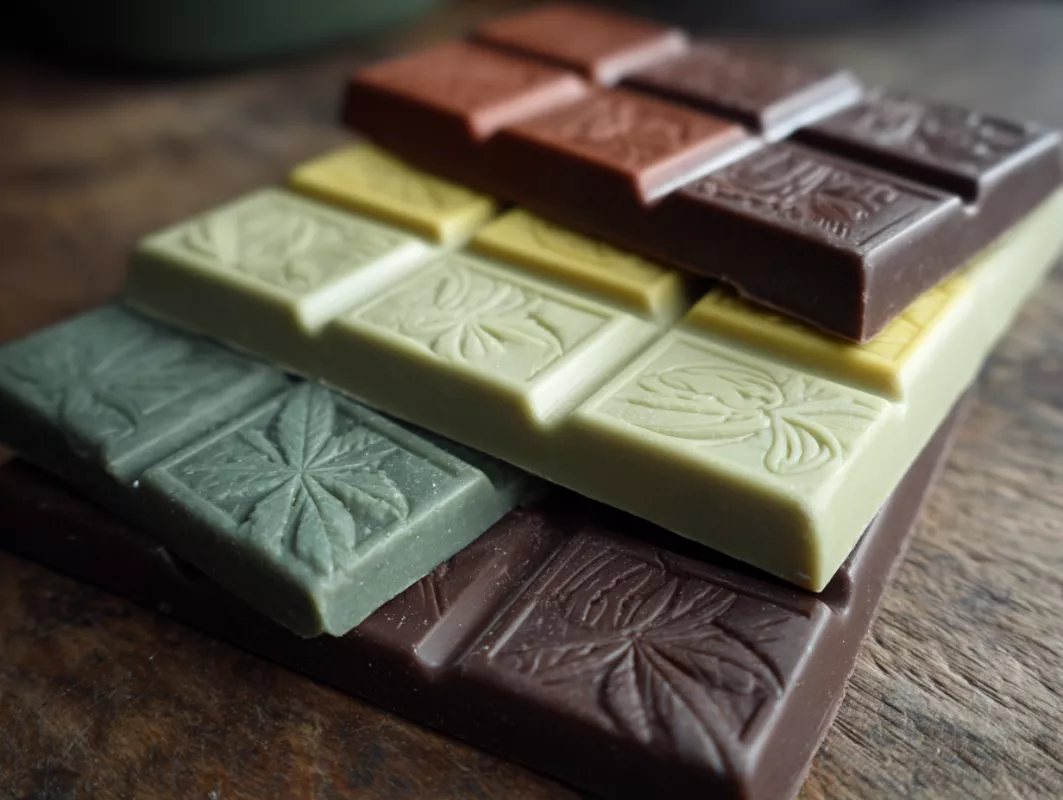
Cannabis chocolate bars represent the pinnacle of homemade edibles, combining rich cocoa flavors with precisely controlled THC dosing in an elegant, gift-worthy format. These luxurious treats offer discrete consumption while delivering predictable potency that appeals to connoisseurs seeking sophisticated edibles experiences and medical patients requiring reliable medication delivery.
???? Why Choose Cannabis Chocolate
Cannabis chocolate excels as premium edibles because chocolate naturally complements and masks cannabis flavors while providing familiar luxury experiences. The rich cocoa content creates indulgent treats that appeal to users seeking gourmet edibles, while the moldable format enables precise portion control and professional presentation.
⏰ Preparation Elegance
Chocolate preparation uses traditional tempering and molding techniques that preserve cannabinoid potency while creating professional-quality results. The process requires attention to detail but produces shelf-stable edibles suitable for gifts, special occasions, and long-term storage with maintained quality.
???? Portion Control Benefits
Individual chocolate bar squares provide natural portion control with known potency per piece, eliminating guesswork from consumption. This precision makes chocolate bars excellent for medical patients requiring specific dosages and recreational users seeking predictable effects without complicated measurements.
???? Luxury and Versatility
Chocolate recipes adapt to various flavors, inclusions, and presentation styles while maintaining cannabis potency and familiar preparation methods. The premium appearance and excellent storage characteristics make chocolate bars perfect for sophisticated consumption experiences and special occasion presentations.
Creating perfect cannabis chocolate requires quality ingredients, proper equipment, and attention to tempering techniques that ensure optimal texture while maintaining precise dosing. Using the right materials and methods produces professional-quality results that rival commercial chocolates.
???? Core Ingredients List
8 oz high-quality dark chocolate (70% cacao or higher), 2-3 tablespoons cannabis-infused coconut oil, 1 tablespoon lecithin (optional for better integration), and desired additions like nuts, dried fruits, or flavor extracts. These proportions create perfectly smooth chocolate with optimal cannabis integration and balanced flavor profiles.
???? Essential Equipment
Double boiler or microwave-safe bowl, chocolate bar molds or lined baking pan, candy thermometer, rubber spatula for stirring, measuring spoons, and parchment paper for lining. Optional equipment includes chocolate tempering machine for professional results and kitchen scale for precise measurements.
???? Cannabis Oil Selection
Use properly prepared cannabis-infused coconut oil with known potency for accurate dosing calculations. Coconut oil integrates smoothly with chocolate while remaining stable at room temperature. The oil should be clear, properly strained, and at room temperature for easy incorporation into chocolate.
???? Chocolate Quality Importance
Choose high-quality chocolate with 70% or higher cacao content for best flavor and tempering properties. Premium chocolate creates superior taste while providing proper cocoa butter content for smooth melting and setting. Avoid chocolate chips which contain stabilizers affecting tempering.
???? Ingredient Quality Tips
Use organic, fair-trade chocolate for best flavor and ethical sourcing. Choose lecithin derived from sunflower rather than soy for better integration and neutral flavor. Premium ingredients enhance overall taste while creating chocolate bars that appeal to users beyond their cannabis content.
Proper cannabis oil preparation forms the foundation of successful chocolate bars, requiring careful decarboxylation, precise infusion techniques, and accurate potency calculations. This process creates oil that integrates smoothly into chocolate while maintaining optimal consistency and flavor.
???? Decarboxylation Process
Preheat oven to 240°F (115°C). Grind 1/4 to 1/2 ounce of cannabis flower into coarse pieces, spread on parchment-lined baking sheet, and bake for 30-40 minutes until lightly golden. This activates THC from its non-psychoactive THCA form, making it bioavailable when consumed. Proper decarboxylation is crucial for potent chocolate.
???? Oil Infusion Method
Melt 1/2 cup coconut oil in double boiler on low heat. Add decarboxylated cannabis and maintain temperature between 160-180°F for 2-3 hours, stirring occasionally. Strain through cheesecloth or fine mesh, pressing plant material to extract all oil. This gentle process preserves cannabinoids while creating smooth oil.
???? Potency Calculation
Calculate approximate THC content: multiply cannabis weight by THC percentage, then by 0.877 (decarboxylation efficiency). For example, 7g of 20% THC cannabis yields roughly 1,226mg THC total. Divide by number of chocolate pieces to determine per-piece potency for accurate dosing calculations.
❄️ Oil Consistency Management
Cannabis coconut oil should be liquid at room temperature for easy integration into melted chocolate. If oil solidifies, gently warm to liquid state without overheating. Proper oil consistency ensures smooth mixing and even distribution throughout chocolate mixture.
???? Quality Testing
Test small amounts of cannabis oil before making full batches to verify potency and effects. Start with 1/4 teaspoon and wait 2 hours to assess strength. This testing prevents waste and ensures final chocolate meets desired potency levels for intended users and occasions.
Follow these detailed instructions for perfect cannabis chocolate every time. Each step includes timing, temperature, and technique tips that ensure proper tempering, even cannabis distribution, and optimal texture while preserving cannabinoid potency throughout the preparation process.
???? Step 1: Chocolate Preparation
Chop chocolate into small, uniform pieces for even melting. Reserve 1/4 of chocolate for seeding during tempering process. Set up double boiler with barely simmering water, ensuring bottom of bowl doesn’t touch water. Proper setup prevents overheating and enables controlled melting.
???? Step 2: Initial Melting
Melt 3/4 of chocolate slowly in double boiler, stirring frequently until temperature reaches 115°F for dark chocolate. Remove from heat immediately to prevent overheating. Proper melting temperature ensures chocolate maintains temper for smooth, glossy finish and good snap.
???? Step 3: Cannabis Oil Integration
Remove melted chocolate from heat and stir in cannabis-infused coconut oil and lecithin (if using) until completely incorporated. Work quickly but gently to maintain temperature while ensuring even cannabis distribution throughout the mixture for consistent dosing.
❄️ Step 4: Tempering Process
Add reserved chocolate pieces to mixture, stirring until temperature drops to 84°F for dark chocolate. This seeding process helps chocolate maintain proper temper for professional finish. Continue stirring until all added chocolate melts and mixture is smooth.
????️ Step 5: Final Temperature Adjustment
Gently reheat chocolate to 88°F for dark chocolate, stirring constantly. This final tempering step ensures chocolate sets with proper snap and glossy appearance. Monitor temperature carefully to prevent overheating that could break the temper.
???? Step 6: Molding and Setting
Quickly pour tempered chocolate into molds or lined pan, tapping to release air bubbles. Work efficiently as properly tempered chocolate sets quickly. Refrigerate for 30 minutes until firm, then remove from molds. Properly set chocolate should have clean release and glossy finish.
Accurate dosing calculations ensure safe, predictable experiences while maximizing the value of your cannabis and chocolate investment. Understanding these calculations enables precise control over individual piece potency, making chocolate bars suitable for various tolerance levels and medical applications.
???? Basic Calculation Formula
Total THC content divided by number of chocolate pieces equals per-piece potency. For example: 1,200mg total THC ÷ 24 pieces = 50mg THC per piece. Account for approximately 5% potency loss during chocolate preparation when calculating final dosing for consumption planning and safety considerations.
???? Piece Size Consistency
Use chocolate bar molds with uniform sections or score lines for consistent piece sizes and dosing. Standardized portions create predictable potency across the bar while preventing accidental overconsumption from irregular portion sizes that could vary significantly in cannabis content.
???? Tolerance-Based Dosing
Beginners: 2.5-5mg per piece, Occasional users: 5-15mg per piece, Regular users: 15-30mg per piece, Medical patients: 25-50mg+ per piece based on medical needs. These guidelines help determine appropriate bar potency and piece sizes for intended user groups and applications.
⚖️ Precision Techniques
Weigh chocolate portions for exact consistency across pieces. Mark breaking points clearly before chocolate sets completely. Consider making different potency bars using different mold shapes or markings for easy identification and prevent confusion between strength levels.
???? Documentation Methods
Record cannabis strain, potency, oil preparation details, chocolate type, and final piece calculations for future reference. This documentation enables recipe replication and dosing consistency across batches while building personal database of successful formulations and their effects.
???? Testing and Verification
Start with conservative estimates and test individual pieces to verify actual potency before consuming multiple servings. Individual preparation techniques and cannabis quality can affect final potency compared to calculated estimates, making personal testing essential for optimal dosing and safety.
Proper storage maintains chocolate potency, texture, and appearance while extending shelf life and preserving investment in quality ingredients. Understanding optimal storage conditions prevents bloom, melting, and contamination while maintaining chocolate quality throughout the usable lifespan.
???? Room Temperature Storage
Store in cool, dry locations between 60-70°F away from direct sunlight and heat sources. Wrap individually in foil or store in airtight containers to prevent moisture absorption and odor contamination. Proper room temperature storage maintains chocolate texture while preserving cannabinoid potency.
❄️ Refrigerated Storage
Refrigerate for extended freshness up to 3-4 months in airtight containers to prevent condensation and odor transfer. Allow chocolate to return to room temperature before unwrapping to prevent moisture condensation that could cause bloom or texture problems affecting appearance and quality.
???? Freezer Storage
Freeze for long-term storage up to 8 months wrapped tightly in plastic wrap and aluminum foil. Frozen chocolate maintains potency and texture well when properly protected from moisture and temperature fluctuations. Thaw slowly at room temperature before consuming.
????️ Labeling Requirements
Label all chocolate containers with THC content per piece, preparation date, storage instructions, and chocolate type information. Include “CONTAINS THC” warnings and keep away from children messaging. Clear labeling prevents accidental consumption and enables proper dosing by authorized users.
???? Safety Storage Protocols
Store in locked containers or secure locations inaccessible to children, pets, and unauthorized individuals. Use child-resistant containers when possible and maintain original labeling for identification. Secure storage prevents accidental consumption while maintaining legal compliance and household safety.
???? Quality Monitoring
Check regularly for signs of bloom (white surface coating), melting, or unusual texture changes. Fresh chocolate maintains glossy appearance, proper snap, and smooth texture. Discard any chocolate showing significant deterioration signs that could indicate spoilage or improper storage conditions.
Cannabis edibles safety encompasses proper dosing, secure storage, legal compliance, and responsible consumption practices. Understanding these considerations protects users, families, and communities while ensuring positive experiences and maintaining compliance with local cannabis regulations.
⚠️ Dosing Safety Protocols
Start with low doses (2.5-5mg THC) and wait at least 2 hours before consuming additional chocolate pieces. Effects can take 30 minutes to 2 hours to appear and last 4-8 hours. Never operate vehicles or machinery after consumption. Keep consumption logs to track optimal dosing patterns.
???? Secure Storage Requirements
Store all cannabis chocolate in locked, child-resistant containers away from children and pets. Never store in regular candy wrappers or unmarked packages that could be mistaken for regular chocolate. Use clear labeling with THC content warnings and emergency contact information.
⚖️ Legal Compliance
Verify local laws regarding cannabis possession, consumption, and homemade edibles preparation. Some jurisdictions restrict homemade cannabis products or limit possession amounts. Only use legal cannabis sources and comply with local regulations regarding consumption locations and sharing restrictions.
???????????????? Household Safety Measures
Educate family members about cannabis edibles identification and dangers. Establish clear household rules about storage areas and access restrictions. Keep emergency contact information readily available and know signs of accidental consumption including excessive drowsiness, confusion, or unusual behavior.
???? Emergency Preparedness
Know emergency procedures for accidental consumption or overconsumption situations. Contact poison control or emergency services if serious symptoms develop. Keep activated charcoal available for overdose situations and maintain clear documentation of product potency for emergency responders.
???? Responsible Sharing
Never share cannabis chocolate without explicit consent and clear dosing information. Inform recipients about potency, onset timing, and duration expectations. Avoid sharing with inexperienced users without proper guidance and supervision. Responsible sharing prevents negative experiences and promotes safe cannabis culture.
Common chocolate preparation challenges have simple solutions that improve results and prevent waste. Understanding these troubleshooting techniques enables consistent success while building confidence and skills for future cannabis edibles projects.
???? Chocolate Seizing or Clumping
If chocolate becomes thick and grainy, water contamination or overheating caused seizing. Add small amounts of warm coconut oil gradually while stirring to restore smooth consistency. Prevention involves keeping all equipment dry and maintaining proper temperatures throughout the process.
???? Bloom Formation
White coating on chocolate surface indicates fat or sugar bloom from temperature fluctuations or moisture exposure. While safe to consume, bloom affects appearance and texture. Prevent through proper storage conditions and temperature control during preparation and storage periods.
???? Uneven Cannabis Distribution
If some pieces seem stronger than others, cannabis oil wasn’t properly integrated. Ensure oil is liquid temperature when adding and stir thoroughly for complete distribution. Work efficiently to prevent oil separation during chocolate cooling and setting processes.
???? Oil Separation Problems
Oil pooling indicates insufficient mixing or temperature incompatibility. Cannabis oil must be properly emulsified into chocolate through thorough stirring. Consider adding lecithin as emulsifier for better oil integration and smoother final texture in future batches.
✂️ Difficult Mold Release
If chocolate sticks to molds, insufficient tempering or improper mold preparation may be the cause. Ensure proper tempering temperatures and consider polishing molds or using mold release spray. Well-tempered chocolate should release easily from clean, dry molds.
???? Storage Texture Changes
Chocolate becoming soft indicates warm storage conditions or improper tempering. Chocolate becoming too hard suggests over-cooling or low-fat content. Adjust storage conditions and tempering techniques to maintain optimal texture throughout shelf life period while preserving potency.
Transform basic cannabis chocolate into gourmet experiences through creative flavor combinations and inclusions. These variations maintain the core recipe’s reliability while offering personalized touches that appeal to different taste preferences and special occasions.
???? Nut and Seed Inclusions
Add 1/2 cup toasted almonds, hazelnuts, pistachios, or hemp seeds for texture contrast and nutritional enhancement. Toast nuts lightly before adding for enhanced flavor development. Nut inclusions create premium chocolate experiences while providing healthy fats and protein alongside cannabis effects.
???? Dried Fruit Additions
Incorporate 1/3 cup dried cranberries, chopped dried strawberries, or goji berries for natural sweetness and color contrast. Fruit additions provide antioxidants and natural flavors that complement chocolate while adding visual interest and nutritional value to finished bars.
???? Herb and Spice Enhancements
Add pinches of sea salt, cinnamon, cardamom, or dried lavender for sophisticated flavor profiles. These additions create adult-oriented flavors that mask cannabis taste while providing aromatherapy benefits and gourmet appeal suitable for special occasions and gifts.
???? Chocolate Type Variations
Experiment with milk chocolate, white chocolate, or ruby chocolate for different flavor profiles and visual appeal. Each chocolate type requires slightly different tempering temperatures but offers unique taste experiences while maintaining cannabis integration capabilities.
???? Layered Presentations
Create layered bars using different chocolate types or add swirled patterns with contrasting colors. Visual appeal enhances the overall experience while enabling identification of different potency levels or flavor combinations within single bars.
❄️ Seasonal Adaptations
Incorporate seasonal flavors like peppermint for winter, orange zest for spring, or pumpkin spice for fall. Seasonal variations enable year-round enjoyment while creating special occasion treats that celebrate holidays and changing seasons with cannabis-enhanced experiences.
Thoughtful presentation elevates homemade cannabis chocolate from simple edibles to impressive creations suitable for gifts, special occasions, and sophisticated consumption experiences. These serving suggestions enhance visual appeal while maintaining proper dosing information and safety considerations.
???? Gift Presentation
Package chocolate bars in elegant boxes with tissue paper, include dosing information cards, and add ribbon details for professional presentation. Create custom labels with ingredients and consumption guidelines for recipients. Premium presentation makes chocolate suitable for sophisticated gifts.
????️ Dessert Plating Ideas
Serve chocolate pieces with fresh berries, whipped cream, or paired with wine for elegant dessert presentations. Create tasting flights with different chocolate types or potency levels. These presentations create complete dessert experiences while maintaining dosing awareness and sophistication.
☕ Pairing Suggestions
Serve with coffee, port wine, or aged spirits to complement chocolate flavors and enhance the overall consumption experience. These pairings create sophisticated tasting experiences while potentially enhancing absorption through alcohol content in beverages.
???? Artistic Presentations
Create decorative displays using different shaped molds, colorful wrappings, or themed presentations for holidays and special occasions. Artistic arrangements enhance visual appeal while maintaining clear identification for different strengths and flavors.
???? Information Cards
Create elegant cards showing THC content per piece, tasting notes, onset timing, and storage instructions. Professional information presentation demonstrates responsibility while helping users make informed consumption decisions and understand proper usage protocols for safe enjoyment.
???? Special Occasion Themes
Adapt presentations for birthdays, holidays, or romantic occasions while maintaining clear cannabis identification and safety measures. Special occasion presentations enable celebration inclusion while ensuring appropriate identification and safety measures for all participants.
Advanced chocolate techniques enable precision control, enhanced presentation, and professional-quality results for experienced makers seeking to elevate their cannabis edibles. These methods require specialized equipment and expertise but produce superior consistency and artistic results.
????️ Professional Tempering Methods
Use chocolate tempering machines or precise temperature control for consistent results across batches. Professional tempering creates uniform crystal structure that produces perfect snap, gloss, and stability. Invest in quality thermometers and tempering equipment for consistent professional results.
⚗️ Enhanced Extraction Integration
Create cannabis concentrates using CO2 extraction or rosin pressing for higher potency and cleaner flavors. These concentrates integrate more easily into chocolate while providing precise dosing control and minimal flavor impact on finished products.
???? Emulsification Mastery
Use lecithin, polyglycerol polyricinoleate (PGPR), or other professional emulsifiers to achieve perfect cannabis oil integration. These additives help create smooth, stable chocolate with uniform cannabinoid distribution while improving texture and shelf stability.
???? Artistic Molding Techniques
Experiment with multi-part molds, transfer sheets, or hand-painting techniques for stunning visual presentations. Professional molding creates distinctive products suitable for high-end gifts while maintaining dosing accuracy through precise portion control.
???? Quality Control Systems
Implement batch testing, temperature logging, and standardized procedures for consistent quality across productions. Professional quality control ensures reliable products suitable for medical applications and builds reputation for excellence in cannabis edibles.
???? Innovation Opportunities
Explore molecular gastronomy techniques, unique inclusion combinations, or specialized dietary adaptations like sugar-free or vegan versions. Innovation enables market differentiation while addressing specific dietary needs and creating memorable cannabis experiences.
Common questions about cannabis chocolate cover tempering, dosing, storage, and preparation concerns. These detailed answers help both beginners and experienced makers achieve optimal results while understanding important safety and technique considerations.
❓ Do I need to temper chocolate for cannabis edibles?
Tempering creates professional appearance, proper snap, and stability but isn’t required for potency. Untempered chocolate may have dull appearance and softer texture but maintains cannabis effects. Tempering is recommended for gifts and long-term storage but optional for immediate consumption.
❓ Can I use chocolate chips instead of bar chocolate?
Chocolate chips contain stabilizers that interfere with proper tempering and smooth melting. Use high-quality bar chocolate chopped into pieces for best results. If using chips, expect different texture and appearance but maintained cannabis potency in final products.
❓ Why does my chocolate have white spots?
White spots indicate bloom caused by temperature fluctuations or moisture exposure during storage. Bloom doesn’t affect safety or potency but impacts appearance and texture. Prevent through proper storage conditions and temperature control during preparation and storage.
❓ How do I prevent chocolate from seizing?
Keep all equipment completely dry and avoid water contact during melting. Heat chocolate gently and remove from heat before completely melted, allowing residual heat to finish melting. If seizing occurs, add warm oil gradually while stirring to restore smooth consistency.
❓ Can I make milk or white chocolate cannabis bars?
Yes, but milk and white chocolate require lower tempering temperatures and more careful handling. Milk chocolate temps: 113°F/81°F/84°F, White chocolate temps: 110°F/78°F/82°F. Both integrate well with cannabis oil while offering different flavor profiles for variety.
❓ How long do cannabis chocolate bars stay fresh?
Properly stored chocolate bars maintain quality for 3-4 months at room temperature or 8 months frozen. Store in cool, dry conditions away from light and odors. Monitor for bloom or texture changes and consume within recommended timeframes for best experience.
For more cannabis edibles recipes, tempering techniques, and safety information, visit our comprehensive guide section where we regularly publish detailed tutorials and expert tips for homemade cannabis cooking success.