
×
Remove product
Remove item from cart?

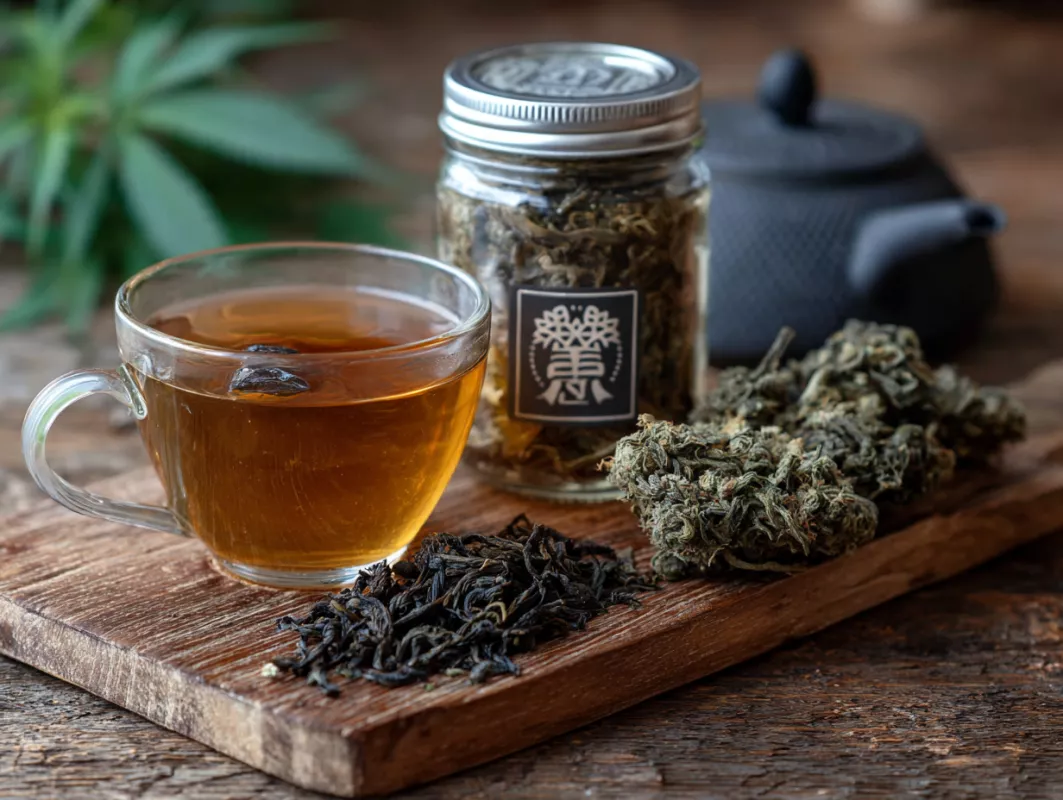
Cannabis tea represents one of the most ancient and gentle methods of cannabis consumption, offering a soothing, customizable experience that combines the therapeutic benefits of both cannabis and traditional herbal teas. This time-honored preparation method provides sustained relief with smooth onset characteristics ideal for medical patients and recreational users seeking relaxing, long-lasting effects.
???? Why Choose Cannabis Tea
Cannabis tea offers discrete consumption without smoke or obvious cannabis odors, making it perfect for private use at home or work. The liquid format enables easy dose adjustment, faster onset than solid edibles due to liquid absorption, and the ability to sip gradually for controlled effect building throughout consumption.
⏰ Gentle Onset and Duration
Tea consumption typically produces effects within 15-45 minutes, faster than most solid edibles but more gradual than smoking. Effects generally last 2-6 hours depending on dosage and individual metabolism, providing sustained relief perfect for managing chronic conditions or extending recreational experiences.
???? Therapeutic Synergy
Combining cannabis with traditional medicinal herbs creates synergistic effects that enhance both therapeutic and flavor profiles. Chamomile enhances relaxation, ginger aids digestion, peppermint soothes stomach issues, and green tea provides antioxidants, creating comprehensive wellness beverages beyond simple cannabis delivery.
???? Customization Flexibility
Cannabis tea allows infinite customization through different cannabis strains, various tea bases, milk or cream additions, sweeteners, spices, and herbal combinations. This flexibility enables personalized formulations for specific medical needs, taste preferences, and desired effect profiles.
???? Beginner-Friendly Approach
Tea making requires no special equipment or advanced cooking skills, making it accessible for cannabis newcomers. The gradual sipping allows real-time dose monitoring and adjustment, providing safer introduction to cannabis edibles compared to pre-dosed solid forms.
Creating effective cannabis tea requires specific ingredients and simple equipment that ensure proper cannabinoid extraction and optimal flavor development. Understanding ingredient ratios and preparation tools enables consistent results and maximum therapeutic value from cannabis materials.
???? Cannabis Requirements
0.5-2 grams decarboxylated cannabis flower (adjust based on potency and tolerance), or 1-3 grams high-CBD strain for non-psychoactive options. Cannabis should be properly cured, free from mold or contaminants, and ground to medium consistency for optimal extraction during steeping process.
???? Fat Source Options
1-2 tablespoons coconut oil, butter, whole milk, heavy cream, or MCT oil to enable cannabinoid extraction (THC and CBD are fat-soluble and require lipids for proper absorption). Choose based on dietary preferences and desired flavor profile – coconut oil provides neutral taste while butter adds richness.
???? Tea Base Selection
Choose complementary tea bases: black tea for robust flavor, green tea for antioxidants, chamomile for relaxation, peppermint for digestion, rooibos for caffeine-free option, or herbal blends for specific therapeutic effects. Quality tea bases enhance overall experience and provide additional health benefits.
???? Basic Equipment Needs
Small saucepan or teapot, fine mesh strainer or cheesecloth, measuring spoons, wooden spoon for stirring, and serving cups or mugs. Optional equipment includes tea infuser balls, French press for steeping, or specialized tea brewing equipment for enhanced convenience and consistency.
???? Flavor Enhancement Ingredients
Natural sweeteners (honey, agave, stevia), spices (cinnamon, ginger, cardamom), citrus (lemon, lime, orange zest), vanilla extract, or mint leaves for personalized flavor development. These additions mask cannabis taste while adding therapeutic and culinary benefits.
???? Measurement Tools
Digital scale for accurate cannabis measurement, measuring spoons for liquids, and timer for proper steeping duration. Precise measurements ensure consistent potency and enable reproducible results across different batches and preparation sessions.
Proper cannabis preparation maximizes cannabinoid extraction while ensuring optimal flavor and potency in finished tea. Different preparation methods suit various preferences, available time, and desired strength levels, each offering unique advantages for specific applications.
???? Fresh Cannabis Preparation
Grind decarboxylated cannabis to medium consistency – not powder, but smaller than smoking texture. Consistent grind size ensures even extraction during steeping. Store ground cannabis in airtight container until use to preserve potency and prevent contamination from moisture or odors.
???? Cannabis Butter Pre-Infusion
Create cannabis butter in advance for convenient tea making. Simmer 1/2 cup butter with 3-7 grams decarboxylated cannabis for 2-3 hours at low temperature, strain, and store refrigerated. Use 1-2 teaspoons per cup of tea for consistent dosing and smooth flavor integration.
???? Cannabis Oil Preparation
Infuse coconut oil with cannabis using similar method as butter but maintaining liquid consistency at room temperature. This method provides dairy-free option while ensuring excellent cannabinoid extraction. Coconut oil’s high saturated fat content makes it ideal for cannabinoid absorption.
???? Whole Plant Utilization
Use cannabis leaves, stems, and trim for milder tea preparations. These materials contain lower cannabinoid concentrations but provide gentle effects perfect for beginners or those seeking subtle benefits. Simmer longer (45-60 minutes) for proper extraction from these materials.
❄️ Cannabis Concentrate Integration
Mix small amounts of cannabis concentrates (hash, rosin, or distillate) with carrier fats before adding to tea. Start with rice grain-sized amounts due to high potency. This method provides precise dosing control and clean flavor profiles without plant material steeping.
???? Batch Preparation Strategies
Prepare larger quantities of cannabis-infused fats for multiple tea sessions. Portion into ice cube trays or small containers for single-serving convenience. This approach saves time while ensuring consistent potency across multiple tea preparations over extended periods.
Proper decarboxylation converts non-psychoactive THCA into psychoactive THC, making cannabis effective for oral consumption. This critical process requires precise temperature and timing to maximize potency while preserving beneficial compounds and terpenes that enhance therapeutic effects.
????️ Optimal Temperature and Timing
Preheat oven to 240°F (115°C) for optimal decarboxylation without terpene loss. Higher temperatures degrade beneficial compounds while lower temperatures require longer processing times. This temperature provides ideal balance between activation efficiency and compound preservation.
⏰ Processing Timeline
Spread ground cannabis evenly on parchment-lined baking sheet and bake for 30-40 minutes. Fresh, moist cannabis may require 40-45 minutes while properly cured cannabis needs only 30-35 minutes. Monitor color change from green to light golden-brown indicating proper activation.
???? Visual and Aromatic Indicators
Properly decarboxylated cannabis appears lightly toasted with golden-brown color and aromatic, nutty smell. Avoid dark brown or burnt appearance which indicates degradation. The aroma should be pleasant and toasted rather than harsh or acrid.
???? Alternative Decarboxylation Methods
Sous vide method: Vacuum seal cannabis and process at 203°F for 90 minutes for precise temperature control. Slow cooker method: Place cannabis in sealed jar within slow cooker filled with water, cook on low for 4-6 hours. These methods provide more controlled environments.
???? Efficiency Calculations
Proper decarboxylation converts approximately 87% of THCA to THC under optimal conditions. Calculate expected potency: cannabis weight × THC percentage × 0.877 = total available THC. This calculation helps determine appropriate serving sizes and dosing protocols.
❄️ Storage After Decarboxylation
Store decarboxylated cannabis in airtight containers in cool, dark locations. Properly stored material maintains potency for several months. Label containers with preparation date and estimated potency for accurate dosing in future tea preparations.
This fundamental cannabis tea recipe provides the foundation for all variations and customizations. Master this basic method before exploring advanced techniques and flavor combinations. The simple process ensures consistent results while teaching essential principles of cannabis tea preparation.
???? Step 1: Water Preparation
Bring 2 cups water to gentle boil in small saucepan. Reduce heat to maintain gentle simmer – avoid rolling boil which can degrade cannabinoids and create harsh flavors. Proper water temperature ensures optimal extraction without compound degradation.
???? Step 2: Cannabis and Fat Addition
Add 0.5-1 gram decarboxylated cannabis and 1 tablespoon coconut oil or butter to simmering water. Stir gently to distribute evenly. The fat enables cannabinoid extraction and absorption – this step is crucial for tea effectiveness.
⏰ Step 3: Steeping Process
Simmer gently for 15-30 minutes, stirring occasionally. Longer steeping extracts more cannabinoids but may create stronger plant flavors. Cover pot to prevent evaporation and concentrate flavors. Monitor temperature to maintain gentle simmer throughout process.
???? Step 4: Tea Addition
Add chosen tea bags or loose tea during final 3-5 minutes of steeping to prevent over-extraction and bitterness. Black tea tolerates longer steeping while green and herbal teas require shorter contact time for optimal flavor balance.
???? Step 5: Straining and Serving
Strain through fine mesh strainer or cheesecloth to remove plant material. Press solids gently to extract remaining liquid. Serve immediately while hot, or allow to cool for iced tea preparation. Add sweeteners and flavorings to taste.
???? Dosing Guidelines
This recipe typically yields 2 servings at moderate potency. Start with half cup and wait 30-60 minutes before consuming more. Effects can take 15-45 minutes to appear and last 2-6 hours depending on individual metabolism and tolerance levels.
Using pre-made cannabis butter simplifies tea preparation while providing consistent potency and rich flavor. This method offers convenience for regular tea drinkers and enables quick preparation without lengthy steeping processes required for raw cannabis materials.
???? Cannabis Butter Preparation
Create cannabis butter by simmering 1/2 cup unsalted butter with 3-7 grams decarboxylated cannabis for 2-3 hours at low temperature (160-180°F). Strain through cheesecloth and store refrigerated up to 2 weeks. This creates potent, versatile base for multiple tea servings.
☕ Quick Tea Preparation
Heat 1 cup water or milk to steaming (not boiling). Add 1/2 to 1 teaspoon cannabis butter and stir until completely melted and incorporated. Add tea bag or loose tea and steep according to tea type requirements. This method provides nearly instant cannabis tea preparation.
???? Milk-Based Variations
Use whole milk, coconut milk, or other high-fat liquids as base for richer, creamier cannabis tea. Heat milk gently to prevent scorching, add cannabis butter, and steep tea as desired. Milk-based teas provide enhanced cannabinoid absorption and smoother flavor profiles.
???? Flavor Enhancement
Cannabis butter integrates excellently with honey, maple syrup, vanilla, cinnamon, or other warming spices. Add flavorings after straining tea for optimal taste balance. The butter fat carries flavors well while masking any residual cannabis taste from extraction process.
???? Potency Control
Adjust cannabis butter quantity based on desired effects: 1/4 teaspoon for mild effects, 1/2 teaspoon for moderate effects, 1 teaspoon for strong effects. This graduated approach enables precise dose control while preventing accidental overconsumption from overly potent preparations.
❄️ Storage and Convenience
Portion cannabis butter into ice cube trays or small containers for single-serving convenience. Each portion provides pre-measured doses for consistent tea preparation. Store frozen up to 6 months or refrigerated up to 2 weeks with clear labeling.
Milk-based cannabis teas provide enhanced cannabinoid absorption, creamy texture, and rich flavor profiles that mask cannabis taste effectively. Different milk types offer unique benefits and accommodate various dietary restrictions while maintaining excellent therapeutic effectiveness.
???? Whole Milk Cannabis Tea
Heat 1 cup whole milk gently to steaming, add 0.5-1 gram decarboxylated cannabis, and simmer 20-30 minutes. The high fat content enhances cannabinoid extraction and absorption. Strain and add tea, spices, or sweeteners as desired. Whole milk provides richest flavor and best extraction.
???? Coconut Milk Variations
Full-fat coconut milk offers excellent cannabinoid extraction while providing dairy-free option. Use canned coconut milk for highest fat content and best extraction results. The natural sweetness complements cannabis while tropical flavors create appealing taste profiles perfect for evening relaxation.
???? Alternative Milk Options
Oat milk, almond milk, or cashew milk provide lower-fat alternatives but require added oils for proper cannabinoid extraction. Add 1 tablespoon coconut oil to enhance extraction when using low-fat milk alternatives. These options accommodate dietary restrictions while maintaining effectiveness.
???? Chai-Style Cannabis Tea
Combine cannabis milk tea with traditional chai spices: cardamom, cinnamon, ginger, cloves, and black pepper. These warming spices complement cannabis effects while providing digestive benefits and complex flavor development. Simmer spices with milk before adding cannabis for optimal flavor extraction.
???? Golden Milk Cannabis Variation
Create cannabis-infused golden milk using turmeric, ginger, black pepper, and honey in warm milk base. Turmeric provides anti-inflammatory benefits that may enhance cannabis therapeutic effects. This combination creates powerful wellness beverage with multiple therapeutic compounds.
???? Bedtime Cannabis Milk
Combine cannabis milk with chamomile tea, vanilla, and honey for relaxing bedtime beverage. The milk provides comfort and enhanced absorption while chamomile adds natural sedative effects. This combination promotes restful sleep and overnight pain relief for medical users.
Cold brew cannabis tea offers refreshing summer consumption while providing unique extraction characteristics and flavor profiles. This method requires longer preparation time but creates smooth, less bitter flavors perfect for iced consumption and gradual effect building.
❄️ Cold Extraction Method
Combine 1 gram decarboxylated cannabis with 2 tablespoons coconut oil in 4 cups room temperature water. Steep in refrigerator 8-24 hours for gradual extraction. Longer steeping increases potency but may create stronger plant flavors. Strain before serving over ice.
???? Ice Tea Preparation
Create cannabis simple syrup by heating equal parts water and sugar with cannabis oil until dissolved. Cool completely and use to sweeten cold cannabis tea. This method provides consistent sweetening and dosing while maintaining refreshing cold temperature throughout consumption.
???? Citrus Enhancement
Add fresh lemon, lime, or orange juice to cold cannabis tea for bright, refreshing flavors that mask cannabis taste. Citrus terpenes may enhance cannabis effects through entourage effect while providing vitamin C and natural preservation properties for extended storage.
???? Herbal Cold Combinations
Combine cannabis with mint, basil, or other fresh herbs for complex flavor profiles. These herbs provide additional therapeutic benefits while creating spa-like refreshing beverages perfect for hot weather consumption and social occasions requiring discrete cannabis use.
???? Serving and Storage
Store cold brew cannabis tea refrigerated up to 3 days in airtight containers. Serve over ice with garnishes like mint, citrus slices, or berries for attractive presentation. Label clearly with THC content and preparation date for safe consumption and dosing accuracy.
⏰ Gradual Consumption Benefits
Cold tea enables slow sipping throughout day for gradual effect building and sustained relief. This approach prevents overconsumption while providing consistent therapeutic levels perfect for managing chronic conditions or maintaining recreational effects during extended activities.
Accurate dosing ensures safe, predictable cannabis tea experiences while preventing overconsumption and maximizing therapeutic benefits. Understanding potency calculations and individual factors enables personalized dosing protocols suitable for various tolerance levels and medical applications.
???? Basic Potency Calculations
Calculate total THC: cannabis weight (grams) × THC percentage × 0.877 (decarboxylation efficiency) = total mg THC. Example: 1g of 20% THC cannabis = 200mg × 0.877 = 175mg total THC. Divide by servings for per-cup potency estimation.
???? Serving Size Guidelines
Beginners: 2.5-5mg THC per serving, Occasional users: 5-10mg THC per serving, Regular users: 10-20mg THC per serving, Medical patients: 15-30mg+ THC per serving based on therapeutic needs. Start low and increase gradually over multiple sessions to find optimal dosing.
⏰ Onset and Duration Factors
Cannabis tea effects typically begin 15-45 minutes after consumption and last 2-6 hours. Liquid absorption creates faster onset than solid edibles but varies based on stomach contents, individual metabolism, and tea preparation method. Empty stomach accelerates onset but may increase intensity.
???? Fat Content Impact
Higher fat content in tea (whole milk, coconut milk, added oils) enhances cannabinoid absorption and may increase effective potency. Account for this when calculating doses – milk-based teas may feel stronger than water-based preparations with identical cannabis content.
???? Individual Response Variations
Metabolism, body weight, tolerance, and genetic factors create significant individual variation in cannabis response. Track personal responses through consumption logs noting dosage, preparation method, onset time, duration, and effects for optimal dose finding and consistency.
???? Testing and Adjustment
Test new preparations at conservative doses before consuming full servings. Wait full onset period (60-90 minutes) before adjusting dosage. Individual bioavailability can vary significantly from calculated estimates, making personal testing essential for safe, effective dosing protocols.
Skillful flavor enhancement transforms cannabis tea from medicinal necessity into enjoyable beverage experience. Understanding flavor pairing, masking techniques, and complementary ingredients creates appealing teas that encourage consistent use while providing therapeutic benefits.
???? Natural Sweetening Options
Honey provides antimicrobial benefits and smooth sweetness that complements cannabis earthiness. Maple syrup adds complex flavors and minerals. Agave offers neutral sweetness for diabetic users. Stevia provides calorie-free option. Choose sweeteners that enhance rather than mask beneficial cannabis compounds.
????️ Warming Spice Combinations
Cinnamon adds warmth and blood sugar regulation, ginger provides digestive support and anti-inflammatory benefits, cardamom offers exotic aroma and digestive aid, cloves provide antimicrobial properties, and nutmeg adds complexity. These spices create synergistic therapeutic effects while improving taste.
???? Citrus Integration
Fresh lemon juice brightens flavors while providing vitamin C and natural preservation. Orange zest adds sweetness and limonene terpenes that may enhance cannabis effects. Lime provides tartness and tropical appeal. Citrus oils naturally complement cannabis terpenes through entourage effect interactions.
???? Herbal Complementing
Mint masks cannabis taste while providing digestive benefits and cooling effects. Chamomile enhances relaxation and adds floral notes. Lavender provides calming effects and sophisticated aroma. Choose herbs that complement intended cannabis effects rather than competing with therapeutic goals.
???? Rich Flavor Additions
Vanilla extract adds warmth and smoothness that masks herbal notes. Cocoa powder provides antioxidants and rich chocolate flavor. Coconut extract adds tropical sweetness. These rich flavors create indulgent experiences that encourage regular consumption for consistent therapeutic benefits.
⚖️ Flavor Balance Techniques
Balance sweet, sour, bitter, and aromatic elements for complex flavor profiles. Start with base tea selection, add primary flavoring (spices or extracts), include balancing elements (citrus or sweeteners), and finish with aromatic garnishes (fresh herbs or zest) for professional-quality results.
Efficient storage and batch preparation strategies save time while ensuring consistent potency and quality across multiple tea sessions. Understanding preservation methods and make-ahead techniques enables convenient cannabis tea integration into daily routines and medical protocols.
❄️ Refrigerated Storage
Store prepared cannabis tea refrigerated up to 3-4 days in airtight glass containers. Label with preparation date, cannabis content, and dosing information. Cool tea gradually to prevent condensation that can dilute potency or create contamination risks.
???? Freezer Preservation
Freeze cannabis tea concentrates in ice cube trays for portion-controlled servings. Each cube provides single-dose convenience for quick tea preparation. Store frozen cubes in labeled bags up to 3 months. This method preserves potency while enabling precise dosing control.
???? Batch Preparation Strategies
Prepare large quantities of cannabis-infused base (oil, butter, or concentrate) for multiple tea sessions. Portion into weekly or monthly supplies with clear labeling. This approach ensures consistent potency while reducing daily preparation time and effort.
????️ Labeling Systems
Develop comprehensive labeling including preparation date, cannabis strain and potency, serving size instructions, and storage requirements. Include “CONTAINS THC” warnings and dosing guidelines for safe consumption. Clear labeling prevents accidental overconsumption and enables proper dosing.
????️ Temperature Control
Maintain consistent storage temperatures to preserve potency and prevent degradation. Avoid temperature fluctuations that can cause condensation or compound breakdown. Store in stable, cool conditions away from heat sources and direct sunlight exposure.
???? Quality Monitoring
Check stored tea regularly for signs of spoilage including off odors, unusual colors, or surface films. Fresh cannabis tea maintains clear appearance and mild aroma. Discard any showing deterioration signs to prevent health risks and maintain consumption safety.
Cannabis tea safety encompasses proper dosing, secure storage, legal compliance, and responsible consumption practices. Understanding these considerations protects users and families while ensuring positive experiences and maintaining compliance with local cannabis regulations and safety standards.
⚠️ Dosing Safety Protocols
Start with minimal doses (2.5-5mg THC) and wait full onset period (60-90 minutes) before consuming additional amounts. Cannabis tea can produce faster onset than solid edibles, making gradual consumption and patience essential. Never operate vehicles or machinery after consumption.
???? Secure Storage Requirements
Store all cannabis tea preparations in locked, child-resistant containers clearly labeled with THC content. Never store in regular beverage containers or unmarked bottles that could be mistaken for regular tea or drinks. Secure storage prevents accidental consumption by unauthorized individuals.
⚖️ Legal Compliance
Verify local laws regarding cannabis possession, consumption, and homemade preparations. Some jurisdictions restrict homemade cannabis products or limit possession amounts. Only use legal cannabis sources and comply with local regulations regarding consumption locations and sharing restrictions.
???????????????? Household Safety Measures
Educate family members about cannabis tea identification and storage locations. Establish clear household rules about preparation areas and access restrictions. Keep emergency contact information readily available and know signs of accidental consumption requiring medical attention.
???? Emergency Preparedness
Know emergency procedures for accidental consumption or overconsumption situations. Contact poison control or emergency services if serious symptoms develop. Maintain clear documentation of tea potency and preparation details for emergency responders if medical attention becomes necessary.
???? Responsible Sharing
Never share cannabis tea without explicit consent and clear dosing information. Inform recipients about potency, onset timing, duration expectations, and safety considerations. Avoid sharing with inexperienced users without proper guidance and supervision to prevent negative experiences.
For additional cannabis tea recipes, safety information, and advanced preparation techniques, explore our comprehensive cannabis cooking guide section where we provide detailed tutorials and expert guidance for successful homemade cannabis beverage creation and consumption.

