
×
Remove product
Remove item from cart?

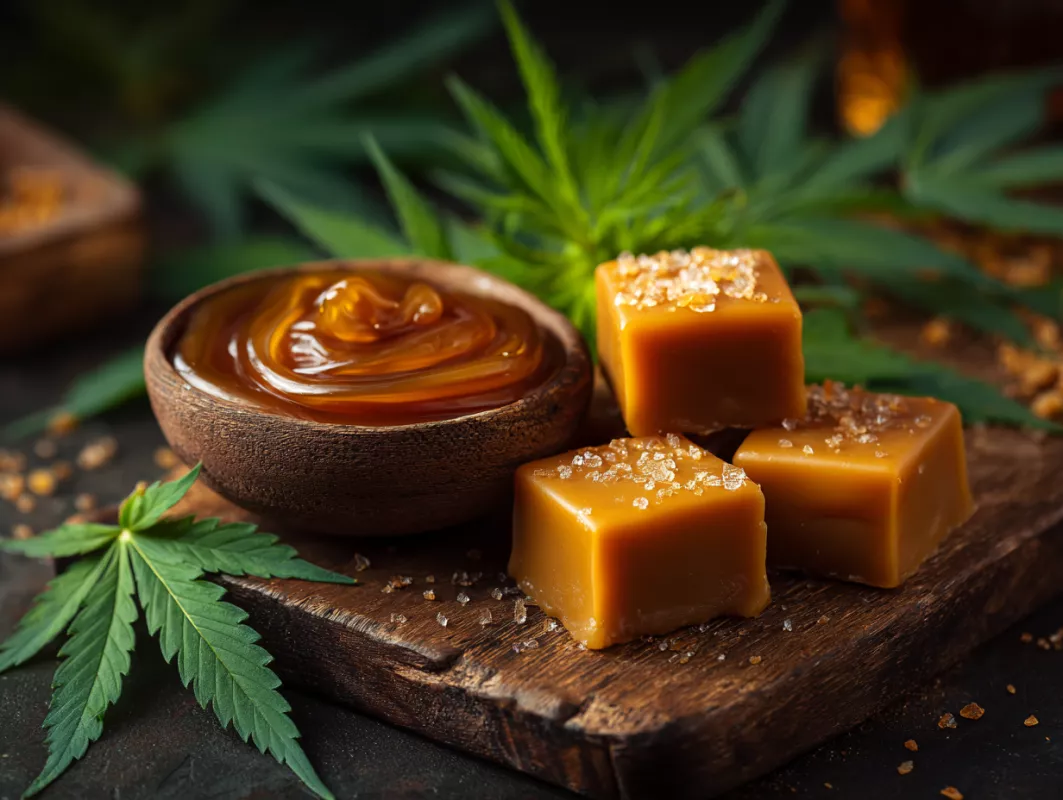
Cannabis caramel represents the perfect fusion of classic confectionery artistry and modern cannabis science, creating chewy, flavorful squares that deliver precise THC dosing in an irresistibly delicious format. These sophisticated edibles appeal to discerning users seeking premium cannabis experiences that rival professional confectionery while providing reliable, long-lasting effects.
???? Why Choose Cannabis Caramel
Caramel’s rich, complex flavor profile naturally complements cannabis while masking any herbal notes, creating smooth, enjoyable consumption experiences. The chewy texture enables sublingual absorption for faster onset compared to other edibles, while the dense format allows concentrated dosing in small, discrete portions perfect for controlled consumption.
???? Artisan Confectionery Appeal
Homemade cannabis caramel elevates edibles from simple treats to gourmet confections worthy of special occasions and gift-giving. The golden appearance, satisfying chew, and sophisticated flavor development demonstrate culinary skill while delivering pharmaceutical-grade dosing accuracy that ensures consistent, predictable experiences.
⏰ Enhanced Bioavailability
The slow-dissolving nature of caramel enables extended oral contact time, promoting sublingual absorption that can reduce onset time to 15-45 minutes compared to traditional edibles. This faster onset, combined with the standard digestive absorption, creates layered effects that provide both immediate relief and sustained duration.
???? Precise Dosing Control
Caramel’s moldable consistency allows exact portioning into uniform squares with consistent THC content. This precision makes cannabis caramel ideal for medical patients requiring accurate dosing and recreational users seeking predictable effects without the guesswork common in homemade edibles.
???? Versatility and Customization
Basic cannabis caramel serves as an excellent foundation for flavor innovations including sea salt, vanilla, chocolate, fruit extracts, and spice additions. These variations create personalized experiences while maintaining the core benefits of precise dosing and professional-quality results.
Creating perfect cannabis caramel requires specific ingredients, precise measurements, and proper equipment that ensure consistent results and safety during the high-temperature cooking process. Quality ingredients and appropriate tools are essential for achieving professional-grade texture, flavor, and potency.
???? Core Caramel Ingredients
1 cup granulated sugar, 1/4 cup light corn syrup, 1/4 cup heavy cream, 2 tablespoons cannabis-infused coconut oil, 2 tablespoons unsalted butter, 1/2 teaspoon vanilla extract, 1/4 teaspoon sea salt (optional), and 1/8 teaspoon lecithin (optional for better emulsification). These ratios create ideal texture and binding properties.
???? Essential Equipment
Heavy-bottomed saucepan, candy thermometer (essential), wooden spoon or heat-resistant silicone spatula, 8×8 inch pan lined with parchment, measuring cups and spoons, and sharp knife for cutting. A candy thermometer is absolutely crucial for achieving proper caramel consistency and texture.
???? Cannabis Oil Requirements
Use properly decarboxylated cannabis oil with known potency for accurate dosing calculations. Coconut oil works best due to its high saturated fat content and stability at high temperatures. The oil should be room temperature and well-mixed before incorporation to ensure even distribution.
???? Measurement Precision
Caramel making requires exact measurements and timing for consistent results. Use digital scales for accuracy, measure ingredients before starting (caramel moves quickly), and have everything ready for immediate use. Small measurement errors can significantly affect final texture and consistency.
???? Quality Ingredient Selection
Choose pure cane sugar for best flavor development, real vanilla extract rather than imitation, high-quality heavy cream with at least 35% fat content, and unsalted butter for better flavor control. Premium ingredients create noticeably superior taste and texture in finished caramels.
????️ Temperature Monitoring Tools
A reliable candy thermometer is essential for achieving proper caramel stages. Digital probe thermometers provide most accuracy, while traditional glass thermometers work but require careful monitoring. Accurate temperature control determines final texture and prevents burning or undercooking.
Proper cannabis oil preparation ensures maximum potency extraction while maintaining oil stability during high-temperature caramel making. This process requires careful decarboxylation, precise infusion techniques, and quality control measures that preserve cannabinoids throughout the cooking process.
???? Decarboxylation Process
Preheat oven to 240°F (115°C). Grind 3.5-7 grams cannabis flower coarsely, spread on parchment-lined baking sheet, and bake 30-40 minutes until lightly golden and aromatic. Proper decarboxylation converts THCA to psychoactive THC, making it bioavailable for edibles consumption.
???? Coconut Oil Infusion Method
Melt 1/2 cup coconut oil in double boiler at low temperature (160-180°F). Add decarboxylated cannabis and maintain gentle heat for 2-3 hours, stirring occasionally. Strain through fine mesh or cheesecloth, pressing plant material to extract all oil. This gentle process preserves cannabinoids while creating potent infusion.
???? Potency Calculation
Calculate approximate THC content: multiply cannabis weight by THC percentage, then by 0.877 (decarboxylation efficiency factor). For example, 7g of 20% THC cannabis yields approximately 1,225mg THC total. Only 2 tablespoons of infused oil will be used in this recipe, so calculate accordingly.
???? Quality Testing
Test small amounts of cannabis oil before making caramel to verify potency and flavor. Start with 1/4 teaspoon and wait 2 hours to assess effects. This testing prevents waste and ensures final caramels meet desired potency levels for intended users.
❄️ Storage and Handling
Store cannabis oil in refrigerator up to 4 weeks or freeze for longer storage. Label clearly with THC content and preparation date. Bring to room temperature before use for easy incorporation. The oil should remain liquid at room temperature for proper mixing.
???? Alternative Cannabis Options
Cannabis distillate, RSO (Rick Simpson Oil), or commercial cannabis cooking oils can substitute for homemade infusion. Adjust quantities based on product potency and follow manufacturer guidelines. These alternatives often provide more consistent potency but may cost more than homemade options.
Understanding caramel science ensures consistent results and prevents common failures that waste ingredients and time. Caramel making involves precise sugar chemistry, temperature control, and timing that creates the perfect chewy texture and rich flavor development.
???? Sugar Chemistry Science
Caramel forms through sugar caramelization, where sucrose breaks down and reorganizes into complex compounds creating characteristic flavor and color. This process begins around 320°F and intensifies with higher temperatures. Understanding this chemistry helps predict and control final caramel characteristics.
????️ Temperature Stage Guidelines
Soft ball stage (234-240°F): Creates soft, chewy caramels. Firm ball stage (244-248°F): Produces firmer, more structured caramels. Hard ball stage (250-266°F): Results in hard, brittle caramels. For chewy cannabis caramels, target 240-245°F for optimal texture balance.
⏰ Timing Considerations
Caramel making happens quickly once sugar begins caramelizing. Have all ingredients measured and ready for immediate use. The process typically takes 15-25 minutes from start to finish, with critical moments requiring immediate attention to prevent burning or overcooking.
???? Moisture and Humidity Effects
High humidity can prevent proper caramel setting and create sticky textures. Avoid making caramel on very humid days, or use air conditioning to control kitchen environment. Proper moisture control ensures caramels set correctly and maintain desired texture throughout storage.
???? Crystallization Prevention
Sugar crystals can ruin caramel texture. Prevent crystallization by avoiding stirring once sugar begins melting, using corn syrup (which inhibits crystallization), and ensuring clean equipment free from sugar residue. These techniques create smooth, professional-quality caramels.
???? Color Development
Caramel color indicates flavor development – light amber provides mild caramel taste, while darker amber creates richer, more complex flavors. Monitor color carefully as it can change rapidly, especially at higher temperatures. Desired color guides timing for cream addition.
Follow these detailed instructions carefully for perfect cannabis caramel every time. Each step includes critical timing, temperature, and technique information that ensures proper texture, even cannabis distribution, and optimal flavor development while preserving cannabinoid potency.
???? Step 1: Preparation Setup
Line 8×8 inch pan with parchment paper, leaving overhang for easy removal. Lightly grease parchment with neutral oil. Measure all ingredients and arrange within easy reach. Attach candy thermometer to saucepan. Have cannabis oil at room temperature and ready for quick incorporation.
???? Step 2: Sugar Caramelization
Combine sugar and corn syrup in heavy-bottomed saucepan over medium heat. Stir until sugar dissolves, then stop stirring completely. Cook without stirring until mixture reaches 320°F and turns light amber color, about 8-12 minutes. Watch carefully as color changes rapidly.
???? Step 3: Cream Addition
Remove from heat and immediately add heavy cream while whisking vigorously. Mixture will bubble violently – continue whisking until smooth. Return to heat and cook to 240-245°F for chewy texture, stirring constantly with wooden spoon or heat-resistant spatula.
???? Step 4: Cannabis Oil Integration
Remove from heat when target temperature is reached. Quickly whisk in cannabis oil, butter, vanilla extract, and salt until completely smooth and well combined. Work quickly as mixture begins setting immediately. Ensure complete integration for even cannabis distribution.
???? Step 5: Pan Transfer
Immediately pour hot caramel into prepared pan, working quickly before it sets. Use spatula to spread evenly if needed, but work fast. The caramel should flow smoothly and self-level in the pan. Avoid overworking once poured.
⏰ Step 6: Cooling and Setting
Allow caramel to cool at room temperature for 2-3 hours until completely set and firm to touch. Avoid refrigerating during initial setting as this can create texture problems. Proper room temperature setting ensures ideal chewy consistency.
✂️ Step 7: Cutting and Portioning
Remove caramel from pan using parchment overhang. Using sharp knife, cut into desired serving sizes based on dosing calculations. Clean knife between cuts for neat edges. Work efficiently as caramel can become sticky at room temperature.
Precise temperature control determines caramel texture, flavor development, and cannabis preservation. Understanding critical temperature points and timing ensures consistent results while preventing common failures that can ruin entire batches.
????️ Critical Temperature Points
Sugar dissolution: 212°F (no thermometer needed, visual cue when bubbling stops), Light caramel: 320°F (light amber color), Cream addition: immediately after reaching 320°F, Final cooking: 240-245°F for chewy texture. Each stage requires specific visual and temperature cues for optimal results.
⏱️ Timing Precision
Total cooking time typically ranges 20-30 minutes depending on heat level and batch size. Sugar caramelization phase: 8-12 minutes, Cream cooking phase: 5-10 minutes, Cannabis integration: 1-2 minutes maximum. Fast, decisive action during each phase prevents overcooking and burning.
???? Heat Management
Use medium heat for sugar caramelization to prevent burning and ensure even heating. Reduce to medium-low after cream addition to prevent scorching. Consistent, moderate heat creates better flavor development and texture compared to rushing with high heat.
???? Cannabis Preservation
Add cannabis oil only after removing from heat to preserve cannabinoids. Excessive heat can degrade THC and create harsh flavors. Quick integration at lower temperatures maintains potency while ensuring even distribution throughout the caramel.
???? Environmental Factors
Altitude affects boiling points – reduce target temperatures by 2°F for every 1,000 feet above sea level. Humidity impacts setting time and final texture. Cold kitchens may require longer cooking times, while hot environments speed the process.
???? Visual Cues
Learn to recognize proper caramel stages visually: light amber color indicates readiness for cream addition, smooth glossy texture shows proper emulsification, and clean separation from pan sides indicates proper setting temperature. These visual skills complement thermometer readings.
Accurate dosing calculations ensure safe, predictable experiences while maximizing the value of cannabis ingredients. Understanding these calculations enables precise control over individual caramel potency, making them suitable for various tolerance levels and medical applications.
???? Basic Calculation Formula
Total THC in cannabis oil ÷ number of caramel pieces = THC per piece. Example: 600mg total THC in oil, using 2 tablespoons in recipe (approximately 1/8 of total oil) = 75mg THC in batch. Cut into 15 pieces = 5mg THC per caramel. Account for 10-15% potency loss during cooking.
???? Serving Size Planning
Plan cutting grid based on desired potency rather than arbitrary sizes. For 2.5mg servings, create smaller pieces. For 10mg servings, cut larger squares. Use ruler to mark even cutting lines before slicing to ensure consistent dosing across all pieces.
???? Tolerance-Based Guidelines
Beginners: 1-2.5mg per caramel, Occasional users: 2.5-5mg per caramel, Regular users: 5-10mg per caramel, Medical patients: 10-20mg+ per caramel based on therapeutic needs. These guidelines help determine appropriate batch potency and serving sizes.
⚖️ Precision Cutting Techniques
Use kitchen scale to weigh finished caramels for uniform dosing. Mark cutting template on parchment before pouring caramel. Consider making scored cutting guides for consistent portion sizes. Even slight variations in piece size can significantly affect individual dosing.
???? Documentation System
Record cannabis strain, potency, oil preparation details, cooking temperatures, timing, and final calculations for future reference. This documentation enables recipe replication and helps identify optimal formulations based on user feedback and effects.
???? Testing Protocol
Test individual caramels at conservative doses before consuming full servings. Start with half a piece and wait 2 hours to assess effects. Individual metabolism and bioavailability can vary significantly from calculated estimates, making personal testing essential.
Proper cutting and wrapping techniques ensure consistent dosing, attractive presentation, and long-term storage stability. These methods prevent sticking, maintain freshness, and create professional-quality appearance suitable for gifts or personal storage.
✂️ Cutting Best Practices
Use sharp knife warmed slightly in hot water for clean cuts through sticky caramel. Wipe knife clean between cuts to prevent dragging and uneven edges. Cut in straight lines using ruler or cutting guide to ensure uniform pieces and consistent dosing.
???? Portion Planning
Calculate total pieces needed based on desired individual potency, then mark cutting grid accordingly. For 5mg pieces from 75mg batch, create 15 equal squares. Use light scoring first, then full cuts to ensure accuracy and prevent waste from incorrect sizing.
???? Individual Wrapping Methods
Wrap each caramel in wax paper, parchment squares, or cellophane for storage and portion control. Twist ends securely to create attractive presentation and prevent sticking. Individual wrapping enables discrete consumption and prevents pieces from adhering together.
????️ Labeling Requirements
Label each wrapped caramel or storage container with THC content, preparation date, and storage instructions. Include “CONTAINS THC” warnings and dosing information. Clear labeling prevents accidental consumption and enables proper dosing by authorized users.
???? Gift Presentation
For gift purposes, arrange wrapped caramels in decorative boxes with dosing information cards. Include onset timing, duration expectations, and safety information for recipients. Professional presentation demonstrates responsibility while creating attractive, thoughtful gifts.
???? Storage Preparation
Prepare wrapped caramels for various storage methods based on intended use timeline. Short-term storage at room temperature, refrigerated storage for extended freshness, or freezer preparation for long-term preservation. Proper preparation extends shelf life significantly.
Proper storage maintains caramel texture, preserves cannabis potency, and prevents contamination while extending usable shelf life. Understanding optimal storage conditions protects your investment in quality ingredients and ensures consistent effects throughout the storage period.
???? Room Temperature Storage
Store individually wrapped caramels in airtight containers at room temperature for up to 2 weeks. Keep away from direct sunlight, heat sources, and humidity that can affect texture and potency. Ideal storage temperature: 65-70°F in dry conditions.
❄️ Refrigerated Storage
Refrigerate for extended freshness up to 4-6 weeks. Allow caramels to return to room temperature before consuming for optimal texture and flavor. Use airtight containers to prevent moisture absorption and odor transfer from other refrigerated items.
???? Freezer Storage
Freeze individually wrapped caramels for long-term storage up to 6 months. Wrap in additional layer of plastic wrap or freezer bags to prevent freezer burn. Thaw at room temperature for 30-60 minutes before consuming. Freezing preserves both texture and potency excellently.
????️ Temperature Sensitivity
Caramels soften in heat and harden in cold. Avoid storage in warm locations like cars, direct sunlight, or near heating sources. Extreme temperature fluctuations can affect texture and create condensation that impacts quality and shelf life.
???? Humidity Control
Low humidity can make caramels too hard, while high humidity creates stickiness and potential mold growth. Store with silica gel packets in humid climates, or use humidity-controlled storage containers for optimal preservation in challenging environments.
???? Quality Monitoring
Check regularly for signs of spoilage including off odors, texture changes, discoloration, or surface moisture. Fresh caramels maintain their original color, texture, and mild caramel aroma. Discard any showing deterioration signs to prevent health risks.
Cannabis caramel safety encompasses hot sugar cooking hazards, secure storage, legal compliance, and responsible consumption practices. Understanding these considerations protects makers and consumers while ensuring positive experiences and maintaining compliance with local regulations.
???? Hot Sugar Safety
Molten caramel reaches temperatures exceeding 240°F and can cause severe burns. Wear closed-toe shoes, avoid loose clothing, keep children away from cooking area, and have cold water readily available. Handle hot pans with dry towels and work deliberately to prevent accidents.
⚠️ Dosing Safety Protocols
Start with low doses (1-2.5mg THC) especially for caramels due to potential sublingual absorption creating faster onset. Wait at least 2 hours before consuming additional amounts. Effects can begin within 15 minutes and last 4-8 hours total.
???? Secure Storage Requirements
Store all cannabis caramels in locked, child-resistant containers away from children and pets. The candy appearance makes secure storage absolutely critical. Never store in regular candy containers or unmarked packaging that could lead to accidental consumption.
⚖️ Legal Compliance
Verify local laws regarding cannabis possession, consumption, and homemade edibles preparation. Some jurisdictions restrict homemade cannabis products or limit possession amounts. Only use legal cannabis sources and comply with all local regulations and restrictions.
???? Emergency Preparedness
Know emergency procedures for both cooking accidents (burns from hot sugar) and cannabis overconsumption. Keep first aid supplies available during cooking and emergency contact information accessible. Maintain clear documentation of product potency for emergency responders if needed.
???????????????? Household Safety
Educate family members about cannabis caramel identification and storage locations. Establish clear household rules about access restrictions and storage protocols. The candy-like appearance requires extra vigilance to prevent accidental consumption by unauthorized individuals.
Common caramel-making challenges have proven solutions that salvage batches and improve future results. Understanding these troubleshooting techniques builds confidence and prevents waste of valuable cannabis ingredients while developing professional-level skills.
???? Burnt or Bitter Caramel
If sugar burns and tastes bitter, the batch cannot be salvaged. Prevention involves using lower heat, constant monitoring, and removing from heat immediately when proper color is reached. Dark amber color indicates approaching burnt stage – act quickly when color changes.
???? Caramel Too Hard
Hard caramel indicates overcooking past 245°F. Prevent by monitoring temperature carefully and removing from heat promptly. If caramel is too hard, you can try reheating gently with additional cream, but texture may not be perfectly recoverable.
???? Caramel Too Soft
Soft caramel that won’t set properly indicates undercooking below 240°F or high humidity interference. Return to heat briefly to reach proper temperature, or place in refrigerator to firm up. Humidity can prevent proper setting regardless of temperature.
???? Crystallization Problems
Grainy, crystallized caramel results from stirring during cooking or contamination. Prevention involves clean equipment, not stirring once sugar melts, and using corn syrup. Crystallized batches usually cannot be saved and require restarting with fresh ingredients.
???? Separation Issues
Oil separation indicates insufficient emulsification or temperature shock during cannabis oil addition. Prevent by ensuring proper temperature when adding oil and whisking vigorously for complete integration. Lecithin can help prevent separation in future batches.
???? Storage Problems
Caramels becoming too sticky indicate high humidity storage. Caramels becoming too hard suggest cold storage or low humidity. Adjust storage conditions and consider individual wrapping to maintain optimal texture throughout shelf life.
Transform basic cannabis caramel into gourmet experiences through creative flavor additions and innovative combinations. These variations maintain the core recipe’s effectiveness while offering personalized touches that appeal to sophisticated palates and special occasions.
???? Sea Salt Caramel
Sprinkle flaky sea salt on top of warm caramel before setting for classic salted caramel flavor. Use high-quality sea salt like Maldon or fleur de sel for best results. The salt contrast enhances caramel sweetness while adding sophisticated flavor complexity that masks any cannabis notes.
???? Chocolate Enhancement
Add 2 tablespoons cocoa powder during cooking or drizzle melted chocolate over set caramels. Dark chocolate complements caramel beautifully while adding antioxidants and rich flavor. Chocolate also helps mask cannabis taste for users sensitive to herbal flavors.
???? Nut Integration
Incorporate 1/4 cup chopped toasted nuts (pecans, almonds, or hazelnuts) after cannabis oil addition. Toast nuts lightly before adding for enhanced flavor development. Nuts provide protein, healthy fats, and satisfying crunch that creates more substantial, nutritious treats.
???? Citrus Infusions
Add 1 teaspoon citrus zest (orange, lemon, or lime) with vanilla extract for bright, fresh flavors. Citrus oils complement caramel while adding natural terpenes that may enhance cannabis effects through entourage effect interactions.
????️ Spice Variations
Experiment with warming spices like cinnamon, cardamom, or ginger added during cooking. Start with 1/4 teaspoon and adjust to taste. Spices create complex flavor profiles perfect for fall and winter seasons while adding potential health benefits.
☕ Coffee Caramel
Replace 1 tablespoon heavy cream with strong espresso for rich coffee flavor. Coffee complements caramel naturally while adding caffeine that may complement cannabis effects. Use high-quality espresso for best flavor development and aromatic appeal.
???? Herb Infusions
Infuse cream with herbs like lavender, rosemary, or thyme before making caramel. Strain herbs before use. Herbal additions create sophisticated, adult flavor profiles while potentially adding complementary therapeutic effects to cannabis benefits.

