
×
Remove product
Remove item from cart?

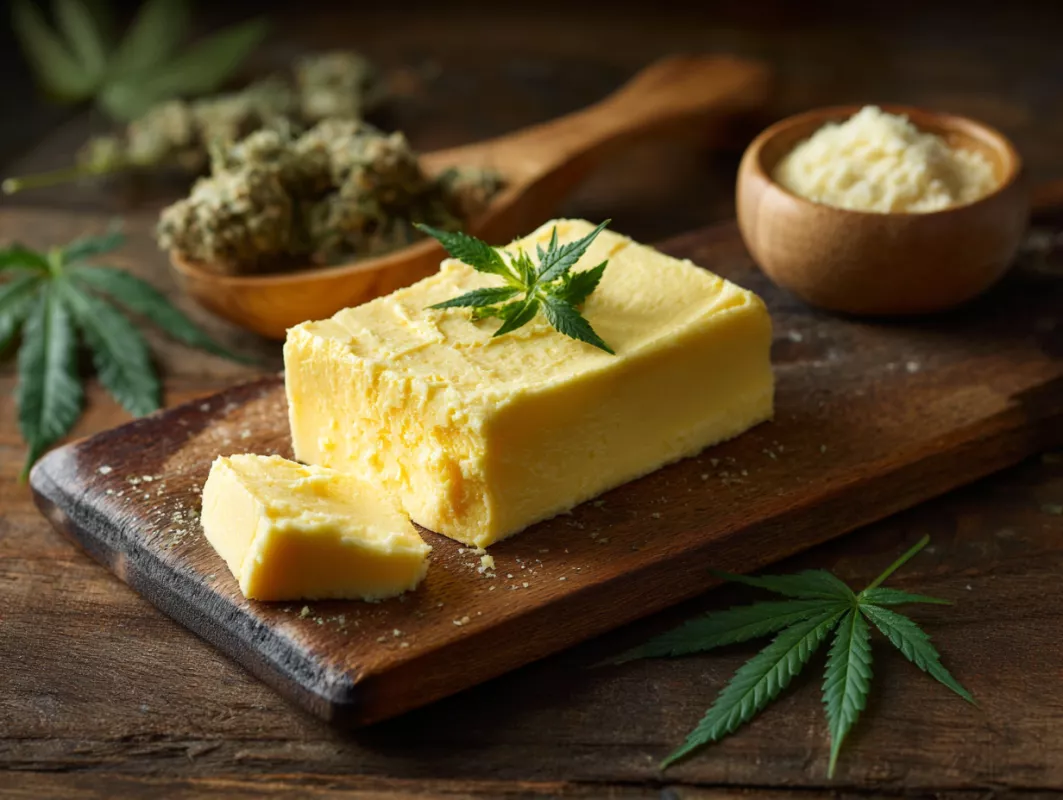
Cannabutter serves as the foundation for virtually all cannabis edibles, transforming raw cannabis into a versatile cooking ingredient that delivers consistent, predictable effects. This essential preparation enables precise dosing control while creating the base for countless recipes including brownies, cookies, cakes, and savory dishes that provide discrete, long-lasting cannabis experiences.
???? Why Cannabutter is Essential
Cannabutter represents the most versatile and widely-used cannabis cooking ingredient because it substitutes directly for regular butter in virtually any recipe. The fat content in butter provides optimal cannabinoid absorption while masking cannabis flavors and creating familiar textures that appeal to users seeking comfortable, enjoyable edibles experiences without medicinal taste.
⏰ Preparation Convenience
Unlike single-use edibles preparations, cannabutter creates a reusable ingredient that stores well and enables multiple recipe applications. The batch preparation method maximizes efficiency while ensuring consistent potency across different cooking projects, making it ideal for medical patients requiring regular medication and recreational users seeking convenient preparation.
???? Precise Dosing Control
Properly prepared cannabutter enables accurate dosing calculations for any recipe application. Understanding the total THC content in your cannabutter batch allows precise control over individual serving potency, making it suitable for various tolerance levels and medical applications requiring specific dosing protocols.
???? Recipe Versatility
Cannabutter works in both sweet and savory applications, from classic brownies and cookies to pasta sauces, sautéed vegetables, and compound butters for bread. This versatility enables creative cooking while maintaining consistent potency and familiar preparation methods that build confidence in cannabis cooking.
Creating perfect cannabutter requires quality ingredients, proper equipment, and attention to ratios that ensure optimal extraction while maintaining butter consistency. Using the right tools and ingredients produces professional-quality results that maximize cannabinoid extraction while creating smooth, usable butter for all cooking applications.
???? Core Ingredients List
1 cup (2 sticks) unsalted butter, 1/4 to 1/2 ounce decarboxylated cannabis flower, 1 cup water (for double boiler method), and fine mesh strainer or cheesecloth for filtering. These ratios provide optimal extraction while maintaining proper butter consistency for cooking applications. Quality ingredients ensure superior flavor and potency.
???? Essential Equipment
Large saucepan or slow cooker, fine mesh strainer or cheesecloth, wooden spoon for stirring, measuring cups, kitchen thermometer, glass storage containers, and labels for identification. Optional equipment includes double boiler for gentle heating, kitchen scale for precise measurements, and vacuum sealer for long-term storage.
???? Cannabis Selection Criteria
Choose high-quality cannabis flower with known THC content for accurate potency calculations. Avoid stems, seeds, and damaged material that could affect flavor. Fresh or properly cured cannabis provides better extraction and flavor compared to old or improperly stored material. Consider strain effects when selecting cannabis for specific applications.
???? Ratio Considerations
Standard ratios range from 1/4 ounce cannabis per cup of butter for mild potency to 1/2 ounce for stronger effects. Adjust ratios based on intended use, user tolerance, and desired final potency. Stronger ratios enable smaller serving sizes while milder ratios allow larger portions for cooking flexibility.
???? Quality Ingredient Tips
Use unsalted butter for better flavor control and longer shelf life. European-style butter with higher fat content provides superior cannabinoid extraction. Fresh, high-quality cannabis produces better flavor and more consistent extraction compared to older or lower-grade material.
Proper cannabis preparation through decarboxylation activates THC from its non-psychoactive THCA form, making it bioavailable for edibles consumption. This crucial step determines final potency while affecting flavor and extraction efficiency throughout the cannabutter preparation process.
???? Decarboxylation Process
Preheat oven to 240°F (115°C). Break cannabis into small, uniform pieces and spread evenly on parchment-lined baking sheet. Bake for 30-40 minutes until cannabis appears lightly golden and feels dry to touch. Proper decarboxylation is essential for bioavailable THC and maximum edibles potency.
????️ Temperature Control
Maintain precise temperature control during decarboxylation to prevent cannabinoid degradation. Temperatures above 250°F can destroy THC and other beneficial compounds. Use oven thermometer to verify accuracy and adjust timing based on oven characteristics and cannabis moisture content.
⏱️ Timing Guidelines
Fresh, moist cannabis requires 35-40 minutes for complete decarboxylation, while dry, cured cannabis needs 25-30 minutes. Watch for color changes from green to light brown and listen for subtle crackling sounds indicating moisture evaporation and THCA conversion to THC.
???? Quality Assessment
Properly decarboxylated cannabis appears light golden-brown, feels dry and crumbly, and produces a nutty, toasted aroma rather than fresh plant smell. Under-decarboxylated cannabis retains green color and fresh scent, indicating incomplete THC activation that reduces edibles potency.
???? Potency Calculations
Calculate expected THC content: multiply cannabis weight by THC percentage, then by 0.877 (decarboxylation efficiency factor). For example, 7g of 20% THC cannabis yields approximately 1,226mg THC after decarboxylation. This calculation provides the foundation for dosing calculations in finished cannabutter.
???? Grinding Considerations
Grind decarboxylated cannabis into coarse pieces for optimal extraction without creating powder that difficult to strain. Consistent particle size ensures even extraction while preventing over-processing that could affect flavor and create filtering challenges during straining.
Follow these detailed instructions for perfect cannabutter every time. Each step includes timing, temperature, and technique tips that ensure optimal extraction while preventing burning or overcooking that could degrade cannabinoids and affect final quality.
???? Step 1: Initial Setup
In large saucepan, combine 1 cup water with 1 cup butter over low heat. Water prevents butter from burning while maintaining optimal extraction temperature. Heat until butter melts completely, creating a gentle cooking environment that preserves cannabinoids throughout the infusion process.
???? Step 2: Cannabis Addition
Add decarboxylated cannabis to melted butter mixture, stirring gently to ensure complete incorporation. The mixture should simmer very lightly without vigorous bubbling. Aggressive boiling can degrade cannabinoids and create harsh flavors in finished cannabutter.
????️ Step 3: Temperature Maintenance
Maintain temperature between 160-180°F throughout infusion process. Use kitchen thermometer to monitor consistently and adjust heat as needed. This temperature range provides optimal extraction while preventing cannabinoid degradation from excessive heat exposure.
⏰ Step 4: Infusion Timing
Simmer mixture for 2-3 hours, stirring every 30 minutes to ensure even extraction and prevent sticking. Longer infusion times generally produce stronger cannabutter, but avoid exceeding 4 hours which can create bitter flavors and potential cannabinoid degradation.
???? Step 5: Straining Process
Remove from heat and allow slight cooling for safe handling. Strain mixture through fine mesh strainer or cheesecloth into clean container, pressing plant material gently to extract remaining butter. Avoid over-pressing which can introduce unwanted plant matter into finished product.
❄️ Step 6: Separation and Storage
Refrigerate strained mixture until butter solidifies and separates from water, typically 2-4 hours. Remove solid butter layer and discard water. Pat butter dry and store in airtight containers with clear labeling including THC content and preparation date for safe identification.
Accurate dosing calculations enable safe, predictable experiences while maximizing the value of your cannabis investment. Understanding these calculations provides precise control over edibles potency and enables confident recipe planning for various tolerance levels and medical applications.
???? Basic Calculation Formula
Total THC content in cannabis divided by amount of butter equals THC per tablespoon. For example: 1,200mg THC in 1 cup butter = 75mg THC per tablespoon. Account for approximately 10-20% potency loss during cooking process when planning final dosing calculations.
???? Recipe Conversion Methods
When substituting cannabutter for regular butter in recipes, calculate total THC based on amount used. If recipe calls for 4 tablespoons cannabutter at 75mg per tablespoon, total recipe contains 300mg THC. Divide by number of servings to determine per-serving potency.
???? Tolerance-Based Guidelines
Beginners: 2.5-5mg per serving, Occasional users: 5-10mg per serving, Regular users: 10-25mg per serving, Medical patients: 15-50mg+ based on medical needs. These guidelines help determine appropriate cannabutter strength and serving sizes for intended users.
⚖️ Precision Measurement Techniques
Use kitchen scale to weigh cannabutter portions for consistent dosing across recipes. Standardize measurements using tablespoons or grams to ensure reproducible results. Consider making test batches to verify actual potency before preparing large quantities or special occasion items.
???? Documentation Systems
Record cannabis strain, THC percentage, decarboxylation time, infusion duration, and final potency calculations for future reference. This documentation enables consistent reproduction and helps optimize techniques for improved results in subsequent batches.
???? Testing and Verification
Test small amounts of finished cannabutter to verify actual effects before using in recipes. Individual extraction efficiency and cannabis quality can affect final potency compared to calculated estimates. Personal testing ensures optimal dosing for intended applications.
Proper storage maintains cannabutter potency, flavor, and safety while extending shelf life and protecting your investment in quality ingredients. Understanding optimal storage conditions prevents degradation and contamination while ensuring consistent quality throughout the usable lifespan.
???? Room Temperature Considerations
Cannabutter can remain at room temperature for 1-2 days in cool conditions below 70°F. Extended room temperature storage risks rancidity and potency loss. Use room temperature storage only for immediate use within recipes that require softened butter for proper mixing and preparation.
❄️ Refrigerated Storage
Store cannabutter in refrigerator for 2-3 weeks in airtight containers to prevent odor absorption and moisture contamination. Wrap in parchment paper or store in glass containers for best preservation. Refrigeration maintains potency while preventing bacterial growth and rancidity.
???? Freezer Storage
Freeze cannabutter for long-term storage up to 6 months wrapped in plastic wrap and aluminum foil or stored in freezer-safe containers. Label clearly with contents, potency, and date. Freezing preserves both potency and flavor while enabling batch preparation for extended use.
????️ Labeling Requirements
Label all cannabutter containers with THC content per tablespoon, preparation date, strain information, and storage instructions. Include “CONTAINS THC” warnings and keep away from children messaging. Clear labeling prevents accidental consumption and enables proper dosing calculations.
???? Safety Storage Protocols
Store all cannabutter in locked containers or secure locations inaccessible to children, pets, and unauthorized individuals. Use child-resistant containers when possible and maintain original labeling for identification. Secure storage prevents accidental consumption while maintaining legal compliance.
???? Quality Monitoring
Check regularly for signs of spoilage including off odors, color changes, mold growth, or unusual texture changes. Fresh cannabutter maintains butter’s normal appearance, texture, and mild cannabis aroma. Discard any cannabutter showing deterioration signs to prevent consumption of spoiled products.
Cannabis preparation safety encompasses proper handling, secure storage, legal compliance, and responsible usage practices. Understanding these considerations protects users, families, and communities while ensuring positive experiences and maintaining compliance with local cannabis regulations.
⚠️ Preparation Safety Protocols
Maintain proper ventilation during decarboxylation and infusion to prevent odor accumulation and ensure air quality. Use low heat settings to prevent burns and fire hazards. Keep fire extinguisher accessible and never leave cooking cannabis unattended during any preparation phase.
???? Secure Storage Requirements
Store all cannabis materials and finished cannabutter in locked, child-resistant containers away from children and pets. Never store in unmarked containers that could be mistaken for regular butter. Use clear labeling with THC content warnings and emergency contact information.
⚖️ Legal Compliance Guidelines
Verify local laws regarding cannabis possession, processing, and homemade preparations. Some jurisdictions restrict home processing or limit possession amounts. Only use legal cannabis sources and comply with local regulations regarding preparation locations and sharing restrictions.
???????????????? Household Safety Measures
Educate family members about cannabis materials identification and associated dangers. Establish clear household rules about storage areas and access restrictions. Keep emergency contact information readily available and know signs of accidental consumption requiring medical attention.
???? Emergency Preparedness
Know emergency procedures for accidental consumption or overconsumption situations. Contact poison control or emergency services if serious symptoms develop. Maintain clear documentation of cannabutter potency for emergency responders and keep activated charcoal available for overdose situations.
???? Responsible Usage Guidelines
Never share cannabutter without explicit consent and clear potency information. Inform recipients about strength, onset timing, and duration expectations. Avoid sharing with inexperienced users without proper guidance and supervision to prevent negative experiences and promote safe cannabis culture.
Common cannabutter preparation challenges have simple solutions that improve results and prevent waste. Understanding these troubleshooting techniques enables consistent success while building confidence and skills for future cannabis cooking projects.
???? Burnt or Overheated Butter
If butter develops brown color or burnt smell, temperature was too high during infusion. Strain immediately and assess flavor – mild browning may be acceptable while strong burnt flavors require disposal. Prevention involves using water buffer, low heat, and constant temperature monitoring throughout preparation.
???? Incomplete Water Separation
If butter and water don’t separate clearly after refrigeration, reheat mixture gently until separation occurs, then re-refrigerate. Incomplete separation can result from insufficient cooling time or temperature fluctuations. Patience and proper cooling environment ensure clean separation.
???? Weak Potency Results
Weak cannabutter often results from incomplete decarboxylation, insufficient infusion time, or low-quality cannabis. Verify decarboxylation by checking for proper color and texture changes. Extend infusion time up to 4 hours for maximum extraction while monitoring for bitter flavor development.
???? Plant Material in Final Product
If finished cannabutter contains plant particles, strain through finer mesh or multiple layers of cheesecloth. Double-straining through coffee filters can remove remaining particles. Proper initial straining prevents texture issues and improves final product appearance and usability.
???? Strong Cannabis Flavor
Overpowering cannabis taste indicates excessive plant matter or extended infusion time. Use finer straining methods and consider shorter infusion periods for milder flavor. Water washing finished cannabutter can reduce strong tastes while maintaining potency.
???? Storage and Consistency Issues
Cannabutter becoming too hard indicates low room temperature or high plant matter content. Cannabutter becoming too soft suggests high room temperature or contamination. Adjust storage conditions and ensure proper straining for optimal consistency throughout shelf life.
Advanced preparation techniques enhance cannabutter quality, potency, and versatility while creating premium products suitable for gourmet applications. These methods require additional time and attention but produce superior results for discerning users.
???? Water Washing Method
After initial preparation, melt cannabutter with fresh water, stir thoroughly, and re-refrigerate for separation. This washing removes residual plant matter and bitter flavors while maintaining potency. Repeat process 2-3 times for exceptionally clean, mild-flavored cannabutter suitable for delicate recipes.
???? Strain Selection Impact
Different cannabis strains produce varying flavors and effects in cannabutter. Indica strains typically create more sedating effects suitable for evening recipes, while sativa strains provide energizing effects for daytime applications. Consider terpene profiles when selecting strains for specific culinary applications.
???? Low-Temperature Extraction
Extended low-temperature infusions (140-160°F for 4-6 hours) can produce cleaner flavors with maintained potency. This method requires more time but creates premium cannabutter with minimal plant flavors and maximum cannabinoid preservation for high-end culinary applications.
???? European Butter Enhancement
Using European-style butter with higher fat content (82-84% vs 80%) provides superior cannabinoid extraction and richer flavor profiles. The increased fat content creates more efficient extraction while producing luxurious texture suitable for gourmet cooking applications.
????️ Precision Temperature Control
Use sous vide equipment or precision cookers for exact temperature maintenance throughout infusion process. This method eliminates temperature fluctuations that can affect extraction efficiency and provides reproducible results for consistent cannabutter quality across batches.
⚗️ Multiple Extraction Method
Perform initial extraction, strain, then repeat process with fresh cannabis using the same butter for enhanced potency. This double-extraction method creates extremely potent cannabutter suitable for medical applications requiring high doses or recipes where minimal quantities are desired.
Cannabutter versatility enables countless culinary applications from simple spreading to complex cooking techniques. Understanding various usage methods maximizes your cannabutter investment while creating diverse, enjoyable cannabis experiences for different occasions and preferences.
???? Simple Application Methods
Spread cannabutter directly on toast, crackers, or bread for immediate consumption with predictable dosing. Melt into popcorn, drizzle over vegetables, or use as finishing butter for steaks and seafood. These simple applications provide quick consumption methods with minimal preparation requirements.
???? Baking Applications
Substitute cannabutter for regular butter in any baking recipe including cookies, cakes, muffins, and pastries. Calculate total THC content based on amount used and divide by servings for individual dosing. Baking applications create discrete consumption methods with familiar flavors and textures.
???? Savory Cooking Uses
Incorporate cannabutter into pasta sauces, risottos, sautéed vegetables, and garlic bread for savory cannabis experiences. Use in compound butters with herbs and spices for enhanced flavor profiles. Savory applications offer alternatives to sweet edibles while providing sophisticated dining experiences.
???? Candy and Confection Base
Use cannabutter as base for chocolate truffles, caramels, and fudge recipes. The fat content aids chocolate tempering while providing consistent potency distribution. Confection applications create gift-worthy presentations suitable for special occasions and sharing with experienced users.
☕ Beverage Enhancement
Add small amounts of cannabutter to coffee, hot chocolate, or tea for warming cannabis beverages. The fat content aids cannabinoid absorption while creating comforting drink experiences. Beverage applications provide quick onset and customizable dosing for immediate effects.
???? Special Occasion Creations
Create cannabis versions of traditional celebration foods including birthday cakes, holiday cookies, and wedding treats. Professional presentation with clear dosing information enables inclusion in special events while maintaining safety and legal compliance for appropriate guests.
Advanced cannabutter techniques enable precision control, enhanced potency, and professional-quality results for experienced makers seeking to elevate their cannabis preparations. These methods require specialized equipment and expertise but produce superior consistency and customization options.
????️ Sous Vide Preparation
Vacuum seal decarboxylated cannabis with butter and cook in precision water bath at 185°F for 4 hours. This method provides exact temperature control while preventing evaporation and oxidation. Sous vide preparation creates exceptionally smooth, potent cannabutter with minimal flavor impact.
⚗️ Alcohol Extraction Enhancement
Perform initial alcohol extraction of cannabis, then evaporate alcohol and incorporate concentrate into butter for enhanced potency and flavor control. This two-stage process creates extremely potent cannabutter while enabling precise control over plant matter inclusion and final flavor profiles.
???? Emulsification Optimization
Add lecithin during infusion process to improve cannabinoid distribution and bioavailability. Lecithin acts as emulsifier, creating more uniform cannabinoid distribution throughout butter while potentially enhancing absorption and effect consistency in final applications.
???? Laboratory Testing Integration
Submit samples for professional potency testing to verify actual THC content and ensure accurate dosing calculations. Laboratory testing eliminates guesswork while building reputation for consistent, reliable products suitable for medical applications and commercial consideration.
????️ Automated Processing Equipment
Use specialized cannabis processing equipment like automated butter infusers for consistent results and reduced hands-on time. These devices maintain precise temperatures and timing while eliminating human error factors that can affect extraction efficiency and final quality.
???? Isolation and Purification
Experiment with cannabinoid isolation techniques to create specialized cannabutter with specific compound profiles. This advanced approach enables targeted effects and enhanced medical applications while reducing unwanted plant flavors and maximizing therapeutic potential.
Common questions about cannabutter preparation cover ratios, storage, potency, and application concerns. These detailed answers help both beginners and experienced makers achieve optimal results while understanding important safety and usage considerations.
❓ How much cannabis should I use per cup of butter?
Use 1/4 to 1/2 ounce of cannabis per cup of butter depending on desired potency. Beginners should start with 1/4 ounce for milder effects, while experienced users can use up to 1/2 ounce for stronger cannabutter. Adjust ratios based on cannabis quality and intended applications.
❓ Can I make cannabutter without decarboxylation?
Decarboxylation is essential for bioavailable THC in edibles. Raw cannabis contains THCA which produces minimal psychoactive effects when consumed. Skipping decarboxylation results in significantly weaker cannabutter with unpredictable potency and reduced therapeutic benefits.
❓ Why does my cannabutter taste so strong and earthy?
Strong flavors indicate excessive plant matter or extended infusion time. Use finer straining methods, shorter infusion periods, or water washing technique to reduce plant flavors. Higher quality cannabis and proper preparation techniques create milder-tasting cannabutter with maintained potency.
❓ How long does cannabutter stay potent?
Properly stored cannabutter maintains potency for 2-3 weeks refrigerated or 6 months frozen. Room temperature storage rapidly degrades potency and creates spoilage risks. Store in airtight containers with clear labeling and monitor for signs of deterioration throughout storage period.
❓ Can I use trim or shake instead of flower?
Yes, but adjust quantities upward as trim and shake typically contain lower THC concentrations. Use 1.5-2 times the amount of trim compared to flower for similar potency. Ensure trim is properly cured and free from contaminants before use in cannabutter preparation.
❓ What’s the difference between cannabutter and cannabis oil?
Cannabutter provides familiar cooking properties and flavors suitable for baking and spreading applications. Cannabis oil offers higher potency potential and longer shelf life but different cooking characteristics. Choose based on intended applications and personal preferences for consistency and flavor.
For more cannabis edibles recipes, preparation techniques, and safety information, visit our comprehensive guide section where we regularly publish detailed tutorials and expert tips for successful cannabis cooking projects.

