
×
Remove product
Remove item from cart?
Sold & Shipped by: BIRCH+FOG
-
×
 $105.00

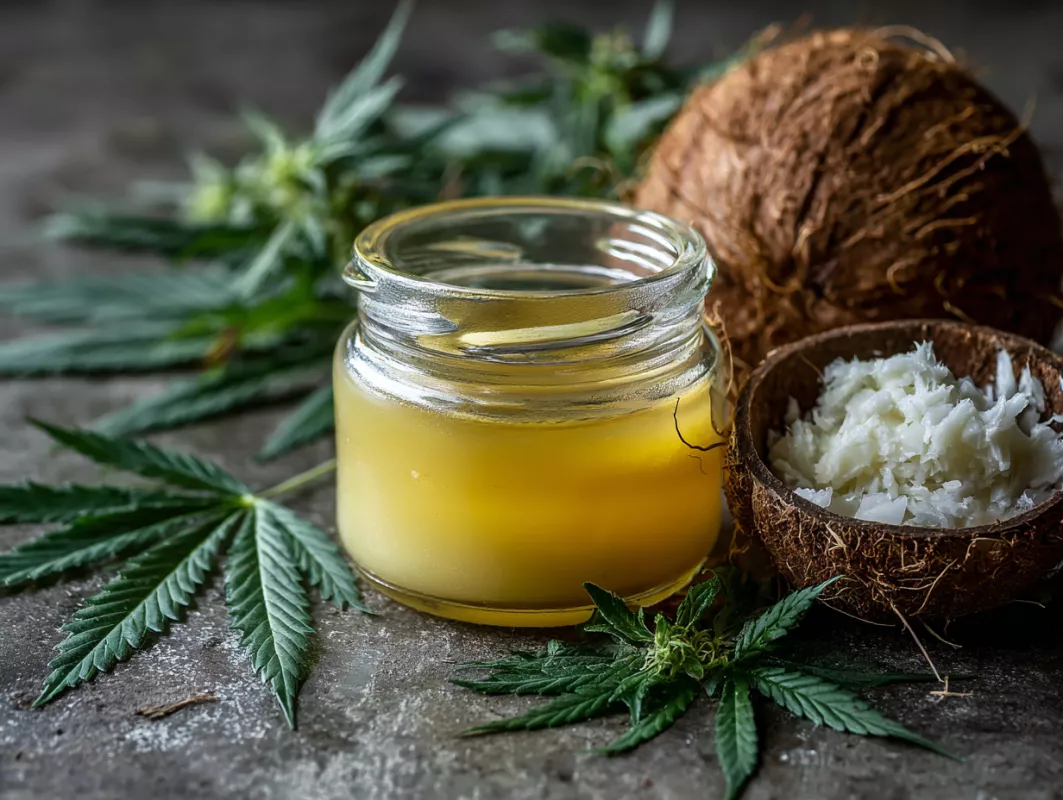
Cannabis coconut oil represents the foundation of superior edibles creation, combining coconut oil’s exceptional cannabinoid absorption properties with versatile application potential for countless recipes. This THC coconut oil serves as the ultimate base ingredient for homemade edibles, offering discrete consumption with neutral flavors that enhance rather than mask other ingredients, making it essential for medical patients requiring precise dosing and recreational users seeking professional-quality results.
???? Why Choose Cannabis Coconut Oil
Cannabis coconut oil excels as the premier infusion medium because coconut oil’s high saturated fat content provides optimal cannabinoid solubility while remaining stable at room temperature. The medium-chain triglycerides enhance bioavailability and absorption while creating versatile base ingredients suitable for cooking, baking, topical applications, and direct consumption methods.
⏰ Preparation Excellence
Coconut oil infusion uses controlled heat extraction techniques that preserve cannabinoid integrity while creating potent, shelf-stable oils with consistent quality. The process requires temperature precision and timing control but produces professional-grade ingredients suitable for complex recipes, medical applications, and commercial-quality edibles with reliable potency.
???? Versatility Benefits
Cannabis coconut oil serves as universal base ingredient for countless applications including baking, cooking, smoothies, topical preparations, and direct consumption. This versatility makes coconut oil infusions invaluable for users seeking single-preparation solutions that enable multiple consumption methods and recipe applications through one high-quality base ingredient.
???? Quality and Consistency
Properly prepared cannabis coconut oil maintains consistent potency throughout batches while providing neutral flavor profiles that enhance rather than compete with recipe ingredients. The stable fat matrix preserves cannabinoids while enabling precise dosing calculations and professional results across diverse culinary applications and therapeutic uses.
Creating perfect cannabis coconut oil requires quality ingredients, proper equipment, and attention to extraction principles that ensure optimal cannabinoid transfer while maintaining oil integrity. Using the right materials and methods produces pharmaceutical-quality results with maximum potency and versatility for diverse applications.
???? Core Ingredients List
1 cup virgin coconut oil (unrefined), 1/4 to 1/2 ounce decarboxylated cannabis flower, optional lecithin for enhanced bioavailability, and cheesecloth or fine strainer for filtering. These proportions create potent, versatile oil with optimal cannabinoid extraction and neutral flavor profiles suitable for multiple applications and recipe types.
???? Essential Equipment
Double boiler or slow cooker, candy thermometer, fine-mesh strainer, cheesecloth, glass storage jars, measuring cups, wooden spoon for stirring, and timer for precise timing control. Professional equipment includes precision temperature controllers and vacuum filtration systems for commercial-quality results and maximum extraction efficiency.
???? Cannabis Selection Criteria
Choose high-quality cannabis flower with known cannabinoid profiles for accurate potency calculations. Different strains provide varying effects and flavor contributions to finished oil. Premium flower creates superior extractions while ensuring consistent results and optimal therapeutic potential through quality source material selection.
???? Coconut Oil Quality Importance
Select virgin, unrefined coconut oil for best cannabinoid solubility and neutral flavor development. Quality coconut oil provides optimal extraction medium while maintaining stability and versatility. Avoid processed oils which may contain additives affecting extraction efficiency and final product quality.
???? Ingredient Quality Tips
Use organic, cold-pressed coconut oil for maximum purity and extraction potential. Choose sustainably sourced cannabis for ethical considerations and quality assurance. Premium ingredients create superior final products while ensuring optimal therapeutic potential and consistent results across multiple extraction batches.
Proper cannabis decarboxylation forms the critical foundation of successful coconut oil extraction, requiring precise temperature control and timing to convert inactive THCA into psychoactive THC. This essential process maximizes bioavailability while preserving terpenes and ensuring optimal potency in finished oil products.
???? Decarboxylation Science
Decarboxylation removes carboxyl groups from cannabinoid acids through controlled heat application, converting THCA to THC and CBDA to CBD. This chemical transformation activates therapeutic compounds while preserving beneficial terpenes through proper temperature and timing control. Understanding this process ensures maximum extraction efficiency and potency.
????️ Temperature and Timing Protocol
Preheat oven to 240°F (115°C) for optimal decarboxylation without degradation. Grind cannabis to medium consistency and spread evenly on parchment-lined baking sheet. Bake for 30-40 minutes until lightly golden and aromatic. Proper timing activates cannabinoids while preventing degradation through excessive heat exposure.
???? Quality Indicators
Properly decarboxylated cannabis appears lightly golden-brown with pleasant aromatic qualities and slightly crispy texture. Under-decarboxylation leaves green color and minimal aroma, while over-decarboxylation creates dark brown color and burnt odors. Visual and aromatic cues indicate optimal activation for extraction processes.
❄️ Cooling and Storage
Allow decarboxylated cannabis to cool completely before oil extraction to prevent temperature shock and preserve activated compounds. Store in airtight containers if not using immediately to prevent moisture absorption and contamination. Proper handling maintains activation quality for optimal extraction results.
???? Batch Consistency
Maintain consistent grinding size, oven temperature, and timing across batches for reliable decarboxylation results. Document variables for future reference and quality control. Standardized processes ensure predictable potency and quality across multiple extraction sessions and product developments.
Follow these detailed instructions for perfect cannabis coconut oil every time. Each step includes timing, temperature, and technique specifications that ensure optimal cannabinoid extraction, oil quality, and safety while creating professional-grade base ingredients for diverse applications.
???? Step 1: Oil Preparation
Melt coconut oil in double boiler over low heat until completely liquid but not hot (around 100°F). Coconut oil melts at 76°F, making gentle heating essential for temperature control. Maintain liquid state throughout extraction process while avoiding excessive temperatures that could degrade cannabinoids during preparation.
???? Step 2: Cannabis Integration
Add decarboxylated cannabis to melted coconut oil and stir gently to ensure complete submersion. All plant material should be covered by oil to prevent oxidation and ensure even extraction. Proper integration creates optimal contact between cannabinoids and extraction medium for maximum efficiency.
???? Step 3: Extraction Process
Maintain temperature between 160-180°F for 2-4 hours, stirring every 30 minutes to prevent settling and ensure even extraction. Lower temperatures preserve terpenes while longer extraction times maximize cannabinoid transfer. Monitor temperature continuously to prevent overheating and maintain optimal extraction conditions.
❄️ Step 4: Cooling Phase
Remove from heat and allow mixture to cool slightly before straining to prevent hot oil burns and maintain extraction integrity. Cooling also allows remaining extraction to occur as temperatures gradually decrease. Proper cooling preserves extraction quality while ensuring safe handling procedures.
????️ Step 5: Straining Process
Strain mixture through cheesecloth-lined fine mesh strainer into clean glass containers. Press plant material gently to extract remaining oil without forcing plant particles through filter. Thorough straining creates clean, professional-quality oil suitable for diverse applications and long-term storage.
???? Step 6: Final Storage
Transfer strained oil to airtight glass jars and label with potency information, strain details, and production date. Store in cool, dark locations for optimal shelf life and potency preservation. Proper storage maintains quality while ensuring accurate dosing information for future applications and safety considerations.
Accurate dosing calculations ensure safe, predictable experiences while maximizing cannabis investment value and extraction efficiency. Understanding these calculations enables precise control over individual serving potency, making cannabis coconut oil suitable for various tolerance levels and diverse application methods requiring controlled dosing.
???? Basic Calculation Formula
Total THC content divided by total oil volume equals concentration per unit. For example: 1,400mg total THC ÷ 16 tablespoons = 87.5mg THC per tablespoon. Account for approximately 10-15% potency loss during extraction when calculating final concentrations for consumption planning and recipe development applications.
???? Measurement Standardization
Use consistent measurement units (teaspoons, tablespoons, or milliliters) for accurate dosing calculations and recipe applications. Standard measurements enable reliable potency prediction across different uses and applications. Consistent units prevent confusion while ensuring accurate dosing for safety and effectiveness.
???? Tolerance-Based Guidelines
Beginners: 2.5-5mg per serving, Occasional users: 5-15mg per serving, Regular users: 15-30mg per serving, Medical patients: 30-100mg+ per serving based on medical needs. These guidelines help determine appropriate oil concentrations and serving sizes for intended user groups and therapeutic applications.
⚖️ Precision Techniques
Use graduated measuring tools for exact serving measurements and maintain detailed potency records for future reference. Consider creating different concentration batches for varied applications and user needs. Precision measurement ensures consistent experiences while enabling accurate recipe scaling and development.
???? Documentation Systems
Record cannabis strain information, potency percentages, extraction variables, and final concentration calculations for quality control and replication. Documentation enables consistent results across batches while building knowledge base for optimization and improvement of extraction techniques and potency management.
???? Testing and Verification
Start with conservative dose estimates and conduct personal testing to verify actual potency before full consumption or recipe integration. Individual extraction techniques and cannabis quality affect final concentrations compared to calculated estimates, making empirical testing essential for optimal dosing accuracy and safety.
Proper storage maintains coconut oil potency, quality, and safety while extending shelf life and preserving investment in quality ingredients. Understanding optimal storage conditions prevents rancidity, contamination, and potency degradation while maintaining premium quality throughout extended storage periods for multiple applications.
???? Room Temperature Storage
Store cannabis coconut oil at room temperature (68-76°F) in airtight glass containers for up to 6 months. Coconut oil naturally solidifies below 76°F, which is normal and doesn’t affect potency. Room temperature storage maintains convenience while preserving cannabinoid integrity through stable storage conditions.
❄️ Refrigerated Storage
Refrigerate for extended shelf life up to 12 months while maintaining potency and preventing rancidity. Cold storage firms oil consistency but doesn’t affect extraction quality or cannabinoid content. Refrigeration extends usability while maintaining professional quality standards for long-term storage and inventory management.
???? Freezer Storage Options
Freeze cannabis coconut oil for maximum shelf life up to 24 months without significant potency loss. Portion into smaller containers before freezing for convenient usage amounts. Frozen storage provides long-term preservation while maintaining extraction quality for extended periods and bulk preparation strategies.
????️ Labeling Requirements
Label containers with THC concentration per unit, strain information, extraction date, and storage instructions. Include “CONTAINS THC” warnings and safety information for household members. Clear labeling prevents accidental consumption while enabling proper dosing and maintaining legal compliance standards.
???? Safety Storage Protocols
Store in locked cabinets or secure locations inaccessible to children, pets, and unauthorized individuals. Use child-resistant containers when possible and maintain original potency labeling. Secure storage prevents accidental consumption while ensuring legal compliance and household safety for all family members.
???? Quality Monitoring
Check regularly for signs of rancidity (off odors, unusual colors, or texture changes), mold growth, or contamination. Quality coconut oil maintains pleasant aroma, appropriate color, and proper consistency. Monitor storage conditions and discard any oil showing deterioration signs for safety and quality assurance.
Cannabis edibles safety encompasses proper preparation, secure storage, legal compliance, and responsible usage practices. Understanding these considerations protects users, families, and communities while ensuring positive experiences and maintaining compliance with local cannabis regulations and safety standards for concentrated cannabis products.
⚠️ Preparation Safety Protocols
Use proper ventilation during extraction to prevent cannabis odor accumulation and maintain air quality. Monitor temperatures continuously to prevent overheating and fire hazards. Keep fire extinguisher accessible and never leave extraction unattended. Proper safety measures prevent accidents while ensuring optimal extraction conditions.
???? Secure Storage Requirements
Store all cannabis coconut oil in locked, child-resistant containers away from children and pets. Never store in food containers without clear cannabis labeling. Use tamper-evident seals and maintain accurate inventory records. Secure storage prevents accidental consumption while maintaining legal compliance and household safety.
⚖️ Legal Compliance
Verify local laws regarding cannabis possession, home extraction, and concentrated cannabis products. Some jurisdictions restrict homemade extractions or limit possession amounts. Only use legal cannabis sources and comply with local regulations regarding extraction methods and product storage for legal protection.
???????????????? Household Safety Measures
Educate family members about cannabis product identification and associated risks. Establish clear household rules about storage access and usage restrictions. Maintain emergency contact information and know signs of accidental consumption including altered consciousness, coordination problems, or unusual behavior patterns.
???? Emergency Preparedness
Know emergency procedures for accidental consumption, overconsumption, or adverse reactions. Contact poison control or emergency services for serious symptoms. Keep activated charcoal available and maintain clear documentation of product potency for emergency responders requiring accurate information for treatment decisions.
???? Responsible Usage
Never share cannabis coconut oil without explicit consent and comprehensive dosing information. Provide clear instructions about potency, onset timing, and duration expectations. Avoid sharing with inexperienced users without proper guidance. Responsible sharing promotes safe cannabis culture while preventing negative experiences.
Common extraction challenges have proven solutions that improve results and prevent waste of valuable cannabis materials. Understanding these troubleshooting techniques enables consistent success while building confidence and expertise for future extraction projects and optimization of preparation methods.
???? Temperature Control Problems
If temperature exceeds 200°F, remove from heat immediately and cool to prevent cannabinoid degradation. Use lower heat settings and double boiler methods for better temperature control. Proper temperature management preserves potency while ensuring safe extraction conditions and optimal final product quality.
???? Oil Separation Issues
Separation indicates insufficient mixing or temperature fluctuations during extraction. Reheat gently while stirring to re-integrate components. Use lecithin as emulsifier to prevent future separation and improve extraction stability. Proper integration ensures consistent potency distribution throughout finished oil.
???? Incomplete Extraction
Weak potency suggests insufficient extraction time, low temperatures, or poor cannabis quality. Extend extraction time or increase temperature within safe ranges. Ensure complete decarboxylation and use quality source materials for optimal results and maximum cannabinoid transfer efficiency.
???? Strong Cannabis Flavor
Overwhelming plant taste indicates over-extraction or insufficient straining. Use shorter extraction times and multiple straining passes through fine filters. Consider water washing techniques to remove chlorophyll while preserving cannabinoids for improved flavor profiles in finished products.
✂️ Filtering Difficulties
Clogged filters suggest inadequate initial straining or overly fine plant material. Use coarser grind sizes and multi-stage filtering with progressively finer meshes. Proper filtration creates clean, professional-quality oil suitable for diverse applications and improved user experiences.
???? Storage Quality Issues
Rancidity or off-flavors indicate improper storage conditions or contaminated source materials. Use fresh coconut oil and maintain proper storage temperatures and container hygiene. Quality control throughout preparation and storage ensures consistent results and user satisfaction across extended storage periods.
Cannabis coconut oil’s versatility enables countless application methods beyond traditional edibles, creating opportunities for diverse consumption experiences and therapeutic applications. These usage ideas maximize investment value while providing convenient, effective delivery methods for various user preferences and medical requirements.
???? Baking and Cooking Applications
Substitute cannabis coconut oil for regular oil in baking recipes, sautéing vegetables, or making stovetop dishes. Oil remains stable at cooking temperatures while providing consistent dosing through measured additions. Cooking applications enable meal integration while maintaining therapeutic benefits through familiar food preparation methods.
???? Beverage Integration
Add measured amounts to coffee, tea, smoothies, or hot chocolate for convenient liquid consumption. Emulsify with lecithin for better mixing and absorption. Beverage applications provide discrete consumption while enabling precise dosing through measured additions and familiar consumption routines.
???? Direct Consumption Methods
Consume measured amounts directly or encapsulate in gelatin capsules for precise medical dosing. Direct consumption provides fastest onset while capsules enable controlled release and taste masking. These methods appeal to medical users requiring specific dosing protocols and rapid therapeutic effects.
???? Topical Applications
Apply directly to skin for localized therapeutic effects without psychoactive experiences. Mix with carrier oils or lotions for enhanced application and skin benefits. Topical use provides targeted relief while avoiding systemic effects, appealing to users seeking localized therapeutic benefits.
???? Edible Manufacturing
Use as base ingredient for homemade gummies, chocolates, hard candies, or baked goods requiring consistent potency and professional quality. Manufacturing applications enable creative expression while providing controlled dosing through measured ingredient additions and standardized production methods.
❄️ Preservation and Gifting
Create gift packages with usage instructions and dosing information for special occasions or medical sharing. Package in attractive containers with educational materials. Gifting applications demonstrate thoughtfulness while ensuring responsible usage through proper education and safety information.
Thoughtful serving approaches maximize cannabis coconut oil effectiveness while ensuring safe, enjoyable experiences for users across different tolerance levels and consumption preferences. These serving suggestions provide practical guidance for optimal dosing and application methods.
???? Measured Dosing Systems
Use graduated droppers, measuring spoons, or pre-portioned containers for accurate serving control. Provide dosing charts with potency information for different serving sizes. Measured systems prevent overconsumption while enabling precise therapeutic dosing and consistent user experiences across multiple applications.
????️ Food Integration Methods
Incorporate into meals through cooking applications, salad dressings, or spread preparations for discrete consumption. Calculate total meal potency for accurate dosing across multiple servings. Food integration provides familiar consumption methods while maintaining therapeutic benefits through established eating routines.
???? Therapeutic Timing
Consume 30-60 minutes before desired effects for optimal timing and experience planning. Provide onset and duration information for user education and expectation management. Proper timing enhances therapeutic benefits while preventing overconsumption through premature additional dosing.
???? Creative Presentations
Present in attractive containers with clear labeling and educational materials for special occasions or therapeutic applications. Include recipe ideas and application suggestions for enhanced user value. Creative presentations demonstrate quality while providing comprehensive usage guidance.
???? Educational Information
Provide comprehensive instructions including potency per serving, onset expectations, duration information, and safety guidelines. Educational materials ensure responsible usage while maximizing therapeutic potential through proper application knowledge and safety awareness.
???? Quality Assurance
Maintain consistent potency documentation and usage tracking for optimal therapeutic outcomes and safety monitoring. Quality systems ensure reliable experiences while building user confidence through consistent results and professional presentation standards.
Advanced extraction techniques enable precision control, enhanced potency, and professional-quality results for experienced makers seeking to optimize their cannabis coconut oil production. These methods require specialized knowledge and equipment but produce superior consistency and maximum extraction efficiency.
????️ Precision Temperature Control
Use sous vide equipment or precision heating controllers for exact temperature maintenance throughout extraction process. Consistent temperatures optimize cannabinoid extraction while preventing degradation through temperature fluctuations. Professional temperature control creates pharmaceutical-grade consistency and quality.
⚗️ Enhanced Extraction Methods
Implement ultrasonic extraction, pressure techniques, or extended cold extraction for maximum cannabinoid transfer and terpene preservation. Advanced methods increase extraction efficiency while maintaining quality through controlled environmental conditions and optimized extraction parameters.
???? Emulsification Science
Use lecithin, professional emulsifiers, or homogenization techniques for improved bioavailability and stability. Scientific emulsification creates superior products with enhanced absorption characteristics and extended shelf life through optimal molecular integration and stability.
???? Strain-Specific Processing
Develop extraction protocols optimized for specific cannabis strains and their unique cannabinoid and terpene profiles. Strain-specific processing maximizes therapeutic potential while creating distinctive products with targeted effects and enhanced user experiences through customized preparation methods.
???? Quality Control Systems
Implement laboratory testing, batch documentation, and standardized procedures for consistent quality across productions. Professional quality control ensures reliable products suitable for medical applications while building reputation for excellence through systematic quality management and continuous improvement.
???? Innovation Applications
Explore nanoemulsion techniques, liposomal delivery systems, or specialized carrier oil combinations for enhanced bioavailability and unique product characteristics. Innovation enables market differentiation while addressing specific therapeutic needs through cutting-edge preparation methods and delivery system optimization.
Common questions about cannabis coconut oil cover extraction techniques, dosing, storage, and application concerns. These detailed answers help both beginners and experienced makers achieve optimal results while understanding important safety and technique considerations for successful extraction and usage.
❓ How long does cannabis coconut oil last?
Properly stored cannabis coconut oil maintains potency for 6-12 months at room temperature, up to 12 months refrigerated, or 24 months frozen. Storage conditions significantly affect shelf life and quality retention. Monitor for signs of rancidity and maintain proper storage conditions for optimal longevity and safety.
❓ Can I use trim or stems instead of flower?
Yes, but adjust quantities due to lower cannabinoid content in trim materials. Use 2-3 times more trim than flower for equivalent potency. Stems provide minimal extraction value and may add unwanted plant flavors. Quality source materials produce superior extractions with better flavor profiles and therapeutic potential.
❓ Why is my oil green and how can I fix it?
Green color indicates chlorophyll extraction from extended processing or high temperatures. Reduce extraction time or temperature for future batches. Water washing can remove chlorophyll while preserving cannabinoids, improving color and flavor characteristics in finished products.
❓ Does coconut oil solidify and affect potency?
Coconut oil naturally solidifies below 76°F without affecting potency or quality. Solidification is normal and reversible through gentle warming. Solid consistency doesn’t impact cannabinoid content or bioavailability, making temperature-related consistency changes purely cosmetic rather than therapeutic concerns.
❓ Can I increase potency after extraction?
Potency cannot be increased after extraction, but oils can be concentrated through evaporation techniques or mixed with stronger batches. Plan initial potency carefully through proper cannabis-to-oil ratios. Multiple extraction rounds can create stronger concentrations but require additional source materials and processing time.
❓ How do I know if decarboxylation was successful?
Successful decarboxylation produces light golden-brown color, pleasant aroma, and slightly crispy texture. Under-decarboxylated cannabis remains green with minimal aroma, while over-processing creates dark brown color and burnt odors. Proper visual and aromatic indicators ensure optimal activation for extraction success.
For more cannabis extraction techniques, coconut oil applications, and safety information, visit our comprehensive guide section where we regularly publish detailed tutorials and expert tips for homemade cannabis preparation success and extraction optimization.

