×
Remove product
Remove item from cart?
Sold & Shipped by: BIRCH+FOG
-
×
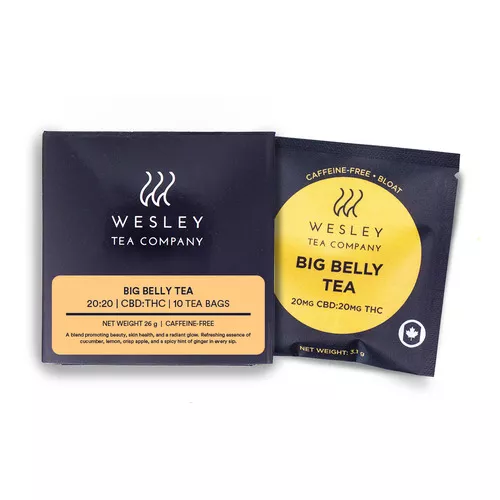
$4.00$3.60

Showing 151–200 of 368 results

Receive free shipping on all orders over $135! This is calculated after any offers and coupons and before taxes.

Get 15% off your first order with us! All of our members also become eligible for exclusive giveaways, freebies, VIP sales, and other goodies only you will know about!

Leave a review for any product you purchased at any time on any other site, and you are automatically entered in our monthly contest to win up to $500 of free BIRCH+FOG products!

Table of Contents Introduction Overview Of Legal THC Limits In Canadian Provinces THC Limits In [...]

Types of THC products available online
Table of ContentsIntroductionEdibles: Gummies, Chocolates, and Baked GoodsTinctures: Sublingual THC OilsVape Cartridges: Disposable and Refillable [...]

Table of Contents Introduction Understanding The Basics: THC Vs. CBD Psychoactive Effects: THC Compared To [...]

Table of Contents Introduction Benefits Of Buying THC Products Online How To Choose A Reliable [...]

Health benefits of CBD edibles 2025
Table of Contents Introduction Pain Relief And Management Anxiety And Stress Reduction Improved Sleep Quality [...]

How to dose cannabis edibles 2025
Table of Contents Introduction Understanding Cannabis Edible Potency Calculating THC Content in Homemade Edibles Beginner’s [...]

Fastest edible delivery services
Table of Contents Introduction Evolution Of Fastest Edible Delivery Services Top Fastest Edible Delivery Services [...]

Table of Contents Introduction Benefits Of Buying Cannabis Edibles Online How To Choose The Right [...]
THC (Tetrahydrocannabinol) stands as one of the most fascinating and controversial compounds in modern medicine and society, representing far more than simply the psychoactive component that creates cannabis’s characteristic euphoric effects. As the primary cannabinoid responsible for marijuana’s mind-altering properties, THC has captured the attention of researchers, healthcare providers, policymakers, and consumers worldwide, sparking intense debates about its therapeutic potential, safety profile, and societal implications.
???? The Molecular Foundation of Cannabis Effects
At its core, THC represents a remarkable example of how a single molecule can profoundly influence human consciousness, physiology, and therapeutic outcomes. This complex cannabinoid interacts with the body’s sophisticated endocannabinoid system, a vast network of receptors and signaling pathways that regulate everything from mood and memory to pain perception and immune function. Understanding THC requires appreciating not just its psychoactive properties, but its intricate role in modulating these fundamental biological processes.
The discovery and isolation of THC in 1964 by Israeli researcher Raphael Mechoulam opened new frontiers in cannabis science, leading to decades of research that continues to reveal new therapeutic applications and mechanisms of action. This scientific foundation has transformed cannabis from a purely recreational substance into a legitimate medical therapy for numerous conditions, while simultaneously raising important questions about regulation, safety, and appropriate use.
???? A Global Paradigm Shift
Today’s THC landscape represents a dramatic departure from the prohibition-era understanding of cannabis, with mounting evidence supporting its therapeutic value across a broad spectrum of medical conditions. From treating childhood epilepsy to managing chronic pain in cancer patients, THC has demonstrated remarkable versatility as a therapeutic agent, challenging traditional pharmaceutical approaches while offering hope to patients who have exhausted conventional treatment options.
This comprehensive guide explores the top 20 critical points about THC, providing essential knowledge for anyone seeking to understand this remarkable compound’s properties, therapeutic applications, potential risks, and evolving role in modern medicine and society. Whether you’re a healthcare provider evaluating treatment options, a patient considering medical cannabis, or simply curious about this influential cannabinoid, understanding these key aspects will provide the foundation for informed decision-making and responsible use.
THC’s profound effects on consciousness and cognition result from its sophisticated interaction with the brain’s endocannabinoid system, particularly through activation of CB1 receptors distributed throughout neural networks responsible for pleasure, memory, thinking, concentration, movement, coordination, and sensory and time perception. When THC binds to these receptors, it triggers a complex cascade of neurochemical events that fundamentally alter how the brain processes information and experiences reality.
???? Neurotransmitter Modulation and Reward Pathways
The euphoric effects associated with THC use result primarily from its ability to stimulate dopamine release in the brain’s reward system, particularly in the nucleus accumbens and ventral tegmental area. This dopamine surge creates the characteristic feelings of pleasure and well-being that users experience, while simultaneously affecting other neurotransmitter systems including GABA, glutamate, and acetylcholine that influence memory formation, learning, and cognitive processing.
Advanced neuroimaging studies have revealed that THC use temporarily alters brain connectivity patterns, particularly in regions associated with executive function, working memory, and attention. These changes can enhance creativity and alter perception in ways that some users find beneficial, while potentially impairing performance on tasks requiring sustained attention or complex decision-making.
???? Neuroplasticity and Long-Term Brain Changes
Emerging research suggests that THC may influence neuroplasticity—the brain’s ability to form new neural connections and adapt to changing circumstances. While acute THC use can temporarily impair certain cognitive functions, some studies indicate that controlled, therapeutic use may promote beneficial neuroplastic changes, particularly in areas related to stress response and emotional regulation.
However, chronic heavy use, especially during adolescence when the brain is still developing, may lead to persistent changes in brain structure and function that could affect cognitive performance and emotional well-being throughout life. Understanding these complex interactions is crucial for developing appropriate use guidelines and therapeutic protocols.
THC’s therapeutic applications extend far beyond its well-known ability to stimulate appetite and reduce nausea, encompassing a comprehensive range of medical conditions that affect millions of patients worldwide. Clinical research and patient reports have documented significant benefits for treating chronic pain, muscle spasticity, glaucoma, insomnia, low appetite, nausea, anxiety, PTSD, epilepsy, and numerous other conditions where conventional treatments have proven inadequate or problematic.
???? Pain Management and Inflammatory Conditions
THC’s analgesic properties work through multiple mechanisms, including direct activation of cannabinoid receptors in pain-processing regions of the brain and spinal cord, modulation of inflammatory responses, and interaction with other pain-signaling pathways. This multi-target approach often provides superior pain relief compared to single-mechanism pharmaceuticals, while potentially requiring lower doses and causing fewer side effects.
For patients with conditions like fibromyalgia, multiple sclerosis, arthritis, and neuropathic pain, THC has demonstrated remarkable efficacy in reducing both the intensity of pain and its impact on daily functioning. Many patients report that THC not only reduces their pain levels but also improves their ability to sleep, maintain social relationships, and engage in meaningful activities.
???? Neurological and Psychiatric Applications
Recent research has revealed THC’s potential in treating various neurological and psychiatric conditions, including treatment-resistant epilepsy, Parkinson’s disease, Huntington’s disease, and certain forms of depression and anxiety. The compound’s ability to modulate neurotransmitter systems and reduce inflammation in the brain may contribute to these therapeutic effects.
In cancer care, THC serves multiple therapeutic roles, helping patients manage treatment-related nausea and vomiting, stimulating appetite during chemotherapy, reducing cancer-related pain, and potentially even contributing to direct anti-tumor effects through mechanisms that researchers are still investigating.
???? Clinical Evidence and Medical Acceptance
The growing body of clinical evidence supporting THC’s therapeutic benefits has led to increasing acceptance within the medical community, with numerous medical organizations updating their positions on medical cannabis use. Controlled clinical trials have demonstrated significant benefits for specific conditions, while real-world evidence from legal medical cannabis programs provides valuable insights into optimal dosing, delivery methods, and patient outcomes.
The distinction between THC and CBD (cannabidiol) represents one of the most important concepts for understanding cannabis therapeutics, as these two primary cannabinoids offer dramatically different effects and therapeutic applications. While THC produces psychoactive effects that alter consciousness and perception, CBD is non-intoxicating and often provides therapeutic benefits without the mental alterations that some patients prefer to avoid.
⚖️ Complementary Mechanisms and Entourage Effects
Rather than viewing THC and CBD as competing compounds, modern cannabis medicine recognizes their synergistic potential through the entourage effect, where multiple cannabis compounds work together to enhance therapeutic benefits while minimizing unwanted side effects. CBD can modulate some of THC’s psychoactive effects, reducing anxiety and paranoia while preserving therapeutic benefits, making combination products particularly valuable for certain medical applications.
This synergy has led to the development of precisely formulated products with specific THC:CBD ratios designed to optimize therapeutic outcomes for different conditions. For example, balanced 1:1 ratios often provide effective pain relief with manageable psychoactive effects, while higher CBD ratios may be preferred for pediatric patients or those requiring daytime symptom management without impairment.
???? Targeted Therapeutic Applications
THC and CBD show distinct advantages for different medical conditions and patient preferences. THC typically provides superior benefits for appetite stimulation, severe pain, insomnia, and conditions requiring the mood-altering effects that can help patients cope with chronic illness. CBD often proves more effective for anxiety, inflammation, seizure disorders, and situations where maintaining mental clarity is essential.
Understanding these differences enables healthcare providers and patients to select the most appropriate cannabinoid profile for specific therapeutic goals, treatment schedules, and lifestyle considerations. This personalized approach to cannabis medicine represents a significant advancement over one-size-fits-all treatment strategies.
The legal landscape surrounding THC continues to evolve rapidly, creating a complex patchwork of regulations that varies dramatically by jurisdiction, application, and product type. While THC remains federally controlled in many countries, a growing number of states, provinces, and nations have implemented medical and/or recreational cannabis programs that provide legal access under specific circumstances and regulatory frameworks.
????️ Medical vs. Recreational Legal Frameworks
Medical cannabis laws typically establish more restrictive regulatory environments compared to recreational programs, often requiring patient registration, physician recommendations, and adherence to specific dosing or product limitations. These medical programs usually permit higher THC concentrations and broader product varieties while maintaining strict oversight of cultivation, manufacturing, and distribution.
Recreational legalization represents a more comprehensive policy shift, allowing adult use without medical justification while establishing taxation, regulation, and public safety frameworks similar to alcohol control models. These programs often include provisions for home cultivation, retail sales, and social consumption venues, though specific regulations vary significantly between jurisdictions.
???? International Variations and Compliance Challenges
The international legal status of THC creates significant challenges for patients, travelers, and businesses operating across jurisdictional boundaries. Even in regions with legal cannabis programs, federal-level restrictions may limit banking services, interstate commerce, and research activities, creating operational complications and legal uncertainties.
Understanding local laws is crucial for anyone considering THC use, as penalties for illegal possession or use can be severe in jurisdictions without legal cannabis programs. Legal requirements for product testing, labeling, and quality control also vary significantly, affecting product availability and consumer protections.
???? Regulatory Evolution and Future Trends
Legal trends suggest continued expansion of cannabis access, with more jurisdictions implementing medical programs and several moving toward recreational legalization. However, this expansion often occurs gradually, with regulatory frameworks evolving based on accumulated experience, public health data, and changing social attitudes toward cannabis use.
Modern cannabis cultivation has produced an extraordinary diversity of strains with THC concentrations ranging from virtually zero to over 30%, along with unique combinations of other cannabinoids and terpenes that significantly influence effects and therapeutic applications. Understanding strain differences and potency variations is essential for selecting appropriate products and achieving desired outcomes while minimizing unwanted effects.
???? Strain Classification and Effect Profiles
Traditional strain classification divides cannabis into three primary categories: sativa strains typically associated with energizing, cerebral effects; indica strains known for relaxing, sedating properties; and hybrid strains that combine characteristics from both categories. However, modern research suggests that terpene profiles and cannabinoid ratios may be more predictive of effects than traditional sativa/indica classifications.
High-THC strains bred for maximum potency can produce intense psychoactive effects that may be overwhelming for inexperienced users or those seeking mild therapeutic benefits. Conversely, low-THC, high-CBD strains may provide therapeutic benefits with minimal intoxication, making them suitable for daytime use or patients requiring mental clarity.
???? Terpene Interactions and Customized Effects
Terpenes, the aromatic compounds that give cannabis its distinctive scents, play crucial roles in modifying THC’s effects through complex interactions that influence onset time, duration, intensity, and subjective experience quality. For example, myrcene may enhance THC’s sedating effects, while limonene might provide mood elevation and stress relief.
This understanding has led to the development of terpene-enhanced products and strain selection strategies based on specific therapeutic goals. Patients seeking sleep benefits might prefer myrcene-rich strains, while those requiring focus and creativity might choose varieties high in pinene or terpinolene.
???? Potency Testing and Standardization
Accurate potency testing has become essential for safe and effective cannabis use, enabling consumers to make informed decisions about dosing and expected effects. Laboratory testing typically measures not only total THC content but also THCA (the non-psychoactive precursor), CBD, minor cannabinoids, and sometimes terpene profiles.
However, potency can vary significantly even within the same strain due to factors including cultivation methods, harvest timing, processing techniques, and storage conditions. Understanding these variations helps users adjust their consumption accordingly and explains why effects may differ between batches or suppliers.
The method of THC consumption dramatically influences onset time, duration, intensity, and overall experience quality, making understanding of different delivery methods crucial for achieving therapeutic goals while minimizing unwanted effects. Each consumption method offers distinct advantages and limitations that make them more or less suitable for specific applications, patient preferences, and lifestyle considerations.
???? Inhalation Methods: Smoking and Vaporization
Smoking and vaporizing provide the fastest onset of THC effects, typically within 2-5 minutes, making them ideal for acute symptom relief and precise dose titration. However, smoking may pose respiratory risks due to combustion byproducts, while vaporization offers a cleaner alternative that preserves more cannabinoids and terpenes while eliminating harmful combustion compounds.
Vaporization technology has advanced significantly, with devices offering precise temperature control that allows users to optimize cannabinoid and terpene delivery while minimizing harsh vapors. Different temperature ranges extract different compounds, enabling customized effects and enhanced therapeutic specificity.
???? Oral Consumption: Edibles and Capsules
Edible THC products offer longer-lasting effects (typically 4-8 hours) with delayed onset (30-120 minutes), making them excellent for sustained symptom management but requiring patience and careful dosing to avoid overconsumption. The liver’s metabolism of THC into 11-hydroxy-THC during digestion creates more potent and longer-lasting effects compared to inhalation methods.
Capsules provide precise dosing and discrete consumption without flavor considerations, while edible products offer variety and palatability but may have less predictable absorption due to individual differences in digestion and metabolism. Factors including stomach contents, individual metabolism, and product formulation significantly influence onset time and effect intensity.
???? Sublingual and Transdermal Delivery
Sublingual tinctures and oils absorbed under the tongue offer a middle ground between inhalation and oral consumption, providing onset within 15-45 minutes and lasting 2-4 hours. This method bypasses digestive metabolism, providing more predictable effects and better dose control compared to edibles.
Transdermal patches and topical applications provide localized or systemic delivery with extended release profiles, often lasting 8-12 hours. These methods are particularly valuable for patients requiring consistent medication levels or those experiencing gastrointestinal issues that interfere with oral consumption.
Understanding THC’s potential side effects is crucial for safe and effective use, as even therapeutic applications can produce unwanted effects that range from mild and temporary to more serious and persistent. Most side effects are dose-dependent and often resolve with tolerance development, dose adjustment, or consumption method modification, but awareness and monitoring remain essential for optimal outcomes.
⚠️ Acute Physical Side Effects
Common immediate physical side effects of THC use include dry mouth (cottonmouth), red eyes, increased heart rate, coordination impairment, and slower reaction times. These effects typically occur within minutes to hours of consumption and usually resolve as THC levels decline in the body.
More serious acute effects can include significant cardiovascular changes, severe anxiety or panic attacks, and cognitive impairment that affects driving ability and complex task performance. These risks increase with higher doses, inexperienced users, and certain pre-existing medical conditions, particularly cardiovascular or psychiatric disorders.
???? Cognitive and Psychological Effects
THC can temporarily impair short-term memory, attention, concentration, and decision-making abilities, effects that are generally reversible but may persist longer with heavy or chronic use. Some users experience increased anxiety, paranoia, or depersonalization, particularly with high-dose consumption or in stressful environments.
These cognitive effects vary significantly among individuals based on factors including tolerance, strain characteristics, dose, consumption method, and psychological state. Understanding personal sensitivity and maintaining appropriate set and setting can minimize negative psychological experiences.
⏰ Long-Term and Chronic Use Considerations
Regular, heavy THC use may lead to more persistent side effects including potential impacts on motivation, cognitive performance, and emotional regulation. Cannabis use disorder can develop in approximately 9% of users, characterized by continued use despite negative consequences and difficulty controlling consumption.
Chronic users may experience tolerance requiring increased doses for the same effects, and discontinuation can produce withdrawal symptoms including irritability, sleep disturbances, decreased appetite, and mood changes. These symptoms are generally mild compared to other substances but can affect quality of life during cessation periods.
THC’s relationship with mental health represents one of the most complex and intensely studied aspects of cannabis use, with research revealing both therapeutic potential and risk factors that vary significantly among individuals, usage patterns, and underlying mental health conditions. Understanding these nuanced interactions is essential for safe and effective therapeutic use while minimizing potential harm to vulnerable populations.
???? Therapeutic Mental Health Applications
Clinical evidence supports THC’s efficacy for treating various mental health conditions, including PTSD, where it may help reduce nightmares, improve sleep, and decrease hypervigilance; certain forms of anxiety and depression where it can provide mood stabilization and stress relief; and treatment-resistant conditions where conventional medications have proven inadequate.
For many patients with chronic mental health conditions, THC provides relief from symptoms that significantly impact quality of life, enabling better sleep, reduced anxiety, and improved social functioning. However, therapeutic use requires careful dose optimization, strain selection, and ongoing monitoring to maximize benefits while minimizing risks.
⚠️ Risk Factors and Vulnerable Populations
Research indicates that THC can exacerbate or potentially trigger mental health issues in individuals predisposed to certain conditions, particularly psychotic disorders like schizophrenia. High-potency THC products and frequent use appear to increase these risks, especially among adolescents and young adults with family histories of psychiatric illness.
Heavy, chronic use may contribute to the development of cannabis-induced psychiatric symptoms including persistent anxiety, depression, or cognitive impairment. However, distinguishing between cannabis-caused mental health issues and pre-existing conditions that may lead to increased cannabis use remains challenging for researchers and clinicians.
???? Personalized Risk Assessment and Monitoring
Effective mental health management with THC requires individualized risk assessment considering factors including personal and family psychiatric history, age of first use, frequency and quantity of consumption, and concurrent mental health treatments. Regular monitoring and communication with healthcare providers can help identify potential issues early and adjust treatment approaches accordingly.
For individuals with existing mental health conditions, THC use should ideally be coordinated with mental health professionals who can provide guidance on appropriate products, dosing, and monitoring for both therapeutic benefits and potential adverse effects.
Regular THC use can lead to tolerance development, requiring progressively higher doses to achieve the same therapeutic or recreational effects, while some users may develop dependence characterized by difficulty controlling use and withdrawal symptoms upon cessation. Understanding these phenomena is crucial for maintaining therapeutic effectiveness while minimizing potential problems associated with problematic use patterns.
???? Tolerance Mechanisms and Development Patterns
THC tolerance results from downregulation and desensitization of cannabinoid receptors in response to repeated exposure, a process that can begin within days of regular use and may become significant within weeks to months. This biological adaptation affects both therapeutic and psychoactive effects, though different aspects of THC’s effects may develop tolerance at different rates.
Tolerance development varies significantly among individuals based on factors including genetics, usage patterns, dose levels, and consumption methods. Some users find that alternating strains, adjusting consumption schedules, or implementing periodic tolerance breaks can help maintain therapeutic effectiveness while minimizing tolerance-related issues.
???? Dependence Risk Factors and Recognition
Cannabis use disorder affects approximately 9% of cannabis users, with higher rates among those who begin use during adolescence or who use high-potency products regularly. Dependence symptoms may include continued use despite negative consequences, inability to control consumption, tolerance requiring increased doses, and withdrawal symptoms during cessation attempts.
Risk factors for developing dependence include early age of first use, frequent use patterns, high-potency products, co-occurring mental health conditions, and genetic predisposition. Recognizing these risk factors enables more informed decision-making and early intervention when problematic use patterns develop.
???? Withdrawal Management and Recovery Strategies
THC withdrawal symptoms, while generally less severe than those associated with alcohol or opioids, can include irritability, anxiety, sleep disturbances, decreased appetite, restlessness, and mood changes. These symptoms typically begin within 1-3 days of cessation and may persist for 1-2 weeks, though sleep disturbances may continue longer.
Effective withdrawal management may include gradual dose reduction, lifestyle modifications to support sleep and mood stability, professional counseling or support groups, and sometimes short-term medications to manage specific symptoms. Many individuals successfully reduce or eliminate THC use with appropriate support and strategies.
The developing adolescent brain shows particular vulnerability to THC’s effects, with research consistently demonstrating that regular cannabis use during adolescence can have lasting impacts on cognitive development, educational achievement, and mental health outcomes. These findings have significant implications for policy development, prevention programs, and clinical decision-making regarding medical cannabis use in young people.
???? Neurodevelopmental Considerations
The human brain continues developing until approximately age 25, with areas responsible for executive function, decision-making, and impulse control among the last to mature. THC use during this critical period may interfere with normal brain development processes, potentially leading to persistent changes in brain structure and function that affect cognitive performance throughout life.
Longitudinal studies have found associations between adolescent cannabis use and reduced educational attainment, impaired memory and attention, and increased risk of mental health problems. However, determining causation versus correlation remains challenging, as adolescents who use cannabis may differ from non-users in other important ways that could influence outcomes.
???? Academic and Social Impact
Research consistently shows associations between regular adolescent cannabis use and decreased academic performance, including lower grades, reduced school engagement, and increased dropout rates. These effects may result from THC’s cognitive impacts, changes in motivation and priorities, or social factors associated with cannabis use.
Social consequences may include changes in peer groups, conflicts with family members, and legal problems in areas where cannabis remains illegal. These secondary effects can compound the direct neurological impacts and create additional barriers to healthy development and future success.
⚕️ Medical Cannabis in Pediatric Populations
Despite concerns about recreational use, medical cannabis, including THC-containing products, may provide significant benefits for adolescents with serious medical conditions including treatment-resistant epilepsy, cancer, and severe mental health disorders. In these cases, the potential therapeutic benefits may outweigh developmental risks, particularly when conventional treatments have failed.
Pediatric medical cannabis use requires specialized expertise, careful risk-benefit analysis, and ongoing monitoring to optimize therapeutic outcomes while minimizing potential adverse effects on development. This often involves using products with lower THC content, precise dosing protocols, and comprehensive support services.
THC’s therapeutic window—the dose range where benefits are maximized while adverse effects are minimized—varies dramatically among individuals and represents one of the most critical concepts for successful medical cannabis treatment. Understanding and optimizing this therapeutic window requires careful consideration of individual factors, systematic dose adjustment, and ongoing monitoring to achieve optimal outcomes.
???? Individual Variability and Optimization
The therapeutic window for THC is influenced by numerous factors including genetics, body weight, metabolism, tolerance, underlying medical conditions, concurrent medications, and psychological factors. What represents an optimal dose for one patient may be ineffective or cause unwanted side effects in another, necessitating individualized approaches to dosing and product selection.
Finding the optimal therapeutic window often requires systematic experimentation starting with very low doses and gradually increasing until therapeutic benefits are achieved without problematic side effects. This process, often called “start low and go slow,” may take weeks or months but is essential for maximizing therapeutic value while ensuring safety and tolerability.
⚖️ Balancing Benefits and Side Effects
The ideal therapeutic window provides maximum symptom relief with minimal impairment of cognitive function, daily activities, or quality of life. For many patients, this means finding doses that provide pain relief, improved sleep, or anxiety reduction without causing significant intoxication, sedation, or other unwanted effects.
This balance may shift over time due to tolerance development, changes in underlying conditions, or life circumstances that affect therapeutic goals. Regular reassessment and dose adjustment help maintain optimal therapeutic outcomes while adapting to changing needs and circumstances.
???? Factors Affecting Therapeutic Response
Genetic variations in cannabinoid receptor density, metabolism enzymes, and neurotransmitter systems can significantly influence individual responses to THC. Some patients may be naturally more or less sensitive to THC’s effects, requiring dose adjustments to achieve optimal therapeutic outcomes.
Environmental factors including stress levels, diet, exercise, sleep quality, and social support can also influence therapeutic response and may require consideration when optimizing THC treatment protocols. Comprehensive treatment approaches that address these factors alongside cannabis therapy often produce superior outcomes.
THC can interact with numerous medications through various mechanisms including competition for liver enzymes, synergistic or antagonistic effects, and alterations in drug absorption or distribution. These interactions can potentially alter the effectiveness or safety of both THC and concurrent medications, making awareness and professional oversight crucial for patients using multiple treatments.
???? Metabolic Interactions and Enzyme Competition
THC is primarily metabolized by liver enzymes in the cytochrome P450 system, particularly CYP2C9 and CYP3A4, which also process many common medications including blood thinners, anti-seizure drugs, and certain antidepressants. Competition for these enzymes can lead to altered blood levels of either THC or concurrent medications, potentially affecting efficacy or increasing side effect risk.
Patients taking medications with narrow therapeutic windows—where small changes in blood levels can have significant clinical consequences—require particular caution and monitoring when adding THC to their treatment regimen. This includes medications like warfarin, digoxin, and certain psychiatric medications where dose adjustments may be necessary.
???? Pharmacodynamic Interactions and Additive Effects
THC can enhance or interfere with the effects of other medications through pharmacodynamic interactions that don’t involve metabolism changes. For example, THC’s sedating effects may be additive with other central nervous system depressants including alcohol, benzodiazepines, or opioids, potentially increasing impairment or respiratory depression risk.
Conversely, THC may interfere with or enhance the effects of medications used for blood pressure, immune system function, or psychiatric conditions through its interactions with various neurotransmitter and physiological systems. These interactions may require dose adjustments or alternative treatment approaches.
⚕️ Clinical Management and Monitoring
Effective management of potential drug interactions requires open communication between patients and healthcare providers about all medications, supplements, and cannabis products being used. Healthcare providers can assess interaction risks, adjust dosing as needed, and implement appropriate monitoring to ensure safe and effective treatment.
Some interactions may be beneficial, such as THC’s potential to reduce opioid requirements for pain management, while others may require careful management or avoidance. Professional guidance helps navigate these complex interactions while optimizing therapeutic outcomes.
The scientific understanding of THC continues to evolve rapidly as regulatory barriers decrease and research methodologies improve, revealing both the remarkable therapeutic potential and important limitations of this complex cannabinoid. Current evidence encompasses rigorous clinical trials, large-scale observational studies, and extensive preclinical research that collectively provide increasingly comprehensive insights into THC’s mechanisms, applications, and safety profile.
???? Clinical Trial Evidence and Methodological Advances
Randomized controlled trials, the gold standard for medical evidence, have demonstrated THC’s efficacy for numerous conditions including chronic pain, chemotherapy-induced nausea and vomiting, multiple sclerosis spasticity, and appetite stimulation in HIV/AIDS patients. These studies provide robust evidence for specific therapeutic applications while establishing dosing guidelines and safety parameters.
However, clinical cannabis research faces unique challenges including regulatory restrictions, standardization difficulties, and ethical considerations around placebo controls for severely ill patients. Innovative study designs including crossover trials, observational cohort studies, and real-world evidence collection are helping overcome these limitations while providing valuable insights into optimal treatment approaches.
???? Emerging Research Areas and Therapeutic Frontiers
Current research is exploring THC’s potential applications in areas including cancer treatment (both for symptom management and potential anti-tumor effects), neurodegenerative diseases like Alzheimer’s and Parkinson’s, inflammatory bowel diseases, and treatment-resistant psychiatric conditions. These investigations are revealing new mechanisms of action and therapeutic possibilities that extend far beyond traditional cannabis applications.
Advanced research techniques including neuroimaging, genomics, and pharmacokinetic modeling are providing unprecedented insights into how THC affects brain function, varies among individuals, and interacts with other treatments. This research foundation is enabling more precise, personalized approaches to cannabis medicine.
???? Real-World Evidence and Patient Outcomes
Large-scale patient registries and observational studies from legal cannabis programs provide valuable real-world evidence about THC’s effectiveness, safety, and optimal use patterns across diverse patient populations. These studies complement clinical trial data by providing insights into long-term outcomes, patient preferences, and treatment patterns in natural settings.
Patient-reported outcome measures consistently show significant improvements in quality of life, symptom management, and reduced use of conventional medications among medical cannabis patients. This real-world evidence is increasingly recognized as valuable for informing clinical practice guidelines and regulatory decisions.
The legalization and commercialization of THC-containing cannabis products has generated substantial economic activity across multiple sectors, creating new industries, employment opportunities, and tax revenue streams while disrupting traditional markets and creating both opportunities and challenges for businesses, governments, and communities.
???? Market Growth and Industry Development
The legal cannabis industry has experienced explosive growth, with global market valuations reaching tens of billions of dollars and projections suggesting continued expansion as more jurisdictions implement legalization programs. This growth has created entirely new industry sectors including cultivation, processing, manufacturing, testing, retail, and ancillary services that support the cannabis supply chain.
Investment in cannabis businesses has attracted significant capital from traditional industries, driving innovation in cultivation technologies, product development, and business operations. This capital influx has accelerated industry maturation while creating opportunities for both large corporations and small entrepreneurs.
???? Employment Creation and Workforce Development
The cannabis industry has created hundreds of thousands of jobs across various skill levels, from entry-level positions in cultivation and retail to specialized roles in extraction, testing, and product development. Many of these positions offer competitive wages and benefits while providing career advancement opportunities in a growing industry.
Educational institutions have developed cannabis-specific training programs and degree offerings to meet industry workforce needs, while professional organizations have established certification programs and standards for various cannabis industry roles. This workforce development is creating new career pathways and economic opportunities in many communities.
????️ Tax Revenue and Public Benefits
Legal cannabis programs generate significant tax revenue for state and local governments through various mechanisms including excise taxes, sales taxes, and licensing fees. These revenues often fund public programs including education, healthcare, substance abuse treatment, and criminal justice reform initiatives.
However, the economic benefits of legalization extend beyond direct tax revenue to include reduced criminal justice costs, decreased illegal market activity, and increased legitimate economic activity that generates additional tax revenue through income taxes, property taxes, and business licensing fees.
THC and cannabis culture have profoundly influenced various aspects of society, from music, art, and literature to social movements, fashion, and lifestyle trends. This cultural impact reflects both the substance’s consciousness-altering properties and its role as a symbol of counterculture, personal freedom, and alternative approaches to medicine and wellness.
???? Artistic Expression and Creative Industries
Cannabis has inspired countless works of music, visual art, literature, and film, with many artists crediting THC with enhancing creativity, providing new perspectives, and facilitating artistic breakthroughs. From jazz musicians in the early 20th century to contemporary hip-hop artists, cannabis has played a documented role in creative expression across multiple genres and cultural movements.
The relationship between THC and creativity extends beyond individual artistic expression to influence broader cultural movements, aesthetic trends, and artistic communities that have shaped popular culture for decades. This influence continues to evolve as legalization normalizes cannabis use and removes some of the stigma associated with its cultural representation.
✊ Social Justice and Reform Movements
Cannabis legalization has become intertwined with broader social justice movements addressing issues including criminal justice reform, racial equity, and individual liberty. The disproportionate impact of cannabis prohibition on minority communities has made legalization a central issue for activists working to address systemic inequalities in law enforcement and criminal justice.
Many legalization programs include social equity provisions designed to address historical harms from prohibition while ensuring that communities most affected by cannabis criminalization can participate in the legal market. These programs represent attempts to use cannabis legalization as a tool for broader social justice reform.
???? Global Cultural Shifts and Normalization
The growing acceptance of cannabis and THC represents a significant cultural shift away from prohibition-era attitudes toward more nuanced understanding of cannabis’s risks and benefits. This normalization process involves changing representations in media, evolving social norms around cannabis use, and increased integration of cannabis into mainstream healthcare and wellness practices.
This cultural evolution affects everything from workplace policies and insurance coverage to family dynamics and social relationships, as society adapts to new realities around legal cannabis access and use.
Cannabis cultivation, particularly indoor growing operations, can have significant environmental impacts through energy consumption, water usage, waste generation, and chemical inputs. As the legal cannabis industry expands, addressing these environmental concerns has become increasingly important for sustainable industry development and regulatory compliance.
???? Cultivation Methods and Resource Consumption
Indoor cannabis cultivation often requires intensive energy use for lighting, climate control, and air filtration systems, potentially contributing to significant carbon footprints and electricity grid impacts. High-intensity lighting systems, while essential for maximizing yields and controlling growing conditions, can consume enormous amounts of electricity and generate substantial heat requiring additional cooling.
Water consumption represents another significant environmental consideration, as cannabis plants require substantial irrigation, and hydroponic systems may use even more water than traditional soil cultivation. Additionally, nutrient runoff and chemical inputs used in cultivation can potentially impact local water systems and soil health if not properly managed.
♻️ Sustainable Practices and Innovation
The cannabis industry is increasingly adopting sustainable practices including renewable energy sources, water recycling systems, organic cultivation methods, and integrated pest management strategies that reduce environmental impacts while maintaining product quality and yields. LED lighting technology has significantly reduced energy consumption while providing better spectral control for plant growth.
Outdoor and greenhouse cultivation methods often have lower environmental impacts compared to indoor growing, though they may face limitations related to climate, security, and regulatory restrictions. Many cultivators are exploring regenerative agriculture practices that actually improve soil health and carbon sequestration while producing high-quality cannabis.
???? Regulatory Frameworks and Environmental Protection
Many jurisdictions with legal cannabis programs have implemented environmental regulations covering energy efficiency, water use, waste disposal, and chemical inputs to minimize ecological impacts. These regulations often include requirements for environmental impact assessments, energy audits, and sustainable practices reporting.
Industry organizations and certification programs are also developing environmental standards and best practices that go beyond regulatory requirements to promote truly sustainable cannabis production. These initiatives help consumers identify environmentally responsible products while encouraging industry-wide adoption of sustainable practices.
The legal cannabis market has driven remarkable innovation in THC product development, creating sophisticated delivery systems, precise dosing technologies, and novel formulations that enhance therapeutic effectiveness while improving user experience and safety. These innovations represent the convergence of pharmaceutical technology, consumer preferences, and regulatory requirements to create a new generation of cannabis products.
???? Advanced Delivery Systems and Bioavailability Enhancement
Nanoemulsion technology has revolutionized THC product development by creating microscopic particles that significantly improve bioavailability and provide faster, more predictable onset times compared to traditional edibles. These formulations can reduce onset time from 1-2 hours to 15-30 minutes while providing more consistent effects across different users and consumption conditions.
Transdermal patches utilize sophisticated drug delivery technologies to provide controlled release of THC over 8-12 hours, offering sustained therapeutic effects without peaks and valleys associated with other consumption methods. Advanced patch designs can provide localized or systemic delivery while allowing users to easily discontinue treatment if needed.
???? Precision Dosing and Targeted Formulations
Modern THC products increasingly feature precise dosing systems including measured-dose inhalers, sublingual strips, and capsules that provide pharmaceutical-grade accuracy in cannabinoid delivery. These technologies enable healthcare providers and patients to implement dosing protocols similar to conventional medications while maintaining the therapeutic benefits of cannabis.
Targeted formulations combine THC with specific cannabinoids, terpenes, and other compounds to create products optimized for particular therapeutic applications such as sleep, pain relief, anxiety management, or appetite stimulation. These formulations leverage emerging understanding of cannabis synergies to provide more effective and predictable therapeutic outcomes.
???? Novel Product Categories and Consumer Innovation
The cannabis industry continues to develop entirely new product categories including cannabis beverages, dissolvable powders, rapid-onset edibles, and sophisticated vaporization devices that provide unprecedented control over dosing and effects. These innovations address consumer demands for convenience, discretion, and precise control while expanding cannabis access to users who prefer alternatives to smoking.
Smart devices and app-connected products are beginning to incorporate technology that tracks consumption, monitors effects, and provides personalized dosing recommendations based on user feedback and biometric data. These innovations represent the beginning of truly personalized cannabis medicine approaches.
THC has emerged as an invaluable tool in palliative care, providing comprehensive symptom management and quality of life improvements for patients with serious illnesses including cancer, HIV/AIDS, and neurodegenerative diseases. Its unique ability to address multiple symptoms simultaneously while often improving mood and social functioning makes it particularly valuable for end-of-life care and chronic disease management.
???? Comprehensive Symptom Management
In palliative care settings, THC addresses multiple distressing symptoms including pain, nausea, appetite loss, anxiety, depression, and sleep disturbances that commonly affect patients with serious illnesses. This multi-target approach often provides superior symptom control compared to single-target pharmaceuticals while reducing pill burden and potential drug interactions.
Cancer patients undergoing chemotherapy frequently experience significant benefits from THC for managing treatment-related nausea and vomiting that may not respond adequately to conventional antiemetics. Additionally, THC’s appetite-stimulating effects can help address cancer cachexia and treatment-related appetite loss that significantly impact patient strength and treatment tolerance.
???? Quality of Life and Psychosocial Benefits
Beyond direct symptom relief, THC often provides important psychosocial benefits for palliative care patients including improved mood, enhanced social interaction, and better coping with illness-related stress and anxiety. Many patients report that THC helps them maintain connection with family and friends while preserving aspects of their personality and interests despite serious illness.
The ability to reduce reliance on opioids and other medications with significant side effects represents another important advantage of THC in palliative care, potentially reducing sedation, constipation, and cognitive impairment while maintaining effective symptom control.
????⚕️ Integration with Conventional Palliative Care
Successful integration of THC into palliative care requires collaboration between patients, families, and healthcare teams to establish appropriate treatment goals, monitor outcomes, and adjust approaches as conditions evolve. This often involves education for both patients and providers about cannabis options, dosing strategies, and potential interactions with other treatments.
Palliative care programs increasingly recognize cannabis as a legitimate therapeutic option and are developing protocols for safe and effective use in seriously ill patients. This integration helps ensure that patients receive comprehensive care that addresses their physical, emotional, and spiritual needs during challenging times.
Comprehensive education about THC’s effects, benefits, risks, and appropriate use represents a critical component of successful cannabis policy and public health approaches. As legalization expands and scientific understanding grows, developing effective educational strategies becomes essential for promoting safe use while maximizing therapeutic benefits and minimizing potential harms.
???? Healthcare Provider Education and Training
Many healthcare providers received little or no training about cannabis during their professional education, creating knowledge gaps that can limit their ability to provide appropriate guidance to patients considering or using cannabis treatments. Comprehensive continuing education programs covering cannabis pharmacology, clinical applications, dosing strategies, and potential risks are essential for enabling providers to offer evidence-based guidance.
Professional medical organizations are increasingly developing educational resources, practice guidelines, and certification programs to help healthcare providers incorporate cannabis medicine into their practice safely and effectively. This education helps ensure that patients receive appropriate medical oversight while accessing cannabis treatments.
???? Public Education and Harm Reduction
Effective public education programs provide balanced, science-based information about cannabis that enables individuals to make informed decisions about use while promoting safer consumption practices. These programs often focus on topics including recognizing impairment, understanding product labeling, avoiding drug interactions, and implementing appropriate dosing strategies.
Youth-focused education programs are particularly important given the unique risks associated with adolescent cannabis use. Effective approaches typically provide accurate information about risks while acknowledging that some young people will choose to use cannabis despite recommendations against use.
???? Research Translation and Evidence Communication
Translating complex scientific research into accessible, actionable information represents a ongoing challenge for cannabis education efforts. Effective communication strategies help bridge the gap between laboratory findings and practical applications while acknowledging uncertainties and limitations in current knowledge.
Educational initiatives increasingly emphasize the importance of individual variation in cannabis response, the need for personalized approaches to treatment, and the value of professional guidance for medical applications. This nuanced approach helps promote realistic expectations while encouraging safe and effective use practices.
The future of THC is intrinsically linked to advancing scientific research, evolving legal frameworks, changing societal attitudes, and technological innovations that promise to transform how we understand, produce, and utilize this remarkable cannabinoid. As barriers to research continue to fall and acceptance grows, THC’s role in medicine, wellness, and society will likely expand in ways we can only begin to imagine.
???? Research Frontiers and Scientific Advancement
Emerging research areas including personalized medicine based on genetic testing, targeted delivery systems for specific medical conditions, and combination therapies that optimize therapeutic outcomes while minimizing side effects represent just the beginning of THC’s therapeutic evolution. Advanced research techniques including brain imaging, biomarker analysis, and artificial intelligence-driven drug discovery are revealing new mechanisms and applications.
The development of synthetic cannabinoids with modified properties, while controversial, may provide opportunities to enhance therapeutic benefits while reducing unwanted effects. Similarly, advances in plant breeding and genetic modification may produce cannabis varieties with unprecedented cannabinoid and terpene profiles optimized for specific therapeutic applications.
???? Global Policy Evolution and Market Development
International trends suggest continued expansion of medical cannabis access and growing consideration of recreational legalization across diverse jurisdictions. This global shift creates opportunities for international collaboration in research, standardization of quality and safety requirements, and development of evidence-based regulations that balance public health considerations with individual access rights.
As more countries implement legal frameworks for cannabis, international trade, investment opportunities, and technology transfer will likely accelerate innovation while reducing costs and improving product quality. These developments may make THC-based treatments more accessible to patients worldwide while creating new economic opportunities.
???? Technology Integration and Innovation
The convergence of cannabis with digital health technologies, artificial intelligence, and personalized medicine approaches promises to revolutionize how THC is prescribed, monitored, and optimized for individual patients. Smart devices that track consumption and effects, AI algorithms that predict optimal dosing based on patient characteristics, and real-time monitoring systems that adjust treatment protocols represent the cutting edge of cannabis medicine.
These technological innovations, combined with growing scientific understanding and evolving social acceptance, position THC to play an increasingly important role in addressing some of the most challenging health problems facing modern society while opening new frontiers in consciousness research, therapeutic innovation, and human wellness optimization.
THC represents far more than simply the psychoactive component of cannabis—it embodies a complex therapeutic agent with remarkable potential for addressing diverse medical conditions while simultaneously raising important questions about safety, regulation, and appropriate use. As our understanding of this fascinating cannabinoid continues to evolve through rigorous scientific research and real-world clinical experience, its role in modern medicine and society will undoubtedly expand and mature.
???? The Paradigm Shift in Cannabis Medicine
The transformation of THC from a stigmatized recreational substance to a legitimate therapeutic option represents one of the most significant paradigm shifts in modern medicine. This evolution reflects not only advancing scientific knowledge but also changing societal attitudes toward natural medicines, patient autonomy, and the importance of quality of life in healthcare decision-making.
The comprehensive understanding provided by these 20 critical points demonstrates that successful THC use—whether for medical or recreational purposes—requires appreciation of its complex pharmacology, individual variability in response, potential for both benefits and risks, and the importance of appropriate education, regulation, and clinical oversight.
???? Evidence-Based Practice and Continued Learning
As the scientific foundation for THC use continues to strengthen through well-designed clinical trials, observational studies, and mechanistic research, healthcare providers, patients, and policymakers will have increasingly robust evidence to guide decision-making. This evidence-based approach helps ensure that THC’s remarkable therapeutic potential can be realized safely and effectively while minimizing potential harms.
The future of THC will likely be characterized by increasingly personalized approaches that account for individual genetic, physiological, and psychological factors to optimize therapeutic outcomes. This precision medicine approach, combined with technological innovations and expanding access, promises to unlock THC’s full potential as a therapeutic agent while addressing the diverse needs of patients and communities worldwide.
In conclusion, while THC is best known for its psychoactive properties, its multifaceted role in medicine, economy, culture, and society makes it a subject of tremendous importance and complexity. Understanding THC thoroughly requires balanced consideration of both its remarkable benefits and potential risks, guided by scientific evidence, clinical experience, and evolving societal norms that reflect our growing appreciation for this extraordinary cannabinoid’s place in modern life.
Tetrahydrocannabinol, or THC, is the primary psychoactive compound found in cannabis that is responsible for the plant’s characteristic “high.” While THC is often associated with recreational use, it also has numerous therapeutic benefits, including pain relief, anti-inflammation, and improved sleep. However, to fully maximize the benefits of THC, it’s important to approach it with knowledge, caution, and intention. In this article, we will explore the top 10 tips for getting the most out of your THC experience, from choosing the right strain to practicing mindfulness and self-care. Whether you are a seasoned cannabis user or a curious newcomer, these tips will help you unlock the full potential of THC and enjoy its benefits safely and responsibly.
One of the most important factors in maximizing the benefits of THC is choosing the right strain for your needs and preferences. Different strains of cannabis can produce vastly different effects, depending on their unique combination of cannabinoids, terpenes, and other compounds. Some strains are known for their uplifting and energizing effects, while others are more relaxing and sedating. When selecting a strain, consider factors like your desired effects, your tolerance level, and any medical conditions you may have. It’s also a good idea to consult with a knowledgeable budtender or healthcare professional who can help guide you towards the right strain for your needs.
When trying THC for the first time or experimenting with a new strain or product, it’s important to start with a low dose and go slow. This is because everyone’s body reacts differently to THC, and what works for one person may be too much for another. A good starting dose for THC is typically 2.5-5mg, depending on your tolerance and the method of consumption. If you don’t feel any effects after an hour or so, you can gradually increase the dose until you find the sweet spot. It’s important to be patient and take your time, as consuming too much THC too quickly can lead to unwanted side effects like anxiety, paranoia, and impaired cognitive function.
Another important factor in maximizing the benefits of THC is considering the method of consumption. There are many different ways to consume THC, including smoking, vaporizing, edibles, tinctures, and topicals. Each method has its own unique set of benefits and drawbacks, and what works best for you may depend on your individual needs and preferences. For example, smoking and vaporizing offer fast-acting effects and easy dosage control, but can be harsh on the lungs. Edibles provide a longer-lasting and more full-body high, but can be more difficult to dose and may take longer to kick in. Tinctures and topicals offer localized and discreet relief, but may not produce the same “high” as other methods.
Before consuming THC, it’s important to set intentions and create a positive environment that supports your desired outcomes. This means taking the time to reflect on why you are using THC and what you hope to gain from the experience. Are you looking for pain relief, relaxation, creativity, or something else? By setting clear intentions and focusing your mind on positive outcomes, you can help guide your experience in a meaningful and beneficial direction. It’s also important to create a comfortable and safe environment that promotes relaxation and minimizes distractions or stressors. This may mean finding a quiet and cozy space, surrounding yourself with supportive friends or loved ones, or engaging in activities that bring you joy and peace.
Mindfulness and self-awareness are key to maximizing the benefits of THC and avoiding potential pitfalls. This means paying attention to your body, mind, and emotions throughout the experience and staying present in the moment. It also means being honest with yourself about your limits, triggers, and boundaries, and respecting them accordingly. If you start to feel anxious, paranoid, or overwhelmed, take a break, breathe deeply, and remind yourself that the feelings will pass. If you notice any negative thought patterns or behaviors emerging, gently redirect your attention to something more positive and uplifting. By practicing mindfulness and self-awareness, you can cultivate a more intentional and beneficial relationship with THC.
Consuming THC can sometimes lead to dehydration, dry mouth, and increased appetite, which can affect your overall health and well-being. To counteract these effects and support your body’s natural healing processes, it’s important to stay hydrated and nourished throughout the experience. This means drinking plenty of water, herbal tea, or other hydrating fluids, and eating healthy, whole foods that provide a balance of nutrients and energy. Avoid sugary, processed, or heavy foods that can lead to crashes or digestive discomfort, and opt for fruits, vegetables, nuts, and seeds instead. By taking care of your basic physical needs, you can help ensure a more positive and sustainable THC experience.
While THC can be used for purely recreational purposes, it also has the potential to be a powerful tool for personal growth, healing, and transformation. By approaching THC with intention and respect, you can use it to gain new insights, process difficult emotions, and cultivate greater self-awareness and compassion. This may involve using THC in conjunction with other healing modalities like meditation, journaling, or creative expression, or working with a trained therapist or guide who can help you navigate the experience. By using THC as a tool for growth and healing, you can unlock its full potential and experience lasting benefits that extend beyond the immediate effects.
While THC can be a powerful ally in many ways, it’s important to respect your own limits and boundaries and not push yourself beyond what feels safe and comfortable. This means listening to your body and mind, and honoring any signals or messages that arise during the experience. If you start to feel anxious, paranoid, or disconnected, take a break, ground yourself, and reassess your needs. If you have a history of mental health issues or addiction, be extra cautious and consult with a healthcare professional before using THC. Remember that everyone’s relationship with THC is unique, and what works for one person may not work for another. By respecting your own limits and boundaries, you can cultivate a more positive and sustainable relationship with THC.
Like any substance, THC carries some risks and potential for abuse or misuse. To minimize these risks and practice responsible use, it’s important to follow basic harm reduction principles. This means starting with a low dose, going slow, and avoiding mixing THC with other substances like alcohol or prescription drugs. It also means never driving or operating heavy machinery while under the influence, and never sharing THC products with minors or those who may be vulnerable to its effects. If you or someone you know is struggling with problematic THC use, seek professional help and support. By practicing harm reduction and responsible use, you can enjoy the benefits of THC while minimizing its potential harms.
Ultimately, the key to maximizing the benefits of THC is to cultivate a healthy and balanced relationship with the substance. This means using THC intentionally and mindfully, and not relying on it as a crutch or escape from reality. It means being honest with yourself about your motivations and patterns of use, and making changes if necessary to support your overall health and well-being. It means taking regular breaks or “tolerance breaks” to avoid building up a tolerance or dependence, and seeking alternative methods of self-care and stress relief. By cultivating a healthy and balanced relationship with THC, you can enjoy its benefits while minimizing its risks and maintaining a sense of agency and control over your life.
In conclusion, THC is a powerful and versatile compound that can offer numerous benefits for both recreational and therapeutic use. By following these top 10 tips, from choosing the right strain to cultivating a healthy and balanced relationship with the substance, you can maximize the potential of THC and enjoy its effects safely and responsibly. Remember to approach THC with intention, respect, and self-awareness, and to always prioritize your own health and well-being above all else. With the right mindset and strategies, you can unlock the full potential of THC and experience its many benefits for mind, body, and spirit.
Tetrahydrocannabinol, or THC, is the primary psychoactive compound found in cannabis that has been used for centuries for its medicinal and recreational properties. While THC is often associated with the “high” that cannabis produces, it also offers a wide range of potential benefits for the mind, body, and spirit. From reducing chronic pain and inflammation to improving sleep and mental health, THC has shown promise as a natural and effective alternative to traditional pharmaceuticals. In this article, we will explore the top 10 incredible benefits of THC, counting down from the tenth to the most significant. Whether you are a cannabis enthusiast or simply curious about its potential, this article will provide you with a comprehensive overview of the many ways that THC can support your health and well-being.
One of the lesser-known benefits of THC is its ability to enhance creativity and inspiration. Many artists, musicians, and writers have reported using cannabis to tap into their creative flow and generate new ideas. THC has been shown to increase cerebral blood flow and activate the frontal lobe, which is associated with creative thinking and problem-solving. It can also help to quiet the inner critic and allow for more free-flowing thoughts and associations. While the effects of THC on creativity may vary depending on the individual and the strain, many people find that it can be a powerful tool for boosting their imagination and productivity.
Another potential benefit of THC is its ability to improve sleep quality and duration. Many people struggle with insomnia, sleep apnea, or other sleep disorders that can have a significant impact on their overall health and well-being. THC has been shown to reduce sleep latency, or the time it takes to fall asleep, and increase the amount of time spent in deep, restorative sleep. It can also help to reduce nightmares and other sleep disturbances, particularly in those with PTSD or chronic pain. While more research is needed to fully understand the effects of THC on sleep, many people report significant improvements in their sleep patterns and quality of life after using cannabis.
For those struggling with appetite loss or nausea due to chemotherapy, HIV/AIDS, or other medical conditions, THC can be a valuable tool for stimulating appetite and reducing nausea. THC activates the CB1 receptors in the brain that are responsible for regulating hunger and metabolism, leading to increased appetite and enjoyment of food. It can also help to reduce nausea and vomiting by interacting with the receptors in the digestive tract and brain that control these symptoms. While the “munchies” effect of THC is well-known, it can be a lifesaver for those who are struggling to maintain a healthy weight or keep food down due to their medical condition.
One of the most well-established benefits of THC is its ability to reduce inflammation and chronic pain. Inflammation is a natural response of the body to injury or infection, but when it becomes chronic, it can lead to a wide range of health problems, from arthritis and autoimmune disorders to cancer and heart disease. THC has been shown to have potent anti-inflammatory properties, both through its interaction with the endocannabinoid system and its ability to modulate the immune response. It can also help to reduce chronic pain by interacting with the pain receptors in the brain and body, providing relief without the risk of addiction or overdose associated with opioids.
Mental health is another area where THC has shown promise as a natural and effective treatment option. Anxiety and depression are two of the most common mental health disorders, affecting millions of people worldwide. THC has been shown to have anxiolytic and antidepressant properties, helping to reduce symptoms of anxiety and depression by interacting with the endocannabinoid system and modulating neurotransmitter activity in the brain. It can also help to promote relaxation, reduce stress, and improve overall mood and well-being. While more research is needed to fully understand the effects of THC on mental health, many people report significant improvements in their symptoms and quality of life after using cannabis.
Contrary to popular belief, THC may actually have neuroprotective properties that can help to protect brain cells and improve cognitive function. While heavy or chronic use of cannabis has been associated with some cognitive impairments, particularly in adolescents, moderate use has been shown to have potential benefits for brain health. THC has been shown to reduce inflammation and oxidative stress in the brain, which can contribute to neurodegenerative diseases like Alzheimer’s and Parkinson’s. It can also help to stimulate the growth of new brain cells, particularly in the hippocampus, which is responsible for memory and learning. Some studies have even suggested that THC may help to improve cognitive function in older adults and those with traumatic brain injuries.
One of the most well-known effects of THC is its ability to enhance sensory experiences and perception. THC interacts with the receptors in the brain that are responsible for processing sensory information, such as sight, sound, smell, taste, and touch. This can lead to heightened sensory awareness and a more vivid and immersive experience of the world around you. Many people report that cannabis enhances their appreciation of music, art, nature, and other sensory pleasures, allowing them to experience these things in a new and profound way. While the effects of THC on sensory perception may vary depending on the individual and the strain, it can be a powerful tool for expanding consciousness and deepening one’s connection to the world.
While smoking cannabis has been associated with some cardiovascular risks, particularly in those with pre-existing heart conditions, THC itself may have potential benefits for cardiovascular health. Studies have shown that THC can help to lower blood pressure, reduce inflammation in the blood vessels, and improve circulation. It can also help to reduce the risk of atherosclerosis, or the buildup of plaque in the arteries, which can lead to heart attack and stroke. While more research is needed to fully understand the effects of THC on cardiovascular health, some experts believe that it may have potential as a preventative or complementary treatment for heart disease.
Perhaps one of the most exciting potential benefits of THC is its ability to fight cancer and other tumors. While more research is needed to fully understand the mechanisms behind this effect, studies have shown that THC can help to inhibit the growth and spread of cancer cells, as well as induce apoptosis, or programmed cell death, in tumor cells. THC has been shown to be particularly effective against certain types of cancer, such as glioma, breast, and prostate cancer, as well as leukemia and lymphoma. While THC is not a cure for cancer, it may have potential as a complementary treatment option, particularly for those who are not responding to traditional therapies or who are experiencing significant side effects from chemotherapy or radiation.
Ultimately, the most significant benefit of THC may be its ability to promote overall health and well-being. By interacting with the endocannabinoid system, which plays a crucial role in maintaining homeostasis and balance in the body, THC can help to support a wide range of physiological and psychological functions. From reducing inflammation and chronic pain to improving sleep and mental health, THC has the potential to improve quality of life and support optimal health and vitality. While more research is needed to fully understand the effects of THC on the body and mind, many people report significant improvements in their overall sense of well-being and happiness after incorporating cannabis into their lives.
In conclusion, THC is a powerful and versatile compound that offers a wide range of potential benefits for the mind, body, and spirit. From enhancing creativity and sensory experiences to fighting cancer and promoting overall health and well-being, THC has shown promise as a natural and effective alternative to traditional pharmaceuticals. While more research is needed to fully understand the effects of THC on the body and mind, the evidence suggests that it can be a valuable tool for supporting optimal health and vitality, particularly when used in moderation and under the guidance of a healthcare professional. As attitudes towards cannabis continue to shift and more states legalize its use for medicinal and recreational purposes, it is likely that we will continue to discover new and exciting ways that THC can benefit our lives. Whether you are a cannabis enthusiast or simply curious about its potential, the top 10 incredible benefits of THC are a testament to the power and promise of this remarkable compound.
Since the legalization of recreational cannabis in Canada in 2018, the market has exploded with a wide variety of THC products, each with its own unique characteristics and benefits. From traditional dried flower to innovative edibles and concentrates, Canadians now have access to a diverse range of options for consuming THC. In this article, we will explore the top 10 types of THC products available in the Canadian market, counting down from the tenth to the most popular and sought-after. Whether you are a seasoned cannabis user or a curious newcomer, this article will provide you with a comprehensive overview of the different ways you can experience the effects of THC in Canada.
Topicals and transdermal patches are a relatively new addition to the Canadian cannabis market, but they are quickly gaining popularity among those who prefer a more localized and discreet way of consuming THC. Topicals are cannabis-infused creams, balms, and lotions that are applied directly to the skin for targeted relief of pain, inflammation, and other symptoms. Transdermal patches, on the other hand, are adhesive patches that are worn on the skin and deliver a steady dose of THC into the bloodstream over an extended period of time. While topicals and transdermal patches may not produce the same psychoactive effects as other THC products, they can be a valuable tool for those seeking the medicinal benefits of cannabis without the “high”.
Tinctures and oils are another popular option for Canadians looking for a more discreet and precise way of consuming THC. Tinctures are alcohol-based extracts that are taken sublingually, or under the tongue, for fast and efficient absorption into the bloodstream. Oils, on the other hand, are typically made with a carrier oil like coconut or olive oil and can be taken orally or added to food and drinks. Both tinctures and oils offer a high degree of dosage control and can be a good option for those who are new to cannabis or who want to avoid smoking or vaping. They can also be a valuable tool for microdosing, or taking small, precise doses of THC for therapeutic purposes.
For those who prefer a more medical and standardized approach to consuming THC, capsules and pills may be the way to go. These products are essentially cannabis oil or extract encapsulated in a gelatin or vegetable cellulose capsule, which can be swallowed like any other pill. Capsules and pills offer a precise and consistent dose of THC, making them a good option for those who are using cannabis for medical purposes or who want to avoid the variability and unpredictability of other consumption methods. They are also discreet and easy to transport, making them a convenient choice for those who need to medicate on the go.
Cannabis-infused beverages and drinks are a relatively new addition to the Canadian market, but they are quickly gaining popularity among those who want to enjoy the effects of THC in a more social and approachable way. From beer and wine to soda and tea, there are now a wide variety of THC-infused beverages available in Canada, each with its own unique flavor profile and effects. These products typically use water-soluble THC or nanoemulsions to ensure fast and efficient absorption, producing effects that are more comparable to alcohol than traditional edibles. While cannabis beverages are still a niche product, they are expected to grow in popularity as more Canadians discover the convenience and enjoyment of drinking their THC.
For the more experienced and adventurous cannabis user, shatter and other concentrates offer a potent and flavorful way to consume THC. Shatter is a type of cannabis extract that is known for its glass-like appearance and high THC content, typically ranging from 60-90%. Other popular concentrates include wax, budder, and live resin, each with its own unique texture and flavor profile. These products are typically consumed using a dab rig or vaporizer and can produce intense and fast-acting effects that are not for the faint of heart. While concentrates are not recommended for beginners, they can be a valuable tool for those with a high tolerance or who are seeking a more powerful and immersive THC experience.
For the classic cannabis experience, pre-rolls and joints remain a popular choice among Canadian consumers. Pre-rolls are essentially pre-rolled joints that are ready to smoke right out of the package, while joints are rolled by the user using dried flower and rolling papers. Both options offer a convenient and easy way to consume THC, particularly for those who enjoy the ritual and social aspect of smoking. Pre-rolls and joints are also a good option for those who want to sample different strains and find their preferred flavor and effects profile. However, it is important to note that smoking cannabis can have negative health effects, particularly on the lungs, and should be consumed in moderation and with caution.
Vape pens and cartridges have become increasingly popular in Canada in recent years, particularly among younger and more health-conscious consumers. These products use a battery-powered heating element to vaporize a cannabis oil or distillate, producing a smooth and flavorful vapor that can be inhaled. Vape pens and cartridges offer a more discreet and convenient way to consume THC than smoking, and are often considered a healthier alternative to combustion methods. They also offer a high degree of dosage control and can be a good option for those who want to microdose or who have a low tolerance. However, it is important to purchase vape products from reputable and licensed sources to avoid the risks associated with unregulated and potentially harmful additives.
Edibles and infused foods are a popular and versatile way to consume THC, particularly for those who prefer not to smoke or vape. From gummies and chocolates to baked goods and savory snacks, there are now a wide variety of cannabis-infused edibles available in the Canadian market. These products are made by infusing food or drink with cannabis oil or butter, producing a longer-lasting and more full-body effect than other consumption methods. Edibles can be a good option for those who want a more discreet and convenient way to consume THC, as well as those who enjoy the culinary aspect of cannabis. However, it is important to start with a low dose and wait at least 2 hours before consuming more, as the effects of edibles can be delayed and more intense than other methods.
Despite the growing popularity of other THC products, dried flower remains the most popular and widely available option in the Canadian market. Dried flower, also known as bud or nug, is the classic form of cannabis that is typically smoked or vaporized. It offers a wide range of strains and potencies to choose from, each with its own unique flavor and effects profile. Dried flower is also the most versatile form of cannabis, as it can be used to make edibles, tinctures, and other products at home. However, it is important to purchase dried flower from licensed and regulated sources to ensure quality and safety, as well as to support the legal and responsible cannabis industry in Canada.
Cannabis oils and capsules are the most popular and widely used THC products in the Canadian market, particularly among medical patients and those seeking a more precise and consistent dose. These products are made by extracting the active compounds from the cannabis plant using a solvent like CO2 or ethanol, then diluting the extract with a carrier oil like MCT or olive oil. The resulting oil can be consumed orally, either on its own or in capsule form, producing a longer-lasting and more full-body effect than other consumption methods. Cannabis oils and capsules offer a high degree of dosage control and can be a good option for those who are using cannabis for therapeutic purposes or who want to avoid the risks associated with smoking or vaping. They are also discreet and easy to transport, making them a convenient choice for those who need to medicate on the go.
As the Canadian cannabis market continues to evolve and mature, consumers have access to an ever-growing variety of THC products, each with its own unique characteristics and benefits. From traditional dried flower to innovative edibles and concentrates, there is now a THC product to suit every preference and need. Whether you are a seasoned cannabis user or a curious newcomer, it is important to educate yourself about the different types of THC products available and to consume them responsibly and in moderation. By choosing products from licensed and regulated sources, starting with a low dose, and listening to your body and mind, you can enjoy the many benefits of THC while minimizing the potential risks and negative effects. As always, it is important to consult with a healthcare professional before using cannabis for medical purposes, and to never drive or operate heavy machinery while under the influence of THC.
As the world of cannabis continues to evolve and expand, so too do the various forms in which THC, the primary psychoactive compound in cannabis, can be consumed. From traditional methods like smoking dried flower to more modern innovations like nano-emulsified beverages and transdermal patches, there are now more ways than ever to experience the unique effects of THC. In this article, we’ll explore the top 10 most interesting forms of THC, counting down from the tenth to the most innovative and exciting. Whether you’re a seasoned cannabis connoisseur or a curious newcomer, this article will provide you with a fascinating look at the diverse world of THC consumption.
While they may not be the most popular or well-known form of THC, suppositories offer a unique and effective way to consume cannabis, particularly for medical purposes. THC suppositories are small, bullet-shaped capsules that are inserted rectally or vaginally, where they are absorbed into the bloodstream through the mucous membranes. This method of consumption bypasses the liver and digestive system, providing fast-acting and long-lasting relief from pain, inflammation, and other symptoms. Suppositories can be a good option for those who have difficulty swallowing or who want to avoid the psychoactive effects of THC.
Cannabis inhalers are a relatively new and innovative form of THC consumption that offer a discreet and precise way to dose. These devices work similarly to traditional asthma inhalers, delivering a measured dose of THC directly to the lungs with each puff. Cannabis inhalers typically use a propellant to aerosolize a THC distillate or isolate, producing a fine mist that is easily inhaled. This method of consumption can be a good option for those who want the fast-acting effects of inhalation without the harshness or odor of smoking.
Transdermal patches are a unique and long-lasting form of THC consumption that deliver the compound directly to the bloodstream through the skin. These adhesive patches are applied to a venous area of the body, such as the wrist or ankle, and slowly release a steady dose of THC over an extended period of time, typically 8-12 hours. Transdermal patches can be a good option for those who want a discreet and consistent way to consume THC, particularly for medical purposes such as chronic pain or anxiety.
Sublingual strips are a fast-acting and precise way to consume THC that involve placing a small, dissolving strip under the tongue. These strips are typically made from a THC distillate or isolate that is mixed with a polymer matrix, which allows them to dissolve quickly and efficiently in the mouth. Sublingual strips offer a rapid onset of effects, as the THC is absorbed directly into the bloodstream through the mucous membranes in the mouth. This method of consumption can be a good option for those who want a discreet and convenient way to consume THC, particularly in social situations or on the go.
Nano-emulsified beverages are a cutting-edge form of THC consumption that involve using nanotechnology to create tiny, water-soluble particles of THC that are more easily absorbed by the body. These beverages typically use a process called nano-emulsification to break down the THC into droplets that are less than 100 nanometers in size, allowing them to mix seamlessly with water and other liquids. Nano-emulsified beverages offer a fast-acting and long-lasting way to consume THC, with effects that can be felt within minutes and last for several hours. This method of consumption can be a good option for those who want a discreet and social way to consume THC, without the stigma or odor of smoking.
Dabbing is a popular and potent form of THC consumption that involves vaporizing a small amount of cannabis concentrate on a hot surface and inhaling the resulting vapor. Concentrates used for dabbing can take many forms, including wax, shatter, budder, and live resin, each with its own unique texture, flavor, and potency. Dabbing offers a fast-acting and intense way to consume THC, with effects that can be felt almost immediately and can last for several hours. However, dabbing can also be more expensive and intimidating than other methods of consumption, as it requires specialized equipment and a higher tolerance for THC.
THC-infused topicals are a unique and localized form of cannabis consumption that involve applying a cream, balm, or lotion directly to the skin. These products typically contain a combination of THC and other cannabinoids, as well as natural ingredients like essential oils and plant extracts. THC-infused topicals offer a way to target specific areas of the body for pain relief, inflammation reduction, and other therapeutic benefits, without producing the psychoactive effects associated with other forms of THC consumption. This method of consumption can be a good option for those who want the medicinal benefits of cannabis without the “high”.
Subdermal implants are a novel and long-term form of THC consumption that involve surgically implanting a small, biodegradable pellet under the skin. These pellets are typically made from a combination of THC and other cannabinoids, as well as a polymer matrix that allows for a slow and controlled release of the active ingredients over an extended period of time, typically several months. Subdermal implants offer a way to provide consistent and long-lasting relief from chronic conditions like pain, inflammation, and seizures, without the need for frequent dosing or the risk of abuse or diversion. However, this method of consumption is still in the early stages of research and development, and is not yet widely available or approved for use.
3D-printed edibles are a cutting-edge and customizable form of THC consumption that involve using a specialized 3D printer to create precise and intricate shapes and designs out of cannabis-infused ingredients. These edibles can take many forms, from simple geometric shapes to complex and artistic designs, and can be made from a variety of ingredients like chocolate, sugar, and gelatin. 3D-printed edibles offer a way to create personalized and visually stunning treats that are tailored to individual preferences and dosages. This method of consumption can be a good option for those who want a fun and creative way to consume THC, as well as for those who require precise and consistent dosing for medical purposes.
Cannabis-infused ingestible films are a new and innovative form of THC consumption that involve dissolving a thin, film-like strip on the tongue or in the mouth. These films are typically made from a combination of THC and other cannabinoids, as well as natural ingredients like fruit extracts and essential oils. Cannabis-infused ingestible films offer a fast-acting and precise way to consume THC, with effects that can be felt within minutes and last for several hours. This method of consumption can be a good option for those who want a discreet and convenient way to consume THC, without the need for additional equipment or preparation. Ingestible films also offer a way to microdose THC, allowing for more control over the desired effects and reducing the risk of overconsumption.
As the world of cannabis continues to evolve and expand, so too do the various forms in which THC can be consumed. From traditional methods like smoking and edibles to more modern innovations like nano-emulsified beverages and ingestible films, there are now more ways than ever to experience the unique effects of this fascinating compound. Whether you’re a seasoned cannabis connoisseur or a curious newcomer, exploring the diverse world of THC consumption can be a fun and rewarding way to discover new experiences and find what works best for you. However, it’s important to remember that THC is a potent and psychoactive substance that should be consumed responsibly and in moderation, and to always start with a low dose and consult with a healthcare professional before trying any new form of consumption.
As the popularity of cannabis continues to rise, more and more people are exploring the various ways to consume THC, the primary psychoactive compound found in the plant. However, with this increased interest comes a greater need for education and awareness around proper dosing techniques. Whether you’re a seasoned cannabis enthusiast or a curious newcomer, understanding how to properly dose THC is crucial for achieving the desired effects while minimizing the risk of adverse reactions. In this article, we’ll explore the top 10 factors to consider when dosing THC, counting down from the tenth to the most critical. By the end of this article, you’ll have a better understanding of how to approach THC dosing in a safe, effective, and enjoyable way.
The method by which you consume THC can have a significant impact on the onset, duration, and intensity of the effects. For example, smoking or vaping THC typically produces fast-acting and short-lived effects, while edibles can take longer to kick in but last for several hours. Sublinguals, such as tinctures or sprays, offer a middle ground, with effects that are faster than edibles but longer-lasting than inhalation methods. When dosing THC, it’s important to consider the consumption method and how it aligns with your desired effects and timeline.
Not all THC products are created equal, and the quality and potency of the product you’re using can greatly influence your dosing needs. For example, a high-quality, lab-tested edible with a precise THC content will be much easier to dose than a homemade or unlabeled product. Similarly, the potency of the product, measured in milligrams of THC per serving, will determine how much you need to consume to achieve the desired effects. When dosing THC, it’s important to choose high-quality, clearly labeled products and to start with a low dose until you understand how the specific product affects you.
Your individual tolerance to THC can greatly impact your dosing needs, and it’s important to be honest with yourself about your experience level and sensitivity to the compound. If you’re new to cannabis or have a low tolerance, it’s best to start with a very low dose, such as 1-2.5mg of THC, and gradually increase as needed. On the other hand, if you’re a regular consumer with a higher tolerance, you may need a larger dose to achieve the desired effects. However, it’s important to remember that tolerance can fluctuate over time, and taking regular breaks from THC can help to maintain a lower tolerance and reduce the risk of dependence.
Your body weight and composition can also play a role in how you respond to THC, and it’s important to factor this into your dosing decisions. In general, individuals with a higher body fat percentage may experience stronger and longer-lasting effects from THC, as the compound is stored in fat cells and released over time. Conversely, those with a lower body fat percentage may feel the effects more quickly but for a shorter duration. When dosing THC, it’s important to consider your body weight and composition and adjust your dose accordingly, starting with a lower dose if you have a higher body fat percentage.
Your individual metabolism and digestion can also impact how quickly and efficiently your body processes THC, and it’s important to factor this into your dosing decisions. For example, if you have a faster metabolism or a more efficient digestive system, you may feel the effects of THC more quickly and intensely than someone with a slower metabolism or digestive issues. On the other hand, if you have a slower metabolism or a less efficient digestive system, it may take longer for the effects to kick in and they may be less pronounced. When dosing THC, it’s important to consider your individual metabolism and digestion and adjust your dose and timing accordingly.
The setting and environment in which you consume THC can also impact your dosing needs and the overall experience. For example, if you’re in a comfortable, familiar setting with people you trust, you may feel more relaxed and able to handle a higher dose than if you’re in an unfamiliar or stressful environment. Similarly, if you’re consuming THC for medicinal purposes, such as pain relief or anxiety management, you may require a different dose than if you’re using it for recreational purposes. When dosing THC, it’s important to consider the setting and environment and choose a dose that aligns with your goals and comfort level.
The time of day at which you consume THC can also impact your dosing needs and the overall experience. For example, consuming THC in the morning or early afternoon may produce more energizing and uplifting effects, while consuming it in the evening or before bed may promote relaxation and sleepiness. Additionally, consuming THC on an empty stomach may intensify the effects, while consuming it after a meal may delay the onset and reduce the intensity. When dosing THC, it’s important to consider the time of day and how it aligns with your desired effects and schedule.
If you’re using THC for medicinal purposes, it’s crucial to consider any underlying health conditions or medications that may interact with the compound. For example, THC can lower blood pressure and increase heart rate, which may be problematic for individuals with cardiovascular issues. Similarly, THC may interact with certain medications, such as blood thinners or antidepressants, and cause adverse reactions. When dosing THC for medicinal purposes, it’s important to consult with a healthcare professional who is knowledgeable about cannabis and can provide personalized guidance based on your individual needs and health status.
Your mindset and intention when consuming THC can greatly impact the overall experience, and it’s important to approach dosing with a clear and positive frame of mind. Before consuming THC, take a moment to set an intention for the experience, whether it’s relaxation, creativity, introspection, or something else entirely. It’s also important to be in a good headspace and to avoid consuming THC if you’re feeling anxious, stressed, or overwhelmed. When dosing THC, it’s important to approach the experience with a positive and open mindset and to start with a low dose until you feel comfortable and in control.
Perhaps the most important factor to consider when dosing THC is the golden rule of “start low and go slow.” No matter your experience level or desired effects, it’s always best to start with the lowest effective dose and gradually increase as needed. This approach allows you to gauge your individual response to THC and avoid the risk of overconsumption, which can lead to adverse reactions such as anxiety, paranoia, or impaired cognition. When dosing THC, it’s important to be patient and give yourself plenty of time to feel the effects before consuming more. Remember, you can always take more but you can’t take less, so err on the side of caution and listen to your body’s signals.
Dosing THC can be a complex and individual process, but by considering these top 10 factors, you can approach it in a safe, effective, and enjoyable way. Whether you’re using THC for medicinal or recreational purposes, it’s important to choose high-quality products, start with a low dose, and listen to your body’s signals. Remember, everyone’s relationship with THC is unique, and what works for one person may not work for another. By approaching dosing with patience, self-awareness, and a positive mindset, you can unlock the potential benefits of THC while minimizing the risk of adverse reactions. So take your time, start low and go slow, and enjoy the journey of discovering your optimal THC dose.
As the world of cannabis continues to evolve and expand, more and more people are discovering the potential benefits and enjoyment of incorporating THC into their lives. From health and wellness to creativity and recreation, THC offers a wide range of possibilities for enhancing and enriching the human experience. However, with so many options available, it can be overwhelming to know where to start or how to make the most of this fascinating compound. In this article, we’ll explore the top 10 creative and innovative ideas for incorporating THC into your lifestyle, counting down from the tenth to the most exciting and transformative. Whether you’re a seasoned cannabis enthusiast or a curious newcomer, this article will provide you with a wealth of inspiration and ideas for exploring the world of THC in new and meaningful ways.
One of the most popular and accessible ways to incorporate THC into your lifestyle is through cooking and baking. By infusing THC into various ingredients such as butter, oil, or honey, you can create a wide range of delicious and potent edibles that offer a unique and enjoyable way to experience the effects of cannabis. From classic treats like brownies and cookies to more sophisticated dishes like pasta and salad dressings, the possibilities for THC-infused cooking and baking are endless. Not only can this be a fun and creative way to explore the world of cannabis, but it can also be a great way to share the experience with friends and loved ones in a safe and controlled setting.
For those looking to deepen their spiritual practice or cultivate greater self-awareness, incorporating THC into meditation and mindfulness can be a powerful and transformative experience. By consuming a small dose of THC before a meditation session, you may find that your mind is more easily quieted and your senses are heightened, allowing for a more immersive and insightful journey inward. Additionally, the relaxing and euphoric effects of THC can help to reduce stress and anxiety, creating a more receptive and open state of mind for exploring the depths of consciousness. Whether you’re a seasoned meditator or a curious beginner, experimenting with THC-enhanced meditation and mindfulness can be a profound way to connect with yourself and the world around you.
For centuries, artists and creatives have used cannabis as a tool for unlocking new realms of inspiration and expression. By consuming THC in a intentional and mindful way, you may find that your creativity is enhanced and your imagination is unleashed, allowing for a more spontaneous and authentic flow of ideas and insights. Whether you’re a painter, musician, writer, or any other type of creative, incorporating THC into your process can be a powerful way to tap into your inner muse and bring your unique vision to life. Just be sure to start with a low dose and work your way up slowly, as too much THC can sometimes lead to cognitive impairment and decreased productivity.
For the more adventurous and thrill-seeking among us, incorporating THC into outdoor activities and exploration can be a thrilling and mind-expanding experience. Whether you’re hiking through a beautiful natural landscape, camping under the stars, or embarking on a road trip to new and exciting destinations, consuming a small amount of THC can enhance your sensory awareness and appreciation for the world around you. The euphoric and uplifting effects of THC can also help to reduce fatigue and increase endurance, allowing you to push yourself further and discover new limits. Just be sure to consume responsibly and always prioritize safety, as THC can impair judgment and coordination, especially in unfamiliar or challenging environments.
In today’s fast-paced and stressful world, taking time for self-care and wellness is more important than ever. Incorporating THC into your self-care routine can be a powerful way to promote relaxation, reduce stress and anxiety, and cultivate a greater sense of overall well-being. From THC-infused bath bombs and body lotions to tinctures and capsules, there are many ways to experience the therapeutic benefits of cannabis without the need for inhalation or intoxication. Whether you’re looking to soothe sore muscles after a workout, calm a racing mind before bed, or simply indulge in a little extra pampering, THC-infused wellness products can be a luxurious and effective way to prioritize your health and happiness.
One of the most enjoyable and memorable ways to incorporate THC into your lifestyle is through social gatherings and events with friends and loved ones. Whether you’re hosting a dinner party, attending a music festival, or simply enjoying a night in with your closest companions, consuming THC together can be a bonding and uplifting experience that brings people closer together. By starting with a low dose and creating a safe and comfortable environment, you can facilitate deeper conversations, shared laughter, and a greater sense of connection and camaraderie. Just be sure to communicate openly and honestly about your intentions and boundaries, and always respect the preferences and tolerances of those around you.
While it may seem counterintuitive, incorporating THC into your fitness and exercise routine can actually be a powerful way to enhance your performance and recovery. By consuming a small amount of THC before or after a workout, you may find that you have increased focus, motivation, and endurance, as well as reduced pain and inflammation. Additionally, the stress-reducing and mood-boosting effects of THC can help to make exercise more enjoyable and rewarding, increasing the likelihood that you’ll stick with your fitness goals over time. Whether you’re a seasoned athlete or a weekend warrior, experimenting with THC-infused fitness products and techniques can be a fun and effective way to take your workouts to the next level.
For those looking to spice up their sex life and explore new realms of intimacy and pleasure, incorporating THC into the bedroom can be a game-changer. By consuming a small amount of THC before engaging in sexual activity, you may find that your senses are heightened, your inhibitions are lowered, and your connection with your partner is deepened. Additionally, the pain-relieving and muscle-relaxing effects of THC can help to reduce discomfort and increase flexibility, allowing for more adventurous and satisfying positions and techniques. Whether you’re in a long-term relationship or exploring new connections, THC-enhanced sexual experiences can be a fun and intimate way to deepen your bond and discover new dimensions of pleasure.
One of the most profound and transformative ways to incorporate THC into your lifestyle is through introspection and self-discovery. By consuming a moderate dose of THC in a safe and comfortable setting, you may find that your mind is more open and receptive to new insights and perspectives, allowing for a deeper exploration of your inner world. Whether you’re working through personal challenges, seeking greater self-awareness, or simply looking to expand your consciousness, THC can be a powerful tool for facilitating growth and transformation. Just be sure to approach the experience with intention and respect, and always prioritize your mental and emotional well-being.
Perhaps the most exciting and transformative way to incorporate THC into your lifestyle is through enhanced creativity and problem-solving. By consuming a small to moderate dose of THC in a focused and intentional setting, you may find that your mind is more open and fluid, allowing for new connections and insights to emerge. Whether you’re brainstorming ideas for a creative project, working through a complex problem at work, or simply looking to expand your perspective on life, THC can be a powerful catalyst for innovation and growth. By approaching the experience with curiosity and openness, and allowing yourself to let go of preconceived notions and limitations, you may discover new realms of possibility and potential within yourself and the world around you.
Incorporating THC into your lifestyle can be a fun, creative, and transformative way to enhance your experiences and explore new dimensions of consciousness. From cooking and baking to meditation and introspection, there are countless ways to make the most of this fascinating compound and unlock its potential benefits. However, it’s important to approach THC with intention, respect, and caution, always prioritizing safety, self-awareness, and responsible consumption. By starting with a low dose, communicating openly and honestly with those around you, and cultivating a mindful and curious approach to the experience, you can maximize the positive aspects of THC while minimizing the potential risks and drawbacks. Whether you’re a seasoned cannabis enthusiast or a curious newcomer, we hope this article has provided you with a wealth of inspiration and ideas for incorporating THC into your life in meaningful and enriching ways. So go forth, experiment, and discover the many wonders of this incredible plant and its most famous compound, THC!
Since the legalization of cannabis in Canada in 2018, many people have been eager to explore the world of THC and its various forms, including the increasingly popular shatter bars. However, navigating the complex and ever-evolving landscape of cannabis legality can be a daunting task, even for the most informed and experienced consumers. In this article, we’ll provide you with the top 20 essential tips for staying safe, informed, and compliant while enjoying THC products in Canada. From understanding the basics of federal and provincial laws to practicing responsible consumption and storage, these tips will help you make the most of your cannabis experience while avoiding potential legal pitfalls.
The first step in navigating the legality of THC in Canada is to familiarize yourself with the Cannabis Act, the federal legislation that governs the production, distribution, sale, and possession of cannabis products. The Cannabis Act sets out the basic framework for legal cannabis use in Canada, including age restrictions, possession limits, and rules around home cultivation. By understanding the key provisions of the Cannabis Act, you’ll be better equipped to make informed decisions about your cannabis use and avoid unintentional violations of the law.
While the Cannabis Act provides a federal framework for cannabis legality, each province and territory in Canada has the authority to set its own rules and regulations around the sale, distribution, and consumption of cannabis products. This means that the legal landscape for THC can vary widely depending on where you live, with some provinces imposing stricter limits on things like possession amounts, home cultivation, and public consumption. To stay compliant and avoid legal issues, it’s important to familiarize yourself with the specific laws and regulations in your province or territory.
THC, or tetrahydrocannabinol, is the primary psychoactive compound in cannabis that produces the “high” associated with marijuana use. However, THC can come in many different forms, each with its own unique properties and legal considerations. From dried flower and pre-rolls to oils, capsules, and concentrates like shatter bars, it’s important to understand the differences between these products and how they are regulated under the law. By educating yourself about the various forms of THC, you’ll be better equipped to make informed decisions about your cannabis use and avoid unintentional legal violations.
One of the key provisions of the Cannabis Act is the establishment of possession limits for legal cannabis products. Under federal law, adults in Canada are allowed to possess up to 30 grams of dried cannabis (or equivalent) in public, with higher limits for home storage. However, these limits can vary by province and territory, with some imposing stricter restrictions on possession amounts. To stay compliant and avoid legal issues, it’s important to be aware of the possession limits in your area and to always carry within the legal amount.
Another important consideration when it comes to THC legality in Canada is where you can legally consume cannabis products. Under federal law, cannabis consumption is generally allowed in private residences and some designated public spaces, such as cannabis lounges or outdoor smoking areas. However, the specific rules around public consumption can vary widely by province and municipality, with some imposing strict bans on smoking or vaping in public places. To avoid legal issues and respect the rights of others, it’s important to familiarize yourself with the local laws and regulations around cannabis consumption in your area.
Even in areas where public cannabis consumption is legally allowed, it’s important to be discreet and respectful of others when using THC products in public spaces. This means avoiding conspicuous consumption, such as smoking or vaping in crowded areas or near children, and properly disposing of any waste or debris. By practicing good etiquette and consideration for others, you can help to reduce stigma and promote responsible cannabis use in your community.
Proper storage is another key aspect of responsible and legal cannabis use in Canada. Under federal law, cannabis products must be stored in a secure, child-resistant container and kept out of reach of minors. This is particularly important for products like shatter bars, which can be highly potent and potentially dangerous if ingested by children or pets. To avoid legal issues and protect the safety of others, it’s important to always store your cannabis products in a secure and appropriate manner.
In addition to secure storage, it’s also important to keep your cannabis products away from minors and to avoid any actions that could be seen as promoting or encouraging underage use. This means not sharing your cannabis with anyone under the legal age limit, not consuming in the presence of minors, and not leaving products or paraphernalia in plain sight. By taking steps to prevent underage access and exposure to cannabis, you can help to promote responsible use and avoid legal consequences.
Driving under the influence of cannabis is illegal in Canada and can result in serious legal consequences, including fines, license suspension, and even jail time. To stay safe and avoid legal issues, it’s important to never get behind the wheel after consuming THC products, even if you feel capable of driving. If you need to travel after using cannabis, make sure to have a designated driver or use public transportation instead.
When it comes to traveling with cannabis, it’s important to be aware of the laws and regulations not only in Canada, but also in any countries you may be visiting. Even if cannabis is legal in your destination, it’s still illegal to transport products across international borders, and doing so can result in serious legal consequences. To avoid any issues when traveling, it’s best to leave your cannabis products at home and purchase them legally in your destination, if allowed.
While cannabis use is legal in Canada, employers still have the right to set their own policies around drug use and impairment in the workplace. This means that even if you use cannabis legally outside of work hours, you may still face consequences if your use violates your employer’s policies or affects your job performance. To avoid any issues, it’s important to familiarize yourself with your workplace’s drug policies and to be honest and upfront with your employer if you use cannabis for medical or recreational purposes.
Similar to workplace policies, landlords and property owners in Canada also have the right to set their own rules around cannabis use on their properties. This means that even if cannabis is legal in your area, your landlord may still prohibit smoking, vaping, or cultivation in your rental unit or on the property grounds. To avoid any legal issues or conflicts with your landlord, it’s important to familiarize yourself with the specific policies in your rental agreement and to respect any restrictions on cannabis use.
Under the Cannabis Act, adults in Canada are allowed to cultivate up to four cannabis plants per household for personal use. However, there are still many legal and practical considerations to keep in mind when growing your own cannabis at home. From local bylaws and zoning restrictions to safety and security concerns, it’s important to educate yourself about the risks and responsibilities of home cultivation before starting your own grow operation.
While it’s legal for adults in Canada to share small amounts of cannabis with each other, there are still some important legal and ethical considerations to keep in mind. For example, it’s illegal to sell or distribute cannabis without a license, even if you’re just sharing with friends. Additionally, it’s important to be mindful of the preferences and tolerances of others when sharing cannabis products, and to always prioritize consent and safety.
While cannabis use is legal in Canada, it’s still possible to develop problematic or harmful patterns of use that can negatively impact your health and well-being. To stay safe and healthy, it’s important to educate yourself about the signs and symptoms of cannabis use disorder, such as tolerance, withdrawal, and impaired control over use. If you or someone you know is struggling with problematic cannabis use, don’t hesitate to seek help and support from a qualified healthcare professional.
Even though cannabis is legal in Canada, it’s still important to be mindful of your privacy and personal boundaries when it comes to your use. This means avoiding public displays of consumption, not sharing personal information or images related to your cannabis use online, and being selective about who you discuss your use with. By keeping your cannabis use private and personal, you can avoid unwanted attention or judgment from others and maintain control over your own narrative.
As with any consumer product, there is always a risk of contamination, mislabeling, or other safety issues when it comes to cannabis products. To stay safe and informed, it’s important to regularly check for product recalls and safety alerts from Health Canada and other regulatory bodies. If you purchase a product that is later recalled or found to be unsafe, make sure to follow the instructions for return or disposal and contact the manufacturer or retailer if you have any concerns.
One of the best ways to ensure the safety, quality, and legality of your cannabis products is to purchase them from licensed and regulated retailers. These businesses are subject to strict oversight and testing requirements, and are required to follow all relevant laws and regulations around cannabis sales and distribution. By supporting licensed retailers, you can help to promote a safer and more responsible cannabis industry in Canada.
While the legalization of cannabis in Canada has been a major step forward, there are still many areas where the law and its enforcement can be improved. From addressing the disproportionate impact of cannabis prohibition on marginalized communities to ensuring fair access to the legal market for small businesses and producers, there is still much work to be done to create a more just and equitable cannabis industry. By advocating for fair and evidence-based cannabis policies, you can help to shape the future of legalization in Canada and beyond.
At the end of the day, the most important tip for navigating the legality and safety of THC in Canada is to consume responsibly and in moderation. This means starting with low doses, taking breaks as needed, and avoiding use in situations where impairment could be dangerous, such as driving or operating heavy machinery. It also means being mindful of your own health and well-being, and seeking help if you experience any negative or problematic effects from your use. By prioritizing responsible and moderate consumption, you can enjoy the benefits of cannabis while minimizing the risks and staying within the bounds of the law.
Navigating the legality of THC in Canada can be complex and challenging, but by following these top 20 tips, you can stay informed, safe, and compliant while enjoying the many benefits of this amazing plant. From understanding the basics of federal and provincial laws to practicing responsible consumption and advocating for positive change, these tips provide a roadmap for anyone looking to make the most of legal cannabis in Canada. Whether you’re a seasoned consumer or a curious newcomer, always remember to prioritize your health and well-being, respect the rights and preferences of others, and stay within the bounds of the law. With the right knowledge and mindset, you can help to build a more responsible, equitable, and sustainable cannabis industry for all Canadians.
Tetrahydrocannabinol, better known as THC, is the primary psychoactive compound in cannabis that produces the “high” sensation. As cannabis legalization spreads, more people are curious about THC and its effects. In this article, we’ll answer the top 40 frequently asked questions about THC, counting down from 40 to 1.
The legality of THC varies by jurisdiction. In some places, THC is fully legal for medical and recreational use. In others, it may only be legal for medical purposes or completely illegal. Always check your local laws regarding THC.
Shatter bars are a highly concentrated form of cannabis extract that has a glass-like texture. They contain very high levels of THC, often over 80%, making them one of the most potent THC products available.
THC can remain detectable in your system for days to weeks, depending on factors such as frequency of use, metabolism, and body fat percentage. For infrequent users, THC may be detectable for a few days, while heavy users may test positive for a month or longer.
THC and CBD are both cannabinoids found in cannabis, but they have very different effects. THC is psychoactive and produces the “high,” while CBD is non-psychoactive and is used more for its potential therapeutic benefits like reducing anxiety and inflammation.
While it’s virtually impossible to fatally overdose on THC, consuming too much can lead to very uncomfortable side effects like extreme anxiety, paranoia, rapid heart rate, and vomiting. It’s important to start with a low dose and go slow to avoid these adverse reactions.
THC has a variety of potential medical applications. It is commonly used to treat chronic pain, muscle spasms, nausea, appetite loss, and sleep issues. Some studies also suggest it may help with conditions like PTSD, Crohn’s disease, and glaucoma.
THC works by binding to cannabinoid receptors in the brain and throughout the body. This interaction alters the release of neurotransmitters, leading to changes in mood, perception, appetite, and other effects associated with THC.
Common side effects of THC include dry mouth, red eyes, increased heart rate, coordination issues, slower reaction times, and memory impairment. In some cases, it can also cause anxiety, paranoia, and dizziness. Effects will vary based on dose and individual physiology.
Yes, THC can potentially interact with various prescription and over-the-counter medications. It may enhance the effects of alcohol and other central nervous system depressants. THC can also interact with blood thinners, antidepressants, and heart rhythm medications. Always consult with your doctor about possible drug interactions before using THC.
THC is present in all strains of cannabis, but the two main categories are indica and sativa. Indica strains tend to provide more of a “body high” that is relaxing and sedating. Sativas offer an energizing “head high” that is more uplifting and stimulating. Many strains are hybrids that fall somewhere in between.
The amount of THC that is considered “too much” will vary significantly from person to person based on factors like tolerance, metabolism, and sensitivity. A dose that one person barely notices could be overwhelming to another. Generally, doses over 20-30mg of THC are considered very high for most people. It’s always best to start low and increase slowly.
Yes, regular THC use can lead to the development of tolerance over time. This means higher doses will be needed to achieve the same effects. Taking tolerance breaks and moderating use can help maintain a lower tolerance.
Cannabis tinctures are liquid extracts that contain THC and other cannabinoids. They are made by soaking cannabis in alcohol to extract the active compounds. Tinctures are taken sublingually (under the tongue) and tend to have a fast onset of effects.
The duration of THC’s effects depends on factors like dose and method of consumption. When inhaled, effects peak within 30 minutes and can last 1-3 hours. With edibles, the onset is delayed by 30-60 minutes but effects can last 4-6 hours or longer. Tinctures fall somewhere in between.
Yes, standard drug tests like urine screens can detect the presence of THC and its metabolites. How long THC remains detectable depends on frequency of use. Occasional users may test positive for a few days after use, while heavy users can test positive for a month or more.
Dabbing refers to the use of highly concentrated THC extracts like wax, shatter, and oils. A small “dab” of extract is vaporized on a hot surface and inhaled, delivering a very potent dose of THC. Dabbing is not recommended for inexperienced users due to the high THC levels.
There’s no reliable way to rapidly flush THC from your system. The only proven solution is to stop using and let your body naturally metabolize and excrete it over time. Proper hydration, a healthy diet, and regular exercise may help speed the process slightly. Detox kits and remedies are not proven to work.
Combining THC with alcohol can significantly enhance the effects of both substances. This combo is more likely to cause dizziness, nausea, vomiting, and impaired judgment compared to using either substance alone. The effects can be very unpredictable and overwhelming, so it’s generally advised to avoid mixing the two.
No, it is not safe to operate a vehicle or machinery under the influence of THC. Impaired judgment, slower reaction times, and coordination issues significantly increase the risk of accidents and injury. Driving while high is illegal and dangerous. Always find a sober ride if you’ve been using THC.
THC can potentially exacerbate certain mental health conditions like anxiety, depression, and psychosis, especially in high doses. Those with a personal or family history of these conditions should be cautious with THC use and consult a medical professional. Starting with a low dose and going slow is advised for everyone.
THC use is not recommended during pregnancy or breastfeeding. It can pass through the placenta and into breast milk, potentially impacting fetal and infant development. THC exposure may be associated with low birth weight, developmental delays, and attention issues in children. Pregnant and nursing women should avoid THC.
Chronic, heavy THC use may be associated with various long-term effects. These can include respiratory issues (if smoked), impaired memory and learning, increased risk of mental health problems, cannabinoid hyperemesis syndrome, and the potential for dependence in some individuals. Moderating use and taking regular breaks can help minimize risks.
While THC is not considered as addictive as substances like opioids or stimulants, long-term heavy use can lead to cannabis use disorder in some people. This is characterized by dependence, tolerance, and difficulty cutting back despite negative consequences. About 9% of users may develop dependence.
The entourage effect refers to the synergistic interaction between THC, CBD, minor cannabinoids, and terpenes that can enhance the overall effects of cannabis. This is why some people may respond better to whole-plant cannabis extracts compared to isolated THC. CBD in particular is thought to “smooth out” some of THC’s rough edges.
THC can be consumed in a variety of ways, each with its own onset and duration of effects. Inhalation methods like smoking and vaping have a fast onset. Oral methods like edibles, drinks, and capsules have a slower onset but longer duration. Tinctures, oils, and topicals are other options. Bioavailability varies between methods.
Contact highs are possible in certain situations, but are relatively uncommon. Exposure to second-hand cannabis smoke in an enclosed, unventilated space over an extended period could potentially lead to a mild contact high and a positive drug test. Being around someone using THC generally will not cause impairment, however.
Cannabis topicals are products infused with THC and other cannabinoids that are applied directly to the skin. These include balms, lotions, salves, and transdermal patches. Topicals are used for localized pain and inflammation and do not cause psychoactive effects unless specially formulated to enter the bloodstream (transdermal).
Vaporizing THC may have some advantages over smoking. Vaporizers heat cannabis to a temperature that releases cannabinoids and terpenes in a mist, without the smoke and ash. This may reduce respiratory irritation and provide more efficient cannabinoid extraction. However, health risks of vaping are still being determined.
Yes, there are THC-only medical cannabis products available, often called isolates. However, products that contain THC along with some level of CBD and other minor cannabinoids are more common, as the complementary effects between compounds are thought to be beneficial. Consult with a cannabis clinician for guidance.
Black market THC products carry significant risks as they are unregulated and untested. They may contain dangerous contaminants like pesticides, mold, or residual solvents. Illicit vape cartridges in particular have been linked to serious lung injuries. It’s much safer to purchase tested products from a licensed dispensary.
To calculate the THC dose in a homemade edible, you’ll need to know the THC percentage of your starting cannabis and the amount infused into the batch. There are online dosage calculators that can help with this. For commercial edibles, the THC content will be listed on the package in milligrams per serving.
Fatal overdose from THC is considered to be virtually impossible. There are no documented cases of death attributed solely to a THC overdose. However, in rare cases, excessive THC consumption could potentially lead to dangerous complications like severe vomiting or erratic behavior that could indirectly lead to harm or death.
Eating raw cannabis will not cause THC intoxication as the THC is in its acid form, THCA, which is non-psychoactive. To become active, THCA must be heated in a process called decarboxylation, which occurs when cannabis is smoked, vaporized, or cooked. Raw cannabis won’t get you high but may offer some therapeutic benefits.
Anxiety and paranoia are relatively common side effects of THC, especially at high doses. This is likely due to THC’s interaction with the amygdala, the fear center of the brain. Genetics, personality, and set and setting also play a role. Strains high in CBD and low in THC may be less likely to cause these effects.
Many people find that THC can be helpful for sleep, as it often causes drowsiness and sedation. It may help with falling asleep faster and reducing nighttime awakenings. However, chronic use can disrupt sleep architecture and lead to tolerance over time. Using THC occasionally or in combination with CBD may provide more sustainable sleep benefits.
Microdosing refers to the practice of using very small doses of THC, typically 2.5-5mg or less. At this level, most people will not feel “high” but may experience mild therapeutic benefits like pain relief, relaxation, or mood elevation. Microdosing can be a good option for those who are very sensitive to THC or want to avoid impairment.
The endocannabinoid system (ECS) is a complex cell-signaling system in the human body that plays a role in regulating a variety of functions including sleep, mood, appetite, memory, reproduction, and pain sensation. The body produces its own endocannabinoids that interact with this system, and plant cannabinoids like THC also interface with the ECS.
THC-O is a synthetic analog of THC that is reported to be much more potent, up to 3 times stronger than regular THC. It is made through a chemical process using acetic anhydride. THC-O is not naturally occurring in cannabis and its safety is unknown. It is often sold in an unregulated market, so purity and potency are difficult to verify.
THCV (tetrahydrocannabivarin) is a minor cannabinoid that is structurally similar to THC but with some notable differences in effects. THCV is psychoactive but tends to produce a more clear-headed, energetic high compared to THC. It also has appetite suppressant properties, while THC tends to stimulate appetite. THCV is being researched for potential benefits in diabetes, panic attacks, and Alzheimer’s disease.
The future of THC is promising as research continues to expand and legalization spreads. More clinical studies are investigating the therapeutic potential of THC for a range of medical conditions. Recreational legalization is also likely to continue on a state-by-state basis in the US and in other countries around the world. However, THC remains federally illegal in the US and in many nations, so progress may be gradual. Regulation of THC products for safety and consistency is an important priority moving forward.
THC is a fascinating cannabinoid with a wide range of effects and therapeutic potential, but also with risks and side effects that need to be considered. As research progresses and legalization advances, our understanding of this unique compound will continue to evolve. Whether used for medical or recreational purposes, it’s important to approach THC with caution, moderation, and respect for its potent effects on the mind and body. Always start low, go slow, and consult with a healthcare professional, especially if you have any underlying health conditions or concerns.