
×
Remove product
Remove item from cart?


Tetrahydrocannabinol (THC) and cannabidiol (CBD) are two of the most prominent compounds found in cannabis, each offering distinct effects and benefits. THC is primarily known for its psychoactive properties, producing the “high” associated with marijuana use. It interacts with the brain’s cannabinoid receptors, influencing mood, perception, and behavior. In contrast, CBD is non-psychoactive and is celebrated for its potential therapeutic benefits without altering mental state. It is often used to alleviate symptoms such as anxiety, inflammation, and pain. While both compounds interact with the body’s endocannabinoid system, their differing effects make them suitable for various medical and recreational applications, highlighting the diverse potential of cannabis-derived substances.
In the ever-evolving world of cannabis, understanding the differences between THC and CBD can feel like navigating a complex maze. Yet, with a little guidance, the journey can be both enlightening and inspiring. At the heart of this exploration are two of the most well-known compounds found in cannabis: tetrahydrocannabinol (THC) and cannabidiol (CBD). While they both originate from the same plant, their effects on the body and mind are distinct, offering unique benefits and experiences. To begin with, THC is the compound most commonly associated with the psychoactive effects of cannabis. It’s the reason why people experience a “high” when consuming marijuana. This compound interacts with the brain’s cannabinoid receptors, particularly the CB1 receptors, which are primarily located in the central nervous system. As a result, THC can alter perception, mood, and cognitive functions. For some, this can lead to feelings of euphoria, creativity, and relaxation. However, it’s important to note that THC can also cause anxiety or paranoia in certain individuals, especially when consumed in large amounts. On the other hand, CBD offers a different experience altogether. Unlike THC, CBD is non-psychoactive, meaning it doesn’t produce a high. Instead, it is celebrated for its potential therapeutic benefits. CBD interacts with the body’s endocannabinoid system in a way that can promote balance and homeostasis. Many people turn to CBD for its potential to alleviate anxiety, reduce inflammation, and even help with chronic pain. It’s like a gentle whisper to the body’s systems, encouraging them to function optimally without the loud shout that THC sometimes brings. As we delve deeper into the effects of these compounds, it’s essential to consider how they can complement each other. This is where the concept of the “entourage effect” comes into play. The idea is that THC and CBD, along with other cannabinoids and terpenes found in cannabis, work synergistically to enhance each other’s benefits. For instance, CBD is believed to mitigate some of the less desirable effects of THC, such as anxiety or paranoia, creating a more balanced experience. This harmonious interaction can be particularly appealing for those seeking the therapeutic benefits of cannabis without the intense high. Moreover, the choice between THC and CBD often depends on individual needs and preferences. For those looking to unwind after a long day or seeking a creative boost, THC might be the preferred option. Meanwhile, individuals dealing with chronic pain or anxiety might find solace in CBD’s calming embrace. It’s all about finding what works best for you and your unique circumstances. In conclusion, the world of THC and CBD is vast and full of potential. By understanding the basic differences between these two compounds, you can make informed decisions about how to incorporate them into your life. Whether you’re seeking relaxation, relief, or a bit of both, there’s a path for everyone. Embrace the journey with an open mind and a curious spirit, and you may discover new ways to enhance your well-being. As the cannabis landscape continues to evolve, so too does our understanding of these remarkable compounds, offering endless possibilities for exploration and growth.
When it comes to the world of cannabis, two compounds often steal the spotlight: THC and CBD. These cannabinoids, while derived from the same plant, offer vastly different experiences and benefits. Understanding their psychoactive effects can open up a world of possibilities for those seeking both recreational and therapeutic benefits. Let’s dive into the fascinating differences between THC and CBD, and how they can uniquely impact your mind and body. To begin with, THC, or tetrahydrocannabinol, is the compound most commonly associated with the “high” that people experience when consuming cannabis. It binds to receptors in the brain, leading to a range of psychoactive effects. These can include euphoria, altered sensory perception, and a sense of relaxation. For many, THC is the gateway to creativity and introspection, offering a new lens through which to view the world. However, it’s important to note that THC can also induce anxiety or paranoia in some individuals, particularly at higher doses. This dual nature makes it essential for users to approach THC with mindfulness and awareness of their own limits. On the other hand, CBD, or cannabidiol, is non-psychoactive, meaning it doesn’t produce the “high” associated with THC. Instead, CBD is celebrated for its calming and therapeutic properties. It interacts with different receptors in the brain, often leading to a sense of calm and well-being without altering one’s state of mind. This makes CBD an appealing option for those seeking relief from anxiety, stress, or chronic pain without the psychoactive effects of THC. Moreover, CBD has been found to counteract some of the less desirable effects of THC, such as anxiety, making it a versatile companion in the cannabis world. As we explore the psychoactive effects of THC and CBD, it’s crucial to consider how they can complement each other. Many users find that a balanced ratio of THC to CBD offers the best of both worlds. This combination can provide the relaxation and euphoria of THC, tempered by the calming influence of CBD. This synergy, often referred to as the “entourage effect,” suggests that these compounds work better together than they do alone. For those new to cannabis, starting with a balanced product can be a gentle introduction to its benefits. Furthermore, the choice between THC and CBD often depends on individual goals and preferences. For those seeking a recreational experience, THC might be the preferred option, offering a chance to unwind and explore new perspectives. Meanwhile, individuals looking for therapeutic benefits without the high might gravitate towards CBD. It’s all about finding what works best for you and your unique needs. In conclusion, the psychoactive effects of THC and CBD offer a spectrum of experiences, each with its own set of benefits. Whether you’re drawn to the euphoric high of THC or the calming embrace of CBD, there’s a world of potential waiting to be explored. By understanding these compounds and how they interact with our bodies, we can make informed choices that enhance our well-being and enrich our lives. So, embrace the journey, experiment mindfully, and discover the path that resonates with you.
In recent years, the conversation around cannabis has shifted dramatically, moving from hushed whispers to mainstream discussions. At the heart of this transformation are two key compounds: THC (tetrahydrocannabinol) and CBD (cannabidiol). Both have captured the attention of researchers, medical professionals, and the general public alike, each offering unique benefits that cater to a wide array of health needs. As we delve into the medical benefits of THC and CBD, it becomes clear that these compounds, while distinct, share a common goal of enhancing well-being. To begin with, THC is often recognized for its psychoactive properties, the very characteristic that has made it famous—or infamous—in recreational circles. However, beyond the high, THC offers a plethora of medical benefits that are increasingly being acknowledged. For instance, THC is known for its potent pain-relieving properties. It interacts with the body’s endocannabinoid system, which plays a crucial role in regulating pain and inflammation. This makes THC a valuable ally for individuals suffering from chronic pain conditions, such as arthritis or fibromyalgia. Moreover, THC has been found to stimulate appetite, making it beneficial for patients undergoing treatments like chemotherapy, which often results in a loss of appetite and subsequent weight loss. On the other hand, CBD has carved out its own niche in the medical world, largely due to its non-psychoactive nature. This means that individuals can experience its benefits without the high associated with THC. CBD is celebrated for its calming effects, making it an excellent option for those dealing with anxiety and stress. It works by interacting with serotonin receptors in the brain, which are known to influence mood and social behavior. Furthermore, CBD has shown promise in reducing seizures in individuals with epilepsy, particularly in cases where traditional medications have failed. The FDA’s approval of Epidiolex, a CBD-based medication, underscores the compound’s potential in this area. As we explore the medical benefits of THC and CBD, it is important to recognize that these compounds often work best in tandem. This synergy, known as the entourage effect, suggests that the therapeutic effects of cannabis are enhanced when multiple cannabinoids are present. For example, while THC may be effective in managing pain, the addition of CBD can help mitigate any potential anxiety or paranoia that might arise from THC’s psychoactive effects. This harmonious relationship between THC and CBD opens up a world of possibilities for personalized medicine, where treatments can be tailored to meet the specific needs of each individual. In conclusion, the medical benefits of THC and CBD are vast and varied, offering hope and healing to countless individuals. As research continues to uncover the full potential of these compounds, it is inspiring to imagine a future where cannabis-based therapies are integrated into mainstream medicine, providing natural and effective solutions for a wide range of health issues. Whether it’s alleviating pain, reducing anxiety, or improving quality of life, THC and CBD stand as powerful allies in the pursuit of wellness. As we embrace this new era of understanding, the possibilities are as boundless as the human spirit itself.
When it comes to understanding the effects of cannabis, the conversation often centers around its two most well-known compounds: THC and CBD. Both have gained significant attention for their potential therapeutic benefits, particularly in the realm of anxiety relief. However, their effects on anxiety can be quite different, and understanding these differences can be empowering for those seeking natural ways to manage their mental health. To begin with, THC, or tetrahydrocannabinol, is the compound responsible for the psychoactive effects commonly associated with cannabis. It’s the reason why people experience a “high” when consuming marijuana. While some individuals find that THC can help alleviate anxiety by promoting relaxation and euphoria, others may experience heightened anxiety or paranoia, especially at higher doses. This paradoxical effect can be attributed to the way THC interacts with the brain’s endocannabinoid system, which plays a crucial role in regulating mood and stress responses. For some, THC’s ability to alter perception and induce a state of calm can be a welcome relief from anxiety. However, for others, the same properties can lead to an overwhelming sense of unease. On the other hand, CBD, or cannabidiol, is non-psychoactive and has gained popularity for its potential to reduce anxiety without the high. Unlike THC, CBD does not directly bind to cannabinoid receptors in the brain. Instead, it influences the endocannabinoid system by modulating the activity of various neurotransmitters and receptors. This indirect action is believed to contribute to CBD’s anxiolytic effects, making it a promising option for those who wish to manage anxiety without the risk of psychoactive side effects. Many users report feeling a sense of calm and clarity after taking CBD, which can be particularly beneficial for those who experience anxiety as a constant, underlying tension. As we explore the impact of THC and CBD on anxiety, it’s important to consider individual differences. Each person’s body chemistry is unique, and factors such as genetics, tolerance, and previous experiences with cannabis can all influence how one responds to these compounds. For some, a balanced combination of THC and CBD may provide the most effective relief, as CBD is thought to mitigate some of the anxiety-inducing effects of THC. This synergy is often sought in strains or products that offer a 1:1 ratio of THC to CBD, providing a more controlled and manageable experience. Moreover, the method of consumption can also play a significant role in how THC and CBD affect anxiety. Inhalation methods, such as smoking or vaping, offer rapid onset and can be useful for acute anxiety episodes. In contrast, edibles and tinctures provide a slower, more sustained release, which may be better suited for chronic anxiety management. Experimenting with different methods and dosages can help individuals find the most effective approach for their needs. Ultimately, the journey to understanding how THC and CBD impact anxiety is a personal one. By exploring these compounds with an open mind and a willingness to experiment, individuals can discover new pathways to mental wellness. Whether it’s through the calming embrace of CBD or the nuanced effects of THC, the potential for cannabis to transform anxiety into a more manageable aspect of life is an inspiring prospect. As research continues to unfold, the hope is that more people will find the relief they seek, empowering them to live with greater peace and confidence.
When it comes to pain management, the conversation often turns to the potential benefits of cannabis, particularly its two most well-known compounds: THC and CBD. As more people seek natural alternatives to traditional pain medications, understanding the differences between these two cannabinoids becomes crucial. Both THC and CBD have unique properties that can aid in pain relief, but they do so in distinct ways, offering different experiences and outcomes. To begin with, THC, or tetrahydrocannabinol, is the compound responsible for the psychoactive effects commonly associated with cannabis. It binds to cannabinoid receptors in the brain, which can alter mood, perception, and behavior. For some, this psychoactive effect is a welcome relief, providing a sense of euphoria that can distract from chronic pain. THC is particularly effective in managing pain related to conditions such as arthritis, fibromyalgia, and multiple sclerosis. Its ability to reduce inflammation and relax muscles can be incredibly beneficial for those suffering from these ailments. On the other hand, CBD, or cannabidiol, is non-psychoactive, meaning it does not produce the “high” that THC does. This makes it an appealing option for individuals seeking pain relief without the mind-altering effects. CBD interacts with different receptors in the body, primarily influencing the endocannabinoid system, which plays a role in regulating pain and inflammation. Many people find that CBD helps alleviate pain from conditions like migraines, neuropathy, and even post-surgical recovery. Its calming properties can also help reduce anxiety and stress, which often accompany chronic pain. As we explore the potential of these cannabinoids, it’s important to consider how they can complement each other. Some studies suggest that a combination of THC and CBD can provide enhanced pain relief, a phenomenon known as the “entourage effect.” This synergy allows for lower doses of THC, minimizing its psychoactive effects while still benefiting from its pain-relieving properties. For those who are open to experimenting, finding the right balance between THC and CBD can be a game-changer in managing pain effectively. However, it’s essential to approach cannabis use with caution and mindfulness. Everyone’s body chemistry is different, and what works for one person may not work for another. Starting with low doses and gradually increasing as needed can help individuals find their optimal level of relief without unwanted side effects. Consulting with a healthcare professional, especially one knowledgeable about cannabis, can provide valuable guidance tailored to individual needs. Moreover, the legal landscape surrounding cannabis varies widely, so it’s crucial to be aware of local laws and regulations. In places where cannabis is legal, dispensaries often offer a range of products with varying ratios of THC to CBD, allowing for personalized pain management solutions. For those in areas where cannabis remains restricted, CBD products derived from hemp may be a legal alternative, though it’s important to ensure they are sourced from reputable manufacturers. In conclusion, both THC and CBD offer promising avenues for pain management, each with its own set of benefits and considerations. By understanding their differences and potential synergies, individuals can make informed decisions about incorporating these cannabinoids into their pain management strategies. As research continues to evolve, the hope is that more people will find relief and empowerment through these natural compounds, leading to improved quality of life and well-being.

When it comes to the world of cannabis, two compounds often steal the spotlight: THC and CBD. Both have unique properties and effects, particularly when it comes to sleep. Understanding how these compounds interact with our bodies can be a game-changer for those seeking a restful night. Let’s dive into the fascinating world of THC and CBD and explore how they can influence our sleep patterns. To begin with, THC, or tetrahydrocannabinol, is the compound most commonly associated with the psychoactive effects of cannabis. It’s the one that gives you that “high” feeling. But beyond its recreational use, THC has been found to have a significant impact on sleep. Many users report that THC helps them fall asleep faster and stay asleep longer. This is because THC can alter the time spent in different sleep stages, particularly increasing the time spent in deep sleep, which is the most restorative phase. However, it’s worth noting that while THC might help you fall asleep, it can also reduce the time spent in REM sleep, the stage associated with dreaming. This reduction in REM sleep might not be ideal for everyone, as REM is crucial for cognitive functions like memory and learning. On the other hand, CBD, or cannabidiol, is non-psychoactive, meaning it doesn’t produce a high. Instead, CBD is celebrated for its calming and anti-anxiety properties. When it comes to sleep, CBD works differently than THC. Rather than directly inducing sleep, CBD addresses some of the root causes of sleep disturbances, such as anxiety and pain. By alleviating these issues, CBD can help create a more conducive environment for sleep. Moreover, CBD has been shown to promote wakefulness during the day, which can lead to a more regulated sleep-wake cycle. This can be particularly beneficial for those who struggle with insomnia or irregular sleep patterns. As we consider the effects of THC and CBD on sleep, it’s important to recognize that everyone’s body chemistry is different. What works for one person might not work for another. Some might find that a combination of both THC and CBD provides the best results, while others might prefer one over the other. It’s all about finding the right balance and dosage that suits your individual needs. Furthermore, the method of consumption can also play a role in how these compounds affect sleep. For instance, smoking or vaping cannabis can lead to quicker effects, but they might not last as long. Edibles, on the other hand, take longer to kick in but can provide more prolonged effects. This is something to consider when planning your sleep routine. In conclusion, both THC and CBD offer unique benefits when it comes to sleep. Whether you’re looking to fall asleep faster, stay asleep longer, or simply improve the quality of your sleep, these compounds might hold the key. As you explore the potential of THC and CBD, remember to start with small doses and pay attention to how your body responds. With a bit of experimentation and patience, you might just find the perfect natural remedy for a good night’s sleep. So, here’s to restful nights and waking up refreshed, ready to take on the day with renewed energy and inspiration.
When it comes to the world of cannabis, two compounds often steal the spotlight: THC and CBD. Both have unique properties and effects, but today, let’s dive into how they compare when it comes to stimulating appetite. Whether you’re a curious newcomer or a seasoned enthusiast, understanding these differences can be both enlightening and empowering. First, let’s talk about THC, or tetrahydrocannabinol. This compound is perhaps the most famous of the cannabinoids, primarily because it’s the one responsible for the psychoactive effects, or the “high,” associated with cannabis. But beyond its mind-altering properties, THC is also well-known for its ability to stimulate appetite. This phenomenon, often referred to as “the munchies,” is not just a cultural trope; it’s a real effect that many people experience. THC interacts with the endocannabinoid system in our bodies, particularly affecting the CB1 receptors in the brain. This interaction can lead to an increase in the release of the hormone ghrelin, which is known to stimulate hunger. For individuals dealing with conditions that cause appetite loss, such as cancer or HIV/AIDS, THC can be a valuable tool in helping to maintain a healthy weight and nutritional intake. On the other hand, we have CBD, or cannabidiol. Unlike THC, CBD does not produce a high, which makes it an attractive option for those seeking the therapeutic benefits of cannabis without the psychoactive effects. When it comes to appetite stimulation, CBD’s role is a bit more complex. While it doesn’t directly stimulate appetite in the same way THC does, it can influence appetite indirectly. CBD is known for its ability to reduce anxiety and improve mood, which can, in turn, affect eating habits. For some, alleviating anxiety or depression can lead to a more regular eating pattern and a healthier appetite. Additionally, CBD has been shown to help with nausea and vomiting, which can be beneficial for those whose appetite is affected by these symptoms. As we compare THC and CBD, it’s important to consider the context in which they are used. For someone who needs a direct boost in appetite, THC might be the more effective choice. However, for those who are sensitive to THC’s psychoactive effects or who prefer to avoid them altogether, CBD offers a gentler alternative. It’s also worth noting that the two compounds can be used together, potentially offering a balanced approach to appetite stimulation. This combination can provide the appetite-boosting effects of THC while the CBD helps to mitigate any unwanted side effects, such as anxiety or paranoia. Ultimately, the choice between THC and CBD for appetite stimulation is a personal one, influenced by individual needs and preferences. It’s a decision that can be guided by experimentation and consultation with healthcare professionals. As the cannabis industry continues to evolve, more people are discovering the diverse benefits these compounds can offer. Whether you’re seeking to enhance your appetite or simply exploring the potential of cannabis, understanding the distinct roles of THC and CBD can open up new possibilities for wellness and healing. Embrace the journey with an open mind, and you may find that these natural compounds have more to offer than you ever imagined.
Navigating the world of cannabis can be a bit like exploring a new city without a map. With so many terms, products, and regulations, it’s easy to feel overwhelmed. However, understanding the legal differences between THC and CBD can be a liberating experience, opening up new possibilities for wellness and personal growth. As we delve into this topic, let’s embark on a journey to demystify these two compounds and their legal landscapes. To begin with, THC, or tetrahydrocannabinol, is the compound in cannabis that is primarily responsible for the plant’s psychoactive effects. It’s the reason why people experience a “high” when consuming marijuana. On the other hand, CBD, or cannabidiol, is non-psychoactive and is often celebrated for its potential therapeutic benefits, such as reducing anxiety, alleviating pain, and improving sleep. While both compounds come from the same plant, their legal statuses can be as different as night and day. In many parts of the world, the legality of THC is tightly regulated. For instance, in the United States, THC is classified as a Schedule I substance under federal law, which means it is considered illegal at the national level. However, the landscape is changing rapidly, with many states legalizing THC for medical and recreational use. This patchwork of laws can be confusing, but it also represents a shift towards greater acceptance and understanding of cannabis. As more people advocate for the benefits of THC, the hope is that legal barriers will continue to fall, allowing more individuals to explore its potential benefits. Conversely, CBD enjoys a more lenient legal status in many regions. Thanks to the 2018 Farm Bill in the United States, hemp-derived CBD products containing less than 0.3% THC are legal at the federal level. This has led to an explosion of CBD products on the market, from oils and tinctures to gummies and creams. The widespread availability of CBD has made it a popular choice for those seeking natural remedies without the psychoactive effects of THC. However, it’s important to note that regulations can vary significantly from one country to another, and even within different states or provinces. Despite these legal differences, both THC and CBD have the potential to enhance well-being and improve quality of life. For some, THC may offer relief from chronic pain or help with relaxation and creativity. For others, CBD might provide a sense of calm and balance, helping to manage stress and promote overall health. The key is to understand the legal framework in your area and to approach these compounds with an open mind and a sense of curiosity. As we continue to explore the potential of cannabis, it’s essential to stay informed and engaged with the evolving legal landscape. By doing so, we can make empowered choices that align with our personal values and health goals. Whether you’re drawn to the psychoactive effects of THC or the calming properties of CBD, the journey towards understanding these compounds is a step towards greater self-awareness and well-being. Embrace the adventure, and let the possibilities inspire you.
When it comes to the world of cannabis, two compounds often take center stage: THC and CBD. Both have gained significant attention for their potential health benefits, yet they also come with their own set of side effects. Understanding these differences can empower individuals to make informed choices about their wellness journey. THC, or tetrahydrocannabinol, is the compound responsible for the psychoactive effects commonly associated with cannabis. It’s the reason why some people experience a euphoric high after consuming marijuana. However, this high can come with a few side effects. For some, THC can induce feelings of anxiety or paranoia, especially in higher doses. It’s not uncommon for users to feel a heightened sense of awareness that can sometimes tip into discomfort. Additionally, THC can lead to dry mouth and red eyes, which are relatively minor but can be bothersome. On the other hand, CBD, or cannabidiol, is non-psychoactive, meaning it doesn’t produce a high. This makes it an appealing option for those seeking relief from pain, anxiety, or other conditions without the mind-altering effects of THC. However, CBD is not without its side effects. Some users report experiencing drowsiness, especially when taken in large amounts. Others might experience changes in appetite or weight, and in rare cases, CBD can cause diarrhea. Despite these potential side effects, both THC and CBD have been celebrated for their therapeutic properties. THC is often praised for its ability to alleviate pain and stimulate appetite, making it a valuable tool for those undergoing treatments like chemotherapy. Meanwhile, CBD has been lauded for its anti-inflammatory properties and its potential to reduce anxiety and depression. The key to navigating the side effects of THC and CBD lies in understanding one’s own body and how it reacts to these compounds. For those new to cannabis, starting with a low dose and gradually increasing it can help mitigate any adverse effects. It’s also important to consider the method of consumption. Smoking or vaping THC can lead to quicker onset of effects, which might be overwhelming for some. In contrast, edibles or oils might offer a more gradual experience. Moreover, the entourage effect, a phenomenon where different cannabis compounds work together to enhance their effects, can play a role in how THC and CBD are experienced. Some believe that combining THC with CBD can help counteract some of the anxiety-inducing effects of THC, providing a more balanced experience. Ultimately, the journey with THC and CBD is deeply personal. What works for one person might not work for another, and that’s perfectly okay. The beauty of these compounds lies in their versatility and the potential they hold for improving quality of life. By approaching them with an open mind and a willingness to experiment, individuals can discover what works best for them. In conclusion, while both THC and CBD have their side effects, they also offer a world of potential benefits. By understanding these effects and how they interact with one’s own body, individuals can make empowered choices that align with their wellness goals. Whether it’s finding relief from chronic pain or seeking a natural way to manage anxiety, the journey with THC and CBD is one of exploration and discovery.
When it comes to understanding the interaction of THC and CBD with other medications, it’s essential to approach the topic with curiosity and an open mind. These two compounds, both derived from the cannabis plant, have gained significant attention for their potential therapeutic benefits. However, as with any substance, it’s crucial to consider how they might interact with other medications you may be taking. By doing so, you can make informed decisions that support your health and well-being. To begin with, let’s explore the unique characteristics of THC and CBD. THC, or tetrahydrocannabinol, is the compound responsible for the psychoactive effects commonly associated with cannabis. It can create a sense of euphoria and relaxation, but it may also lead to side effects such as increased heart rate or anxiety in some individuals. On the other hand, CBD, or cannabidiol, is non-psychoactive and is often praised for its calming and anti-inflammatory properties. Many people turn to CBD for relief from anxiety, pain, and other ailments without the high that THC provides. Now, when considering how these compounds interact with other medications, it’s important to recognize that both THC and CBD can influence the way your body processes certain drugs. This is primarily due to their impact on the cytochrome P450 enzyme system, which plays a crucial role in metabolizing many medications. For instance, CBD is known to inhibit this enzyme system, potentially leading to higher levels of certain drugs in your bloodstream. This can enhance the effects of medications like blood thinners, increasing the risk of side effects. Similarly, THC can also interact with medications, although its effects are often less pronounced than those of CBD. For example, THC may amplify the sedative effects of medications like benzodiazepines or certain antidepressants, leading to increased drowsiness or impaired coordination. It’s essential to be mindful of these potential interactions, especially if you’re taking medications that affect your central nervous system. As you navigate the world of THC and CBD, it’s crucial to communicate openly with your healthcare provider. They can offer valuable insights into how these compounds might interact with your current medications and help you make informed decisions. By working together, you can develop a plan that maximizes the benefits of THC and CBD while minimizing any potential risks. Moreover, it’s worth noting that everyone’s body is unique, and individual responses to THC and CBD can vary widely. Factors such as your metabolism, the specific medications you’re taking, and even your genetic makeup can all influence how these compounds affect you. Therefore, it’s essential to approach their use with a sense of experimentation and self-awareness. Start with low doses and gradually increase as needed, paying close attention to how your body responds. In conclusion, the interaction of THC and CBD with other medications is a complex and evolving area of study. By staying informed and maintaining open communication with your healthcare provider, you can harness the potential benefits of these compounds while minimizing any potential risks. Embrace the journey of discovery, and remember that your health and well-being are worth the effort. With careful consideration and a proactive approach, you can find a balance that supports your unique needs and enhances your quality of life.
In recent years, the conversation around cannabis has shifted dramatically, moving from hushed whispers to mainstream discussions. At the heart of this dialogue are two key compounds: THC (tetrahydrocannabinol) and CBD (cannabidiol). While both are derived from the cannabis plant, they have distinct effects on mental health, and understanding these differences can be empowering for those seeking alternative wellness solutions. To begin with, THC is the compound most commonly associated with the psychoactive effects of cannabis. It’s the reason why people experience a “high” when consuming marijuana. This psychoactive property can be a double-edged sword. For some, THC can induce feelings of euphoria, relaxation, and even creativity. However, for others, especially those prone to anxiety or paranoia, THC can exacerbate these feelings, leading to heightened anxiety or even panic attacks. It’s crucial to approach THC with mindfulness, understanding your own mental health landscape and how this compound might interact with it. On the other hand, CBD has gained popularity for its non-psychoactive properties. Unlike THC, CBD does not produce a high, making it an attractive option for those seeking relief without the mind-altering effects. Many people have turned to CBD for its potential to alleviate anxiety, depression, and even PTSD. The compound is believed to interact with serotonin receptors in the brain, which can help regulate mood and social behavior. This interaction is why many find CBD to be a calming presence in their mental health toolkit. Transitioning from the individual effects of THC and CBD, it’s important to consider how they can work together. The entourage effect is a theory suggesting that the compounds in cannabis work better together than in isolation. This means that a balanced combination of THC and CBD might offer enhanced therapeutic benefits. For instance, CBD is thought to mitigate some of the anxiety-inducing effects of THC, providing a more balanced experience. This synergy can be particularly beneficial for those looking to explore cannabis for mental health support without the overwhelming effects of THC alone. Moreover, the legal landscape surrounding THC and CBD is evolving, which can influence access and perceptions. In many places, CBD is legal and widely available, often found in oils, gummies, and even skincare products. THC, however, remains more restricted due to its psychoactive nature. This disparity can affect how individuals incorporate these compounds into their mental health routines. As laws continue to change, staying informed and understanding the legalities in your area is essential. Ultimately, the choice between THC and CBD is deeply personal and should be guided by individual needs and experiences. It’s inspiring to see how people are taking charge of their mental health journeys, exploring new avenues, and finding what works best for them. Whether it’s the calming embrace of CBD or the creative spark of THC, these compounds offer unique opportunities for self-discovery and healing. In conclusion, the effects of THC and CBD on mental health are as varied as the individuals who use them. By understanding their differences and potential synergies, we can make informed decisions that align with our mental health goals. As we continue to learn and grow, the conversation around cannabis and mental health will undoubtedly evolve, offering new insights and possibilities for those seeking balance and well-being.
When it comes to choosing between THC and CBD for inflammation, the decision can feel overwhelming, especially with the abundance of information available. However, understanding the unique effects of each compound can help guide you toward a choice that aligns with your personal needs and lifestyle. Both THC (tetrahydrocannabinol) and CBD (cannabidiol) are cannabinoids found in cannabis plants, but they interact with the body in distinct ways, offering different benefits and experiences. To begin with, THC is the compound most commonly associated with the psychoactive effects of cannabis. It binds to the CB1 receptors in the brain, leading to the “high” that many people seek. However, beyond its recreational use, THC has been found to possess anti-inflammatory properties. It can help reduce pain and inflammation by modulating the immune system’s response. For those dealing with chronic pain or inflammatory conditions, THC might offer significant relief. Yet, it’s important to consider that the psychoactive effects of THC may not be suitable for everyone, especially those who need to maintain a clear head for daily activities. On the other hand, CBD is non-psychoactive, meaning it doesn’t produce the “high” associated with THC. This makes it an appealing option for individuals seeking relief without altering their mental state. CBD interacts with the body’s endocannabinoid system differently, primarily influencing the CB2 receptors, which are more prevalent in the immune system. This interaction can help reduce inflammation and pain, making CBD a popular choice for those looking to manage conditions like arthritis or muscle soreness. Moreover, CBD is often praised for its calming effects, which can be beneficial for those dealing with stress or anxiety alongside inflammation. As you weigh your options, it’s crucial to consider your personal preferences and lifestyle. If you’re open to experiencing the psychoactive effects and are in a setting where you can relax and unwind, THC might be a suitable choice. It can offer a more immediate and potent relief for inflammation, especially in acute situations. However, if you prefer to avoid any psychoactive effects and need to maintain focus and clarity throughout the day, CBD could be the better option. Its subtle effects can provide relief without disrupting your daily routine. Furthermore, it’s worth noting that some individuals find a combination of THC and CBD to be the most effective approach. This is often referred to as the “entourage effect,” where the two compounds work synergistically to enhance each other’s benefits. By experimenting with different ratios, you might discover a balance that offers optimal relief for your inflammation while minimizing any unwanted side effects. Ultimately, the choice between THC and CBD for inflammation is a personal one, influenced by your unique needs and circumstances. It’s always a good idea to consult with a healthcare professional, especially if you’re new to cannabis or have underlying health conditions. They can provide guidance and help you navigate the myriad of options available. Remember, the journey to finding relief is a personal one, and with a bit of exploration and patience, you can discover the path that best supports your well-being.
THC (tetrahydrocannabinol) and CBD (cannabidiol) are two primary cannabinoids found in cannabis, each with distinct effects. THC is psychoactive and responsible for the “high” associated with cannabis use, affecting mood, perception, and cognition. It can also provide therapeutic benefits such as pain relief and appetite stimulation but may cause side effects like anxiety and impaired memory. In contrast, CBD is non-psychoactive and is often used for its potential therapeutic effects, including anti-inflammatory, anti-anxiety, and seizure-reducing properties, without the intoxicating effects of THC. CBD is generally well-tolerated with a favorable safety profile. In conclusion, while both THC and CBD offer potential health benefits, they differ significantly in their psychoactive properties and side effect profiles, making them suitable for different therapeutic applications and user preferences.
Discover a curated selection of premium wellness and lifestyle products designed to elevate your experience and enhance your well-being. Whether you’re seeking relaxation, a boost of energy, or a delightful treat, our collection offers something for everyone. Explore the soothing benefits of the NOW+THEN CBD:CBG 2:1 Ratio Tincture, perfect for those looking to balance mind and body. Indulge your senses with the rich and decadent BIRCH+FOG CBD Vegan Dark Chocolate Bar, a guilt-free pleasure for chocolate lovers. For a burst of flavor and relaxation, try the KANDY KANDY 4 Pack Indica THC Gummy Blokks, crafted to provide a calming experience. Elevate your vaping experience with the NOW+THEN Mimosa Sativa THC Vape Pen, offering a refreshing and uplifting sensation. Lastly, savor the sweet and tangy taste of KANDY KANDY Strawberry Vegan Indica THC Gummies Blokk, a delightful way to unwind. Each product is thoughtfully crafted to ensure quality and satisfaction, making them perfect additions to your wellness routine.
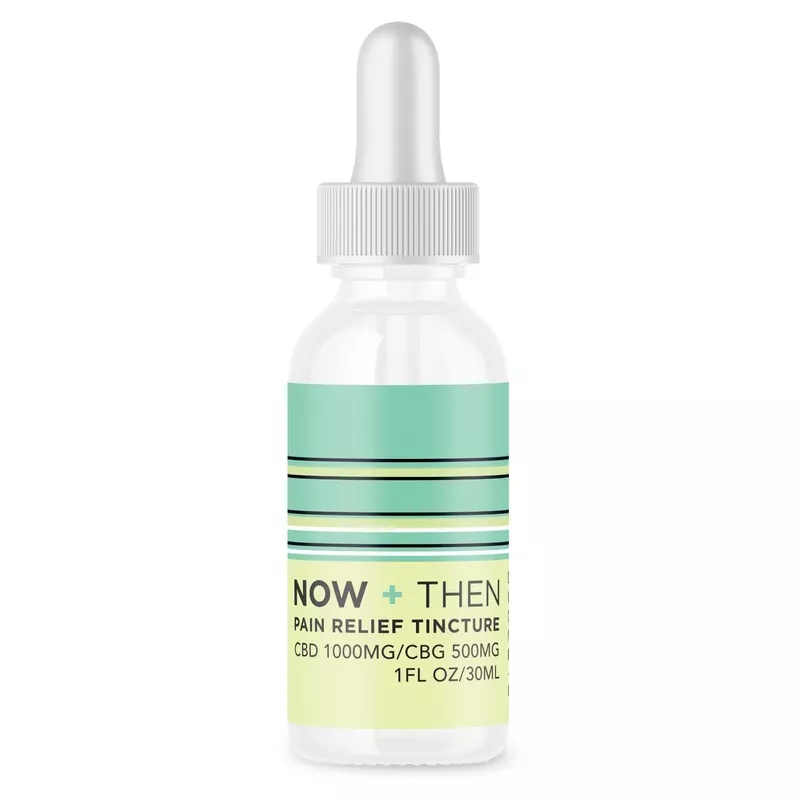
The CBD:CBG 2:1 Ratio Tincture by NOW+THEN offers a balanced blend of 1000mg CBD and 500mg CBG, providing a potent wellness boost and optimal pain management. This formulation combines the soothing properties of CBD with the pain-relieving effects of CBG, making it perfect for those with an active lifestyle, moderate aches and pains, and specific conditions.
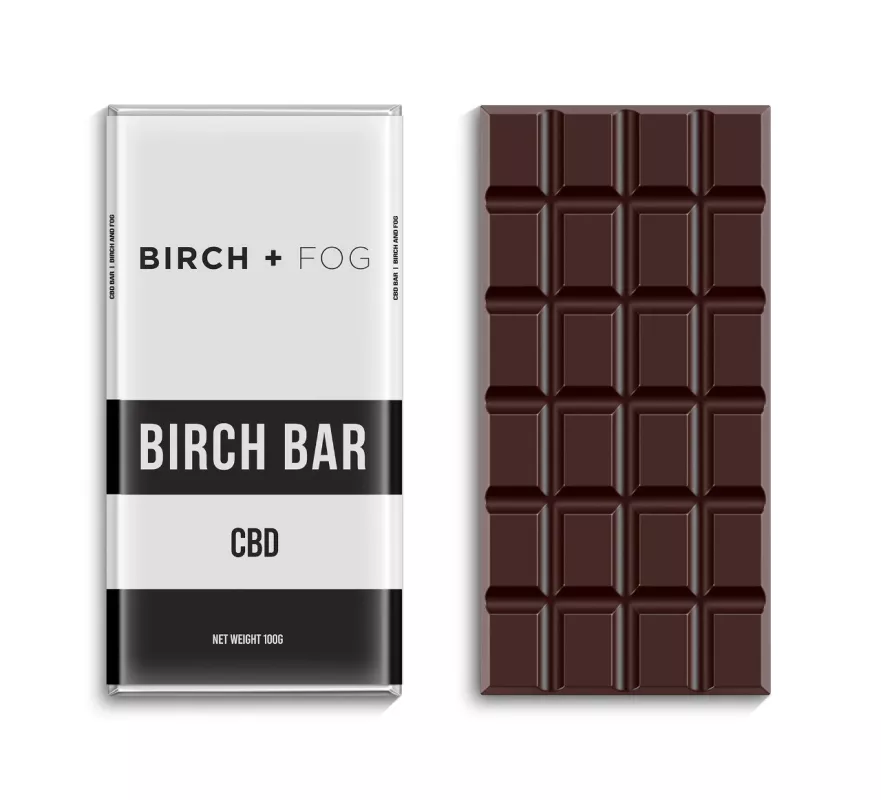
Indulge in the BIRCH+FOG Vegan CBD Bar, a delightful blend of high-quality CBD and plant-based ingredients. This delicious treat is designed to promote relaxation, reduce anxiety, alleviate pain, and improve sleep quality. Enjoy the calming benefits of CBD in a tasty, vegan-friendly bar, perfect for enhancing your daily wellness routine. Crafted with care, this bar not only satisfies your sweet tooth but also supports overall well-being, making it an ideal addition to any health-conscious lifestyle.
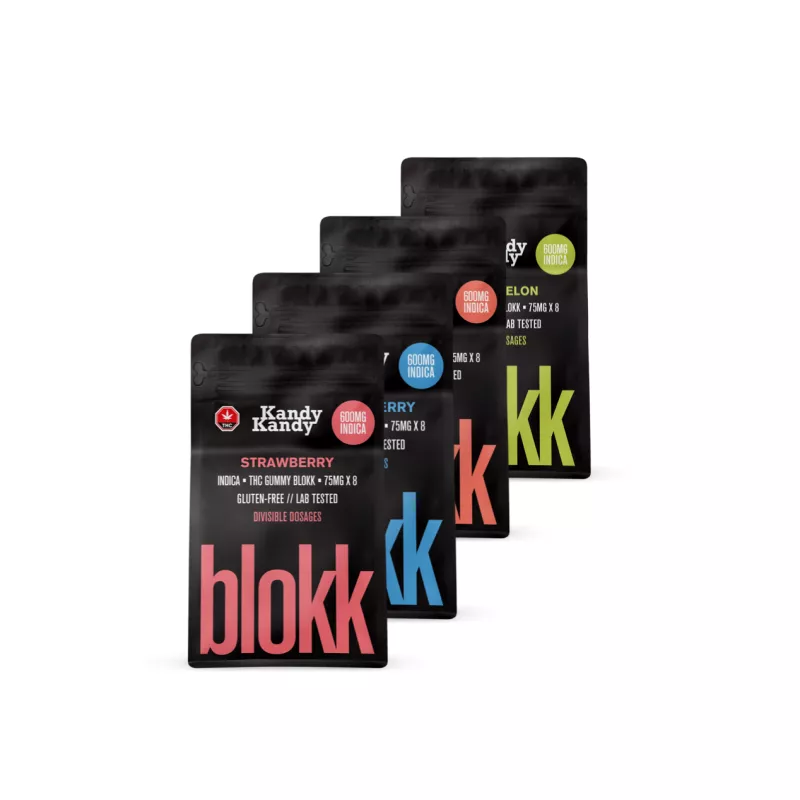
Unwind and decompress thoroughly with a 4-pack of KANDY KANDY’s chewy cubed indica THC Gummy Blokks infused with juicy assorted fruit flavors. These gummies are powerfully relaxing, helping you to unwind completely with each chewy, cube-shaped edible.

The Mimosa Sativa THC Vape Pen by NOW+THEN offers a delightful combination of convenience, flavor, and uplifting effects, making it a go-to choice for cannabis enthusiasts. Designed with portability and performance in mind, this vape pen delivers a smooth, flavorful experience with every puff. Perfect for those seeking an energizing and clear-headed focus, this vape pen is ideal for daytime use.
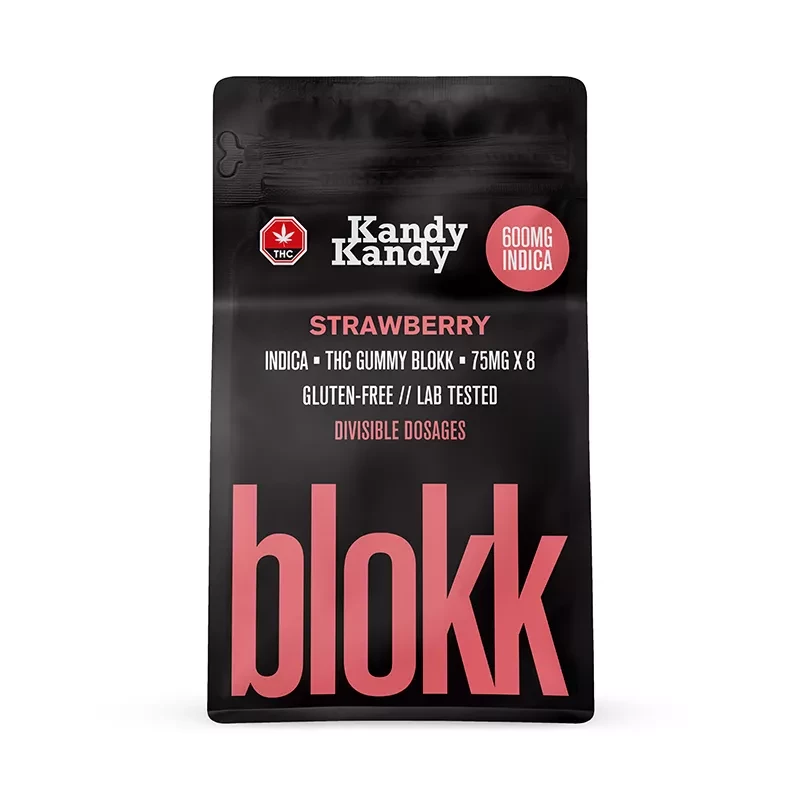
Unwind completely with KANDY KANDY’s juicy strawberry Vegan Indica THC Gummy blocks, delivering deeply relaxing euphoria with tantalizing fruit essence. These delicious cubed Vegan Gummies melt stress away thoroughly, providing a blissful relaxation experience.
This curated selection of wellness and relaxation products offers a diverse range of options to suit various needs and preferences. The NOW+THEN CBD:CBG 2:1 Ratio Tincture provides a balanced blend of 1000mg CBD and 500mg CBG, ideal for those seeking a potent wellness boost and effective pain management. For a delicious and soothing treat, the BIRCH+FOG CBD Vegan Dark Chocolate Bar combines high-quality CBD with plant-based ingredients to promote relaxation and alleviate anxiety.
For those looking to unwind with THC-infused products, KANDY KANDY offers a 4-pack of Indica THC Gummy Blokks, perfect for thorough relaxation with their juicy assorted fruit flavors. Additionally, the KANDY KANDY Strawberry Vegan Indica THC Gummies provide deeply relaxing euphoria with a tantalizing fruit essence, making them a delightful choice for stress relief.
Lastly, the NOW+THEN Mimosa Sativa THC Vape Pen delivers a convenient and flavorful experience with uplifting effects, catering to cannabis enthusiasts who appreciate portability and ease of use. Together, these products offer a comprehensive approach to enhancing well-being and relaxation.

