
×
Remove product
Remove item from cart?
Sold & Shipped by: BIRCH+FOG
-
×
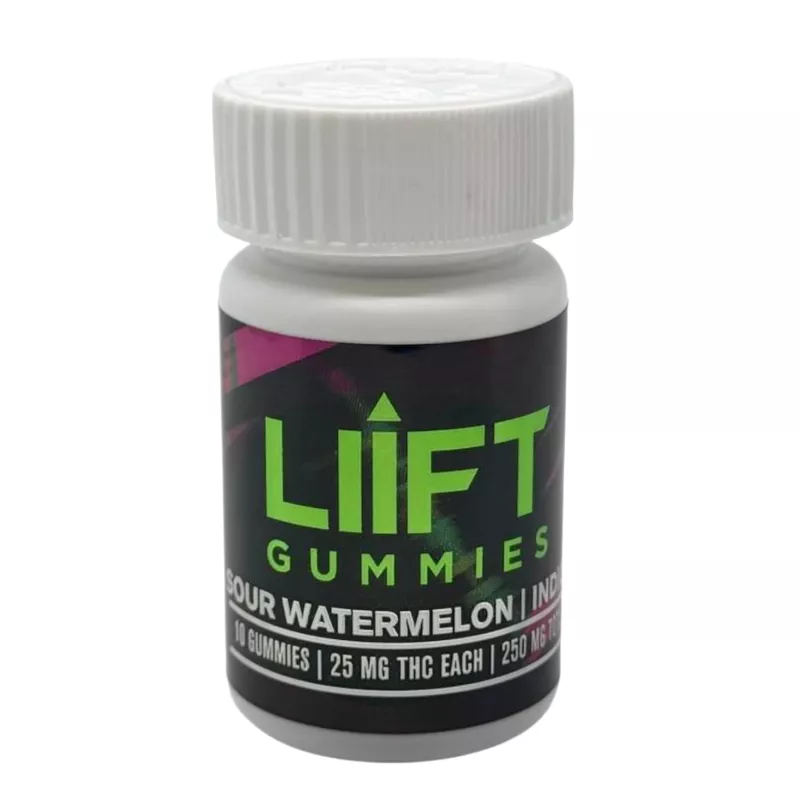 $14.00


Legal THC limits in Canada vary by province and territory, reflecting regional approaches to cannabis regulation following its nationwide legalization in 2018. Each province and territory has established its own rules regarding the sale, possession, and consumption of cannabis, including specific limits on THC content, which is the psychoactive component of cannabis. These regulations are designed to ensure public safety, promote responsible use, and minimize potential health risks associated with high-THC products. While the federal Cannabis Act sets overarching guidelines, provincial and territorial governments have the authority to impose additional restrictions, resulting in a diverse regulatory landscape across the country. Understanding these limits is crucial for consumers, retailers, and producers to ensure compliance and promote safe consumption practices.
In the vast and diverse landscape of Canada, the legalization of cannabis has ushered in a new era of exploration and understanding. As Canadians embrace this change, it’s essential to navigate the varying legal THC limits set by each province. These limits not only reflect the unique cultural and social fabric of each region but also ensure that the consumption of cannabis is safe and responsible. By understanding these regulations, we can appreciate the balance between personal freedom and public safety that Canada strives to maintain. Starting on the west coast, British Columbia, known for its laid-back vibe and stunning natural beauty, allows adults to possess up to 30 grams of dried cannabis or its equivalent in public. This aligns with the federal guidelines, providing a sense of consistency and predictability for residents and visitors alike. Moving eastward, Alberta, with its vibrant cities and expansive prairies, mirrors this limit, emphasizing the province’s commitment to aligning with national standards while fostering a culture of responsible use. Saskatchewan and Manitoba, provinces known for their rich agricultural heritage and tight-knit communities, also adhere to the 30-gram public possession limit. However, they add their own unique touches to the regulations. For instance, Manitoba prohibits home cultivation, a decision that reflects the province’s cautious approach to cannabis legalization. This highlights the importance of understanding not just the limits but also the broader regulatory environment in each province. As we journey further east, Ontario, Canada’s most populous province, maintains the 30-gram limit but stands out with its robust retail market. The province’s approach to cannabis sales and distribution is a testament to its dynamic and entrepreneurial spirit, offering a wide array of options for consumers. Meanwhile, Quebec, with its rich cultural heritage and distinct identity, sets a lower possession limit of 150 grams in a private residence, showcasing its unique stance on cannabis regulation. In the Atlantic provinces, the story continues with Nova Scotia, New Brunswick, Prince Edward Island, and Newfoundland and Labrador each embracing the 30-gram public possession limit. These provinces, known for their stunning coastlines and warm hospitality, have crafted regulations that reflect their commitment to community well-being and safety. For instance, Prince Edward Island’s focus on education and awareness campaigns underscores the province’s proactive approach to cannabis legalization. The northern territories, with their breathtaking landscapes and resilient communities, present a different narrative. Yukon, Northwest Territories, and Nunavut each have their own set of regulations, often influenced by the unique challenges and opportunities of their remote locations. These territories generally align with the federal 30-gram limit but also emphasize the importance of culturally sensitive approaches to cannabis use, recognizing the diverse needs of their Indigenous populations. In conclusion, the legal THC limits across Canadian provinces and territories paint a picture of a nation that values both individual freedom and collective responsibility. By understanding these limits, Canadians can make informed choices that respect the laws of their region while enjoying the benefits of legalized cannabis. This journey through Canada’s cannabis landscape is not just about numbers and regulations; it’s about embracing a new chapter in our national story, one that celebrates diversity, innovation, and the shared values that unite us all.
In the lush, green landscapes of British Columbia, where the mountains meet the sea, a new kind of green has been making waves: cannabis. Since the legalization of cannabis in Canada, each province has had the opportunity to set its own rules and regulations, and British Columbia is no exception. For those who are curious about the legal THC limits in this beautiful province, there’s a lot to explore and understand. Whether you’re a local or a visitor, knowing these limits can enhance your experience and ensure you stay on the right side of the law. In British Columbia, the legal framework around cannabis is designed to balance personal freedom with public safety. The province has set specific THC limits to guide consumers, ensuring that everyone can enjoy cannabis responsibly. For dried cannabis, the legal possession limit is 30 grams per adult, which is consistent with federal regulations. This amount is roughly equivalent to one ounce, a familiar measure for many cannabis enthusiasts. However, it’s important to note that this limit applies to public possession. In the privacy of your own home, you can store more, allowing you to stock up on your favorite strains without worry. Transitioning from dried cannabis to other forms, the rules become a bit more nuanced. For cannabis oils, edibles, and concentrates, the limits are calculated differently. For instance, one gram of dried cannabis is equivalent to 15 grams of edibles, 70 grams of liquid product, or 0.25 grams of concentrates. This conversion system allows for flexibility in how you choose to consume cannabis, catering to a wide range of preferences and lifestyles. Whether you prefer a classic joint, a discreet edible, or a potent concentrate, British Columbia’s regulations have you covered. Moreover, these limits are not just about possession; they also guide the purchase of cannabis products. When you visit one of British Columbia’s many licensed cannabis retailers, you’ll find that the same limits apply. This ensures that everyone has fair access to cannabis while preventing overconsumption. It’s a system that encourages mindful use, allowing you to enjoy the benefits of cannabis without overindulging. As you navigate the world of legal cannabis in British Columbia, it’s also worth considering the broader cultural context. The province has a rich history of cannabis cultivation and use, dating back decades. This legacy is reflected in the vibrant cannabis community that thrives here today. From craft growers to innovative product developers, British Columbia is home to a diverse array of cannabis pioneers. By understanding and respecting the legal THC limits, you can become a part of this community, contributing to its growth and evolution. In conclusion, the legal THC limits in British Columbia are more than just numbers; they represent a thoughtful approach to cannabis regulation. By setting clear guidelines, the province empowers individuals to make informed choices about their cannabis use. Whether you’re a seasoned connoisseur or a curious newcomer, these limits provide a framework for safe and enjoyable consumption. So, as you explore the stunning landscapes and vibrant cities of British Columbia, remember to embrace the spirit of responsible cannabis use. In doing so, you’ll not only enhance your own experience but also contribute to the positive and progressive cannabis culture that defines this remarkable province.
Alberta, known for its stunning landscapes and vibrant cities, has taken a thoughtful approach to the regulation of THC, the psychoactive component of cannabis. As the province navigates the complexities of cannabis legalization, it aims to balance public safety with personal freedom, ensuring that residents can enjoy the benefits of cannabis while minimizing potential risks. This approach is not only practical but also serves as an inspiration for other regions grappling with similar challenges. In Alberta, the legal framework surrounding THC is designed to be both comprehensive and adaptable. The province has set clear limits on the amount of THC that can be present in cannabis products, ensuring that consumers have access to safe and regulated options. For instance, dried cannabis is limited to a maximum of 30 grams per purchase, which aligns with federal guidelines. This limit is intended to prevent overconsumption and reduce the likelihood of adverse effects, while still allowing individuals the freedom to make their own choices. Moreover, Alberta has implemented specific regulations for different types of cannabis products, recognizing that not all forms of consumption are created equal. Edibles, for example, are subject to a maximum THC limit of 10 milligrams per package. This cautious approach reflects an understanding of the delayed onset and prolonged effects associated with edibles, which can catch inexperienced users off guard. By setting these limits, Alberta aims to protect consumers from unintended consequences while still providing a diverse range of products to suit different preferences and needs. Transitioning from product-specific regulations, Alberta also places a strong emphasis on education and awareness. The province recognizes that informed consumers are better equipped to make responsible choices, and as such, it invests in public education campaigns to disseminate information about the effects of THC and safe consumption practices. These initiatives are designed to empower individuals with the knowledge they need to navigate the world of cannabis confidently and responsibly. Furthermore, Alberta’s approach to THC regulation is characterized by its commitment to ongoing evaluation and adaptation. The province understands that the landscape of cannabis use is constantly evolving, and it remains open to adjusting its policies as new research and data become available. This willingness to adapt is a testament to Alberta’s dedication to creating a regulatory environment that is both effective and responsive to the needs of its residents. In addition to these regulatory measures, Alberta fosters a collaborative relationship with stakeholders in the cannabis industry. By working closely with producers, retailers, and health professionals, the province ensures that its policies are informed by a diverse range of perspectives and expertise. This collaborative spirit not only strengthens the regulatory framework but also encourages innovation and growth within the industry. Ultimately, Alberta’s approach to THC regulation serves as an inspiring example of how thoughtful policy-making can create a balanced and sustainable cannabis market. By prioritizing safety, education, and collaboration, the province has crafted a regulatory environment that respects individual freedoms while safeguarding public health. As other regions look to refine their own cannabis policies, Alberta’s model offers valuable insights into how to navigate the complexities of THC regulation with wisdom and foresight.
In the heart of Canada, Saskatchewan stands as a province that embraces both its rich cultural heritage and the evolving landscape of cannabis legislation. As the country continues to navigate the complexities of cannabis legalization, understanding the specific THC limits in Saskatchewan becomes essential for both residents and visitors alike. This guide aims to shed light on these regulations, offering clarity and inspiration for those looking to explore the world of cannabis responsibly. To begin with, it’s important to recognize that Saskatchewan, like other provinces, has established its own set of rules regarding the sale and consumption of cannabis. These regulations are designed to ensure public safety while allowing individuals the freedom to enjoy cannabis in a controlled manner. In Saskatchewan, the legal age for purchasing and consuming cannabis is 19, aligning with the province’s legal drinking age. This consistency helps simplify the rules for young adults eager to explore their newfound freedoms. When it comes to THC limits, Saskatchewan has set clear guidelines to help consumers make informed choices. THC, or tetrahydrocannabinol, is the psychoactive compound in cannabis that produces the “high” sensation. In Saskatchewan, the maximum THC content allowed in dried cannabis is 30%. This limit is in place to ensure that products remain within a range that is considered safe for consumption, reducing the risk of adverse effects that can occur with higher THC levels. Moreover, Saskatchewan has also established limits for cannabis edibles, extracts, and topicals. For edibles, the maximum THC content is capped at 10 mg per package. This regulation is particularly important as edibles can have a delayed onset of effects, leading some individuals to consume more than intended. By setting a reasonable limit, the province aims to prevent overconsumption and promote a positive experience for users. In addition to these limits, Saskatchewan has implemented strict packaging and labeling requirements. These measures are designed to provide consumers with clear information about the THC content and other important details of the product. This transparency empowers individuals to make choices that align with their personal preferences and tolerance levels, fostering a culture of responsible consumption. As we delve deeper into the world of cannabis in Saskatchewan, it’s inspiring to see how the province balances regulation with personal freedom. The thoughtful approach to THC limits reflects a commitment to public health and safety while acknowledging the rights of individuals to explore cannabis in a way that suits their lifestyle. This balance is crucial as it sets a precedent for other regions navigating similar challenges. Furthermore, the evolving cannabis landscape in Saskatchewan offers opportunities for education and community engagement. By staying informed about THC limits and other regulations, individuals can participate in meaningful conversations about cannabis use and its impact on society. This dialogue not only enhances personal understanding but also contributes to a broader cultural shift towards acceptance and responsible use. In conclusion, Saskatchewan’s approach to THC limits serves as an inspiring example of how regulation and personal freedom can coexist harmoniously. By understanding and respecting these limits, individuals can enjoy the benefits of cannabis while contributing to a safe and informed community. As we continue to explore the possibilities within the world of cannabis, let us be guided by the principles of responsibility, education, and mutual respect.
In the heart of Canada, Manitoba stands as a province with its own unique approach to cannabis regulation, particularly when it comes to THC limits. As cannabis enthusiasts and curious newcomers alike navigate the landscape of legal cannabis, understanding these limits is crucial. Manitoba, known for its prairies and friendly communities, has crafted its cannabis laws with a focus on safety and responsibility, while still allowing room for personal enjoyment and exploration. To begin with, it’s important to note that Manitoba aligns with the federal guidelines set by the Cannabis Act, which legalizes the possession of up to 30 grams of dried cannabis or its equivalent in public. However, when it comes to THC, the psychoactive component of cannabis, Manitoba has its own set of rules that reflect a balance between personal freedom and public health. For instance, the province has established specific limits on the amount of THC that can be present in cannabis products sold within its borders. This ensures that consumers have access to products that are both safe and enjoyable. In Manitoba, the legal THC limit for dried cannabis is consistent with federal regulations, allowing for a maximum of 30 grams per individual. However, when it comes to cannabis oils, edibles, and concentrates, the province has implemented additional guidelines to ensure that these products are consumed responsibly. For example, cannabis oils are limited to a maximum of 30 milligrams of THC per milliliter, while edibles are capped at 10 milligrams of THC per package. These limits are designed to prevent overconsumption and to help individuals enjoy cannabis in a way that is both safe and satisfying. Moreover, Manitoba’s approach to THC limits is not just about restriction; it’s about education and empowerment. The province has invested in public awareness campaigns to educate its residents about the effects of THC and how to consume cannabis responsibly. This proactive approach encourages individuals to make informed decisions, fostering a culture of mindfulness and respect for the substance. By understanding the legal limits and the reasons behind them, Manitobans can enjoy cannabis in a way that enhances their lives without compromising their well-being. Transitioning from the specifics of THC limits, it’s also worth noting the broader impact of these regulations on the community. Manitoba’s cannabis laws have opened up new opportunities for local businesses and entrepreneurs, creating a vibrant market that caters to a diverse range of preferences and needs. From artisanal edibles to high-quality concentrates, the province’s cannabis industry is thriving, offering consumers a wide array of choices while adhering to the established THC limits. In conclusion, Manitoba’s legal THC limits are a testament to the province’s commitment to safety, education, and community well-being. By setting clear guidelines and promoting responsible consumption, Manitoba has created an environment where individuals can explore the benefits of cannabis with confidence and peace of mind. As the cannabis landscape continues to evolve, Manitoba remains a shining example of how thoughtful regulation can inspire a culture of responsible enjoyment and innovation. Whether you’re a seasoned cannabis enthusiast or a curious newcomer, understanding Manitoba’s THC limits is the first step towards a fulfilling and responsible cannabis experience.

In recent years, the landscape of cannabis consumption in Canada has undergone a significant transformation, with each province setting its own regulations to ensure safe and responsible use. Ontario, being one of the most populous provinces, has established specific guidelines that reflect a balance between accessibility and safety. Understanding these regulations can empower consumers to make informed choices and enjoy cannabis responsibly. Ontario’s approach to THC limits is designed to cater to both new and experienced users, ensuring that everyone can find a product that suits their needs. The province has set a maximum THC limit of 10 milligrams per serving for edibles, which is a thoughtful measure to prevent overconsumption. This limit allows consumers to enjoy the benefits of cannabis without the risk of an overwhelming experience. For those who are new to cannabis, starting with a lower dose and gradually increasing it can be a wise strategy. This approach not only enhances the experience but also minimizes any potential adverse effects. In addition to edibles, Ontario has also set regulations for other forms of cannabis, such as dried flower and concentrates. The province allows for a maximum THC concentration of 30% in dried flower products. This limit provides a wide range of options for consumers, from milder strains for those seeking a gentle experience to more potent varieties for seasoned users. Concentrates, on the other hand, can have higher THC levels, but they are typically recommended for more experienced consumers due to their potency. The province’s regulations also extend to the sale and distribution of cannabis products. Licensed retailers are required to adhere to strict guidelines to ensure that products are safe and accurately labeled. This transparency allows consumers to make informed decisions about the products they choose to purchase. Moreover, the legal framework in Ontario emphasizes the importance of keeping cannabis out of the hands of minors, with stringent age verification processes in place at retail locations. Ontario’s THC regulations are not just about setting limits; they are about fostering a culture of responsible consumption. By providing clear guidelines and promoting education, the province encourages consumers to approach cannabis with mindfulness and respect. This perspective is particularly important as the conversation around cannabis continues to evolve, with more people exploring its potential benefits for wellness and recreation. As we navigate this new era of cannabis legalization, it’s inspiring to see how Ontario’s regulations are paving the way for a more informed and responsible community. By understanding and respecting these guidelines, consumers can enjoy cannabis in a way that enhances their lives while minimizing risks. Whether you’re a seasoned enthusiast or a curious newcomer, Ontario’s approach to THC limits offers a framework that supports safe and enjoyable experiences. In conclusion, Ontario’s THC regulations are a testament to the province’s commitment to balancing accessibility with safety. By setting thoughtful limits and promoting education, Ontario is empowering its residents to make informed choices about cannabis consumption. As we continue to explore the possibilities of this versatile plant, let’s embrace the spirit of responsible enjoyment and look forward to a future where cannabis can be a positive force in our lives.
Quebec, known for its rich culture and vibrant history, stands out not only for its unique identity within Canada but also for its distinct approach to cannabis regulation. While the legalization of cannabis in Canada in 2018 marked a significant shift in national policy, each province was given the autonomy to establish its own rules and regulations. Quebec, true to its independent spirit, has set itself apart with some of the strictest THC limitations in the country. This approach reflects the province’s cautious stance on cannabis consumption, aiming to balance public health concerns with the freedoms afforded by legalization. In Quebec, the legal age for purchasing and consuming cannabis is 21, which is higher than the national standard of 19. This decision underscores the province’s commitment to protecting younger populations from potential risks associated with cannabis use. Moreover, Quebec has imposed stringent limits on the THC content in cannabis products. For instance, the province has banned the sale of cannabis edibles that resemble candy or desserts, a move designed to prevent accidental consumption by children and to discourage appeal to younger audiences. This regulation is a testament to Quebec’s proactive approach in addressing public safety concerns. Furthermore, Quebec’s restrictions extend to the THC concentration in cannabis products. The province has set a cap on the amount of THC allowed in cannabis extracts, limiting it to 30%. This is significantly lower than in other provinces, where THC concentrations can reach up to 90% in some products. By imposing these limits, Quebec aims to reduce the potential for overconsumption and its associated risks, such as impaired driving and mental health issues. This cautious approach reflects a broader public health strategy that prioritizes the well-being of its residents. Despite these limitations, Quebec’s cannabis market continues to thrive, demonstrating the resilience and adaptability of both consumers and businesses. The province’s cannabis stores, known as the Société québécoise du cannabis (SQDC), have become a model of efficiency and customer service. They offer a wide range of products that comply with provincial regulations, ensuring that consumers have access to safe and controlled options. This careful curation of products not only aligns with Quebec’s regulatory framework but also fosters a sense of trust and reliability among consumers. Moreover, Quebec’s unique approach to THC limitations has sparked a broader conversation about responsible cannabis consumption. It encourages individuals to be more mindful of their choices and to consider the potential impacts of their consumption habits. This perspective aligns with a growing trend towards wellness and self-care, where individuals are increasingly seeking balance and moderation in all aspects of their lives. By setting these limits, Quebec is not only safeguarding public health but also inspiring a more thoughtful and intentional approach to cannabis use. In conclusion, Quebec’s unique THC limitations reflect its commitment to public safety and health, while also fostering a culture of responsible consumption. The province’s approach serves as an inspiration for other regions grappling with the complexities of cannabis regulation. By prioritizing the well-being of its residents and encouraging mindful consumption, Quebec is paving the way for a more balanced and sustainable future in the realm of cannabis use. As the conversation around cannabis continues to evolve, Quebec’s model offers valuable insights into the potential for regulation to coexist with personal freedom and choice.
In the picturesque province of New Brunswick, where the lush landscapes and vibrant communities create a unique backdrop, the legal framework surrounding THC is as thoughtfully crafted as the region itself. As we delve into the specifics of THC limits in this charming province, it’s essential to appreciate the balance New Brunswick has struck between regulation and personal freedom. This balance not only ensures safety but also encourages responsible consumption, fostering a culture of mindfulness and respect. In New Brunswick, the legal age for purchasing and consuming cannabis is set at 19, aligning with the province’s legal drinking age. This decision reflects a commitment to consistency and responsibility, ensuring that young adults are equipped to make informed choices. The province has established a THC limit of 30 grams for personal possession in public spaces, mirroring the federal guidelines. This limit is designed to allow individuals the freedom to enjoy cannabis while maintaining a sense of order and safety within the community. Transitioning from possession to consumption, New Brunswick has implemented specific regulations to guide the use of cannabis in various settings. Public consumption is generally restricted, with designated areas provided to ensure that non-consumers are not adversely affected. This approach not only respects the rights of all citizens but also promotes a harmonious coexistence between cannabis users and the broader community. By creating spaces where individuals can enjoy cannabis responsibly, New Brunswick is fostering an environment of mutual respect and understanding. Moreover, the province has taken significant steps to regulate the sale of cannabis products, ensuring that consumers have access to safe and high-quality options. Licensed retailers are the cornerstone of this system, providing a controlled environment where individuals can purchase cannabis with confidence. These establishments are not just points of sale; they are hubs of information and education, empowering consumers to make choices that align with their personal values and lifestyle. This emphasis on education is a testament to New Brunswick’s forward-thinking approach, recognizing that informed consumers are the foundation of a responsible cannabis culture. In addition to these measures, New Brunswick has also embraced the potential of cannabis as a catalyst for economic growth. By supporting local producers and encouraging innovation within the industry, the province is creating opportunities for entrepreneurship and job creation. This economic dimension adds another layer to the province’s THC legal framework, highlighting the multifaceted benefits of a well-regulated cannabis market. As New Brunswick continues to nurture this burgeoning industry, it is setting an inspiring example for other regions to follow. Ultimately, New Brunswick’s THC legal framework is a reflection of the province’s values: respect, responsibility, and community. By prioritizing safety and education, while also embracing the economic potential of cannabis, New Brunswick is paving the way for a future where cannabis is integrated into society in a thoughtful and sustainable manner. This approach not only benefits current residents but also sets the stage for future generations to enjoy the freedoms and opportunities that come with a well-regulated cannabis market. As we look to the future, New Brunswick’s model serves as an inspiration, demonstrating that with careful planning and a commitment to shared values, it is possible to create a legal framework that benefits everyone.
In the picturesque province of Nova Scotia, where the ocean meets the land in a breathtaking embrace, the conversation around cannabis has evolved significantly since its legalization in Canada. As residents and visitors alike explore the possibilities that cannabis offers, understanding the legal THC limits becomes essential. This knowledge not only ensures compliance with the law but also enhances the overall experience of enjoying cannabis responsibly. Nova Scotia, known for its vibrant culture and stunning landscapes, has embraced cannabis with open arms, yet with a mindful approach. The province has set specific THC limits to ensure that consumers can enjoy cannabis safely and responsibly. For those new to the world of cannabis, THC, or tetrahydrocannabinol, is the compound responsible for the psychoactive effects of cannabis. Understanding its limits is crucial for a positive experience. In Nova Scotia, the legal framework is designed to balance accessibility with safety. The province has established a maximum THC limit for cannabis products, which varies depending on the form of the product. For dried cannabis, the limit is set at 30 grams per person in public, aligning with federal regulations. This limit allows individuals to carry a reasonable amount for personal use while preventing excessive possession that could lead to misuse or illegal distribution. When it comes to cannabis oils, the regulations are slightly different. The THC concentration in cannabis oil is capped at 30 milligrams per milliliter. This limit ensures that consumers can enjoy the benefits of cannabis oil without the risk of overconsumption, which can lead to unwanted side effects. By setting these limits, Nova Scotia aims to promote a culture of responsible consumption, encouraging users to be mindful of their intake and its effects. Edibles, a popular choice for many cannabis enthusiasts, have their own set of regulations. In Nova Scotia, the THC limit for edibles is 10 milligrams per package. This limit is particularly important as edibles can take longer to produce effects compared to other forms of cannabis, leading some users to consume more than intended. By setting a clear limit, the province helps prevent overconsumption and ensures that individuals can enjoy edibles safely. Moreover, Nova Scotia’s approach to cannabis is not just about setting limits; it’s about fostering a community that values education and awareness. The province offers resources and information to help individuals understand the effects of THC and how to consume cannabis responsibly. This educational approach empowers consumers to make informed decisions, enhancing their overall experience and promoting a culture of safety and respect. As we navigate the evolving landscape of cannabis in Nova Scotia, it’s inspiring to see how the province balances innovation with responsibility. The legal THC limits are not just numbers; they represent a commitment to the well-being of the community. By understanding and respecting these limits, individuals can fully embrace the benefits of cannabis while ensuring their safety and the safety of those around them. In conclusion, Nova Scotia’s legal THC limits reflect a thoughtful approach to cannabis consumption. They serve as a guide for responsible use, allowing individuals to explore the world of cannabis with confidence and care. As we continue to learn and grow in this new era of cannabis, let us be inspired by Nova Scotia’s commitment to safety, education, and community well-being.
In the picturesque province of Prince Edward Island, where the red sand beaches meet lush green landscapes, the approach to cannabis regulation is as thoughtful and balanced as the island itself. As Canada continues to navigate the evolving landscape of cannabis legalization, each province has carved its own path, and Prince Edward Island is no exception. Here, the focus is on ensuring safety and responsibility while embracing the potential benefits of cannabis. Prince Edward Island, affectionately known as PEI, has established clear guidelines for THC limits in cannabis products, reflecting a commitment to public health and safety. The province has set a maximum THC limit of 30% for dried cannabis, aligning with federal regulations. This limit is designed to ensure that consumers have access to products that are potent enough to meet their needs while minimizing the risk of overconsumption and its associated effects. By setting these limits, PEI aims to foster a culture of responsible use, encouraging residents and visitors alike to enjoy cannabis in a way that enhances their well-being. In addition to dried cannabis, PEI has also set specific THC limits for other cannabis products, such as edibles, extracts, and topicals. Edibles, for instance, are limited to a maximum of 10 mg of THC per package. This regulation is particularly important as it helps prevent accidental overconsumption, which can be more common with edibles due to their delayed onset of effects. By keeping these limits in place, PEI ensures that consumers can enjoy the diverse range of cannabis products available without compromising their safety. The island’s approach to cannabis regulation is not just about setting limits; it’s about creating an environment where education and awareness are prioritized. PEI has invested in public education campaigns to inform residents about the responsible use of cannabis, the potential risks associated with high THC consumption, and the importance of understanding individual tolerance levels. These initiatives are designed to empower consumers to make informed decisions, fostering a culture of mindfulness and respect for the plant. Moreover, PEI’s cannabis regulations reflect a broader commitment to community well-being. By maintaining a focus on safety and education, the province is paving the way for a future where cannabis can be integrated into society in a positive and sustainable manner. This approach not only benefits individual consumers but also supports the growth of a responsible cannabis industry that contributes to the local economy. As we look to the future, Prince Edward Island’s THC regulations serve as an inspiring example of how thoughtful policy-making can create a harmonious balance between access and safety. The island’s commitment to responsible cannabis use is a testament to its values of community, health, and well-being. By embracing these principles, PEI is not only ensuring the safety of its residents but also setting a standard for other provinces to follow. In conclusion, Prince Edward Island’s approach to THC regulation is a shining example of how a small province can lead the way in creating a safe and informed cannabis culture. Through clear limits, education, and a focus on community well-being, PEI is inspiring others to consider how cannabis can be integrated into society in a way that benefits everyone. As the cannabis landscape continues to evolve, PEI’s thoughtful approach will undoubtedly serve as a guiding light for those seeking to navigate this new frontier responsibly.
In the picturesque province of Newfoundland and Labrador, where the rugged coastline meets the vast Atlantic Ocean, a new wave of cannabis culture is quietly taking root. As the cannabis industry continues to evolve across Canada, each province has established its own set of regulations to ensure the safe and responsible use of this versatile plant. In Newfoundland and Labrador, the legal limits for THC, the psychoactive component of cannabis, are designed to balance personal freedom with public safety, creating a unique landscape for cannabis enthusiasts and newcomers alike. To begin with, it’s important to understand that THC limits in Newfoundland and Labrador are part of a broader framework aimed at promoting responsible consumption. The province has set a maximum THC limit of 30% for dried cannabis flower, which is consistent with federal guidelines. This limit ensures that consumers have access to a wide range of products while minimizing the risk of overconsumption. For those who prefer cannabis extracts, the province allows products with a THC concentration of up to 1,000 mg per package. This provides ample opportunity for individuals to explore different forms of cannabis, from oils and tinctures to edibles and topicals, each offering a unique experience. Moreover, the province’s approach to THC limits reflects a commitment to education and harm reduction. By setting clear guidelines, Newfoundland and Labrador empowers consumers to make informed choices about their cannabis use. This is particularly important for newcomers who may be unfamiliar with the effects of THC and how it interacts with the body. The province’s focus on education is evident in its support for public awareness campaigns and resources that help individuals understand the potential risks and benefits of cannabis consumption. Transitioning to the social aspect, the legal THC limits in Newfoundland and Labrador also play a role in fostering a sense of community among cannabis users. With a shared understanding of the regulations, individuals can engage in open and honest conversations about their experiences, preferences, and responsible use. This sense of community is further strengthened by the province’s vibrant cannabis culture, which includes local dispensaries, events, and advocacy groups dedicated to promoting safe and enjoyable cannabis experiences. Furthermore, the province’s THC limits are part of a larger effort to integrate cannabis into the local economy. By establishing a clear regulatory framework, Newfoundland and Labrador has created opportunities for entrepreneurs and businesses to thrive in the cannabis industry. This not only contributes to economic growth but also supports job creation and innovation within the province. As the industry continues to expand, there is potential for Newfoundland and Labrador to become a leader in sustainable and responsible cannabis production. In conclusion, the legal THC limits in Newfoundland and Labrador are more than just numbers on a page; they represent a thoughtful approach to cannabis regulation that prioritizes safety, education, and community. As the province navigates the evolving landscape of cannabis legalization, it serves as an inspiring example of how thoughtful regulation can create a positive and inclusive environment for all. Whether you’re a seasoned cannabis enthusiast or a curious newcomer, Newfoundland and Labrador offers a welcoming space to explore the many facets of cannabis, all within the bounds of responsible and informed consumption.
In the vast, breathtaking landscapes of Canada’s northern territories, where the aurora borealis dances across the sky and the wilderness stretches as far as the eye can see, the approach to cannabis regulation is as unique as the region itself. The Yukon and Northwest Territories, known for their rugged beauty and resilient communities, have embraced the legalization of cannabis with a focus on safety, education, and respect for the land and its people. As we explore the legal THC limits in these territories, it’s important to appreciate how these regulations reflect the values and priorities of the communities they serve. In the Yukon, the legal framework for cannabis is designed to balance individual freedom with public health and safety. The territory has set the legal age for cannabis consumption at 19, aligning with the age for alcohol consumption. This decision underscores a commitment to ensuring that young adults are equipped to make informed choices. The Yukon has established a possession limit of 30 grams of dried cannabis or its equivalent in public, mirroring the federal standard. This limit is intended to discourage excessive use while allowing individuals the freedom to enjoy cannabis responsibly. Transitioning to the Northwest Territories, we find a similar yet distinct approach. The legal age for cannabis consumption here is also set at 19, reflecting a shared understanding of the importance of maturity and responsibility. The possession limit in the Northwest Territories is consistent with the federal guideline of 30 grams in public, ensuring that residents and visitors alike have a clear understanding of what is permissible. This consistency across territories helps to create a cohesive national framework while allowing for regional nuances. Both the Yukon and Northwest Territories have taken proactive steps to educate their populations about cannabis use. Public awareness campaigns focus on the potential risks and benefits of cannabis, emphasizing the importance of moderation and informed decision-making. These initiatives are particularly important in regions where traditional lifestyles and modern influences intersect, offering a unique opportunity to blend cultural wisdom with contemporary knowledge. Moreover, the territories have recognized the importance of respecting Indigenous communities and their perspectives on cannabis. By engaging in meaningful dialogue and collaboration, the Yukon and Northwest Territories are working to ensure that cannabis policies are inclusive and considerate of Indigenous rights and traditions. This approach not only fosters mutual respect but also enriches the broader conversation about cannabis in Canada. As we reflect on the legal THC limits in the Yukon and Northwest Territories, it’s clear that these regulations are about more than just numbers. They represent a thoughtful approach to cannabis legalization, one that prioritizes health, safety, and community well-being. By setting clear guidelines and promoting education, these territories are empowering their residents to make choices that align with their values and lifestyles. In conclusion, the Yukon and Northwest Territories offer an inspiring example of how cannabis legalization can be tailored to meet the unique needs of diverse communities. By embracing a balanced approach that respects both individual freedoms and collective responsibilities, these territories are paving the way for a future where cannabis is integrated into society in a thoughtful and sustainable manner. As we look to the future, we can draw inspiration from their commitment to creating a safe and informed environment for all.
Legal THC limits vary by province in Canada, reflecting regional approaches to cannabis regulation. Generally, the federal government sets a baseline for THC limits, particularly for edibles, extracts, and topicals, with a maximum of 10 mg of THC per unit for edibles and 1,000 mg per package for extracts and topicals. However, provinces may impose additional restrictions or guidelines. For instance, some provinces might have stricter controls on the sale and distribution of high-THC products or specific regulations for public consumption. These variations underscore the balance between federal standards and provincial autonomy in managing cannabis use, aiming to ensure public safety while accommodating local preferences and concerns.
Discover a curated selection of premium cannabis products designed to elevate your experience and cater to your unique preferences. Whether you’re seeking the invigorating effects of a sativa vape or the soothing calm of an indica cartridge, our collection has something for everyone. Indulge in the vibrant flavors of NOW+THEN’s Mimosa Sativa THC Vape Pen, perfect for those looking to energize their day. For a delightful treat, try LIIFT’s Exotic Fruit High Dose THC Gummies, offering a potent and flavorful journey. If you’re a fan of vegan options, KANDY KANDY’s Watermelon Vegan Sunshine Sativa Gummy Bears provide a refreshing burst of taste and energy. For a balanced experience, explore KANDY KANDY’s THC:CBD 1:1 Watermelon Ratio Vegan Gummies Blokk, ideal for those seeking harmony between mind and body. Each product is crafted with care to ensure quality and satisfaction, making your cannabis experience truly exceptional. Explore these offerings and find your perfect match today.
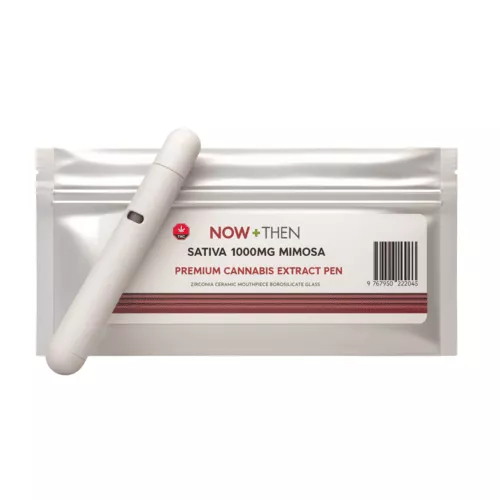
The Mimosa Sativa THC Vape Pen by NOW+THEN offers a delightful combination of convenience, flavor, and uplifting effects, making it a go-to choice for cannabis enthusiasts. Designed with portability and performance in mind, this vape pen delivers a smooth, flavorful experience with every puff. Perfect for those seeking an energizing and clear-headed focus, this vape pen is ideal for daytime use.
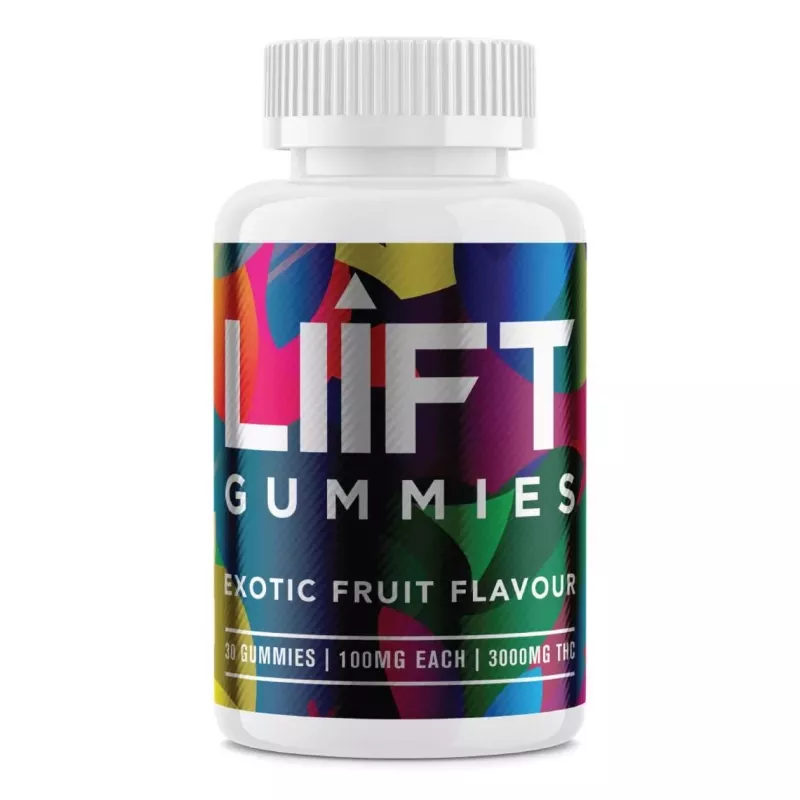
Indulge in the tropical bliss of LIIFT’s Exotic Fruit High Dose THC Gummies, infused with a total of 3000mg THC. Offering a flavorful escape with each bite, these gummies deliver a potent dose of THC for an elevated experience. Perfect for those seeking pain relief, relaxation, or creative inspiration, they provide a convenient and impactful way to explore the benefits of THC. Discover the exotic flavors and powerful effects of LIIFT’s THC gummies today.
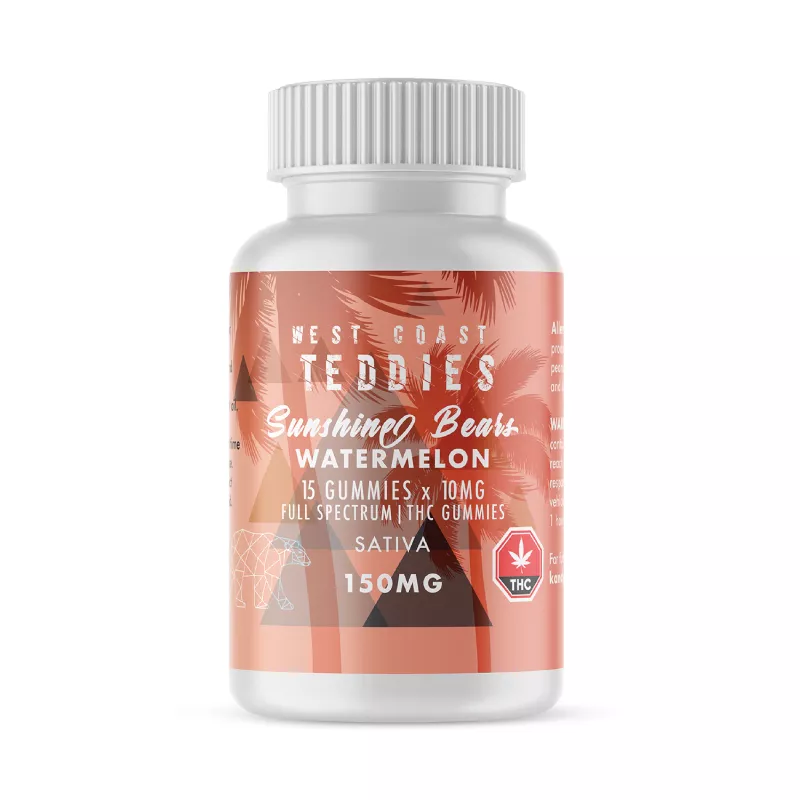
Power through your day with the mouthwatering sweet and tart watermelon candy flavor complemented by uplifting sativa THC effects in KANDY KANDY’s Watermelon Vegan THC Gummy Bears. These juicy, sugar-dusted bears provide a burst of sweet watermelon with every bite, igniting productivity and creativity gently. Perfect for enhancing your mood and boosting your energy, these Vegan Gummy bears make it easy to stay motivated and inspired throughout the day.
Unwind your body and quiet your mind with NOW+THEN’s 0.5g indica-dominant THC Vape Pen Cartridge. This product is formulated to provide mellow full-body effects that help you decompress after busy days, offering a gentle way to relax and find peace.
Keep your high functional and relaxing with KANDY KANDY’s Mouth watering watermelon 1:1 THC:CBD Vegan Gummies, fusing 300mg of THC and CBD. These Vegan Gummies align mind and body gently, offering a mouth-watering juicy flavor. Perfect for promoting mind-body alignment and experiencing moderate and relaxing effects.
This curated selection of cannabis products offers a diverse range of experiences for enthusiasts seeking both convenience and potency. The NOW+THEN Mimosa Sativa THC Vape Pen is perfect for those on the go, delivering uplifting effects with a delightful flavor. For a more intense experience, LIIFT’s Exotic Fruit High Dose THC Gummies pack a powerful punch with 3000mg of THC, providing a tropical escape in every bite. KANDY KANDY offers a variety of options, including their Watermelon Vegan Sunshine Sativa Gummy Bears, which combine sweet and tart flavors with energizing sativa effects, and their THC:CBD 1:1 Watermelon Ratio Vegan Gummies, which offer a balanced and relaxing experience with 300mg of both THC and CBD. Lastly, the NOW+THEN .5 Gram Indica THC Vape Cartridge is designed for those seeking to unwind and decompress, offering mellow full-body effects. Each product is crafted to enhance your cannabis experience, whether you’re looking for a boost of energy or a moment of relaxation.

