
×
Remove product
Remove item from cart?

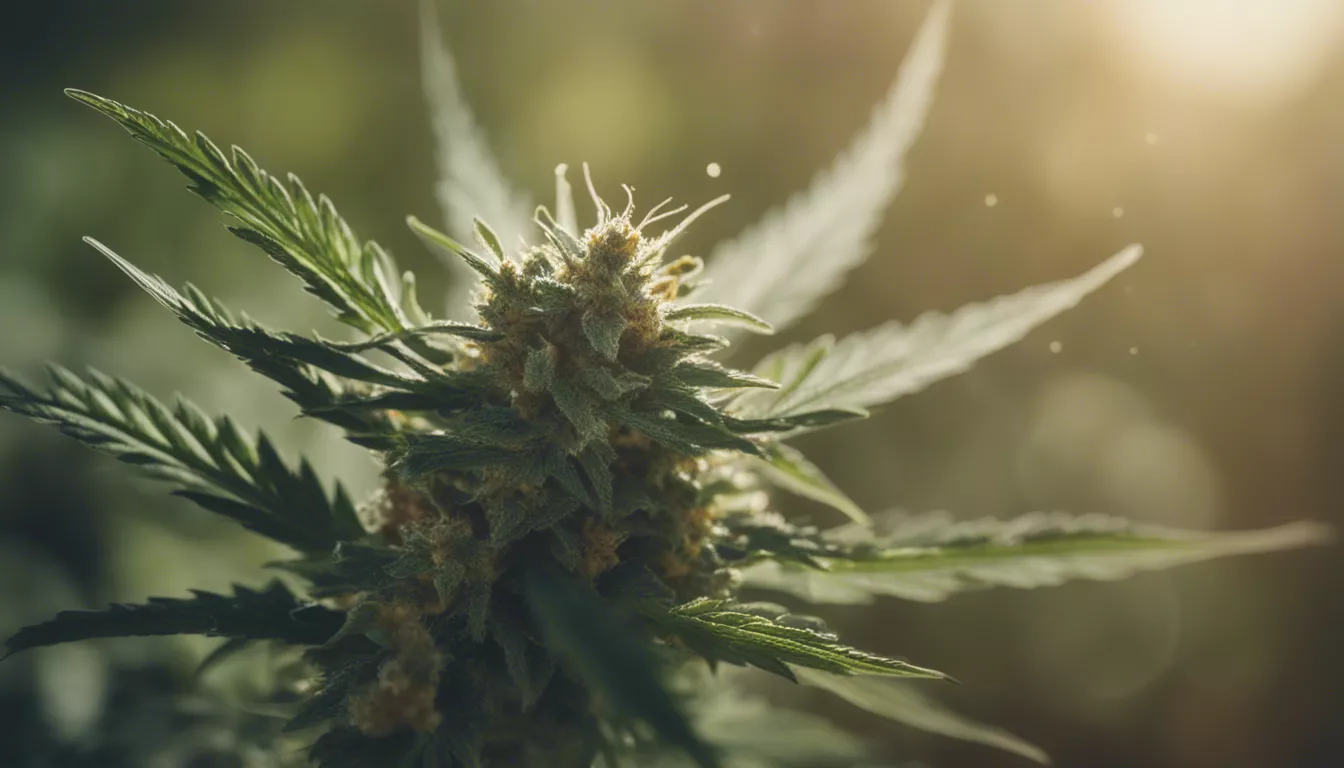
Cannabis pollen represents the microscopic reproductive cells produced by male plants, serving as the primary vector for genetic transfer in natural reproduction while simultaneously representing a critical control point in modern cultivation focused on seedless flower production. These powdery, yellow-to-white particles measure approximately 25-30 micrometers in diameter and contain the male genetic material necessary for fertilizing female plants. In cultivation contexts, pollen management becomes paramount as even minimal exposure can transform valuable sinsemilla crops into seeded flowers with significantly reduced market value. The term “pollen” in cannabis culture sometimes confusingly refers to compressed trichome preparations, particularly in European hash traditions, though botanically accurate usage specifically denotes male reproductive cells.
The biological significance of cannabis pollen extends beyond simple reproduction to encompass breeding programs, genetic preservation, and evolutionary adaptation mechanisms that have shaped the diverse cannabis gene pool. Each pollen grain contains a protective outer wall (exine) that preserves genetic material during dispersal and features species-specific surface patterns that facilitate identification. Male plants typically produce millions of pollen grains designed for wind dispersal, creating clouds of genetic material that can travel considerable distances under favorable conditions. This prolific production and dispersal mechanism explains both the success of cannabis as a species and the challenges faced by cultivators seeking to maintain pure female flowering environments.
Understanding pollen biology, behavior, and management proves essential for various cannabis industry stakeholders, from breeders developing new cultivars to cultivators preventing unwanted pollination and processors dealing with contamination concerns. The intersection of traditional botanical knowledge with modern cannabis production requirements creates unique challenges and opportunities. Advanced breeding programs leverage controlled pollination for specific genetic crosses, while commercial cultivators invest significant resources in preventing any pollen presence. This dichotomy highlights how the same biological material can represent either valuable genetic resources or potentially catastrophic contamination depending on context and cultivation goals.
Male cannabis plants develop specialized reproductive structures called staminate flowers that produce and release pollen during their flowering phase, typically beginning 1-2 weeks earlier than female plants under identical photoperiod conditions. These flowers form in clusters along branch nodes, with each containing five stamens protected by sepals until maturity. As flowers mature, anthers split longitudinally to release pollen, often during early morning hours when humidity conditions favor dispersal. A single male plant can produce millions of pollen grains over its flowering period, with peak production occurring during weeks 2-4 of flowering. Environmental factors including temperature, humidity, and air movement significantly influence both pollen production quantity and release timing.
Cellular mechanisms of pollen development involve meiotic division within anthers, producing haploid microspores that undergo further development into mature pollen grains containing all necessary genetic and cellular machinery for fertilization. The process begins with diploid cells in anther tissue undergoing meiosis to create four haploid microspores. These microspores develop thick protective walls and accumulate nutrients necessary for pollen tube growth upon landing on receptive female stigmas. The entire development process from meiosis initiation to mature pollen release typically requires 2-3 weeks under optimal conditions. Understanding these developmental timelines helps breeders optimize collection timing and cultivators identify critical intervention windows.
Environmental triggers for pollen production and release involve complex interactions between photoperiod, temperature, humidity, and plant stress responses that evolved to maximize reproductive success. Short-day photoperiods trigger flowering in most cannabis varieties, with males showing faster response times than females. Temperature fluctuations between day and night promote anther dehiscence and pollen release. Low humidity conditions favor pollen dispersal by preventing grain clumping. Mild stress conditions may accelerate pollen production as plants attempt reproduction before potential death. These environmental responses can be manipulated in breeding programs to synchronize pollen availability with female receptivity or prevented in cultivation through environmental control.
Wind dispersal adaptations in cannabis pollen include lightweight construction, smooth surface features, and production timing that coincides with favorable atmospheric conditions for maximum travel distance. The small size and low density of pollen grains enables suspension in air currents for extended periods. Unlike insect-pollinated species with sticky, sculptured pollen, cannabis produces dry, smooth grains optimized for wind transport. Release typically occurs during morning hours when thermal inversions and light breezes create ideal dispersal conditions. Plants often position male flowers on extended branches that catch wind currents. These adaptations reflect cannabis’s evolution as a wind-pollinated pioneer species capable of colonizing new territories through long-distance pollen movement.
Viability duration of cannabis pollen under various environmental conditions ranges from hours to potentially years depending on temperature, humidity, and storage methods employed. Fresh pollen exposed to typical outdoor conditions remains viable for 3-5 days under favorable circumstances. High humidity rapidly degrades viability through moisture absorption and potential fungal growth. Extreme temperatures likewise reduce viability, with heat causing desiccation and freezing potentially rupturing cells. However, properly dried and frozen pollen can maintain viability for 12-18 months or longer. Some breeding programs report successful fertilization using pollen stored for several years under optimal conditions. This variable viability influences both breeding program logistics and contamination risk assessment in cultivation.
Travel distance potential for cannabis pollen creates contamination risks extending far beyond individual cultivation sites, with documented cases of viable pollen traveling several miles under favorable conditions. Atmospheric modeling suggests pollen can remain airborne for hours, traveling wherever wind currents carry it. Topographical features like valleys can channel and concentrate pollen flows. Urban environments with thermal updrafts may transport pollen vertically before horizontal dispersal. While concentration decreases with distance, even small amounts of pollen can create seeded flowers in sensitive female populations. These dispersal capabilities necessitate regional coordination among cultivators and consideration of neighboring operations when planning cultivation sites or breeding programs.
Controlled pollination techniques in cannabis breeding require precise timing, environmental management, and isolation protocols to ensure specific genetic crosses while preventing unwanted contamination. Breeders typically isolate selected male and female plants in separate controlled environments until optimal receptivity windows. Female stigma receptivity peaks during weeks 2-4 of flowering when pistils remain white and turgid. Pollen application methods range from direct contact using collected anthers to paintbrush application of stored pollen. Some programs use forced air or electrostatic devices for even pollen distribution. Post-pollination isolation continues until seed set confirms successful fertilization. These controlled techniques enable precise genetic combinations impossible in open pollination scenarios.
Pollen storage methodologies have evolved from simple refrigeration to sophisticated cryogenic preservation systems that maintain viability for extended periods enabling global germplasm exchange. Initial collection requires careful timing when anthers just begin dehiscence but before environmental exposure. Desiccation using silica gel or controlled low-humidity environments removes moisture that would otherwise degrade viability. Storage containers must exclude moisture while allowing gas exchange to prevent anaerobic conditions. Temperature consistency proves critical, with repeated freeze-thaw cycles rapidly degrading viability. Advanced programs use liquid nitrogen storage with specialized cryoprotectants. These preservation techniques enable breeding programs to maintain diverse genetic resources and coordinate crosses across seasons or geographic distances.
Genetic diversity preservation through pollen banking represents crucial conservation efforts as cannabis commercialization potentially narrows the cultivated gene pool toward high-yielding, uniform varieties. Landrace populations facing habitat loss or agricultural modernization contain unique genetic adaptations potentially valuable for future breeding. Pollen banking requires less space and resources than maintaining living plant collections while preserving male genetics often discarded in commercial cultivation. International cooperation enables genetic resource sharing despite regulatory restrictions on plant material movement. These preservation efforts ensure future access to traits like pest resistance, climate adaptation, or novel cannabinoid profiles that may prove essential as cultivation expands globally and environmental conditions change.
Historical terminology confusion arose from European hash markets where compressed kief or dry-sift preparations were marketed as “pollen” despite containing no actual pollen, creating persistent linguistic ambiguity in cannabis culture. This nomenclature likely originated from the superficial visual similarity between yellow-brown hash powder and actual pollen. Traditional hash-producing regions developed various terms for different quality grades, with “pollen” often indicating higher-quality preparations. The terminology spread through international cannabis commerce and persists in some markets despite botanical inaccuracy. This linguistic confusion occasionally creates misunderstandings when discussing cultivation contamination versus hash products. Modern cannabis education efforts work to clarify terminology while acknowledging historical usage patterns.
Traditional hash production methods in regions like Morocco, Afghanistan, and Lebanon created various products sometimes labeled as pollen, typically referring to first-quality dry-sift preparations. These products result from mechanical separation of trichome heads from plant material using screens or fabric. The finest particles passing through initial screens resembled pollen in color and consistency. Traditional techniques often involved multiple sifting grades, with early fractions commanding premium prices. The “pollen” designation indicated purity and potency in markets where laboratory testing didn’t exist. Modern hash makers continue these traditions while adopting standardized terminology distinguishing between true pollen and trichome preparations. Understanding these historical contexts helps navigate contemporary hash markets and appreciate traditional quality indicators.
Modern nomenclature standards in the cannabis industry increasingly distinguish between botanical pollen and hash products, with educated markets adopting precise terminology that prevents confusion. Industry organizations promote accurate terminology through educational initiatives and standardized labeling requirements. Laboratory testing clearly identifies product composition, eliminating ambiguity about contents. Terms like “dry sift,” “kief,” or specific micron sizes replace vague “pollen” designations for hash products. However, traditional terminology persists in some markets, particularly where historical usage carries cultural significance. This evolution toward precise nomenclature reflects broader cannabis industry professionalization while respecting traditional practices and regional preferences.

