
×
Remove product
Remove item from cart?

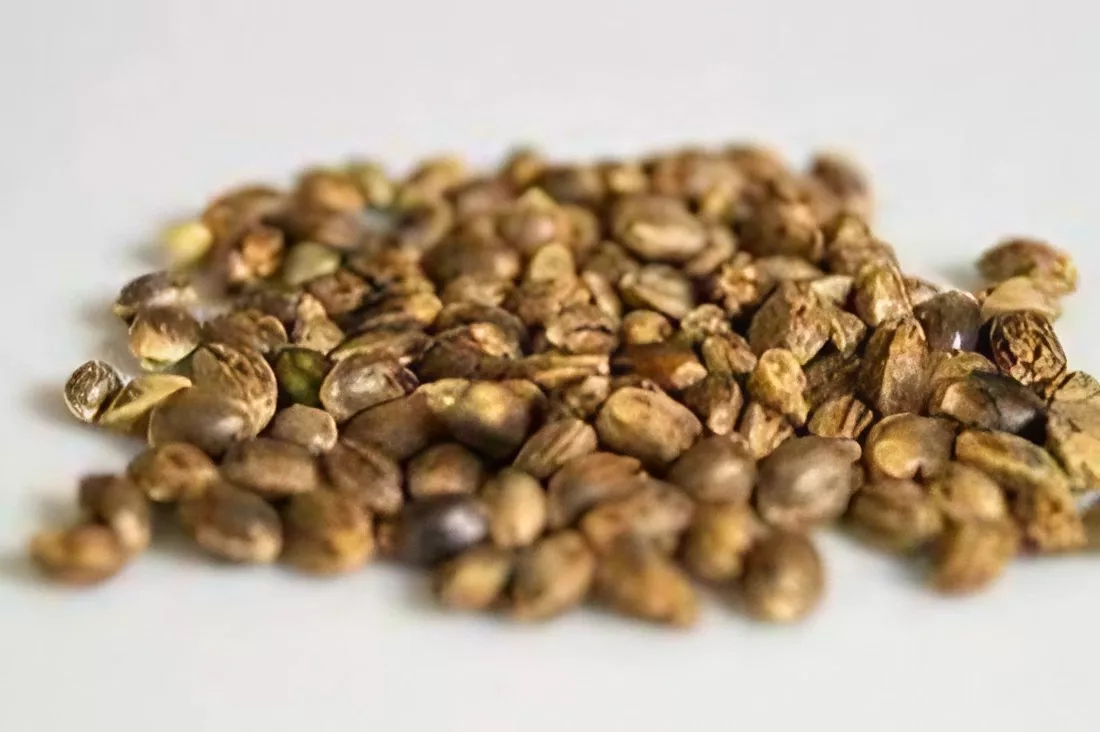
Cannabis seeds represent the fundamental genetic packages containing all information necessary to produce new plants, embodying billions of years of evolutionary adaptation and decades of human selection in compact, resilient vessels. These remarkable structures, typically 2-5mm in diameter, house embryonic plants surrounded by nutrient reserves and protective coatings that ensure species survival across diverse environments and conditions. While modern cannabis cultivation focuses predominantly on clonal propagation and seedless flower production, seeds remain central to genetic preservation, breeding advancement, and the democratic distribution of cannabis genetics worldwide, serving as both agricultural starting points and valuable commodities in emerging legal markets.
The significance of cannabis seeds extends beyond simple propagation to encompass complex intersections of botany, law, commerce, and culture that shape how genetics move through global markets and influence industry development. Each viable seed potentially contains unique genetic combinations resulting from sexual reproduction, creating phenotypic variations that drive strain diversity and enable adaptation to changing environments and market demands. The legal status of cannabis seeds varies dramatically worldwide, with some jurisdictions treating them as legal souvenirs while others classify them identically to mature plants, creating complex international trade dynamics. This regulatory patchwork influences breeding operations, genetic preservation efforts, and consumer access to diverse cannabis genetics.
Understanding cannabis seeds requires examining their biological functions, quality indicators, storage requirements, and commercial implications as the industry balances between stabilized genetics for consistency and genetic diversity for innovation. Modern seed production involves sophisticated breeding techniques aimed at creating stable, feminized, or auto-flowering varieties that meet specific market demands while preserving valuable traits. The rise of craft cannabis and home cultivation drives renewed interest in seed-grown plants, challenging the dominance of clonal propagation in commercial operations. As cannabis normalization continues globally, seeds serve as vehicles for genetic democratization, enabling worldwide cultivation and ensuring no single entity can monopolize cannabis genetics despite corporate consolidation trends.
Anatomical structure of cannabis seeds reveals sophisticated design optimized for protection, nutrition, and successful germination across varied environmental conditions. The outer seed coat (testa) provides mechanical protection and water regulation through specialized cell layers that control moisture uptake. Beneath lies the thin endosperm layer supplying initial nutrients before cotyledon activation. The embryo contains rudimentary root (radicle) and shoot (plumule) structures ready for rapid deployment upon germination. Cotyledons store concentrated proteins and lipids fueling early growth before photosynthesis begins. Micropyle opening enables water entry initiating germination cascades. Hilum attachment points show where seeds connected to parent plants. Size variations from 2-6mm reflect genetic and environmental factors during development. These structural elements work synergistically ensuring successful propagation across diverse conditions.
Sexual reproduction in cannabis involves dioecious plants with separate male and female individuals, though monoecious and hermaphroditic expressions complicate simple binary classification. Male plants produce pollen-bearing staminate flowers releasing millions of wind-dispersed pollen grains. Female plants develop pistillate flowers with receptive stigmas capturing airborne pollen. Fertilization occurs when pollen tubes deliver sperm cells to ovules within female flowers. Genetic recombination during meiosis creates unique offspring combining parental traits. Seed development requires 4-6 weeks from pollination to maturity. Environmental stressors can trigger hermaphroditic flowers producing self-pollinated seeds. Evolutionary advantages of sexual reproduction include genetic diversity and adaptation potential. Understanding reproductive biology enables controlled breeding and prevention of unwanted pollination in sinsemilla production.
Germination physiology involves complex biochemical cascades triggered by specific environmental cues ensuring seeds sprout under favorable conditions for survival. Water imbibition through the micropyle initiates metabolic activation after dormancy. Gibberellic acid production stimulates enzyme synthesis breaking down stored nutrients. Radicle emergence typically occurs 24-72 hours after hydration in viable seeds. Temperature requirements range from 70-85°F for optimal germination rates. Oxygen availability affects metabolic processes with waterlogged conditions preventing successful sprouting. Light exposure can influence germination in some varieties though most cannabis seeds germinate equally in darkness. pH levels between 5.5-7.0 support healthy early development. Germination vigor indicates overall seed quality and storage conditions. These physiological requirements guide cultivation practices for maximum success rates.
Phenotypic variation in seed-grown plants creates both opportunities and challenges for cultivators seeking specific traits or consistent production outcomes. Each seed represents unique genetic combinations expressing differently even from same parents. Variations include height, branching patterns, flowering time, cannabinoid profiles, and yield potential. Selective pressure during cultivation favors certain phenotypes naturally. Stabilized varieties show less variation but never complete uniformity. Heterosis (hybrid vigor) in F1 crosses can produce superior plants exceeding parental performance. Population grows enable selection of exceptional individuals for cloning. Variation complicates commercial operations requiring predictability. Small-scale growers may appreciate diversity for selection opportunities. Understanding variation patterns helps set realistic expectations and guide selection strategies for desired outcomes.
Sexing challenges with regular seeds require vigilant monitoring to identify and remove males before pollination ruins sinsemilla crops. Pre-flowering indicators like stipule patterns and node spacing provide early clues but lack reliability. True sex determination requires flower cluster observation typically 2-4 weeks into flowering photoperiod. Males generally show sex earlier than females under identical conditions. Environmental stressors during sexing periods can trigger hermaphroditic expressions. Late-appearing male flowers (“bananas”) may escape detection causing partial seeding. Feminized seeds reduce but don’t eliminate sexing requirements due to stress-induced reversals. Molecular testing enables early sex determination but adds costs. Experience develops intuition for subtle sex indicators. These challenges drive feminized seed popularity despite genetic diversity limitations.
Feminized seed production utilizes stress or chemical treatments forcing female plants to produce viable pollen, creating offspring genetically predisposed to female expression. Silver thiosulfate (STS) or colloidal silver applications block ethylene production triggering male flower development on female plants. Resulting pollen contains only X chromosomes producing predominantly female offspring. Success rates typically exceed 99% female expression under normal conditions. Stress factors can still induce hermaphroditic traits in feminized lines. Breeding stability requires multiple generations of selection and testing. Some argue feminization reduces genetic vigor through limited male contributions. Others value cultivation simplification and space efficiency. Market demand drives most commercial seed production toward feminized offerings. Understanding feminization helps evaluate seed options appropriately.
International seed trade navigates complex legal frameworks where seeds occupy gray areas between legal souvenirs and controlled substances depending on jurisdiction. European companies historically dominated quality seed markets through liberal Dutch policies. Spanish operations emerged as major producers leveraging favorable regulations. UK law allows seed sales but not germination creating souvenir market loopholes. Canadian legalization opened new distribution channels and breeding opportunities. US federal prohibition complicates interstate commerce despite state legalization. International shipping faces customs scrutiny and seizure risks. Cryptocurrency payments circumvent banking restrictions on seed companies. Discrete packaging and shipping methods evolved to ensure delivery. These legal complexities shape market structure and consumer access globally.
Quality indicators for cannabis seeds extend beyond visual appearance to encompass genetics, viability, and storage conditions affecting germination success and plant performance. Mature seeds display dark coloration with tiger striping or mottling patterns indicating full development. Hardness tests reveal proper lignification resisting moderate pressure. Float tests identify hollow non-viable seeds though density alone doesn’t guarantee viability. Size consistency within varieties suggests stable genetics and optimal development conditions. Storage duration and conditions dramatically affect germination rates over time. Reputable breeders provide germination guarantees and genetic descriptions. Packaging dates help assess freshness though proper storage extends viability years. Price often but not always correlates with quality and breeding effort. These indicators guide purchasing decisions in markets lacking regulatory standards.
Storage optimization for cannabis seeds requires controlling temperature, humidity, and light exposure to maintain viability for extended periods enabling genetic preservation. Ideal storage combines cool temperatures (35-45°F), low humidity (20-30%), and complete darkness. Refrigeration extends viability but requires moisture control preventing condensation. Freezing enables decade-long storage but demands careful protocols avoiding cellular damage. Desiccants maintain optimal humidity within sealed containers. Vacuum sealing removes oxygen slowing deterioration. Inventory rotation ensures older stock usage before viability decline. Commercial storage may use nitrogen flushing eliminating oxidation. Germination testing protocols verify maintained viability over time. Proper storage transforms seeds from perishable to durable genetic resources. These practices enable personal and commercial seed banking.
Genetic preservation through seed banking gains urgency as commercial hybridization and corporate consolidation threaten cannabis genetic diversity accumulated over millennia. Traditional landrace varieties face extinction in origin regions through modernization and hybrid contamination. Ex-situ conservation in seed banks provides insurance against genetic loss. Multiple redundant storage locations protect against catastrophic failures. International cooperation enables comprehensive collection despite legal barriers. Community seed saving initiatives preserve heirloom varieties outside institutional channels. Cryogenic storage technologies extend preservation horizons indefinitely. Digital sequencing complements physical preservation with genetic information archives. Open-source breeding projects democratize access to preserved genetics. These preservation efforts ensure future generations access full cannabis genetic heritage despite commercial homogenization pressures.
Biotechnology applications in seed development explore marker-assisted selection, genome editing, and synthetic biology approaches accelerating breeding while raising ethical and regulatory questions. DNA markers linked to desirable traits enable early selection without full growth cycles. CRISPR technology could precisely edit cannabinoid pathways or disease resistance. Synthetic biology might create entirely novel cannabinoid profiles. Regulatory frameworks struggle addressing biotechnology in cannabis contexts. Consumer acceptance varies with strong preferences for “natural” products. International trade agreements may restrict genetically modified cannabis movement. Patent implications of engineered varieties concern genetic commons advocates. Traditional breeding maintains advantages in complex trait selection. These technologies promise rapid advancement while challenging cultural values around cannabis authenticity.
Market evolution toward seed-based cultivation reflects consumer preferences for genetic diversity, terroir expression, and sustainable practices challenging clone-dominant commercial models. Craft cannabis movements embrace phenotypic variation as quality indicator not defect. Home cultivation legalization drives retail seed demand previously satisfied through informal networks. Appellation programs may favor seed-grown plants expressing regional characteristics. Energy savings from eliminating mother plant maintenance appeal environmentally. Disease resistance in seed crops reduces pesticide dependence. Hybrid vigor advantages become recognized in commercial contexts. Direct-to-consumer seed sales bypass traditional distribution channels. Subscription models deliver curated selections to home growers. These trends suggest renewed appreciation for sexual propagation despite clonal cultivation dominance.

