
×
Remove product
Remove item from cart?

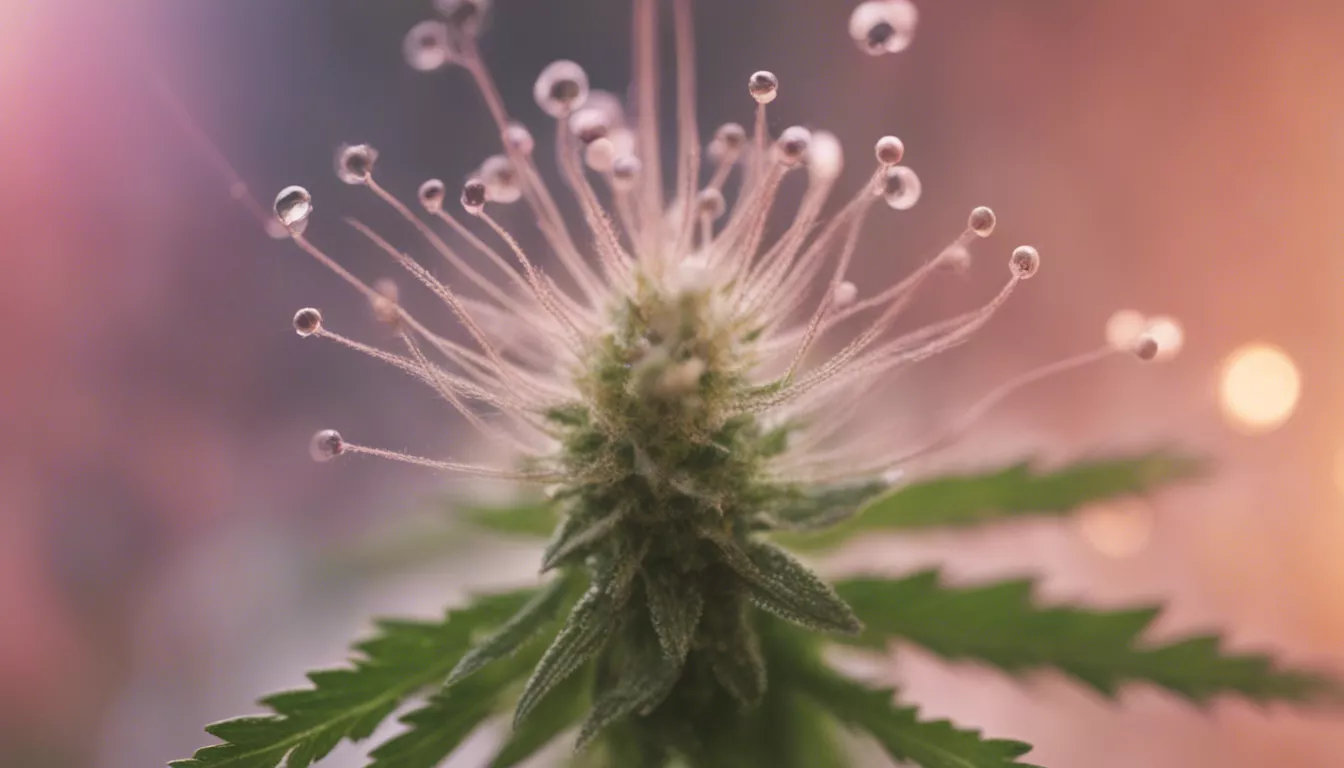
The anther represents a critical reproductive structure in cannabis biology, serving as the pollen-producing organ that distinguishes male plants and plays a fundamental role in sexual reproduction and genetic diversity. These small, typically yellow or cream-colored sacs develop at the tips of stamens within male cannabis flowers, containing millions of pollen grains that carry half the genetic information necessary for seed production. Understanding anther development, function, and identification is essential for cultivators, whether their goal is preventing pollination to produce seedless sinsemilla or carefully controlling breeding to develop new varieties.
The biological significance of anthers extends beyond simple pollen production to encompass complex developmental processes, environmental responses, and evolutionary adaptations that have shaped cannabis diversity over millennia. Anther development follows precise hormonal and genetic pathways, with timing critical for successful reproduction. The structure’s sensitivity to environmental stressors can trigger hermaphroditism, where female plants develop anthers, representing both a survival mechanism and a cultivation challenge that has significant implications for commercial production.
Contemporary cannabis cultivation’s relationship with anthers reflects the tension between natural reproductive biology and human agricultural objectives. While most commercial cultivation aims to eliminate anthers entirely to maximize cannabinoid production in unfertilized female flowers, breeding programs rely on careful anther selection and pollen collection to advance genetic development. This duality positions anther knowledge as fundamental to both preventing unwanted pollination and facilitating intentional genetic improvement in modern cannabis agriculture.
Anatomical development of cannabis anthers follows a precise timeline linked to photoperiod changes and plant maturity. Pre-flower formations appear at nodes 4-6 weeks into vegetative growth, with male plants typically showing sex earlier than females. Initial anther primordia emerge as tiny bumps that elongate into curved structures resembling small bananas. Mature anthers develop four locules (pollen sacs) separated by connective tissue. The tapetum layer provides nutrients for developing pollen. Dehiscence (opening) occurs through specialized stomium cells when pollen reaches maturity. This process typically takes 2-3 weeks from visible anther formation.
Pollen production within anthers represents massive reproductive potential, with individual anthers containing 350,000-500,000 pollen grains. Cannabis pollen measures 25-30 microns in diameter, featuring a smooth exine (outer wall) with three germination pores. Pollen remains viable for 3-5 days under natural conditions but can be preserved for months through proper storage. Each pollen grain contains the haploid genetic complement necessary for fertilization. Mature pollen exhibits characteristic yellow coloration from carotenoid pigments. Environmental conditions significantly affect pollen quantity and viability.
Release mechanisms ensure effective pollen dispersal for wind pollination. Anther dehiscence occurs primarily during low humidity conditions, typically morning hours. Hygroscopic movement of anther walls creates tension that splits the stomium. Pollen release follows circadian rhythms synchronized with optimal atmospheric conditions. Wind speeds of 10-15 mph effectively disperse cannabis pollen up to 3-5 miles. Electrostatic charges on pollen grains aid in adhesion to female stigmas. This efficient dispersal system explains cannabis’s success as a wind-pollinated species.
Visual identification of developing anthers requires understanding their progression through growth stages. Early male pre-flowers appear as small, round balls on tiny stems (pedicels) at nodes. These structures lack the white pistils characteristic of female pre-flowers. As development progresses, anthers elongate and often cluster in groups of 3-5. Mature anthers hang downward and develop visible seams indicating imminent dehiscence. Color transitions from green to yellowish-white signal pollen maturity. Shape variations exist between varieties, but the curved, banana-like form remains consistent.
Microscopic examination reveals detailed anther structure and development stages. 10-30x magnification clearly shows developing pollen sacs and surface features. Cross-sections reveal four distinct locules containing developing pollen. Cytological staining techniques visualize pollen development stages from microspore mother cells through mature pollen. Fluorescence microscopy can assess pollen viability using FDA (fluorescein diacetate) staining. Scanning electron microscopy reveals surface architecture and dehiscence mechanisms. These techniques support both cultivation management and breeding programs.
Timing considerations for anther identification vary with cultivation goals and environmental conditions. Indoor cultivation under 12/12 photoperiods typically shows sex within 7-14 days of flip. Outdoor plants reveal sex based on natural photoperiod changes, varying by latitude. Pre-flowers can appear during late vegetative growth, providing early sex identification. Environmental stressors may delay or accelerate anther development. Regular inspection every 2-3 days during early flowering prevents unwanted pollination. Digital photography aids in documenting and tracking anther development progression.
Sinsemilla production requires complete absence of anthers to prevent seed formation and maximize cannabinoid content. Pollinated female flowers divert energy from resin production to seed development, reducing overall potency by 30-50%. Even minimal pollination creates seeds that lower product quality and market value. THC production peaks in unfertilized flowers as plants continue attempting to attract pollen. Terpene profiles also differ between seeded and seedless cannabis. Commercial cultivation standards typically mandate zero tolerance for male plants or hermaphrodites.
Hermaphroditism presents complex challenges when female plants develop anthers under stress conditions. Environmental triggers include light interruption during dark periods, temperature extremes, nutrient imbalances, and physical damage. Genetic predisposition varies among varieties, with some showing higher hermaphroditic tendencies. Late-flowering “nanners” (sterile anthers) may appear on otherwise female plants. These structures can produce viable pollen despite their appearance on female plants. Early detection and removal prevent widespread pollination that could ruin entire crops.
Isolation protocols prevent unwanted pollen contamination in cultivation facilities. Physical separation of male plants by minimum 10 miles prevents most wind-borne contamination. Indoor facilities require separate HVAC systems for any breeding operations. HEPA filtration removes pollen from shared air handling. Positive pressure environments prevent pollen infiltration. Worker protocols include clothing changes and decontamination between areas. Temporal isolation through staggered flowering schedules provides additional protection. These measures ensure sinsemilla quality in commercial operations.
Pollen collection from selected anthers enables controlled breeding programs. Optimal collection occurs just before natural dehiscence when anthers show color change. Gentle tapping releases mature pollen onto collection surfaces. Glassine envelopes or parchment paper work well for collection. Immediate drying over desiccants preserves viability. Storage at -20°C with silica gel maintains viability for 6-12 months. Pollen quantity from single plants typically suffices for hundreds of crosses. Careful labeling and documentation ensure genetic tracking.
Selective breeding utilizes specific anther characteristics as selection criteria. Early-flowering males pass this trait to offspring. Pollen quantity indicates reproductive vigor. Anther clustering patterns may correlate with female flower structure in offspring. Resin production on male flowers suggests potential for high-THC offspring. Terpene profiles from male plants contribute to progeny aromatics. Stress testing reveals hermaphroditic tendencies before breeding. These selection criteria improve breeding program efficiency.
Controlled pollination techniques maximize breeding precision and efficiency. Individual branch isolation using parchment bags prevents unwanted contamination. Timed pollen application during peak female receptivity improves seed set. Dilution with flour allows even pollen distribution. Small brushes enable precise application to specific flowers. Labeled tags track pollination dates and pollen sources. Post-pollination isolation ensures pure seed development. These techniques produce hundreds of seeds from minimal pollen quantities.
Environmental optimization reduces hermaphroditic anther expression in female plants. Consistent 12-hour dark periods without interruption prevent stress responses. Temperature maintenance between 68-78°F minimizes thermal stress. Gradual nutrient transitions avoid shocking plants. Proper plant spacing reduces competition stress. Gentle handling during maintenance prevents physical damage. Stable pH and EC levels maintain plant health. These preventive measures significantly reduce hermaphroditism incidence.
Genetic selection for stability eliminates hermaphrodite-prone varieties from cultivation programs. Stress testing potential mother plants reveals genetic tendencies. Multiple generation observations confirm stability. Feminized seeds from stable parents reduce male occurrence. However, feminization processes may increase hermaphroditic tendency if improperly executed. Clone-only varieties proven stable over years provide reliability. Avoiding polyhybrid crosses of unknown stability prevents issues. Genetic testing services increasingly screen for hermaphroditic markers.
Monitoring protocols ensure early detection of unwanted anther development. Daily inspection during early flowering catches issues promptly. Systematic examination patterns ensure complete coverage. Digital photography documents suspicious structures for expert consultation. Training staff in identification prevents oversight. Immediate removal protocols minimize contamination risk. Quarantine procedures isolate suspicious plants. Documentation helps identify patterns and improve prevention strategies.
Biotechnology applications promise revolutionary approaches to anther manipulation and control. Gene editing could eliminate anther development in female plants entirely. Reversible male sterility would facilitate hybrid seed production. Marker-assisted selection identifies sex-linked traits earlier. Synthetic biology might create custom pollen for precise breeding. Cryopreservation extends pollen storage indefinitely. These technologies could transform both breeding and cultivation practices fundamentally.
Climate adaptation requires understanding anther responses to changing environmental conditions. Rising temperatures may alter pollen viability and dispersal patterns. Extreme weather events increase hermaphroditism risk. Shifting photoperiods affect flowering timing and synchronization. Drought stress triggers survival reproduction modes. Understanding these responses helps develop resilient varieties. Breeding programs must consider future climate scenarios in selection criteria.
The future of anther management in cannabis likely involves sophisticated integration of traditional knowledge with advanced technology. Automated detection systems using computer vision could identify anthers earlier than human observation. Precision breeding techniques will accelerate variety development while maintaining genetic diversity. Environmental control systems will prevent stress-induced hermaphroditism more effectively. As cannabis agriculture professionalizes globally, mastery of anther biology—whether for elimination in production or utilization in breeding—remains fundamental to achieving cultivation goals while respecting the plant’s natural reproductive strategies.

