
×
Remove product
Remove item from cart?

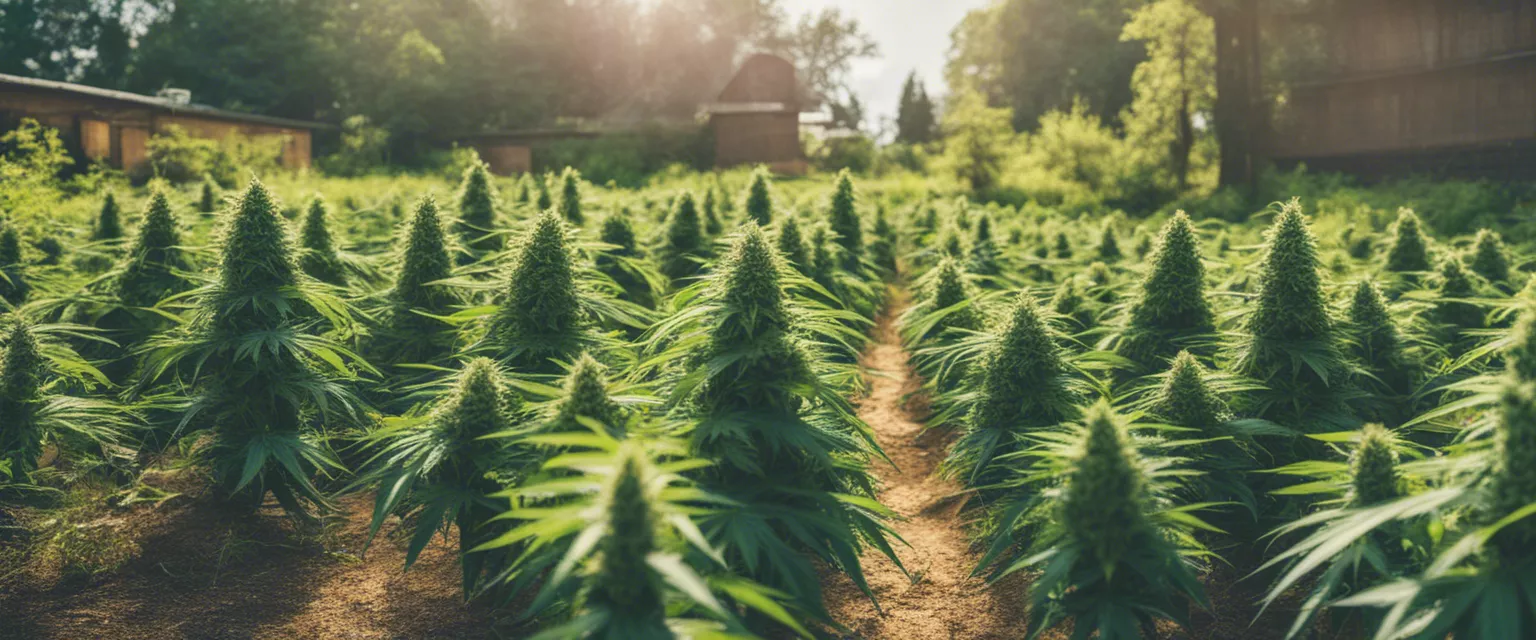
Outdoor cannabis cultivation represents the original and most natural method of growing cannabis, harnessing the sun’s energy, natural soil ecosystems, and seasonal cycles to produce flower that many consider superior in complexity, sustainability, and therapeutic effect despite indoor cultivation’s dominance in modern markets. This traditional approach, practiced for millennia across diverse climates and cultures, creates unique terroir-influenced products reflecting specific geographic locations, weather patterns, and soil compositions that cannot be replicated in controlled environments. The renaissance of outdoor growing in legal markets challenges prevailing assumptions about quality, demonstrating that carefully cultivated sun-grown cannabis can match or exceed indoor flower in potency while offering superior terpene complexity, lower environmental impact, and authentic expression of genetic potential.
The economics of outdoor cultivation provide compelling advantages over resource-intensive indoor operations, with dramatically lower startup costs, reduced energy consumption, and larger potential yields per plant creating opportunities for sustainable business models in competitive markets. Production costs for outdoor cannabis typically range from $100-400 per pound compared to $500-1500 for indoor cultivation, enabling competitive pricing while maintaining healthy margins even in oversupplied markets. The seasonal nature of outdoor harvests creates market dynamics with price fluctuations and storage requirements, though savvy operators leverage these cycles through strategic release timing and value-added processing. Understanding outdoor cultivation’s opportunities and challenges enables informed decisions about cultivation methods, purchasing preferences, and policy approaches supporting sustainable cannabis agriculture.
Contemporary outdoor cultivation combines traditional farming wisdom with modern agricultural science, employing sophisticated techniques including integrated pest management, precision irrigation, beneficial companion planting, and regenerative soil practices that produce exceptional cannabis while improving environmental outcomes. The stigma attached to outdoor cannabis as inferior “deps” or seeded flower reflects historical black market conditions rather than inherent limitations, with legal cultivation enabling quality-focused approaches previously impossible under prohibition. This evolution from hidden guerrilla grows to professional agricultural operations represents fundamental transformation in how cannabis is produced, perceived, and valued in legal markets increasingly recognizing outdoor cultivation’s essential role in sustainable industry development.
Solar radiation provides outdoor cannabis with full-spectrum illumination impossible to replicate artificially, delivering photosynthetically active radiation (PAR) exceeding 2000 μmol/m²/s during peak summer conditions while varying throughout days and seasons in ways that trigger natural plant responses. The sun’s spectrum includes ultraviolet wavelengths that stress plants into producing protective compounds including cannabinoids and terpenes, potentially explaining outdoor cannabis’s reputation for complex effects. Dynamic light conditions from weather variations, canopy shading, and seasonal progression create heterogeneous growing conditions within single plants, contributing to chemical diversity within individual flowers. The angle and intensity of sunlight changes promote different growth patterns than static indoor lighting, encouraging stronger stems and natural pest resistance. Understanding light’s role enables site selection and canopy management optimizing natural advantages.
Climate interactions profoundly influence outdoor cannabis development, with temperature fluctuations, humidity cycles, wind exposure, and precipitation patterns creating environmental stresses that shape plant morphology, chemical composition, and overall quality in ways controlled environments cannot duplicate. Diurnal temperature variations trigger anthocyanin production creating purple coloration while concentrating terpenes and cannabinoids, with cool nighttime temperatures particularly important for preserving volatile compounds. Wind exposure strengthens stems through mechanical stress while potentially dispersing pests and diseases, though excessive exposure can damage trichomes and reduce yields. Regional climate patterns create distinctive growing conditions, from California’s Mediterranean climate producing dense, resinous flowers to Hawaii’s tropical conditions yielding massive sativa-dominant plants. Microclimate management through site selection and modification optimizes local conditions.
Soil ecosystem complexity in outdoor cultivation creates living substrates where millions of microorganisms interact with plant roots, cycling nutrients, producing growth-promoting compounds, and protecting against pathogens through competitive exclusion and induced systemic resistance. Mycorrhizal fungi form symbiotic relationships with cannabis roots, extending nutrient uptake capacity while producing glomalin that improves soil structure and carbon sequestration. Bacterial communities fix atmospheric nitrogen, solubilize minerals, and produce antibiotics that suppress harmful organisms. This biological activity creates nutrient availability patterns impossible to replicate with synthetic fertilizers, potentially contributing to outdoor cannabis’s reported superior flavor and effect profiles. Building healthy soil ecosystems through organic amendments, cover cropping, and minimal tillage establishes self-sustaining fertility reducing input requirements over time.
Season extension methods enable outdoor cultivators to manipulate photoperiods and protect crops from adverse weather, with techniques ranging from simple blackout tarps triggering flowering to sophisticated greenhouse structures providing climate modification while maintaining natural light advantages. Light deprivation (“dep”) techniques involve covering plants to create artificial night lengths triggering flowering before natural photoperiod changes, enabling multiple harvests annually or avoiding adverse fall weather. Supplemental lighting extends vegetative growth periods or provides photosynthetic support during cloudy conditions without replacing solar radiation entirely. Protective structures including hoop houses, greenhouses, and retractable roof systems offer varying degrees of environmental control while maintaining outdoor cultivation’s cost advantages. These hybrid approaches blur distinctions between indoor and outdoor cultivation, creating spectrum of options optimizing for specific goals.
Integrated pest management (IPM) in outdoor settings leverages ecological principles to minimize pest damage while avoiding pesticide residues, employing beneficial insects, companion plants, physical barriers, and targeted organic interventions creating balanced agroecosystems. Predatory insects including ladybugs, lacewings, and parasitic wasps control aphids, mites, and caterpillars more effectively than broad-spectrum pesticides while avoiding resistance development. Companion plants like basil, marigolds, and yarrow repel pests or attract beneficials, creating polyculture systems more resilient than monocultures. Physical exclusion using row covers, screens, or bags prevents pest access during vulnerable periods. When interventions prove necessary, organic options like neem oil, Bacillus thuringiensis, and insecticidal soaps provide targeted control with minimal environmental impact. Successful IPM requires understanding pest life cycles and ecosystem dynamics.
Water management in outdoor cultivation balances natural precipitation with supplemental irrigation, requiring sophisticated approaches to conservation, quality monitoring, and regulatory compliance in regions facing drought restrictions or water rights complications. Drip irrigation systems deliver precise water amounts directly to root zones, reducing waste while minimizing foliar moisture that promotes disease. Mulching with organic materials conserves soil moisture, moderates temperature, and suppresses weeds while decomposing into beneficial organic matter. Rainwater harvesting through pond construction or tank storage provides irrigation reserves while reducing demand on municipal or well supplies. Water quality testing ensures appropriate pH, dissolved solids, and absence of contaminants that concentrate in final products. Regulatory compliance regarding water sources, usage reporting, and runoff management varies dramatically between jurisdictions, requiring careful attention to local requirements.
Terroir expression in outdoor cannabis parallels wine industry concepts, with specific combinations of climate, soil, elevation, and cultivation practices creating distinctive products that sophisticated consumers increasingly recognize and value for unique characteristics beyond simple potency metrics. Volcanic soils in Hawaii produce cannabis with distinctive mineral notes, while Emerald Triangle’s diverse microclimates yield products ranging from coastal fog-influenced varieties to high-elevation mountain-grown flowers with intense terpene expression. The interaction between genetics and environment creates phenotypic plasticity, with identical clones expressing differently across locations. Seasonal variations add vintage considerations, with exceptional years producing memorable harvests while challenging seasons test cultivator skills. This geographic and temporal specificity enables premium positioning for outdoor products that embrace rather than hide their origins.
Contamination risks in outdoor environments require vigilant monitoring and preventive measures addressing airborne pollutants, pest residues, and microbial loads that can compromise product safety without proper management throughout cultivation and post-harvest handling. Proximity to roads, industrial facilities, or conventional agriculture introduces heavy metals, pesticide drift, or other contaminants requiring buffer zones and testing protocols. Bird and rodent droppings present pathogen risks necessitating protective measures and careful inspection. Dust accumulation on flowers requires gentle washing techniques removing particles without damaging trichomes. Post-harvest handling becomes critical, with proper drying, curing, and storage preventing mold development that plagues improperly processed outdoor cannabis. Comprehensive testing for pesticides, heavy metals, and microbials ensures safety while building consumer confidence.
Market positioning of outdoor cannabis evolves from discount tier to premium sun-grown category as consumer education and producer marketing emphasize sustainability, terroir, and full-spectrum effects that distinguish carefully cultivated outdoor products from mass-produced indoor flowers. Appellations programs modeled on wine regions establish quality standards and geographic designations that protect regional reputations while educating consumers about distinctive characteristics. Direct-to-consumer sales through farm tours, on-site consumption lounges, and subscription models create connections between producers and consumers that commodity markets lack. Transparency about cultivation practices, including regenerative techniques and beneficial ownership, resonates with values-driven consumers. Premium outdoor brands command prices approaching indoor levels while maintaining cost advantages, demonstrating viable paths beyond race-to-bottom commodity competition.
Carbon footprint analysis reveals outdoor cultivation’s dramatic environmental advantages, with life-cycle assessments showing 75-90% lower greenhouse gas emissions compared to indoor operations when accounting for electricity consumption, HVAC requirements, and infrastructure materials. The sun provides approximately 180,000 terawatts of energy to Earth’s surface, dwarfing human energy production, yet indoor cultivation attempts to recreate this free resource using fossil fuel-derived electricity. Outdoor plants sequester carbon through photosynthesis while building soil organic matter that stores carbon long-term. Transportation emissions decrease when outdoor cultivation occurs near consumption markets rather than concentrating indoor production in specific regions. Regenerative outdoor practices can achieve carbon-negative production, actively removing atmospheric CO2 while producing cannabis. These environmental benefits gain importance as climate change intensifies and conscious consumers demand sustainable products.
Biodiversity conservation through outdoor cannabis cultivation creates habitat for beneficial organisms while potentially restoring degraded agricultural lands, contrasting sharply with sterile indoor environments that externalize ecological impacts to power generation facilities. Polyculture systems incorporating cannabis with food crops, medicinal herbs, and native plants support diverse insect populations including pollinators facing habitat loss elsewhere. Cover crops between cannabis seasons provide wildlife forage while improving soil health. Hedgerows and buffer zones create movement corridors for animals while providing ecosystem services. Water features for irrigation storage double as habitat for amphibians and aquatic insects. This integration of cannabis cultivation with broader landscape ecology demonstrates agriculture’s potential for environmental restoration rather than degradation.
Resource efficiency in outdoor systems extends beyond energy savings to include reduced plastic waste from indoor infrastructure, minimal HVAC equipment requiring eventual disposal, and opportunities for circular economy approaches using local organic amendments. Outdoor cultivation eliminates need for artificial substrates like rockwool or coco coir with associated production and disposal impacts. Plastic pot waste decreases when plants grow directly in soil or biodegradable containers. Nutrient cycling through composting and cover cropping reduces external input requirements while building soil fertility. Local sourcing of amendments like compost, mulch, and organic fertilizers supports regional circular economies. This systemic efficiency demonstrates how outdoor cultivation aligns with broader sustainability goals beyond simple energy calculations.

