
×
Remove product
Remove item from cart?

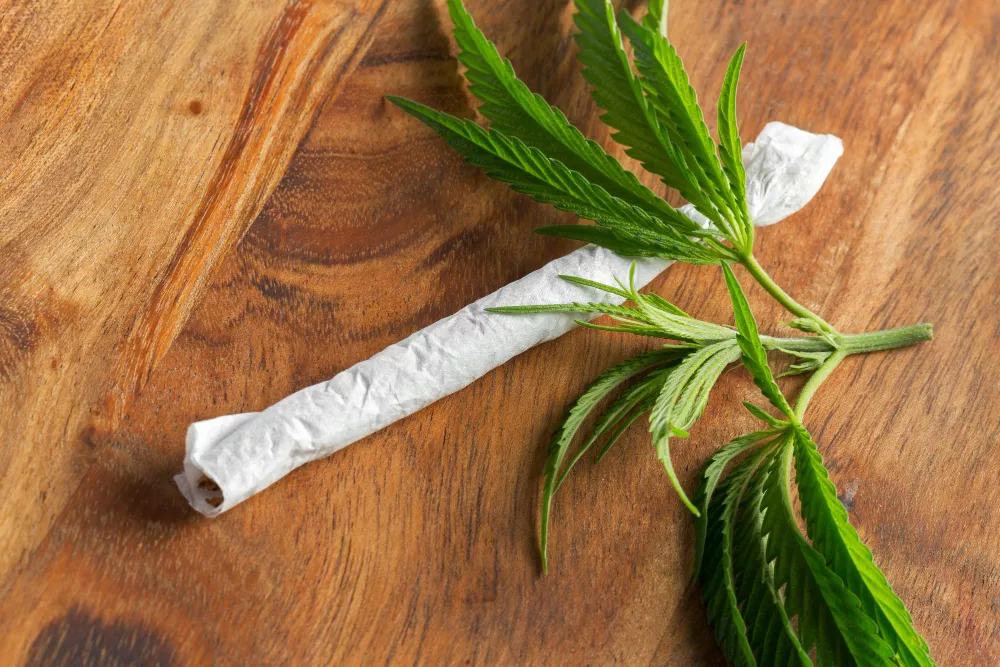
A pinner represents the minimalist approach to joint rolling, creating thin, tightly rolled cannabis cigarettes that prioritize conservation, discretion, and controlled dosing over the impressive size or social spectacle of larger joints. This humble yet practical format emerged from necessity during prohibition when cannabis scarcity and legal risks made every fragment precious, leading consumers to develop techniques maximizing enjoyment from minimal material. The term itself evokes the pin-like diameter of these joints, typically containing 0.25-0.5 grams of flower compared to standard joints holding 0.5-1.0 grams or party-sized cannons exceeding multiple grams.
The cultural significance of pinners extends beyond mere frugality to embody philosophical approaches to cannabis consumption that value moderation, mindfulness, and personal responsibility over excess and ostentation. In an era of high-potency cannabis where a few puffs can deliver substantial effects, pinners offer practical solutions for maintaining functional highs, managing tolerance, and avoiding the wasteful burning of large joints during solo sessions. The skill required to roll effective pinners – achieving even distribution and proper burn despite minimal material – represents a different mastery than impressive architectural joints, celebrating efficiency and precision over showmanship.
Contemporary cannabis culture’s relationship with pinners reflects broader tensions between traditional communal consumption rituals and evolving individual use patterns, with these modest joints serving specific niches in diversified consumption landscapes. Understanding pinner culture, techniques, and applications provides insights into cannabis microdosing, conservation ethics, and the evolution of consumption practices adapting to legalization, potency inflation, and changing social norms. The persistence of pinners despite abundant legal cannabis in many markets demonstrates their enduring utility beyond economic necessity, serving users who appreciate their unique benefits in appropriate contexts.
Historical emergence of pinner culture traces directly to cannabis prohibition’s economic pressures, where high prices and legal risks made conservation paramount, transforming necessity into virtue as consumers developed appreciation for minimal effective doses. During 1960s and 1970s counterculture movements, pinners enabled extended supplies when single ounces might cost week’s wages, with skilled rollers achieving remarkable efficiency extracting maximum sessions from minimal material. The practice spread through underground networks sharing conservation techniques, with regional variations emerging based on local cannabis availability and law enforcement intensity. Prison culture particularly refined pinner techniques where extreme scarcity made every speck valuable. These historical constraints created lasting cultural values around waste avoidance and mindful consumption persisting into legalization era.
Socioeconomic factors influencing pinner prevalence reveal complex relationships between cannabis access, economic status, and consumption patterns, with pinners serving different functions across demographic groups united by appreciation for their utility. Young consumers facing budget constraints embrace pinners for economic survival, stretching limited funds while maintaining regular consumption. Professionals preferring discrete, controlled doses choose pinners for workday functionality without impairment. Medical patients titrating specific doses find pinners enable precise control compared to unpredictable edibles or concentrated dabs. Elderly users with lower tolerances appreciate gentle effects from minimal material. This demographic diversity challenges stereotypes about pinners representing only poverty or stinginess, revealing sophisticated consumption strategies across user groups.
Regional variations in pinner culture reflect local cannabis economies, social norms, and consumption traditions, with certain areas developing distinctive approaches to minimal rolling that persist despite market changes. East Coast urban environments where indoor smoking faces challenges traditionally favor pinners for quick outdoor sessions minimizing exposure and odor. Rural areas with homegrown traditions may view pinners as wasteful given abundant harvests, preferring generous sharing culture. International contexts add complexity – European spliff culture naturally produces thinner joints through tobacco mixing, while pure cannabis pinners represent different tradition. Legal markets initially saw pinner decline as celebration of abundance encouraged larger consumption, but maturation brings renewed appreciation for moderation. These regional patterns illuminate how local contexts shape consumption practices beyond simple availability.
Material preparation for pinners requires different approaches than standard joints, with grinding consistency, moisture content, and distribution strategies optimized for minimal quantities demanding precision over casual assembly. Fine grinding proves essential for even burning in thin formats, but over-grinding creates powder that burns too quickly or falls through paper. Hand-breaking maintains ideal consistency for many pinner rollers, allowing tactile control over particle size. Moisture content becomes critical – too dry crumbles and burns harsh, too moist won’t stay lit in thin format. Even distribution along paper length prevents runs and canoeing more problematic in pinners lacking material buffer. Some rollers employ spreading tools ensuring consistent thickness, while others develop fingertip sensitivity achieving uniformity through practice.
Paper selection dramatically impacts pinner success, with thinner papers generally preferred for minimal material though requiring greater skill to manipulate without tearing during tight rolling necessary for structural integrity. Ultra-thin papers minimize paper-to-cannabis ratio improving flavor while reducing harshness, but demand gentle handling and perfect moisture balance. Hemp papers offer middle ground with durability and neutral taste. Pre-rolled cones poorly suit pinners, lacking taper control for thin formats. Paper width affects final diameter – standard 1.25″ papers work well, while wider papers create loose pinners unless expertly trimmed. Gumline quality matters more in pinners where minimal material provides less adhesion assistance. Advanced rollers experiment with inside-out techniques minimizing paper while maximizing cannabis exposure.
Rolling mechanics for pinners emphasize tightness and uniformity over size, with successful technique creating firm cylinders maintaining structure despite minimal material, burning evenly without runs or frequent relighting. The initial tuck proves most critical, establishing tight core that determines entire joint integrity – loose tucks create airy pinners that burn unevenly and waste material. Rolling pressure must stay consistent but gentle, compressing without crushing delicate trichomes. The finished pinner should feel firm like cigarette but spring back slightly when squeezed. Twisted ends require minimal paper given small diameter, with some preferring flat folds conserving paper. Quality control includes visual inspection for thin spots, gentle squeeze tests for consistency, and pre-light draw testing for appropriate resistance indicating proper pack.
Sharing etiquette around pinners diverges from traditional joint passing culture, with their minimal size creating different social dynamics requiring adapted protocols respecting both conservation intent and communal values. Personal pinner rolling for individual consumption eliminates sharing expectations, allowing users to control dosage and hygiene without social pressure. When sharing occurs, “puff-puff-pass” might reduce to single hits preserving limited material for complete rotation. Some groups roll multiple pinners enabling everyone personal joints, maintaining ritual while respecting individual preferences. The intimacy required for sharing tiny joints creates closer physical proximity potentially uncomfortable for casual acquaintances. These adapted protocols reflect changing attitudes toward communal consumption prioritizing personal space and hygiene accelerated by pandemic awareness.
Perception management regarding pinner use involves navigating potential judgments about economic status, cannabis enthusiasm, or social generosity, with users developing strategies addressing misconceptions while asserting consumption autonomy. Jokes about “baby joints” or assumptions of poverty require confident responses emphasizing intentional moderation rather than deprivation. Professional contexts appreciate pinner discretion though some interpret minimal consumption as lack of cannabis cultural authenticity. Medical framing helps legitimize conservative dosing for therapeutic rather than recreational purposes. Experienced users often educate others about potency inflation making pinners sensible for modern cannabis strengths. The key involves owning choices without defensiveness, recognizing pinner preference as valid consumption philosophy rather than compromise.
Generational differences in pinner attitudes reflect changing cannabis cultures, with older consumers remembering necessity-driven conservation contrasting younger users choosing pinners despite abundance, creating interesting intergenerational dialogues about consumption values. Boomer generation maintains waste-aversion from prohibition experiences, rolling pinners from habit even with ample supplies, viewing excess as disrespectful to plant and history. Generation X bridges scarcity and abundance, appreciating pinners pragmatically without emotional attachment. Millennials rediscovering pinners through wellness trends embrace mindful consumption aligning with broader lifestyle choices. Gen Z approaches pinners practically for solo sessions while maintaining generous social sharing, separating personal and communal consumption. These generational perspectives create rich discussions about cannabis relationships beyond simple consumption.
Microdosing applications position pinners perfectly for controlled cannabis experiences, with their inherent limitations becoming advantages for users seeking functional enhancement rather than intense intoxication. The 0.25-0.5 gram typical pinner delivers approximately 25-100mg THC depending on flower potency, allowing single-digit milligram dosing through partial consumption impossible with larger formats. Duration control improves as pinners extinguish naturally when released, unlike larger joints continuing to burn. The ritual aspects of rolling and smoking provide psychological satisfaction missing from measured tincture drops or counted edible squares. Consistency challenges remain as flower potency varies, but experienced users develop intuitive sense for effects from visual and aromatic cues. This positions pinners as accessible entry to cannabis microdosing without specialized products or equipment.
Environmental considerations increasingly favor pinners as cannabis industry confronts sustainability challenges, with minimal consumption reducing agricultural demands, processing waste, and packaging requirements compared to pre-roll excess. Water usage for cannabis cultivation ranges 1-6 gallons per gram of flower, making conservation through pinners environmentally significant at scale. Energy expenditure for indoor growing makes each gram precious from carbon perspective. Packaging waste from single pre-rolls dwarfs pinner material needs. The slow-burn culture of savoring pinners contrasts disposable mentality of abundant markets. Home growing enthusiasts particularly appreciate stretching harvests through conservative consumption. These environmental arguments add ethical dimensions to pinner preference beyond personal benefits, aligning cannabis consumption with broader sustainability values.
Market opportunities for pinner-focused products remain largely unexplored as industry fixates on potency and size, potentially missing consumers preferring moderation who feel excluded by current offerings emphasizing excess. Pre-rolled pinner packs could serve microdosing market with consistent weights and potencies. Pinner-specific papers and filters optimized for thin formats might improve experience. Accessories like spreading tools and specialized holders address unique needs. Marketing messaging celebrating moderation over excess could resonate with health-conscious consumers. Strain development for enhanced effects at lower doses suits pinner consumption. Social consumption lounges might offer pinner menus for sampling varieties without overindulgence. These opportunities await entrepreneurs recognizing underserved moderate consumption market segments.

