
×
Remove product
Remove item from cart?
Sold & Shipped by: BIRCH+FOG
-
×
 $14.00

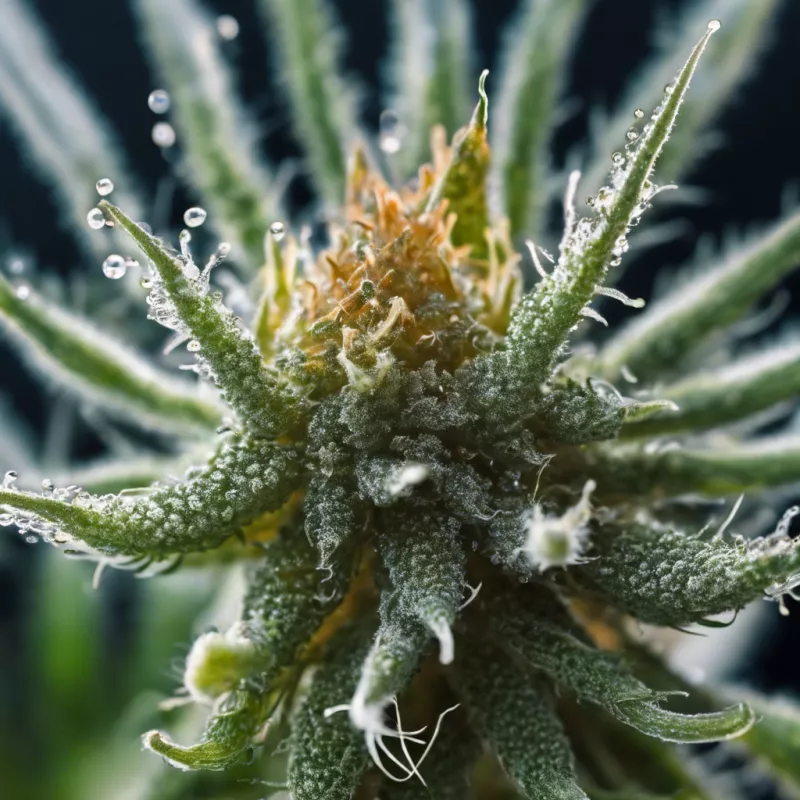
Trichomes represent the microscopic resin glands covering cannabis flowers and leaves, serving as the primary production sites for cannabinoids, terpenes, and other bioactive compounds that define the plant’s therapeutic and psychoactive properties. These mushroom-shaped structures appear as a crystalline coating to the naked eye, creating the frosty appearance prized by cultivators and consumers as an indicator of potency and quality. Understanding trichome biology revolutionizes cultivation practices, harvest timing, and processing methods as these tiny factories contain virtually all compounds of interest in cannabis.
The evolutionary development of trichomes serves multiple protective functions for cannabis plants, deterring herbivores through bitter compounds, protecting against UV radiation, and reducing water loss in arid environments. Modern cannabis breeding has selected for increased trichome density and size, dramatically elevating resin production compared to wild populations. Advanced microscopy reveals the complex internal structure of these glands, where specialized cells synthesize and store cannabinoids in a delicate balance that can be disrupted by environmental stress or improper handling.
Commercial significance of trichomes extends throughout the cannabis industry, from cultivation practices maximizing production to processing technologies isolating these structures for concentrate manufacturing. Quality assessment relies heavily on trichome inspection, with mature, intact glands indicating optimal harvest timing and proper post-harvest handling. The fragility of trichomes influences every aspect of cannabis production, as mechanical damage releases volatile compounds and degrades product quality, making gentle handling essential from cultivation through consumption.
Defensive mechanisms of trichomes evolved as sophisticated chemical warfare protecting cannabis plants from various environmental threats through production of deterrent compounds. Cannabinoids like THC and CBD create bitter tastes discouraging herbivore feeding while potentially causing intoxication in mammals disrupting foraging behavior. Terpenes including limonene and pinene exhibit insecticidal properties repelling common cannabis pests without harming beneficial insects. Phenolic compounds provide antimicrobial activity preventing fungal and bacterial colonization on leaf surfaces. UV-B radiation triggers increased trichome density and cannabinoid production suggesting photoprotective functions. Sticky resin physically traps small insects preventing them from reaching plant tissues. These multilayered defenses demonstrate evolutionary pressure creating complex chemical arsenals. Understanding natural functions guides cultivation practices working with rather than against plant biology. Research continues revealing sophisticated interactions between trichomes and environment.
Biosynthetic pathways within trichomes represent highly specialized cellular machinery dedicated to secondary metabolite production through coordinated enzymatic processes. Geranyl pyrophosphate and olivetolic acid converge forming cannabigerolic acid (CBGA), the precursor to all cannabinoids. Enzyme synthases including THCA synthase and CBDA synthase convert CBGA into specific cannabinoids based on genetic expression. Terpene synthesis occurs simultaneously through methylerythritol phosphate (MEP) pathway producing diverse aromatic profiles. Flavonoid production adds additional bioactive compounds contributing to entourage effects. Cellular compartmentalization separates reactive precursors preventing premature reactions. Energy demands for resin production require significant photosynthetic capacity. Nutrient availability directly impacts biosynthetic rates with deficiencies reducing yields. Temperature and humidity affect enzyme activity optimizing specific compound ratios. These pathways represent millions of years of evolution fine-tuned for chemical defense.
Genetic regulation of trichome development involves complex interactions between transcription factors, hormones, and environmental signals determining density, size, and chemical profiles. MIXTA-like MYB transcription factors control trichome initiation on epidermal cells with expression levels correlating to final density. Phytohormones including jasmonic acid and gibberellins modulate trichome development responding to stress signals. Flowering triggers dramatic increases in glandular trichome production coinciding with reproductive vulnerability. Strain-specific genetic variations create diverse trichome phenotypes from dense coverage to sparse distribution. Epigenetic factors influenced by cultivation conditions affect gene expression without changing DNA sequences. QTL mapping identifies chromosome regions controlling trichome traits enabling marker-assisted breeding. CRISPR technology enables precise modifications of trichome-related genes. Understanding genetic control enables targeted breeding for desired trichome characteristics. Future cultivars may feature engineered trichomes optimized for specific compound production.
Morphological classifications distinguish three primary trichome types on cannabis plants, each serving distinct functions with varying cannabinoid production capacities. Capitate-stalked trichomes measuring 50-500 micrometers represent the largest type, featuring bulbous heads on multicellular stalks containing highest cannabinoid concentrations. Capitate-sessile trichomes lack prominent stalks, sitting directly on leaf surfaces with moderate resin production throughout vegetative and flowering stages. Bulbous trichomes measuring 10-30 micrometers appear earliest in development but contribute minimally to overall cannabinoid yield. Non-glandular trichomes provide physical defense without resin production, creating protective layers especially on stems and petioles. Distribution patterns vary by plant part with highest glandular densities on female flower bracts and sugar leaves. Strain genetics dramatically influence type ratios affecting overall resin yields. Advanced imaging reveals subcellular structures within each type. Understanding morphology guides harvest and processing decisions maximizing desired compounds.
Developmental stages of trichomes follow predictable patterns from initiation through maturation, providing visual indicators for optimal harvest timing based on chemical composition. Early development shows clear, glassy appearance as cells differentiate and begin cannabinoid synthesis with minimal accumulation. Cloudy or milky appearance indicates peak THC content as resin glands fill with cannabinoids creating light diffraction. Amber coloration develops as THC oxidizes to CBN, shifting psychoactive effects toward sedation. Mixed ratios of clear, cloudy, and amber trichomes allow customized harvest timing for specific effect profiles. Environmental stresses can accelerate or delay maturation affecting final quality. Microscopic examination at 30-60x magnification enables accurate assessment beyond naked eye observation. Digital microscopy allows documentation of development progression. Harvest windows typically span 1-2 weeks requiring daily monitoring. Understanding development ensures harvesting at intended chemical profiles.
Environmental influences on trichome production demonstrate plant plasticity responding to cultivation conditions through modified density, size, and chemical composition. Light spectrum particularly UV-B radiation stimulates increased trichome density and cannabinoid content as photoprotective response. Temperature fluctuations between day and night enhance resin production with optimal differentials of 10-15°F. Moderate drought stress during late flowering triggers defensive trichome production without reducing yields. Air circulation prevents stagnant boundary layers allowing optimal gas exchange for biosynthesis. Humidity control below 50% during flowering reduces fungal risks while maintaining trichome integrity. Nutrient ratios especially phosphorus and potassium availability directly impact resin production. CO2 enrichment provides carbon building blocks for enhanced terpene synthesis. Mechanical stress through gentle stem bending may increase localized trichome density. These environmental tools allow cultivators to optimize trichome expression within genetic limits.
Nutrient strategies for maximizing trichome production require precise timing and ratios supporting intensive biosynthetic demands during peak resin development. Phosphorus availability during early flowering promotes trichome initiation with optimal levels between 50-80 ppm in solution. Potassium supports enzyme function and cellular transport with increased demands during resin production requiring 150-200 ppm. Sulfur contributes to terpene synthesis and should maintain 60-80 ppm throughout flowering. Calcium strengthens cell walls supporting heavy resin loads preventing structural collapse. Magnesium centers in chlorophyll molecules fuel photosynthesis providing energy for biosynthesis. Micronutrients including boron, zinc, and manganese serve as enzyme cofactors in specific pathways. Organic amendments like bat guano provide slow-release nutrition supporting sustained production. Foliar feeding bypasses root uptake during peak demand periods. Flushing practices remain controversial with some claiming improved flavor through nutrient depletion. Precision feeding optimizes quality while minimizing waste and environmental impact.
Light manipulation techniques exploit trichome photobiology maximizing resin production through spectrum, intensity, and photoperiod optimization. Full spectrum LED technology allows customized wavelength delivery with UV-B supplementation (280-315nm) significantly increasing THC content. Light intensity between 800-1000 PPFD during flowering provides optimal photosynthetic rates supporting resin production without causing photobleaching. Gradual intensity increases mimic natural seasonal progression preventing shock while building plant capacity. Extended dark periods (24-72 hours) before harvest may increase resin production through stress response. Far-red spectrum manipulation influences phytochrome signaling affecting trichome density. Light movers ensure even coverage preventing hot spots that degrade trichomes. Reflective materials maximize photon capture efficiency. Daily light integral (DLI) calculations optimize energy use while meeting plant requirements. These techniques push genetic potential through environmental optimization.
Stress induction protocols carefully apply controlled stressors enhancing defensive trichome production without compromising overall plant health or yield. Systematic drought stress reducing irrigation 20-30% during late flowering triggers resin production while monitoring for excessive wilting. Temperature drops during dark periods mimicking autumn conditions signal increased trichome maturation. Stem splitting or girdling creates localized stress potentially increasing nearby trichome density though results remain inconsistent. Ice water flushes shock root systems potentially triggering defensive responses. Darkness periods extending normal photoperiods stress plants into protective mode. UV-C exposure requires extreme caution providing hormetic stress at precise doses. Mechanical vibration simulating wind stress may increase stem strength and trichome anchoring. Biological elicitors including chitosan trigger systemic acquired resistance. These techniques require careful monitoring preventing yield losses while enhancing quality.
Harvest timing optimization based on trichome analysis represents critical decision-making directly impacting final product quality and effect profiles. Digital microscopy at 60-100x magnification provides detailed assessment of glandular trichome maturity across multiple plant locations. Sampling protocols examine primary colas, secondary branches, and lower flowers accounting for maturation variations. Clear trichomes indicate immature resin with energetic effects but lower potency. Cloudy trichomes signify peak THC accumulation providing balanced psychoactive effects. Amber trichomes contain oxidized THC converting to CBN creating sedative properties. Harvest timing balances desired ratios typically targeting 70% cloudy, 20% amber, 10% clear for balanced effects. Environmental conditions during harvest window affect maturation speed requiring frequent monitoring. Morning harvests capture peak terpene content before daily volatilization. Selective harvesting allows optimal timing for different plant sections. These decisions fundamentally determine product characteristics.
Post-harvest handling practices preserve trichome integrity from harvest through curing, as mechanical damage releases volatile compounds degrading quality. Wet trimming immediately after harvest risks trichome loss through handling but prevents moisture pockets during drying. Dry trimming after initial moisture reduction preserves more trichomes but requires careful environmental control. Hanging whole plants maintains natural shape minimizing contact damage during drying. Temperature control between 60-70°F with 45-55% humidity optimizes drying preserving terpenes. Darkness prevents cannabinoid degradation from light exposure. Gentle air circulation avoids direct airflow stripping volatile compounds. Curing in airtight containers with daily burping develops complex flavors while maintaining trichome structure. Freeze drying technology rapidly preserves trichomes for premium products. Automated handling systems reduce human contact preserving quality. These practices maximize retained value from field to final product.
Processing technologies for trichome isolation evolved from traditional sieving methods to sophisticated extraction systems capturing full spectrum compounds. Dry sift techniques use progressive mesh screens isolating intact trichome heads through gentle agitation. Ice water extraction leverages temperature brittleness and density differences separating trichomes from plant material. Rosin pressing applies heat and pressure rupturing trichomes releasing pure resin without solvents. Hydrocarbon extraction dissolves trichomes completely enabling full spectrum recovery through careful purging. CO2 extraction offers tunable parameters selecting specific compounds through pressure and temperature control. Ultrasonic-assisted extraction accelerates trichome removal reducing processing time. Centrifugal separation isolates trichomes using density gradients. Steam distillation captures volatile terpenes before further processing. Quality assessment uses microscopy confirming intact gland preservation. These technologies transform raw trichomes into diverse concentrate products.

