
×
Remove product
Remove item from cart?

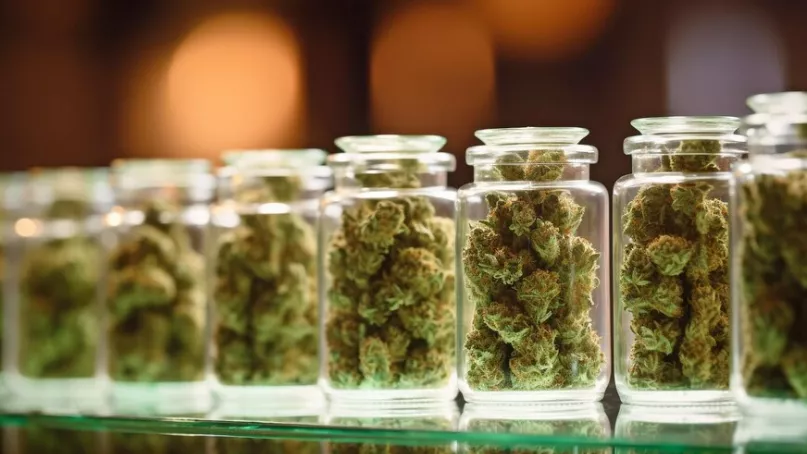
A dispensary represents a licensed retail establishment authorized to sell cannabis and cannabis products to qualified consumers, serving as the primary legal access point between cultivators, manufacturers, and end users in regulated markets. These specialized retail environments evolved from medical cannabis collectives into sophisticated businesses combining aspects of pharmacies, specialty retail stores, and wellness centers while operating under strict regulatory oversight. Modern dispensaries range from clinical medical-focused facilities to boutique recreational shops, each designed to provide safe, legal access to tested cannabis products while educating consumers and ensuring compliance with complex state and local regulations.
The operational complexity of dispensaries extends far beyond simple retail transactions, encompassing inventory tracking from seed-to-sale, staff training on products and regulations, security protocols exceeding bank standards, and customer verification systems ensuring legal compliance. These businesses must navigate constantly evolving regulations, taxation structures often exceeding 30%, banking restrictions due to federal prohibition, and community relations in markets where cannabis acceptance varies widely. Successful dispensaries balance profitability with social responsibility, often serving as the public face of cannabis legalization and bearing responsibility for changing perceptions through professional operations.
Contemporary significance of dispensaries in the cannabis ecosystem cannot be overstated as they generate the majority of legal cannabis revenue, employ hundreds of thousands of workers, and shape consumer behavior through product curation and education. These establishments drive industry standards through purchasing decisions, influencing everything from cultivation practices to packaging innovations as brands compete for limited shelf space. The dispensary model continues evolving with delivery services, consumption lounges, and integrated wellness centers expanding beyond traditional retail. Understanding dispensary operations, challenges, and trends proves essential for anyone participating in legal cannabis markets, as these businesses serve as the critical junction where regulatory compliance, consumer demand, and industry innovation converge to shape the future of cannabis commerce.
Medical dispensaries operate under healthcare-focused frameworks prioritizing patient needs, often requiring doctor recommendations, patient registration, and specialized staff training on therapeutic applications. These facilities typically maintain clinical aesthetics with consultation areas for discussing medical conditions and appropriate cannabis therapies. Product selection emphasizes consistent, high-CBD options, tinctures, and alternative delivery methods suitable for patients with varying conditions. Staff undergo extensive training on cannabinoid science, drug interactions, and dosing guidance. Many medical dispensaries maintain relationships with physicians and integrate with healthcare providers. Pricing often reflects compassionate care programs offering discounts to low-income patients. Regulatory requirements typically include detailed patient tracking, condition reporting, and stricter advertising limitations than recreational markets.
Recreational dispensaries serve adult-use markets focusing on experience, variety, and lifestyle integration while maintaining regulatory compliance for 21+ consumers. These establishments often emphasize aesthetic design creating welcoming environments that destigmatize cannabis use through upscale retail experiences. Product ranges span from value offerings to premium craft cannabis, with emphasis on potency, flavor profiles, and brand stories. Staff education focuses on effects, consumption methods, and responsible use rather than medical applications. Marketing freedoms allow lifestyle branding though restrictions remain on youth-oriented messaging. Taxation structures significantly impact pricing with some markets adding 40%+ to wholesale costs. Competition drives innovation in customer experience, loyalty programs, and product curation strategies differentiating retailers.
Hybrid models combining medical and recreational sales under one roof create operational complexities but capture broader market segments in states permitting both programs. These dual-license operations typically segregate inventory systems, maintain separate entrances or areas, and train staff on both medical guidance and recreational sales. Tax advantages for medical patients require careful transaction separation and reporting. Product overlap exists but medical sides often stock higher-potency options or specific formulations unavailable recreationally. Compliance challenges multiply with two regulatory frameworks requiring different record-keeping, advertising restrictions, and product handling protocols. However, operational efficiencies and market coverage often justify additional complexity. Evolution toward hybrid models reflects market maturation and consumer demand for access options.
Licensing requirements for dispensaries create significant barriers to entry through extensive application processes, background checks, financial requirements, and ongoing compliance obligations. Application fees range from thousands to hundreds of thousands depending on market competitiveness and license type. Financial scrutiny includes source-of-funds verification, tax compliance history, and demonstration of adequate capitalization. Background investigations extend to all owners, investors, and key employees, often disqualifying those with certain criminal histories. Local approval requirements add layers of complexity with conditional use permits, community meetings, and distance restrictions from schools or churches. Many jurisdictions limit license numbers creating valuable assets worth millions. Ongoing compliance includes regular renewals, inspections, and reporting requirements. These stringent requirements aim to ensure responsible operators while preventing illegal market participation.
Compliance protocols within dispensaries encompass extensive standard operating procedures covering every aspect from receiving inventory to waste disposal under regulatory scrutiny. Seed-to-sale tracking systems monitor each product unit through supply chains using state-mandated software platforms. Security requirements include comprehensive camera coverage, alarm systems, safes, and limited access areas exceeding typical retail standards. Employee training documentation proves completion of state-required education on regulations, responsible sales, and diversion prevention. Quality control protocols ensure only tested, compliant products reach consumers with proper labeling and packaging. Financial compliance includes detailed reporting, tax payments, and cash management procedures addressing banking limitations. Regular audits verify adherence with violations risking license suspension or revocation. This regulatory burden requires dedicated compliance staff and significant operational investment.
Taxation structures for dispensaries create unique challenges with multiple tax layers often making cannabis the highest-taxed consumer product in legal markets. State excise taxes range from 10-37% on retail sales, applied atop standard sales taxes reaching combined rates exceeding 40%. Some jurisdictions add local cannabis taxes further increasing consumer costs. Federal 280E tax code prevents standard business deductions for cannabis operations, effectively taxing gross profits rather than net income. This federal burden can double effective tax rates compared to other retailers. Complex tracking requirements ensure proper tax collection and remittance across multiple agencies. High taxation impacts pricing competitiveness with illegal markets while generating billions in government revenue. Understanding and managing tax obligations proves critical for dispensary profitability and sustainability.
Seed-to-sale tracking systems form the technological backbone of dispensary operations, monitoring cannabis products from cultivation through final sale using state-mandated platforms like METRC, BioTrack, or Leaf Data Systems. Every product receives unique identifiers tracked through each transfer, processing step, and transaction creating comprehensive chain-of-custody records. Integration challenges arise connecting point-of-sale systems, inventory management software, and state tracking platforms requiring specialized cannabis technology solutions. Real-time reporting obligations mean system failures can halt operations until resolved. Data accuracy proves critical as discrepancies trigger compliance investigations. These systems generate massive datasets enabling market analysis but also creating privacy concerns. Training staff on proper tracking procedures prevents costly mistakes. Investment in robust technology infrastructure and ongoing support proves essential for smooth operations.
Product selection strategies balance consumer demand, shelf space limitations, vendor relationships, and margin optimization requiring sophisticated category management approaches. Flower typically represents 40-50% of sales but lower margins than manufactured products. Buyers analyze sales velocity, customer demographics, and market trends determining optimal product mix. Vendor negotiations consider quality consistency, delivery reliability, and payment terms within cash-heavy markets. New product introductions require careful testing and staff education. Seasonal adjustments address tourism patterns and local preferences. Premium positioning versus value pricing strategies depend on market competition and target demographics. Data analytics guide decisions but buyer expertise remains crucial for identifying emerging trends. Successful curation creates destination dispensaries known for specific strengths whether craft flower, extensive edibles, or expert staff knowledge.
Supply chain relationships in cannabis differ from traditional retail due to regulatory restrictions, payment challenges, and quality variability requiring careful vendor management. Direct relationships with cultivators ensure product freshness and quality transparency though regulatory requirements may mandate distributor involvement. Payment terms remain predominantly cash-on-delivery creating security risks and operational inefficiencies. Quality fluctuations from biological production require flexible ordering accommodating crop failures or unexpected availability. Exclusive partnerships provide differentiation but risk supply disruptions. Vendor diversification balances reliability with relationship building. Social equity programs may prioritize certain suppliers supporting industry diversity goals. Building trust through consistent ordering and prompt payment creates advantages in competitive wholesale markets. These relationships ultimately determine product availability and quality defining dispensary success.
Budtender expertise serves as the cornerstone of dispensary customer experience, requiring extensive knowledge spanning product types, effects, dosing, and consumption methods. Comprehensive training programs cover cannabinoid science, terpene effects, extraction methods, and product manufacturing ensuring staff can guide diverse customer needs. Ongoing education addresses new products, changing regulations, and emerging research maintaining current knowledge. Consultation skills development helps staff navigate sensitive medical discussions or recommend appropriate products for cannabis newcomers. Many dispensaries incentivize continued education through certification programs or knowledge-based compensation structures. Mystery shopping programs assess consultation quality ensuring consistent experiences. Investment in budtender development directly correlates with customer satisfaction and sales performance as knowledgeable staff build trust and loyalty. This educational role distinguishes cannabis retail from traditional commerce.
Customer education initiatives extend beyond individual consultations to structured programs building cannabis literacy and promoting responsible consumption. New consumer orientations introduce basics of dosing, onset times, and different product categories preventing overwhelming first-time visitors. Educational events featuring vendor presentations or condition-specific workshops create community connections while driving sales. Digital resources including blogs, videos, and dosing calculators provide ongoing support between visits. Printed materials address common questions and safety considerations. Some dispensaries offer formal classes on topics like cooking with cannabis or understanding lab results. Partnerships with healthcare providers facilitate medical cannabis education. These programs position dispensaries as trusted resources rather than simple retailers, building long-term relationships while promoting industry legitimacy through responsible practices.
Product information systems within dispensaries must convey complex details about potency, effects, and origins while remaining accessible to diverse consumer knowledge levels. Digital menu boards display real-time inventory with testing results, prices, and basic descriptions. Tablet-based systems allow deeper exploration of product details, reviews, and recommendations. QR codes link to expanded information addressing packaging limitations. Standardized symbols indicate effect profiles helping consumers navigate selections efficiently. Lab results require interpretation assistance distinguishing important metrics from technical details. Origin stories and cultivation methods appeal to craft-conscious consumers. Proper labeling ensures regulatory compliance while serving educational purposes. Balancing comprehensive information with avoiding overwhelming choice paralysis challenges display strategies. Successful systems layer information accessibility from basic effect categories to detailed terpene profiles satisfying varying consumer sophistication.

