
×
Remove product
Remove item from cart?

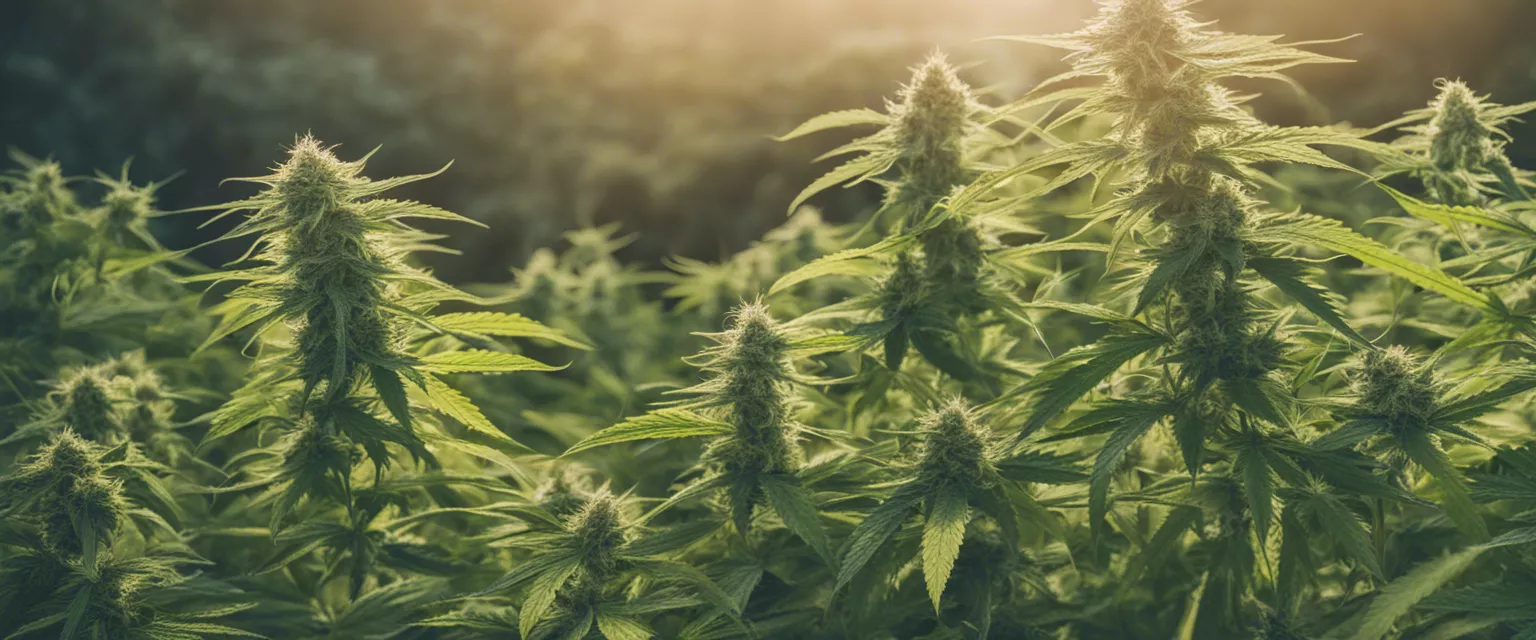
Sun-grown cannabis represents the original and most natural cultivation method, harnessing the sun’s full spectrum radiation to produce plants in harmony with seasonal cycles and local environments. This traditional approach, practiced for millennia before indoor cultivation became possible, creates unique chemical profiles and morphological characteristics that many consider superior to artificial lighting. The resurgence of interest in sun-grown cannabis reflects broader movements toward sustainable agriculture, terroir-driven products, and authentic consumption experiences that connect users with the plant’s agricultural roots rather than industrial production.
The distinction between sun-grown and indoor cannabis extends beyond simple cultivation methods to encompass fundamental differences in plant metabolism, terpene development, and cannabinoid expression influenced by natural light’s varying intensity and spectrum throughout the day and season. Sun-grown plants develop under constantly changing conditions that stress and strengthen them differently than climate-controlled environments, potentially creating more complex and robust chemical profiles. The natural UV exposure, temperature fluctuations, and interaction with local microbiology create characteristics impossible to replicate indoors, leading many connoisseurs to prefer sun-grown flower‘s nuanced effects and flavors.
Contemporary sun-grown cultivation combines traditional wisdom with modern techniques, utilizing greenhouses, light deprivation, and integrated pest management to optimize natural growing while meeting commercial quality standards. As the cannabis industry grapples with massive energy consumption from indoor cultivation, sun-grown methods offer sustainable alternatives that reduce carbon footprints while potentially producing superior products. Understanding sun-grown cannabis requires examining agricultural practices, quality indicators, market dynamics, and environmental considerations that position this ancient method as a crucial component of the industry’s sustainable future.
Photoperiod manipulation in sun-grown cultivation relies on natural seasonal changes or artificial light deprivation techniques to trigger flowering, requiring deep understanding of local climate patterns and cannabis photoperiodism. Outdoor growers in temperate regions depend on diminishing daylight hours after summer solstice to initiate flowering naturally. Light deprivation greenhouses use blackout curtains to simulate shorter days, enabling multiple harvests annually. Tropical and equatorial cultivation faces challenges with minimal photoperiod variation requiring careful strain selection. Auto-flowering varieties bypass photoperiod requirements but sacrifice yield potential. Supplemental lighting extends vegetative growth periods maximizing plant size before flowering. Geographic latitude determines viable cultivation windows and strain compatibility. Climate change affects traditional photoperiod patterns challenging established growing calendars. Understanding local light patterns enables optimal planting schedules maximizing both vegetative growth and flowering duration within seasonal constraints.
Soil ecosystem development in sun-grown operations creates living substrates supporting complex microbial communities that enhance nutrient cycling, disease resistance, and unique terroir expression. Native soil incorporation introduces regional microorganisms contributing to distinctive characteristics. Mycorrhizal fungi networks connect plants with surrounding ecosystems improving nutrient uptake and stress resistance. Beneficial bacteria fix nitrogen and solubilize minerals reducing fertilizer requirements. Organic matter additions feed soil life while improving structure and water retention. Cover cropping between seasons maintains soil biology and prevents erosion. Minimal tillage practices preserve fungal networks and soil structure. Composting operations recycle cannabis waste into soil amendments. Water management considers both plant needs and soil organism health. This living soil approach contrasts sharply with sterile indoor media requiring constant synthetic inputs.
Integrated pest management for sun-grown cannabis balances natural predator populations, physical barriers, and targeted organic interventions minimizing chemical inputs while maintaining crop health. Beneficial insect habitat encourages predatory species controlling pest populations naturally. Companion planting with aromatic herbs deters specific pests while attracting beneficials. Physical exclusions like row covers prevent pest establishment during vulnerable growth stages. Pheromone traps monitor and disrupt pest mating cycles. Botanical pesticides from neem, pyrethrum, and essential oils provide intervention options. Resistance breeding selects genetics naturally deterring regional pests. Crop rotation breaks pest life cycles reducing population buildups. Weather monitoring enables preventive treatments before conditions favor disease. This ecological approach produces cleaner products while supporting environmental health.
Terpene complexity in sun-grown cannabis often exceeds indoor alternatives due to dynamic environmental conditions stimulating diverse metabolic pathways throughout growth cycles. Diurnal temperature variations stress plants differently than constant indoor conditions, triggering protective terpene production. UV radiation exposure increases specific terpene synthesis as natural sunscreen mechanisms. Wind movement causes micro-wounds stimulating defensive compound production. Natural pest pressures activate terpene-based defense responses. Seasonal progression creates evolving terpene profiles as plants respond to changing conditions. Soil microbiome interactions influence terpene expression through complex signaling. Morning dew and natural humidity cycles affect volatile retention differently than controlled environments. Testing frequently shows broader terpene diversity in sun-grown samples versus simplified indoor profiles. These complex interactions produce nuanced aromatic profiles valued by connoisseurs.
Cannabinoid expression patterns in sun-grown plants reflect responses to natural stressors and full-spectrum sunlight creating potentially different therapeutic profiles than indoor cultivation. UV-B radiation specifically increases THC production as plants protect themselves from radiation damage. Natural light’s red:far-red ratios influence cannabinoid synthesis differently than artificial spectra. Temperature stress during critical periods can enhance minor cannabinoid production. Drought stress timing affects cannabinoid concentrations and ratios. Natural light intensity variations create gradients within plants unlike uniform indoor lighting. Seasonal changes influence cannabinoid acid stability and decarboxylation rates. Some research suggests sun-grown cannabis produces higher CBD:THC ratios naturally. THCV and other minor cannabinoids may express more readily under natural conditions. These differences potentially create distinct therapeutic profiles worthy of specific medical investigation.
Morphological distinctions between sun-grown and indoor plants include longer internodal spacing, varied bud density, and adapted leaf structures reflecting environmental optimization. Sun-grown plants typically develop stronger stems and branches withstanding wind and weather. Leaf morphology adapts to intense sunlight with thicker cuticles and adjusted stomatal density. Bud structure tends toward airier formations preventing moisture retention in outdoor humidity. Root systems develop extensively anchoring plants and accessing deep soil nutrients. Natural apical dominance creates classic Christmas tree shapes versus trained indoor canopies. Coloration often shows more dramatic transitions including purple and red hues from temperature exposure. Trichome development may favor different types adapted to outdoor conditions. Overall biomass production can exceed indoor yields given adequate season length. These structural adaptations influence processing requirements and consumer experiences.
Energy consumption comparisons between sun-grown and indoor cultivation reveal dramatic differences, with indoor operations consuming 50-200 times more energy per gram produced than outdoor alternatives. Indoor facilities require intensive lighting consuming 2000-3000 kWh per pound versus essentially zero for sun-grown. Climate control systems add substantial energy demands absent in outdoor cultivation. Dehumidification in indoor grows represents major power draws unnecessary outdoors. Carbon footprint calculations show indoor cannabis among the most energy-intensive agricultural products. Sun-grown operations utilize renewable solar energy freely available during growing seasons. Greenhouse cultivation represents middle ground using natural light supplemented minimally. Transportation distances matter less than production energy in total carbon calculations. Grid power sources significantly impact indoor cultivation’s environmental burden. Policy discussions increasingly recognize sun-grown’s environmental advantages for sustainability goals.
Water usage patterns in sun-grown cultivation benefit from natural precipitation and established soil ecosystems reducing irrigation demands compared to hydroponic indoor systems. Rainfall capture and storage systems supplement irrigation needs sustainably. Deep-rooted outdoor plants access groundwater reducing surface irrigation requirements. Mulching and cover cropping reduce evaporation preserving soil moisture. Drip irrigation technology optimizes water delivery minimizing waste. Natural soil water holding capacity buffers against drought stress. Indoor recirculating systems appear efficient but require extensive infrastructure. Runoff from outdoor grows integrates into natural water cycles when properly managed. Regional water availability influences cultivation viability differently than indoor operations. Water quality testing ensures natural sources meet plant health requirements without extensive treatment.
Biodiversity support from sun-grown cannabis operations creates habitat and food sources for beneficial organisms while indoor cultivation remains ecologically sterile. Flowering cannabis provides nectar sources for pollinators including bees and butterflies. Integrated pest management maintains populations of beneficial predators and parasitoids. Hedgerows and insectary plantings around fields support diverse wildlife. Soil organisms thrive in outdoor cultivation creating healthy ecosystems. Bird populations benefit from insect prey and seed sources. Native plant integration preserves regional biodiversity within agricultural landscapes. Organic practices eliminate pesticide impacts on non-target organisms. Seasonal fallow periods allow ecosystem recovery and regeneration. This biodiversity support positions sun-grown cannabis as environmentally beneficial agriculture contrasting with indoor sterility.
Consumer perception shifts regarding sun-grown cannabis evolved from viewing it as inferior “outdoor” to appreciating terroir, sustainability, and natural cultivation benefits. Early legal markets favored indoor’s consistency and bag appeal over variable outdoor quality. Education about environmental impacts drives conscious consumers toward sun-grown options. Craft cannabis movements celebrate regional characteristics unique to outdoor cultivation. Price advantages of sun-grown appeal to value-conscious consumers without sacrificing quality. Terpene complexity appreciation favors sun-grown’s nuanced profiles over simplified indoor. Sustainability messaging resonates with environmental priorities of younger consumers. Seasonal availability creates anticipation similar to wine vintage releases. Quality improvements through better genetics and techniques elevate sun-grown reputation. Marketing emphasizes connection to nature and traditional cultivation heritage appealing to authenticity seekers.
Appellation development for sun-grown cannabis mirrors wine industry models, establishing protected designations based on geographic origin, cultivation practices, and environmental conditions. California leads with county-specific appellations recognizing unique regional characteristics. Terroir factors including soil types, climate patterns, and elevation create distinctive products. Certification requirements ensure authentic regional production preventing fraudulent claims. Marketing advantages from appellation designations command premium pricing. International models from wine provide frameworks for cannabis adaptation. Small farmers benefit from collective regional marketing efforts. Tourism opportunities develop around appellation regions attracting cannabis enthusiasts. Quality standards within appellations maintain reputation integrity. These developments position sun-grown cannabis as sophisticated agricultural product worthy of origin protection.
Seasonal market dynamics created by sun-grown’s harvest cycles contrast with indoor’s year-round production, influencing pricing, availability, and consumer behavior patterns. Fall harvest floods create temporary oversupply depressing wholesale prices benefiting consumers. Winter scarcity of fresh sun-grown drives premium pricing for stored products. Spring preparation periods see last year’s inventory cleared at discounts. Summer anticipation builds for upcoming harvests creating marketing opportunities. Storage and curing become crucial for maintaining quality between harvests. Processors time operations around harvest gluts securing favorable input pricing. Retailers must manage inventory carefully navigating seasonal availability. Consumer education about seasonality enhances appreciation for fresh harvest products. These cycles create vibrancy absent in constant indoor supply while challenging business planning.

