
×
Remove product
Remove item from cart?

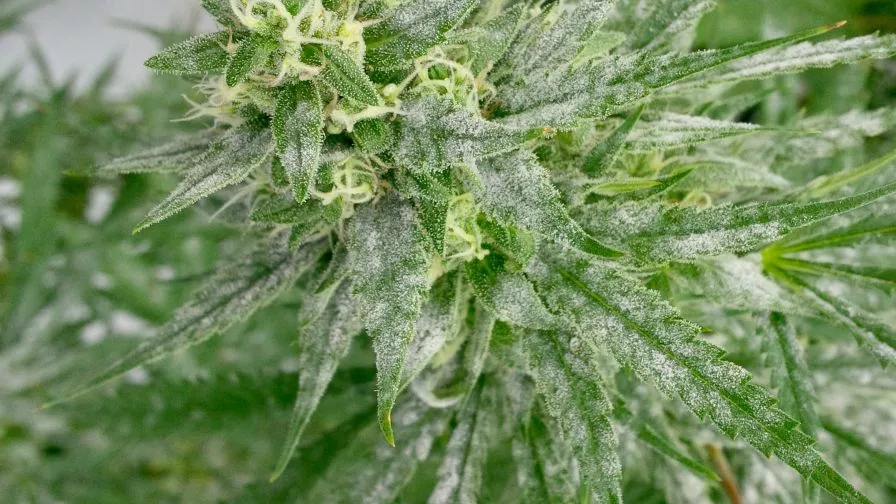
Microbials in cannabis represent diverse microorganisms including bacteria, fungi, and their toxic metabolites that can contaminate products at any stage from cultivation through consumption, posing significant health risks particularly for immunocompromised patients who comprise a substantial portion of medical cannabis users. This broad category encompasses pathogenic bacteria like Salmonella and E. coli, mold species including Aspergillus and Penicillium, yeasts such as Candida, and the dangerous mycotoxins these organisms produce. The warm, humid conditions optimal for cannabis cultivation unfortunately also create ideal environments for microbial proliferation, making contamination prevention and detection critical quality control challenges that distinguish professional operations from amateur grows.
The significance of microbial testing in cannabis extends beyond basic food safety principles due to unique consumption methods and patient populations, as smoking or vaporizing contaminated products can deliver viable pathogens directly to lung tissue where they cause severe infections. Unlike food products that undergo cooking to kill pathogens, cannabis flowers are typically consumed with minimal processing that preserves microbial viability. Concentration processes for extracts can multiply contamination levels, turning minor flower contamination into dangerous extract contamination. The prevalence of immunocompromised medical cannabis patients, including those with HIV/AIDS, cancer, and organ transplants, creates populations extremely vulnerable to opportunistic infections from organisms that might not affect healthy individuals.
Contemporary approaches to microbial control in cannabis require comprehensive strategies throughout the supply chain, from cultivation practices preventing contamination to testing protocols ensuring safety to remediation technologies addressing contaminated products. Understanding microbial risks, testing methodologies, and prevention strategies enables informed decision-making by cultivators, processors, regulators, and consumers navigating complex safety considerations. The evolution from underground markets with no safety oversight to regulated systems with stringent testing requirements represents fundamental progress in cannabis consumer protection, though implementation challenges and scientific debates continue shaping optimal approaches to microbial safety in this unique agricultural product.
Cultivation environments present numerous opportunities for microbial introduction, with contamination sources including growing media, irrigation water, air handling systems, human contact, and pest infestations creating multiple pathways requiring comprehensive management. Soil and soilless media often harbor beneficial and pathogenic microorganisms, with poor-quality inputs introducing contamination from the start. Irrigation water, particularly from surface sources or stored reserves, can contain waterborne pathogens that spread systemically through operations. Air circulation systems designed to prevent mold may inadvertently distribute spores throughout facilities without proper filtration. Human handling during cultivation tasks transfers skin flora and potential pathogens, especially with inadequate hygiene protocols. Pest infestations create additional contamination vectors as insects and rodents carry microorganisms between plants and facilities.
Post-harvest handling represents critical contamination risk periods as cannabis transitions from growing environments to processing and storage conditions that may favor different microbial populations. Harvesting activities disrupt plant tissues, releasing cellular fluids that provide nutrients for microbial growth while potentially spreading existing contamination through tool contact. Drying rooms with inadequate air circulation or temperature control create perfect conditions for mold proliferation, particularly in dense flowers retaining moisture. Curing processes intended to improve quality can become contamination amplification stages if moisture levels remain excessive. Trimming operations expose internal flower surfaces while potentially introducing contamination from equipment, surfaces, and human contact. Storage conditions with temperature fluctuations or humidity ingress enable continued microbial growth even in properly dried products.
Processing and manufacturing steps can either reduce or concentrate microbial contamination depending on methods employed, with extraction processes potentially creating highly contaminated concentrates from marginally acceptable flower material. Mechanical separation like trimming and grinding increases surface area exposure and distributes contamination throughout batches. Extraction solvents may kill some microorganisms but concentrate their toxic metabolites, particularly fat-soluble mycotoxins that co-extract with cannabinoids. Water-based processes for bubble hash or rosin provide ideal conditions for bacterial amplification if equipment sanitation lapses. Infusion into edibles requires careful temperature control as cannabis additions often occur after kill steps, potentially recontaminating otherwise safe food products. Understanding process-specific risks enables targeted interventions protecting product safety.
Aspergillosis represents one of the most serious fungal infections associated with contaminated cannabis, as Aspergillus spores commonly found on improperly dried flower can cause invasive lung infections in immunocompromised individuals with potentially fatal outcomes. Several documented cases link cannabis use to invasive pulmonary aspergillosis, particularly in patients with hematologic malignancies or transplant recipients on immunosuppressive therapy. The ability of Aspergillus species to survive combustion temperatures and remain viable in smoke makes this organism particularly dangerous for inhaled consumption. Chronic exposure to Aspergillus can also trigger allergic bronchopulmonary aspergillosis in sensitive individuals, causing progressive lung damage. The production of aflatoxins by certain Aspergillus species adds another risk dimension, as these potent carcinogens concentrate during extraction processes.
Bacterial infections from contaminated cannabis include both gastrointestinal illnesses from enteric pathogens and respiratory infections from environmental bacteria, with severity ranging from mild discomfort to life-threatening sepsis in vulnerable populations. Salmonella and E. coli contamination typically results from poor hygiene practices or contaminated inputs, causing standard foodborne illness symptoms when consumed orally. More concerning are environmental bacteria like Pseudomonas aeruginosa that can establish lung infections when inhaled, particularly dangerous for cystic fibrosis patients. Gram-negative bacterial endotoxins persist even after bacteria die, triggering inflammatory responses when inhaled. The warm, moist conditions in water pipes and vaporizers can amplify bacterial populations between uses, creating ongoing exposure risks. Case reports document various bacterial infections linked to cannabis use, though true incidence remains unknown due to reporting limitations.
Mycotoxin exposure through contaminated cannabis presents insidious health risks as these fungal metabolites resist degradation through heat and chemical processes, accumulating in consumers over time with potential carcinogenic, neurotoxic, and immunosuppressive effects. Aflatoxins produced by Aspergillus species rank among the most potent natural carcinogens, with regulatory limits in parts per billion for food products. Ochratoxin A from Penicillium and Aspergillus species causes kidney damage and possible carcinogenic effects. These compounds concentrate during extraction processes, making contaminated concentrates particularly dangerous. Chronic low-level exposure may cause subtle health effects difficult to attribute to cannabis use. The stability of mycotoxins means contamination cannot be remediated through standard processing, requiring prevention or product destruction. Testing for mycotoxins remains technically challenging and expensive, leading some jurisdictions to rely on mold testing as surrogate markers.
Regulatory requirements for microbial testing vary dramatically between jurisdictions, creating patchwork standards that range from comprehensive pathogen panels to basic total count limits, reflecting different risk philosophies and resource availability. Some states require testing for specific pathogens including Salmonella, E. coli, and Aspergillus species with strict non-detect requirements, while others set action limits allowing certain contamination levels. Total yeast and mold counts range from 1,000 to 100,000 CFU/g depending on jurisdiction and product type, with inhaled products typically facing stricter standards. Mycotoxin testing requirements remain rare due to analytical complexity and cost, though increasing as awareness grows. The lack of federal standards means interstate commerce faces compliance challenges as products legal in one state may fail another’s requirements. This variation creates consumer protection disparities and competitive advantages for operators in lenient jurisdictions.
Analytical methodologies for microbial testing include traditional culture-based methods, rapid molecular techniques, and emerging technologies each offering different advantages for sensitivity, specificity, speed, and cost affecting implementation decisions. Culture methods using selective media remain standard for regulatory compliance, providing viable cell counts and enabling organism identification but requiring 3-7 days for results. Quantitative PCR offers same-day results with high sensitivity but detects DNA from dead cells, potentially overestimating contamination. MALDI-TOF mass spectrometry enables rapid organism identification supporting outbreak investigations. Next-generation sequencing reveals complete microbial communities but remains too expensive for routine testing. Method validation for cannabis matrices presents unique challenges due to antimicrobial properties of cannabinoids and terpenes interfering with organism recovery. Laboratories must balance regulatory requirements, turnaround time demands, and analytical costs.
Sampling challenges in microbial testing significantly impact result reliability, as heterogeneous contamination distribution means small analytical samples may not represent entire batches, creating false security from passing tests. Visible mold on one flower doesn’t guarantee contamination throughout batches, while clean-appearing products may harbor invisible contamination. Statistical sampling plans borrowed from food industry require adaptation for cannabis’s unique product forms and batch sizes. Composite sampling improves representation but may dilute contamination below detection limits. Environmental factors during sampling, including temperature and time delays, affect organism viability and test results. Chain of custody requirements add complexity and cost to sampling programs. These sampling issues mean even comprehensive testing programs cannot guarantee absolute safety, emphasizing prevention importance over end-product testing reliance.
Good Agricultural Practices (GAP) adapted for cannabis cultivation emphasize preventive controls throughout growing cycles, reducing contamination risks through systematic approaches addressing water quality, growing media, environmental controls, and worker hygiene. Water treatment systems including filtration, UV disinfection, or ozonation prevent irrigation-borne pathogen introduction while monitoring ensures continued effectiveness. Growing media pasteurization or sourcing from reputable suppliers reduces initial contamination loads. Environmental controls maintaining appropriate temperature and humidity ranges inhibit microbial growth while promoting plant health. Worker training on hygiene practices, including hand washing, glove use, and illness exclusion policies, prevents human-source contamination. Integrated pest management reduces vectors for microbial spread while minimizing pesticide residues. These systematic approaches prove more effective and economical than attempting to remediate contaminated crops.
Good Manufacturing Practices (GMP) for cannabis processing facilities establish controlled environments and standardized procedures minimizing contamination during post-harvest handling, extraction, and product manufacturing operations. Facility design incorporating cleanroom principles, including filtered air handling, smooth cleanable surfaces, and segregated processing areas, creates hygienic environments. Equipment cleaning and sanitization protocols validated for effectiveness against target organisms prevent cross-contamination between batches. Personnel practices including gowning procedures, restricted access, and health monitoring limit human contamination sources. Raw material controls including vendor qualification and incoming testing prevent introducing contaminated inputs. Process controls establishing critical parameters for moisture, temperature, and time prevent microbial amplification. These comprehensive systems require significant investment but prove essential for consistent product safety.
Remediation technologies for microbially contaminated cannabis attempt to salvage economic value from failed products, though effectiveness limitations and quality impacts create ongoing debates about appropriateness versus mandatory destruction. Gamma irradiation effectively kills microorganisms but faces consumer resistance and potential cannabinoid degradation. Autoclave treatments using pressurized steam achieve sterilization but dramatically alter physical characteristics and terpene profiles. Ozone gas treatments show promise for surface decontamination but limited penetration into dense flowers. Radio frequency heating offers volumetric treatment potentially preserving quality better than other thermal methods. X-ray irradiation provides alternative to gamma with potentially better consumer acceptance. However, no remediation method addresses mycotoxins, and all treatments create quality changes potentially affecting therapeutic efficacy. The availability of remediation creates moral hazards potentially encouraging poor cultivation practices relying on post-harvest fixes.

