
×
Remove product
Remove item from cart?

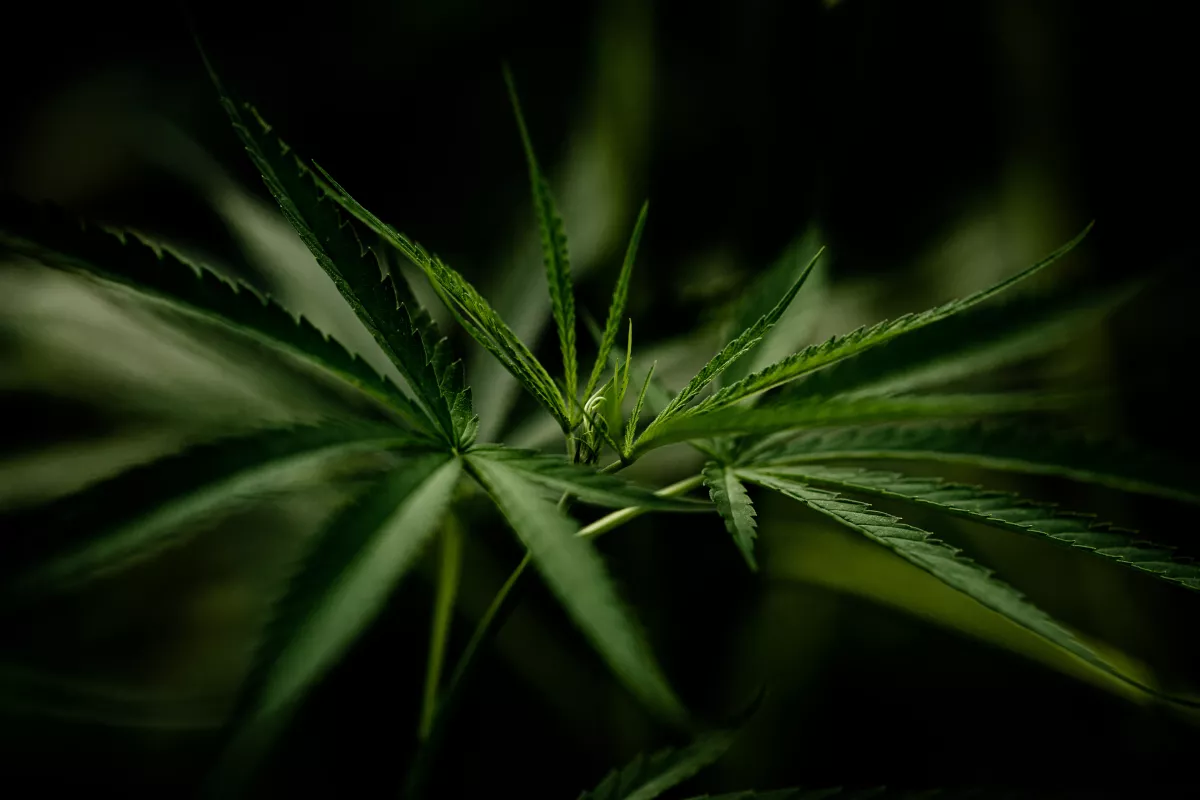
Cannabis leaves serve as the plant’s primary photosynthetic organs and most recognizable feature, with their distinctive serrated, palmate structure becoming a global symbol transcending the plant itself. These complex organs do far more than create the iconic imagery associated with cannabis culture – they function as solar panels, chemical factories, and environmental sensors that determine plant health, growth rates, and ultimately the quality and quantity of flower production. From seedling cotyledons to massive fan leaves and sugar-coated trim, each leaf type plays specific roles in the cannabis lifecycle.
The diversity of cannabis leaf morphology reflects the plant’s remarkable adaptability, with variations in leaflet number, size, color, and structure indicating genetic heritage, environmental conditions, and plant health. Experienced cultivators read leaves like botanical books, diagnosing nutrient deficiencies, pest pressures, and environmental stresses through subtle color changes, growth patterns, and physical symptoms. This diagnostic capability makes understanding leaf biology essential for successful cultivation, whether growing single plants or managing commercial operations.
Modern cannabis industry increasingly recognizes leaves’ value beyond their biological functions, finding applications in juicing, extraction, composting, and even textile production. This comprehensive examination explores leaf anatomy, physiological functions, cultivation implications, and commercial applications, revealing how these often-discarded plant parts contribute to every aspect of cannabis production and utilization, from seedling to shelf.
Anatomical composition of cannabis leaves reveals sophisticated structures optimized for photosynthesis and environmental interaction. The lamina (blade) consists of upper and lower epidermis layers protecting internal mesophyll tissues where photosynthesis occurs. Palisade mesophyll cells packed with chloroplasts capture light energy efficiently. Spongy mesophyll facilitates gas exchange through intercellular spaces. Vascular bundles containing xylem and phloem form the visible vein network transporting water, nutrients, and photosynthates. Stomata concentrated on lower leaf surfaces regulate gas exchange and transpiration. Trichomes develop on both surfaces, with glandular types producing cannabinoids and terpenes. Cuticle wax layers provide waterproofing and UV protection. Cell walls contain silica bodies strengthening structure and deterring herbivores. This complex anatomy enables leaves to function as efficient biological solar panels.
Morphological variations in cannabis leaves indicate genetic heritage and environmental adaptations. Sativa varieties typically display narrow leaflets numbering 9-13 per leaf. Indica types show broader leaflets usually 5-9 per leaf. Ruderalis exhibits reduced leaflet numbers often 3-5 with unique shapes. Hybrid expressions create intermediate forms blending parental characteristics. Environmental factors modify genetic expressions with high light creating narrower leaflets. Nutrient availability affects leaf size and color intensity. Temperature extremes trigger morphological changes including leaf curling or elongation. Photoperiod influences leaf shape with flowering triggering different expressions. Mutations create unique variations like webbed or whorled phyllotaxy. These morphological indicators help identify genetics and optimize growing conditions.
Developmental stages showcase different leaf types serving specific functions throughout cannabis lifecycle. Cotyledon leaves emerge first, providing initial photosynthesis and nutrient reserves. True leaves develop in opposite pairs initially, transitioning to alternate phyllotaxy. Fan leaves maximize light capture and energy production during vegetative growth. Sugar leaves surrounding flowers develop significant trichome coverage. Water leaves deep within buds show extreme trichome density. Shade leaves in lower canopy adapt with larger surface areas and altered chlorophyll ratios. Senescent leaves mobilize nutrients during natural aging or flowering. Each leaf type optimizes for specific functions during different growth phases. Understanding developmental patterns guides cultivation decisions from training to harvest timing.
Photosynthesis in cannabis leaves drives all plant growth through complex biochemical processes converting light energy into chemical energy. Chlorophyll a and b absorb primarily red and blue wavelengths reflecting green light. Light reactions in thylakoid membranes generate ATP and NADPH powering carbon fixation. Calvin cycle in chloroplast stroma produces glucose from atmospheric CO2. C3 photosynthesis pathway in cannabis shows optimal efficiency at moderate temperatures. Photorespiration increases under stress conditions reducing efficiency. Light saturation occurs around 1500 μmol/m²/s in cannabis leaves. Photosynthetic efficiency varies with leaf age, position, and environmental conditions. Sugar production follows circadian rhythms with starch accumulation during day and mobilization at night. Understanding photosynthesis optimizes lighting and environmental controls maximizing growth rates and yields.
Transpiration through cannabis leaves regulates water movement, nutrient uptake, and temperature control. Stomatal opening responds to light, CO2 levels, humidity, and internal water status. Transpiration stream pulls water and dissolved nutrients from roots to shoots. Evaporative cooling through transpiration prevents heat stress maintaining optimal leaf temperatures. Vapor pressure deficit between leaf and air drives transpiration rates. Boundary layer thickness affects transpiration with air movement reducing resistance. Cuticular transpiration provides minimal water loss when stomata close. Anti-transpirants reduce water loss during stress but may limit photosynthesis. Transpiration efficiency relates to water use efficiency important for sustainable cultivation. Monitoring transpiration rates indicates plant health and environmental optimization needs. These water relations critically impact growth and cannabinoid production.
Nutrient mobility within leaves creates visible symptoms guiding fertilization decisions. Mobile nutrients (N, P, K, Mg) translocate from older to younger leaves showing deficiencies first in lower canopy. Immobile nutrients (Ca, Fe, Zn, B) remain fixed showing deficiencies in new growth. Nitrogen deficiency causes uniform yellowing starting with oldest leaves. Phosphorus deficiency creates purple coloration from anthocyanin accumulation. Potassium deficiency shows marginal burn and chlorosis. Calcium deficiency causes new growth distortion and tip burn. Magnesium deficiency creates interveinal chlorosis in older leaves. Iron deficiency causes young leaf chlorosis with green veins. pH affects nutrient availability with cannabis preferring 6.0-7.0 in soil. Foliar feeding bypasses root uptake for rapid deficiency correction. Understanding nutrient mobility enables accurate diagnosis and targeted treatment.
Diagnostic capabilities of leaf observation provide real-time plant health monitoring without laboratory testing. Color changes indicate specific nutrient issues or environmental stresses. Leaf angle relative to stem suggests water status and turgidity. Growth rate changes signal root zone problems or pest pressures. Texture alterations reveal humidity issues or disease presence. Stomatal behavior visible as leaf sheen indicates transpiration function. Pest damage patterns identify specific insects or mites. Disease symptoms manifest uniquely in leaf tissues. Environmental stress creates characteristic responses like tacoing or canoeing. Genetic expressions become apparent through leaf structure. This visual diagnosis system enables rapid intervention preventing crop losses.
Pruning strategies utilizing selective leaf removal optimize light penetration and energy allocation. Defoliation removes fan leaves improving airflow and light to lower buds. Timing during late vegetation or early flowering prevents excessive stress. Lollipopping strips lower growth focusing energy on top colas. Selective removal targets yellowing or damaged leaves preventing disease spread. Schwazzing involves aggressive defoliation controversial among growers. Leaf tucking alternatives avoid removal while improving light exposure. Recovery time varies with plant health and environmental conditions. Autoflowering varieties show less tolerance for heavy defoliation. Outdoor plants generally require less leaf manipulation. These techniques balance photosynthetic capacity against improved bud development.
Environmental optimization based on leaf responses fine-tunes growing conditions. Leaf surface temperature indicates heat stress or optimal conditions. Stomatal conductance measurements guide irrigation timing. Chlorophyll content meters assess nitrogen status non-destructively. Leaf area index calculations optimize planting density. Photosynthetic rate measurements determine optimal light levels. Water potential readings indicate irrigation needs. Gas exchange analysis reveals CO2 utilization efficiency. Thermal imaging identifies stress before visible symptoms. Spectral reflectance indicates nutrient status and health. These scientific approaches complement visual observation maximizing cultivation efficiency.
Extraction applications for cannabis leaves provide value from traditionally discarded material. Sugar leaves contain significant trichome coverage suitable for extraction. Fan leaves yield lower but measurable cannabinoid content. Fresh frozen leaf material produces live resin maintaining terpenes. Ethanol extraction efficiently processes large leaf volumes. CO2 extraction selectively targets cannabinoids from leaf material. Rosin pressing leaves yields small amounts of concentrate. Water hash utilizes ice water to separate trichomes. Dry sift screens collect resin glands from dried leaves. Decarboxylation activates cannabinoids for edible production. Commercial operations maximize value through comprehensive extraction programs utilizing all plant material.
Nutritional applications of raw cannabis leaves gain recognition for health benefits. Juicing fresh leaves provides cannabinoid acids without psychoactivity. THCA and CBDA offer anti-inflammatory benefits in raw form. Chlorophyll content provides detoxification properties. Fiber content supports digestive health. Vitamin and mineral profiles comparable to other leafy greens. Antioxidant compounds protect against cellular damage. Omega fatty acids present in small amounts. Protein content includes essential amino acids. Preparation methods preserve heat-sensitive compounds. Smoothie additions mask strong flavors while maintaining benefits. These nutritional uses expand cannabis utilization beyond traditional consumption.
Sustainable practices utilizing cannabis leaves reduce waste while creating value. Composting returns nutrients to soil improving structure. Mulching suppresses weeds while retaining moisture. Animal feed applications where legal provide protein supplementation. Biochar production creates carbon-negative soil amendments. Fiber extraction for textiles utilizes stem and leaf material. Natural pesticide preparations from leaf extracts show efficacy. Mushroom cultivation substrates incorporate processed leaves. Vermiculture systems efficiently process leaf waste. Anaerobic digestion generates biogas from agricultural waste. These sustainable applications align with circular economy principles maximizing resource utilization.

