
×
Remove product
Remove item from cart?

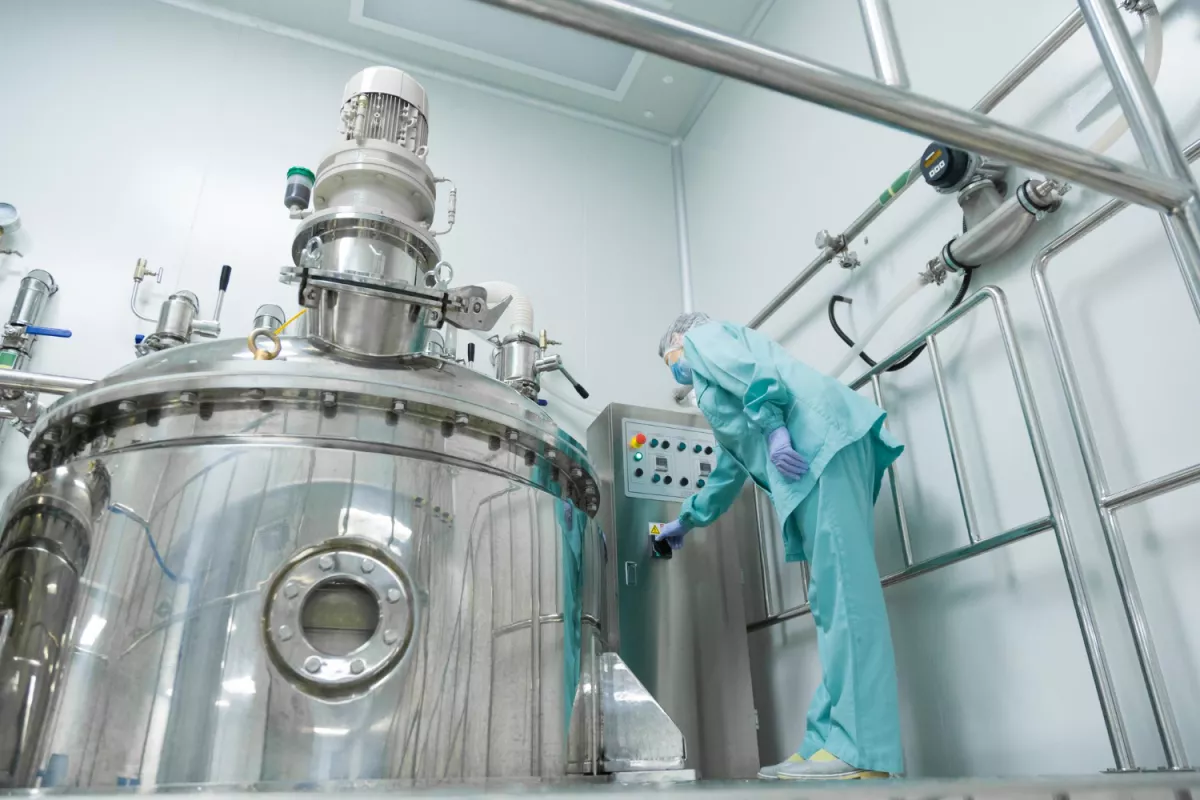
Cannabis extraction encompasses the scientific and industrial processes used to separate, concentrate, and purify desired compounds from raw plant material, transforming cannabis from agricultural commodity into diverse refined products. This fundamental process underlies the entire concentrates industry, enabling everything from medical-grade pharmaceuticals to recreational vape cartridges through systematic application of chemistry, physics, and engineering principles. Modern extraction has evolved from simple mechanical separation techniques into sophisticated operations requiring specialized knowledge, equipment worth millions, and rigorous safety protocols that rival pharmaceutical manufacturing standards.
The extraction process serves as the critical bridge between cultivation and consumption, where art meets science in determining final product quality, safety, and characteristics. Skilled extraction technicians must understand not only the technical aspects of operating complex equipment but also the nuanced relationships between starting material quality, processing parameters, and desired outcomes. Variables like temperature, pressure, solvent selection, and timing create nearly infinite combinations, each producing different results from identical source material. This complexity transforms extraction from mere manufacturing into a discipline requiring deep understanding of cannabis chemistry, engineering principles, and market demands.
Contemporary significance of extraction extends throughout the cannabis value chain, influencing everything from cultivation practices optimized for extraction yields to retail product differentiation based on extraction methods. As markets mature and consumers become more educated, extraction quality often determines commercial success more than cultivation alone. The extraction sector drives innovation in cannabis science, pushing boundaries of what’s possible while establishing safety standards and best practices for an industry transitioning from underground craft to regulated commerce. Understanding extraction fundamentals proves essential for professionals across all cannabis sectors, as these processes increasingly define product categories, market values, and consumer experiences in the evolving landscape of cannabis commercialization.
Separation science underlying cannabis extraction relies on exploiting physical and chemical property differences between target compounds and plant matrix materials. Cannabinoids and terpenes concentrate within trichome structures on cannabis surfaces, presenting as lipophilic compounds soluble in non-polar solvents or separable through mechanical means. The principle of “like dissolves like” guides solvent selection – non-polar solvents extract non-polar cannabinoids while leaving behind polar compounds like chlorophyll. Temperature manipulation affects both solubility and selectivity, with cold extraction minimizing undesirable compound co-extraction. Pressure variations in certain methods create phase changes enabling separation. Understanding these fundamental principles allows processors to select appropriate methods and optimize parameters for desired outcomes rather than following recipes blindly.
Mass transfer mechanisms govern extraction efficiency, determining how quickly and completely target compounds move from plant material into extraction medium. Fick’s laws of diffusion describe concentration-driven transport, where maintaining maximum concentration gradients accelerates extraction. Particle size reduction increases surface area enhancing mass transfer but potentially releasing undesirable compounds. Agitation disrupts boundary layers improving solvent contact with new surfaces. Temperature increases molecular motion accelerating diffusion but may degrade heat-sensitive compounds. Solvent flow rate in continuous systems balances contact time with fresh solvent exposure. Understanding these mechanisms enables process optimization reducing extraction time and solvent use while maximizing yields. Professional operations monitor and control these variables distinguishing them from amateur attempts.
Selectivity versus efficiency trade-offs define extraction strategy decisions, as methods maximizing yield often sacrifice product quality through co-extraction of undesirable compounds. Aggressive extraction pulling everything soluble requires extensive post-processing to achieve acceptable quality. Selective extraction targeting specific compounds may leave valuable materials behind but produces cleaner initial extracts. Cold ethanol extraction exemplifies this balance – colder temperatures improve selectivity for cannabinoids over chlorophyll but reduce overall extraction efficiency. Hydrocarbon extraction at various temperatures shows similar trade-offs. Time becomes another variable where quick extractions preserve quality but may sacrifice yield. Understanding these relationships helps processors optimize for business goals whether prioritizing quality, yield, or processing speed based on market positioning and feedstock costs.
Pre-processing preparation significantly impacts extraction outcomes through decisions about grinding, drying, and material handling before primary extraction. Particle size optimization balances increased surface area against cellular disruption releasing chlorophyll and other undesirables. Cryogenic grinding using liquid nitrogen preserves terpenes while achieving uniform particle size. Moisture content affects extraction efficiency and solvent absorption – too dry causes terpene loss while excess moisture dilutes solvents and promotes emulsions. Some processors freeze material preventing enzymatic degradation during extraction. Decarboxylation before extraction activates cannabinoids for certain product types. Material staging and handling procedures prevent contamination and maintain batch identity. These preparatory steps often determine extraction success more than primary processing parameters yet receive insufficient attention in many operations.
Primary extraction operations represent the core value-creation step where cannabinoids and terpenes transfer from plant material into solution or collection medium. Solvent-based methods require precise temperature control, solvent-to-feedstock ratios, and contact time optimization. Closed-loop systems enable solvent recovery and reuse while maintaining safety. Pressure management in supercritical CO2 or hydrocarbon systems affects both safety and extraction selectivity. Solventless methods like rosin pressing require different parameters – temperature, pressure, and time balancing yield with quality. Continuous monitoring ensures parameters remain within specifications throughout runs lasting hours. Documentation requirements for regulatory compliance add complexity beyond technical operations. Successful extraction requires orchestrating multiple variables simultaneously while maintaining safety protocols and quality standards.
Post-extraction refinement transforms crude extracts into market-ready products through various purification and modification processes. Winterization removes waxes and lipids through cold filtration improving clarity and flow properties. Solvent recovery through rotary evaporation or falling film systems reclaims expensive solvents while concentrating extracts. Decarboxylation converts THCA to psychoactive THC for appropriate products. Distillation further purifies and concentrates cannabinoids achieving 90%+ potency. Crystallization techniques isolate specific compounds creating novel products. Color remediation addresses aesthetic concerns in certain markets. Each refinement step requires specific equipment and expertise with decisions based on intended final products. The ability to perform various post-processing techniques enables market diversification from single extraction runs maximizing feedstock value.
Safety protocols in professional extraction facilities exceed typical manufacturing requirements due to volatile solvents, high pressures, and valuable inventory creating unique hazard combinations. Class 1 Division 1 electrical equipment prevents ignition sources in hydrocarbon environments. Ventilation systems maintain solvent vapors below explosive limits while providing worker protection. Gas detection systems trigger alarms and automated responses to leaks. Pressure relief systems prevent catastrophic equipment failures. Personal protective equipment requirements include fire-resistant clothing and respiratory protection. Emergency response planning covers scenarios from small leaks to major incidents. Training programs ensure all personnel understand hazards and proper procedures. Insurance requirements often drive safety standards beyond regulatory minimums. These comprehensive safety measures protect workers, facilities, and surrounding communities while enabling sustainable operations.
Quality control systems throughout extraction operations ensure consistent products meeting specifications for potency, purity, and safety. In-process testing monitors extraction progress optimizing endpoint determination. Crude extract analysis guides post-processing decisions. Final product testing verifies cannabinoid content, residual solvents, and contaminants before release. Statistical process control tracks batch variations identifying drift before producing out-of-specification products. Preventive maintenance schedules ensure equipment performs within calibrated parameters. Change control procedures document any process modifications maintaining validation status. Supplier qualification programs verify feedstock and solvent quality. Retention samples enable investigation of any quality issues. These systematic approaches distinguish professional operations from amateur efforts producing variable quality. Implementation requires investment in personnel, equipment, and systems but enables premium market positioning.
Regulatory compliance for extraction facilities involves multiple agencies and evolving requirements creating complex operational constraints. Building codes address fire and explosion hazards from volatile solvents requiring specialized construction and safety systems. Environmental regulations govern air emissions and waste disposal from extraction processes. Worker safety regulations mandate training, monitoring, and protective equipment. Cannabis-specific regulations add licensing, security, and tracking requirements. Good Manufacturing Practices increasingly apply to extraction facilities as industry professionalizes. International standards like ISO certification differentiate leading operators. Compliance costs significantly impact facility design and operational procedures. Multi-state operators face varying requirements complicating standardization efforts. Staying current with regulatory evolution requires dedicated personnel and industry engagement. These compliance burdens create barriers to entry but also opportunities for compliant operators as markets consolidate.
Technological advancement in extraction equipment and methods continues accelerating driven by competition, regulation, and market sophistication. Continuous flow systems replace batch processing improving consistency and efficiency at scale. Inline analytics enable real-time process optimization reducing waste and improving quality. Automation reduces labor requirements while improving reproducibility. Novel solvents like subcritical water or ionic liquids promise safer, more selective extraction. Ultrasonic and microwave assistance may reduce processing time and energy consumption. Membrane separation technologies could enable solventless concentration. Artificial intelligence applications optimize complex parameter interactions beyond human capability. Integration with upstream and downstream processes creates efficient production lines. Patent activity indicates significant investment in next-generation technologies. These advances position extraction technology at the forefront of cannabis industry innovation.
Sustainability initiatives in extraction address environmental concerns and operational costs through green chemistry principles and circular economy approaches. Solvent selection increasingly considers environmental impact beyond just extraction efficiency – CO2 and ethanol gain favor over hydrocarbons. Energy recovery systems capture waste heat improving overall efficiency. Renewable energy integration reduces carbon footprints appealing to environmentally conscious consumers. Water usage optimization becomes critical in drought-affected regions. Biomass waste finds uses in other industries rather than landfill disposal. Life cycle assessments guide process improvements minimizing environmental impact. Carbon credit programs may provide additional revenue streams. Sustainable packaging for extracted products reduces downstream waste. Consumer preference for sustainable products drives market premiums justifying investment. These initiatives transform extraction from resource-intensive to environmentally responsible operations.
Market specialization trends suggest extraction facilities will increasingly differentiate through technical capabilities, product focus, or service offerings rather than competing as commodities. Pharmaceutical-focused extractors invest in GMP facilities and validation for medical markets. Craft extractors emphasize terpene preservation and strain-specific products for connoisseurs. High-volume processors optimize for efficiency serving price-sensitive markets. Contract extraction services allow brands to outsource technical operations focusing on marketing. Analytical extraction provides testing and research services. Some facilities specialize in remediation converting failed biomass into compliant extracts. Vertical integration strategies vary from seed-to-sale operations to extraction-focused pure plays. Geographic specialization serves local markets with regulatory expertise. These differentiation strategies enable sustainable business models as markets mature beyond early-stage growth dynamics requiring strategic positioning for long-term success.

