
×
Remove product
Remove item from cart?

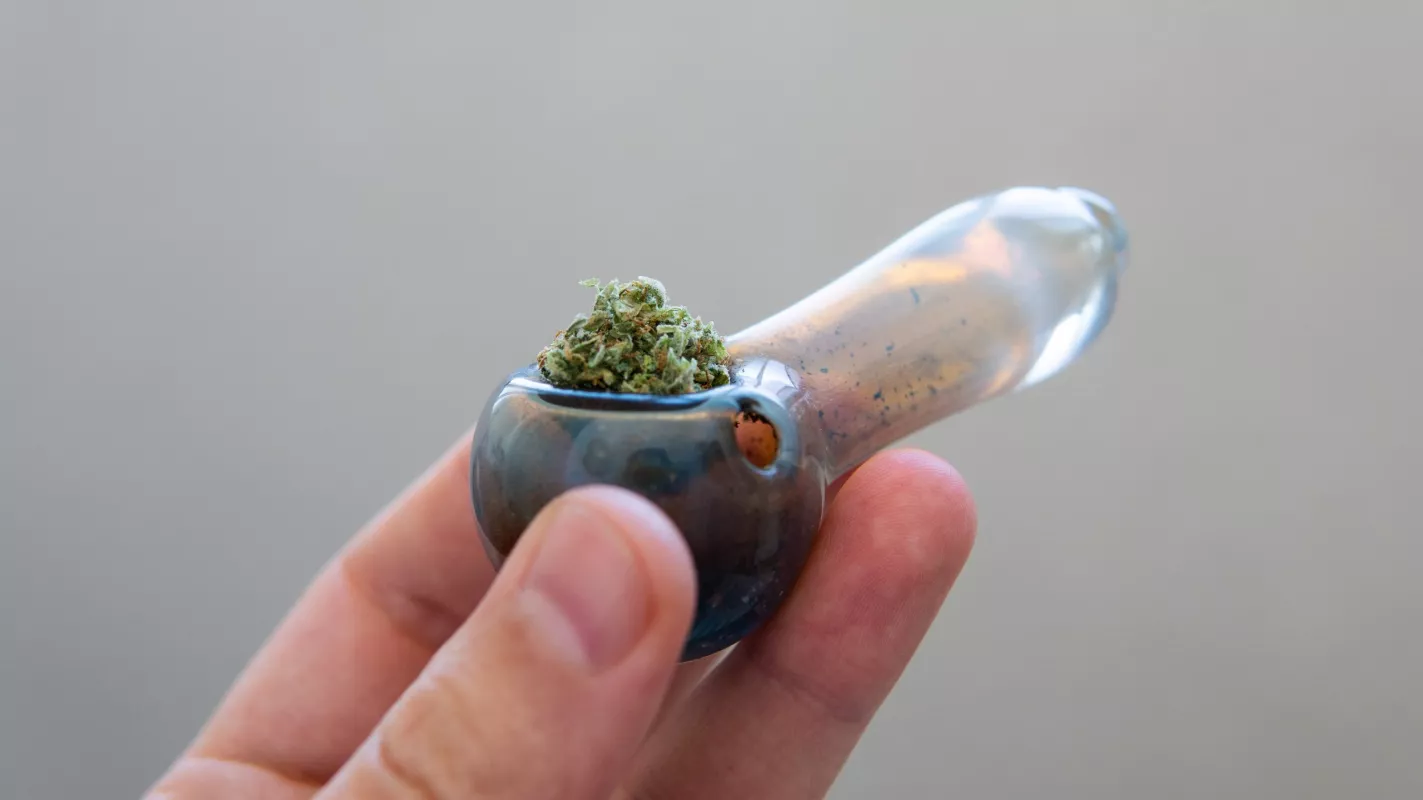
A carb, short for carburetor, represents a crucial airflow control mechanism in cannabis pipes and water pipes that allows users to clear smoke from the chamber while managing combustion intensity and smoke density. This small hole, typically positioned on the side of a pipe bowl or tube, functions similarly to automotive carburetors by controlling the air-to-smoke ratio, though the cannabis application focuses on user control rather than automated mixing. The carb’s simple yet effective design has remained largely unchanged since its introduction to Western cannabis culture, proving that effective engineering solutions often require no improvement.
The physics behind carb function involves pressure differentials and airflow dynamics that directly impact the smoking experience. When covered during inhalation, the carb forces air to flow through the bowl, maintaining combustion and drawing smoke into the chamber. Releasing the carb introduces fresh air through this secondary opening, creating a rush that clears accumulated smoke while cooling it through dilution. This binary control system gives users precise command over hit intensity, smoke temperature, and conservation of material, making carbs essential for efficient cannabis consumption.
Contemporary cannabis culture maintains the carb as a fundamental feature despite technological advances in consumption devices, reflecting its optimal balance of functionality, simplicity, and user control. While electronic vaporizers and complex percolation systems offer alternative experiences, the immediate tactile feedback and direct control provided by traditional carbs remain unmatched for many users. Understanding proper carb technique and selection proves essential for both novice users learning efficient consumption and experienced users optimizing their sessions for flavor, potency, and material conservation.
The aerodynamics of carb operation create distinct pressure zones within smoking devices that fundamentally alter smoke characteristics and user experience. When sealed, negative pressure draws air exclusively through the packed bowl, maintaining steady combustion temperatures and producing dense, concentrated smoke. The restricted airflow path creates higher velocity through the burning material, intensifying cherry formation and ensuring complete combustion. Upon release, the sudden pressure equalization through the larger carb opening creates a venturi effect, rapidly evacuating smoke while introducing cooler ambient air that reduces harshness and throat irritation.
Smoke-to-air ratios controlled by carb manipulation directly influence the psychoactive experience and respiratory comfort during consumption. Full carb closure produces undiluted smoke with maximum cannabinoid concentration but increased temperature and potential harshness. Partial carb coverage, achieved through finger positioning techniques, allows users to customize their preferred balance between smoke density and cooling air. This fine control enables accommodation of different material potencies, personal tolerance levels, and situational preferences. Advanced users develop intuitive carb control that responds to visual smoke density cues and throat sensation feedback.
Chamber clearing efficiency represents the carb’s primary advantage over carbless designs, preventing stale smoke accumulation that degrades flavor and wastes material. The direct air path created by carb release evacuates smoke more completely than pull-through clearing methods, reducing residual buildup that can affect subsequent hits. This efficiency proves particularly important in larger pieces where significant smoke volumes accumulate. The clearing action also extinguishes the cherry when desired, conserving material between hits and preventing unwanted combustion that can occur in continuously-burning scenarios.
Ergonomic placement of carbs significantly impacts user comfort and control precision during extended smoking sessions. Traditional positioning on the left side of pipes accommodates right-handed users’ natural grip, allowing thumb coverage while maintaining stable bowl support. The height relative to the bowl affects arm positioning and viewing angles, with mid-level placement generally offering the best balance of comfort and smoke visibility. Carb diameter influences the force required for complete coverage and the speed of clearing, with 8-12mm representing the optimal range for adult thumb sizes while providing adequate airflow.
Material thickness around carb holes affects both durability and heat dissipation during use. Thicker walls prevent stress cracking from repeated thermal cycling while providing better insulation against heat transfer to users’ fingers. The transition between the carb hole and interior chamber requires smooth finishing to prevent turbulence that can cause uneven clearing or whistling sounds. Some premium pieces feature raised or recessed carb areas that provide tactile location feedback and improve seal quality. These design considerations separate quality pieces from basic functional items.
Angular positioning relative to mouthpiece and bowl orientation influences natural hand placement and operational comfort. Forward-angled carbs accommodate users who prefer to hold pieces at lower angles, while side-positioned carbs suit those who hold pipes more vertically. The relationship between carb location and center of gravity affects overall balance and stability during use. Multi-carb designs for shared pieces position holes at different locations to accommodate various hand sizes and grip preferences, though single-carb designs remain standard due to simplicity and effectiveness.
Classic spoon pipe carbs represent the archetypal design that established conventions still followed today. These simple side holes, typically 8-10mm in diameter, position themselves for natural thumb coverage while smoking. The straightforward circular opening requires no special manufacturing techniques, contributing to affordable pricing and widespread availability. Traditional placement approximately one-third down the bowl’s length optimizes both structural integrity and functional performance. This time-tested design proves that innovation isn’t always necessary when original engineering adequately addresses user needs.
Water pipe carbs evolved differently from dry pipe designs due to the unique requirements of water filtration systems. Positioned on the tube above the water line, these carbs must be larger to accommodate the greater air volume needed to clear water-cooled smoke. Traditional bong carbs range from 12-25mm, with size correlating to overall piece volume. The higher positioning keeps the carb dry during use while maintaining easy thumb access. Some traditional designs incorporate carb plugs or slides that can be removed entirely for cleaning or to convert pieces for pull-stem clearing.
Cultural variations in carb design reflect different regional preferences and smoking traditions worldwide. European pieces often feature smaller, more discrete carbs reflecting conservative cannabis cultures, while American designs tend toward larger, more prominent carb holes. Asian-influenced pieces sometimes incorporate multiple small carbs instead of single large ones, allowing for different clearing techniques. These regional differences demonstrate how functional elements adapt to local preferences while maintaining core operational principles. Understanding these variations helps users select pieces aligned with their learned techniques and cultural backgrounds.
Adjustable carb systems represent significant advancement in user customization and control precision. Rotating rings or sliding covers allow infinite adjustment between fully open and closed positions, enabling fine-tuning of air mixture ratios during use. Some designs incorporate spring-loaded mechanisms that default to closed positions, reducing accidental clearing during passing. Magnetic carb covers offer quick removal for cleaning while maintaining consistent positioning during use. These innovations address the limitation of binary open/closed states in traditional designs, providing enhanced control for discerning users.
Directional carbs utilize angled or shaped openings to create specific airflow patterns within chambers. Helical carb designs induce spinning air motion that can enhance smoke cooling and mixing. Diffused carbs featuring multiple small holes instead of single large openings provide gentler clearing action preferred by some users. Venturi-shaped carbs accelerate airflow through constriction points, increasing clearing efficiency in large-volume pieces. These aerodynamic enhancements demonstrate ongoing innovation in seemingly simple components, proving that refinement possibilities exist even in established designs.
Smart carb technology integrates sensors and feedback systems into traditional mechanical functions. Pressure sensors can indicate optimal clearing timing through LED indicators or haptic feedback. Temperature monitoring at carb positions provides data about smoke cooling effectiveness. Some experimental designs incorporate motorized carb covers controlled by smartphone apps, allowing programmed clearing sequences. While these electronic enhancements remain niche, they demonstrate potential futures where traditional mechanical components gain digital capabilities. Market acceptance depends on whether added complexity provides sufficient benefit over simple, reliable mechanical designs.
Basic carb technique begins with proper finger positioning and seal creation, fundamentals that many users never formally learn. Complete coverage requires the pad of the thumb or finger to fully encompass the carb opening, with slight pressure ensuring no air gaps. Beginning users often make incomplete seals, reducing effectiveness and creating whistling sounds. The covering finger should remain relaxed to prevent fatigue during extended sessions, with the hand naturally cradling the piece for stability. Proper technique involves smooth, deliberate movements rather than rapid fluttering that can disrupt combustion.
Timing coordination between carb release and inhalation represents the key skill differentiating novice from experienced users. Initial draws with covered carbs should be gentle to establish even cherry formation without overwhelming combustion. The release timing depends on chamber size, smoke density, and personal preference, but generally occurs when the chamber appears milky white. Release should be swift and complete, with continued inhalation to fully clear the chamber. Premature release wastes smoke while delayed release can cause harsh, stale hits. Developing intuitive timing requires practice and attention to visual and physical cues.
Conservation techniques utilizing carb control can significantly extend material efficiency compared to carbless consumption methods. Intermittent carb coverage during draws creates pulsed combustion that prevents continuous burning between hits. Quick carb releases at hit completion extinguish cherries, eliminating waste from idle burning. Partial coverage techniques allow precise control over burn rate, useful for expensive or potent materials. Some users develop “carb tapping” methods that create rhythmic combustion patterns optimized for their preferred effects. These conservation strategies demonstrate how simple mechanical controls enable sophisticated consumption optimization.
Traditional drilling techniques for glass carbs require specialized diamond-tipped bits and careful temperature management to prevent cracking. The process involves slow, steady pressure with constant water cooling to dissipate heat generated by friction. Skilled glassblowers often create carbs during the initial forming process, incorporating them seamlessly into the design. Post-production drilling carries higher breakage risk but allows for custom placement on existing pieces. Quality control involves checking for smooth edges, consistent diameter, and absence of stress fractures that could propagate during use. Hand-finishing ensures comfortable contact surfaces free from sharp edges.
Modern manufacturing utilizes CNC machinery and laser cutting for precise, repeatable carb creation in production environments. Computer-controlled systems ensure consistent placement and sizing across product lines, reducing variation that affects user experience. Laser cutting enables complex carb shapes impossible with traditional drilling, including logos or decorative patterns that maintain functionality. Automated production reduces labor costs and improves throughput, though artisan pieces still command premiums for hand-crafted details. Quality materials and proper annealing remain critical regardless of production method, as thermal stress during use can exploit any manufacturing weaknesses.
Material considerations extend beyond traditional glass to include silicone, metal, ceramic, and composite options, each requiring adapted manufacturing techniques. Silicone pieces incorporate carbs during molding, with tear-resistant reinforcement around openings. Metal pieces may feature threaded carb inserts for adjustment or replacement. Ceramic carbs require formation before firing, as post-production drilling risks catastrophic cracking. Wood pieces need careful sealing around carb openings to prevent resin absorption. Each material presents unique challenges and opportunities for innovation in carb design and implementation.

