
×
Remove product
Remove item from cart?

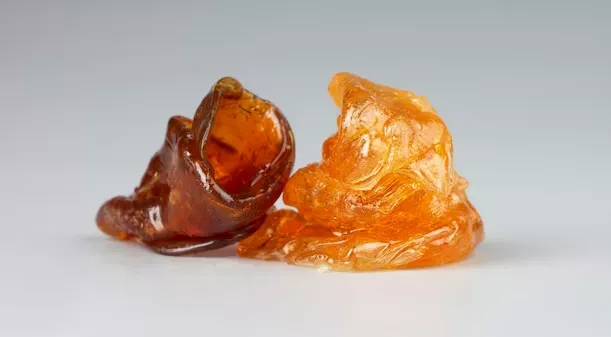
Cannabis resin encompasses the sticky, aromatic compounds produced by trichome glands, containing the majority of cannabinoids, terpenes, and other bioactive molecules that define the plant’s therapeutic and psychoactive properties. This complex mixture of chemical compounds represents the plant’s most valuable production, serving both defensive functions in nature and providing the effects sought by human consumers. The term “resin” in cannabis contexts can refer to fresh trichome secretions on living plants, concentrated extracts, or the residue accumulating in smoking devices, each representing different stages of the same fundamental plant production. Understanding resin’s multifaceted nature reveals why cannabis cultivation, processing, and consumption all fundamentally revolve around optimizing, preserving, and delivering these precious glandular secretions.
The botanical significance of resin production extends beyond simple potency considerations to encompass the plant’s evolutionary adaptations, chemical ecology, and response to environmental stressors that cultivators manipulate to maximize yields. Female cannabis plants invest substantial metabolic resources into resin production during flowering, creating a protective layer that deters herbivores, prevents desiccation, and filters harmful UV radiation. This defensive secretion coincidentally contains compounds that interact with human endocannabinoid systems, creating the foundation for cannabis’s medical and recreational applications. Modern cultivation techniques focus intensively on maximizing resin production through genetic selection, environmental manipulation, and harvest timing, recognizing that resin quantity and quality determine market value.
Contemporary cannabis markets increasingly recognize resin as the primary value driver, shifting focus from flower weight to resin content and quality, influencing everything from cultivation techniques to product development and pricing strategies. The evolution from selling cannabis by weight to evaluating resin production represents a fundamental market maturation, similar to wine regions focusing on grape quality over quantity. This resin-centric approach drives innovations in genetics, extraction technologies, and consumption devices designed to preserve and deliver these delicate compounds. Understanding resin’s central role in cannabis value creation helps explain market trends toward concentrates, live products, and terpene preservation that prioritize resin quality over traditional metrics.
Glandular trichome structures responsible for resin production include bulbous, capitate-sessile, and capitate-stalked varieties, with the latter producing the majority of cannabinoids and terpenes in specialized secretory cells. Capitate-stalked trichomes measure 50-500 micrometers, featuring multicellular stalks topped by glandular heads where biosynthesis occurs. The secretory disc cells within trichome heads contain specialized plastids and smooth endoplasmic reticulum for terpenoid production. Cannabinoid synthesis occurs in the cell membrane and accumulates in the subcuticular space, creating the bulbous resin-filled head. Trichome density varies by plant genetics, sex, and environmental conditions, with female flowers producing highest concentrations. Development progresses through clear, cloudy, and amber stages indicating chemical maturity. Understanding trichome biology guides cultivation practices and harvest timing for optimal resin production.
Biosynthetic pathways producing resin components involve complex enzymatic cascades beginning with primary metabolites and resulting in hundreds of distinct compounds contributing to cannabis’s chemical diversity. The methylerythritol phosphate (MEP) pathway produces monoterpenes and diterpenes in plastids, while the mevalonate pathway creates sesquiterpenes in cytoplasm. Cannabinoid biosynthesis begins with olivetolic acid and geranyl diphosphate condensation forming cannabigerolic acid (CBGA). Specific synthases convert CBGA into THCA, CBDA, and other cannabinoids based on plant genetics. Terpene synthases create diverse aromatic profiles from common precursors. Flavonoid production adds additional bioactive compounds to resin. Environmental factors including light spectrum, temperature, and nutrients influence pathway activity. This biosynthetic complexity explains resin’s therapeutic versatility and strain-specific effects.
Environmental triggers for resin production include light intensity, temperature fluctuations, humidity levels, and various stressors that cultivators manipulate to maximize both quantity and quality of glandular secretions. UV-B radiation exposure increases THC production as protective response against DNA damage. Temperature differentials between day and night promote trichome development and terpene preservation. Moderate drought stress during late flowering can increase resin production without compromising yield. Mechanical stress from wind or manipulation triggers defensive resin production. Nutrient availability, particularly phosphorus and potassium during flowering, affects resin quantity. Photoperiod manipulation influences when and how intensively plants produce resin. Some cultivators employ specific stress techniques like ice water flushes to trigger resin production. Understanding these environmental influences enables precision cultivation for resin optimization.
Cannabinoid profiles within resin vary dramatically between cultivars, chemotypes, and processing methods, creating diverse therapeutic and psychoactive potentials from seemingly similar starting materials. THCA typically dominates drug-type cannabis resin, comprising 15-30% of dried trichome weight in high-potency varieties. CBDA-rich chemotypes produce resin with minimal psychoactivity but significant therapeutic potential. Minor cannabinoids including CBGA, CBCA, THCVA, and CBDVA contribute to entourage effects despite lower concentrations. Cannabinoid ratios shift during plant maturation, with CBN increasing as THC degrades. Processing methods affect decarboxylation rates converting acidic to neutral forms. Resin from different plant parts shows varying cannabinoid concentrations and ratios. Advanced analytical techniques now identify over 100 distinct cannabinoids in cannabis resin. This chemical diversity enables targeted product development for specific therapeutic applications.
Terpene contributions to resin extend beyond aroma to include therapeutic effects, cannabinoid modulation, and product stability, making terpene preservation increasingly important in quality-focused markets. Monoterpenes like limonene, pinene, and myrcene dominate fresh resin profiles but volatilize readily during drying and processing. Sesquiterpenes including caryophyllene and humulene show greater stability and contribute to cured product characteristics. Terpene concentrations in live resin can exceed 10% compared to 1-3% in dried flower. Specific terpene combinations create strain-characteristic effects beyond cannabinoid content alone. Terpenes influence cannabinoid absorption and metabolism through various mechanisms. Antimicrobial properties of certain terpenes protect resin from degradation. Processing temperatures dramatically affect terpene retention in final products. Understanding terpene contributions drives innovations in low-temperature extraction and preservation technologies.
Minor compounds within resin including flavonoids, stilbenes, and alkaloids contribute additional bioactivity while potentially serving as chemical markers for quality assessment and authentication. Cannflavin A and B demonstrate anti-inflammatory properties unique to cannabis. Quercetin and kaempferol provide antioxidant effects complementing cannabinoid activity. Stilbenes like dihydroresveratrol offer neuroprotective properties. Trace alkaloids may contribute to entourage effects despite minimal concentrations. Chlorophyll contamination in crude resin affects color and taste. Waxes and lipids influence texture and processing requirements. Volatile sulfur compounds contribute to distinctive aromatic notes in certain varieties. Water-soluble compounds generally excluded from resin may have undiscovered significance. This complex chemical matrix distinguishes whole-plant resin from isolated cannabinoid products.
Live resin production captures trichome secretions at peak freshness through immediate freezing after harvest, preserving volatile compounds typically lost during traditional drying and curing processes. Flash-freezing within minutes of harvest prevents enzymatic degradation and terpene evaporation that begins immediately post-harvest. Extraction from frozen material maintains temperatures below -40°C throughout processing. The resulting concentrate contains terpene profiles closely matching living plants rather than dried flower. Consistency ranges from sauce-like to sugar depending on post-extraction handling. Color typically appears lighter than cured material extracts due to reduced chlorophyll extraction. Live resin commands premium prices reflecting additional processing complexity and superior terpene retention. Consumer preference for live resin drives cultivation planning toward fresh-frozen harvesting. This innovation represents fundamental shift in how industry values and preserves resin.
Cured resin distinctions arise from traditional drying and curing processes that transform fresh trichome secretions through decarboxylation, oxidation, and terpene evolution creating different chemical profiles. Slow drying at controlled temperatures allows moisture removal while minimizing terpene loss. Curing processes enable enzymatic breakdown of chlorophyll and other undesirable compounds. THCA slowly converts to THC even at room temperature during extended curing. Terpene profiles shift as monoterpenes evaporate and sesquiterpenes concentrate. Proper curing can enhance smoothness and complexity similar to wine aging. Over-curing results in excessive degradation and CBN formation. Cured resin provides more stable, predictable effects compared to fresh alternatives. Traditional hash-making cultures developed specific curing protocols for resin optimization. Understanding these transformations guides processing decisions for desired outcomes.
Rosin represents solventless resin extraction through heat and pressure application, preserving full-spectrum characteristics while avoiding chemical solvents that concern some health-conscious consumers. Simple mechanical extraction appeals to purists and home processors seeking clean concentrates. Temperature control between 160-220°F balances extraction efficiency with terpene preservation. Pressure requirements vary based on starting material quality and moisture content. Flower rosin yields 15-25% while hash rosin from concentrated trichomes can exceed 80%. Consistency ranges from shatter-like to budder depending on temperature and handling. Terpene retention rivals hydrocarbon extractions when properly executed. Small-batch rosin production enables strain-specific offerings impractical for solvent-based operations. Equipment scales from personal hair-straighteners to commercial pneumatic presses. This accessibility democratizes concentrate production while maintaining quality potential.
Historical resin collection techniques developed independently across cannabis-growing regions, from hand-rubbing in India and Nepal to sieving methods in Morocco and Afghanistan, each optimizing for local conditions and preferences. Charas production involves gently rubbing live plants to collect resin on palms, creating immediate consumption products prized for freshness. Moroccan dry-sifting uses multiple screen grades to separate trichome heads by size. Lebanese processing traditionally includes aging and pressing phases developing unique characteristics. Afghan techniques often incorporate tea-based moistening for improved pressing. These methods developed over centuries without scientific understanding yet achieved remarkable quality. Traditional processors possess intuitive knowledge about temperature, pressure, and timing. Regional variations reflect climate adaptations and cultural preferences. Modern extraction science validates many traditional practices while explaining their effectiveness. Preserving traditional knowledge enriches contemporary processing understanding.
Modern mechanical separation evolved from traditional techniques using advanced materials, precision engineering, and temperature control to maximize yield and quality while maintaining solventless principles. Vibratory sifting machines automate traditional screen methods with consistent results. Centrifugal separators use force differentials to isolate trichomes. Ice water extraction combines agitation with temperature control for gentle separation. Acoustic separation uses sound waves to dislodge trichomes without physical contact. Static electricity techniques attract resin heads to charged surfaces. Mesh technology advances enable precise micron sizing for quality grading. Temperature-controlled environments prevent trichome degradation during processing. Water quality impacts ice extraction outcomes significantly. These mechanical innovations scale traditional quality to commercial volumes while preserving artisanal principles.
Cultural significance of traditional resin preparations extends beyond consumption methods to encompass spiritual practices, social bonding, and economic systems in producing regions worldwide. Temple balls from Nepal carry religious significance beyond recreational use. Moroccan hash culture includes elaborate tea ceremonies incorporating cannabis resin. Indian sadhus consider charas integral to spiritual practices. Traditional resin qualities command premium prices from connoisseurs recognizing terroir. Harvesting seasons create annual economic cycles in producing regions. Knowledge transmission occurs through apprenticeship preserving techniques. Modernization threatens traditional practices as younger generations pursue different opportunities. Tourism around traditional resin creates economic opportunities and cultural exchange. Understanding cultural contexts enriches appreciation for resin diversity beyond simple potency metrics.

