×
Remove product
Remove item from cart?
Sold & Shipped by: BIRCH+FOG

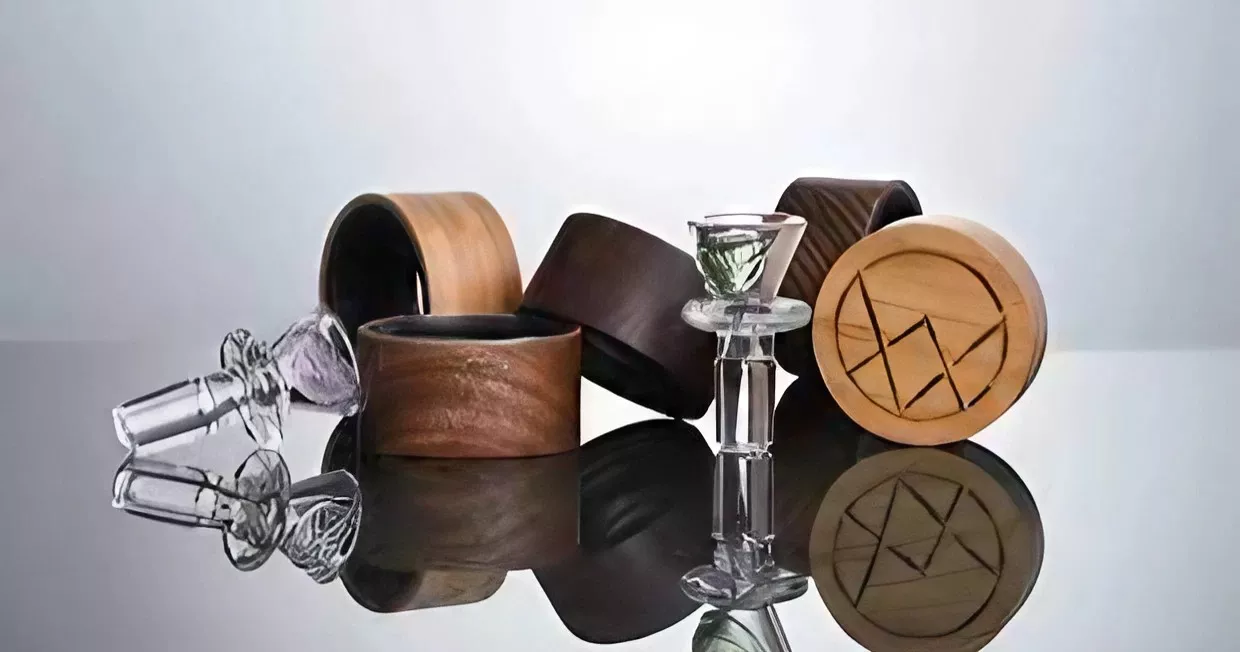
The bowl represents the fundamental combustion chamber in cannabis smoking devices, serving as the receptacle where ground flower is packed, ignited, and converted into inhalable smoke through controlled burning. This essential component appears across virtually all smoking apparatus from simple pipes to elaborate water bongs, functioning as the critical interface between flame and flower that determines airflow, burn rate, and ultimately the quality of the smoking experience. Bowl design has evolved from rudimentary depressions in primitive pipes to sophisticated engineered components featuring precise airflow dynamics, heat management systems, and user-friendly features that optimize cannabis combustion.
The physics of bowl function involves careful balance between material capacity, airflow resistance, and heat retention to achieve even combustion without waste or harsh hits. Properly designed bowls create negative pressure zones that draw flame into the material while preventing excessive heat buildup that destroys cannabinoids and terpenes. The bowl’s geometry, including depth, width, and hole configuration, directly impacts how cannabis burns, with different designs favoring various consumption styles from conservative single hits to generous party bowls. Modern manufacturing techniques enable precise control over these variables, resulting in bowls optimized for specific uses and user preferences.
Contemporary cannabis culture has elevated the bowl from purely functional component to artistic expression and technological innovation, with glass artists creating elaborate designs while engineers develop advanced features like built-in screens, ash catchers, and heat management systems. The bowl’s central role in the smoking ritual makes it a focal point for both aesthetic enhancement and functional improvement. Understanding bowl selection, packing techniques, and maintenance proves essential for optimal cannabis consumption, as this component more than any other determines the efficiency, flavor, and smoothness of the smoking experience.
Traditional bowl designs reflect centuries of iterative refinement across cultures, from Native American peace pipes to Middle Eastern water pipes, each optimizing for local materials and consumption preferences. Early ceramic and stone bowls emphasized durability and heat retention, often featuring thick walls that moderated temperature but required longer cooling periods. Metal bowls gained popularity for their unbreakable nature and rapid heat dissipation, though many users found them harsh and prone to overheating. The introduction of borosilicate glass revolutionized bowl design by enabling complex shapes, visual appeal, and flavor neutrality. Contemporary designs incorporate lessons from this evolution while leveraging modern materials and manufacturing capabilities.
Airflow engineering in modern bowls applies fluid dynamics principles to optimize smoke production and cooling before inhalation. Single-hole designs create concentrated airflow that can lead to hot spots and uneven burning, while multi-hole configurations distribute air more evenly through the material. Raised glass screens integrated into bowl design eliminate the need for metal screens while providing superior airflow. Venturi effect designs accelerate air through constricted passages, enhancing combustion efficiency. Computational modeling now guides bowl design, with manufacturers testing virtual prototypes for optimal flow characteristics. These engineering advances significantly improve user experience compared to traditional designs.
Capacity optimization balances material conservation with session requirements, leading to diverse bowl sizes serving different consumption patterns. Personal bowls typically hold 0.1-0.3 grams, perfect for individual sessions or microdosing. Standard bowls accommodate 0.3-0.5 grams, suitable for sharing between 2-3 people. Party bowls can hold over 1 gram, designed for group sessions or heavy users. Adjustable bowls using reducer inserts allow users to modify capacity without changing pieces. The trend toward smaller, more efficient bowls reflects both cannabis cost considerations and growing awareness of overconsumption risks. Smart design ensures complete combustion regardless of bowl size.
Packing methodology significantly impacts burn quality, with different techniques suited to various bowl designs and cannabis consistencies. The three-layer method places larger pieces at bottom to prevent pull-through, medium grind in the middle for even burning, and finer material on top for easy ignition. Proper density allows sufficient airflow while preventing material from pulling through or scattering when lit. Over-packing restricts airflow and causes harsh, incomplete combustion, while under-packing leads to rapid, wasteful burning. Some users create a slight dome shape that promotes even burning from center outward. Hemp wick placement and cornering techniques preserve green hits for multiple users.
Combustion control techniques differentiate experienced users from novices, with proper flame management maximizing flavor and minimizing waste. Holding flame slightly above the material allows hot air to initiate combustion without direct contact, preserving terpenes. Circular flame motion ensures even ignition across the bowl surface. Removing flame once cherrying begins prevents overheating and harsh smoke. Advanced users match draw speed to combustion rate, maintaining optimal temperature throughout the hit. Carb hole manipulation on pipes provides additional combustion control. These techniques significantly impact consumption efficiency and experience quality.
Draw resistance optimization involves understanding how bowl design, packing density, and material moisture interact to create the overall inhalation experience. Ideal draw resistance allows comfortable inhalation while maintaining sufficient contact time between hot air and material for complete extraction. Too little resistance causes rapid, incomplete combustion, while excessive resistance strains lungs and creates harsh hits. Screen selection significantly impacts resistance, with finer meshes increasing restriction. Material preparation through proper grinding and moisture control ensures consistent resistance. Users develop preferences for specific resistance levels, influencing bowl and device selection.
Glass bowl manufacturing leverages borosilicate’s unique properties of thermal shock resistance, chemical inertness, and workability to create diverse designs. Scientific glass production uses automated lathes and precise temperature control for consistent wall thickness and joint specifications. Artistic pieces employ traditional flameworking techniques, with skilled artists manipulating molten glass to create functional sculptures. Color incorporation through metal oxides and striking glasses adds aesthetic appeal without compromising function. Fuming with precious metals creates color-changing effects prized by collectors. Quality indicators include even wall thickness, smooth joints, and absence of stress marks. American-made glass commands premium prices due to superior quality control and artistic merit.
Metal bowl considerations involve material selection balancing durability, heat transfer, and potential health impacts from heated metals. Stainless steel offers corrosion resistance and durability but can impart metallic taste at high temperatures. Titanium provides superior heat resistance and flavor neutrality at higher cost. Aluminum, while lightweight and affordable, raises health concerns due to potential oxidation and low melting point. Brass and copper bowls appear in traditional pieces but require careful cleaning to prevent patina formation. Modern metal bowls often feature heat sinks or fins to improve cooling. Anodizing and other surface treatments enhance durability and aesthetics while potentially affecting heat transfer properties.
Alternative materials exploration responds to diverse user needs and sustainability concerns, introducing innovative bowl construction options. Ceramic bowls offer excellent heat retention and flavor neutrality, with glazing options providing easy cleaning and artistic expression. Silicone-wrapped glass combines durability with heat resistance for active lifestyles. Stone bowls carved from soapstone or similar materials provide unique aesthetics and thermal properties. Quartz bowls offer extreme heat resistance and purity for flavor-focused users. Wood bowls, while traditional, require careful selection of safe species and regular maintenance. Each material brings distinct advantages and limitations affecting user experience and maintenance requirements.
Cleaning methodologies for bowls vary by material and usage patterns, with regular maintenance essential for optimal performance and flavor. Glass bowls benefit from isopropyl alcohol and salt abrasion, with soaking dissolving resin buildup while salt provides mechanical cleaning action. Boiling water offers chemical-free cleaning for glass pieces, though rapid temperature changes risk cracking. Ultrasonic cleaners provide thorough cleaning for intricate designs. Metal bowls require careful product selection to avoid corrosion, with specialized cleaners available for different alloys. Natural cleaning solutions using citrus or vinegar appeal to health-conscious users. Frequency depends on usage, with daily users benefiting from weekly deep cleaning.
Resin management strategies address the inevitable buildup that affects both function and flavor in regularly used bowls. Prevention through regular ash clearing and quick rinses after use reduces heavy buildup. Some users intentionally collect resin for consumption during shortage periods, though this practice involves consuming concentrated combustion byproducts. Scraping tools designed for different bowl shapes allow resin removal without damage. Freezing makes resin brittle and easier to remove from glass surfaces. Understanding resin composition helps users decide whether collection or disposal better serves their needs. Professional cleaning services increasingly cater to consumers preferring outsourced maintenance.
Screen maintenance represents a crucial but often neglected aspect of bowl care, with clogged or damaged screens significantly impacting performance. Metal screens require regular replacement as heat cycling causes brittleness and warping. Cleaning between replacements using flame treatment burns off residue but accelerates degradation. Glass screens integrated into bowls need careful cleaning to prevent breakage. Titanium screens offer extended lifespan justifying higher initial cost. Proper screen sizing prevents movement during use that can damage bowls or create gaps. Some users prefer screened bowls eliminating separate screen maintenance. Screen selection affects airflow resistance and particle filtration.
Price segmentation in the bowl market reflects diverse quality levels and consumer priorities from basic functionality to artistic collection. Import glass bowls under $10 provide affordable access but often suffer from poor quality control and thin construction. Mid-range domestic glass ($20-50) offers improved durability and design variety. High-end scientific glass ($50-150) features precise engineering and premium materials. Artistic pieces command hundreds to thousands based on artist reputation and complexity. Metal bowls generally cost less than equivalent glass. The market supports this range through varied consumer needs and collection mentalities. Online retail expanded access while galleries showcase premium pieces.
Customization trends reflect cannabis consumers’ desire for personalized experiences and unique aesthetic expression. Custom bowl commissions allow specification of size, color, and design elements. Sandblasting and etching add personalized text or images to existing pieces. Interchangeable bowl systems let users swap different designs on the same piece. Color-matching to existing pieces creates cohesive collections. Functional customizations include specific screen types or airflow modifications. 3D printing enables rapid prototyping of custom designs. These customization options command premium pricing while fostering customer loyalty. The trend parallels broader personalization movements across consumer products.
Retail channel evolution from head shops to mainstream cannabis stores transformed bowl purchasing from countercultural activity to normalized shopping. Legal dispensaries openly display and discuss bowl options without euphemistic “tobacco use” disclaimers. Online sales dominate the market, offering selection beyond local availability. Instagram and social media marketing showcase products in use, previously impossible under prohibition. Subscription boxes introduce consumers to new brands and styles. Pop-up events and glass shows create experiential retail opportunities. Education about proper selection and use replaces the secretive nature of past transactions. This normalization expands market reach while improving consumer knowledge.
Smart bowl technology integration explores electronic enhancement of traditional smoking experiences through temperature monitoring and usage tracking. Sensors embedded in bowls could alert users to optimal packing density or indicate when cleaning is needed. Bluetooth connectivity enables consumption tracking apps monitoring usage patterns. LED integration provides aesthetic enhancement and functional indicators like temperature zones. Self-cleaning mechanisms using ultrasonic vibration or heating cycles reduce maintenance burden. Childproof smart locks prevent unauthorized use. These innovations target tech-savvy consumers willing to pay premiums for enhanced functionality. Market adoption depends on balancing useful features with simplicity and reliability traditional bowls offer.
Sustainable manufacturing initiatives address environmental concerns about glass production energy use and import transportation impacts. Recycled glass incorporation reduces raw material demands while maintaining quality. Local production minimizes transportation emissions and supports regional economies. Renewable energy adoption in glass studios reduces carbon footprints. Biodegradable packaging replaces plastic containers. Take-back programs encourage recycling old pieces. Carbon offset programs neutralize remaining emissions. Fair labor practices in production facilities appeal to socially conscious consumers. These initiatives respond to growing environmental awareness among cannabis consumers. Premium pricing for sustainable products tests market willingness to support environmental responsibility.
Health-focused innovations explore harm reduction through improved filtration and alternative consumption methods integrated into familiar bowl formats. Activated carbon filters built into bowls remove additional toxins without separate attachments. Vaporization inserts convert traditional bowls to healthier consumption methods. Temperature-indicating materials prevent overheating that destroys beneficial compounds. Antimicrobial coatings reduce contamination risks from shared use. Dosage control mechanisms prevent overconsumption through measured delivery. These developments respond to increasing health consciousness among cannabis consumers. The challenge involves maintaining the ritual and social aspects of traditional bowl use while incorporating health improvements. Success requires balancing innovation with respect for established consumption culture.