
×
Remove product
Remove item from cart?

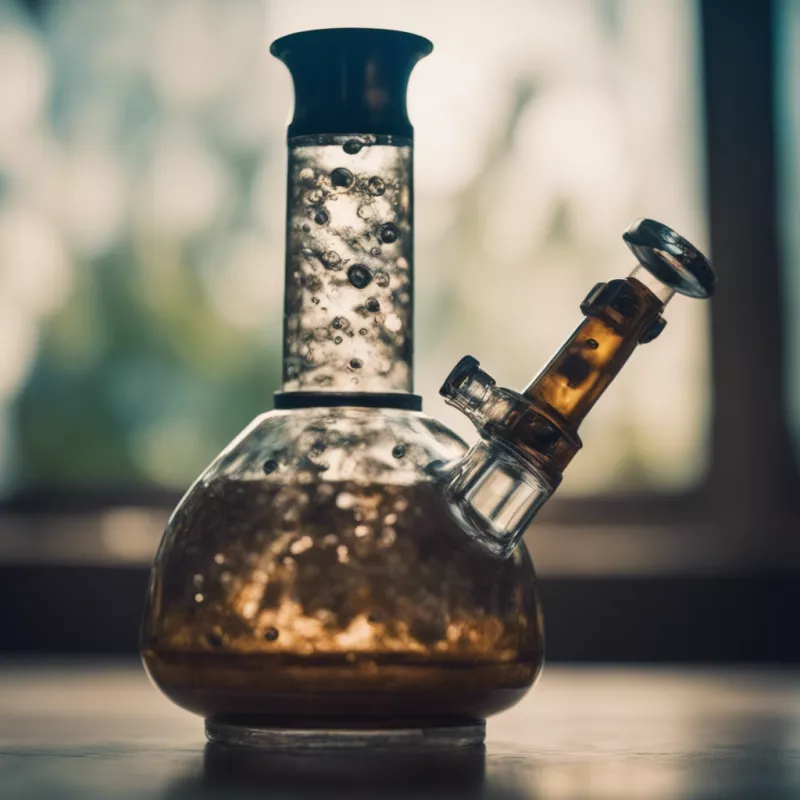
A bong represents one of humanity’s oldest and most enduring cannabis consumption devices, utilizing water filtration to cool and filter smoke before inhalation, creating a smoother and potentially less harmful smoking experience compared to direct combustion methods. These water pipes, ranging from simple tube-and-bowl configurations to elaborate multi-chamber artistic pieces, operate on the principle of smoke diffusion through water, which removes some particulates and water-soluble compounds while cooling the smoke temperature. The word “bong” derives from the Thai word “baung,” referring to bamboo water pipes used for centuries in Southeast Asia, though similar devices appear throughout history across diverse cultures from Africa to Central Asia.
The physics of bong operation involves creating negative pressure through inhalation that draws smoke through the water chamber, where bubbling action increases surface area contact between smoke and water, facilitating filtration and cooling. Modern bongs incorporate sophisticated percolation systems, ice chambers, and diffusion mechanisms that further refine the smoking experience, with designs based on fluid dynamics principles optimizing bubble size and distribution for maximum filtration efficiency. The water not only cools the smoke by absorbing heat but also traps some heavier particles and water-soluble toxins, though debates continue about the extent of harm reduction compared to other consumption methods.
Contemporary bong culture encompasses both functional daily-use pieces and high-end artistic creations commanding thousands of dollars, reflecting the device’s evolution from simple utility to cultural icon and collector’s item. The legal cannabis era has legitimized bong manufacturing and retail, enabling open innovation and quality improvements previously constrained by prohibition. Understanding bong selection, usage, maintenance, and safety considerations proves essential for consumers navigating options ranging from mass-produced imports to custom-crafted American glass, each offering different experiences and value propositions in the modern cannabis marketplace.
Material science advancements transformed bong construction from traditional ceramics and bamboo to borosilicate glass, silicone, and advanced polymers, each offering distinct advantages for different use cases. Borosilicate glass, with its low thermal expansion coefficient, resists cracking from temperature changes while providing flavor neutrality and visual appeal. Scientific glass techniques borrowed from laboratory equipment manufacturing enable complex internal structures previously impossible. Silicone bongs offer durability and portability for active lifestyles, using food-grade materials that withstand drops and travel. Ceramic and metal options provide aesthetic variety and thermal properties suited to specific preferences. Each material requires different manufacturing techniques, affecting price points and design possibilities.
Percolation technology represents the most significant innovation in modern bong design, with various percolator styles creating different bubble patterns and filtration effects. Tree percolators use multiple arms with slits to divide smoke into smaller bubbles, increasing water contact surface area. Honeycomb discs force smoke through dozens of small holes, creating uniform bubble distribution. Showerhead percolators combine vertical and horizontal diffusion for smooth draws. Matrix percolators maximize bubble stack density for intensive filtration. Turbine percolators create cyclonic water action for visual appeal and thorough mixing. Swiss percolators use body holes to create pressure equalization. Each design balances filtration efficiency against draw resistance, with user preferences varying based on lung capacity and desired effects.
Modular systems revolutionized bong customization by allowing users to combine different components for personalized experiences. Standardized joint sizes (10mm, 14mm, 18mm) enable mixing and matching of bowls, downstems, and attachments across brands. Ash catchers provide additional filtration and easier cleaning by trapping debris before it enters the main chamber. Reclaim catchers collect concentrate residue for later use. Adjustable downstems allow fine-tuning of water levels and bubble patterns. Interchangeable mouthpieces accommodate different user preferences and hygiene needs. Build-a-bong systems let users create custom configurations from standardized parts. This modularity extends product lifespan through replaceable components while enabling experimentation with different setups.
Water level optimization significantly impacts bong performance, requiring balance between filtration effectiveness and draw resistance for optimal user experience. Insufficient water fails to cool smoke adequately and provides minimal filtration, while excessive water creates difficult draws and risks water reaching the mouthpiece. General guidelines suggest water levels 1-2 inches above the downstem opening, though percolator bongs require specific levels for each chamber. Water temperature affects the experience, with cold water providing maximum cooling but potentially condensing more THC, while warm water creates smoother hits through increased humidity. Some users add ice for extra cooling, though this may increase condensation of cannabinoids. Regular water changes prevent bacterial growth and maintain fresh taste.
Inhalation techniques for bong use differ from other smoking methods due to the larger smoke volumes and rapid delivery associated with water pipe consumption. Proper technique involves slow initial draws to cherry the bowl, followed by steady inhalation to maintain consistent burn temperature. Clearing the chamber requires removing the bowl or releasing the carb hole while continuing to inhale, preventing stale smoke accumulation. Breath control becomes crucial with large bongs, as attempting to inhale excessive volumes can trigger coughing fits. Some users prefer multiple smaller hits over single large draws. Pacing between hits allows lung recovery and prevents overconsumption from delayed effects. These techniques maximize efficiency while minimizing discomfort.
Bowl packing methods influence burn rate, airflow, and extraction efficiency, with various techniques suited to different cannabis consistencies and desired effects. The three-layer method places larger pieces at bottom to prevent pull-through, medium grind in the middle, and fine material on top for easy lighting. Gentle packing maintains airflow while preventing scattered burning. Corner lighting preserves green hits for multiple users or extended sessions. Screen usage prevents material waste but requires regular replacement. Hemp wick alternatives to butane lighters eliminate fuel taste while providing precise flame control. Proper ashing between hits maintains airflow and prevents harsh flavors from combusted plant matter. These techniques optimize cannabis utilization and session quality.
Filtration efficacy studies reveal water’s limited ability to remove harmful combustion byproducts, challenging common assumptions about bong safety compared to other smoking methods. Research indicates water filtration removes approximately 90% of water-soluble toxins but also filters out some cannabinoids, potentially leading to increased consumption to achieve desired effects. Particulate matter reduction varies with bubble size and contact time, with fine diffusion providing superior filtration. Tar and carcinogen levels remain significant despite water filtration, though lower than unfiltered methods. Temperature reduction proves more consistent than chemical filtration, with measurable decreases in throat irritation. These findings inform harm reduction discussions while highlighting that water filtration doesn’t eliminate smoking-related health risks.
Hygiene considerations for shared bong use gained prominence during global health crises, highlighting transmission risks for respiratory infections and oral pathogens. Biofilm formation in inadequately cleaned bongs creates breeding grounds for bacteria, mold, and other microorganisms. Shared mouthpieces facilitate direct transmission of viruses and bacteria between users. Regular cleaning with isopropyl alcohol and salt prevents buildup but requires consistency often lacking in social settings. Personal mouthpiece attachments offer some protection but aren’t widely adopted. Water chamber contamination occurs rapidly, with visible biofilm formation within days. These hygiene concerns led to increased interest in personal devices and single-use options during pandemic conditions.
Respiratory impact comparisons between bong use and other consumption methods show mixed results, with some benefits from cooling and filtration offset by larger smoke volumes typically inhaled. Deep inhalations associated with bong use may deposit smoke deeper in lungs compared to joint smoking. The rapid delivery of large smoke volumes can overwhelm respiratory defenses, triggering acute bronchospasm in sensitive individuals. Long-term bong users show similar respiratory symptoms to other smokers, including chronic bronchitis and reduced lung function. However, the cooling effect reduces immediate throat irritation that might otherwise limit consumption. Medical professionals increasingly recommend vaporization or edibles over any combustion method, including water-filtered options.
Price stratification in the bong market reflects diverse consumer segments from budget-conscious users to serious collectors, with products ranging from $20 imports to $50,000 functional art pieces. Import glass from China and India dominates the budget segment through mass production and lower labor costs. Mid-range American-made glass commands $100-500 premiums through superior quality control and artistic elements. High-end functional art pieces by renowned glass artists appreciate in value, creating investment opportunities. Limited editions and collaborations drive collector markets. Custom commissions allow personalization at premium prices. The market supports this range through varied consumer priorities balancing function, aesthetics, and status. Online retail expanded access while galleries showcase investment-grade pieces.
Brand differentiation strategies in the saturated bong market emphasize unique selling propositions beyond basic functionality. Scientific glass brands focus on percolation innovation and laboratory aesthetics appealing to function-focused consumers. Lifestyle brands integrate bongs into broader product ecosystems including apparel and accessories. Artist collaborations create limited editions combining functional excellence with visual innovation. Sustainability-focused brands use recycled materials and carbon-neutral shipping. Technology integration through apps or smart features appeals to modern consumers. Celebrity partnerships leverage cultural influence for market penetration. Quality guarantees and lifetime warranties justify premium pricing. These strategies help brands stand out in commoditized markets while building loyal customer bases.
Retail evolution from head shops to mainstream cannabis stores transformed bong purchasing from countercultural activity to normalized shopping experience. Legal dispensaries openly display and demonstrate products without euphemistic “tobacco use only” disclaimers. Knowledgeable staff provide education about different designs and usage techniques. Online sales expanded selection beyond local inventory limitations. Social media marketing showcases products in use, previously impossible under prohibition. Subscription boxes introduce consumers to new brands and styles. Pop-up events and glass shows create experiential retail opportunities. Virtual reality showrooms allow examining expensive pieces remotely. This retail normalization expanded market reach while improving consumer education and product quality expectations.
Paraphernalia law evolution reflects changing cannabis legalization landscapes, with many jurisdictions removing or modifying restrictions on bong sales and possession. Federal law still technically prohibits drug paraphernalia, creating conflicts with state-legal markets. Some states explicitly legalized paraphernalia alongside cannabis, while others maintain restrictions creating gray markets. International shipping faces customs seizures despite domestic legality. Age restrictions typically match cannabis purchase ages rather than tobacco standards. Public display laws affect retail operations in some jurisdictions. Criminal justice reform includes expunging paraphernalia convictions. These evolving regulations create compliance challenges for multi-state operators while improving consumer access in legal markets.
Import regulations significantly impact bong availability and pricing, with trade policies affecting the dominant Chinese glass supply chain. Tariffs on Chinese glass imports increased domestic production competitiveness but raised overall prices. Quality control concerns about imported glass include heavy metals and improper annealing. Customs classifications determine duty rates, with some importers exploiting vague categories. Intellectual property disputes arise over design copies and trademark infringement. Supply chain disruptions during global events highlighted dependence on international manufacturing. These factors influence market dynamics and consumer choices between imported and domestic products. Trade policy changes could dramatically reshape market accessibility and pricing structures.
Advertising restrictions for bongs navigate complex regulations varying by platform and jurisdiction, limiting marketing opportunities compared to mainstream products. Social media platforms inconsistently enforce policies against drug paraphernalia promotion. Search engine advertising faces keyword restrictions and account suspensions. Traditional media often refuses bong advertisements regardless of legality. Age-gating requirements complicate online marketing efforts. Influencer partnerships risk platform violations and legal scrutiny. Trade publication advertising remains relatively unrestricted within industry channels. Creative workarounds include lifestyle content and educational approaches. These restrictions shape marketing strategies and favor established brands with organic recognition over new market entrants.
Smart technology integration promises to transform bongs from analog devices to connected consumption tools with enhanced functionality and user experience. Temperature sensors could optimize water levels and alert users to cleaning needs. Bluetooth connectivity enables consumption tracking and social sharing features. LED integration provides aesthetic enhancement and functional indicators. Automated cleaning systems using ultrasonic technology simplify maintenance. Voice activation allows hands-free operation for accessibility. App integration could provide strain recommendations based on usage patterns. Smart storage systems monitor freshness and security. These innovations appeal to tech-savvy consumers while potentially alienating traditionalists. Market adoption depends on balancing useful features with simplicity and reliability.
Sustainable materials development addresses environmental concerns about glass production energy use and plastic alternatives’ environmental impact. Recycled glass incorporation reduces raw material demands while maintaining quality. Biodegradable polymers offer eco-friendly alternatives to silicone. Hemp-based composites provide renewable material options with appropriate durability. Carbon-negative manufacturing processes offset production impacts. Modular designs emphasizing repairability over replacement reduce waste. Take-back programs for recycling old pieces create circular economy models. Local production reduces transportation emissions. These sustainability initiatives respond to environmentally conscious consumer demands while potentially increasing costs. Market premiums for sustainable products vary by demographic and values alignment.
Health-focused innovations explore harm reduction through improved filtration and alternative consumption methods integrated into familiar bong formats. Advanced filtration media including activated carbon and HEPA elements remove additional toxins. Vaporizer attachments convert bongs to healthier consumption methods while maintaining ritual aspects. UV sterilization systems prevent microbial growth between cleanings. Antimicrobial coatings reduce contamination risks. Dosage control mechanisms prevent overconsumption through measured delivery. Cooling innovations using phase-change materials optimize temperature without ice. Hybrid devices allowing both combustion and vaporization provide transition options. These health-focused developments respond to increasing consumer awareness about consumption method impacts while maintaining cultural connections to traditional bong use.

