
×
Remove product
Remove item from cart?

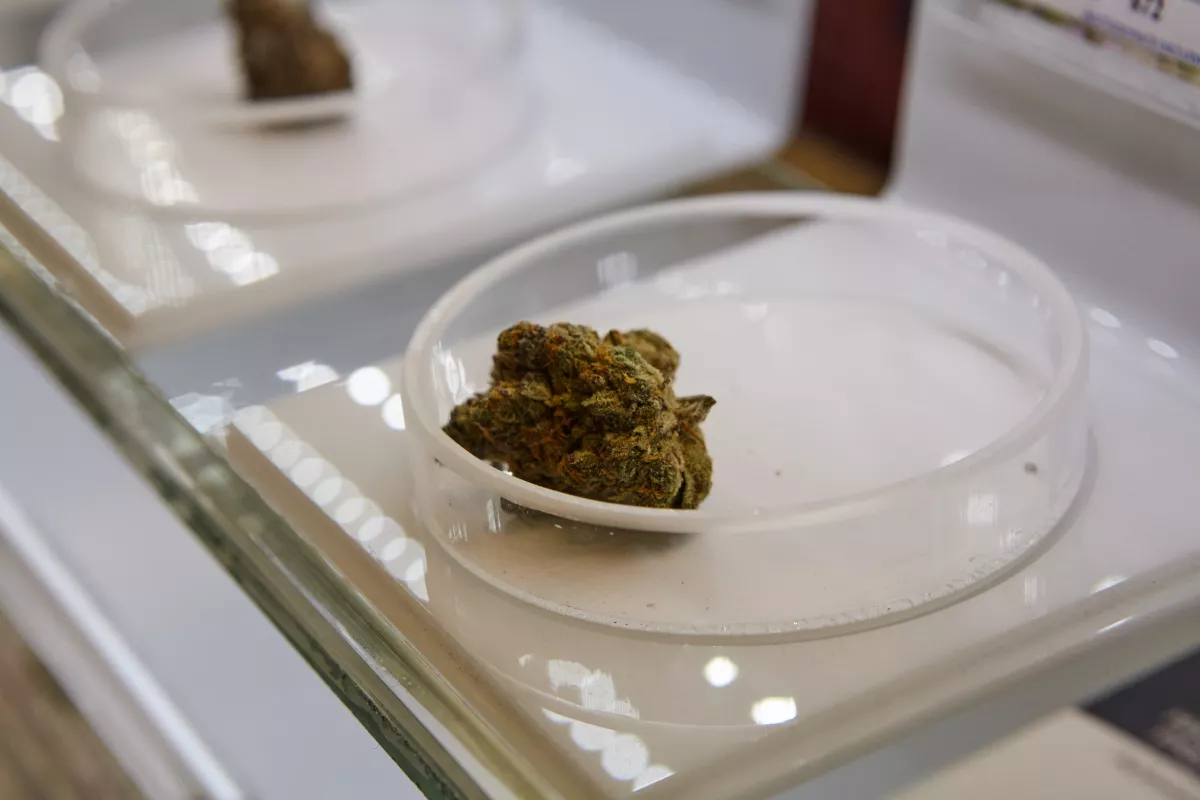
Top shelf cannabis represents the pinnacle of cultivation artistry and genetic excellence, commanding premium prices through superior appearance, potency, aroma, and effects that distinguish it from mid-tier and budget options. This designation originated in dispensaries where the finest products literally occupied the highest display shelves, both for security and visual prominence, creating a spatial metaphor for quality hierarchy that persists throughout the industry. Beyond simple marketing terminology, top shelf status reflects measurable differences in trichome density, terpene complexity, cannabinoid content, and the absence of any defects that would diminish the consumption experience.
The criteria defining top shelf cannabis have evolved alongside industry sophistication, expanding from basic visual appeal and THC percentages to encompass comprehensive quality markers including terpene profiles, cultivation methods, cure quality, and genetic provenance. Modern top shelf products result from meticulous attention throughout the cultivation cycle: selecting elite genetics, optimizing environmental conditions, hand-trimming to preserve trichomes, and extended curing to develop complex flavors. This premium tier serves discerning consumers willing to pay 50-100% premiums for exceptional experiences, medical patients requiring consistent high-quality medicine, and connoisseurs who appreciate cannabis like fine wine.
Understanding top shelf cannabis requires examining the intersection of agricultural excellence, scientific advancement, and market dynamics that create and sustain premium product categories in maturing legal markets. As commoditization pressures affect mainstream cannabis, top shelf designation becomes increasingly important for differentiation, allowing craft producers to compete against large-scale operations through quality rather than volume. The category continues evolving as consumer education advances, analytical testing improves, and cultivation techniques push the boundaries of what cannabis can achieve, suggesting that today’s top shelf may become tomorrow’s standard as the industry relentlessly pursues perfection.
Visual characteristics distinguishing top shelf cannabis begin with extraordinary trichome coverage creating a crystalline appearance that reflects light like diamonds, indicating both potency and careful handling. Dense trichome forests should coat every surface including sugar leaves and stems, with intact glandular heads visible under minimal magnification. Bud structure exhibits optimal density – neither too loose nor overly compressed – with natural formation preserved through careful hand-trimming. Color expression ranges from deep purples through vibrant greens to golden hues, all with clarity and definition rather than muddled tones. Zero defects means no seeds, mold, mildew, pest damage, or nutrient burn marks. Pistils remain largely intact showing orange, red, or pink coloration. Size consistency within containers indicates careful grading and quality control. These visual markers provide immediate quality assessment before considering aroma or laboratory results.
Aromatic complexity in top shelf cannabis transcends simple “loud” designation to offer nuanced terpene profiles with multiple layers revealing themselves as flowers warm and are broken apart. Initial jar opening should release pronounced primary notes whether fruity, gassy, earthy, or floral, followed by subtle secondary characteristics. Breaking buds releases additional aromatic compounds with quality specimens showing distinct differences between exterior and interior scents. Terpene preservation indicates proper drying, curing, and storage without volatile loss to evaporation. Complexity might include unexpected notes like chocolate, coffee, or spices complementing primary profiles. Absence of hay, ammonia, or musty odors confirms proper processing without shortcuts. The aromatic experience should evolve throughout consumption with different notes emerging during grinding and combustion. Room-filling presence distinguishes truly exceptional terpene preservation.
Laboratory analytics for top shelf designation extend beyond high THC percentages to encompass complete cannabinoid profiles, extensive terpene analysis, and pristine contamination screening results. Total cannabinoid content often exceeds 25% with thoughtful ratios including minor cannabinoids like CBG, CBN, or THCV adding effect complexity. Terpene percentages surpassing 2-3% indicate exceptional preservation with diverse profiles showing 10+ identified compounds. Microbial testing shows non-detectable levels rather than merely passing minimum standards. Pesticide screening covers expanded analyte lists with no detectable residues. Heavy metals testing confirms clean cultivation practices. Moisture content optimization around 10-12% ensures quality without degradation. Homogeneity testing reveals consistent potency throughout batches. These comprehensive analytics validate subjective quality assessments with objective data supporting premium positioning.
Cultivation practices for top shelf cannabis emphasize quality over quantity at every decision point, from genetic selection through harvest timing to post-production handling. Living soil or precision hydroponic systems provide optimal nutrition without synthetic shortcuts affecting flavor. Environmental controls maintain precise temperature, humidity, and CO2 levels throughout growth cycles minimizing stress. Integrated pest management prevents infestations without resorting to harsh pesticides. Hand-watering allows individual plant attention identifying issues early. Selective pruning and training maximize light penetration to all bud sites. Flushing periods ensure clean-burning flowers free of residual nutrients. Harvest timing at peak trichome maturity captures maximum potency and terpene expression. Small-batch approach enables attention impossible at industrial scales. These meticulous practices require significant labor investment justified by premium market positioning.
Genetic selection for top shelf production involves acquiring and maintaining elite cultivars through extensive phenotype hunting, tissue culture preservation, and careful mother plant management. True top shelf genetics combine exceptional potency, unique terpene profiles, striking appearance, and vigorous growth characteristics. Phenotype hunting from hundreds or thousands of seeds identifies exceptional individuals worth preserving. Clone-only varieties command premiums due to inability to reproduce traits through seeds. Tissue culture preservation ensures genetic integrity preventing drift over time. Mother plant care maintains health for consistent cutting production. In-house breeding programs develop proprietary genetics unavailable elsewhere. Collaborations with renowned breeders access exclusive varieties. Regular genetic testing confirms authenticity preventing mislabeling. This genetic foundation determines absolute quality ceilings regardless of cultivation excellence.
Post-harvest processing for top shelf cannabis demands patience and precision, with extended drying, careful curing, and meticulous trimming preserving the quality achieved during cultivation. Slow drying at 60-65°F and 55-60% humidity over 10-14 days prevents terpene loss while achieving optimal moisture. Cure periods extend 30-60 days or longer in controlled environments allowing chlorophyll breakdown and flavor development. Hand-trimming by skilled workers preserves trichome heads that machine trimming would strip. Sugar leaf retention decisions balance appearance with trichome preservation. Quality grading removes any substandard buds maintaining consistency. Packaging in glass with humidity packs preserves achieved quality. Cold storage prevents degradation during inventory holding. Each step requires resisting shortcuts that compromise final quality. This patient approach distinguishes artisanal products from rushed commercial alternatives.
Pricing strategies for top shelf cannabis reflect production costs, market positioning, and perceived value rather than simple markup formulas, with successful brands commanding 50-100% premiums over mid-tier alternatives. Wholesale prices for true top shelf flower range $2,400-4,000 per pound compared to $1,200-2,000 for standard quality. Retail markups typically achieve 100% resulting in $50-80 eighth-ounce prices. Limited releases and exclusive genetics justify ultra-premium positioning above standard top shelf. Volume discounts remain minimal preserving premium perception even for bulk purchases. Geographic variations reflect local market maturity and competition levels. Vertical integration allows capturing full margin stack from cultivation through retail. Brand reputation enables premium maintenance despite market pressures. Value communication through education justifies prices to quality-conscious consumers. These pricing dynamics require careful balance maintaining accessibility while preserving luxury positioning.
Consumer demographics for top shelf cannabis reveal diverse segments united by prioritizing quality over price, including connoisseurs, medical patients, special occasion purchasers, and status-conscious consumers. Cannabis enthusiasts with developed palates appreciate subtle quality differences justifying premium payments. Medical patients requiring consistent effects rely on top shelf reliability for symptom management. Tourists and special occasion users splurge on best available options for memorable experiences. Professional consumers discretely prefer top shelf for functional use without impairment concerns. Gift purchasers select top shelf demonstrating thoughtfulness and generosity. Age demographics skew older with higher disposable incomes. Education levels correlate with quality appreciation and willingness to pay premiums. Geographic clusters in urban areas show highest top shelf consumption. Understanding these segments guides marketing and product development strategies.
Distribution channels for top shelf cannabis often emphasize direct-to-consumer sales through branded dispensaries or exclusive retail partnerships maintaining quality control and brand experience. Flagship dispensaries showcase top shelf prominently with dedicated sections and specialized storage. Budtender education ensures proper handling and informed recommendations preserving quality. Limited retail partnerships prevent brand dilution through inappropriate channels. Direct delivery services cater to premium consumers valuing convenience. Members-only models create exclusivity justifying premium pricing. Pop-up events generate buzz while maintaining scarcity. Online pre-ordering with authentication prevents counterfeiting. Vertical integration from cultivation through retail maximizes quality control. Selective wholesale requires retailer vetting ensuring appropriate representation. These distribution strategies protect brand equity while maximizing premium realization.
Technological advancement in cultivation promises to redefine top shelf standards through precision agriculture, genetic optimization, and post-harvest innovations pushing quality boundaries beyond current limitations. Spectral tuning with advanced LED systems optimizes cannabinoid and terpene production exceeding natural sunlight. Automated environmental controls respond to plant biometrics in real-time maximizing genetic potential. Tissue culture propagation ensures perfect genetic copies without degradation. Genomic selection accelerates breeding programs identifying superior traits before flowering. Cryogenic curing preserves volatile compounds impossible with traditional methods. Analytical instrumentation enables real-time quality optimization during growth. Robotics reduce labor costs while maintaining hand-trimmed quality. Blockchain verification authenticates genetics and cultivation methods. Artificial intelligence predicts optimal harvest timing for individual plants. These technologies democratize top shelf production capabilities while raising quality ceilings.
Market maturation effects on top shelf categorization suggest evolution toward more sophisticated quality metrics beyond current visual and potency focus. Terpene profiles may become primary quality indicators as effects correlation improves. Minor cannabinoid content could define premium tiers recognizing therapeutic value. Terroir designation similar to wine appellations may distinguish regional top shelf. Vintage years for outdoor cultivation could command premiums for exceptional seasons. Sustainability metrics including carbon footprint might influence top shelf qualification. Living soil and regenerative practices may become premium requirements. Effect-based categorization could replace strain names for quality designation. Blockchain-verified supply chains may define authenticity standards. Personalized quality metrics based on individual endocannabinoid systems could emerge. These evolutionary trends suggest increasingly sophisticated quality definitions.
Globalization of cannabis markets will reshape top shelf concepts as international trade enables comparison between regional excellence and establishes worldwide quality benchmarks. Import opportunities for renowned international cultivars expand quality options beyond domestic production. Export potential for premium products drives quality investment anticipating global competition. Appellation systems protect regional top shelf designations preventing quality dilution. Quality standardization across borders facilitates trade while preserving local character. Price arbitrage between markets influences global top shelf pricing. Knowledge exchange between cultivation regions advances techniques worldwide. Competition from traditional cannabis regions challenges New World producers. Luxury positioning in emerging markets commands super-premium prices. Brand globalization requires maintaining quality across diverse cultivation environments. These global dynamics elevate top shelf standards through international competition.

