
×
Remove product
Remove item from cart?

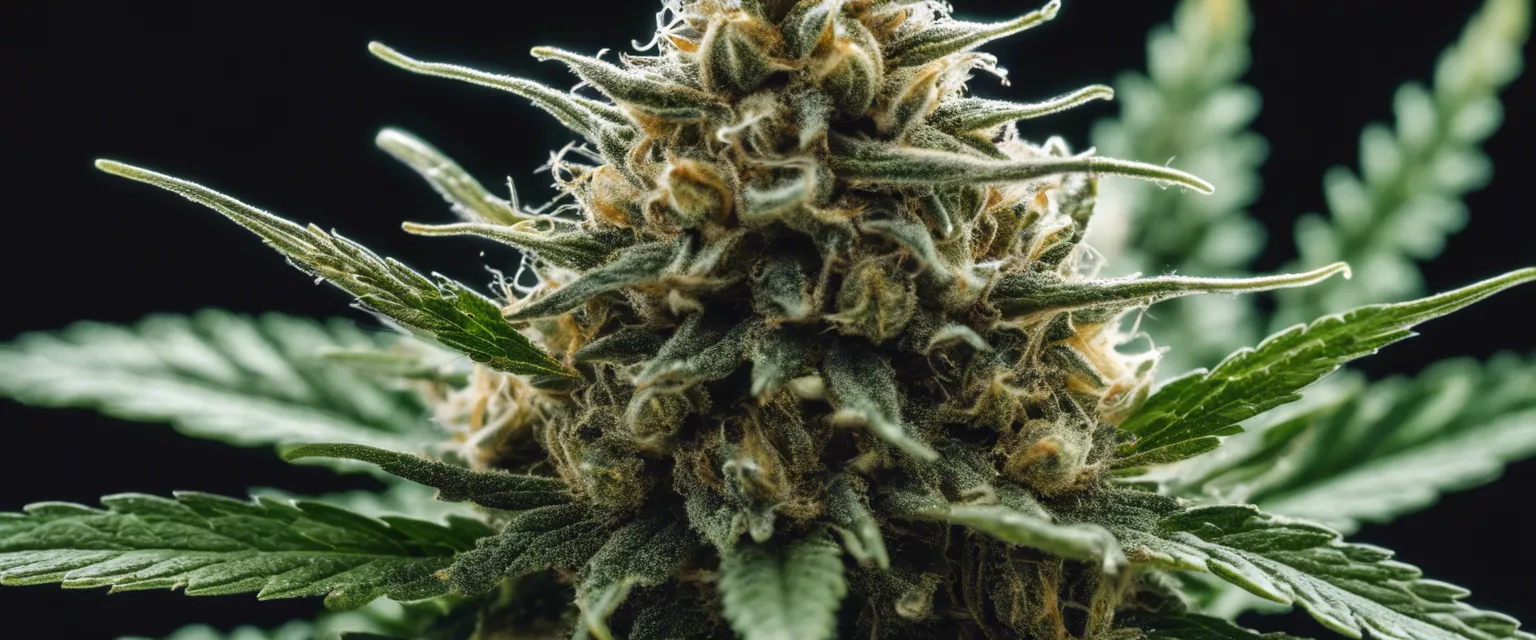
Sugar leaves are the small, resinous leaves that grow directly from cannabis buds, distinguished by their heavy coating of trichomes that give them a frosted, sugary appearance and significant cannabinoid content. Unlike larger fan leaves that serve primarily photosynthetic functions, sugar leaves emerge from within the flower clusters themselves, becoming integrated with the bud structure and sharing similar resin production characteristics. These specialized leaves represent a crucial intersection between the plant’s vegetative growth and reproductive structures, serving both protective and photosynthetic functions while contributing substantially to overall harvest weight and cannabinoid yield.
The significance of sugar leaves in cannabis cultivation extends beyond their biological function to encompass critical decisions about trimming, processing, and product utilization that significantly impact both quality and profitability. During the trimming process, cultivators must decide whether to remove sugar leaves entirely for maximum bag appeal, leave them partially intact for increased yield, or preserve them completely for specific market segments. This decision affects everything from labor costs and processing time to final product appearance and consumer perception, making sugar leaf management a key consideration in commercial operations.
Contemporary perspectives on sugar leaves reflect evolving attitudes toward cannabis utilization and waste reduction, as the industry increasingly recognizes these trichome-rich leaves as valuable resources rather than mere trim waste. While premium flower markets still demand closely manicured buds with minimal sugar leaf content, the growth of extraction markets and pre-roll production has created new value streams for this previously discarded material. Understanding sugar leaves’ characteristics, optimal handling methods, and various applications helps cultivators and processors maximize value from every harvest while meeting diverse market demands.
Morphological features distinguishing sugar leaves from other cannabis foliage include their emergence directly from bud sites, smaller size with typically 1-3 finger-like segments, and dense trichome coverage extending to leaf edges. These leaves develop during flowering phase as protective structures surrounding developing calyxes and pistils. Their positioning within flower clusters exposes them to similar hormonal signals triggering resin production in adjacent bud tissue. Coloration often matches or exceeds surrounding flowers in purple, red, or orange hues during senescence. Petioles remain short, keeping leaves close to flower structures unlike fan leaves’ extended stems. Cell structure shows adaptations for both photosynthesis and secretory functions with abundant glandular trichomes. Vascular patterns reveal direct connections to flower tissues ensuring nutrient delivery. Size varies by strain genetics and growing conditions but rarely exceeds 2-3 inches length. These morphological adaptations optimize both protective and productive functions.
Trichome density on sugar leaves approaches or sometimes exceeds that of adjacent flower material, particularly on upper surfaces directly exposed to light and airflow. Capitate-stalked trichomes dominate, producing the full spectrum of cannabinoids and terpenes found in flowers. Distribution patterns show highest density near leaf edges and tips where environmental exposure maximizes. Microscopic examination reveals mature trichome heads comparable to those on calyxes, indicating similar biosynthetic activity. Development timing parallels flower trichome maturation, making sugar leaves reliable indicators of harvest readiness. Abaxial (lower) surfaces typically show reduced but still significant trichome density. Environmental stresses affecting flower resin production equally impact sugar leaf trichomes. Genetic variations in trichome density directly correlate between flowers and sugar leaves within strains. This substantial resin production justifies careful handling and utilization rather than disposal.
Photosynthetic contributions from sugar leaves prove crucial during flowering when larger fan leaves yellow and drop, maintaining energy production for developing buds. Chlorophyll content remains high throughout flowering unlike senescent fan leaves, indicated by persistent green coloration. Positioning within the canopy ensures adequate light exposure even as flowers densify. Surface area calculations show sugar leaves contributing 20-30% of total photosynthetic capacity during late flowering. Proximity to developing flowers means photosynthates directly feed bud growth without long-distance transport. Gas exchange through stomata remains active supporting both photosynthesis and transpiration. Adaptation to partial shading within dense flowers optimizes low-light photosynthesis efficiency. Removal during early flowering can reduce yields by limiting localized energy production. Understanding this photosynthetic role influences trimming timing decisions for optimal yields.
Trimming decisions regarding sugar leaves significantly impact final product appearance, yield, processing efficiency, and market positioning, requiring careful consideration of target markets and operational capabilities. Wet trimming immediately after harvest removes sugar leaves while moisture content aids easy separation but requires immediate processing capacity. Dry trimming after curing preserves trichomes better but proves more labor-intensive as crispy leaves fragment. Machine trimming typically removes more sugar leaves than hand trimming, affecting yield but improving consistency. Leaving sugar leaves intact protects trichomes during drying and curing but may slow moisture loss. Market preferences vary from completely manicured buds to “sugar leaf on” products emphasizing natural appearance. Labor costs for tight trimming often exceed value added for bulk markets. Some operations segregate trimming levels creating multiple product tiers from single harvests. These decisions fundamentally affect operational efficiency and product positioning.
Quality assessment techniques for sugar leaves help determine optimal utilization pathways based on trichome coverage, contamination levels, and strain characteristics. Visual inspection under magnification reveals trichome density and maturity comparable to flower evaluation. Color consistency indicates even development without disease or nutrient issues. Presence of pest damage, mold, or foreign matter directs material toward extraction versus direct consumption. Aroma intensity from sugar leaves provides quality indicators similar to flower assessment. Laboratory testing of separated sugar leaves often shows 10-15% total cannabinoids, justifying careful handling. Strain-specific variations mean some varieties produce exceptionally resinous sugar leaves worth premium processing. Harvest timing affects sugar leaf quality equally to flowers, with optimal trichome maturity essential. Separation during trimming enables quality grading directing materials to appropriate end uses. These assessment methods maximize value recovery from trimming operations.
Drying and curing considerations for sugar leaf material differ from whole flower due to higher surface area ratios and different moisture content requiring adjusted protocols. Separated sugar leaves dry faster than intact buds, requiring careful monitoring to prevent over-drying. Optimal drying temperatures (60-70°F) and humidity (45-55%) remain similar but duration shortens significantly. Dense packing during drying risks mold development in sugar leaf material due to reduced airflow. Curing separated sugar leaves requires different container ratios preventing compression and maintaining quality. Mixed flower/sugar leaf drying creates uneven moisture requiring careful management. Some processors quick-dry sugar leaves for immediate extraction while preserving flowers traditionally. Terpene preservation in sugar leaves follows similar degradation patterns to flowers during curing. Storage stability of properly dried sugar leaves extends months when protected from light and oxygen. These specialized handling requirements optimize sugar leaf quality for various applications.
Extraction feedstock utilization positions sugar leaves as premium input material for concentrates, offering better yields and quality than fan leaf trim while costing less than flower. Hydrocarbon extraction from fresh-frozen sugar leaves produces live resin qualities at reduced input costs. CO2 extraction efficiently processes dried sugar leaves yielding full-spectrum oils suitable for various products. Rosin pressing sugar leaves requires careful preparation but produces respectable yields of 10-15%. Ice water extraction particularly suits sugar leaf material, producing quality bubble hash from trichome-rich surfaces. Ethanol extraction for crude oil production benefits from sugar leaves’ high surface area and resin content. Pre-extraction preparation involves removing stems and fan leaves ensuring consistent quality. Mixing ratios with flower trim optimize extraction efficiency while managing costs. Quality testing shows sugar leaf extracts maintaining strain-specific profiles comparable to flower-derived products. These applications create value from material previously considered waste.
Pre-roll production increasingly incorporates sugar leaves as cost-effective filler maintaining quality while improving margins compared to pure flower fills. Grinding sugar leaves with flower creates consistent textures preventing runs while maintaining potency. Typical ratios range from 20-30% sugar leaf content in standard pre-rolls to 50% in value lines. Consumer acceptance remains high when sugar leaf quality matches flower characteristics. Terpene preservation in sugar leaves enhances pre-roll flavor profiles versus stems or shake. Machine filling compatibility requires proper grinding preventing equipment jams. Some premium lines advertise “whole flower only” differentiating from sugar leaf blends. Testing ensures consistent potency across batches despite varying sugar leaf ratios. Proper mixing techniques prevent stratification maintaining uniform distribution. This application transforms trimming byproduct into profitable finished goods.
Alternative product development leveraging sugar leaves explores topicals, edibles, and pet products where visual appearance matters less than cannabinoid content. Topical preparations benefit from sugar leaves’ cannabinoid content without flower premium costs. Edible manufacturers extract cannabinoids from sugar leaves for infusion into various products. Tea products utilize whole sugar leaves providing mild effects and pleasant flavors. Pet treats incorporating sugar leaf extracts target the growing CBD animal market. Composting programs convert unusable sugar leaves into soil amendments returning nutrients to cultivation. Some operations pelletize sugar leaves for efficient extraction feeding automated systems. Research applications value consistent sugar leaf supplies for standardization studies. International markets with different quality expectations provide outlets for sugar leaf products. These diverse applications maximize value recovery from all harvest components.
Yield impact calculations comparing closely trimmed versus sugar leaf-retained products reveal complex trade-offs between weight, quality perception, and market positioning. Tight trimming removing all sugar leaves typically reduces yields by 15-25% depending on strain characteristics. Premium flower markets command 20-40% higher prices for well-manicured buds potentially offsetting yield losses. Bulk markets show less price differentiation making sugar leaf retention economically favorable. Labor costs for tight trimming add $0.50-1.50 per pound processed affecting net returns. Machine trimming compromises between yield and appearance but damages trichomes. Storage and transport efficiencies improve with trimmed product reducing operational costs. Consumer education about sugar leaf value might shift preferences toward less processed appearance. Vertical integration advantages companies capturing value across multiple sugar leaf applications. Regional market preferences significantly influence optimal trimming strategies. These calculations guide processing decisions based on specific market conditions.
Value stream optimization from sugar leaves requires systematic approaches capturing maximum benefit from sorting, processing, and marketing differentiated products. Primary sorting during trimming separates premium sugar leaves for extraction from lower-quality material for other uses. Secondary products from sugar leaves include pre-rolls, extracts, and edibles at various price points. Waste reduction initiatives ensuring every harvest component finds profitable application improve sustainability. Inventory management systems track sugar leaf grades optimizing allocation to highest-value uses. Partnership opportunities with extractors provide outlets for excess sugar leaf material. Brand development around “whole plant utilization” appeals to environmentally conscious consumers. Cost accounting accurately attributing processing expenses ensures profitable sugar leaf applications. Market timing considerations balance immediate sales versus holding for better prices. These optimization strategies transform traditional waste streams into profit centers.
Market differentiation strategies leveraging sugar leaves create unique positioning opportunities for brands emphasizing natural appearance, value pricing, or sustainable practices. “Sugar coated” branding celebrates natural trichome coverage appealing to purist consumers. Value lines incorporating sugar leaves provide accessible price points expanding market reach. Craft cannabis positioning emphasizes minimal processing preserving natural characteristics. Sustainability messaging highlights zero-waste approaches utilizing all plant components. Educational campaigns explain sugar leaf value shifting consumer perceptions from negative to positive. Limited editions featuring exceptional sugar-leafed buds create premium positioning paradoxically. Transparency about sugar leaf content builds trust versus hidden incorporation. Regional preferences for natural appearance favor sugar leaf retention in certain markets. These differentiation approaches transform perceived limitations into marketing advantages.

