
×
Remove product
Remove item from cart?

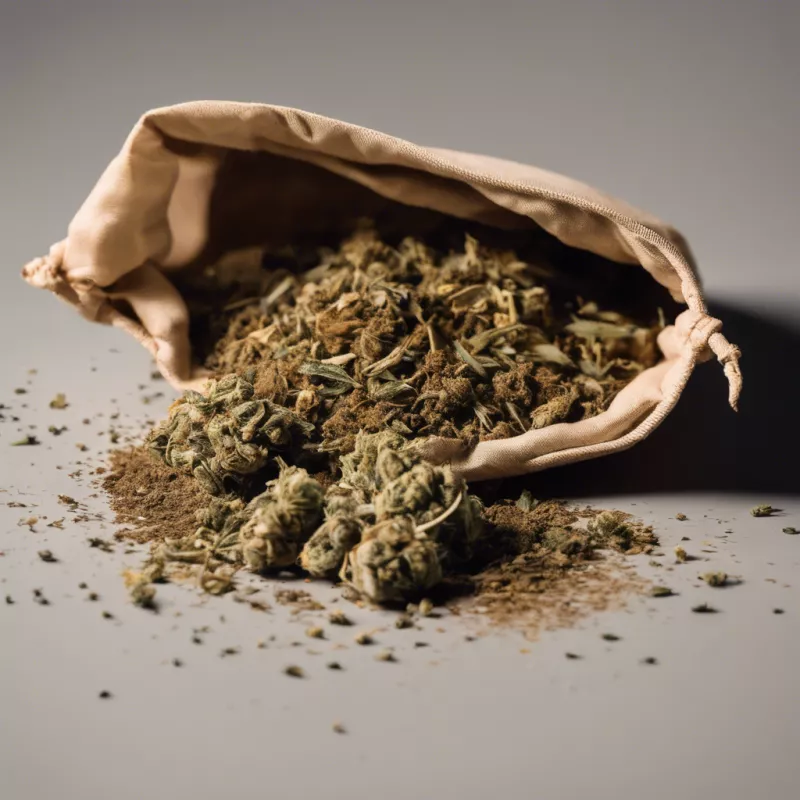
The term “pot” stands as one of the most enduring and culturally embedded slang terms for cannabis, carrying decades of countercultural history, social stigma, and evolving acceptance that reflects broader societal attitudes toward the plant. Originating in 1930s American slang, possibly derived from the Spanish “potiguaya” or “potación de guaya” (drink of grief), the term gained widespread usage during the 1960s counterculture movement when it became synonymous with rebellion against establishment values. Unlike clinical terms such as cannabis or marijuana, “pot” carries an informal, almost affectionate quality that suggests familiarity and casual acceptance, making it particularly prevalent in social settings where formal terminology might seem pretentious or disconnected from lived experience.
The linguistic journey of “pot” through American culture reveals complex interactions between mainstream society and cannabis-using subcultures, with the term alternately demonized during prohibition and embraced during periods of greater acceptance. Media portrayals from “Reefer Madness” through contemporary stoner comedies have shaped public perception of the term, often reinforcing stereotypes while simultaneously normalizing usage through repetition. The monosyllabic simplicity of “pot” made it ideal for rapid adoption across diverse communities, transcending ethnic and socioeconomic boundaries in ways that more elaborate terminology could not. This universality contributed to its persistence even as dozens of other slang terms emerged and faded from popular usage.
Contemporary discussions about cannabis nomenclature reflect ongoing tensions between advocates seeking legitimacy through formal terminology and those embracing colloquial terms that acknowledge cultural roots and resist corporate sanitization. The word “pot” occupies a unique position in this linguistic landscape, sufficiently mainstream for news media usage while retaining countercultural authenticity. As legalization advances and cannabis becomes increasingly commercialized, debates about appropriate terminology intensify, with some viewing “pot” as outdated or stigmatizing while others defend it as honest acknowledgment of cannabis culture’s rebellious origins. Understanding the cultural weight and evolving usage of “pot” provides insights into broader social attitudes and the ongoing normalization process.
Etymological investigations into “pot” reveal multiple competing theories about its origins, reflecting the often murky history of drug slang that evolved in marginalized communities with limited documentation. The most widely accepted theory traces “pot” to 1930s Mexican-Spanish slang, possibly derived from “potiguaya” or variations referring to marijuana leaves steeped in wine or brandy. Another theory suggests derivation from “pot” meaning a container, referencing the practice of storing cannabis in jars or the pot-like appearance of flowering plants. Some linguists propose connections to potation (drinking) or the idea of cannabis as something consumed from a communal pot. These varied origins reflect how drug terminology often emerges through cultural mixing and creative linguistic adaptation rather than formal etymology.
Early documented usage of “pot” in American English appears in jazz musician communities of the 1930s and 1940s, where cannabis use intersected with artistic expression and racial politics. Chester Himes’ 1938 short story “The Way It Was” includes one of the earliest print references, suggesting established usage within African American communities. The term spread through musical cultures, particularly jazz and later rock, where drug references became encoded in lyrics and liner notes. Military personnel returning from assignments in Panama and Mexico may have facilitated geographic spread. By the 1950s, “pot” appeared in beat literature and underground publications, establishing literary credentials beyond street usage. This cultural transmission through artistic communities influenced the term’s association with creativity and nonconformity.
Cultural adoption patterns of “pot” reveal how drug slang spreads through social networks and achieves mainstream recognition through media representation and generational transmission. The 1960s counterculture explosion propelled “pot” from subcultural argot to widespread recognition, aided by media coverage that simultaneously sensationalized and normalized the term. College campuses became transmission vectors as middle-class youth adopted terminology from marginalized communities. The term’s brevity and phonetic simplicity facilitated adoption across linguistic backgrounds. Unlike more elaborate slang that required cultural initiation, “pot” proved immediately accessible. This ease of adoption contributed to its persistence while hundreds of other cannabis terms remained confined to specific communities or time periods.
1960s and 1970s usage of “pot” became inextricably linked with anti-war movements, civil rights activism, and broader challenges to established authority, transforming a simple slang term into a political statement. The phrase “pot smoking” became media shorthand for youth rebellion, often conflating cannabis use with radical politics regardless of actual correlations. Government officials and law enforcement used “pot” in communications aimed at demonizing both the substance and its users, inadvertently increasing its countercultural cache. Musicians, writers, and filmmakers embedded “pot” references in works challenging censorship and social norms. The term’s informality contrasted sharply with official “marihuana” spelling in legal documents, emphasizing the disconnect between user communities and prohibition enforcement. This politicization ensured “pot” carried meaning beyond simple substance identification.
Media representation throughout the prohibition era alternated between hysteria and humor, with “pot” serving as a linguistic marker distinguishing serious journalism from sensationalism or satire. Educational films warning against “pot” often increased curiosity through unintentionally comic exaggeration. Underground comics and magazines used “pot” references as readers’ cultural literacy tests. Mainstream films began including “pot” dialogue to seem contemporary, though often reinforcing stereotypes. News media struggled with terminology choices, with “pot” considered too informal for serious reporting yet necessary for connecting with younger audiences. This media ambivalence reflected broader social confusion about cannabis’s actual versus perceived dangers. The resulting mixed messages contributed to credibility gaps between official narratives and lived experiences.
Generational transmission of “pot” terminology reveals how drug slang becomes embedded in cultural memory through family dynamics, media repetition, and social learning processes. Parents who used “pot” in the 1960s faced complex conversations with children about their own experiences versus current legal and social contexts. The term bridged generational divides through shared understanding while highlighting evolving attitudes. Grandparents who once feared “pot” as societal threat found themselves discussing medical cannabis with terminology learned decades earlier. This multigenerational familiarity distinguishes “pot” from contemporary slang requiring constant updating. Educational efforts must account for these layered associations when addressing different age groups. The persistence of “pot” across generations demonstrates how certain terms achieve linguistic permanence through cultural embedding.
Law enforcement and legal system usage of “pot” created official records embedding informal terminology in formal contexts, influencing public perception through arrest reports, court proceedings, and policy discussions. Police reports using “pot” rather than formal terminology suggested officer familiarity with street culture while potentially biasing proceedings through informal language. Prosecutors leveraged the term’s countercultural associations to influence juries, while defense attorneys argued such language prejudiced cases. Legislative debates featured politicians using “pot” to appear relatable or emphasize otherness depending on audiences. Court transcripts preserve thousands of instances where “pot” entered legal records, creating precedents for terminology in official contexts. This formal adoption of informal language blurred boundaries between legal precision and cultural expression.
Social class associations with “pot” usage reveal complex dynamics where the same term signifies different meanings across economic and educational strata. Working-class communities often used “pot” matter-of-factly, reflecting practical familiarity without political overtones. Middle-class adoption during the 1960s added rebellious connotations absent from original usage. Upper-class youth wielded “pot” as symbolic rejection of inherited privilege. Professional contexts developed euphemisms avoiding “pot” while discussing identical substances. These class-based distinctions influenced enforcement patterns, with “pot” arrests disproportionately affecting lower-income communities while similar usage in affluent areas faced minimal consequences. Contemporary legalization efforts must navigate these embedded class associations when developing equitable policies.
Regional variations in “pot” acceptance and usage patterns demonstrate how national slang adapts to local cultural contexts while maintaining core recognition across geographic boundaries. West Coast communities integrated “pot” into casual conversation earlier than conservative regions where the term retained shock value. Urban areas developed elaborate “pot” variations while rural regions maintained basic usage. Border states showed Spanish language influences on “pot” terminology. Northern states associated “pot” with indoor cultivation while Southern usage reflected outdoor growing traditions. These regional differences influenced legalization timing and approaches, with “pot-friendly” areas pursuing reform decades before conservative regions. Understanding regional variations helps explain disparate attitudes toward identical substances based on linguistic framing.
Current generational differences in “pot” usage reveal evolving attitudes where younger consumers often prefer clinical terminology while older generations maintain casual usage established over decades. Generation Z frequently views “pot” as dated, preferring “cannabis” or strain-specific names reflecting connoisseur culture. Millennials occupy transitional space, code-switching between “pot” in casual contexts and formal terminology in professional settings. Generation X maintains comfortable “pot” usage from youth culture experiences. Baby boomers who once feared “pot” now embrace it for medical purposes, creating linguistic ironies. These generational patterns influence marketing strategies, with brands choosing terminology based on target demographics. Understanding generational associations helps predict terminology evolution as younger consumers age into market dominance.
Professional cannabis industry attitudes toward “pot” reflect tensions between accessibility and legitimacy, with businesses balancing cultural authenticity against corporate professionalization pressures. Dispensaries often train staff to mirror customer terminology, using “pot” with casual consumers while employing technical language with connoisseurs. Marketing materials typically avoid “pot” in favor of “cannabis,” though some brands embrace casual terminology for differentiation. Industry conferences debate appropriate nomenclature, with advocates for formal terminology arguing “pot” perpetuates stigma. Others contend abandoning culturally rooted terms alienates communities that preserved cannabis through prohibition. These debates influence hiring practices, with some companies preferring candidates comfortable with diverse terminology. The industry’s linguistic choices shape public perception and cultural evolution.
Media evolution from print through digital platforms demonstrates how “pot” usage adapted to changing communication contexts while maintaining remarkable consistency across mediums. Traditional newspapers established style guides determining when “pot” appeared versus “marijuana” or “cannabis.” Television news adopted similar standards, though on-air personalities often defaulted to familiar “pot” despite official preferences. Digital media democratized terminology choices, with blogs and social media reflecting authentic usage patterns. Streaming platforms include “pot” in content without censorship concerns that limited traditional broadcasting. Podcast conversations reveal natural “pot” usage among diverse speakers. This media evolution documents real-time linguistic changes while influencing future usage through repetition and normalization across platforms.

