
×
Remove product
Remove item from cart?

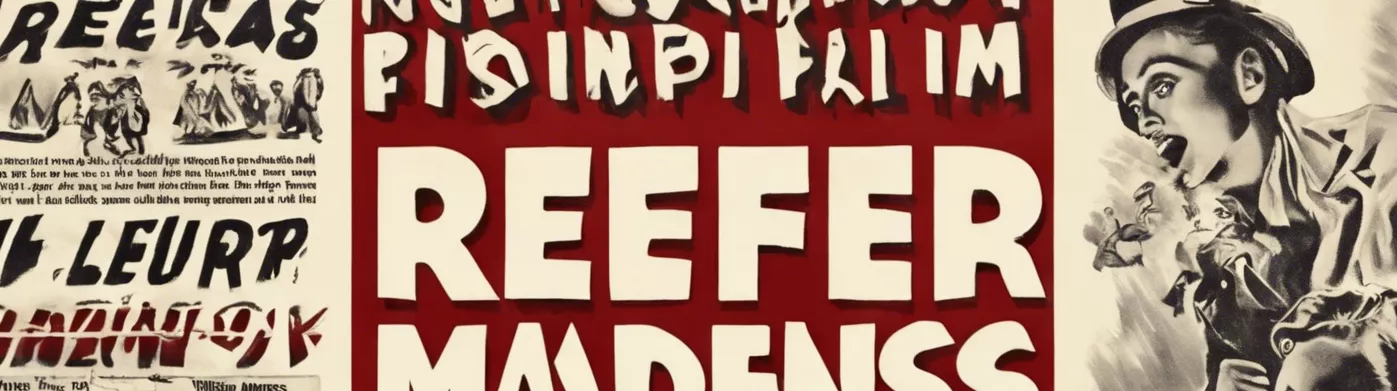
Reefer stands as one of the most culturally loaded terms in cannabis vocabulary, carrying decades of propaganda, racial coding, and evolving meaning that encapsulates American drug policy’s complex history. Originally derived from “reef,” a sailing term for rolling up a sail, the word was adopted by 1930s jazz musicians to describe marijuana cigarettes before becoming weaponized in prohibitionist campaigns. The term’s journey from neutral descriptor to fear-mongering tool and eventually ironic cultural reference mirrors broader societal attitudes toward cannabis, making it a linguistic artifact that reveals how language shapes drug policy and public perception.
The popularization of “reefer” through the infamous 1936 propaganda film “Reefer Madness” transformed an innocuous slang term into a symbol of moral panic, creating associations with violence, insanity, and racial mixing that persist in cultural memory. This linguistic weaponization served specific political and social control objectives, particularly targeting Mexican immigrants and African American communities who were associated with marijuana use. The term became inseparable from racist drug enforcement policies that used cannabis prohibition as a tool for social control, creating lasting impacts on communities of color that extend far beyond mere terminology into mass incarceration and systemic discrimination.
Contemporary usage of “reefer” reflects a complex reclamation process where the term simultaneously evokes historical injustice, campy humor, and cultural resistance, serving different functions across generational and cultural contexts. Modern cannabis advocates sometimes embrace the term ironically, highlighting the absurdity of historical propaganda while acknowledging its serious consequences. The word appears in business names, strain descriptions, and cultural commentary, often with self-aware recognition of its loaded history. Understanding reefer’s evolution provides crucial context for contemporary cannabis policy debates, illustrating how language both reflects and shapes social attitudes toward drugs and the communities associated with them.
Maritime origins of reefer trace to sailing terminology where “reefing” meant reducing sail area by rolling or folding, creating a natural metaphor for rolling cigarettes that sailors and port workers applied to marijuana. The term likely entered American English through Gulf Coast ports where maritime workers interacted with cannabis-using communities from Mexico and the Caribbean. Ships crews’ familiarity with both sailing terminology and cannabis from international ports facilitated linguistic transfer. The rolling motion of reefing sails paralleled the twisting motion of rolling cigarettes. Port cities like New Orleans became early centers of reefer usage in both linguistic and consumption contexts. Written records from 1930s shipping manifests and sailor slang dictionaries document early usage. This maritime connection provided seemingly innocent origins for a term that would acquire sinister connotations through deliberate manipulation.
Jazz community adoption of reefer in the 1920s and 1930s embedded the term in African American musical culture, where it described both the cigarettes and the enhanced musical perception some musicians attributed to cannabis. Louis Armstrong, Cab Calloway, and other prominent musicians openly referenced reefers in songs and personal communications. Jazz clubs provided social spaces where reefer smoking accompanied musical innovation and cultural expression. The improvisational nature of jazz aligned with cannabis’s reported effects on time perception and creativity. “Viper” songs celebrating reefer use became a subgenre within jazz culture. White audiences’ fascination with jazz included exposure to reefer terminology and culture. This musical association added cultural sophistication to reefer use while marking it as racially other to mainstream white society. The jazz connection provided both celebration and stigmatization opportunities.
Regional variations in early reefer usage reflected diverse cannabis cultures across America, with different communities applying distinct meanings and connotations to the term based on local contexts. Southern usage often carried stronger racial coding than Northern cities where integrated jazz scenes normalized cross-cultural exchange. Western states with Mexican populations might use reefer interchangeably with “marijuana” or regional Spanish terms. Urban contexts developed elaborate reefer-related slang while rural areas maintained simpler terminology. Class distinctions influenced whether reefer implied sophisticated rebellion or dangerous deviance. Regional law enforcement approaches shaped local connotations of danger or tolerance. Newspaper usage varied dramatically between regions based on editorial positions and community attitudes. These regional differences created multiple parallel meanings for reefer that propagandists would later flatten into singular threat narrative.
Harry Anslinger’s Federal Bureau of Narcotics deliberately promoted reefer terminology in the 1930s as part of comprehensive propaganda campaigns linking marijuana to violence, insanity, and racial mixing. Anslinger recognized reefer’s jazz associations provided perfect ammunition for racist fearmongering about Black and Mexican influence on white youth. Bureau press releases consistently used reefer to describe marijuana in crime stories, creating media echo chambers. Fabricated case studies featured reefer-crazed minorities attacking whites, playing to racial anxieties. The term’s informality made it seem more immediate and threatening than clinical “cannabis.” Congressional testimony repeatedly invoked reefer madness threatening American values. International drug control efforts exported reefer terminology and associated propaganda globally. This calculated terminology campaign succeeded in embedding reefer in public consciousness as existential threat requiring harsh prohibition.
Media amplification of reefer hysteria through newspapers, magazines, and films created self-reinforcing cycles where sensationalized coverage drove public fear, justifying harsher policies that generated more dramatic stories. William Randolph Hearst’s newspaper empire particularly promoted reefer madness stories, partly motivated by economic competition with hemp. Pulp magazines featured lurid reefer tales of degradation and violence. Radio dramas adapted reefer madness themes for audio audiences. Educational films shown in schools traumatized generations with reefer horror stories. Comic books depicted reefer as gateway to criminality and death. Women’s magazines warned mothers about reefer threats to children. This media saturation created shared cultural vocabulary where reefer automatically implied danger. The propaganda success exceeded advocates’ expectations, creating cultural momentum sustaining prohibition decades after initial campaigns.
Racial coding embedded in reefer propaganda explicitly linked the term to Mexican and African American communities, using drug prohibition as tool for social control disguised as public health measure. Propaganda posters depicted dark-skinned reefer pushers corrupting innocent white youth. Congressional debates explicitly discussed reefer’s racial associations justifying prohibition. Law enforcement training materials taught officers to associate reefer with specific racial communities. Arrest statistics showed dramatic racial disparities in reefer enforcement from prohibition’s beginning. Immigration officials used reefer use to justify deportations of Mexican workers. Southern states particularly embraced reefer prohibition as racial control mechanism. The success of racially coded reefer propaganda provided template for subsequent drug war expansions. This deliberate racialization created lasting associations between communities of color and drug criminality that persist today.
The 1936 film “Reefer Madness” originally titled “Tell Your Children” became unintentional camp classic, transforming from serious cautionary tale to countercultural comedy while permanently linking reefer terminology to hyperbolic propaganda. The film’s journey from church-funded educational tool to midnight movie phenomenon illustrates propaganda’s potential for ironic reversal. Rediscovery by 1970s cannabis advocates turned intended warnings into comedy gold. Over-the-top performances and absurd plot developments provided endless mockery material. The film’s technical incompetence added to its charm for ironic viewers. College campuses embraced Reefer Madness screenings as countercultural events. The title entered common usage as shorthand for drug hysteria and government dishonesty. Modern cannabis businesses reference Reefer Madness knowingly, reclaiming propaganda for marketing. This ironic embrace doesn’t erase historical harm but provides cultural catharsis through humor.
Propaganda techniques pioneered in reefer campaigns established templates for subsequent drug scares, from crack babies to bath salts, showing how successful fear-mongering strategies replicate across substances and decades. The formula of exaggerated threats, racial coding, and protection of innocent (white) youth proved endlessly adaptable. Media amplification techniques refined during reefer madness became standard drug war tools. Congressional hearings theatrical presentations of drug threats followed reefer madness playbook. Law enforcement funding tied to drug panic levels incentivized hysteria maintenance. Public health messaging adopted propaganda techniques even for legitimate concerns. Academic research challenging propaganda faced suppression or dismissal. Each new drug scare referenced previous panics for legitimacy while denying past exaggerations. Understanding reefer madness reveals contemporary drug propaganda mechanics.
Cultural memory of reefer madness serves dual functions, providing both cautionary tale about propaganda’s power and comfortable distance allowing society to acknowledge past mistakes without confronting ongoing injustices. Museums and documentaries present reefer madness as historical curiosity rather than continuing influence. Legal cannabis states display reefer madness posters as ironic decoration while maintaining prohibition’s racial disparities. Academic discussions of propaganda history rarely connect to contemporary drug policy. Political rhetoric acknowledges reefer madness excess while defending current prohibition frameworks. Entertainment industry profits from reefer madness nostalgia without addressing ongoing criminalization. This selective memory enables feeling enlightened about past propaganda while ignoring present versions. True reckoning with reefer madness legacy requires examining how its frameworks persist in modified forms.
Silent Generation and Baby Boomer relationships with reefer terminology reflect lived experience of propaganda’s peak influence, creating complex associations mixing genuine fear, rebellious attraction, and eventual reconsideration. Those who came of age during reefer madness height internalized deep associations between the term and danger. 1960s counterculture embraced reefer partly as generational rebellion against parents’ fears. Vietnam veterans brought different reefer associations from wartime use. Boomer parents faced complicated conversations about reefer with their children. Professional success required hiding any reefer history for decades. Late-life medical cannabis use forces confronting internalized reefer stigma. Grandparents discussing cannabis with grandchildren navigate linguistic minefields. This generational experience created lasting skepticism about drug propaganda while maintaining complex relationships with terminology.
Generation X and Millennial usage patterns show declining relevance of reefer as specific term while maintaining cultural awareness through ironic references and historical education. Gen X experienced reefer primarily through ironic popular culture rather than serious propaganda. D.A.R.E. programs referenced reefer madness as historical example while promoting updated anti-drug messages. Hip-hop culture occasionally used reefer for stylistic or rhythmic purposes. Millennial consumption of vintage media exposed them to reefer terminology as curiosity. Internet culture embraced reefer madness clips for meme creation. Young professionals avoid reefer terminology as dated and potentially offensive. Cannabis industry workers learn reefer history for cultural competency. This generational shift demonstrates how loaded terminology fades through ironic defusion and temporal distance.
Generation Z encounters reefer almost exclusively as historical artifact or deliberate stylistic choice, with minimal organic usage but growing awareness of term’s racist history through social justice education. TikTok videos educate about reefer madness as social justice issue. School curricula increasingly include drug prohibition’s racist history. Reefer appears in period pieces requiring historical context explanation. Young activists connect reefer propaganda to contemporary racial justice movements. Cannabis equity discussions reference reefer madness targeting communities of color. Gaming and streaming culture occasionally encounters reefer in vintage content. This generation approaches reefer analytically rather than experientially. Understanding develops through academic and activist frameworks rather than lived propaganda exposure.

