
×
Remove product
Remove item from cart?

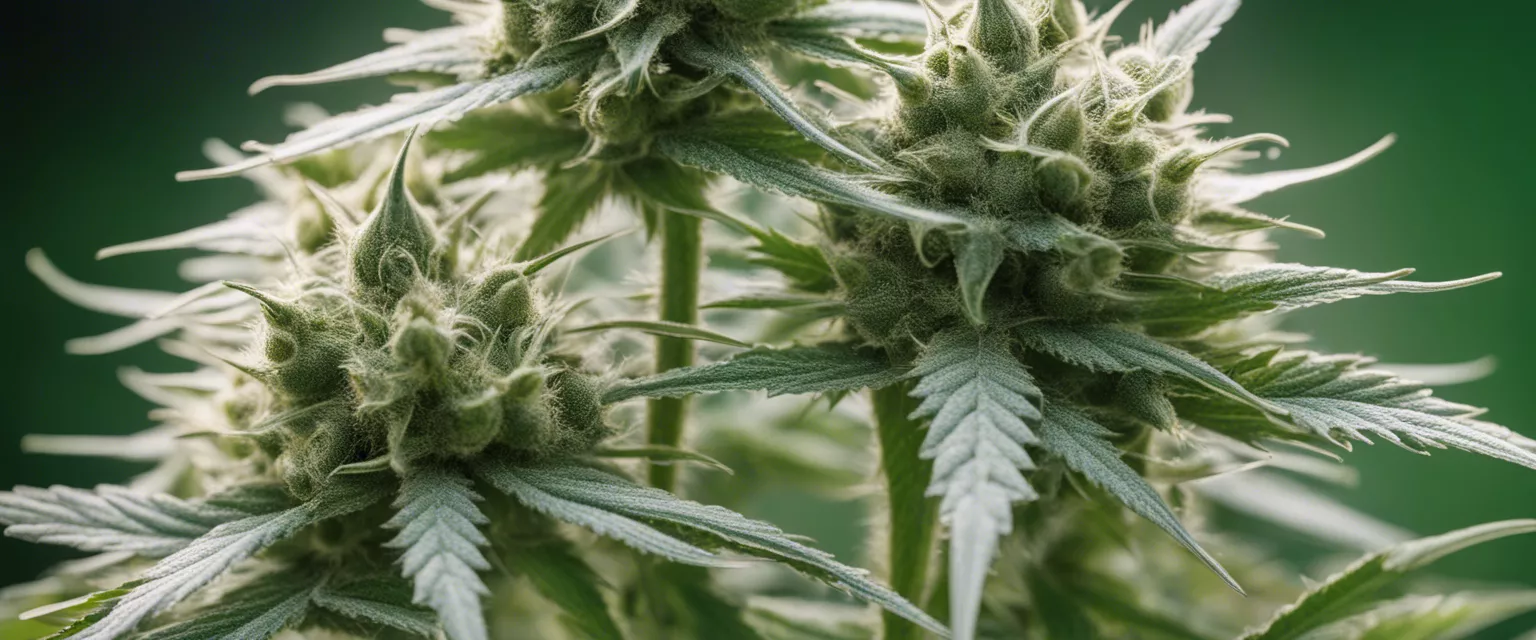
The pistil represents the female cannabis plant’s reproductive organ, consisting of hair-like stigmas that emerge from the calyx to capture airborne pollen, playing a crucial role in both natural reproduction and visual quality assessment of harvested flower. These delicate structures begin as white or pale yellow strands during early flowering, extending outward in search of male pollen, and undergo dramatic color transformations throughout the maturation process that serve as primary indicators for harvest timing. In contemporary cannabis cultivation where seedless sinsemilla production dominates, pistils have evolved from functional reproductive organs to essential visual markers that communicate ripeness, quality, and careful handling throughout the cultivation and curing process.
Understanding pistil development and coloration provides cultivators and consumers with valuable insights into plant maturity, optimal harvest windows, and post-harvest handling quality that directly impacts potency, flavor, and overall consumption experience. The progression from vibrant white through orange, red, and brown reflects complex biochemical changes within the plant, including cannabinoid and terpene development that determines the final product’s effects and characteristics. Beyond their biological function, pistils contribute significantly to the aesthetic appeal of cannabis flowers, with vibrant orange or red pistils creating visual contrast against green calyxes and crystalline trichomes that influences consumer perception and purchasing decisions.
The presence, color, and condition of pistils serve multiple roles in modern cannabis commerce, from helping cultivators determine precise harvest timing to enabling consumers to assess product freshness and handling quality at the point of purchase. Damaged, missing, or prematurely darkened pistils often indicate rough handling, improper drying, or extended storage, while intact, properly colored pistils suggest careful cultivation and post-harvest practices. This multifaceted significance makes understanding pistil biology and development essential for anyone involved in cannabis cultivation, processing, or consumption, bridging the gap between botanical science and practical quality assessment.
Pistil anatomy in cannabis consists of the stigma, style, and ovary, with the visible hair-like stigmas being what most people commonly refer to as pistils in casual cannabis discussion. The stigma’s surface features specialized cells designed to capture and recognize compatible pollen grains, triggering biochemical cascades that would naturally lead to fertilization. These structures emerge from the pistillate calyx, which forms the foundation of what becomes the consumable flower bud. The style connects the stigma to the ovary housed within the calyx, creating a pathway for pollen tube growth during natural reproduction. In modern seedless cultivation, these structures remain functionally dormant while serving as important maturity indicators.
Cellular composition of pistil tissues reveals specialized adaptations for their reproductive function, including papillae cells on the stigma surface that would normally secrete lipids and proteins to facilitate pollen adhesion and germination. The stigmatic surface remains receptive throughout most of the flowering period, gradually declining as the plant redirects energy toward resin production. Vascular tissues within the style transport nutrients and signaling molecules between the stigma and ovary, maintaining cellular function even in the absence of pollination. This complex anatomy demonstrates the sophisticated reproductive strategies cannabis has evolved, which cultivators now exploit for different purposes in sinsemilla production.
Microscopic examination of pistil development reveals continuous cellular changes throughout the flowering cycle, from initial emergence through senescence, providing insights into optimal harvest timing beyond simple color observation. Early-stage pistils show active cellular division and expansion, with thin cell walls and high water content contributing to their translucent white appearance. As maturation progresses, cell walls thicken and accumulate pigments, while cellular contents undergo programmed changes that result in the characteristic color transitions. These cellular-level changes correlate with broader plant metabolic shifts, including peak cannabinoid and terpene production periods that informed cultivators use to optimize harvest timing for desired chemical profiles.
Initial pistil emergence marks the transition from vegetative growth to flowering phase, typically appearing at node sites within days of photoperiod adjustment in photoperiod-sensitive varieties or automatically in day-neutral cultivars. Early pistils emerge as tiny white protrusions from pre-flower calyxes, rapidly elongating to maximize pollen capture surface area. The timing and vigor of initial pistil development often indicates overall plant health and flowering potential. Environmental factors including temperature, humidity, and nutrient availability significantly influence early pistil development rates and density. Cultivators monitor this early emergence as confirmation of successful flowering induction and to identify any male or hermaphroditic plants requiring removal.
Maturation progression follows predictable patterns tied to overall flower development, with pistil color changes serving as visible markers for underlying metabolic processes occurring throughout the plant. During peak flowering weeks 3-6, pistils maintain their white coloration while actively seeking pollen, coinciding with rapid calyx swelling and initial trichome development. As flowers approach maturity, typically weeks 6-8 for indica-dominant varieties, pistils begin showing color changes starting at the tips and progressing toward the base. This color transition from white through cream, yellow, orange, and eventually brown or red reflects cellular oxidation and senescence processes. The percentage of colored versus white pistils provides cultivators with harvest timing guidance, though trichome examination remains the gold standard for precision.
Post-harvest pistil changes continue during drying and curing processes, with proper handling preserving pistil integrity while allowing continued color development that contributes to final product appearance. Rapid drying can cause premature pistil shriveling and darkening, while optimal temperature and humidity control allows gradual moisture loss that maintains pistil structure. During curing, enzymatic processes continue within pistil tissues, potentially deepening colors and contributing to overall flower aroma complexity. Extended storage gradually degrades pistil appearance, with oxidation causing universal browning that experienced consumers recognize as an age indicator. Understanding these post-harvest changes helps processors optimize protocols for maximum visual appeal and quality retention.
Traditional pistil-based harvest timing relies on observing the percentage of pistils that have changed color from white to orange/brown, with many cultivators targeting 70-90% coloration for optimal maturity. This visual method provides accessible guidance without requiring magnification equipment, making it popular among home growers and commercial operations needing rapid field assessments. Different genetic varieties show varying pistil coloration patterns, with some maintaining white pistils longer while others rapidly transition through the color spectrum. Environmental stresses can accelerate pistil browning without corresponding cannabinoid maturity, necessitating correlation with other indicators. The pistil method works best when combined with trichome examination and overall plant assessment for comprehensive harvest timing decisions.
Limitations of pistil-only assessment include potential disconnects between pistil appearance and actual cannabinoid/terpene development, particularly in strains bred for extended pistil production or unusual coloration patterns. Physical damage from wind, handling, or pest activity can cause premature pistil browning that doesn’t reflect true maturity. Some modern cultivars continuously produce new white pistils throughout flowering, complicating percentage-based assessments. High humidity environments may delay natural pistil coloration, while low humidity accelerates browning beyond optimal harvest windows. These variables underscore why experienced cultivators use pistil appearance as one of multiple maturity indicators rather than the sole determinant.
Strain-specific pistil behaviors require cultivators to develop familiarity with particular genetics to accurately interpret pistil-based maturity signals and optimize harvest timing for desired outcomes. Sativa-dominant varieties often maintain active pistil production later into flowering, showing mixed white and colored pistils at optimal harvest. Indica expressions typically show more uniform pistil coloration progressing predictably with overall maturity. Some purple or unusually pigmented strains develop pink, purple, or deep red pistils that complicate traditional color-based assessment. Landrace varieties may exhibit pistil behaviors reflecting their geographic origins and traditional harvest practices. Documentation of strain-specific pistil patterns helps cultivation teams standardize harvest protocols across multiple growth cycles.
Fresh flower pistil characteristics provide immediate visual information about harvest timing, post-harvest handling, and storage conditions that influence overall product quality and consumer appeal. Intact, vibrant pistils with natural color gradients from base to tip indicate gentle handling throughout cultivation and processing. Pistils should maintain some three-dimensional structure rather than appearing completely flattened against calyxes, suggesting proper drying rates. Color distribution patterns reveal harvest timing decisions, with predominantly orange/red pistils indicating fuller maturity while significant white pistil presence suggests earlier harvest for different effect profiles. The pistil-to-calyx ratio varies by strain but should appear balanced and natural rather than sparse or excessive.
Degradation indicators in pistils help consumers and quality control personnel identify suboptimal handling, storage, or age issues that may impact product performance and value. Uniformly dark brown or black pistils throughout the flower suggest over-drying, excessive heat exposure, or advanced age beyond optimal consumption windows. Missing or broken pistils indicate rough handling during trimming, packaging, or transportation that likely also damaged trichomes. Premature pistil shriveling without corresponding color development points to improper drying conditions. Bleached or unusually light pistils may indicate light damage or chemical exposure. These visual cues enable rapid quality assessment without laboratory testing, though they should complement rather than replace comprehensive quality analysis.
Microscopic pistil examination reveals additional quality indicators beyond naked-eye assessment, providing insights into cultivation practices and post-harvest handling that affect overall product excellence. Well-preserved pistils show intact cellular structure with natural texture variations along their length under magnification. Fungal contamination often begins on senescent pistils, making microscopic examination crucial for quality assurance. Pesticide residues may create unusual surface textures or crystalline deposits distinguishable from natural features. The junction between pistil and calyx provides information about flower density and development patterns. Advanced imaging techniques can reveal internal pistil structure changes correlating with various cultivation stresses or post-harvest conditions, supporting quality optimization efforts.

