
×
Remove product
Remove item from cart?

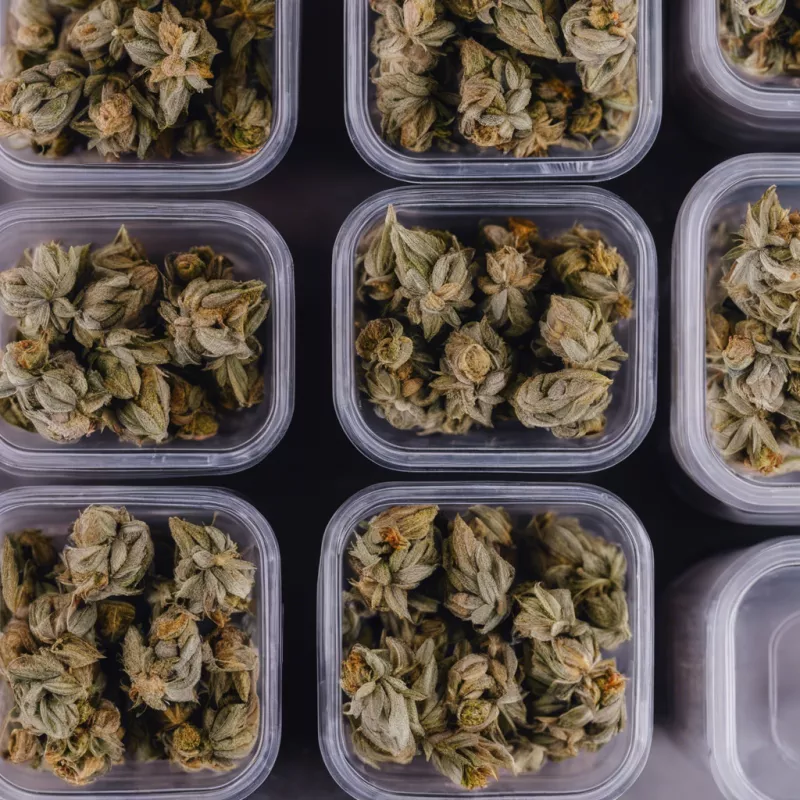
Nug represents the fundamental unit of cannabis flower commerce and consumption, describing individual pieces of properly cured, manicured, and separated flower clusters that showcase the culmination of cultivation expertise, genetic potential, and post-harvest processing in visually striking, aromatic packages that define quality in retail markets worldwide. This colloquial term, derived from “nugget” and reflecting the dense, rounded appearance of well-formed cannabis flowers, has evolved from underground slang to industry-standard terminology appearing on packaging, menus, and regulatory documents. The transformation of raw cannabis plants into pristine nugs involves careful separation of individual colas, precise trimming to remove excess leaf material, and controlled curing processes that optimize appearance, aroma, potency, and preservation of delicate trichome structures.
The cultural significance of the perfect nug extends far beyond mere product presentation, embodying ideals of craftsmanship, quality, and connoisseurship that distinguish premium cannabis from commodity flower, with social media platforms showcasing “nug porn” photography celebrating exceptional specimens that demonstrate genetic excellence and cultivation mastery. Consumer psychology strongly associates nug appearance with quality and potency, leading to purchasing decisions based heavily on visual appeal, density, trichome coverage, and color variations that may not directly correlate with actual effects or therapeutic value. This emphasis on nug aesthetics drives cultivation practices, breeding selections, and processing techniques optimized for bag appeal sometimes at the expense of terpene preservation or overall effect quality.
Modern cannabis commerce revolves around nug-based transactions, with retail displays showcasing individual flowers, pre-packaged options sold by weight, and quality tiers distinguished by nug size, appearance, and structure that create significant price differentiation within identical genetic varieties. Understanding nug formation, evaluation criteria, and market dynamics provides essential knowledge for cultivators optimizing production, retailers merchandising products, and consumers navigating overwhelming selection in dispensaries. The evolution from underground “dime bags” of compressed, mixed flower to premium single-nug packaging represents broader cannabis industry transformation toward quality, transparency, and consumer sophistication demanding excellence in every aspect of production.
Morphological structure of ideal nugs reflects optimal genetic expression and cultivation conditions, with dense calyx stacking creating compact formations that maximize flower-to-stem ratios while providing structural integrity for handling and packaging without excessive compression or damage. The arrangement of individual calyxes spiraling around minimal stem material creates the characteristic rounded or conical shapes prized in premium markets, with variations ranging from tight, golf ball-like indicas to elongated, spear-shaped sativa expressions. Internal architecture reveals layers of resin-coated bracts protecting developing seeds in seeded varieties or swollen, trichome-laden false seed pods in sinsemilla production. Understanding morphological development enables cultivators to optimize environmental conditions promoting ideal nug structure through appropriate lighting, nutrition, and canopy management.
Trichome distribution patterns across nug surfaces provide primary visual quality indicators, with optimal coverage creating frosty, crystalline appearances that suggest high cannabinoid content and careful handling throughout production and processing. Microscopic examination reveals varied trichome types including bulbous, capitate-sessile, and capitate-stalked glands, with the latter containing highest cannabinoid concentrations and providing the sparkling appearance consumers associate with potency. The preservation of intact trichome heads versus decapitated stalks indicates handling quality, with premium nugs showing minimal mechanical damage from aggressive trimming, packaging, or transport. Color variations within trichomes from clear through cloudy to amber provide harvest timing indicators affecting cannabinoid and terpene profiles.
Size classifications in commercial markets typically distinguish between “colas” representing main top flowers, standard nugs from primary branching, “popcorn” nugs from lower canopy positions, and “shake” consisting of loose flower fragments, with significant price stratification despite potentially identical cannabinoid content. Weight-to-volume relationships indicate density variations influenced by genetics, growing methods, and drying processes, with extremely dense nugs potentially indicating growth regulator use or excessive compression while airy structures suggest suboptimal cultivation. Stem content within nugs affects value calculations, with premium flower minimizing non-consumable weight while maintaining structural integrity. Market preferences for specific size ranges drive cultivation techniques including topping, training, and selective harvesting optimized for maximum A-grade nug production.
Visual evaluation criteria for premium nugs encompass multiple factors including color vibrancy, trichome coverage, trim quality, structure density, and absence of defects that trained buyers assess within seconds to determine market grade and appropriate pricing tiers. Color variations from deep purples through bright greens to golden hues indicate genetic expression, environmental conditions, and harvest timing, with uniform coloration suggesting consistent cultivation while mottled appearance may indicate stress or disease. Professional grading systems employed by testing laboratories and large-scale buyers quantify these visual attributes through standardized scoring enabling objective quality comparison across batches and suppliers. The development of machine vision systems for automated grading promises consistent evaluation eliminating human subjectivity while potentially missing subtle quality indicators experienced evaluators recognize.
Aromatic profiles emanating from properly cured nugs provide crucial quality indicators beyond visual appeal, with terpene expression intensity, complexity, and absence of off-odors distinguishing premium flower from average products regardless of appearance. The initial nose upon opening containers should present clear, defined aromatic notes without hay-like, musty, or chemical odors indicating improper drying, mold contamination, or pesticide residues. Breaking nugs open releases additional aromatic compounds from internal trichomes, with quality flower exhibiting enhanced complexity and intensity compared to surface aromas. Temperature and humidity during evaluation significantly affect terpene volatilization, requiring standardized conditions for consistent assessment across products and time.
Tactile qualities assessed through gentle squeezing reveal moisture content, density, and resin coverage, with ideal nugs exhibiting slight springiness indicating proper moisture without brittleness or sponginess suggesting under or over-drying. The sticky sensation from abundant surface resins should persist without leaving excessive residue, while internal examination after breaking should reveal consistent structure without hollow spaces, stem pockets, or discolored areas indicating problems. Professional buyers develop calibrated touch enabling moisture content estimation within percentage points, critical for inventory management and quality maintenance. The relationship between tactile qualities and smoking characteristics helps predict burn rate, flavor delivery, and overall consumption experience.
Social media phenomenon surrounding exceptional nugs created new marketing channels and consumer engagement opportunities, with Instagram hashtags, Reddit communities, and specialized platforms dedicated to showcasing remarkable flowers that generate viral attention and drive retail traffic. The democratization of cannabis photography through smartphone cameras enables consumers to document and share purchases, creating user-generated content that provides authentic marketing while establishing quality expectations and community standards. Professional cannabis photography emerged as specialized field requiring understanding of lighting, macro techniques, and post-processing to capture trichome detail and color accuracy that translates digitally. This visual culture influences breeding decisions, cultivation practices, and processing standards as producers optimize for photogenic qualities knowing social media exposure drives brand recognition.
Connoisseur culture developing around nug appreciation parallels wine, craft beer, and specialty coffee communities, with enthusiasts developing sophisticated vocabularies, evaluation criteria, and collecting behaviors that elevate cannabis beyond commodity status. Cannabis cups and competitions judge entries primarily on nug appearance alongside effect and flavor, establishing benchmarks for excellence that influence market trends and breeding programs. The rise of “craft cannabis” emphasizing small-batch, artisanal production methods appeals to consumers seeking unique, high-quality nugs worth premium prices. Educational initiatives teaching proper nug evaluation empower consumers while promoting quality standards that benefit the entire industry through increased sophistication.
Gift culture traditions surrounding cannabis often center on sharing exceptional nugs, with the presentation of premium flower representing respect, friendship, and community bonds extending from historical underground networks to modern social consumption lounges. The selection and presentation of gift nugs involves careful consideration of recipient preferences, occasion appropriateness, and visual impact, with elaborate packaging and presentation methods emerging for special occasions. Legal markets adapt these traditions through gift sets, samplers, and premium packaging options that maintain cultural connections while complying with regulations. Understanding gift culture dynamics helps brands develop products and marketing strategies resonating with community values beyond simple commercial transactions.
Pricing strategies for different nug categories create complex market dynamics where identical genetics may sell at vastly different prices based solely on flower size, appearance, and presentation, challenging rational economic models but reflecting consumer psychology and market realities. Premium large nugs command top prices despite potentially identical or inferior cannabinoid profiles compared to smaller flowers from the same plant, driven by visual appeal and perceived value rather than objective quality measures. Volume discounts for “smalls” or “popcorn” nugs provide value options appealing to price-conscious consumers while maintaining profit margins on premium offerings. The development of automated sorting technologies enables efficient separation and grading at scale, optimizing revenue across quality tiers while reducing labor costs.
Packaging innovations specifically designed for nug preservation and presentation evolved from simple plastic bags to sophisticated containers incorporating humidity control, UV protection, and tamper-evident features that maintain quality while meeting regulatory requirements. Single-nug packaging for premium flowers creates gift-worthy presentations while protecting delicate trichomes from handling damage, though environmental concerns about excessive packaging challenge sustainable practices. Nitrogen flushing, humidity packs, and specialized cushioning materials extend shelf life while preserving appearance, critical for maintaining premium positioning in competitive markets. The balance between protection, presentation, and practicality drives ongoing packaging development addressing consumer expectations and operational efficiency.
Market segmentation based on nug quality creates distinct consumer categories from budget shoppers prioritizing value to collectors seeking exceptional specimens regardless of price, requiring different cultivation, processing, and marketing strategies for optimal positioning. Premium markets demand large, photogenic nugs worth extensive hand-trimming and careful handling, while value segments accept machine-processed smaller flowers prioritizing consistent effects over appearance. The emergence of “branded flower” programs attempts to standardize quality across markets through centralized cultivation and processing, though regional preferences and regulatory differences complicate national scaling. Understanding market segmentation enables appropriate resource allocation throughout the supply chain, optimizing returns while meeting diverse consumer needs.

