
×
Remove product
Remove item from cart?

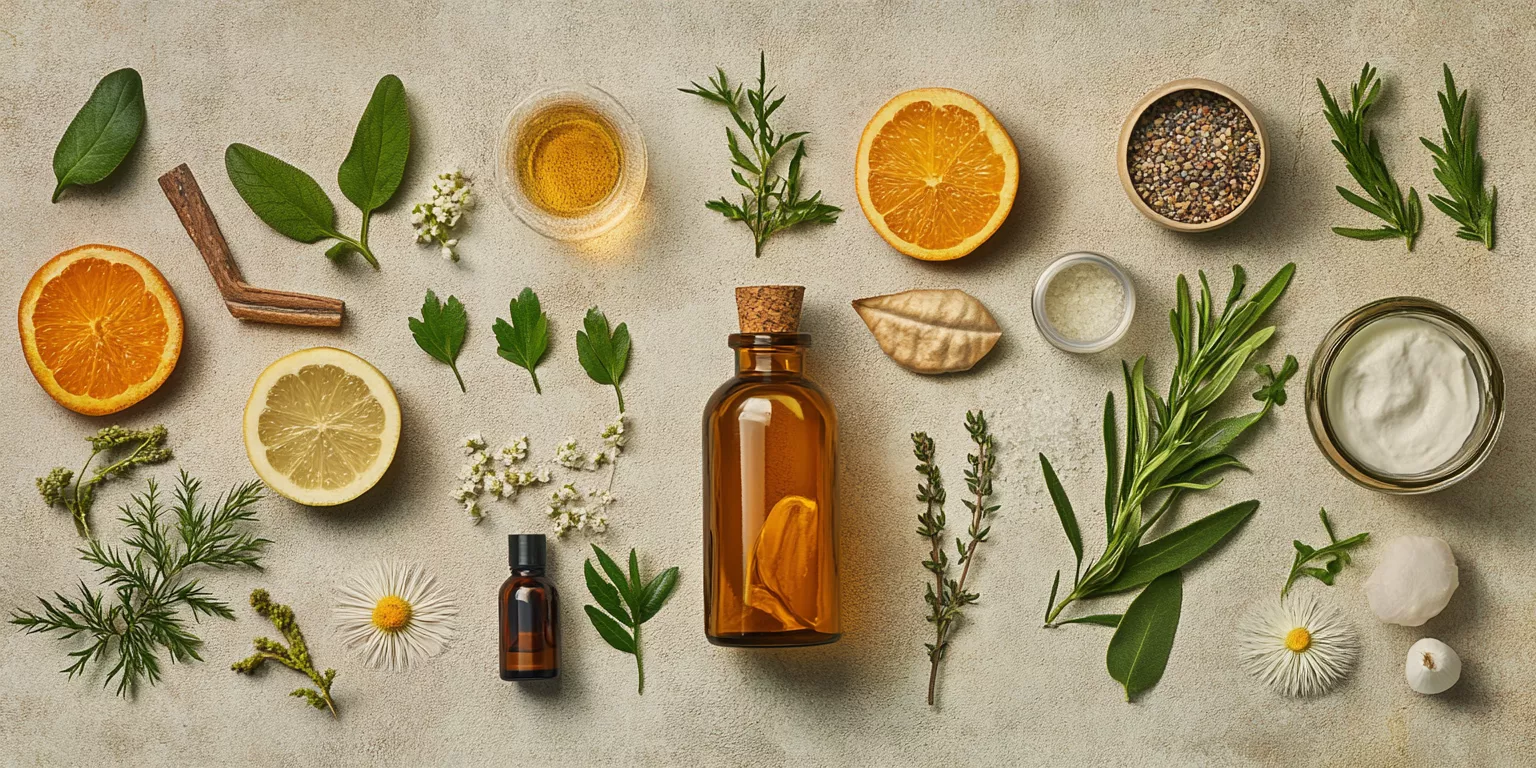
Curing represents the critical post-harvest process that transforms freshly dried cannabis into a refined product with optimal potency, flavor, and smoothness through controlled environmental conditions that facilitate complex biochemical changes. This meticulous process, often compared to aging wine or curing tobacco, can span several weeks to months and fundamentally determines the final quality of cannabis products. Far from simple storage, proper curing orchestrates the breakdown of chlorophyll, the development of terpene profiles, and the stabilization of cannabinoids, ultimately defining whether cannabis reaches its full therapeutic and sensory potential.
The art and science of cannabis curing balances multiple variables including temperature, humidity, air circulation, and time to create conditions that promote beneficial chemical transformations while preventing degradation or contamination. During this process, residual moisture redistributes evenly throughout the flower, harsh compounds break down into smoother derivatives, and the full spectrum of aromatic compounds develops into complex bouquets. The difference between properly cured and uncured cannabis is immediately apparent in smoothness of smoke, depth of flavor, and overall effects, making curing arguably the most important post-harvest process.
Modern commercial curing has evolved from traditional techniques to incorporate precise environmental controls, data monitoring, and standardized protocols that ensure consistency across large batches. However, the fundamental principles remain unchanged: creating optimal conditions for enzymatic processes and chemical transformations that enhance quality. As the cannabis industry matures and quality standards rise, proper curing has become a key differentiator between premium and commodity products, with master curers commanding respect similar to master vintners in the wine industry.
The curing process initiates numerous chemical transformations that fundamentally alter the cannabis flower’s composition and characteristics. Chlorophyll degradation represents one of the most important changes, as this green pigment contributes to harsh, grassy flavors when smoked. Through enzymatic breakdown and oxidation during curing, chlorophyll converts to less harsh compounds, resulting in smoother smoke and allowing true terpene flavors to emerge. This process requires darkness and controlled conditions, as light exposure can slow or prevent proper chlorophyll breakdown.
Cannabinoid transformations during curing include the continued decarboxylation of acidic precursors, though at much slower rates than heat-induced activation. THCA slowly converts to THC, while some THC may oxidize to CBN, particularly in extended cures or suboptimal conditions. The balance between these processes affects final potency and effect profiles. Proper curing minimizes unwanted degradation while allowing beneficial transformations. Some cultivators deliberately extend curing to increase CBN content for sedative effects.
Terpene evolution during curing significantly impacts final product quality. Fresh cannabis contains high levels of monoterpenes, which are volatile and can create sharp, overwhelming flavors. During curing, these volatile compounds partially evaporate while sesquiterpenes and other larger molecules remain, creating more balanced, complex aromatic profiles. Additionally, terpene oxidation products form during curing, contributing new aromatic notes not present in fresh flower. The interplay between terpene loss and transformation defines the unique character of well-cured cannabis.
Traditional jar curing remains the gold standard for small-batch, artisanal cannabis, involving placing dried flowers in airtight containers and “burping” them regularly to exchange air and release excess moisture. This method typically maintains 60-65% relative humidity within jars, creating ideal conditions for slow, controlled curing. The burping process—opening jars briefly once or twice daily initially, then less frequently—prevents anaerobic conditions while allowing gradual moisture equilibration. Glass jars are preferred for their inert nature and ability to maintain stable conditions.
Commercial operations often employ controlled environment curing rooms or chambers that maintain precise temperature (60-70°F) and humidity (55-65% RH) conditions. These systems use sophisticated HVAC equipment with precise controls, data logging, and often automated air exchange cycles. Some facilities use multiple zones with slightly different conditions to accommodate various cultivars or stages of curing. Advanced operations may incorporate ethylene scrubbers to remove the ripening hormone and extend optimal curing windows.
Alternative curing methods include grove bag technology, which uses specialized packaging materials that maintain optimal humidity without burping, and vacuum curing, which accelerates certain processes while preserving volatile compounds. Some producers experiment with modified atmosphere curing using nitrogen or argon to reduce oxidation. Cold curing at temperatures near freezing dramatically slows all processes, potentially preserving more volatile terpenes while requiring extended timeframes. Each method offers advantages for specific goals or operational scales.
Precise environmental control during curing determines success or failure, with temperature, humidity, and air circulation forming the critical triad of parameters. Temperature control between 60-70°F (15-21°C) provides optimal conditions for enzymatic activity while preventing excessive terpene volatilization or mold growth. Higher temperatures accelerate chemical processes but risk quality loss, while lower temperatures slow beneficial transformations. Consistency matters more than exact values, as fluctuations stress plant material and create condensation risks.
Humidity management represents perhaps the most critical and challenging aspect of curing. The ideal 55-65% relative humidity range maintains enough moisture for enzymatic processes while preventing mold growth. Too dry, and the cure stalls with harsh chlorophyll remaining; too humid, and dangerous microorganisms proliferate. Achieving uniform humidity throughout large curing spaces requires sophisticated dehumidification and humidification systems with precise controls. Many operations use two-stage curing with slightly higher initial humidity followed by gradual reduction.
Air circulation must balance several needs: preventing stagnant pockets where mold thrives, avoiding excessive air movement that over-dries surface layers, and maintaining uniform conditions throughout the space. Gentle, indirect airflow works best, often achieved through ceiling-mounted circulation fans or perforated plenum systems. Some facilities use computational fluid dynamics modeling to optimize airflow patterns. Carbon dioxide levels also matter—slight elevation can slow respiration and extend curing, while excessive levels create anaerobic conditions favoring undesirable fermentation.
Visual indicators of proper curing include color changes from bright green to deeper, more muted tones as chlorophyll breaks down. Well-cured flowers develop a certain translucency in trichomes and a slight amber shift in pistils. The stems should snap cleanly rather than bend, indicating proper moisture content. However, overlying on visual cues alone can be misleading, as genetics and growing conditions also influence appearance. The most reliable quality assessment combines visual, tactile, olfactory, and analytical evaluation.
Aromatic development serves as a primary quality indicator, with properly cured cannabis displaying complex, layered terpene profiles distinct from the sharper, more one-dimensional smell of fresh or improperly cured flower. The absence of hay or grass odors indicates successful chlorophyll breakdown. Premium cured cannabis often exhibits subtle notes not present initially—earthiness, sweetness, or spice—resulting from terpene transformation and concentration. Experienced evaluators can assess cure quality through smell alone.
Laboratory testing provides objective quality metrics including moisture content (ideally 8-12% for finished flowers), water activity (0.55-0.65 aw for safety and quality), and terpene profiles showing the evolution from fresh to cured states. Chlorophyll content measurement, though less common, directly indicates cure effectiveness. Microbiological testing ensures safety, as improper curing conditions can foster dangerous contamination. Some advanced operations track multiple parameters throughout curing to optimize protocols and predict quality outcomes.
Large-scale commercial curing operations face unique challenges in maintaining artisanal quality across thousands of pounds of product. Standardization becomes critical, requiring detailed standard operating procedures (SOPs) that account for varietal differences, seasonal variations, and facility limitations. Batch tracking systems monitor each lot through the curing process, recording environmental conditions, handling events, and quality assessments. This data enables continuous improvement and troubleshooting when issues arise.
Infrastructure requirements for commercial curing include substantial climate-controlled space, often representing the largest post-harvest footprint. Modern facilities design curing rooms with redundant HVAC systems, backup power generation, and sophisticated monitoring systems that alert operators to any deviation from parameters. Some operations use modular curing chambers that can be adjusted for different cultivars or market demands. The capital investment in proper curing infrastructure often exceeds that of cultivation spaces on a per-square-foot basis.
Workflow optimization in commercial curing balances quality demands with operational efficiency. Strategies include staggered harvest schedules to avoid bottlenecks, cross-training staff to handle multiple curing stages, and implementing lean manufacturing principles adapted for cannabis. Some facilities use predictive modeling to optimize curing duration based on initial flower characteristics and target market preferences. The most successful operations view curing not as a necessary delay but as a value-adding process worthy of investment and innovation.
Emerging technologies promise to revolutionize cannabis curing through precise control and novel approaches. Artificial intelligence and machine learning algorithms analyze vast datasets linking environmental conditions, chemical evolution, and final quality to optimize curing protocols dynamically. Smart sensors continuously monitor multiple parameters at the microenvironment level, adjusting conditions in real-time. Spectroscopic techniques enable non-destructive chemical monitoring throughout curing, replacing periodic destructive testing with continuous quality assurance.
Novel curing methods under development include ultrasonic treatment to accelerate certain chemical processes, controlled oxidation chambers that precisely manage degradation reactions, and biomimetic systems that replicate optimal natural curing conditions. Some researchers explore enzymatic treatments that could standardize and accelerate beneficial transformations. Plasma treatment shows promise for surface sterilization without affecting internal chemistry. These innovations aim to reduce curing time while improving consistency and quality.
The future of cannabis curing likely involves increased automation and precision while maintaining respect for traditional principles. Robotic systems could handle routine tasks like container rotation or atmosphere adjustment, freeing human experts to focus on quality assessment and protocol refinement. Blockchain technology might track curing conditions immutably, providing transparency and quality assurance. As cannabis products become more sophisticated and market demands increase, curing technology will evolve to deliver consistent, optimized products that fully express each cultivar‘s potential. The convergence of traditional knowledge with modern technology promises to elevate cannabis curing from craft to science while preserving the artisanal quality that defines premium products.

