
×
Remove product
Remove item from cart?

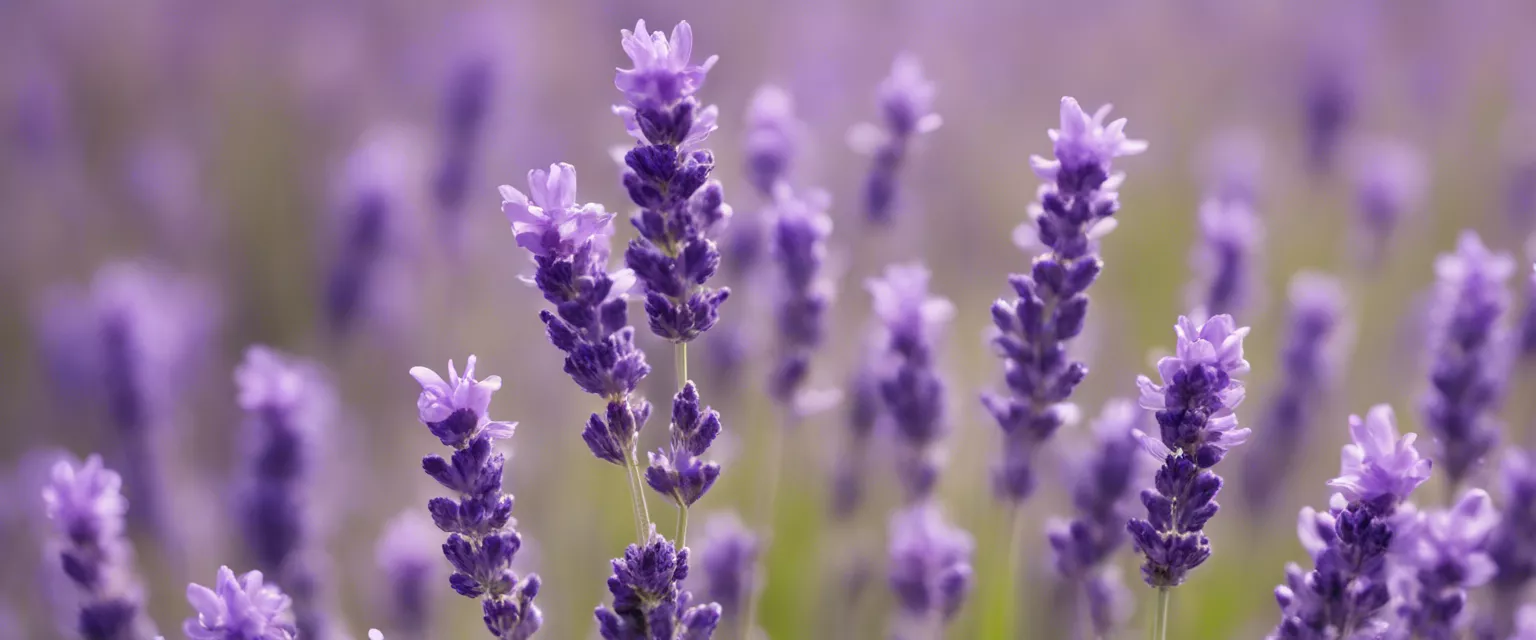
Linalool represents one of the most therapeutically significant terpenes in cannabis, delivering the sweet, floral aroma reminiscent of lavender that immediately signals relaxation and calm to those familiar with aromatherapy traditions spanning millennia. This acyclic monoterpenoid alcohol appears in over 200 plant species including lavender, mint, cinnamon, and citrus, serving both ecological functions in plant defense and pollinator attraction while providing humans with one of nature’s most effective anxiolytic compounds. In cannabis, linalool typically comprises 0.1-1% of the terpene profile in specific varieties, though its potent effects mean even trace amounts significantly influence the overall experience through both pharmacological activity and psychological associations with relaxation.
The therapeutic potential of linalool extends far beyond pleasant aromatics, with extensive research demonstrating anxiolytic, sedative, anticonvulsant, analgesic, and anti-inflammatory properties that complement and enhance cannabis’s medicinal applications. Studies reveal linalool’s ability to modulate multiple neurotransmitter systems including GABA, glutamate, and serotonin pathways, explaining its broad therapeutic effects on mood, sleep, and pain perception. The compound’s safety profile, established through centuries of use in perfumery and food flavoring, supports its integration into cannabis products targeting anxiety, insomnia, and inflammatory conditions without the risks associated with pharmaceutical alternatives.
Contemporary cannabis breeding and product development increasingly prioritize linalool content, recognizing its value in creating therapeutic profiles that address modern stress-related conditions while providing natural alternatives to benzodiazepines and sleep medications. Understanding linalool’s properties, biosynthesis, and synergistic interactions with cannabinoids enables targeted cultivation, extraction, and formulation strategies maximizing therapeutic benefits. The scientific validation of linalool’s traditional uses represents the convergence of ancient wisdom with modern pharmacology, positioning this remarkable terpene as a cornerstone of cannabis-based wellness approaches that honor both empirical experience and rigorous research.
Molecular structure of linalool reveals a tertiary alcohol with a hydroxyl group attached to a carbon bearing no hydrogen atoms, creating unique chemical properties that influence both its biological activity and practical applications. The presence of two double bonds in specific positions creates geometric isomerism, with natural linalool existing primarily as the (S)-(+) enantiomer in lavender and many cannabis strains, while the (R)-(-) form appears in other botanical sources with slightly different odor profiles. This stereochemistry significantly impacts biological activity, with the S-enantiomer generally showing stronger sedative effects while the R-form may have different therapeutic properties. The molecular flexibility allows linalool to interact with various receptor sites, contributing to its broad pharmacological profile.
Physical properties of linalool include a boiling point of 198°C, making it less volatile than many monoterpenes but still susceptible to evaporation during processing and storage, requiring careful handling to preserve content. The compound’s partial water solubility (1.6 g/L) exceeds most terpenes, enabling unique extraction and formulation possibilities including water-based preparations traditionally used in herbal medicine. Linalool’s relatively high density (0.87 g/mL) and refractive index contribute to its presence in heavier essential oil fractions. Chemical stability varies with pH and temperature, with acidic conditions promoting degradation to various products including alpha-terpineol. Understanding these properties enables optimization of extraction, processing, and storage conditions preserving linalool content.
Biosynthetic pathways producing linalool in cannabis involve complex enzymatic conversions from geranyl diphosphate through linalool synthase, with expression patterns varying dramatically between cultivars and in response to environmental stimuli. The enzyme exhibits remarkable substrate flexibility, producing not only linalool but also minor products including nerolidol and geraniol that contribute to overall terpene complexity. Genetic variants of linalool synthase show different catalytic efficiencies and product profiles, explaining variation in linalool content even among closely related strains. Environmental factors including temperature stress, UV exposure, and mechanical damage can upregulate linalool production as part of plant defense responses. This biosynthetic understanding enables both breeding strategies and cultivation techniques optimizing linalool expression.
Anxiolytic mechanisms of linalool operate through multiple pathways including modulation of GABA-A receptors similar to benzodiazepines but without addiction potential, making it attractive for anxiety management in medical cannabis applications. Research demonstrates linalool’s ability to enhance GABAergic transmission through allosteric modulation rather than direct agonism, producing calming effects without the severe sedation or dependency risks of pharmaceutical anxiolytics. Additional mechanisms include interaction with serotonin receptors, particularly 5-HT1A implicated in anxiety and depression, and modulation of glutamatergic signaling reducing excitatory neurotransmission. The multi-target approach may explain linalool’s effectiveness across various anxiety disorders and its ability to provide relief without tolerance development common to single-target drugs.
Sedative and sleep-promoting effects of linalool complement its anxiolytic properties, with studies showing increased sleep duration and quality through mechanisms including reduced sleep latency and increased non-REM sleep crucial for physical restoration. The sedative effects appear dose-dependent, with lower concentrations promoting relaxation without drowsiness while higher doses facilitate sleep onset and maintenance. Unlike pharmaceutical hypnotics, linalool doesn’t suppress REM sleep essential for cognitive function and emotional processing. The combination with cannabis’s own sleep-promoting properties creates synergistic effects potentially superior to either alone. Clinical observations suggest linalool-rich cannabis strains particularly benefit patients with anxiety-related insomnia where racing thoughts prevent sleep onset.
Anti-inflammatory and analgesic properties of linalool provide additional therapeutic dimensions, with research demonstrating significant reduction in inflammatory markers and pain behaviors through both central and peripheral mechanisms. The anti-inflammatory effects involve suppression of pro-inflammatory cytokines including TNF-α and IL-6, while also reducing neutrophil migration to inflammatory sites. Analgesic mechanisms include interaction with opioid receptors, TRPA1 channel antagonism, and reduction of substance P release from sensory neurons. These properties make linalool valuable for inflammatory pain conditions where combined anti-inflammatory and analgesic effects provide comprehensive relief. The safety profile compared to NSAIDs or opioids positions linalool-rich cannabis as attractive option for chronic pain management.
Genetic determinants of linalool production in cannabis reveal complex inheritance patterns with certain lineages consistently expressing high levels, enabling targeted breeding for therapeutic applications requiring significant linalool content. Varieties with Afghani and Purple genetics often show elevated linalool, possibly reflecting adaptation to mountain environments where stress-induced terpene production provides adaptive advantages. Modern hybrids like Lavender, LA Confidential, and Amnesia Haze reliably produce notable linalool levels, though expression varies with environmental conditions. Quantitative trait loci associated with linalool production are being mapped, enabling marker-assisted selection for this valuable trait. The challenge involves balancing linalool enhancement with other desirable characteristics including yield, disease resistance, and cannabinoid profiles.
Environmental optimization for linalool expression requires understanding how various stressors and cultivation parameters influence biosynthesis, with moderate stress often enhancing production while excessive stress reduces overall terpene quality. Temperature fluctuations, particularly cool nighttime temperatures during flowering, can increase linalool synthesis as plants produce protective compounds. UV-B supplementation triggers defensive terpene production including linalool, though optimal dosing prevents damage while maximizing expression. Nutrient strategies emphasizing sulfur availability support terpene synthesis, while nitrogen excess can reduce secondary metabolite production. Water stress during late flowering concentrates terpenes but requires careful balance against yield reduction. These cultivation insights enable targeted environmental manipulation enhancing linalool content.
Chemotype variations incorporating significant linalool create distinctive therapeutic profiles, with emerging recognition of “linalool-dominant” strains offering unique benefits for anxiety and sleep disorders without heavy sedation from myrcene-rich alternatives. The interaction between linalool and other terpenes creates complex aromatic and therapeutic profiles – limonene adds uplifting qualities balancing sedation, while pinene contributes alertness preventing excessive drowsiness. High linalool combined with CBD creates powerful anxiolytic combinations with minimal psychoactivity. THC-dominant strains with significant linalool may reduce anxiety sometimes associated with high-THC consumption. Understanding these chemotype interactions enables predictive breeding and targeted product formulation for specific therapeutic applications.
Product development strategies leveraging linalool focus on preserving this relatively stable but still volatile compound through careful processing while creating delivery formats optimizing therapeutic benefits for anxiety, sleep, and pain applications. Vaporizer formulations benefit from linalool’s moderate boiling point, delivering full effects at temperatures preserving other thermolabile compounds while avoiding combustion byproducts. Sublingual preparations utilizing linalool’s partial water solubility enable rapid anxiety relief without inhalation, appealing to medical patients avoiding respiratory routes. Topical applications combine linalool’s anti-inflammatory properties with pleasant aromatherapy benefits, creating multi-sensory therapeutic experiences. Edible formulations face challenges from volatility during processing but encapsulation technologies show promise for maintaining content through production.
Synergistic formulations combining linalool with complementary compounds create targeted effects exceeding individual components, with specific combinations showing promise for various therapeutic applications based on mechanistic understanding. Linalool plus CBD demonstrates superior anxiolytic effects compared to either alone, with potential for reducing anxiety disorder symptoms without psychoactivity. Combinations with CBN enhance sedative properties for severe insomnia, while CBG addition may provide neuroprotective benefits. Other terpenes create nuanced effects – beta-caryophyllene adds anti-inflammatory activity, while terpinolene contributes uplifting qualities preventing oversedation. These formulation strategies move beyond random mixing toward rational design based on pharmacological mechanisms and clinical observations.
Quality standardization for linalool-rich products requires sophisticated analytical methods and supply chain management ensuring consistent therapeutic effects, as natural variation in plant material creates challenges for pharmaceutical-grade consistency. Certificate of analysis documentation must verify linalool content using validated methods accounting for potential degradation during storage. Stability testing under various conditions establishes shelf life and optimal storage parameters. Source verification distinguishes cannabis-derived from synthetic or botanical linalool for marketing authenticity. Batch-to-batch consistency demands either careful blending of variable plant material or standardized extraction and fortification processes. These quality measures build consumer confidence while meeting regulatory requirements for therapeutic claims.

