×
Remove product
Remove item from cart?
Sold & Shipped by: BIRCH+FOG

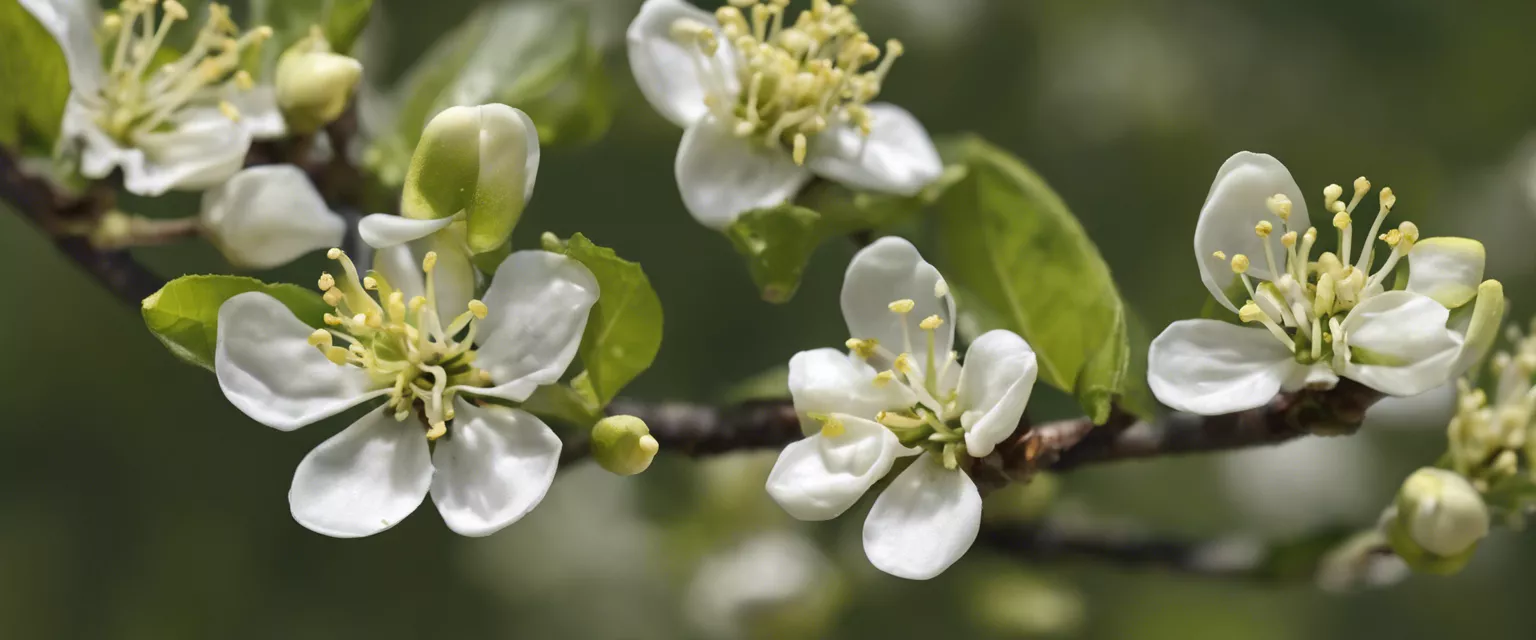
Terpinolene stands as one of the most complex and multifaceted monoterpenes in cannabis, delivering a distinctive bouquet combining floral, herbal, woody, and citrus notes that defies simple categorization. This fascinating terpene appears in select cannabis strains where it often dominates the aromatic profile, creating unique sensory experiences prized by connoisseurs. Unlike more common terpenes that present straightforward scent profiles, terpinolene’s complexity makes it challenging to describe, with different people perceiving emphasized notes of pine, flowers, herbs, or citrus depending on concentration and accompanying compounds.
The biological activities of terpinolene extend well beyond its aromatic contributions, with research revealing potential sedative, antioxidant, antimicrobial, and anticancer properties that may significantly contribute to cannabis’s therapeutic effects. Studies suggest terpinolene exhibits particularly strong antioxidant capabilities, potentially exceeding other common cannabis terpenes in protecting cells from oxidative stress. Its presence in strains traditionally associated with uplifting effects presents an interesting paradox given isolated terpinolene’s sedative properties in animal studies, highlighting the complex interactions within cannabis’s chemical matrix.
Understanding terpinolene’s role in cannabis requires appreciating its relative rarity and the distinctive characteristics it imparts to strains fortunate enough to express it prominently. As cannabis markets mature and consumers develop more sophisticated palates, terpinolene-dominant strains command premium prices and cult followings among those seeking unique experiences beyond typical flavor profiles. The compound’s versatility in industrial applications from cosmetics to cleaning products underscores its pleasant aroma and functional properties, while its presence in numerous fruits and herbs connects cannabis to broader botanical traditions.
Molecular structure of terpinolene (C₁₀H₁₆) features a unique arrangement among monoterpenes with an endocyclic double bond in the para-menthane skeleton creating distinct chemical properties. The specific positioning of double bonds at C1 and C4(8) distinguishes terpinolene from closely related isomers like terpinenes and phellandrenes. This structural arrangement creates moderate stability, more resistant to oxidation than alpha-terpinene but less stable than aromatic compounds. Boiling point of 186°C places it among higher-boiling monoterpenes affecting extraction and vaporization characteristics. Optical rotation varies by source indicating potential stereoisomeric variations. Spectroscopic properties enable identification through characteristic UV absorption and NMR patterns. Reactivity allows various chemical modifications useful in fragrance industry. Understanding structure explains terpinolene’s unique sensory and biological properties.
Biosynthetic origins of terpinolene in cannabis involve specialized terpene synthases that convert geranyl diphosphate through complex cyclization and rearrangement reactions. Cannabis terpinolene synthase (CsTPS) catalyzes formation through specific carbocation intermediates distinguishing it from other monoterpene synthases. Expression patterns vary dramatically between strains with some showing strong CsTPS activity while others produce none. Genetic regulation involves both structural genes and transcription factors responding to developmental and environmental cues. Competition for precursors with other terpene pathways influences final terpinolene levels. Post-synthesis modifications remain minimal preserving the original structure. Evolutionary analysis suggests terpinolene production provides adaptive advantages in certain environments. These biosynthetic insights guide breeding programs targeting terpinolene enhancement.
Stability characteristics of terpinolene under various conditions determine its persistence through cultivation, processing, and storage affecting final product profiles. Oxidation resistance surpasses many monoterpenes due to the conjugated system providing some stability. Light exposure causes gradual degradation through photochemical pathways. Temperature sensitivity requires careful handling during extraction and purging to prevent losses. pH variations show minimal impact on stability unlike some terpenes. Metal catalysts accelerate degradation necessitating careful equipment selection. Proper storage under inert atmosphere at cool temperatures preserves terpinolene for extended periods. Formulation with antioxidants enhances stability in finished products. Understanding stability guides best practices for terpinolene preservation throughout supply chains.
Sedative properties of terpinolene demonstrated in animal studies contrast interestingly with its presence in cannabis strains traditionally considered energizing or uplifting. Mouse locomotor activity decreases significantly following terpinolene administration suggesting central nervous system depression. Sleep time extensions occur with barbiturate combinations indicating sedative synergy. Mechanisms may involve GABA system modulation though specific receptors remain unidentified. Dose-response relationships show sedation at relatively low concentrations. Human studies remain limited preventing definitive conclusions about sedative effects. The paradox between isolated compound effects and whole-plant experiences highlights entourage complexity. Other cannabis compounds may modulate or mask terpinolene’s sedative properties. Understanding these interactions helps predict strain effects more accurately.
Antioxidant capabilities of terpinolene rank among the highest of cannabis terpenes, providing robust protection against various forms of oxidative stress. Free radical scavenging assays consistently show superior performance compared to common terpenes. Lipid peroxidation inhibition protects cellular membranes from oxidative damage. DNA protection from oxidative lesions suggests potential cancer-preventive properties. Cellular studies demonstrate reduced markers of oxidative stress with terpinolene treatment. Synergistic effects with cannabinoids particularly CBD enhance overall antioxidant capacity. Mechanisms involve both direct radical quenching and upregulation of endogenous antioxidant systems. Therapeutic potential exists for conditions involving oxidative stress components. Preservation of antioxidant activity requires careful handling preventing terpinolene degradation.
Antimicrobial and antifungal activities of terpinolene contribute to cannabis’s natural defense systems while suggesting potential therapeutic applications. Broad-spectrum antibacterial effects include activity against resistant strains like MRSA. Fungal growth inhibition occurs at concentrations achievable in cannabis products. Mechanisms involve membrane disruption and metabolic interference in target organisms. Synergy with other cannabis antimicrobials creates potent defensive combinations. Food preservation applications leverage these antimicrobial properties commercially. Potential exists for natural antimicrobial formulations reducing synthetic preservative needs. Safety profiles support topical and potentially internal antimicrobial uses. These properties explain partial cannabis resistance to various pathogens during cultivation.
Terpinolene-dominant cultivars remain relatively rare in cannabis markets, with strains like Jack Herer, Dutch Treat, and XJ-13 showcasing this terpene’s distinctive profile. Jack Herer consistently expresses high terpinolene creating its characteristic fresh, complex aroma distinguishing it from other sativas. Dutch Treat combines terpinolene with sweet terpenes producing unique fruity-floral profiles. XJ-13 demonstrates how terpinolene interacts with citrus terpenes enhancing complexity. Ghost Train Haze shows terpinolene can dominate even in high-THC cultivars. Golden Pineapple expresses tropical notes when terpinolene combines with specific minor terpenes. Breeding challenges exist in maintaining terpinolene dominance across generations. Market demand for these unique profiles drives premium pricing. Understanding terpinolene-dominant strains helps consumers identify preferred flavor experiences.
Genetic factors influencing terpinolene production involve both synthase expression levels and precursor availability within complex metabolic networks. Terpinolene synthase gene variations create functional differences affecting enzyme efficiency. Regulatory elements controlling synthase expression respond to various signals. Linkage with other traits complicates breeding for isolated terpinolene enhancement. Heterosis effects in hybrids sometimes boost terpinolene unexpectedly. Environmental gene interactions mean identical genetics express differently across conditions. Marker-assisted selection accelerates identification of terpinolene-producing plants. Genomic studies reveal terpinolene synthase evolution within cannabis populations. Understanding genetic control enables targeted breeding strategies maximizing terpinolene content.
Cultivation optimization for terpinolene expression requires specific environmental conditions and timing strategies maximizing this terpene’s production. Temperature differentials between day and night enhance terpinolene in certain genotypes. Moderate stress during late flowering can upregulate terpene production including terpinolene. Nutrient programs emphasizing sulfur availability support terpene synthase function. Light spectrum modifications particularly UV supplementation may boost production. Harvest timing critically affects terpinolene content with early windows often optimal. Post-harvest handling must minimize volatile losses preserving captured terpinolene. Environmental consistency reduces variation in terpinolene expression between cycles. These cultivation refinements help achieve consistent terpinolene-rich products.
Industrial uses of terpinolene extend far beyond cannabis into fragrances, cosmetics, cleaning products, and food flavoring, demonstrating its pleasant aroma and functional properties. Perfume industry values terpinolene for fresh, complex notes in masculine and unisex fragrances. Soap and cosmetic formulations utilize its pleasant scent and potential skin benefits. Cleaning products leverage antimicrobial properties alongside appealing fragrance. Food industry employs terpinolene as GRAS flavoring agent in various products. Insect repellent applications show promise for natural formulations. Wood preservation treatments benefit from antifungal properties. These diverse applications demonstrate terpinolene’s commercial versatility and safety profile. Cannabis industry can learn from established uses optimizing terpinolene applications.
Product development in cannabis leveraging terpinolene focuses on preserving its unique profile while creating differentiated offerings across consumption methods. Vape cartridges featuring terpinolene-dominant profiles appeal to flavor connoisseurs seeking complexity. Live resin products capture fresh terpinolene before degradation during drying. Edibles face challenges preserving volatile terpinolene through processing requiring encapsulation. Topical formulations utilize potential sedative and antioxidant properties. Tinctures enable controlled dosing of terpinolene-rich extracts. Pre-rolls marketed for specific terpinolene content attract educated consumers. Limited edition releases of rare terpinolene cultivars command premium prices. Innovation continues in delivery methods optimizing terpinolene’s unique properties.
Market positioning strategies for terpinolene-rich products emphasize uniqueness, complexity, and potential therapeutic benefits appealing to sophisticated consumers. Educational marketing explains terpinolene’s distinctive characteristics building appreciation. Sommelier-style tasting notes describe complex flavor profiles professionally. Premium pricing reflects rarity and cultivation challenges obtaining terpinolene dominance. Brand stories connect products to terpinolene’s broader botanical presence. Therapeutic messaging carefully avoids claims while suggesting research directions. Limited availability creates exclusivity driving demand. Transparency about testing and terpinolene content builds trust. These strategies successfully position terpinolene products within luxury cannabis segments.