
×
Remove product
Remove item from cart?

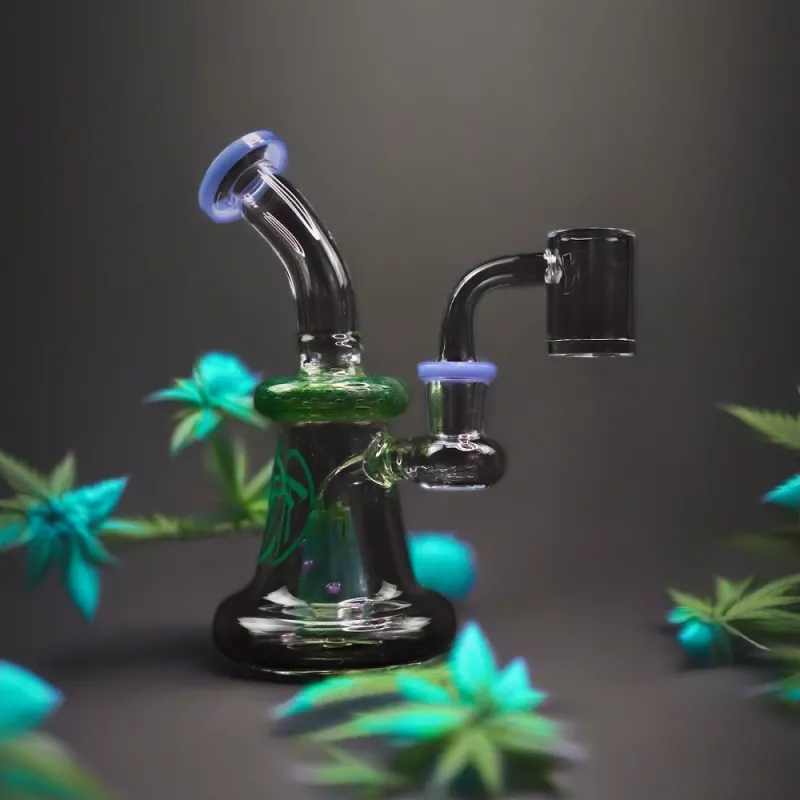
A dab rig represents a specialized water pipe designed specifically for vaporizing cannabis concentrates, featuring a nail or banger heated to high temperatures where concentrated extracts are placed to produce inhalable vapor. This consumption device evolved from traditional water pipes but incorporates unique components optimized for the flash vaporization of oils, waxes, and other cannabis concentrates rather than combusting flower. Modern dab rigs range from simple, functional designs to elaborate artistic pieces incorporating advanced percolation systems, recycling water paths, and precision temperature control, reflecting both the functional requirements of concentrate consumption and cannabis culture’s appreciation for craftsmanship.
The engineering principles behind dab rigs address the specific challenges of concentrate vaporization, including the need for extreme heat retention, efficient vapor cooling, and preservation of terpene profiles that determine flavor and effects. Unlike flower combustion occurring at relatively low temperatures, concentrate vaporization requires surfaces heated to 315-850°F, demanding materials and designs capable of withstanding thermal stress while providing consistent heat distribution. The water filtration system must cool vapor rapidly without causing excessive condensation that wastes product, while the overall design balances function with ergonomics for safe handling of extremely hot components.
Contemporary significance of dab rigs extends beyond their functional role to represent a distinct cannabis subculture emphasizing connoisseurship, with enthusiasts collecting custom pieces and developing refined consumption techniques. The rise of legal cannabis markets transformed dab rigs from underground paraphernalia to legitimate consumer products sold in licensed dispensaries with warranties and safety certifications. This mainstreaming drives innovation in materials, safety features, and user experience while preserving the artisanal aspects valued by traditional consumers. Understanding dab rig components, operation, and culture proves essential for industry professionals serving the growing concentrate market, where consumption devices significantly impact user experience and product appreciation, making the difference between harsh, wasteful sessions and optimal extraction of concentrates’ full potential.
Thermal dynamics in dab rig design focus on managing extreme temperature differentials between the heated nail surface and the cool water filtration system within compact devices. The nail or banger must reach and maintain temperatures sufficient for instant vaporization while positioned mere inches from water chambers kept at room temperature. This creates engineering challenges in preventing heat transfer to the main body while ensuring user safety. Borosilicate glass dominates construction due to its low thermal expansion coefficient, resisting cracking from repeated heating cycles. Joint connections between components utilize ground glass fittings that accommodate thermal expansion while maintaining airtight seals. Advanced designs incorporate heat shields, extended necks, or directional airflow to isolate hot zones from handling areas.
Vapor path optimization in quality dab rigs balances minimal distance for flavor preservation with sufficient cooling for comfortable inhalation through strategic chamber design. Short, direct paths from nail to mouthpiece preserve terpene profiles by minimizing surface area where compounds can condense. However, extremely short paths deliver uncomfortably hot vapor requiring careful temperature management. Percolation systems introduce controlled turbulence cooling vapor through water contact without excessive diffusion that strips flavor compounds. Recycler designs continuously cycle water through multiple chambers, extending cooling paths without increasing overall rig size. The ideal vapor path maintains temperatures below irritation thresholds while preserving the full spectrum of vaporized compounds.
Ergonomic considerations influence every aspect of dab rig design from stability during use to comfortable handling positions accommodating the dabbing process’s unique requirements. Base designs prioritize low centers of gravity preventing tipping when applying concentrates to hot nails. Mouthpiece positioning allows comfortable inhalation while maintaining visual contact with the nail for proper timing. Handle placement or textured gripping areas facilitate safe manipulation when components are hot. Size optimization balances portability desires with functional requirements for water volume and percolation. Joint angles position nails for easy access while minimizing stress on connections. These human factors distinguish well-designed rigs from purely aesthetic pieces.
Borosilicate glass properties make it the predominant material for dab rig construction, offering superior thermal shock resistance, chemical inertness, and optical clarity essential for safe concentrate consumption. Scientific-grade borosilicate contains boron trioxide reducing thermal expansion to one-third that of regular glass, enabling repeated heating cycles without cracking. The material’s high melting point exceeds any temperature achieved during dabbing, maintaining structural integrity indefinitely. Chemical resistance prevents leaching or flavor contamination even with repeated exposure to various concentrates and cleaning solvents. Optical clarity allows users to observe vapor production and water percolation, important for timing and technique. Manufacturing processes from lampworking to industrial molding leverage borosilicate’s workability creating both functional and artistic designs.
Alternative materials in dab rig construction serve specific functions where glass proves inadequate, particularly for nails and electronic components requiring extreme heat tolerance or conductivity. Titanium nails offer durability and rapid heating but require seasoning and can affect flavor at high temperatures. Quartz bangers provide superior flavor preservation and heat retention, becoming the preferred choice for connoisseurs. Ceramic retains heat well and provides neutral flavor but risks cracking from thermal shock. Silicon carbide emerges as an advanced option combining flavor neutrality with extreme durability. Electronic rig components utilize temperature-resistant polymers and metals. Each material requires specific handling and maintenance protocols for optimal performance and longevity.
Surface treatments and coatings enhance dab rig functionality and aesthetics while addressing specific performance requirements or user preferences. Sandblasting creates textured surfaces improving grip and reducing fingerprint visibility on handling areas. Fumed glass incorporating precious metals produces color-changing effects as resin accumulates. Electroplating applies metallic finishes to glass surfaces for decorative purposes. Non-stick coatings on some nail designs prevent concentrate waste though durability remains questionable. UV-reactive materials create visual effects under blacklight popular in social settings. Thermal barrier coatings on some components reduce heat transfer. These treatments must withstand repeated heating and cleaning without degrading or affecting vapor quality.
Nail evolution in dab rigs progressed from simple titanium designs to sophisticated quartz bangers optimizing heat retention, distribution, and flavor preservation. Early titanium nails required extensive seasoning to remove manufacturing residues and could impart metallic flavors at high temperatures. Ceramic nails improved flavor but suffered durability issues. Quartz emerged as the optimal material, combining flavor neutrality with excellent heat retention. Banger designs with bucket shapes contain concentrates better than flat nails while providing more surface area. Thermal bangers feature double walls creating insulation for sustained temperatures. Terp slurpers introduce multiple intake points maximizing vaporization efficiency. These innovations reflect user demands for improved flavor and efficiency driving continuous refinement.
Temperature control methods evolved from manual torch heating to sophisticated electronic systems providing precise, consistent temperatures for optimal vaporization. Traditional torch heating requires skill in achieving and recognizing proper temperatures, typically judged by visual cues or timing. Electronic nails (e-nails) revolutionized temperature control using heating coils and digital controllers maintaining exact temperatures indefinitely. Smart rigs integrate heating elements directly, eliminating separate controllers. Some systems feature temperature ramping or terpene profiles optimizing different compounds’ vaporization. Infrared thermometers and temperature-indicating inserts provide feedback for torch users. These advances transform dabbing from art to science, enabling consistent results regardless of user experience.
Carb cap functionality represents a critical innovation maximizing vaporization efficiency by controlling airflow and pressure over heated concentrates. These devices create restricted airflow increasing vapor density while the reduced pressure lowers vaporization temperatures preserving terpenes. Basic carb caps simply cover the nail, while directional caps feature angled airways creating vortex effects spreading concentrates across hot surfaces. Bubble caps incorporate spheres directing airflow precisely. Some designs include dabber tools eliminating separate implements. Material choices from glass to titanium affect heat retention and manipulation comfort. Proper carb cap technique significantly improves flavor and reduces waste, making them essential accessories for quality dabbing experiences.
Low-temperature dabbing techniques prioritize terpene preservation and smooth vapor production by vaporizing concentrates at minimal effective temperatures, typically 315-450°F. This approach maximizes flavor expression as different terpenes vaporize at specific temperatures below many cannabinoids‘ boiling points. Low temps reduce throat irritation and coughing associated with high-temperature dabbing. However, incomplete vaporization may leave residue requiring careful balance between flavor and efficiency. Cold-start dabbing places concentrates on cool nails before heating, providing ultimate temperature control. Precise timing or temperature monitoring ensures optimal results. The technique requires patience but rewards users with superior flavor profiles and comfortable consumption experiences appealing to medical users and connoisseurs.
High-temperature applications ranging from 600-850°F provide instant, complete vaporization suitable for users prioritizing efficiency and intense effects over flavor subtleties. Higher temperatures ensure complete extraction minimizing waste, important with expensive concentrates. The instant vapor production delivers rapid onset effects preferred by some medical users. However, excessive heat degrades terpenes creating harsh vapor and potentially harmful byproducts. Combustion risks increase above 750°F, defeating vaporization benefits. High-temp dabbing requires less precise timing, making it accessible for beginners. Proper hydration and cooling become critical at these temperatures. Users must balance desired effects with potential negative impacts on flavor and respiratory comfort.
Temperature mapping across different concentrate types optimizes vaporization for specific consistencies and cannabinoid profiles requiring tailored approaches. Stable shatters vaporize efficiently at moderate temperatures around 500-550°F. Terpene-rich sauces benefit from lower temperatures preserving volatile compounds. Rosin’s lack of residual solvents allows flexible temperature ranges. CBD isolates require higher temperatures due to elevated boiling points. Live resins demand careful low-temperature approaches preserving fresh terpene profiles. Understanding concentrate-specific requirements prevents waste while maximizing desired effects. Advanced users develop preferences for specific temperature ranges with different products, similar to wine serving temperatures enhancing particular characteristics.

