
×
Remove product
Remove item from cart?

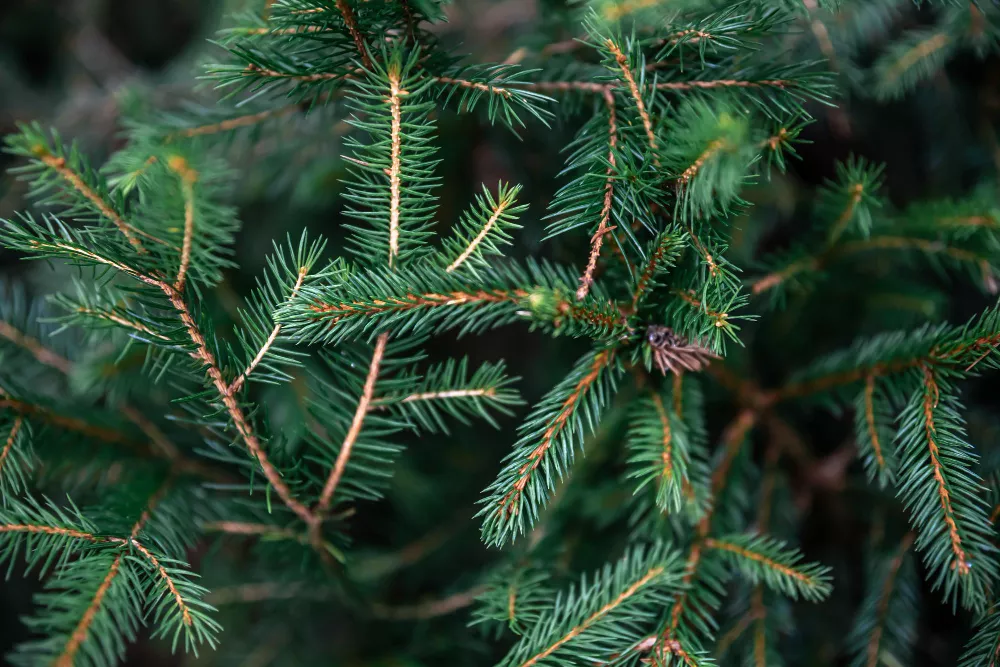
Cedrene represents a complex sesquiterpene found in cannabis that contributes woody, cedar-like aromatic notes while potentially offering therapeutic benefits including antimicrobial, anti-inflammatory, and insecticidal properties. This tricyclic sesquiterpene, primarily known from cedar wood essential oil, appears in certain cannabis strains at trace to minor levels, adding depth to terpene profiles and potentially contributing to entourage effects. While not as prominent as monoterpenes like limonene or myrcene, cedrene’s presence in cannabis demonstrates the plant’s remarkable chemical diversity and its ability to produce compounds traditionally associated with coniferous trees.
The molecular structure of cedrene (C₁₅H₂₄) features a complex tricyclic framework characteristic of cedrane-type sesquiterpenes, with multiple ring fusions creating a rigid, three-dimensional architecture. This structural complexity distinguishes cedrene from simpler cannabis terpenes and influences its volatility, stability, and biological activity. The compound exists as multiple isomers including α-cedrene and β-cedrene, each with slightly different properties and aromatic characteristics. The relatively high boiling point around 262°C means cedrene persists through many processing methods that volatilize lighter terpenes.
Contemporary interest in cedrene within cannabis contexts reflects growing recognition that minor and trace terpenes may contribute significantly to therapeutic outcomes and sensory experiences. As analytical capabilities improve and cannabis research expands beyond major compounds, cedrene emerges as an example of how trace components might provide antimicrobial preservation, modify psychoactive effects, or contribute subtle but important therapeutic benefits. Understanding cedrene’s role in cannabis requires appreciating both its intrinsic properties and its interactions within the complex chemical matrix of whole-plant preparations.
The tricyclic architecture of cedrene results from a complex biosynthetic cyclization cascade that creates three interconnected rings with specific stereochemistry. The cedrane skeleton features a central cycloheptane ring fused to two cyclopentane rings, creating a compact, rigid structure. Multiple chiral centers within this framework lead to various stereoisomers, with α-cedrene being the most common in natural sources. This three-dimensional arrangement influences how cedrene interacts with biological targets and contributes to its distinctive woody aroma. The structural rigidity affects physical properties like melting point and volatility compared to more flexible sesquiterpenes.
Isomeric variations of cedrene include α-cedrene, β-cedrene, and related compounds like cedrol and cedryl acetate that share the core structure. Each isomer shows slightly different aromatic properties and biological activities despite structural similarities. The position of double bonds and methyl groups distinguishes these isomers, affecting their reactivity and stability. In cannabis, the specific isomeric composition of cedrene-type compounds likely varies with genetics and environmental factors. Analytical differentiation between isomers requires sophisticated techniques given their similar properties. Understanding isomeric composition helps predict aromatic contributions and potential therapeutic effects.
Biosynthetic origins of cedrene in cannabis involve farnesyl diphosphate cyclization through complex enzymatic transformations not fully characterized in cannabis. The process likely involves cedrane synthases that catalyze specific ring formations and rearrangements. These enzymes show remarkable precision in creating the correct stereochemistry from achiral precursors. The evolutionary relationship between cannabis cedrane synthases and those in cedar trees remains unclear. Expression of these enzymes appears limited to specific cannabis chemotypes. Understanding the biosynthetic pathway could enable enhancement of cedrene production through breeding or biotechnology.
Aromatic properties of cedrene create distinctive woody, cedar-like notes that add complexity to cannabis aromatic profiles. The scent is often described as dry, woody, and slightly sweet, reminiscent of cedar closets or pencil shavings. These aromatic qualities persist longer than volatile monoterpenes, contributing to the base notes of cannabis fragrances. In combination with other terpenes, cedrene can enhance earthy or forest-like aromatic impressions. The human olfactory system shows high sensitivity to cedrene, detecting it at low concentrations. This aromatic contribution may influence strain selection and consumer preferences for certain woody profiles.
Volatility characteristics place cedrene among the less volatile cannabis terpenes, with its higher molecular weight and boiling point affecting retention during processing. The compound shows minimal loss during typical drying and curing processes that can deplete monoterpenes by 50% or more. Extraction methods easily capture cedrene due to its stability and solubility in common solvents. Distillation processes must reach higher temperatures to mobilize cedrene compared to lighter terpenes. This lower volatility means cedrene contributes more to extracted products than to vapor aromatics. Storage stability exceeds that of most monoterpenes, with cedrene showing minimal degradation over time.
Solubility profiles of cedrene show typical terpene behavior with high lipophilicity and negligible water solubility, affecting formulation options. The compound readily dissolves in ethanol, hydrocarbons, and oils used in cannabis extraction. Its distribution coefficient favors organic phases in biphasic systems. The rigid structure may affect membrane permeability compared to flexible terpenes. In cannabis matrices, cedrene likely associates with other lipophilic compounds in trichomes. These solubility characteristics influence extraction efficiency and product formulation strategies for cedrene-containing cannabis products.
Genetic distribution of cedrene across cannabis cultivars remains poorly characterized, with limited systematic screening for this minor terpene. Anecdotal reports suggest higher cedrene levels in strains with woody or earthy aromatic profiles. Some Hindu Kush descendants reportedly contain detectable cedrene, possibly reflecting adaptation to mountainous environments. The compound appears more frequently in varieties with complex sesquiterpene profiles rather than monoterpene-dominant strains. Breeding programs rarely target cedrene specifically, leading to inconsistent presence across commercial cultivars. Comprehensive terpene profiling increasingly includes cedrene detection, gradually building understanding of its distribution.
Environmental influences on cedrene production in cannabis likely parallel general sesquiterpene regulation, with stress conditions potentially enhancing expression. Temperature fluctuations during flowering may upregulate defensive terpene production including cedrene. Altitude effects observed in cedar trees might similarly influence cannabis cedrene content. Soil composition and microbial interactions could affect precursor availability for sesquiterpene synthesis. UV exposure may stimulate cedrene production as part of protective responses. Limited research specifically examining cedrene environmental responses in cannabis necessitates extrapolation from general terpene studies. These factors suggest cultivation optimization could enhance cedrene content.
Analytical detection of cedrene in cannabis requires sensitive methods capable of quantifying trace sesquiterpenes among more abundant compounds. Gas chromatography with mass spectrometry provides necessary selectivity and sensitivity for cedrene identification. The compound’s retention time falls in the sesquiterpene region, requiring good chromatographic resolution. Reference standards for various cedrene isomers improve identification accuracy. Many routine terpene analyses may miss cedrene due to its low abundance or lack of targeted detection. Comprehensive profiling including minor sesquiterpenes reveals cedrene presence more frequently than previously recognized.
Antimicrobial properties of cedrene demonstrate effectiveness against various bacteria and fungi, suggesting potential as a natural preservative in cannabis products. Studies show activity against gram-positive bacteria including Staphylococcus species at concentrations achievable in cannabis. Antifungal effects extend to dermatophytes and yeasts relevant to cannabis contamination. The mechanism likely involves membrane disruption and interference with microbial metabolism. Synergistic effects with other antimicrobial terpenes may enhance preservation. These properties could contribute to the storage stability of cedrene-containing cannabis. Natural antimicrobial activity offers advantages over synthetic preservatives.
Anti-inflammatory mechanisms of cedrene operate through modulation of inflammatory mediators, complementing similar effects of major cannabinoids. The compound suppresses pro-inflammatory cytokine production in cellular models. COX and LOX enzyme inhibition contributes to reduced inflammatory eicosanoid synthesis. These effects occur at concentrations potentially present in cedrene-containing cannabis products. Topical applications might benefit from cedrene’s anti-inflammatory properties combined with its pleasant aroma. The specific contribution to whole-plant anti-inflammatory effects remains undetermined. Understanding these mechanisms guides potential therapeutic targeting.
Insecticidal activity of cedrene reflects its ecological role in plant defense, potentially contributing to pest resistance in cannabis cultivation. Cedar wood’s insect-repelling properties largely derive from cedrene and related compounds. Activity against common cannabis pests like spider mites and aphids warrants investigation. The compound may deter insect feeding or disrupt reproduction. Integration into integrated pest management could reduce pesticide requirements. Post-harvest protection from storage pests represents another potential benefit. These properties suggest cedrene-rich strains might show enhanced natural pest resistance.

