
×
Remove product
Remove item from cart?

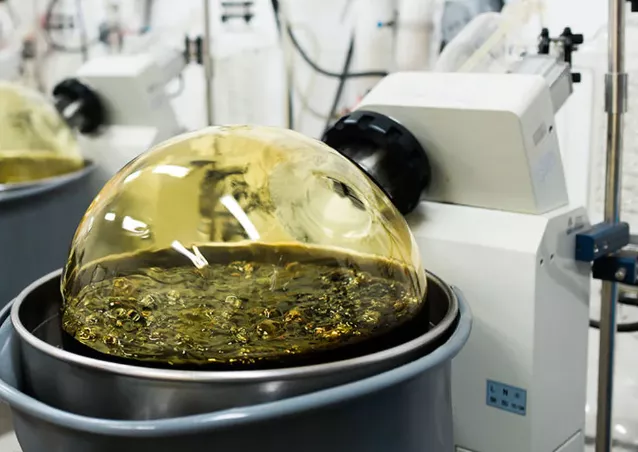
Butane extraction represents a pivotal hydrocarbon-based method for producing cannabis concentrates, utilizing liquefied butane’s exceptional solvent properties to selectively extract cannabinoids, terpenes, and other valuable compounds while leaving behind plant matter and water-soluble impurities. This extraction technique revolutionized concentrate production by enabling efficient extraction at low temperatures that preserve volatile terpenes, producing diverse textures from glass-like shatter to creamy budder through post-processing manipulation. The method’s efficiency in creating full-spectrum extracts with potencies exceeding 80% THC transformed cannabis consumption patterns and established new product categories in legal markets.
The scientific principles underlying butane extraction leverage the non-polar nature of liquid butane to dissolve cannabis resins while its low boiling point (-0.5°C at atmospheric pressure) facilitates complete solvent removal through evaporation. The process typically involves passing sub-cooled liquid butane through cannabis material in a closed-loop system, where it strips essential oils before collection and purging. Critical parameters including temperature, pressure, contact time, and material preparation determine extraction efficiency and product quality. Modern butane extraction has evolved from dangerous open-blasting techniques to sophisticated closed-loop systems meeting pharmaceutical manufacturing standards.
Contemporary butane extraction operations balance product quality demands with stringent safety requirements, as butane’s explosive properties necessitate specialized facilities, equipment, and training. Professional extractors employ certified closed-loop systems in C1D1-rated rooms with comprehensive safety protocols, while illegal operations using crude methods continue causing explosions and injuries. The technique’s ability to produce diverse concentrate consistencies through varying parameters makes it indispensable for commercial operations, though its association with safety hazards drives ongoing technological innovation and regulatory oversight aimed at maximizing benefits while minimizing risks.
Solvent dynamics in butane extraction involve complex interactions between liquid butane’s physical properties and cannabis matrices that determine extraction selectivity and efficiency. N-butane’s low polarity index (0.1) makes it highly selective for non-polar cannabinoids and terpenes while excluding polar compounds like chlorophyll and plant sugars. The solvent’s low viscosity at extraction temperatures enables rapid penetration through plant material, reducing required contact times. Pressure manipulation affects butane’s density and solvency power, with higher pressures increasing extraction capacity but potentially reducing selectivity. Temperature gradients through the extraction column create varying solvent conditions that can be exploited for fractionation. Understanding these dynamics enables processors to optimize parameters for desired outcomes.
Material preparation profoundly impacts extraction efficiency and product quality, with variables including moisture content, particle size, and pre-processing treatments affecting yields and purity. Optimal moisture levels (8-12%) prevent ice formation that blocks solvent flow while avoiding excess water extraction. Grinding consistency determines surface area exposure, with medium-coarse grinds balancing extraction efficiency against fine particulate contamination. Fresh-frozen material preserves monoterpenes but requires adjusted parameters to manage ice crystal formation. Curing affects cannabinoid ratios and terpene profiles, influencing final product characteristics. Pre-freezing material and solvent improves selectivity by reducing extraction of undesirable compounds. These preparation steps critically determine extraction success.
Process parameters optimization requires balancing multiple variables to achieve desired product characteristics while maximizing efficiency and safety. Extraction temperatures between -40°C and -80°C preserve terpenes while maintaining reasonable extraction rates. Contact times ranging from 5-30 minutes depend on material quality and desired completeness. Solvent-to-feed ratios typically range from 5:1 to 20:1, with higher ratios improving yields but increasing processing costs. Flow rates must balance extraction efficiency with residence time requirements. Column packing density affects flow distribution and extraction uniformity. Post-extraction dewaxing at ultra-low temperatures removes lipids for clarity. These parameters interact complexly, requiring systematic optimization for specific products.
Explosion prevention in butane extraction demands comprehensive understanding of the solvent’s explosive properties and implementation of multiple engineering controls. Butane forms explosive mixtures with air between 1.8% and 8.4% concentration by volume, with minimal ignition energy requirements making static discharge sufficient for ignition. Lower explosive limit (LEL) monitoring systems continuously measure atmospheric butane levels, triggering ventilation increases and emergency shutdowns when thresholds are exceeded. Intrinsically safe electrical systems eliminate ignition sources through specialized components rated for explosive atmospheres. Grounding and bonding protocols prevent static accumulation during solvent transfers. Emergency shutdown systems automatically isolate butane supplies and activate ventilation upon detecting hazardous conditions.
Facility design requirements for butane extraction reflect the extreme hazards associated with flammable gas processing, necessitating specialized construction and engineering controls. C1D1 (Class 1 Division 1) rated extraction rooms feature explosion-proof construction with reinforced walls designed to contain blasts. Ventilation systems must provide minimum 1 cubic foot per minute per square foot of floor space with emergency purge capabilities achieving 150 air changes per hour. Gas detection sensors positioned at multiple heights account for butane’s density variations with temperature. Explosion-relief panels direct blast forces safely outside occupied areas. Fire suppression systems use non-conductive agents suitable for flammable liquid fires. These design elements create multiple barriers preventing catastrophic incidents.
Personal protective equipment for butane extraction extends beyond basic safety gear to address multiple hazards including explosion, asphyxiation, and cold exposure. Flame-resistant clothing meeting NFPA 2112 standards provides protection against flash fires. Full-face respirators with organic vapor cartridges prevent butane inhalation, though supplied-air systems are preferred for extended exposures. Cryogenic gloves protect against liquid butane’s extreme cold (-0.5°C boiling point). Anti-static footwear and clothing prevent spark generation. Emergency escape respirators provide egress capability during releases. Continuous gas monitors worn by personnel provide individual exposure warnings. Regular equipment inspection and replacement ensures continued protection. Training emphasizes proper donning, doffing, and limitations of protective equipment.
Residual solvent testing represents the most critical quality parameter for butane-extracted products, with regulatory limits typically set at 5,000 ppm or lower requiring precise analytical methods. Gas chromatography with flame ionization detection (GC-FID) provides standard quantification, though mass spectrometry confirmation improves reliability. Testing must differentiate between n-butane and isobutane isomers while detecting potential contaminants like propane from mixed solvent sources. Sample preparation techniques including headspace analysis prevent volatile loss during testing. Multiple sampling points ensure homogeneous residual distribution throughout products. Method validation addresses matrix effects from different concentrate consistencies. Inter-laboratory proficiency testing reveals significant variation in residual solvent quantification, highlighting needs for standardization.
Contaminant screening in butane extraction extends beyond residual solvents to include extraction-related impurities and concentrated source material contaminants. Pesticide concentration during extraction necessitates careful source material screening and may require remediation techniques. Heavy metals can concentrate or be introduced through equipment contact, requiring ICP-MS analysis. Microbial contamination risks increase through handling and moisture exposure during processing. Extraction can concentrate mycotoxins from moldy starting material to dangerous levels. Mystery oil contamination from compressor lubricants represents an emerging concern requiring specialized testing. Comprehensive contaminant panels adapted for concentrates ensure product safety beyond basic compliance requirements.
Potency standardization challenges in butane extraction arise from heterogeneous cannabinoid distribution and post-extraction changes affecting label accuracy. Initial extraction produces varying potency across collection fractions requiring homogenization for consistency. Decarboxylation during processing converts THCA to THC at variable rates depending on temperature exposure. Crystallization in high-THCA extracts creates potency gradients within containers. Terpene reintroduction dilutes cannabinoid concentrations requiring recalculation. Sampling protocols must account for consistency variations, with multiple test points ensuring representative results. Statistical process control helps identify and correct potency variations. Consumer safety depends on accurate potency labeling enabling proper dosing.
Closed-loop system design represents the fundamental safety advancement enabling commercial butane extraction, containing the entire process within sealed vessels to prevent atmospheric releases. Basic configurations include solvent tanks, material columns, collection vessels, and recovery pumps connected by high-pressure-rated lines and valves. Bi-directional flow capabilities enable solvent pre-chilling and multiple extraction passes. Sight glasses allow process monitoring without system opening. Pressure relief valves prevent over-pressurization while maintaining closed-loop integrity. Heat exchangers manage temperature throughout the process cycle. Advanced systems incorporate automation reducing operator exposure. Proper system sizing balances throughput requirements with safety considerations. Regular pressure testing ensures continued integrity.
Recovery pump technology critically determines extraction efficiency and operating costs by enabling solvent recycling and emissions prevention. Explosion-proof diaphragm pumps provide reliable service in hazardous environments. Oil-free designs prevent lubricant contamination of recovered solvents. Variable speed drives optimize recovery rates while preventing cavitation. Two-stage compression improves efficiency for high-volume operations. Heat management during compression prevents solvent degradation and maintains pump longevity. Automated controls maintain optimal operating parameters throughout recovery cycles. Redundant pump systems ensure continuous operation during maintenance. Recovery rates exceeding 95% are standard, with losses primarily through vacuum pump exhaust.
Auxiliary equipment integration enhances extraction capabilities while maintaining safety in professional butane extraction operations. Chillers maintaining -40°C to -80°C enable temperature control throughout extraction and recovery. Vacuum ovens provide final purging while preserving terpenes through low-temperature operation. Molecular sieve drying systems remove moisture from recovered solvents. Inline filters prevent particulate contamination while dewaxing columns remove lipids. Collection vessel heating/cooling jackets enable texture manipulation. Solvent distillation systems purify recycled butane removing accumulated impurities. Scale integration enables precise yield tracking. Automated data logging documents process parameters for quality assurance. These auxiliary systems transform basic extraction into sophisticated manufacturing operations.
Licensing requirements for butane extraction vary significantly across jurisdictions but typically involve demonstrating technical competency, facility compliance, and financial responsibility. Application processes often require detailed standard operating procedures, employee training documentation, and emergency response plans. Professional engineer stamps on facility designs ensure code compliance. Fire marshal approvals verify safety system adequacy. Local authorities may impose additional requirements based on community concerns. Insurance requirements often exceed general cannabis coverage due to explosion risks. Background checks and financial audits prevent bad actors from entering the industry. Ongoing compliance monitoring through inspections ensures continued adherence to safety standards.
Compliance monitoring for butane extraction operations involves multiple regulatory agencies overseeing different aspects of safety and product quality. Fire departments conduct regular inspections of safety systems and emergency preparedness. Building departments verify continued structural compliance and proper ventilation function. Cannabis regulatory agencies audit product testing, tracking, and quality systems. Environmental agencies monitor emissions and waste disposal practices. Workplace safety regulators ensure employee protection protocols. Multi-agency coordination sometimes creates conflicting requirements requiring careful navigation. Self-auditing programs help identify issues before regulatory inspections. Third-party certifications provide additional compliance verification. Documentation requirements can overwhelm small operations.
Interstate commerce restrictions significantly impact butane extraction operations due to federal prohibition and varying state regulations creating isolated markets. Equipment transportation across state lines remains legal, but extracted products cannot cross borders. Technology transfer occurs through consulting and training rather than product movement. Regulatory differences prevent standardization, with each state developing unique requirements. Testing standards vary, complicating multi-state operations. Investment structures must account for inability to transfer assets between states. Supply chain fragmentation increases costs and reduces efficiency. Federal legalization would dramatically reshape the industry by enabling economies of scale. Current restrictions protect local operators while preventing industry consolidation.
Automation advancement in butane extraction promises improved safety, consistency, and efficiency through reduced human intervention in hazardous processes. Programmable logic controllers enable precise parameter control and process repeatability. Machine learning algorithms optimize extraction parameters based on input material analysis. Robotic material handling eliminates operator exposure during column loading and unloading. Automated cleaning systems reduce contamination risks between batches. Remote monitoring capabilities allow off-site supervision reducing facility staffing requirements. Predictive maintenance algorithms prevent equipment failures ensuring continuous operation. Integration with enterprise resource planning systems streamlines operations from receiving through shipping. These advances position butane extraction for pharmaceutical-grade manufacturing standards.
Alternative solvent blends explore combinations of hydrocarbons optimizing extraction selectivity while potentially improving safety profiles. Propane-butane mixtures adjust polarity and vapor pressure for specific applications. Isobutane offers slightly different selectivity potentially beneficial for certain products. Dimethyl ether additions increase polarity for extracting specific compounds. Hexane blending extends extraction capabilities for different plant materials. Fluorinated solvents provide non-flammable alternatives though at significantly higher costs. Subcritical water modification with butane creates unique extraction conditions. These alternatives require extensive safety testing and regulatory approval. Market adoption depends on demonstrated advantages over pure butane systems.
Sustainability initiatives in butane extraction address environmental concerns through renewable energy adoption and waste reduction strategies. Solar-powered extraction facilities reduce carbon footprints in suitable climates. Butane sourcing from renewable feedstocks offers future alternatives to petroleum-derived solvents. Heat recovery systems capture and reuse compression energy improving overall efficiency. Waste biomass conversion to biochar or animal feed creates value from extracted material. Carbon offset programs neutralize remaining emissions. Water recycling in cooling systems reduces consumption. Life cycle assessments guide improvement priorities. Consumer demand for sustainable products drives industry adoption. These initiatives position butane extraction within broader environmental responsibility frameworks while potentially reducing operating costs.

