
×
Remove product
Remove item from cart?

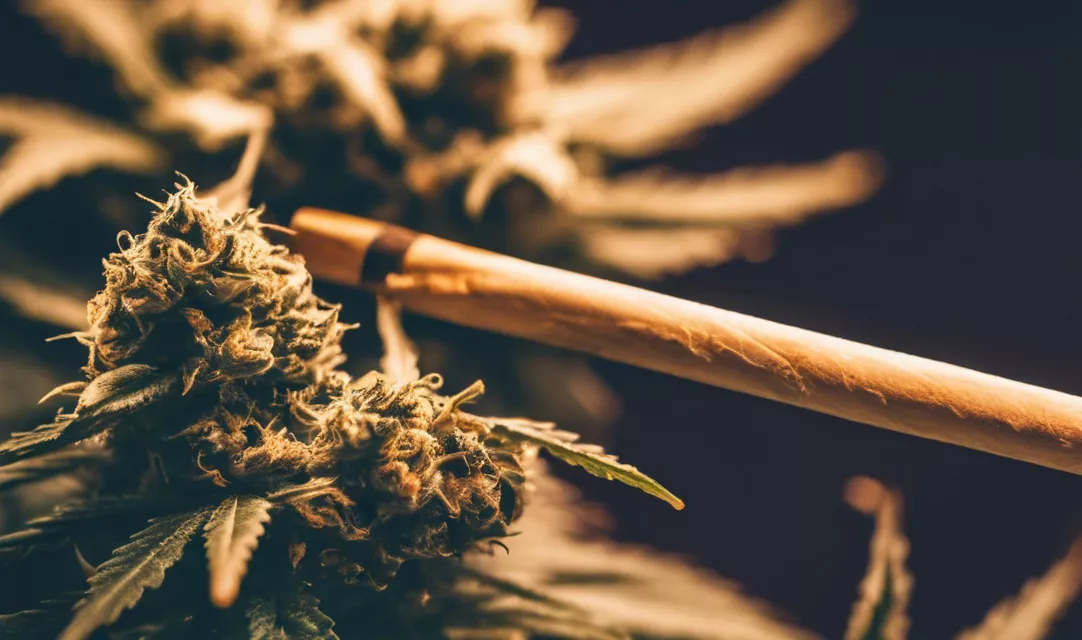
A blunt represents a distinctive cannabis consumption method involving hollowed-out cigar or cigarillo wrappers filled with ground cannabis flower, creating a tobacco-cannabis combination that has become deeply embedded in hip-hop culture and urban cannabis consumption practices. This preparation method originated in New York City during the 1980s, with Phillies Blunt cigars lending their name to the practice, though various tobacco wrap brands have since become synonymous with blunt culture. The typical blunt contains between 1-3 grams of cannabis wrapped in tobacco leaf, creating a slower-burning, longer-lasting smoking experience compared to traditional joints rolled with paper.
The pharmacological implications of blunt consumption extend beyond simple cannabis effects due to the nicotine content in tobacco wraps, which creates a unique psychoactive experience through the interaction of cannabinoids and nicotine. This combination can intensify the cannabis high through nicotine’s stimulant properties while potentially increasing addiction potential and cardiovascular effects. The tobacco wrap also contributes distinct flavors and aromas that many users consider integral to the blunt experience, with manufacturers responding by producing flavored wraps ranging from fruit to dessert profiles specifically marketed for cannabis use.
Contemporary blunt culture reflects evolving attitudes toward both cannabis and tobacco, with health-conscious consumers driving innovation in tobacco-free alternatives while traditionalists maintain preferences for authentic tobacco wraps. The practice raises important public health considerations regarding combined substance use, particularly among young adults who represent the primary blunt-consuming demographic. Understanding blunt consumption patterns, health implications, and cultural significance proves essential for healthcare providers, policymakers, and cannabis industry professionals navigating the intersection of tobacco and cannabis use in modern society.
Hip-hop’s embrace of blunt culture transformed a regional practice into a global phenomenon, with countless rap lyrics referencing and celebrating blunt smoking as a symbol of success, relaxation, and community. Artists from Notorious B.I.G. to Snoop Dogg elevated blunt smoking to iconic status, creating cultural associations that persist decades later. Music videos featuring elaborate blunt-rolling sessions and smoke-filled studio environments normalized and glamorized the practice. This cultural embedding extends beyond music into fashion, visual art, and social media, where blunt-rolling skills command respect and viral attention. The ritualistic aspects of purchasing wraps, preparing cannabis, and communal rolling sessions create shared experiences that strengthen social bonds within cannabis communities.
Socioeconomic factors influencing blunt consumption patterns reveal complex relationships between demographics, access, and cultural preferences that challenge simplistic stereotypes. Urban environments with limited private smoking spaces favor blunts’ portability and discretion compared to pipes or bongs. The relatively low cost of cigarillos makes blunts accessible despite requiring more cannabis than joints. Cultural capital associated with blunt expertise creates alternative status hierarchies in communities where traditional achievement markers may be limited. Research indicates blunt use crosses racial and economic lines, though consumption patterns and cultural meanings vary significantly. These nuances inform public health approaches and marketing strategies targeting diverse consumer segments.
Generational shifts in blunt culture reflect changing attitudes toward tobacco and evolving cannabis consumption preferences among younger users raised with anti-tobacco messaging. Gen Z consumers show increased interest in tobacco-free alternatives while maintaining cultural connections to blunt aesthetics and rituals. Social media platforms enable rapid spread of rolling techniques and product innovations beyond traditional geographic and cultural boundaries. International cannabis legalization introduces blunt culture to new markets with different tobacco regulations and cultural contexts. The tension between preserving authentic traditions and adapting to health-conscious trends shapes contemporary blunt culture evolution. These dynamics influence product development and marketing strategies across cannabis and tobacco industries.
Respiratory impacts of regular blunt smoking exceed those associated with cannabis-only consumption due to tobacco’s additional toxins and the larger smoke volumes typically inhaled. Combustion of tobacco leaves produces tar, carbon monoxide, and numerous carcinogens absent in pure cannabis smoke. The longer smoking duration of blunts increases total particulate exposure compared to joints or bowls. Nicotine’s bronchodilator effects may mask early respiratory symptoms, delaying recognition of developing problems. Chronic blunt smokers show higher rates of bronchitis, reduced lung function, and respiratory infections compared to non-tobacco cannabis users. Healthcare providers increasingly screen for blunt use specifically when assessing cannabis-related respiratory complaints. These health impacts drive consumer interest in alternatives and harm reduction strategies.
Nicotine addiction potential from regular blunt use presents unique challenges as users may develop dependence without recognizing tobacco as the source. Daily blunt smokers can consume nicotine quantities approaching those of cigarette smokers, depending on wrap choice and consumption frequency. Withdrawal symptoms upon cessation may be attributed to cannabis rather than nicotine, complicating quit attempts. The combination of cannabis and nicotine creates complex neurochemical interactions potentially enhancing addiction liability for both substances. Young adults initiating cannabis use through blunts face increased risk of transitioning to cigarette smoking. Treatment approaches must address dual substance use patterns. These addiction concerns inform policy discussions about flavored tobacco products and cannabis co-use.
Cardiovascular effects of blunt smoking combine cannabis-induced heart rate increases with nicotine’s vasoconstriction and blood pressure elevation. This combination particularly concerns users with pre-existing cardiovascular conditions or risk factors. Acute effects include pronounced tachycardia and potential arrhythmias in sensitive individuals. Chronic use may accelerate atherosclerosis development through combined inflammatory processes. The masking of exertion discomfort by cannabis can lead to overlooking cardiovascular stress signals. Emergency department visits for cannabis-related cardiovascular events often involve blunt use specifically. Medical cannabis programs increasingly educate patients about these risks and safer consumption alternatives. Understanding these effects guides harm reduction messaging and clinical recommendations.
Preparation methods for blunt rolling begin with careful selection and preparation of the tobacco wrap, requiring specific techniques to maintain structural integrity while removing unwanted tobacco. Traditional preparation involves gently splitting the cigar lengthwise using thumbnails or specialized tools, preserving the outer leaf’s integrity. Removing the inner tobacco requires delicate handling to avoid tears, with some users preferring to unroll rather than split certain wrap types. Moisture content proves critical, with overly dry wraps cracking and fresh ones being difficult to manipulate. Various techniques exist for re-moistening dry wraps, from breath moisture to specialized humidification products. The skill required for proper preparation creates barriers to entry that some view as cultural gatekeeping while others consider essential craftsmanship.
Cannabis preparation for blunts differs from joint preparation due to the larger format and tobacco interaction considerations affecting burn rate and flavor. Optimal grinding achieves medium consistency, avoiding powder that falls through tears or chunks that create uneven burning. Moisture content coordination between cannabis and wrap prevents runs and canoeing. Some users prefer hand-breaking to preserve trichomes and create varied textures within the blunt. Mixing techniques distribute cannabis evenly while some create gradient effects with varying potency throughout. The larger format allows for creative additions like concentrate drizzles or kief layers. These preparation variations reflect personal preferences and regional traditions passed through social learning.
Rolling and sealing techniques determine blunt quality, smoking experience, and social credibility within cannabis communities valuing rolling expertise. Proper distribution creates consistent diameter avoiding weak spots or bulges that affect airflow and burning. The tuck-and-roll method requires precise thumb and finger coordination developed through practice. Sealing involves carefully moistening the wrap edge without oversaturation that weakens structure. Various sealing techniques from saliva to honey or cannabis concentrates offer different adhesion and flavor properties. Advanced techniques include pearling for perfect cylindrical shape and specific mouthpiece construction methods. Quality indicators include firm construction, even surface, and smooth draw. These skills represent cultural capital within communities where blunt rolling expertise commands respect.
Tobacco-free alternatives represent the fastest-growing segment in blunt wrap markets as health-conscious consumers seek to maintain cultural practices while eliminating tobacco exposure. Hemp wraps offer similar thickness and burn rates to tobacco while contributing complementary cannabis flavors. Palm leaf, banana leaf, and other plant-based wraps provide exotic options with distinct flavor profiles. Manufacturers invest in improving alternative wrap durability and handling characteristics to match tobacco leaf properties. Marketing emphasizes natural, organic, and vegan attributes appealing to wellness-oriented consumers. Price premiums for alternatives reflect both material costs and perceived value among health-conscious demographics. These products enable cultural participation while aligning with anti-tobacco values increasingly prevalent among younger cannabis consumers.
Pre-rolled blunt products eliminate preparation barriers while standardizing dosage and quality for commercial markets. Licensed manufacturers navigate complex regulations regarding tobacco and cannabis combination products. Single-source flower and proprietary wrap combinations create premium positioning opportunities. Infused pre-rolled blunts incorporating concentrates command highest prices and profit margins. Quality control challenges include maintaining freshness and preventing wrap degradation during storage. Multi-packs and variety samplers introduce consumers to different strains and wrap combinations. Celebrity partnerships leverage cultural authenticity for brand differentiation. These products expand market access while potentially diminishing cultural practices around communal rolling and preparation rituals.
Accessory innovation supports blunt culture through specialized tools addressing common pain points in preparation and consumption. Splitting tools evolved from basic razors to ergonomic devices with safety features and precision guides. Rolling trays incorporate specialized grooves and compartments for blunt-specific organization. Humidity control products maintain optimal wrap freshness for bulk purchasers. Glass tips and filters designed for blunt dimensions improve smoke cooling without affecting draw resistance. Storage solutions preserve rolled blunts while preventing crushing or unwrapping. Digital scales and grinders calibrated for blunt quantities streamline preparation. This accessory ecosystem generates ancillary revenue while enhancing user experience and success rates for novice rollers.
Regulatory complexity surrounding blunts involves overlapping tobacco and cannabis jurisdictions creating confusion for consumers and businesses. Flavored tobacco bans intended to reduce youth smoking affect blunt wrap availability in many localities. Cannabis regulations may prohibit tobacco co-use in licensed consumption spaces. Age verification requirements differ between tobacco (18-21) and cannabis (21+) products. Interstate commerce restrictions prevent integrated supply chains for combination products. Taxation schemes applying both tobacco and cannabis taxes create pricing pressures. Some jurisdictions explicitly prohibit cannabis-tobacco combination products while others remain silent. These regulatory variations complicate multi-state cannabis operations and consumer education efforts.
Public consumption laws treat blunts differently than pure cannabis products in many jurisdictions due to tobacco smoke ordinances. Clean indoor air acts typically prohibit blunt smoking even where cannabis consumption is permitted. Outdoor smoking restrictions in parks and public spaces often apply to any tobacco product including blunts. Multi-unit housing policies against tobacco smoking affect medical cannabis patients preferring blunts. Workplace drug policies may distinguish between cannabis and tobacco use but struggle with combination products. Event permits for cannabis consumption face additional scrutiny when tobacco products are involved. These restrictions push blunt consumption to private spaces, potentially increasing isolation and reducing social aspects valued by users.
Youth access prevention efforts increasingly focus on blunts as a gateway to both cannabis and tobacco use among adolescents. Flavored wrap marketing attracts young users despite age restrictions. Social media glamorization of blunt culture influences youth perception and experimentation. School-based prevention programs adapt to address blunt-specific risks beyond general cannabis education. Retailer compliance checks target businesses selling individual cigarillos commonly used for blunts. Parent education materials increasingly include blunt identification and health risks. Policy debates balance cultural significance against public health concerns. These prevention efforts shape future consumption patterns and market evolution.
Technology integration in blunt culture explores electronic alternatives and enhancement devices maintaining ritual aspects while reducing health risks. Dry herb vaporizers designed for blunt-sized quantities offer temperature control preserving terpenes while eliminating combustion. Electronic wraps using heating elements rather than burning provide consistent temperature without smoke. Bluetooth-enabled devices track consumption patterns and provide dosing guidance. Augmented reality apps teach rolling techniques and strain selection. Smart storage systems monitor humidity and freshness. These innovations appeal to tech-savvy consumers while potentially alienating traditionalists valuing analog experiences. Market adoption depends on balancing innovation with cultural authenticity.
Sustainability initiatives address environmental concerns about tobacco agriculture and single-use packaging associated with blunt consumption. Organic and regeneratively grown wrap materials appeal to environmentally conscious consumers. Reusable wrap systems using food-grade materials offer waste reduction. Compostable packaging replaces plastic cigarillo wrappers. Carbon offset programs address cultivation and transportation impacts. Fair trade certification for wrap materials supports ethical sourcing. Water conservation in tobacco and alternative crop cultivation reduces environmental footprint. These initiatives align with broader cannabis industry sustainability efforts while potentially increasing costs. Consumer willingness to pay premiums for sustainable options varies by demographic.
Cultural preservation efforts document and celebrate blunt traditions while adapting to changing legal and health landscapes. Oral history projects capture origin stories and evolution from community elders. Museums and exhibitions showcase blunt culture artifacts and artistic expressions. Educational programs teach traditional techniques while emphasizing harm reduction. Cultural organizations advocate for policy considerations of community practices. Academic research examines blunt culture through anthropological and sociological lenses. These efforts legitimize cultural practices while promoting safer consumption methods. The balance between preservation and evolution shapes how future generations engage with blunt traditions in increasingly health-conscious and regulated environments.

