×
Remove product
Remove item from cart?
Sold & Shipped by: BIRCH+FOG


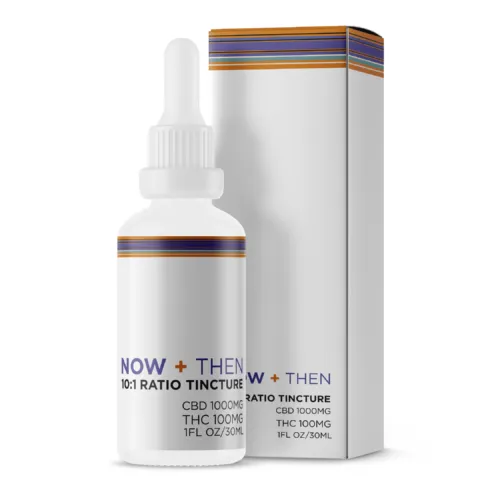

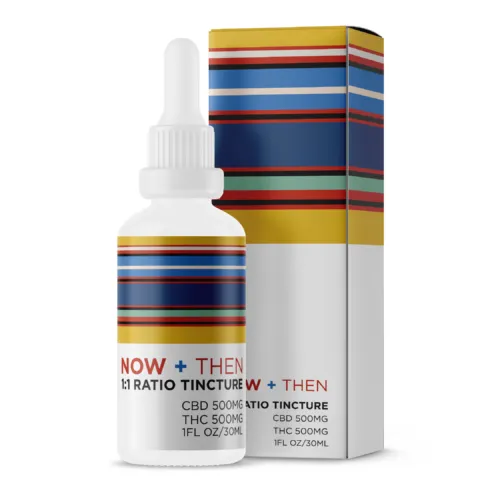
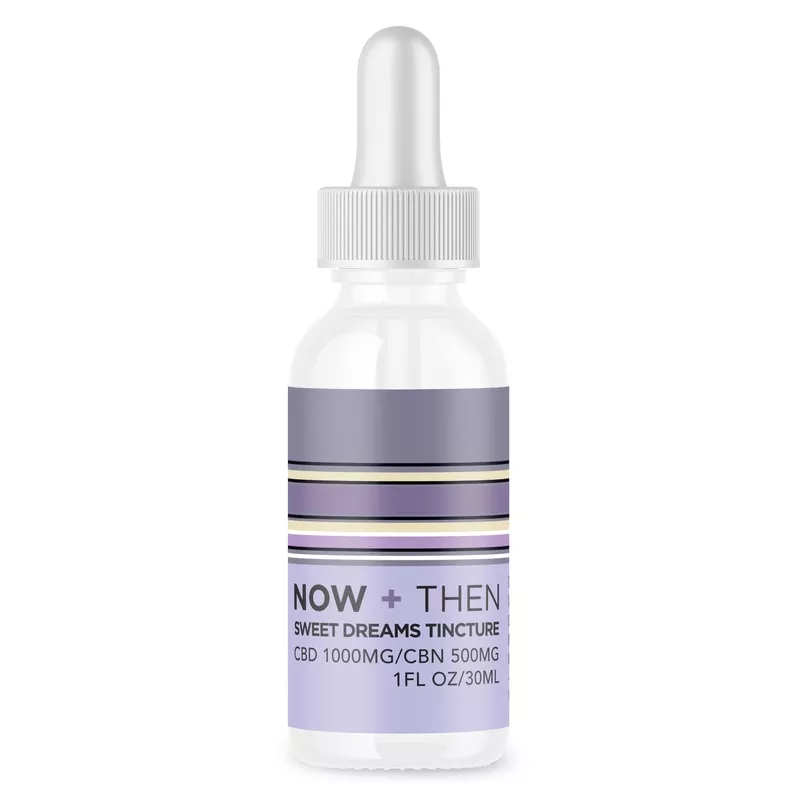

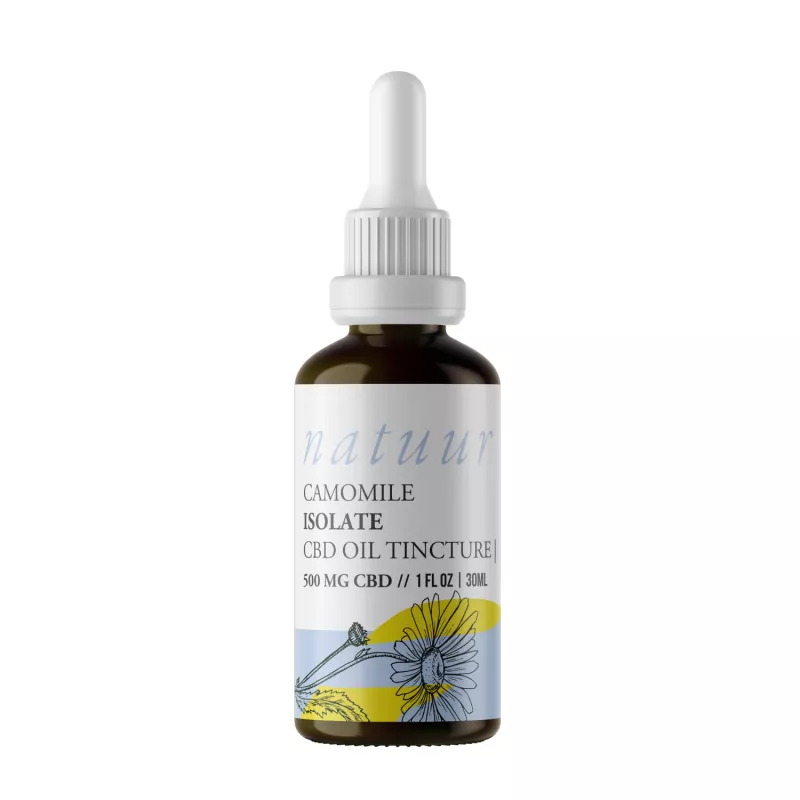
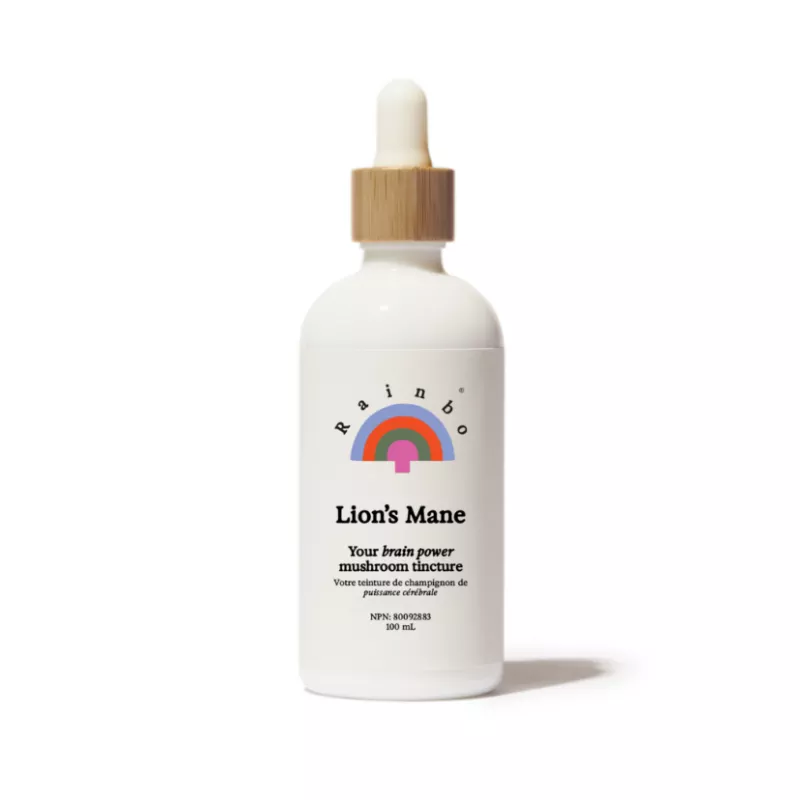
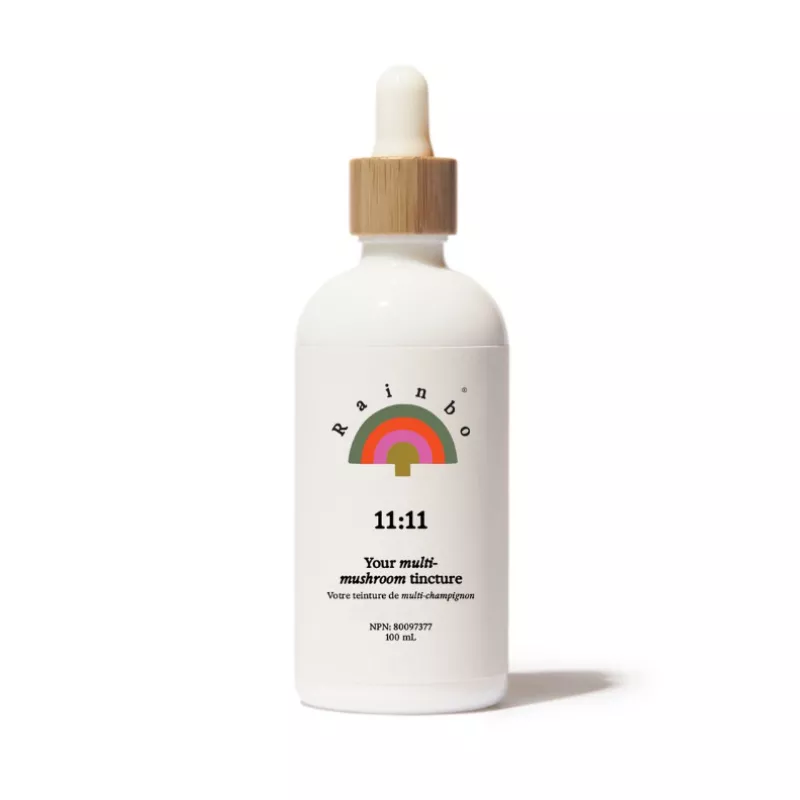
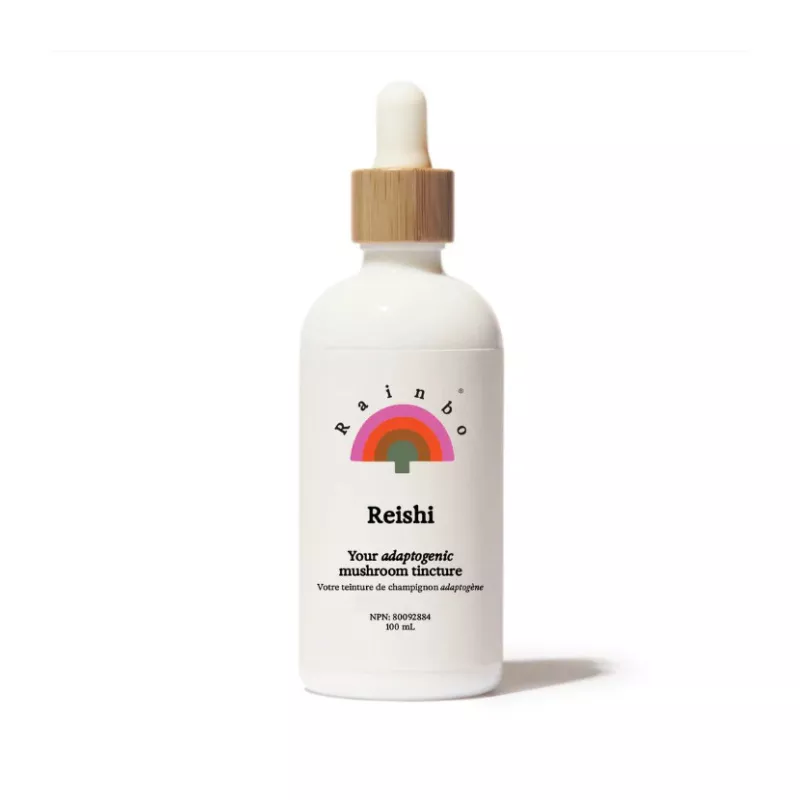
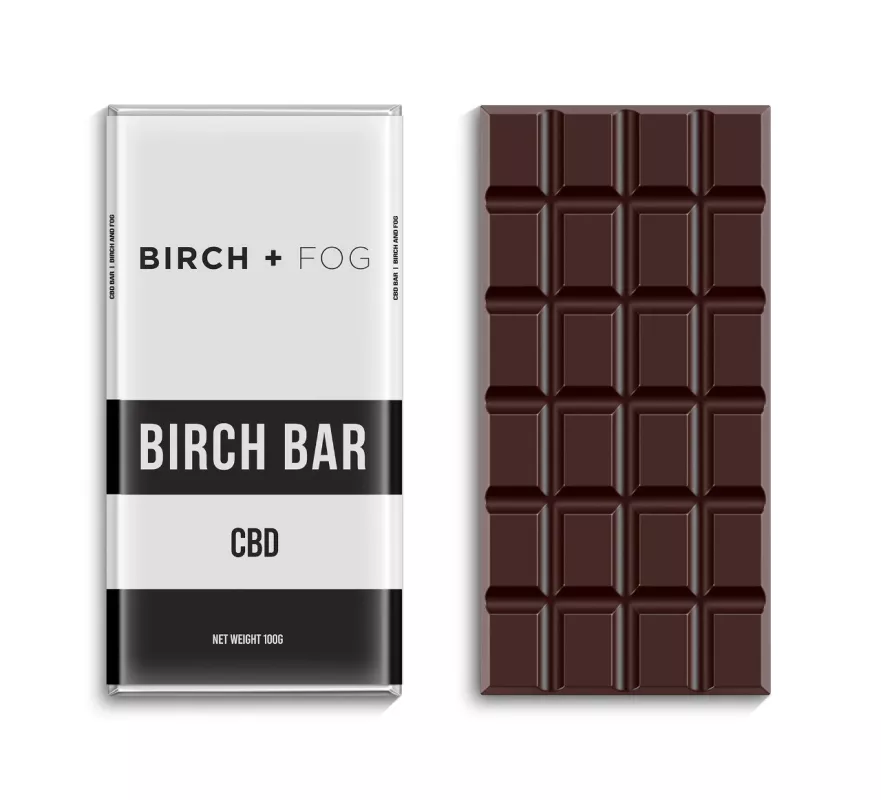
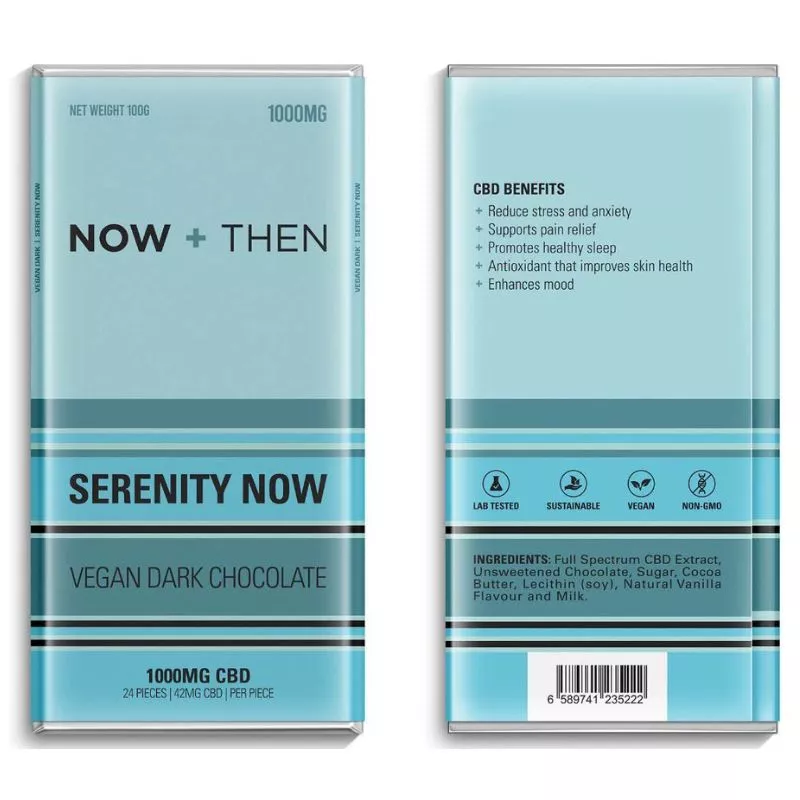
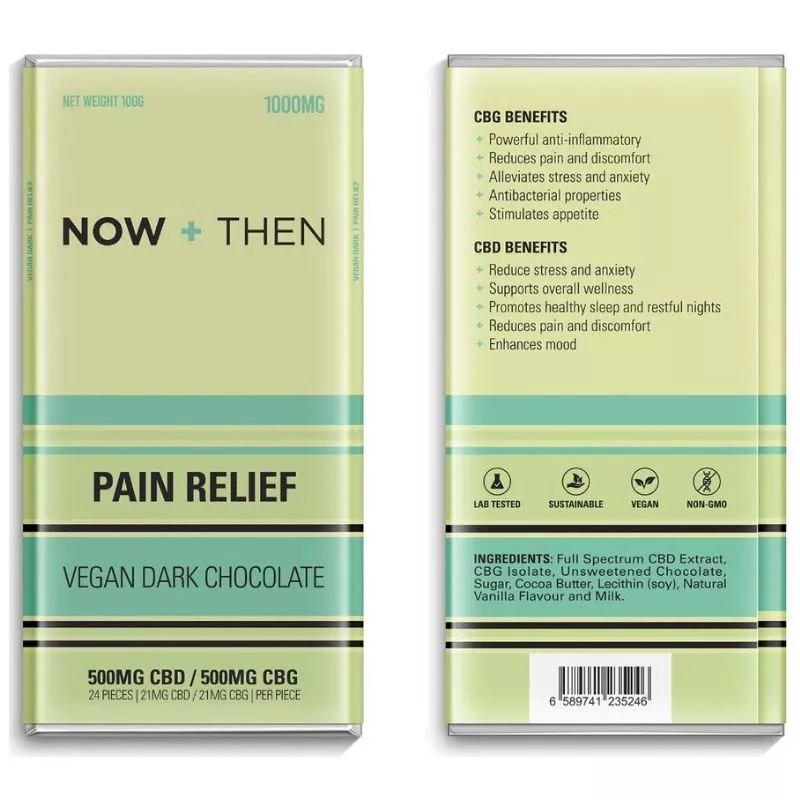

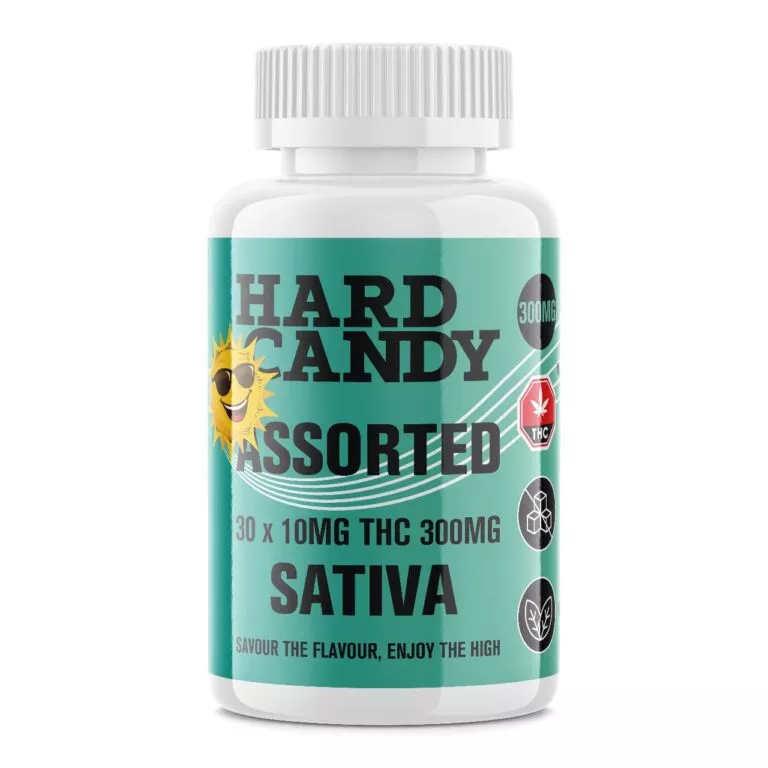
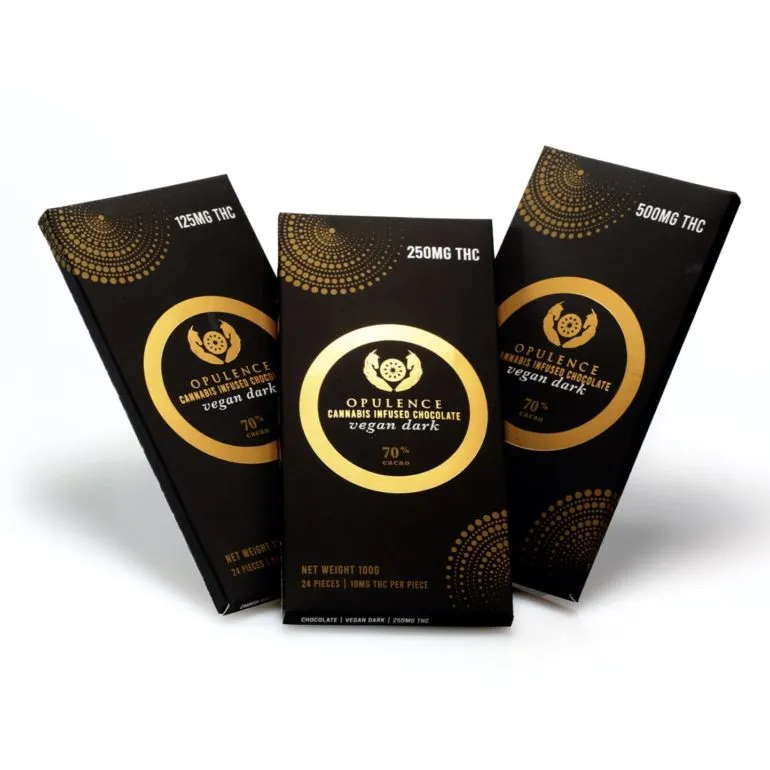
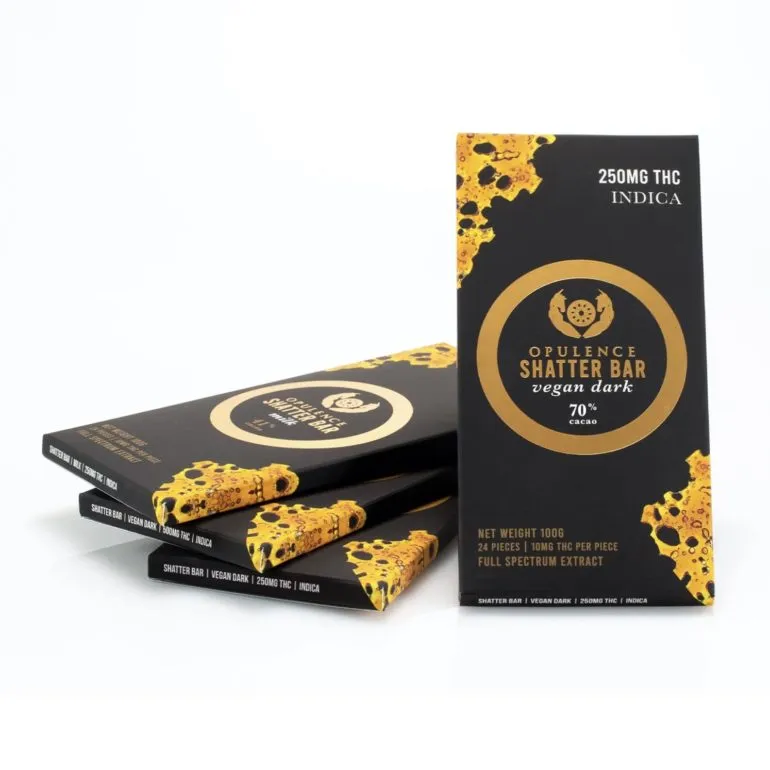
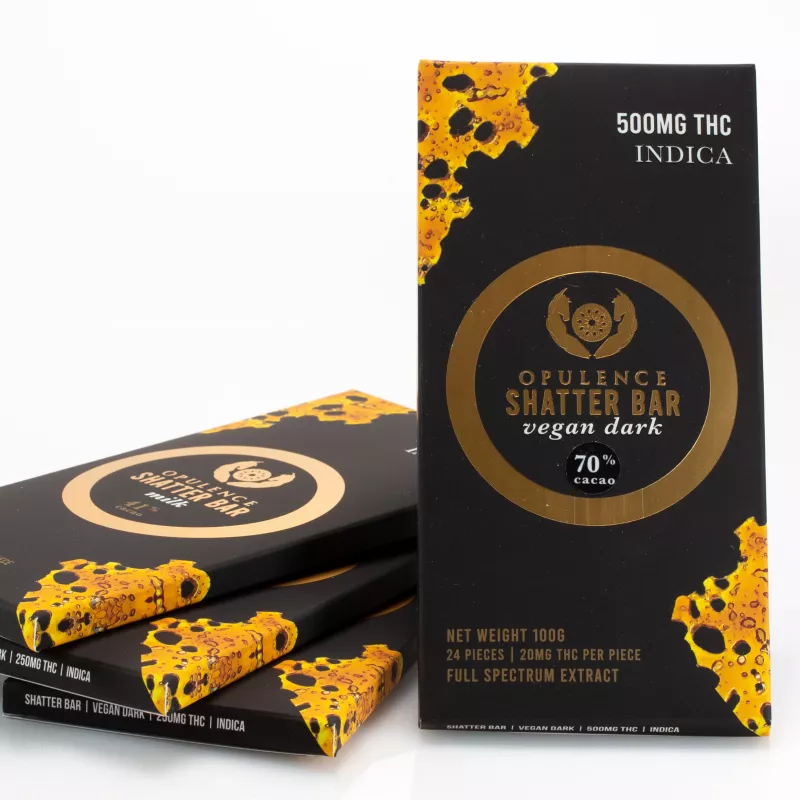
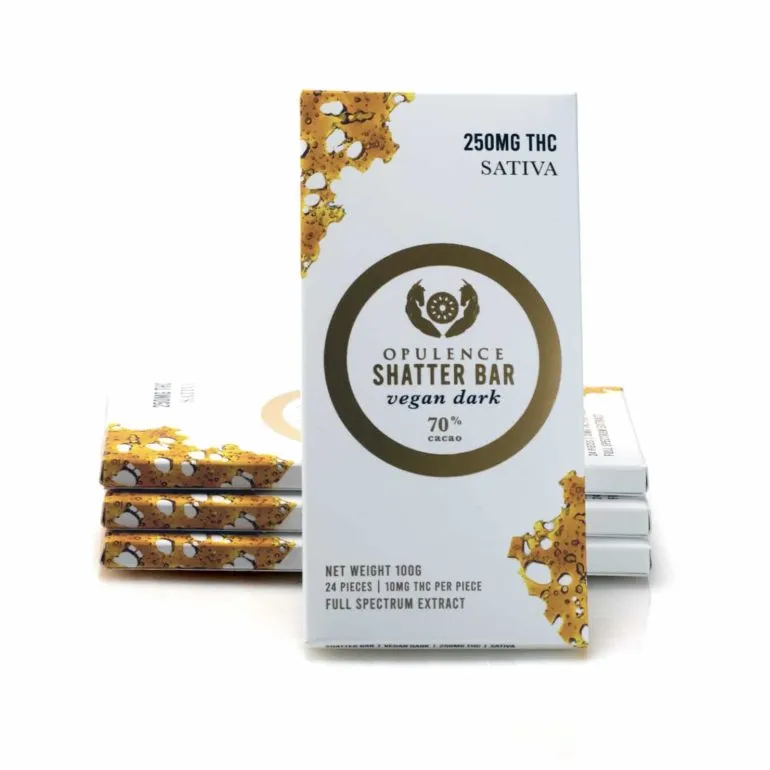
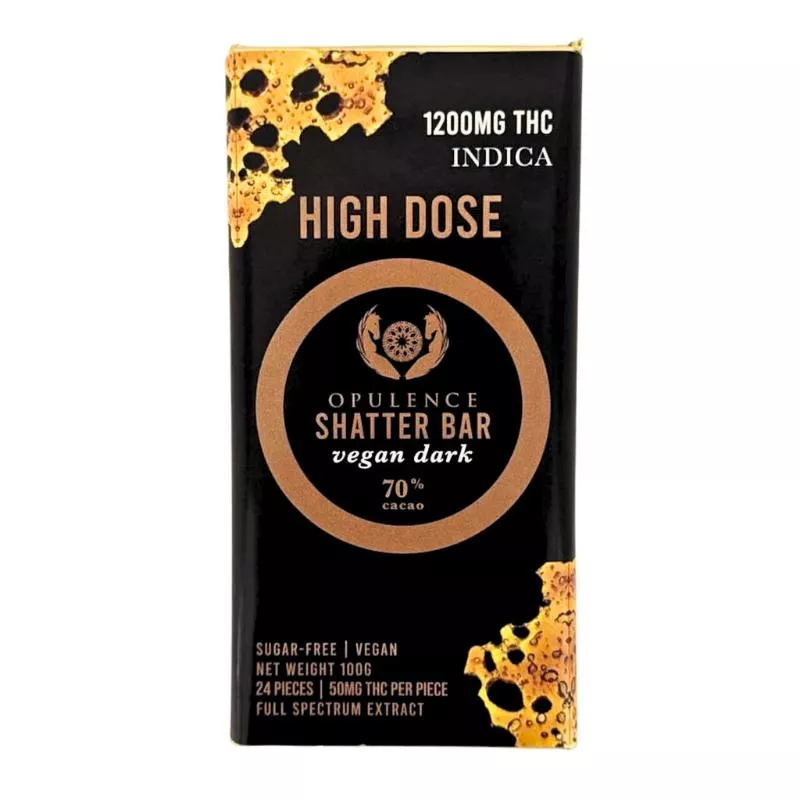

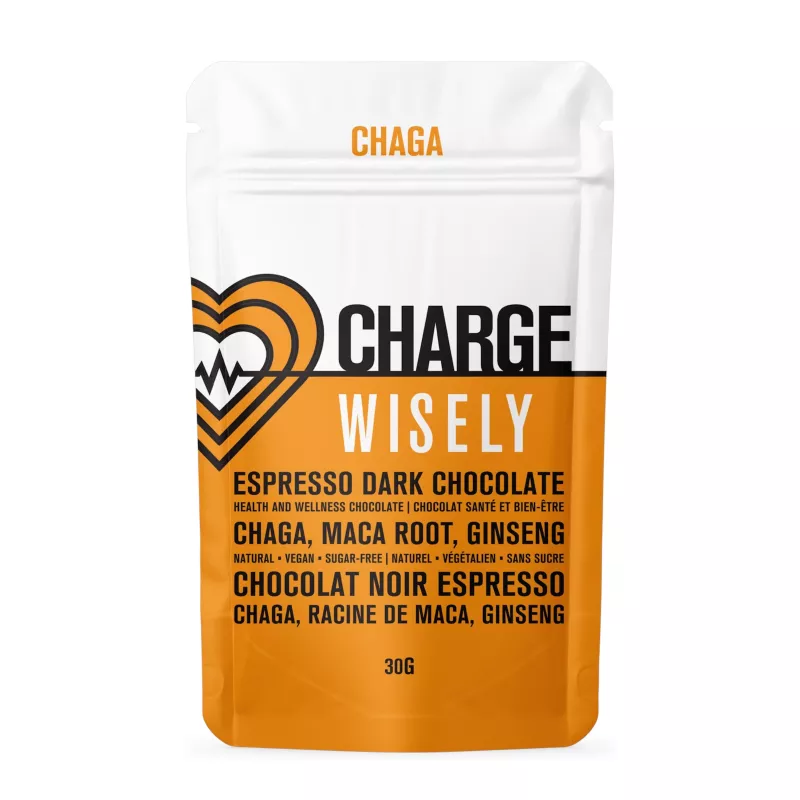
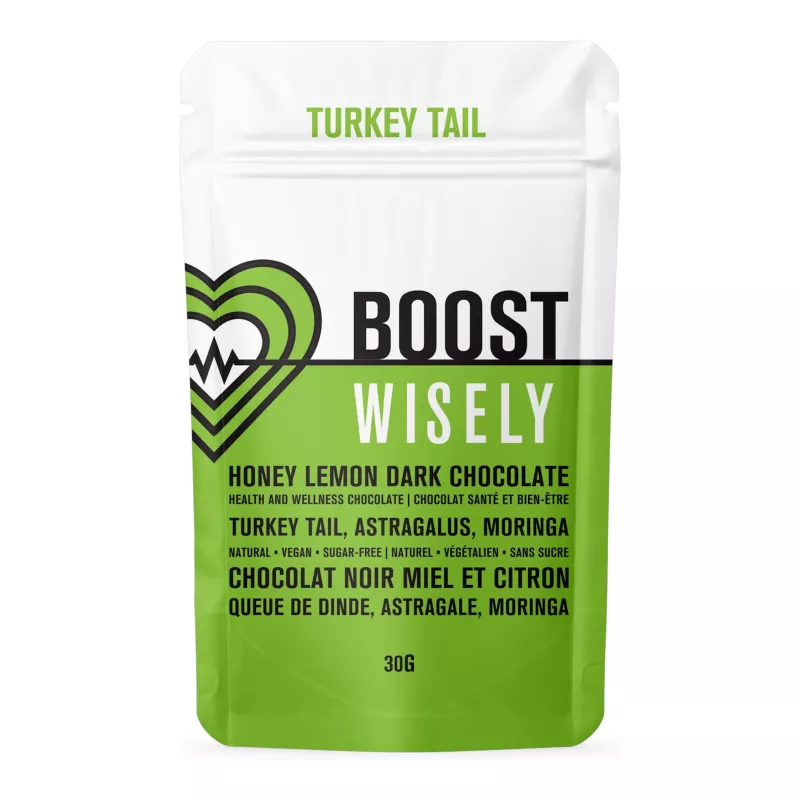
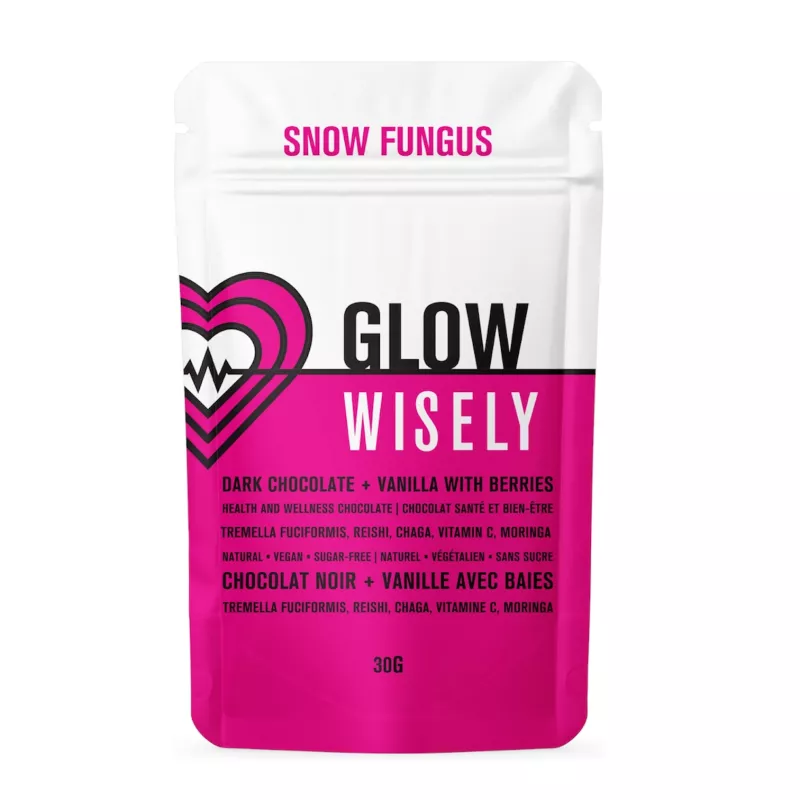
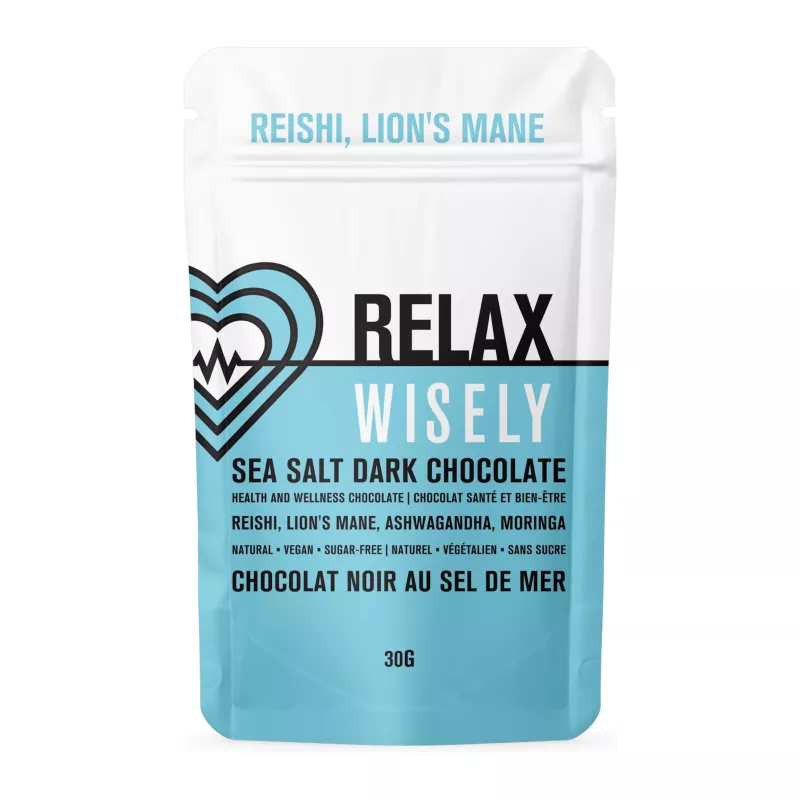
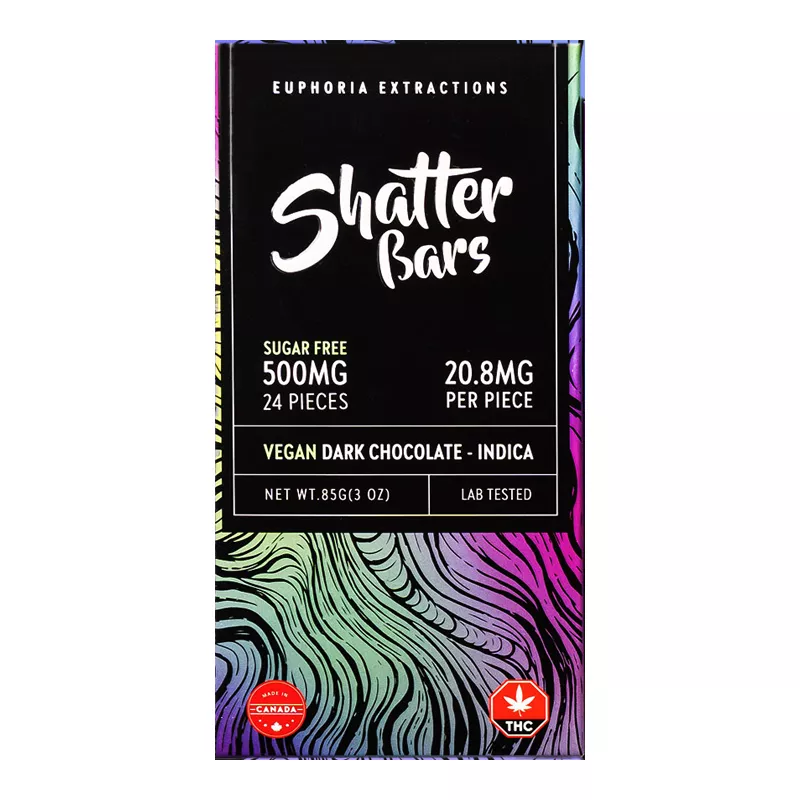
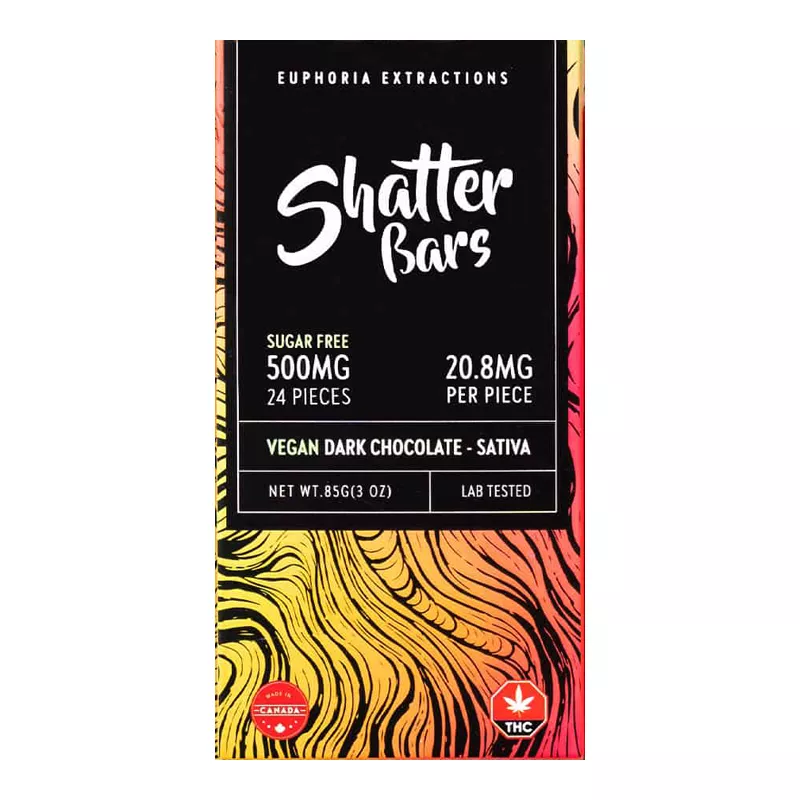
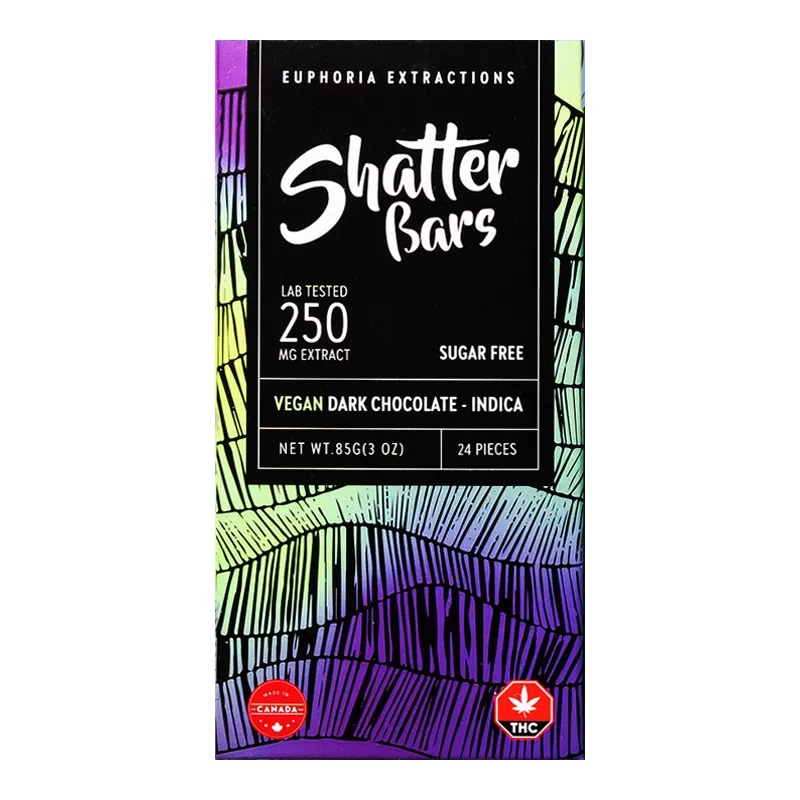
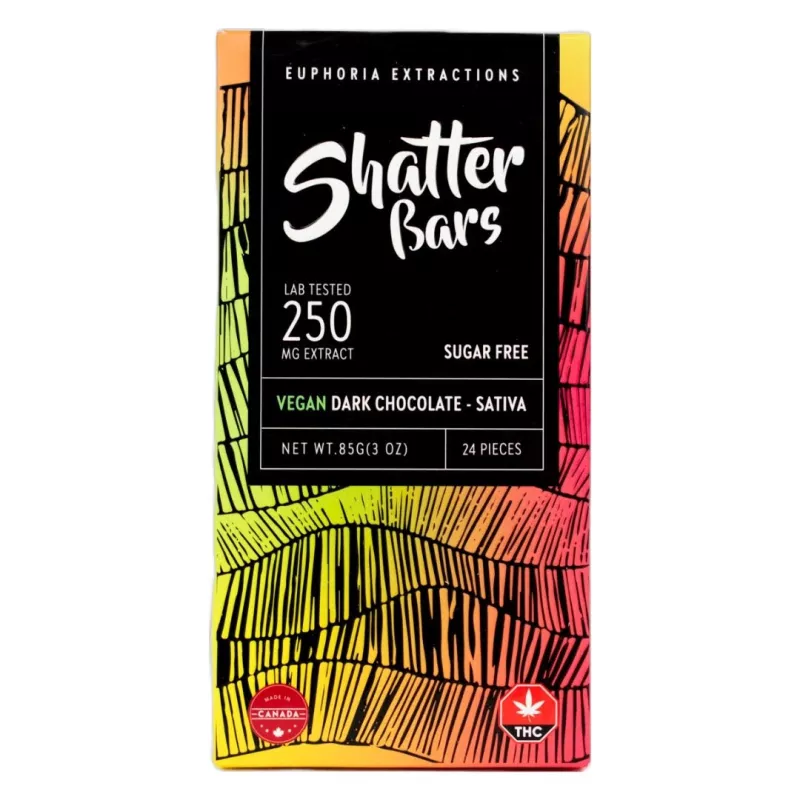
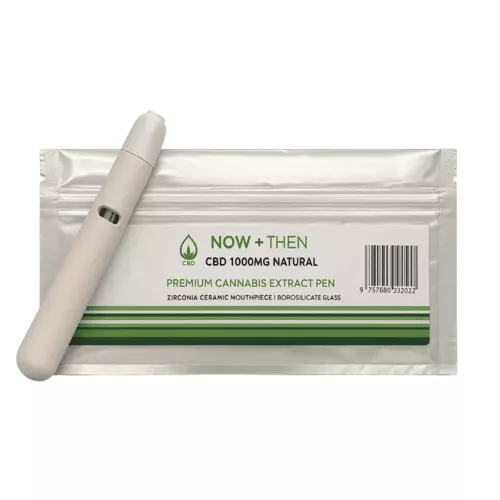
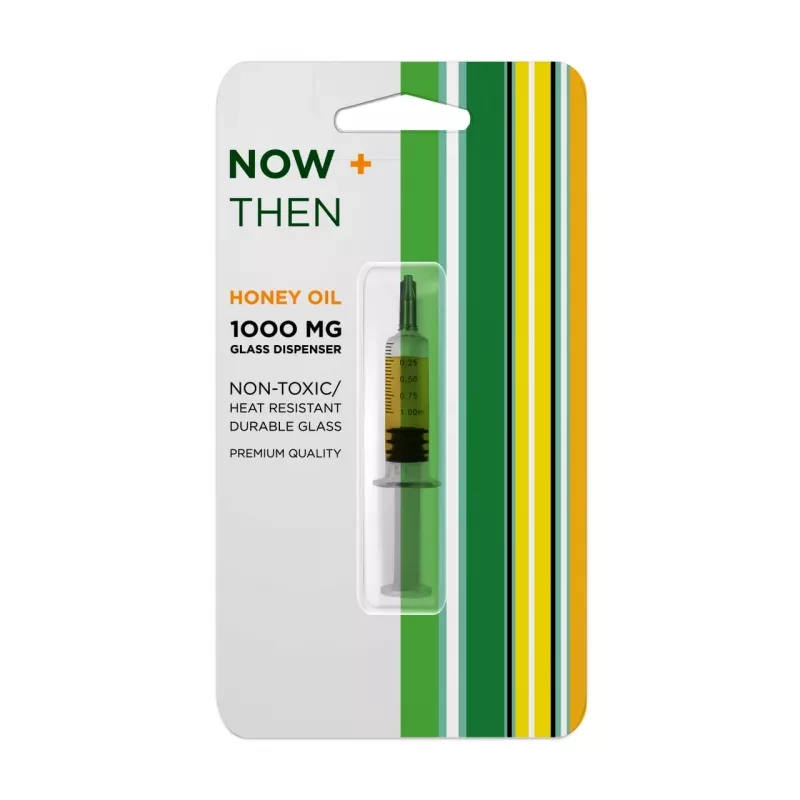
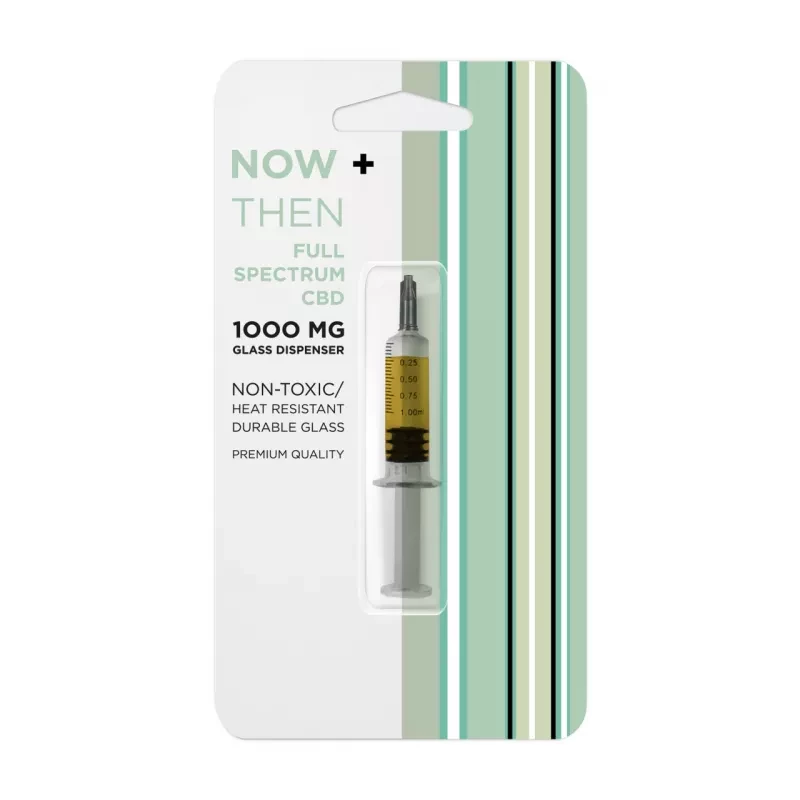
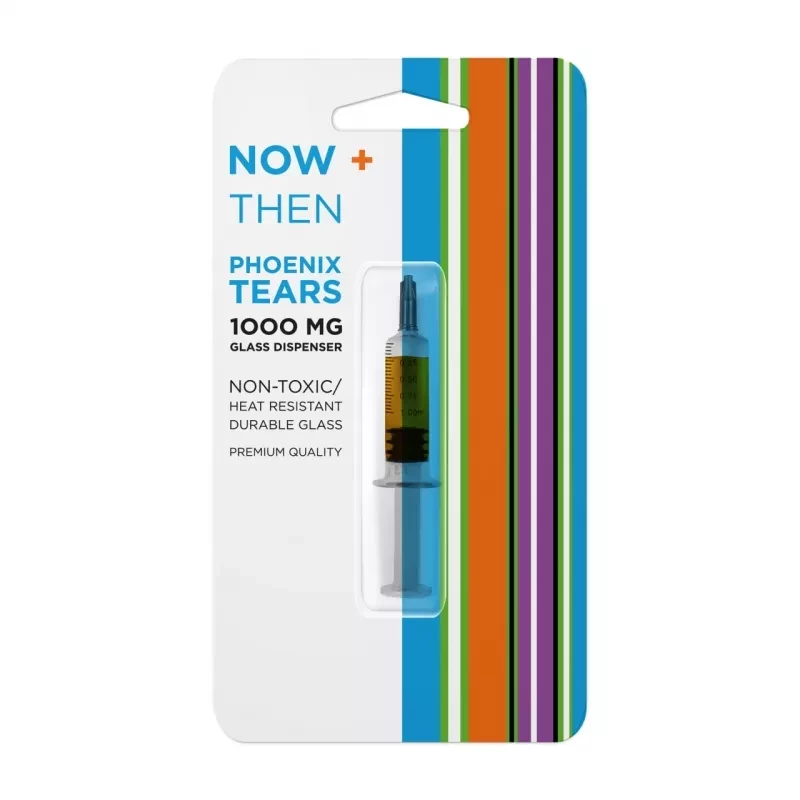
Showing 51–100 of 256 results

Receive free shipping on all orders over $135! This is calculated after any offers and coupons and before taxes.

Get 15% off your first order with us! All of our members also become eligible for exclusive giveaways, freebies, VIP sales, and other goodies only you will know about!

Leave a review for any product you purchased at any time on any other site, and you are automatically entered in our monthly contest to win up to $500 of free BIRCH+FOG products!

Best Vegan Edibles Guide: What to Know in 2025 Clearly
Cannabis manufacturers have been able to reach all types of diets and cater to the [...]

Are CBD Gummies Truly Vegan-Friendly Products? Facts and Myths
Canada cities like Vancouver and Toronto, where CBD is becoming part of a more therapeutic [...]

Exploring if Just CBD Products Are Truly Vegan-Friendly 2025
More sustainable and high-end products, such as CBD vegan gummies, vegan CBD chocolate, and vegan [...]

What Are the Three Main Types of CBD Products? An Overview
As CBD's popularity grows in Canada, more people are happy to provide anecdotal evidence that [...]

What Is Vegan CBD? Understanding the Basics and Benefits 2025
Many years ago the word vegan was considered odd and not many knew exactly what [...]
Veganism represents far more than a dietary choice—it embodies a comprehensive philosophical approach to living that prioritizes compassion, environmental stewardship, and holistic wellness while actively working to minimize harm to animals and the planet. This transformative movement has experienced unprecedented growth as millions of people recognize its profound benefits for personal health, animal welfare, and environmental sustainability, creating a ripple effect that touches every aspect of modern consumer culture, including the rapidly evolving cannabis industry.
???? The Vegan Revolution and Cannabis Evolution
The intersection of veganism and cannabis represents a natural convergence of two movements dedicated to plant-based wellness, environmental consciousness, and alternative approaches to health and lifestyle optimization. As the cannabis industry matures and diversifies, the demand for products that align with vegan values has driven remarkable innovation in cultivation, processing, and product development that honors both the therapeutic potential of cannabis and the ethical principles that guide vegan living.
This convergence has created unprecedented opportunities for consumers to maintain their ethical commitments while accessing the therapeutic and recreational benefits of cannabis through products that meet the highest standards for quality, purity, and ethical production. The result is a new category of cannabis products that satisfies both the practical needs of cannabis users and the moral imperatives of conscious consumers.
???? Beyond Diet: A Holistic Lifestyle Approach
Modern veganism extends far beyond food choices to encompass every aspect of consumer decision-making, from clothing and cosmetics to entertainment and therapeutic products. This comprehensive approach recognizes that true sustainability and ethical living require consistent application of vegan principles across all areas of life, creating demand for cannabis products that meet these exacting standards while delivering superior therapeutic and recreational experiences.
Maintaining a vegan lifestyle while enjoying cannabis has never been easier, thanks to innovative companies like BIRCH+FOG that have prioritized the development of premium vegan CBD and THC products designed to support health goals while honoring ethical commitments. These products demonstrate that consumers no longer need to compromise their values to access the remarkable benefits that cannabis offers for wellness, therapeutic applications, and recreational enjoyment.
Both CBD and THC exist naturally as plant-based compounds that are inherently vegan-friendly, representing pure botanical extracts that align perfectly with plant-based lifestyle principles. The critical CO2 extraction methods used to produce premium cannabis products maintain this vegan integrity while ensuring optimal purity, potency, and therapeutic effectiveness that meets the highest standards for both cannabis quality and ethical production.
???? Pure Plant-Based Cannabinoid Science
The cannabinoids CBD and THC represent remarkable examples of plant-based therapeutic compounds that demonstrate nature’s capacity to produce sophisticated molecules with profound effects on human health and wellness. These compounds work through the body’s endocannabinoid system, a complex network that helps regulate everything from mood and sleep to pain perception and immune function, all without requiring any animal-derived ingredients or processes.
Advanced extraction technologies have perfected methods for isolating these beneficial compounds while preserving their therapeutic integrity and maintaining their vegan status throughout the entire production process. Modern CO2 extraction utilizes pressurized carbon dioxide—a completely natural, plant-friendly solvent—to gently extract cannabinoids and terpenes without introducing any animal-derived chemicals or processing agents.
???? Comprehensive Vegan Product Portfolio
The modern vegan cannabis market encompasses an extraordinary range of products including edibles, topicals, tinctures, capsules, and specialty formulations that cater to diverse preferences and therapeutic needs while maintaining strict adherence to vegan principles. These products demonstrate that vegan cannabis options can match or exceed conventional alternatives in terms of potency, effectiveness, and user satisfaction.
Our carefully curated selection of vegan CBD and THC products ensures that every item meets rigorous standards for both cannabis quality and vegan compliance, providing consumers with confidence that their choices align with their values while delivering exceptional therapeutic and recreational experiences. From precisely dosed edibles to targeted topical applications, these products prove that ethical consumption doesn’t require compromising on quality or effectiveness.
???? Therapeutic Excellence Without Compromise
Vegan cannabis products often demonstrate superior therapeutic profiles compared to conventional alternatives, as plant-based formulations typically avoid synthetic additives, artificial preservatives, and animal-derived processing agents that can interfere with cannabinoid absorption or cause unwanted side effects. This purity translates into cleaner, more effective products that deliver targeted therapeutic benefits without unnecessary additives.
The focus on plant-based ingredients often results in products with enhanced bioavailability, improved flavor profiles, and reduced potential for digestive upset or allergic reactions that can occur with animal-derived ingredients. This makes vegan cannabis products particularly appealing to individuals with sensitive digestive systems or food allergies who require clean, gentle formulations.
???? Botanical Synergy and Entourage Effects
Plant-based cannabis products often showcase the remarkable synergy that occurs when cannabinoids, terpenes, and other botanical compounds work together to enhance therapeutic outcomes through the entourage effect. This natural phenomenon demonstrates how whole-plant extracts can provide superior benefits compared to isolated compounds, supporting the vegan philosophy that nature’s designs often surpass human attempts to improve upon them.
Research consistently shows that full-spectrum cannabis extracts, which preserve the complete range of plant compounds, often provide more robust therapeutic effects while requiring smaller doses to achieve desired outcomes. This efficiency aligns with vegan principles of minimizing consumption and maximizing the therapeutic value derived from natural plant sources.
???? Bioavailability and Plant-Based Delivery Systems
Innovative vegan cannabis formulations utilize advanced plant-based delivery systems that optimize the absorption and bioavailability of cannabinoids while avoiding animal-derived ingredients like gelatin or lactose that can interfere with absorption or cause digestive issues. Plant-based alternatives like pectin-based gummies and MCT oil tinctures often provide superior bioavailability compared to traditional formulations.
These advanced delivery systems demonstrate how vegan approaches to cannabis product development can yield superior results through innovative use of plant-based materials and natural absorption enhancers that work synergistically with human physiology to optimize therapeutic outcomes.
⚗️ Clean Processing and Purity Standards
Vegan cannabis processing typically emphasizes clean, minimal intervention approaches that preserve the integrity of plant compounds while avoiding the chemical additives and processing agents commonly used in conventional cannabis production. This commitment to purity often results in products with higher concentrations of beneficial compounds and fewer potential contaminants.
The focus on plant-based processing methods aligns with both vegan values and optimal cannabis quality, as many traditional processing aids and clarifying agents derived from animals can actually interfere with cannabinoid stability and therapeutic effectiveness. Vegan alternatives often prove superior for both ethical and practical reasons.
The exponential growth in plant-based living has created unprecedented demand for vegan cannabis products that align with consumers’ evolving values while delivering exceptional therapeutic and recreational experiences. This market expansion reflects a fundamental shift in consumer consciousness toward products that support personal health, animal welfare, and environmental sustainability simultaneously.
???? Market Growth and Consumer Evolution
Market research indicates that the vegan cannabis segment represents one of the fastest-growing categories within the broader cannabis industry, with sales increasing by over 300% annually as more consumers recognize the superior quality and ethical advantages of plant-based cannabis products. This growth spans all demographics and consumption patterns, from medical patients seeking clean therapeutic options to recreational users prioritizing sustainable products.
The expansion reflects growing consumer sophistication and awareness about ingredient sourcing, processing methods, and the environmental impact of their purchasing decisions. Modern cannabis consumers increasingly demand transparency and ethical production practices that align with their values while delivering exceptional quality and effectiveness.
???? Global Awareness and Cultural Shifts
The increasing demand for vegan cannabis products reflects broader cultural shifts toward environmental consciousness, animal welfare awareness, and holistic approaches to health and wellness that recognize the interconnected nature of personal well-being and planetary health. This global awareness has created a consumer base that actively seeks products supporting their values while meeting their therapeutic and recreational needs.
Educational initiatives and awareness campaigns have helped consumers understand that CBD and THC are naturally occurring plant compounds that align perfectly with vegan principles, while also recognizing that not all cannabis products maintain this vegan integrity due to processing methods and added ingredients. This knowledge has empowered consumers to make informed choices that support their ethical commitments.
???? Innovation and Product Development
The growing demand has driven remarkable innovation in vegan cannabis product development, with manufacturers investing heavily in research and development to create products that exceed consumer expectations for quality, effectiveness, and ethical production. These innovations often benefit all consumers, not just those following vegan lifestyles, by advancing overall product quality and safety standards.
Advanced formulation techniques, improved extraction methods, and innovative delivery systems developed for the vegan market often become industry standards that enhance the quality and effectiveness of cannabis products across all categories.
???? Sustainable Cannabis Cultivation
Vegan cannabis production typically emphasizes sustainable cultivation practices that minimize environmental impact while maximizing plant health and cannabinoid production. These methods often include organic farming techniques, water conservation systems, renewable energy sources, and biodegradable packaging that aligns with both vegan values and environmental stewardship.
Sustainable cultivation practices not only benefit the environment but often produce superior cannabis with higher concentrations of beneficial compounds and fewer contaminants. This demonstrates how ethical production methods can yield both environmental and quality advantages that benefit consumers and the planet simultaneously.
♻️ Circular Economy and Waste Reduction
Leading vegan cannabis companies embrace circular economy principles that minimize waste through comprehensive recycling programs, compostable packaging materials, and closed-loop production systems that reuse byproducts and minimize environmental impact. These approaches often reduce production costs while demonstrating corporate responsibility and environmental stewardship.
The focus on waste reduction and resource efficiency often drives innovation in packaging design, product formulation, and distribution methods that benefit both the environment and consumer experience through more efficient, cost-effective, and user-friendly products.
???? Carbon Footprint and Climate Impact
Vegan cannabis production typically generates lower carbon footprints compared to conventional methods due to reduced reliance on animal agriculture inputs, more efficient resource utilization, and emphasis on renewable energy sources. This environmental advantage aligns with growing consumer awareness about climate change and the role of individual purchasing decisions in environmental impact.
Many vegan cannabis companies actively participate in carbon offset programs, renewable energy initiatives, and reforestation projects that demonstrate their commitment to environmental responsibility while building brand loyalty among environmentally conscious consumers.
At BIRCH+FOG, our dedication to vegan cannabis excellence reflects our understanding that ethical consumption and superior quality are not competing priorities but complementary aspects of truly exceptional cannabis products. Our comprehensive approach to vegan cannabis curation ensures that every product meets the highest standards for potency, purity, sustainability, and ethical production while delivering exceptional user experiences that exceed expectations.
???? Rigorous Product Selection Standards
Our vegan cannabis selection process involves comprehensive evaluation of every aspect of production, from seed genetics and cultivation methods through extraction processes and final product formulation. We partner exclusively with manufacturers who demonstrate unwavering commitment to vegan principles while maintaining the highest standards for cannabis quality and therapeutic effectiveness.
This rigorous selection process ensures that every vegan cannabis product in our inventory represents the pinnacle of ethical production and cannabis excellence, providing our customers with confidence that their purchases support their values while delivering exceptional therapeutic and recreational experiences.
???? Advanced CO2 Extraction Excellence
Our featured vegan cannabis products utilize state-of-the-art CO2 extraction processes that represent the gold standard for both environmental sustainability and product purity. This environmentally friendly extraction method uses pressurized carbon dioxide—a completely natural, renewable resource—to gently extract cannabinoids, terpenes, and other beneficial compounds while preserving their therapeutic integrity and maintaining strict vegan compliance.
The CO2 extraction process eliminates the need for potentially harmful chemical solvents while producing exceptionally pure, potent extracts that showcase the natural therapeutic potential of cannabis without compromise. This method aligns perfectly with vegan principles while delivering superior product quality that exceeds conventional extraction methods.
???? Quality Assurance and Testing
Every vegan cannabis product in our collection undergoes comprehensive third-party testing that verifies cannabinoid potency, confirms the absence of harmful contaminants, and ensures compliance with both vegan standards and regulatory requirements. Our quality assurance protocols include testing for pesticides, heavy metals, microbials, and residual solvents while also verifying that all ingredients and processing methods maintain vegan integrity.
This comprehensive testing approach provides our customers with complete confidence in product safety, potency, and ethical compliance while ensuring that every purchase supports their health goals and ethical commitments simultaneously.
Our extensive vegan cannabis collection encompasses a comprehensive range of CBD and THC products designed to meet diverse preferences, therapeutic needs, and lifestyle requirements while maintaining unwavering commitment to vegan principles and exceptional quality standards.
???? Premium Vegan Edibles
Our vegan CBD and THC edibles represent the pinnacle of plant-based cannabis confectionery, featuring meticulously crafted gummies made with organic fruit pectin instead of animal-derived gelatin, premium chocolates crafted with ethically sourced cacao and plant-based ingredients, and innovative baked goods that showcase the possibilities of vegan cannabis cuisine.
These products demonstrate that vegan cannabis edibles can surpass conventional alternatives in terms of flavor, texture, and therapeutic effectiveness while maintaining strict adherence to plant-based principles. Our edibles feature precise dosing, exceptional taste profiles, and clean ingredient lists that appeal to both vegan and non-vegan consumers seeking premium cannabis experiences.
Popular options include artisanal chocolate bars infused with premium cannabis extracts and superfood ingredients, fruit-forward gummies that showcase natural flavors without artificial additives, and innovative savory options like cannabis-infused crackers and chips made with wholesome ingredients like flax seeds, chia seeds, and quinoa that provide nutritional benefits alongside therapeutic effects.
???? Advanced Vegan Topicals and Skincare
Our vegan cannabis topical collection features sophisticated formulations that combine premium cannabis extracts with nourishing plant-based ingredients to create products that support skin health while delivering targeted therapeutic benefits. These products demonstrate the remarkable potential of combining cannabis science with plant-based skincare innovation.
Our topical range includes CBD and THC-infused lotions, balms, and masks made with organic botanical ingredients like shea butter, coconut oil, and essential oils that enhance both therapeutic effectiveness and sensory experience. These products often provide superior absorption and longer-lasting effects compared to conventional topicals while avoiding the artificial ingredients and potential irritants found in many traditional formulations.
Specialized products include targeted pain relief balms that combine cannabis with anti-inflammatory botanicals, luxurious facial serums that blend CBD with skin-nourishing plant extracts, and therapeutic bath products that transform ordinary bathing into spa-like wellness experiences.
???? Pure Vegan Tinctures and Oils
Our vegan CBD and THC tinctures and oils represent the ultimate in cannabis purity and convenience, featuring premium cannabis extracts blended with carefully selected vegan-friendly carrier oils that optimize absorption while maintaining the highest standards for ingredient quality and ethical sourcing.
These products utilize advanced extraction and formulation techniques that preserve the full spectrum of beneficial cannabis compounds while ensuring optimal bioavailability and therapeutic effectiveness. The fast-acting sublingual delivery method provides rapid onset and precise dosing control that makes these products ideal for both medical and recreational applications.
Our tincture collection includes full-spectrum formulations that preserve the complete range of cannabis compounds, broad-spectrum options that eliminate THC while maintaining other beneficial cannabinoids, and isolate-based products that provide pure CBD or THC without other cannabis compounds. This variety ensures that every consumer can find products that align with their specific needs and preferences.
???? Ethical Manufacturing Practices
Vegan cannabis manufacturing requires comprehensive attention to every aspect of production, from ingredient sourcing and facility operations through packaging and distribution. Leading manufacturers implement strict protocols that ensure no animal-derived materials are used at any stage of production while maintaining the highest standards for product quality and safety.
These protocols include verification of all ingredient sources, comprehensive staff training on vegan compliance requirements, and regular audits that ensure continued adherence to vegan standards. Many facilities pursue third-party vegan certifications that provide additional assurance of ethical compliance and manufacturing excellence.
⚗️ Advanced Processing Technologies
Modern vegan cannabis processing utilizes cutting-edge technologies that optimize extraction efficiency and product quality while avoiding the animal-derived processing aids commonly used in conventional manufacturing. These technologies often produce superior results while maintaining strict vegan compliance and environmental sustainability.
Advanced processing methods include enzyme-assisted extraction that uses plant-derived enzymes instead of animal-based alternatives, membrane filtration systems that provide precise separation without animal-derived clarifying agents, and innovative concentration techniques that preserve cannabinoid integrity while avoiding conventional processing aids.
???? Sustainable Packaging and Distribution
Vegan cannabis companies typically prioritize sustainable packaging solutions that align with environmental values while protecting product integrity and ensuring compliance with regulatory requirements. These solutions often include biodegradable materials, recyclable components, and innovative designs that minimize environmental impact while enhancing user experience.
Distribution practices often emphasize carbon footprint reduction through optimized logistics, renewable energy utilization, and partnerships with environmentally responsible shipping providers that share similar values and commitments to sustainability.
Choosing vegan cannabis products provides numerous compelling advantages that extend far beyond ethical considerations to encompass superior health outcomes, environmental benefits, and enhanced therapeutic effectiveness that make these products attractive to all consumers, regardless of their dietary preferences or lifestyle choices.
???? Superior Digestive Tolerance and Absorption
Vegan cannabis products are often gentler on the digestive system compared to conventional alternatives, as plant-based formulations typically avoid lactose, casein, and other animal-derived ingredients that can cause digestive discomfort, bloating, gas, or allergic reactions in sensitive individuals. This improved tolerance often leads to more consistent therapeutic outcomes and enhanced user satisfaction.
The plant-based ingredients used in vegan formulations often enhance rather than interfere with cannabinoid absorption, leading to improved bioavailability and more efficient therapeutic delivery. Many users report more predictable effects and reduced digestive side effects when switching to vegan cannabis products.
Plant-based carrier oils like MCT oil (derived from coconuts) and hemp seed oil often provide superior absorption characteristics compared to conventional alternatives while adding their own nutritional and therapeutic benefits. These natural enhancers work synergistically with cannabinoids to optimize therapeutic outcomes.
???? Environmental Sustainability and Reduced Impact
Vegan cannabis products typically demonstrate significantly lower environmental footprints compared to conventional alternatives due to reduced reliance on resource-intensive animal agriculture, more efficient use of natural resources, and emphasis on sustainable production methods that prioritize environmental stewardship.
The production of vegan cannabis products often requires less water, generates fewer greenhouse gas emissions, and produces less waste compared to conventional manufacturing processes that rely on animal-derived ingredients. This environmental advantage appeals to consumers who recognize the connection between their purchasing decisions and environmental impact.
Many vegan cannabis companies actively participate in environmental restoration projects, carbon offset programs, and renewable energy initiatives that demonstrate their commitment to sustainability while building brand loyalty among environmentally conscious consumers.
???? Enhanced Purity and Clean Formulations
Vegan cannabis products often feature cleaner, more transparent ingredient lists that avoid artificial additives, synthetic preservatives, and animal-derived processing aids that can interfere with therapeutic effectiveness or cause unwanted side effects. This purity often translates into more potent, effective products that deliver targeted benefits without unnecessary additives.
The focus on plant-based ingredients often results in products with enhanced nutritional profiles that provide additional health benefits beyond cannabinoid therapy. Many vegan cannabis products incorporate superfoods, antioxidants, and beneficial botanical compounds that support overall wellness while delivering therapeutic cannabinoids.
???? Synergistic Nutritional Benefits
Vegan cannabis products often incorporate nutrient-dense plant ingredients that provide synergistic health benefits alongside cannabinoid therapy. These formulations may include superfoods, adaptogens, vitamins, minerals, and beneficial plant compounds that support overall wellness while enhancing the therapeutic effects of CBD and THC.
Common beneficial additions include omega-3 fatty acids from hemp and flax seeds, antioxidants from berries and dark chocolate, anti-inflammatory compounds from turmeric and ginger, and adaptogenic herbs that support stress resilience and overall vitality. These combinations often provide more comprehensive wellness benefits compared to single-ingredient cannabis products.
???? Whole Food Approaches to Cannabis Therapy
Many vegan cannabis products embrace whole food approaches that utilize minimally processed, organic ingredients to create products that align with holistic wellness philosophies. These formulations often provide superior therapeutic outcomes while supporting overall health through improved nutrition and reduced exposure to artificial additives.
Whole food cannabis products may include raw cannabis preparations that preserve heat-sensitive compounds, fermented formulations that enhance bioavailability and digestive tolerance, and sprouted ingredient blends that maximize nutritional density and therapeutic potential.
???? Enhanced Recovery and Performance Support
Vegan cannabis products designed for athletic recovery and performance enhancement often incorporate plant-based proteins, amino acids, and recovery nutrients that support physical performance while providing targeted cannabinoid therapy for pain relief, inflammation reduction, and stress management.
These specialized formulations demonstrate how vegan approaches to cannabis product development can create comprehensive wellness solutions that address multiple aspects of health and performance simultaneously.
???? Animal Welfare and Compassionate Consumption
Choosing vegan cannabis products demonstrates commitment to animal welfare by avoiding ingredients and production methods that exploit or harm animals. This ethical stance extends beyond personal consumption to support industries and practices that align with compassionate values and contribute to reducing animal suffering.
The cannabis industry’s embrace of vegan principles has driven innovation in plant-based alternatives to traditional animal-derived ingredients, often resulting in superior products that benefit all consumers while advancing animal welfare causes.
???? Social Responsibility and Global Impact
Vegan cannabis consumption often aligns with broader social responsibility values that recognize the interconnected nature of personal choices and global impact. Supporting vegan cannabis companies often means supporting businesses that prioritize fair labor practices, environmental stewardship, and community development alongside ethical production methods.
Many vegan cannabis companies actively participate in social justice initiatives, environmental restoration projects, and community development programs that demonstrate their commitment to positive social impact beyond their core business operations.
???? Values-Based Commerce and Conscious Consumerism
The choice to purchase vegan cannabis products represents a form of values-based commerce that uses purchasing power to support businesses and practices that align with personal ethics and environmental consciousness. This approach to consumption often leads to higher satisfaction and stronger brand loyalty while supporting positive industry development.
Conscious consumerism in the cannabis space has driven remarkable innovation and improvement in industry standards, demonstrating how consumer values can influence entire industries toward more ethical and sustainable practices.
At BIRCH+FOG, our commitment to transparency and quality excellence extends throughout every aspect of our vegan cannabis program, from supplier selection and product testing through customer education and ongoing support. We believe that informed consumers make better decisions and achieve superior outcomes, which is why we provide comprehensive information about every product in our vegan collection.
???? Comprehensive Testing and Verification
Every vegan cannabis product in our collection undergoes rigorous third-party testing that verifies cannabinoid potency, confirms the absence of harmful contaminants, and ensures compliance with both vegan standards and regulatory requirements. Our testing protocols include comprehensive screening for pesticides, heavy metals, microbials, residual solvents, and potential allergens while also verifying vegan compliance throughout the supply chain.
We maintain detailed documentation for every product that includes complete ingredient lists, supplier certifications, testing results, and production methods. This information is readily available to customers who want to understand exactly what they’re purchasing and how it aligns with their values and needs.
Our quality assurance team works closely with suppliers to ensure continued compliance with our standards while also staying current with evolving vegan certification requirements and industry best practices that enhance product quality and ethical compliance.
???? Educational Resources and Support
We provide comprehensive educational resources that help customers understand the benefits of vegan cannabis products, optimal usage methods, and how these products fit into broader wellness and lifestyle goals. Our educational approach recognizes that informed customers achieve better outcomes and experience greater satisfaction with their purchases.
Our educational materials include detailed product information, dosing guidelines, usage recommendations, and information about the therapeutic potential of different cannabinoid formulations. We also provide guidance on integrating cannabis products into vegan lifestyles and maximizing the wellness benefits of plant-based consumption approaches.
???? Ethical Sourcing and Supply Chain Transparency
We work exclusively with suppliers who demonstrate unwavering commitment to ethical business practices, environmental stewardship, and vegan compliance throughout their operations. Our supplier evaluation process includes comprehensive assessment of cultivation methods, labor practices, environmental impact, and commitment to continuous improvement in sustainability and ethical compliance.
This approach ensures that every purchase supports businesses that align with our values while also contributing to positive industry development and improved standards across the cannabis supply chain. We believe that transparency and ethical sourcing create value for all stakeholders while supporting the long-term sustainability of the cannabis industry.
???? Daily Wellness Routines and Cannabis Integration
Integrating vegan cannabis products into daily wellness routines requires understanding how these products can complement and enhance existing health practices while supporting overall lifestyle goals. Many users find that vegan cannabis products integrate more seamlessly into plant-based lifestyles due to their clean ingredient profiles and holistic approach to wellness.
Effective integration often involves starting with low doses and gradually increasing based on individual response and therapeutic goals. Vegan cannabis products often provide more predictable effects and better tolerance compared to conventional alternatives, making the integration process smoother and more successful.
Common integration strategies include using CBD products for daily stress management and wellness support, incorporating THC products for evening relaxation and sleep enhancement, and utilizing topical products for targeted therapeutic applications that complement exercise and recovery routines.
????️ Culinary Applications and Recipe Development
Vegan cannabis products often lend themselves well to culinary applications that enable creative and enjoyable consumption methods while maintaining nutritional and therapeutic benefits. Many users enjoy incorporating cannabis tinctures into smoothies, teas, and other beverages, or using cannabis-infused ingredients in plant-based cooking and baking.
The clean flavor profiles of many vegan cannabis products make them ideal for culinary applications where artificial flavors or animal-derived ingredients might interfere with desired taste outcomes. Creative culinary applications can enhance both the enjoyment and effectiveness of cannabis consumption while supporting plant-based dietary goals.
???? Mindfulness and Intentional Consumption
Vegan cannabis consumption often aligns with mindfulness practices and intentional consumption approaches that emphasize awareness, gratitude, and conscious decision-making. This approach can enhance both the therapeutic benefits and personal satisfaction derived from cannabis use while supporting broader wellness and spiritual goals.
Mindful consumption practices may include setting intentions before use, practicing gratitude for the plant-based medicines being consumed, and maintaining awareness of how cannabis consumption affects overall well-being and life goals. These practices often enhance therapeutic outcomes while supporting personal growth and self-awareness.
???? Industry Growth and Market Expansion
The vegan cannabis market continues experiencing explosive growth as consumer awareness increases and product availability expands through legal retail channels. Market research indicates that vegan cannabis products often command premium pricing while maintaining strong demand, reflecting consumer willingness to pay for products that align with their values and provide superior quality.
This growth has attracted significant investment in research and development that continues advancing vegan cannabis technology while expanding product options and improving quality standards across the industry. The success of vegan cannabis products has also influenced conventional manufacturers to adopt cleaner, more sustainable production methods.
???? Innovation in Formulation and Delivery
Ongoing innovation in vegan cannabis formulation includes advanced delivery systems that optimize bioavailability, time-release technologies that provide sustained effects, and targeted formulations that address specific therapeutic applications or lifestyle needs. These innovations often benefit all consumers while advancing the state of cannabis science and technology.
Recent developments include nanoemulsion technologies that enhance absorption, encapsulation systems that protect sensitive compounds, and novel extraction methods that preserve maximum therapeutic potential while maintaining vegan compliance and environmental sustainability.
???? Global Market Development and International Expansion
The success of vegan cannabis products in established markets has driven international expansion as companies seek to bring these innovations to emerging cannabis markets worldwide. This global development often involves adapting products to local preferences and regulatory requirements while maintaining core vegan principles and quality standards.
International expansion has also facilitated knowledge sharing and best practice development that benefits the entire industry while accelerating innovation and improvement in vegan cannabis products globally.
???? Understanding Vegan Cannabis Benefits
Consumer education plays a crucial role in the continued growth and success of the vegan cannabis market, as many potential users may not understand the advantages of vegan products or how to integrate them effectively into their wellness routines. Comprehensive education helps consumers make informed decisions while maximizing the benefits they derive from their purchases.
Educational initiatives often focus on explaining the differences between vegan and conventional cannabis products, demonstrating the superior quality and effectiveness of vegan alternatives, and providing practical guidance for product selection and usage optimization.
???? Professional Education and Training
Healthcare providers, budtenders, and other cannabis professionals increasingly require education about vegan cannabis products to effectively serve the growing number of consumers seeking these alternatives. Professional education programs help ensure that industry professionals can provide accurate information and appropriate recommendations.
Training programs often cover topics including vegan ingredient identification, quality assessment criteria, therapeutic applications, and integration with plant-based lifestyle approaches that enable professionals to serve vegan consumers effectively while expanding their market reach.
???? Research and Evidence Development
Ongoing research into vegan cannabis products continues expanding the evidence base for their benefits while identifying new applications and optimization strategies. This research often involves collaboration between manufacturers, academic institutions, and healthcare providers to develop comprehensive understanding of vegan cannabis effectiveness and safety.
Research priorities include bioavailability studies, therapeutic outcome comparisons, environmental impact assessments, and consumer satisfaction analyses that provide objective data supporting the advantages of vegan cannabis products.
The intersection of veganism and cannabis represents one of the most exciting and rapidly evolving segments of the modern wellness industry, demonstrating how ethical principles and superior quality can work together to create products that benefit consumers, animals, and the environment simultaneously. As awareness grows and product availability expands, vegan cannabis products are poised to become the preferred choice for conscious consumers seeking the highest standards of quality, purity, and ethical production.
???? BIRCH+FOG’s Leadership in Vegan Cannabis Excellence
At BIRCH+FOG, our commitment to vegan cannabis excellence reflects our understanding that the future of cannabis lies in products that honor both the therapeutic potential of this remarkable plant and the ethical values that guide conscious consumption. Our comprehensive selection of premium vegan CBD and THC products demonstrates that consumers no longer need to compromise their values to access the best cannabis experiences available.
Our dedication to quality, transparency, and ethical sourcing ensures that every vegan cannabis product in our collection represents the pinnacle of what’s possible when cannabis science meets compassionate values. We’re proud to support our customers’ wellness goals while contributing to positive change in the cannabis industry and broader society.
???? The Future of Conscious Cannabis Consumption
The continued growth and innovation in vegan cannabis products promises an exciting future where conscious consumers can access increasingly sophisticated products that deliver exceptional therapeutic and recreational experiences while supporting their deepest values and commitments. This evolution benefits all consumers by raising industry standards and driving innovation that advances cannabis science and technology.
Whether you’re a committed vegan seeking products that align with your lifestyle, a health-conscious consumer prioritizing purity and quality, or simply someone curious about the advantages of plant-based cannabis products, our vegan collection offers exceptional options that demonstrate the remarkable potential of ethical cannabis consumption.
???? Embracing Plant-Based Cannabis Wellness
The future of cannabis lies in products that honor the plant’s therapeutic potential while respecting the values and preferences of conscious consumers who demand more from their purchases than simple therapeutic or recreational effects. Vegan cannabis products represent this evolution, offering superior quality, enhanced effectiveness, and ethical production that creates value for consumers, communities, and the planet.
Discover the remarkable benefits of vegan cannabis for yourself by exploring our comprehensive collection of premium plant-based CBD and THC products. Your body, mind, taste buds, and conscience will all thank you for choosing products that represent the very best of what conscious cannabis consumption can offer.
We have an incredible wealth of information in the tabs above, listed in point form Q & A to help answer any questions you could possibly have in regards to this category of cannabis products. If you would like to read even more information, please check out the Fog Blog where we make entire articles about the most important aspects of how to benefit from cannabis products safely and effectively, as well as ideas for how to get the most from your experience in our store, and with respect to your use of THC & CBD products. We have also created a beginners guide to help you along your journey to wellness and listed it below for your convenience:
Veganism has experienced explosive growth over the past decade, driven by mounting scientific evidence supporting its numerous health benefits, environmental advantages, and ethical considerations that resonate with increasingly conscious consumers worldwide. This transformative lifestyle movement has evolved far beyond simple dietary choices to encompass comprehensive approaches to living that prioritize sustainability, compassion, and wellness while actively working to minimize harm to animals and the planet.
???? The Vegan Renaissance and CBD Integration
The intersection of veganism and CBD represents a natural convergence of two powerful wellness movements that share fundamental commitments to plant-based solutions, holistic health approaches, and sustainable living practices. As the cannabis industry has matured and diversified, the demand for products that align with vegan values has driven remarkable innovation in cultivation, processing, and product development that honors both the therapeutic potential of CBD and the ethical principles that guide conscious consumption.
Today’s marketplace offers unprecedented variety in vegan-friendly CBD products, featuring improved labeling transparency, premium plant-based ingredients, and sophisticated formulations that demonstrate how ethical considerations and superior quality can work together to create products that exceed conventional alternatives in both effectiveness and consumer satisfaction.
???? Holistic Wellness Through Plant-Based CBD
Modern consumers understand that optimal nutrition and wellness require careful consideration of all inputs, particularly for those following exclusively plant-based diets that demand strategic supplementation and thoughtful product selection. Vegan CBD products have emerged as ideal solutions that support nutritional goals while providing the well-documented therapeutic benefits of cannabidiol through clean, ethical formulations that align with conscious living principles.
This comprehensive guide explores the essential knowledge needed to navigate the intersection of veganism and CBD, providing practical insights that enable informed decision-making while maximizing the benefits of this powerful combination for health, wellness, and ethical living.
Veganism represents a comprehensive lifestyle philosophy that extends far beyond dietary restrictions to encompass a holistic approach to living that seeks to exclude, as far as possible and practicable, all forms of exploitation and cruelty to animals for food, clothing, entertainment, or any other purpose. This ethical framework guides decisions across all aspects of life, from food choices and consumer purchases to entertainment and personal care products.
???? Comprehensive Vegan Philosophy
A vegan lifestyle forbids the consumption of meat, poultry, fish, eggs, dairy products, honey, and any other animal-derived ingredients while also avoiding products that involve animal testing, exploitation, or harm during production. This comprehensive approach recognizes that true ethical consistency requires applying vegan principles across all areas of consumption and lifestyle choices.
Many dedicated vegans also avoid products that have been processed using animal-derived substances, such as refined white sugar processed with bone char, wines and beers clarified with animal proteins, and supplements encapsulated in gelatin capsules. This attention to detail reflects the commitment to living in alignment with values that prioritize animal welfare and environmental sustainability.
???? Beyond Diet: Lifestyle Integration
Modern veganism encompasses ethical considerations in clothing choices (avoiding leather, wool, silk, and fur), cosmetics and personal care products (choosing cruelty-free and vegan formulations), entertainment (avoiding venues that exploit animals), and even investment decisions (supporting companies that align with vegan values).
The term “vegan” functions both as a noun describing individuals who follow this lifestyle and as an adjective describing products, services, or practices that align with vegan principles. This linguistic flexibility reflects the comprehensive nature of veganism as both a personal identity and a set of ethical standards that can be applied to evaluate products and practices.
???? Global Impact and Social Movement
Veganism has evolved from a niche lifestyle choice into a global social movement that addresses interconnected issues including animal welfare, environmental sustainability, public health, and social justice. This broader perspective recognizes that personal choices about consumption have far-reaching implications for global systems and outcomes.
The growing influence of veganism has driven significant changes in food production, product development, and corporate policies as businesses respond to increasing consumer demand for ethical alternatives that don’t compromise on quality, convenience, or satisfaction.
The etymology of “vegan” reflects the evolution of plant-based dietary movements and the need for precise terminology that distinguishes different approaches to ethical eating. Understanding this linguistic history provides insight into how veganism developed as a distinct philosophy and practice within the broader context of vegetarian movements.
???? Historical Development of Plant-Based Terminology
The term “vegetarian” first appeared in written English in 1839, establishing the foundation for describing plant-based dietary approaches. By 1893, the term “fruitarian” had developed to describe individuals whose diets consisted primarily of fruits, reflecting the diversification of plant-based eating philosophies and the need for more specific terminology.
The word “vegan” was coined in 1944 by Donald Watson, founder of The Vegan Society in England, who recognized the need for a term that clearly distinguished those who avoided all animal products from vegetarians who might still consume dairy and eggs. Watson created the word by taking the first three and last two letters of “vegetarian,” symbolically representing “the beginning and end of vegetarian.”
???? Expanding Dietary Classifications
The term “pescatarian” emerged in 1993 to describe individuals who eat fish but avoid other forms of meat, derived from the Italian word “pesce” meaning fish. This addition to dietary terminology reflects the continuing evolution and specification of various plant-focused eating approaches that address different ethical, health, and environmental concerns.
This linguistic evolution demonstrates how language adapts to accommodate new concepts and distinctions that become important to communities and movements. The development of specific terminology enables clearer communication about values, practices, and product requirements within these communities.
???? Cultural and Linguistic Impact
The global adoption of the term “vegan” and its integration into multiple languages reflects the international growth of this movement and its cultural significance. The word has transcended its English origins to become a universally recognized term that facilitates global communication about ethical consumption and lifestyle choices.
The success of “vegan” as terminology has also influenced the development of related terms and concepts, including “plant-based,” “cruelty-free,” and various certifications and labels that help consumers identify products that align with vegan values.
Vegan diets encompass an extraordinarily diverse and nutritionally rich array of foods that demonstrate the abundance and variety possible through plant-based eating. Far from being restrictive, well-planned vegan diets often provide superior nutrition while offering endless culinary possibilities that can satisfy any palate and meet all nutritional requirements.
???? Foundation Foods and Staples
A comprehensive vegan diet includes all grains (quinoa, brown rice, oats, barley, wheat), legumes (lentils, chickpeas, black beans, kidney beans), nuts and seeds (almonds, walnuts, chia seeds, hemp hearts), and the virtually limitless array of fruits and vegetables available globally. These foundation foods provide complete proteins, essential fatty acids, vitamins, minerals, and fiber that support optimal health and vitality.
Whole grains provide sustained energy and B vitamins, while legumes offer protein and iron. Nuts and seeds contribute healthy fats and protein, while fruits and vegetables supply antioxidants, vitamins, and phytonutrients that support immune function and disease prevention.
???? Modern Vegan Food Innovation
Contemporary vegan eating includes innovative products like plant-based milk alternatives (soy, oat, almond, hemp, pea), nutritional yeast that provides B vitamins and umami flavor, and diverse protein sources including tofu, tempeh, and hemp-based products. These innovations have revolutionized vegan cooking and made plant-based eating more accessible and enjoyable.
Fermented foods play crucial roles in vegan nutrition, with options including tempeh (fermented soybeans), miso (fermented soybean paste), kimchi (fermented vegetables), sauerkraut, and other cultured foods that support digestive health and provide beneficial probiotics often missing from conventional diets.
????️ Culinary Diversity and Global Flavors
Vegan cuisine draws inspiration from global culinary traditions that have long emphasized plant-based ingredients, including Mediterranean, Asian, Indian, Mexican, and Middle Eastern cuisines that offer rich flavors and sophisticated cooking techniques. This international perspective demonstrates that plant-based eating can be both nutritionally complete and culturally diverse.
Modern vegan cooking utilizes advanced techniques including smoking, fermentation, sprouting, and creative preparation methods that enhance flavors, improve nutrient availability, and create satisfying textures that appeal to all diners, regardless of their dietary preferences.
CBD (cannabidiol) is inherently vegan in its pure form, as it represents a plant-derived compound extracted from hemp using methods that typically don’t involve animal products or byproducts. However, the vegan status of CBD products depends on additional ingredients, processing methods, and manufacturing practices that may introduce non-vegan elements during production or formulation.
???? Pure CBD and Plant-Based Origins
CBD is extracted from hemp plants using advanced CO2 extraction techniques that utilize pressurized carbon dioxide to naturally release pure CBD oil without chemical solvents or animal-derived processing aids. This extraction method maintains the plant-based integrity of CBD while producing exceptionally pure, potent extracts that align perfectly with vegan principles.
The carrier oils used in CBD tinctures are typically plant-derived, including MCT oil from coconuts, hemp seed oil, olive oil, or other plant-based options that enhance absorption while maintaining vegan compliance. These natural carrier oils often provide additional nutritional benefits including healthy fatty acids and antioxidants.
???? Potential Non-Vegan Considerations
While CBD itself is vegan, some CBD products may contain non-vegan ingredients or be processed using non-vegan methods. Common concerns include gelatin capsules (derived from animal collagen), lactose-based fillers, honey as a sweetener, or processing aids that may involve animal-derived clarifying agents.
Experienced vegans understand the importance of investigating manufacturing processes, as products that appear vegan may involve non-vegan processing methods. For example, some filtration processes use animal-derived clarifying agents, similar to how some wines and beers are processed with animal proteins despite being made from plant materials.
✅ Identifying Vegan CBD Products
Reputable CBD manufacturers clearly label their products as vegan when they meet these standards, often pursuing third-party vegan certifications that provide additional assurance. When selecting CBD products, look for explicit vegan labeling, detailed ingredient lists, and information about processing methods that confirm adherence to vegan principles.
Quality vegan CBD manufacturers often provide comprehensive information about their sourcing, extraction methods, and ingredient origins, demonstrating transparency and commitment to meeting the exacting standards that vegan consumers require.
The decision to adopt a vegan lifestyle typically involves multiple interconnected motivations that reflect personal values, health goals, environmental concerns, and ethical considerations. Understanding these diverse motivations helps CBD manufacturers develop products that align with the comprehensive needs and values of vegan consumers.
???? Animal Welfare and Ethical Considerations
Love and compassion for animals represents one of the most powerful motivators for veganism, as individuals recognize the sentience and capacity for suffering in all animals while rejecting practices that cause unnecessary harm or exploitation. This ethical foundation often extends to supporting companies and products that demonstrate similar commitments to animal welfare and cruelty-free practices.
Vegan consumers typically seek products from companies that align with their values through cruelty-free testing policies, ethical sourcing practices, and transparent communication about their commitment to animal welfare. This creates opportunities for CBD companies to differentiate themselves through genuine ethical commitments rather than superficial marketing approaches.
???? Environmental Sustainability and Climate Action
Environmental concerns drive many individuals toward veganism as they recognize the significant environmental impact of animal agriculture, including greenhouse gas emissions, deforestation, water consumption, and pollution. Plant-based lifestyles typically have substantially lower environmental footprints, making veganism an effective form of environmental activism.
CBD companies that prioritize environmental sustainability through organic farming practices, renewable energy use, sustainable packaging, and carbon-neutral operations appeal strongly to environmentally motivated vegan consumers who evaluate companies based on their comprehensive environmental impact.
???? Health Optimization and Disease Prevention
Mounting scientific evidence supports the health benefits of well-planned vegan diets, including reduced risks of heart disease, certain cancers, diabetes, and other chronic conditions. Many individuals adopt veganism primarily for health reasons while discovering the additional benefits related to animal welfare and environmental sustainability.
Health-motivated vegans often prioritize organic, minimally processed products with clean ingredient lists, making them ideal customers for premium CBD products that emphasize purity, potency, and transparency in manufacturing and sourcing practices.
???? Fitness Performance and Athletic Enhancement
Growing numbers of athletes and fitness enthusiasts discover that plant-based diets can enhance performance, improve recovery, and provide sustained energy for training and competition. This demographic often seeks supplements and products that support their fitness goals while aligning with their dietary choices.
CBD products designed for athletic recovery and performance enhancement can appeal to this demographic through formulations that combine CBD with plant-based proteins, natural anti-inflammatory compounds, and other performance-supporting ingredients.
???? Personal Taste and Food Preferences
Some individuals simply prefer plant-based foods and find animal products unappealing in taste, texture, or preparation requirements. This preference-based approach to veganism often emphasizes culinary exploration and enjoyment of diverse plant-based flavors and preparations.
For these consumers, CBD products that emphasize flavor innovation, culinary integration, and enjoyable consumption experiences may be particularly appealing, especially products that can be incorporated into cooking or enjoyed as treats.
Like any significant dietary approach, veganism offers substantial benefits while also presenting certain challenges that require awareness, planning, and sometimes strategic supplementation to optimize health outcomes and lifestyle satisfaction.
✅ Comprehensive Health and Wellness Benefits
Proven Health Advantages:
⚠️ Potential Challenges and Considerations
Areas Requiring Attention:
???? Strategic Supplementation for Optimal Health
Understanding potential nutritional gaps enables proactive supplementation that ensures optimal health while following vegan diets. Key supplements often include vitamin B12, vitamin D, EPA/DHA omega-3 fatty acids, and sometimes iron or zinc depending on individual needs and blood testing results.
Vegan CBD products can serve dual purposes by providing therapeutic cannabinoids while incorporating additional nutrients, vitamins, and beneficial plant compounds that support overall wellness and address common nutritional considerations for plant-based diets.
The vegan CBD market offers an impressive array of products that cater to diverse preferences, therapeutic needs, and lifestyle requirements while maintaining strict adherence to plant-based principles and ethical manufacturing standards.
???? Vegan CBD Oils and Tinctures
Premium vegan CBD oils utilize plant-based carrier oils like MCT oil from coconuts, hemp seed oil, or olive oil to create fast-acting sublingual formulations that provide rapid onset and precise dosing control. These products often feature organic flavoring options and may include additional beneficial compounds like terpenes or other cannabinoids for enhanced therapeutic effects.
Advanced formulations may incorporate absorption enhancers, natural flavoring systems, and specialized extraction methods that preserve maximum therapeutic potential while ensuring optimal bioavailability and user experience.
???? Vegan CBD Capsules and Softgels
Vegan CBD capsules utilize plant-based alternatives to gelatin, including modified cellulose or other vegetable-derived capsule materials that provide convenient, precise dosing without any animal-derived components. These products offer excellent portability and discrete consumption while maintaining consistent potency and bioavailability.
Some vegan capsules incorporate additional beneficial ingredients like digestive enzymes, probiotics, or herbal extracts that enhance absorption and provide complementary wellness benefits.
???? Vegan CBD Topicals and Skincare
Vegan CBD topical products include lotions, balms, salves, and skincare formulations that combine CBD with nourishing plant-based ingredients like shea butter, coconut oil, aloe vera, and essential oils. These products provide targeted relief for localized discomfort while supporting skin health through premium botanical ingredients.
Advanced topical formulations may include additional anti-inflammatory botanicals, antioxidants, and skin-conditioning agents that enhance both therapeutic effectiveness and sensory experience.
???? Vegan CBD Edibles and Treats
The vegan CBD edible market features an extensive selection including gummies made with fruit pectin instead of gelatin, premium chocolates crafted with plant-based ingredients, cookies and baked goods using vegan recipes, and innovative functional foods that combine CBD with superfoods and nutritional ingredients.
Popular options include energy bars packed with seeds, nuts, and dried fruits, chocolate bars featuring organic cacao and superfood ingredients, and gourmet gummies with natural fruit flavors and clean ingredient lists.
???? Vegan CBD Bath and Body Products
Vegan CBD bath bombs, soaps, and body care products combine therapeutic CBD with luxurious plant-based ingredients to create spa-like experiences that promote relaxation while supporting skin health through natural moisturizers and botanicals.
Selecting high-quality vegan CBD products requires careful evaluation of ingredients, manufacturing processes, and company values to ensure that purchases align with vegan principles while delivering optimal therapeutic and wellness benefits.
???? Comprehensive Ingredient Analysis
Examine the complete ingredient list and certificate of analysis to verify that all components are plant-derived and that no animal-derived processing aids were used during manufacturing. Pay particular attention to capsule materials, carrier oils, flavorings, and any additional functional ingredients.
Quality vegan CBD products should clearly identify all ingredients and their sources, with reputable manufacturers providing detailed information about their sourcing and processing methods. Look for products that use organic, non-GMO ingredients whenever possible.
???? Optimal Carrier Oil Selection
MCT oil derived from coconuts represents the ideal carrier oil for vegan CBD tinctures due to its superior absorption characteristics, neutral flavor, and additional health benefits. Other excellent vegan options include hemp seed oil (which provides complementary omega fatty acids) and olive oil (which offers antioxidants and familiar flavors).
Avoid products that use synthetic carriers or those that don’t clearly identify their carrier oil sources, as transparency in ingredient sourcing reflects overall manufacturing quality and commitment to vegan standards.
???? Plant-Based Alternatives to Common Non-Vegan Ingredients
When selecting edibles, ensure that gelling agents are plant-based (pectin or agar) rather than animal-derived gelatin. For sleep-support products, look for natural plant-based sleep aids like chamomile, valerian root, passionflower, lemon balm, and lavender rather than synthetic or animal-derived melatonin.
Many manufacturers now use innovative plant-based alternatives that often provide superior functionality compared to traditional animal-derived ingredients, demonstrating how vegan principles can drive beneficial innovation.
???? Quality Certifications and Testing
Seek products that have received third-party vegan certifications, organic certifications, and comprehensive laboratory testing for potency, purity, and safety. These certifications provide additional assurance that products meet rigorous standards for both vegan compliance and overall quality.
Reputable manufacturers provide easy access to current certificates of analysis that verify cannabinoid content and confirm the absence of pesticides, heavy metals, microbials, and other potential contaminants.
???? Organic and Sustainable Sourcing
Prioritize products made with organically grown hemp and organic additional ingredients, as these typically align better with vegan values regarding environmental sustainability and avoiding synthetic chemicals. Organic certification also often correlates with higher product quality and purity.
Look for companies that demonstrate broader commitments to sustainability through eco-friendly packaging, renewable energy use, and transparent supply chain practices that align with the environmental consciousness that often motivates vegan lifestyle choices.
Vegan CBD products offer unique advantages that extend beyond simply avoiding animal products to provide enhanced therapeutic benefits, superior nutritional profiles, and improved bioavailability that make them attractive options for all consumers seeking optimal wellness outcomes.
????️ Superior Antioxidant and Neuroprotective Properties
Cannabidiol has been scientifically demonstrated to possess antioxidant properties that exceed those of vitamins C and E, making it a powerful tool for protecting cells from oxidative stress and free radical damage. These antioxidant effects may contribute significantly to CBD’s neuroprotective benefits in conditions like Alzheimer’s disease, Parkinson’s disease, and other neurodegenerative disorders.
The plant-based formulations used in vegan CBD products often incorporate additional antioxidant-rich botanicals and superfoods that work synergistically with CBD to provide comprehensive cellular protection and anti-aging benefits that support overall health and vitality.
???? Advanced Anti-Inflammatory Mechanisms
CBD functions as a potent anti-inflammatory agent through multiple pathways, including reducing neutrophil populations, decreasing cytokine and chemokine production, and increasing T-regulatory cells that suppress inflammatory responses. These mechanisms make CBD particularly valuable for addressing inflammatory conditions that underlie many chronic diseases.
Vegan CBD formulations often include additional anti-inflammatory plant compounds like turmeric, ginger, and other botanicals that enhance CBD’s anti-inflammatory effects while providing complementary therapeutic benefits for conditions involving chronic inflammation.
???? Comprehensive Neurological Support
CBD’s ability to interact with the endocannabinoid system and modulate neurotransmitter activity makes it valuable for supporting neurological health and cognitive function. Research has demonstrated CBD’s potential benefits for epilepsy, multiple sclerosis, anxiety, depression, PTSD, and other neurological and psychiatric conditions.
The neuroprotective properties of CBD, combined with its anti-inflammatory and antioxidant effects, position it as a valuable tool for maintaining cognitive health and potentially slowing age-related cognitive decline.
???? Enhanced Bioavailability and Absorption
Vegan CBD products often utilize advanced plant-based delivery systems that optimize absorption and bioavailability compared to conventional formulations. Plant-based carrier oils, natural emulsifiers, and absorption enhancers frequently provide superior bioavailability while avoiding synthetic additives that may interfere with therapeutic effectiveness.
The clean, plant-based ingredient profiles of vegan CBD products often result in better digestive tolerance and more predictable effects, as users avoid potential digestive irritation from animal-derived ingredients or synthetic additives.
???? Synergistic Plant Compound Benefits
Vegan CBD products frequently incorporate complementary plant compounds that work synergistically with CBD to enhance therapeutic outcomes through entourage effects and additive benefits. These may include other cannabinoids, therapeutic terpenes, adaptogenic herbs, and functional plant extracts that provide comprehensive wellness support.
This whole-plant approach aligns with traditional herbal medicine principles while leveraging modern extraction and formulation technologies to create products that deliver superior therapeutic value compared to isolated compounds.
CBD can play a valuable supportive role in vegan lifestyle transitions and long-term adherence by addressing common challenges, supporting nutritional goals, and providing therapeutic benefits that complement the health and wellness objectives that often motivate vegan choices.
???? Supporting Smooth Dietary Transitions
The transition from omnivorous to vegan eating can present challenges including digestive adjustments, energy fluctuations, mood changes, and social pressures. CBD’s ability to support stress management, promote digestive health, and provide mood stabilization can help ease these transition challenges while supporting overall well-being during adaptation periods.
Some individuals experience anxiety or stress about making significant lifestyle changes, and CBD’s anxiolytic properties can provide calming support that enables more confident and comfortable transitions to vegan living.
???? Addressing Nutritional Support Needs
Vegan CBD products can serve dual purposes by providing therapeutic cannabinoids while incorporating vitamins, minerals, and plant compounds that support common nutritional considerations for plant-based diets. For example, vegan CBD products may include B vitamins, iron, omega-3 fatty acids, or other nutrients that require attention in vegan diets.
Functional vegan CBD products can help address energy needs through formulations that combine CBD with natural energizing compounds like green tea extract, ginseng, or B vitamins, supporting sustained energy levels during dietary transitions or increased physical activity.
???? Enhancing Exercise Recovery and Performance
Many individuals adopt veganism to support fitness and athletic goals, and CBD’s anti-inflammatory and recovery-supporting properties can complement plant-based nutrition for optimal performance outcomes. Vegan CBD products designed for athletes often combine CBD with plant-based proteins, natural anti-inflammatory compounds, and recovery-supporting nutrients.
The combination of plant-based nutrition and CBD supplementation can provide comprehensive support for exercise recovery, muscle function, and overall physical performance while aligning with ethical and health-conscious lifestyle goals.
???? Building Community and Awareness
The availability of high-quality vegan CBD products helps demonstrate that ethical consumption doesn’t require sacrificing quality, effectiveness, or variety. This availability can make vegan lifestyles more accessible and appealing to individuals who might otherwise be concerned about limited product options or compromised quality.
CBD companies that prioritize vegan formulations often become advocates for broader ethical consumption practices, helping to normalize and promote vegan principles while advancing industry standards for ethical production and transparency.
???? Education and Informed Decision-Making
Quality vegan CBD companies often provide extensive educational resources about both CBD and vegan living, helping consumers make informed decisions about their health and lifestyle choices. This educational approach supports the development of knowledgeable, conscious consumers who can advocate for their needs and values.
Before making significant dietary changes or adding new supplements like CBD, especially for individuals taking medications, consulting with healthcare providers ensures safe and appropriate integration that supports individual health goals and medical needs.
???? Bioavailability Enhancement in Vegan Formulations
Advanced vegan CBD formulations utilize cutting-edge technologies including nanoemulsification, liposomal encapsulation, and plant-based absorption enhancers that significantly improve bioavailability compared to conventional products. These innovations often provide superior therapeutic outcomes while maintaining strict vegan compliance and environmental sustainability.
Research indicates that properly formulated vegan CBD products can achieve bioavailability improvements of 200-400% compared to basic formulations, making them more cost-effective and therapeutically efficient for users seeking optimal outcomes from their CBD supplementation.
???? Terpene Integration and Entourage Effects
Premium vegan CBD products increasingly incorporate specific terpene profiles that enhance therapeutic effects while providing aromatherapeutic benefits and strain-specific characteristics. These plant-derived compounds work synergistically with CBD to create more comprehensive and effective therapeutic experiences.
The inclusion of complementary botanical extracts, adaptogens, and functional plant compounds in vegan CBD products enables comprehensive wellness support that addresses multiple aspects of health while maintaining ethical production standards and superior quality.
⚗️ Innovative Extraction and Processing Methods
State-of-the-art vegan CBD production utilizes advanced extraction methods including supercritical CO2 extraction, cold-pressed techniques, and solventless processing that maintain maximum therapeutic potential while avoiding any animal-derived processing aids or chemical additives.
These advanced methods often produce superior products with higher concentrations of beneficial compounds, better stability, and enhanced therapeutic effectiveness compared to conventional processing approaches.
???? Carbon Footprint and Climate Considerations
Vegan CBD production typically generates significantly lower carbon footprints compared to conventional manufacturing due to reduced reliance on resource-intensive inputs, more efficient use of agricultural resources, and emphasis on renewable energy sources. This environmental advantage aligns with the climate consciousness that often motivates vegan lifestyle choices.
Leading vegan CBD companies actively participate in carbon offset programs, renewable energy initiatives, and reforestation projects that demonstrate commitment to environmental stewardship while building brand loyalty among environmentally conscious consumers.
♻️ Circular Economy and Waste Reduction
Sustainable vegan CBD companies embrace circular economy principles through comprehensive recycling programs, compostable packaging materials, closed-loop production systems, and innovative approaches to waste reduction that minimize environmental impact while often reducing production costs.
These sustainability initiatives often drive innovation in packaging design, product formulation, and distribution methods that benefit both environmental outcomes and consumer experiences through more efficient, user-friendly, and cost-effective products.
???? Regenerative Agriculture and Soil Health
Progressive vegan CBD companies increasingly support regenerative agriculture practices that actually improve soil health, increase carbon sequestration, and enhance biodiversity while producing superior hemp with higher concentrations of beneficial compounds and fewer environmental inputs.
These farming approaches often produce superior raw materials while demonstrating how ethical business practices can contribute to environmental restoration and long-term agricultural sustainability.
???? Facility Design and Operational Protocols
Dedicated vegan CBD manufacturing facilities implement comprehensive protocols that ensure no cross-contamination with animal-derived materials while maintaining pharmaceutical-grade standards for cleanliness, quality control, and safety. These facilities often pursue specialized certifications that verify their commitment to vegan manufacturing excellence.
Advanced facilities utilize specialized equipment, dedicated production lines, and comprehensive staff training programs that ensure continued compliance with vegan standards while maintaining the highest levels of product quality and safety.
???? Testing and Quality Assurance
Vegan CBD manufacturers typically implement enhanced testing protocols that verify both product quality and vegan compliance throughout the production process. This includes testing for animal-derived contaminants, verifying ingredient sources, and ensuring that all processing aids meet vegan standards.
These comprehensive testing programs often exceed regulatory requirements while providing consumers with additional assurance about product quality, safety, and ethical compliance that builds trust and loyalty among vegan consumers.
???? Certification and Transparency
Leading vegan CBD companies pursue third-party certifications from recognized vegan organizations, organic certifying bodies, and quality assurance programs that provide independent verification of their claims and commitments. These certifications require ongoing compliance monitoring and regular audits that ensure continued adherence to standards.
Transparency in sourcing, manufacturing, and testing enables consumers to make informed decisions while supporting companies that align with their values and quality expectations.
???? Nutritional Synergy and Optimization
Vegan CBD products can be strategically integrated into plant-based nutrition plans to provide complementary benefits that support overall health goals while addressing specific nutritional considerations common in vegan diets. This may include products that combine CBD with plant-based proteins, omega-3 fatty acids, or essential vitamins and minerals.
Advanced formulations may incorporate superfood ingredients, adaptogenic herbs, and functional plant compounds that enhance the nutritional density and therapeutic potential of CBD products while supporting comprehensive wellness goals.
???? Mindfulness and Conscious Consumption
The intersection of veganism and CBD often aligns with mindfulness practices and conscious consumption approaches that emphasize awareness, intention, and gratitude in all aspects of life. This integration can enhance both the therapeutic benefits and personal satisfaction derived from CBD use while supporting broader wellness and spiritual goals.
Mindful consumption practices may include setting intentions before use, practicing gratitude for plant-based medicines, and maintaining awareness of how CBD consumption affects overall well-being and alignment with personal values.
???? Athletic Performance and Recovery
Vegan athletes increasingly utilize CBD products to support training, performance, and recovery while maintaining their plant-based dietary commitments. Specialized vegan CBD products for athletes often combine CBD with plant-based proteins, natural anti-inflammatory compounds, and performance-supporting nutrients.
The combination of plant-based nutrition and strategic CBD supplementation can provide comprehensive support for athletic performance while demonstrating how ethical consumption choices can support rather than compromise performance goals.
Veganism represents a powerful movement that prioritizes animal welfare, environmental sustainability, and personal health through comprehensive lifestyle choices that extend far beyond dietary decisions. The intersection of veganism and CBD creates extraordinary opportunities for conscious consumers to access superior therapeutic and wellness products while supporting their deepest values and commitments to ethical living.
???? The Future of Conscious Cannabis Consumption
The continued evolution of vegan CBD products demonstrates how ethical principles and superior quality can work together to create innovations that benefit consumers, animals, and the environment simultaneously. As awareness grows and technology advances, vegan CBD products are positioned to become the preferred choice for conscious consumers seeking the highest standards of quality, purity, and ethical production.
The success of vegan CBD products in the marketplace has driven broader industry improvements in manufacturing standards, ingredient transparency, and environmental responsibility that benefit all consumers while advancing the principles of conscious consumption and ethical business practices.
???? Making Informed Decisions
Whether you’re considering veganism, currently following a plant-based lifestyle, or simply seeking higher quality CBD products that align with conscious consumption values, the principles outlined in this guide provide the foundation for making informed decisions that support your health goals while honoring your ethical commitments.
The remarkable variety and quality of vegan CBD products now available demonstrate that ethical consumption no longer requires compromising on effectiveness, convenience, or satisfaction. These products often exceed conventional alternatives in quality while providing the additional satisfaction that comes from purchasing decisions that align with personal values.
???? Professional Guidance and Safety
If you are considering adopting veganism or adding CBD to your current vegan lifestyle, we strongly recommend consulting with healthcare professionals who can provide personalized guidance based on your individual health status, medical history, and specific goals. This professional support ensures safe and effective integration while maximizing the benefits of both lifestyle approaches.
The combination of professional guidance, high-quality vegan CBD products, and commitment to conscious consumption creates the foundation for optimal health outcomes while supporting the broader movement toward more ethical, sustainable, and compassionate approaches to wellness and lifestyle choices.
???? Embracing the Vegan CBD Revolution
The vegan CBD revolution represents more than just product innovation—it embodies the possibility of creating a marketplace where ethical principles, environmental responsibility, and superior quality converge to benefit all stakeholders. By choosing vegan CBD products and supporting companies that demonstrate genuine commitment to these values, consumers can drive positive change while achieving their personal wellness goals.
The future of cannabis consumption lies in products that honor both the therapeutic potential of this remarkable plant and the ethical values that guide conscious living. Vegan CBD products represent this evolution, offering superior quality, enhanced effectiveness, and ethical production that creates value for consumers, communities, animals, and the planet we all share.
The growing global popularity of veganism has had an influence on the cannabis business as well. With legalization, the number of applications for cannabis and associated compounds has expanded dramatically in recent years. The introduction of CBD into the food and beverage sectors has sparked people’s curiosity and made it more accessible to people all over the world. Today, the industry is responding to vegan ideals by offering CBD products that are not derived from animals. Some of these ingredients are also sourced organically to eliminate chemical residues, resulting in a totally plant-based product.
CBD is derived from the hemp plant’s stalks, stems, and leaves. Hemp, like other plants, includes a wide range of minerals, nutrients, and phytochemicals. Each of these compounds has the potential to enhance the benefits of CBD, a phenomenon known as the entourage effect. But what type of advantages can Vegan CBD provide? Here are some of the advantages that Vegan CBD products may provide:
Because of the medicinal advantages, CBD popularity has skyrocketed in recent years. Companies have developed more inventive and simple methods of using CBD, such as CBD infused cosmetics, consumables, and wellness goods.
These are, however, processed versions of CBD that may contain animal-based components such as flavorings, colorings, sweeteners, and soap bases. Furthermore, most of these items are subjected to animal testing to guarantee their safety and efficacy for human use, which is contrary to vegan ideals.
As a result, while pure CBD oil is vegan-friendly, the same cannot be said for CBD-infused goods unless specifically stated by the makers.
CBD and veganism appear to work well together; because of the nature of CBD, it is regarded as vegan, and when combined with vegan components, high-quality goods are accessible; and even if you are not vegan, you may benefit from vegan products.
What qualifies a product as vegan, when it contains no animal products and is cruelty-free, which means it was never tested on animals. Knowing this, you may be confident that the CBD advantages will be the same. Vegan goods do not alter the CBD composition; this is important to understand, especially if you are not vegan but wish to add a Vegan CBD product for personal reasons.
CBD exerts its effect via interacting with the endocannabinoid system. The ECS’s most essential job is to keep nearly everything in your body in balance and homeostasis.
This system is composed of CB1 and CB2 receptors, which are activated by anandamide and 2-Arachidonoylglycerol.
Anandamide activates CB1 receptors, whereas 2-AG activates both CB1 and CB2 receptors.
CB1 activation regulates numerous physiological processes such as sleeping, hunger, vomiting, mood, pain perception, and memory; CB2 activation regulates inflammation since these receptors are mostly present in the immune system.
THC now binds to CB1 receptors.
THC exerts its medicinal benefits in this manner. THC’s euphoric, psychoactive properties are likewise produced in this manner.
CBD, unlike THC, has a modest affinity for cannabinoid receptors.
This means that CBD, unlike THC, anandamide, or 2-AG, cannot directly activate these receptors to provide the therapeutic benefits of these compounds.
CBD, on the other hand, binds to several receptors and activates them to provide its medicinal benefits.
CBD has the potential to affect ion channels, which regulate the release of substances such as calcium, sodium, and potassium.
CBD’s capacity to regulate seizures is critical since it plays a function in seizure management.
CBD can also delay the reabsorption of key neurotransmitters or brain chemicals.
As a consequence, CBD allows these compounds to spend more time in your body, allowing their benefits to remain longer.
CBD oil comes in three types: full spectrum, broad spectrum, and isolate. CBD extracts with a full spectrum of phytochemicals contain all of the phytochemicals found naturally in the plant. All of these phytochemicals are present in a broad spectrum, with the exception of THC. Finally, CBD isolate includes solely CBD. The entourage effect ( when the combinations of 2 or more phytochemicals, provide additional benefits) is something that both full spectrum and broad spectrum CBD provide.
CBD oil that has been extracted is known as “full spectrum” CBD oil (unless isolated CBD is extracted via the cold CO2 method). This implies that the oil contains cannabinoids other than CBD, such as CBDA (cannabidiolic acid), CBDV (cannabidivarin), and THC.
Aside from cannabis, full spectrum CBD oils contain a variety of nutrients and therapeutic components, such as terpenes and amino acids. Terpenes are fragrant chemicals produced by a variety of plants, including hemp. Different terpenes can be present in CBD oil depending on the plant from which the CBD was derived, giving it a distinct fragrance.
Terpenes may potentially offer health benefits. Caryophyllene, a terpene, has been found to have anti-inflammatory effects. Linalool, a terpene, has been shown to alleviate some symptoms of Alzheimer’s disease. Terpenes, like essential oils, may improve mood or have other benefits.
CBD also includes all 20 amino acids, which are chemical substances that your body needs for optimal growth and function. 9 amino acids are designated as essential, meaning they cannot be synthesized by the body. These amino acids must instead be acquired through food.
CBD oil includes a variety of minerals and nutrients in addition to amino acids and terpenes. CBD also includes beneficial lipids like Omega 6 fatty acid.
Finding meals that provide balanced nutrition might be difficult whether you are vegan, or just searching for rich healthy options. There are moments that vegans look for easy-to-eat meals that are high in nutrients, like protein, which is necessary for the body.
CBD is a rich source of plant-based proteins, but it may not provide everything the body requires, which is why it is critical to purchase products that are high in protein, vitamins, and minerals, in addition to CBD oil. For example, vegan protein bars infused with CBD are a great option, or you can add CBD oil to your own homemade protein bars or smoothies.
Vegan CBD protein bars are easy to carry with you, and when needed you can snack while also enjoying the benefits of CBD.
Vegan CBD products, such as pain medications, can help to alleviate muscular aches and inflammation. The cannabinoid can hasten muscle recovery throughout an exercise, allowing you to work out for longer periods of time. CBD’s interaction with receptors in the body can help to decrease anxiety during a performance. It can also help to lower stress hormones like cortisol and promote muscular development.
CBD has also been shown to have significant skin benefits. The substance is high in antioxidants, which help to reverse damage caused by UV radiation and pollutants, as well as minimize the development of early age indications. The anti-inflammatory qualities can cure psoriasis and eczema and prevent the disease from progressing.
Vegan CBD skincare products are the greatest option for reducing sebum production, which causes acne, while also preserving the moisture needed to bring radiance to the skin. They also aid in the stimulation of collagen formation, which restores elasticity and suppleness. The cannabinoid has the ability to decrease scars, acne spots, hyperpigmentation, wrinkles, puffy eyes, fine lines, and improve the general health of the skin.
CBD has an important role in reducing pain and inflammation. The anti-inflammatory properties of the chemical aid in reducing pain perception and alleviating the body’s inflammatory response. As a result, it promotes better pain management without the need of prescription medicines and improves immunological health.
CBD also provides strong relaxing effects to consumers, assisting in the quiet and harmony of the mind and body. It decreases the effects of stress and anxiety on the system, therefore improving sleep quality. CBD oil for massage can help to relieve joint and muscular discomfort. The oil can also help with mental clarity and concentration.
You can purchase Vegan CBD pain relief balms that are made with vegetable butters like cacao, karite and even coconut, this substituting honey wax. In addition pain relief balms can have essential oils that are well known to help with relaxation and pain, giving an “entourage effectâ€.
One of the most significant benefits of vegan CBD products is the wide range of alternatives available. Starting with edibles such as gummies, candies, and chocolates and progressing to wellness products such as supplement powder, balms, and skincare products such as creams, lotions, and scrubs, the vegan CBD range embeds high-quality plant-based ingredients to provide the user with a plethora of benefits.
They make life easier for people who have adopted veganism by giving simple ways to use CBD on a daily basis. Because it contains animal-free components, including CBD, it is a safe and ecologically responsible method for everyone to achieve excellent health and beautiful skin.
Because of veganism and the significance of reading labels while going vegan, you can now discover simple applications to assist you in your path.
You may also discover applications that provide a list of vegan items, including CBD. Making it even easier to buy Vegan CBD products.
This is a fun method to learn about terminology and descriptions found on labels.
Being vegan is more than just controlling what you eat – it’s a way of life, and it’s critical to keep to your goals.
There are various ways to consume CBD, but the best approach for you will depend on whatever benefits appeal to you the most. In general, ingestible CBD is the most effective and easy way to complement your vegan diet.
CBD oil may also be added to nearly everything you eat or drink for a quick and easy nutritional boost. Squeezing a few droppers into your morning cereal or coffee takes minimal effort or time, and assuming those things are vegan to begin with, you’ve created a DIY CBD edible.
Other studies, however, have found that when CBD is coupled with healthy fats, it is more effectively absorbed. Because avocados are high in healthy fats, including a few drops into guacamole dip may be a good idea.
CBD may also be utilized in more complex recipes, such as vegan cookies, brownies, and other baked products. Keep in mind that CBD is very heat sensitive, so avoid recipes that need excessively high temperatures, such as deep-fried foods.
CBD may be used in nearly every vegan dish you can think of, and there is always room for experimenting.
Recommendations and Conclusion
Vegan CBD products are plant-based and do not include any animal-derived ingredients. CBD is high in vitamins B1, B3, and B5, as well as vitamin complex B12, B6, riboflavin, niacin, and thiamine, however it may not contain enough to meet our body’s needs. CBD interacts with the ECS system, assisting in the relief of pain and inflammation, as well as being beneficial to the skin’s health.
CBD is simple to include into a vegan diet; the ideal method is ingestible CBD, you can purchase CBD capsules, tinctures, or edibles ( many CBD edibles are also made vegan). The wide range of Vegan CBD products makes it simple to ingest and offers vegans with the advantages of CBD.
Even though CBD is fairly safe, when trying for the first time it is alway advisable to consult your doctor, especially if you are under medication.
According to CBD users’ comments, CBD is quickly becoming an important supplement for their daily routine. CBD has relieved their pain, helped them lower their anxiety, and improved their skin health.
Furthermore, scientific study has shown that CBD is high in antioxidants, reduces inflammation, and interacts with the ECS system, therefore many people are seeking for the wide range of goods that CBD producers provide.
Vegans are a group of people who are conscious of how plant-based products and food may help them maintain a healthy lifestyle while also reducing animal slaughter and negative environmental effects. CBD is present in hemp plants, which have a high CBD concentration. CBD is deemed vegan due to CO2 extraction; the issue arises when it is incorporated in goods containing additional components, like in edibles and beverages that might include milk and other animal derived ingredients. This is why it is necessary to study labels and ingredient lists, and see if items are vegan certified. Here are some popular CBD products that manufacturers have veganized:
Most people connect CBD oil with tinctures, which are little vials of liquid with a dropper (or, a spray applicator for easier dosing). CBD oils come in a range of flavors and potencies, making it simple to choose one that matches your preferences.
There are numerous advantages to using CBD oil tinctures to supplement a vegan diet. For one thing, calculating your dosage is straightforward. If one dropper contains 10 mg of CBD, calculating the optimal dose for your specific needs is straightforward.
Perhaps the most notable benefit of CBD oil tinctures is their bioavailability, or your body’s ability to absorb and digest the tincture. They are frequently given sublingually by placing a small quantity of oil just under your tongue. Allow the oil to seep into your tissue for at least a minute or two. If you want to add some taste to your supplements, you may add CBD oil to vegan foods and beverages, which we’ll go over in more depth below.
Capsules, like CBD tinctures, are a fairly simple product that consists of a smooth, soft capsule that is designed to be easily swallowed and contains the active CBD component.
Except for the CBD oil, the only other ingredients are the carrier oil, which helps the CBD molecules enter the circulation more rapidly, and the capsule itself.
The most important element to consider while looking for a vegan-friendly CBD capsule is the capsule itself. Gelatin, a substance produced from animal products, is used in certain capsules. Many companies, however, have begun to utilize plant-based capsules instead, which are more expensive to produce but provide access to vegans, vegetarians, and individuals who are unable to use gelatin for other reasons.
CBD capsules are popular due to their ease of usage. There is no need for measuring because each capsule has the same amount of CBD.
While CBD capsules are less flexible than tinctures (you wouldn’t want to mix them into your food, for example), they are simple to include into your daily routine and are so discreet that you can carry them anywhere.
Bath bombs with various fragrances and effects. Many businesses mix essential oils with CBD to produce intense, full-body experiences. Bath bombs having a specific function, such as lavender and chamomile, or those filled with well-known pain treatment herbs, such as clove and mint, can be purchased.
Vegan CBD bath bombs are usually infused with other vegan oils to moisturize the skin, and because they are so easy to use, is a favorite in the vegan community. Just fill your bathtub with warm water, and drop a bomb, immerse yourself and let your skin absorb all the benefits that CBD provides.
CBD bath bombs are particularly practical since you can keep a little supply in your cupboard and use them as needed. Additionally, the CBD dose is already premeasured, so you don’t have to worry about how much to use.
Most CBD body lotions are intended to relieve pain, stress, or inflammation, but they may also give moisture to the skin, making it appear more luminous.
Vegan CBD body lotions are also available; simply apply a dime-sized quantity to the part of the body that needs treatment, sit back, and enjoy the soothing experience.
What we enjoy about Vegan CBD butters is that they are made with ingredients that are proven to offer moisture, and some have beautiful fragrances like vanilla or peach, making it extremely practical to apply every day and have a pleasant smell on your skin.
CBD Skin Serums are quickly becoming a must-have in your beauty regimen, thanks to the strong antioxidant and anti-inflammatory content of CBD, which works wonders on your skin.
Vegan CBD serums can also help you enhance the texture of your skin and reduce the appearance of wrinkles and pores. CBD has also been mixed with plant extracts, seed oils, and vitamins in certain products.
Don’t be misled by cosmetic products branded “hemp oil”; this is not the same as CBD. Hemp oil is extracted using a completely different method. It’s made from hemp seeds and works as a carrier oil for other components, similar to grape seed. As a skincare component, hemp oil is a strong moisturizer that does not clog pores or leave skin feeling greasy. However, it pales in comparison to the advantages of CBD oil.
Although animal-based chemicals such as gelatin are often utilized in gummies, both confectionary and supplemental forms, to create the chewy consistency we’ve all come to anticipate, numerous plant-based firms have entered the CBD gummy industry.
Pectin is a vegan-friendly natural fruit component used in the production of CBD vegan gummies. Pectin is a natural fiber found in many fruits, including apples, oranges, gooseberries, and plums.
Because it easily bonds with most foods, pectin is utilized as a thickening component in many meals and food items. This is why it works so well in the production of Vegan gummies since it aids in the retention of that familiar chewy consistency.
How essential it is for you to understand the components in personal lubricants meant to help you enjoy and have more pleasure in intimate moments with your partner or alone.
Users have praised CBD lubricant for its ability to ease sex-related pain, dryness, discomfort, and even anxiety.
Better-formulated vegan CBD personal lubricants will have organic components, vitamins, be devoid of GMOs, parabens, and waxes, and be cruelty-free.
Personal lubricants can either be oil-based or water-based. Water-based lubricants are safe to use with condoms, while oil-based lubricants are not. The golden rule for using lubricant with condoms is to avoid oil-based alternatives since oil actually breaks down latex.
To be termed dark chocolate, it must contain at least 50% cocoa. The more cocoa there is, the richer the flavor. Although dark chocolate does not technically include milk, it is always a good idea to read the labels and ingredient list.
Dark chocolate is the best option for chocolate consumption since it contains more real nutrients and, when combined with CBD, the effects tend to last longer due to chocolate’s natural supply of anandamide. Chocolate and cocoa powder components appear to mimic cannabinoids by activating receptors or increasing anandamide levels. Chocolate contains caffeine and phenylethylamine, both of which boost mood.
Dark chocolate is also beneficial to vegans and vegetarians, as it has a high concentration of plant-based iron, zinc, selenium, and potassium.
CBD rollers are quite handy while traveling or going on business. They are lightweight and easy to use. CBD rollers can help people with headaches and neck pain by targeting pressure points around the hairline, neck, and shoulders, which releases tension and offers headache relief.
Roller mixes with CBD, like sweet orange and bergamot, may be used to awaken the senses, or you can get relief from premenstrual pain with blends including sage, lavender, or chamomile.
CBD is treated with nanotechnology, which increases its bioavailability and provides it with a “water soluble” property. You may get Vegan Nano CBD Ice Tea, which can provide you with more effective pain relief or relaxation. Because of the efficient delivery, the time it takes to have an impact is significantly faster than with traditional CBD beverages.
Nano emulsions are currently being used in CBD, and they are becoming an essential step in the development of improved CBD products.
The hemp plant is used to extract CBD. CBD levels in hem plants are high and are deemed Vegan due to its extraction technique. When CBD is combined with other components to make a specific product, animal products, such as milk for CBD chocolate or gelatin for CBD gummies, may be utilized.
CBD producers have created Vegan CBD alternatives, making it easier to obtain the well-known and popular CBD products. Not only will the items be vegan, but the majority of them will also be Non GMO, Organic, and, most importantly, Cruelty Free.
If you’re considering including CBD into your diet, whether vegan or not, it’s always a good idea to see your doctor first.
Vegan CBD products provide all the advantages of CBD, while ensuring that the products do not include any animal derived ingredients. There are a variety of vegan CBD products, ranging from edibles (cookies, energy bars, chocolate, ice cream, ice pops), beverages (water, coffee, tea, energy drinks), and beauty products (facial serums, bath bombs, face masks, body oil). Vegan CBD can also be found in capsules, tinctures, and gummies. It is always recommended to examine the product label and review the company’s website/social media to look for vegan-friendly terminology. As with any CBD product, vegan CBD works on the body’s endocannabinoid system (ECS). The ECS is the body’s principal homeostatic regulating mechanism, continuously trying to keep a wide range of processes in balance. Vegan CBD products have a wide variety of benefits. It provides a high level of antioxidants, helping you to stay healthy by preventing oxidative stress in your body. CBD helps alleviate muscle cramps, soreness, and other discomforts. It helps manage inflammation naturally without side effects. CBD significantly reduces pain and improves sleep quality. It also has tremendous benefits for mental health by helping with focus, attention, motivation, and memory.
Vegan CBD will not get you high as it has no intoxicating effects as it contains less than 0.35% THC. Recommended dosage is typically 0.25 mg (Regular Dose) to 0.5 mg (Strong Dose) of CBD per 1 pound of bodyweight. A regular dose supports daily health and wellbeing, immune function promotion, environmental hypersensitivities, mild skin irritations, appetite regulator, anxiety & stress, gut function, joint mobility, pain, and minor discomfort. A strong dose is recommended If you find that a regular dose is insufficient to suit your needs. Increase the frequency or amount as needed.
Vegan CBD products are high in antioxidants and provide all of the advantages of CBD. These antioxidants can help you stay healthy by preventing oxidative stress in your body. Furthermore, the antioxidants in our products can aid in the reduction of inflammation, which helps alleviate muscle cramps, soreness, and other discomforts. CBD products made from plants can help you manage inflammation naturally and without side effects.
Vegan CBD may be your best bet if you’re looking for a natural alternative to analgesic medicines that come with a slew of adverse effects. CBD in vegan CBD interacts with serotonin receptors in the brain, assisting in the proper management of pain. Conventional pain relievers are addicting, however CBD has no such drawbacks. According to the findings of a study conducted on persons with rheumatoid arthritis, CBD products significantly reduced pain and improved sleep quality.
Vegan CBD is very beneficial to mental health. The quick pace of our lives might cause an overproduction of stress hormones, which can cause worry and tension. Much research has looked into the benefits of CBD and has found that it can help with anxiety and sadness. CBD interacts with the dopamine receptors in the brain, which helps to improve the user’s mental health. Focus, attention, motivation, and memory are all controlled by these receptors. CBD in our vegan products can help you relax and focus by interacting with these receptors.
We now know that most creatures, from fish to birds to mammals, have an Endocannabinoid System (ECS), and that humans not only produce cannabinoids that interact with this system, but that additional chemicals that interact with the ECS may be found in foods and plants other than Cannabis species.
The ECS, as a bodily system, is not a standalone structural system like the neurological or cardiovascular systems. Instead, the ECS is a collection of receptors found throughout the body that are activated by a class of ligands known as endocannabinoids (for endogenous cannabinoids). The two confirmed receptors are simply known as CB1 and CB2, while others have been proposed. Some activities are also mediated by PPAR and TRP channels. Similarly, two well-studied endocannabinoids exist: anandamide and 2-arachidonoyl glycerol (or 2-AG).
The ECS is the body’s principal homeostatic regulating mechanism. It’s easy to think of it as the body’s own adaptogenic system, continuously trying to keep a wide range of processes in balance. Endocannabinoids function extensively as neuromodulators, regulating a wide range of physiological processes ranging from conception to pain.
CBD products will not make you high if they contain less than 0.35 THC. CBD has no intoxicating effects. It might make you feel peaceful and relaxed. However, not all CBD oils are the same. Because some CBD products are derived from marijuana plants, they may include a high level of THC (5 percent and up). These substances have the potential to create a psychoactive high. They do, however, contain significant quantities of CBD owing to selective breeding of the strains utilized for extraction, resulting in a more balanced high.
The therapeutic benefits of several cannabis components may be changed or improved when they are combined. Flavors and psychoactive capacities may also be altered, resulting in distinct products with varying properties.
According to its supporters, the entourage effect’s group dynamics can provide emergent characteristics that would not otherwise be present in pure THC or CBD. Many cannabis experts feel that the entourage effect can significantly improve the medical value of THC and CBD, either by amplifying their recognized effects or expanding their menu of therapeutic uses.
Cannabis components’ medicinal benefits derive from their ability to connect with naturally occurring endocannabinoid receptors in the brain and throughout the central nervous system. The human endocannabinoid system is intended to connect with endogenous cannabinoids generated by the body, but chemicals present in cannabis plants can attach to these receptors just as well.
When people eat high-quality medical cannabis, they get several health advantages. One of the reasons marijuana is such an efficient medication may be due to the entourage effect.
CBD is derived from plants, thus it is completely plant-based and appropriate for vegans in its raw form. This may seem simple, but as any seasoned vegan will tell you, even items that appear to be totally plant-based might contain processes in the manufacturing process that prohibit them from being vegan. When it comes to wine, for example, many wineries have traditionally utilized egg or milk protein to eliminate particles in the wine that cause it to seem murky. When it comes to supplements, animal products might be used to make gel capsules or the coating on your vitamins.
Examine the Product Label:
When choosing a product, the first thing you should do is read the label. This way, you’ll have a better sense of what’s inside and out, which may assist or hinder your decision to buy. It is also beneficial to ensure that the hemp-derived component (e.g., hemp oil) does not come into touch with any animal products or byproducts.
Examine the website and/or social media:
If you want to understand more about a brand’s hemp ingredient source, visit their website. To see whether they provide vegan choices, go to their webpage and search for the term “vegan.” If the phrase occurs in a product description or anywhere else on their website, you may be confident that they provide 100% vegan items. Another easy method to find out is to look at their social media profiles; many businesses will state whether or not their items are vegan on Instagram and other platforms.
Examine their Certificates of Analysis and Certifications of Origin.
Many natural products, including hemp, have certificates of analysis that show their purity and efficacy. If you want to discover a CBD product that is completely vegan, look for this certification on the hemp oil container or any other manufactured CBD goods. If there is a certificate of analysis or other evidence stating that the hemp component is vegan, you may be confident that it is safe to ingest.
Look for Vegan-Friendly Terminology.
Many CBD businesses may include words like “organic” or “vegan” on their product packaging and/or websites. If you are a devout vegan, search for the following words and phrases before making a purchase: Hemp oil, hemp extract oil, raw hemp oil, and hemp seed oil are all organic.
Examine the Ingredients
Another tip for discovering vegan-friendly CBD products is to read the ingredient list on the product box before purchasing it. The ingredient list will contain all of the contents within the bottle, so if any of them look inedible or questionable, it’s better to avoid that product.
We typically suggest 0.25 mg (Regular Dose) to 0.5 mg (Strong Dose) of CBD per 1 pound of bodyweight. Regular dose: Daily health and wellbeing, immune function promotion, environmental hypersensitivities, mild skin irritations, appetite regulator, anxiety & stress, gut function, joint mobility, pain, and minor discomfort. Strong dose: If you find that a regular dose is insufficient to suit your needs, increase the frequency or amount as needed.
The finest CBD cookies are not only delicious, but they are also clearly labeled with the quantity of CBD in each cookie and are readily accessible to purchase online from a variety of manufacturers. CBD cookies are available in a range of flavors and dose levels. Whether you’re a vegan, gluten intolerant, or have other dietary restrictions, there are CBD cookies for everyone on the market.
CBD is being added to protein bars in an attempt to improve the health advantages of these traditional foods. With the growth of CBD in performance-enhancement or post-workout recovery goods, these products offer a portable, on-the-go manner of taking CBD that speaks to the busy “wellness”-minded customer.
With the stigma around cannabis fading, health-conscious people are seeking easy methods to include the plant into their daily lives. These customers are looking to businesses to include CBD into multifunctional items they are already acquainted with, allowing them to readily obtain CBD’s medicinal qualities as well as other health-focused components. This is especially appealing to busy customers who are striving to maintain an active and balanced lifestyle.
It can assist in alleviating tension. According to studies, consuming at least 70% dark chocolate on a daily basis may enhance mood. And this is more significant than you would imagine. According to experts, excessive amounts of stress (i.e., poor moods) can induce headaches, irritability, and sleeplessness. According to the American Psychological Association, stress may be a prelude to other, more significant health problems such as hypertension. Chocolate isn’t the only natural stress reliever. CBD, short for cannabidiol, is thought to relieve stress and sleeplessness, however further study is needed. CBD, unlike THC, does not produce a high in either the body or the mind. Vegan chocolate combines the health advantages of CBD with cacao (chocolate) for a delightfully delicious treat with benefits.
Relaxation is typically the objective of any sort of bath bomb, but CBD bath bombs may help you with that as well. According to a recent study, CBD may help reduce anxiety, making it simpler to relax.A soothing bath bomb should include at least 20 milligrams of CBD. If you want to take a relaxing bath, try between 50–100 mg CBD per count. Regular users can experiment with up to 160 milligrams of CBD per bath bomb.
Cannabidiol skincare can help to noticeably reduce wrinkles, skin dullness, and red-colored skin tone by counteracting free-radical damage and lowering the appearance of inflammation.. CBD serum promotes overall skin health, resulting in a brightness that is frequently regarded as “glowing” in the skincare and beauty communities. Aside from good quality, full spectrum CBD, not all CBD serums are made equal, and there are other essential components you should look for in your serum.
Because CBD oil is extremely moisturizing, using a CBD oil face mask is a simple and quick approach to support healthy skin. Many of the components in CBD face masks are also present in high-priced skincare products.
Because of the natural components, the CBD face mask is great for sensitive skin. Though you may choose a face mask to target certain skin concerns, they are all meant to provide a pleasantly soothing experience. Buyers of face masks frequently discuss their experiences, claiming that the masks are relaxing and make their skin feel suppler and smoother.
CBD tablets and capsules, which are easy to consume, have recently gained popularity. These are a convenient way to include CBD to your health routine, especially if you don’t like the flavor of CBD oil tinctures or want an on-the-go solution. One disadvantage of ingestible tablets is that they may not necessarily act as quickly as a CBD tincture. This is because the digestive system, which breaks down the CBD tablet over time, allows for a slower absorption of CBD into the circulation.It should also be noted that a droplet of hemp oil has an earthy flavor that not everyone likes. A CBD pill or softgel might help you avoid this unpleasant taste with a single quick and simple intake.
Tinctures are the most known and favored form of CBD for many individuals. Perhaps the popularity of oil tinctures stems from the ability to control the exact quantity of your serving. Furthermore, changing your dose is as simple as adding or removing a few drops. Everyone is unique, and each of us has unique characteristics that influence bioavailability, such as weight, height, body mass, and tolerance, to mention a few. Using a tincture allows you to explore a little more to get the precise quantity of CBD that is right for you. When taken orally, it’s difficult to surpass the fast-acting advantages of pure, organic hemp extract. CBD drops can be taken sublingually, or under the tongue. This helps the CBD oil to enter your circulation more quickly.
: Massage benefits range from increasing circulation and alleviating pain to decreasing stress and anxiety, boosting immunity, and improving sleep. CBD has shown encouraging early indications that it helps relieve pain and relax emotional reactions to pain on its own. The majority of the proof supporting CBD’s extra advantages for massage is anecdotal, although enthusiasts report feeling more relaxed as well as reduced pain and inflammation.
CBD tea is similar to ordinary tea, but with a little CBD added in! CBD tea effects have not been well investigated, however various teas can be rather potent in their own right. When you combine that with CBD’s own potential advantages, it’s easy to understand why someone might be at least curious to try it. If you currently drink tea, all it takes to obtain your daily dosage of CBD is to replace one of your regular tea breaks with a CBD tea break.
You can get CBD tea with the flavors you want so that you can enjoy your CBD rather than have to worry about it. If you wish to convert normal tea into CBD tea, you may even add a CBD food enhancer to your favorite teas. Would it make you feel uncomfortable bringing your CBD oil to work? CBD tea seems more like a pleasure than a supplement. CBD tea bags are lightweight and portable, allowing you to take your CBD with you to work, on vacation, or wherever you choose.
Those who believe CBD is useful are experimenting with various ways to incorporate it into their everyday lives. As a result, CBD beverages are becoming increasingly popular among followers of the CBD movement. CBD-infused beverages, which were previously exclusively available in a few locations, are now available in specialty drinks offered in regular grocery shops as well as restaurants.
The designation of being a “CBD Beverage” extends to a wide range of items. Essentially, any CBD-containing beverage falls into this category. There are several brands of CBD water, coffee, tea, energy drinks, and other products. When compared to sublingual routes of ingestion, ingesting CBD appears to be more effective.
Sublingual CBD intake is the application of CBD oil directly beneath the tongue. While the ease of dosage and the faster absorption time are major advantages of this method, there are other aspects to consider. Sublingual intake provides for faster absorption because the digestive system is bypassed. The effects are frequently seen within 20 minutes.
Drinking CBD, on the other hand, is a whole different sensation. Because CBD contained in beverages must be digested, the benefits delivered are often delayed than those supplied by sublingual techniques. While the benefits may take longer to manifest, some studies suggest that when CBD is ingested through liquids and beverages, the effects may persist longerOne of the primary distinctions between CBD beverages and other techniques is their adaptability. Unlike sublingual techniques or other forms of administration, drinking CBD enables for taste c. customization. This option provides users with a more enjoyable experience.
CBD may be ingested in a variety of ways, but CBD food infusions are a growing trend. People like incorporating CBD into their favorite foods and beverages, such as smoothies and ice cream. Adding CBD to ice cream provides the same advantages as ingesting it in any other way.CBD oil ice cream is just like regular ice cream, only it contains CBD extract! So you get all of the taste of traditional ice cream as well as the CBD advantages. CBD-infused ice cream functions similarly to other consumable forms of CBD. Edibles are simply consumed as usual, and the CBD content is progressively absorbed by the body when the edibles are broken down by the digestive system. One of the benefits of using CBD edibles is that they have a gradual and consistent release. This implies that you can get the advantages of CBD over a period of many hours rather than all at once. Other CBD products, such as vape liquids or oral sprays, on the other hand, have quick release effects that do not last as long.
Vegan cannabidiol sweets are considered as an excellent provider of essential nutrients. Their organic makeup, along with their lack of adverse effects, has made them a market success.People all over the world are turning to these health supplements because they are convenient, tasty, and provide all of the health advantages of CBD. Vegan CBD candies are widely accessible for the vegan CBD user. Because of the popularity of gummies, CBD companies have refined this product to make it even more accessible.
CBD gummy candy, like traditional gummy candy, comes in a variety of flavors and forms. Furthermore, those who value subtlety and convenience choose CBD gummies. To achieve their gummy form, most gummy bears use gelatin. Gelatin may be made from cartilage, bones, pigskin, and even hooves. Gelatin is a red flag ingredient for vegans, vegetarians, and halal eaters. There are several gelatin alternatives available. Agar agar, carrageenan, pectin, kuzu, or xanthan gum can also be used to create a gummy effect. Pectin is a carbohydrate that is also known as “polysaccharide.” It can be found naturally in the skin of fruits and vegetables. CBD is antidepressant and anti-anxiety in nature. People who suffer from insomnia or difficulty sleeping may find CBD to be soothing and calming. CBD gummies are simple to take before going to bed. They can also be consumed discreetly before a stressful work meeting.
There is a wide variety of vegan CBD products available today. It is always recommended to use caution and consult with your physician prior to making any additions to your diet. CBD has been shown to have different effects based upon the individual’s weight and body chemistry. One product may not work the same for everyone. Recommended dosage is as follows: 0.25 mg (Regular Dose) to 0.5 mg (Strong Dose) of CBD per 1 pound of bodyweight. A regular dose supports daily health and wellbeing, immune function promotion, environmental hypersensitivities, mild skin irritations, appetite regulator, anxiety & stress, gut function, joint mobility, pain, and minor discomfort. A strong dose is recommended If you find that a regular dose is insufficient to suit your needs. Increase the frequency or amount as needed.
Vegan CBD products are extremely versatile as vegan CBD can be used in a variety of food and body products, incorporating its healing benefits into daily life. Whether it is used discreetly with portable snacks while living an active lifestyle, in specialty baked goods, in a four course meal, or as an addition to a relaxing bath or massage, vegan CBD makes an excellent addition. With an array of vegan CBD products available and numerous uses, there is certainly a product for everyone.
CBD tinctures and candies are most certainly already part of your holistic toolkit for dealing with cramping, anxiety, and difficulty sleeping. However, integrating the popular cannabinoid into meals and drinks is the next step of utilizing and enjoying it. Cooking with CBD is easy, especially if you begin with drinks. Try adding a few drops of CBD tincture to your favorite smoothie recipes if you’ve purchased a little bottle. It’s a simple method to see the results sooner. CBD oil may also be used in baked products. Keep in mind that heat might reduce its efficacy, so stick to recipes that bake at 350°F or below. To avoid cooking it, try incorporating CBD into no-bake sweets like protein bites or homemade whipped cream. Alternatively, use it into a soothing pesto sauce or a hearty soup. Begin with a little quantity, just as you would when cooking with strong spices. You can always add more, but you can’t take it away. If you’ve never dealt with CBD before, it’s usually best to start low and work your way up. Begin with a low dosage of 5 to 10 milligrams per serving and see how you feel. If you don’t experience any of the desired effects, such as pain reduction or anxiety relief, gradually raise your dose by 5 to 10 milligrams until you do.
If you’re searching for a natural method to cope with anxiety while simultaneously satisfying those lunchtime hunger pangs, CBD-infused snacks are the answer. Vegan CBD can be incorporated into a variety of snacks, such as gummies, chocolate bars, almonds, dried fruit, granola, and protein bars. Being physically active can be a double-edged sword. The advantages of getting a lot done do not always outweigh the drawbacks of never having time to rest. Portable CBD snacks can help alleviate anxiety without interfering with your daily routine.
CBD is a popular topic that also makes an excellent present. The health advantages and soothing effects of CBD entice many first-time cannabis users. Every friend or family member will begin with a different amount of CBD acquaintance. Being an educator is a fantastic opportunity to introduce CBD to your family. Remember, like a good teacher, to be patient with your friends and family. In many situations, grandparents or older individuals may have archaic ideas about cannabis, or just have no knowledge of CBD and what it is. With an array of vegan CBD products available, there is certainly a product for everyone, whether they are brand new to CBD or experienced users.
There is a simple method that may be utilized to include vegan CBD into a variety of baked products. Vegan CBD dissolves nicely in both oil and vegan butter; simply heat either ingredient before mixing it with vegan CBD oil or isolate. Armed with this information, you may start shopping for brownie mixes that include oil or vegan butter as a component of the recipe on the label. Buy the mix, follow the directions on the packaging, and instead of using oil or vegan butter, use your infused creation. This will result in a vegan CBD-infused baked product that was made with minimal effort.
One of the most common mistakes individuals make when baking with CBD for the first time is putting in too much. It’s better to start with a small batch of CBD oil and then taste and adjust up on the following batch. As a general guideline, replace the other oils in the mix with 3/4 to 1 teaspoon of vegan CBD oil per serving. If your cake mix asks for 4 tablespoons of vegetable oil for an 8-serving cake, you would add 6 to 8 teaspoons of vegan CBD oil and the remaining amount (1 to 1 1/3 tablespoon) of conventional vegetable oil. We recommend that the cook temperature be kept at or below 340 degrees Fahrenheit. CBD has a boiling point between 320 and 356 degrees.
There are several advantages to using vegan CBD tinctures. They are not only highly bioavailable and simple to use, but they are also quite flexible! Yes, you may take them sublingually, but did you know that tinctures can also be used in cooking? Vegan CBD tinctures and oils have an oily feel, so they may be easily incorporated into meals that would normally require oil or butter. As a result, vegan CBD oil may be readily integrated into the majority of sauces, dressings, and baked products. Salad dressings may be made in a variety of methods, the most common of which is to whisk the ingredients together in a bowl until emulsified. This just implies that the oil and vinegar have been thoroughly combined.
Vegan CBD oils can be applied to the skin or added into the water before having a bath. Climbing into a warm bath is already relaxing and soothing, so adding Vegan CBD oil to your water may enhance these effects. Many customers report that CBD oils help them relax.Vegan CBD oil bath salts can also be made using epsom salts, Vegan CBD tincture, hemp oil, and essential oils.
Just as eating or smoking CBD internally delivers health advantages throughout the body, using CBD topically can similarly allow CBD to benefit the body’s surface. CBD topicals penetrate your skin and hair follicles, where they interact with cannabinoid receptors. That is, a CBD massage oil spreads the advantages of CBD throughout the whole surface of the body during a massage. When you use a full spectrum vegan CBD oil to make your vegan CBD massage oil, you’ll get all of the vitamins, minerals, and other nutrients that can help nourish your skin. When you use a vegan CBD isolate to make massage oil, you can concentrate on the advantages of CBD while avoiding other trace cannabinoids such as THC. You may make your own massage oil with Vegan CBD oils or Vegan CBD isolate, giving you complete control over the contents. This allows you to incorporate essential oils and aromatherapy advantages into your massage oil.
Jet lag is a set of symptoms that occur while traveling across time zones. It’s caused by a disturbance in your circadian rhythm, often known as your internal clock. Many of our biological functions are governed by a 24-hour cycle. When that cycle is correctly managed, our internal rhythm corresponds to the external beat. When you move time zones abruptly and without giving your body time to acclimatize, your body becomes confused.This causes a conflict between your senses and your internal circadian rhythm. Sleep disturbances, such as insomnia and daytime fatigue, cognitive impairment, including memory and concentration problems, anxiety, irritability, and generally unstable mood, gastrointestinal distress; indigestion, constipation or diarrhoea, muscle soreness, cramping, and headaches are all possible symptoms. According to research, CBD oil has the ability to alleviate a wide range of symptoms linked with jet lag. Minimizing jet lag can help you feel more energized, and you will be able to spend more time enjoying all of the locations you visit.
Whether you work in a salon, spa, coffee shop, or bakery, vegan CBD oil can be included as an add-on ingredient to any baked goods or drinks. Vegan CBD oil can be used in your salon or spa for massages, pedicures, and manicures.
Vegan CBD products are extremely versatile as vegan CBD can be used in a variety of food and body products, incorporating its healing benefits into daily life. Whether it is used discreetly with portable snacks while living an active lifestyle, in specialty baked goods, in a four course meal, or as an addition to a relaxing bath or massage, vegan CBD makes an excellent addition. With an array of vegan CBD products available and numerous uses, there is certainly a product for everyone. It is always recommended to use caution and consult with your physician regarding adding CBD. Vegan CBD has been shown to have different effects based upon the individual’s weight and body chemistry. One product may not work the same for everyone.
The intersection of veganism and CBD represents a revolutionary convergence of ethical consumption, plant-based wellness, and cutting-edge therapeutic innovation that’s transforming how conscious consumers approach both supplementation and lifestyle choices. As awareness grows about the profound connections between what we consume and our impact on animals, the environment, and our own health, vegan CBD products have emerged as the gold standard for those seeking therapeutic benefits without compromising their values.
???? The Evolution of Conscious Cannabis Consumption
CBD has numerous documented advantages for wellness and therapeutic applications, but if you have any concerns, particularly if you are taking prescription medications, consulting with your healthcare provider should always be your first step. When acquiring CBD products, choosing reputable providers committed to transparency, quality, and ethical manufacturing practices is critical for ensuring both safety and effectiveness. Every CBD product must be used according to manufacturer recommendations, and self-diagnosis or arbitrary dosing should never be attempted without professional guidance.
The modern marketplace offers an unprecedented variety of vegan CBD products across multiple formats including capsules, tablets, tinctures, topical applications, balms, edibles, and specialized delivery systems. This comprehensive guide addresses the 40 most frequently asked questions about vegan CBD to provide you with the knowledge needed to make informed decisions that align with your values while optimizing your wellness outcomes.
???? Beyond Products: A Movement Toward Ethical Wellness
Vegan CBD products represent more than just alternative formulations—they embody a fundamental shift toward recognizing that optimal wellness should never come at the expense of animal welfare, environmental sustainability, or ethical integrity. This guide will help you navigate the complexities of vegan CBD while understanding how these products can enhance your plant-based lifestyle and support your comprehensive wellness goals.
CBD in its pure, extracted form is inherently vegan, as cannabidiol represents a plant-derived compound naturally occurring in hemp plants without any animal-derived components. However, the vegan status of CBD products depends entirely on the additional ingredients, processing methods, and manufacturing practices employed during production and formulation.
???? Pure CBD Extraction and Plant-Based Origins
CBD extraction utilizing advanced CO2 supercritical extraction methods results in pure, vegan CBD oil with no added additives except for carefully selected carrier oils derived from plants. These state-of-the-art extraction techniques use pressurized carbon dioxide to naturally release CBD from hemp plant material without requiring chemical solvents, animal-derived processing aids, or synthetic additives that might compromise vegan integrity.
The carrier oils used in premium vegan CBD tinctures are exclusively plant-derived, including MCT oil sourced from coconuts, cold-pressed hemp seed oil rich in omega fatty acids, organic olive oil with natural antioxidants, or other plant-based options that enhance absorption while maintaining strict vegan compliance and often providing additional nutritional benefits.
???? Identifying Truly Vegan CBD Products
Once CBD is infused into products that may include additional ingredients, vegans must carefully examine labels to ensure all components align with plant-based principles. The challenge lies in identifying products that maintain vegan integrity throughout the entire production process, including processing aids and manufacturing equipment that may have contact with animal-derived substances.
Reputable vegan CBD manufacturers pursue third-party vegan certifications that provide independent verification of their claims while implementing comprehensive quality control measures that ensure no cross-contamination with animal-derived materials occurs during production, packaging, or distribution processes.
Veganism represents a comprehensive philosophy and way of living that seeks to exclude, as far as possible and practicable, all forms of exploitation and cruelty to animals for food, clothing, entertainment, or any other purpose, while promoting the development and use of animal-free alternatives for the benefit of humans, animals, and the environment.
???? Comprehensive Ethical Framework
Modern veganism extends far beyond dietary choices to encompass a holistic approach to ethical consumption that influences decisions about clothing (avoiding leather, wool, silk, and fur), cosmetics and personal care products (choosing cruelty-free and vegan formulations), entertainment options (avoiding venues that exploit animals), and even investment choices that support companies aligned with vegan values and principles.
This ethical framework recognizes the interconnectedness of personal choices and global impact, understanding that individual consumption decisions collectively influence industry practices, environmental outcomes, and animal welfare standards worldwide. Veganism empowers individuals to align their daily actions with their deepest values while contributing to positive change across multiple sectors and systems.
???? Health, Environmental, and Ethical Convergence
Contemporary veganism represents the convergence of multiple motivations including animal welfare, environmental sustainability, personal health optimization, and social justice considerations. This multi-faceted approach recognizes that the same actions that reduce animal suffering often simultaneously support environmental protection, improve public health outcomes, and address issues of resource distribution and social equity.
The growing body of scientific research supporting the health benefits of well-planned vegan diets, combined with mounting evidence of animal agriculture’s environmental impact, has transformed veganism from a niche lifestyle choice into a mainstream movement that attracts individuals from diverse backgrounds and motivations.
Vegan CBD products offer unique advantages that extend beyond ethical considerations to provide enhanced therapeutic benefits, superior ingredient profiles, and improved bioavailability that make them attractive options for all consumers seeking optimal wellness outcomes regardless of their dietary preferences.
????️ Enhanced Therapeutic and Nutritional Benefits
Knowing that no animal suffering was involved in the production of your wellness supplements provides profound peace of mind that enhances the overall therapeutic experience while supporting your commitment to compassionate living. Beyond this ethical satisfaction, vegan CBD products often deliver superior wellness benefits through carefully curated plant-based formulations that work synergistically with CBD’s well-documented therapeutic properties.
CBD’s ability to address discomforts associated with pain management, inflammation reduction, anxiety relief, and various skin conditions is often enhanced in vegan formulations that incorporate complementary botanical extracts, antioxidant-rich plant compounds, and natural anti-inflammatory ingredients that amplify therapeutic effectiveness while providing additional health benefits.
???? Superior Bioavailability and Clean Formulations
Vegan CBD products frequently utilize advanced plant-based delivery systems and natural absorption enhancers that optimize bioavailability compared to conventional formulations containing synthetic additives or animal-derived components. These clean, plant-based ingredient profiles often result in better digestive tolerance, more predictable effects, and enhanced therapeutic outcomes.
The absence of animal-derived ingredients eliminates potential allergens and digestive irritants while creating formulations that align with the body’s natural processes for optimal absorption and utilization of therapeutic compounds. This results in products that often require lower doses to achieve desired effects while minimizing the risk of adverse reactions or digestive discomfort.
Melatonin’s vegan status depends entirely on its source and production methods, as this important sleep-regulating hormone can be derived from animal sources, produced synthetically in laboratories, or extracted from certain plants, making careful label reading essential for vegan consumers seeking sleep support supplementation.
⚠️ Animal-Derived vs. Synthetic Melatonin Sources
Historically, melatonin was extracted from the pineal glands of animals, particularly cattle, making these products definitively non-vegan. Unfortunately, some melatonin supplements still utilize animal-derived sources, and this information may not be clearly disclosed on product labels, requiring vigilant investigation by conscious consumers who prioritize ethical sourcing.
The majority of modern melatonin supplements use synthetic production methods that create chemically identical melatonin through laboratory processes that don’t involve animal-derived materials. However, even synthetic melatonin products may contain non-vegan inactive ingredients, capsule materials, or processing aids that compromise their vegan status despite using synthetic melatonin as the active ingredient.
???? Plant-Based Sleep Support Alternatives
For vegan consumers seeking natural sleep support, numerous plant-based alternatives provide effective sleep promotion without the complications associated with melatonin sourcing. These include herbs like valerian root, passionflower, chamomile, lavender, lemon balm, and ashwagandha that have been traditionally used for centuries to promote relaxation and healthy sleep patterns.
When specifically seeking melatonin products, always look for supplements that are explicitly labeled as vegan-friendly with third-party certifications that verify both the synthetic origin of the melatonin and the vegan status of all other ingredients and processing methods used in production.
The vegan CBD market offers sophisticated sleep support formulations that combine CBD’s natural relaxation properties with time-tested botanical sleep aids, creating comprehensive solutions that address multiple aspects of healthy sleep without compromising ethical values or therapeutic effectiveness.
???? Comprehensive Plant-Based Sleep Support Formulations
Premium vegan CBD sleep products incorporate well-researched botanical ingredients including valerian root for deep relaxation, lavender for its calming aromatherapeutic properties, chamomile for gentle nervousness relief, jasmine for stress reduction, and passionflower for anxiety management. These carefully selected plant compounds work synergistically with CBD to create multi-layered sleep support that addresses both the physical and mental aspects of healthy sleep.
Advanced formulations may include adaptogens like ashwagandha for stress management, L-theanine from green tea for relaxed alertness during the day and peaceful transition to sleep at night, and magnesium from plant sources for muscle relaxation and nervous system support that enhances overall sleep quality.
???? Amino Acid Integration for Enhanced Sleep Quality
Many premium vegan CBD sleep products incorporate L-tryptophan, an essential amino acid that serves as a precursor to serotonin and melatonin production in the body, providing natural mood enhancement and sleep cycle regulation. Tryptophan supplements are naturally derived from plant sources and act as gentle, natural mood stabilizers that promote peaceful, restorative sleep while helping to alleviate anxiety and mild depression.
This strategic combination of CBD, botanical sleep aids, and amino acid support creates comprehensive sleep solutions that address multiple pathways involved in healthy sleep regulation while maintaining strict vegan compliance and avoiding the complications associated with animal-derived or synthetic sleep aids.
Modern vegan CBD products are specifically designed with portability and convenience in mind, offering discrete, travel-friendly options that fit seamlessly into busy lifestyles while maintaining therapeutic effectiveness and ethical integrity for on-demand wellness support.
???? Convenient Capsules and Tablets
Vegan CBD capsules utilize plant-based alternatives to gelatin, including modified cellulose or other vegetable-derived capsule materials that provide precise dosing, excellent portability, and discrete consumption without any animal-derived components. These products offer consistent potency and bioavailability while eliminating concerns about taste, spillage, or dosing accuracy that can complicate travel with liquid products.
Pre-measured capsules ensure consistent therapeutic effects regardless of location or circumstances, making them ideal for maintaining regular CBD routines during travel, at work, or in social situations where discrete consumption is preferred. Many vegan capsules are designed to be odorless and easily swallowed, ensuring comfortable use in any environment.
???? Portable Edibles and Functional Foods
The vegan CBD edible market has exploded with innovative options including energy bars packed with seeds, nuts, and superfoods, premium dark chocolate bars featuring organic cacao and beneficial botanicals, naturally flavored gummies made with fruit pectin instead of gelatin, and functional beverages that provide hydration along with CBD supplementation.
These products offer the additional benefit of providing nutrition along with CBD therapy, making them ideal for active individuals who want to combine their supplementation with their nutritional needs. Energy bars and functional foods can replace traditional snacks while providing sustained energy, protein, healthy fats, and therapeutic CBD in convenient, travel-friendly formats.
CBD, regardless of whether it’s formulated in vegan or conventional products, is non-psychoactive and does not produce the intoxicating effects associated with cannabis consumption. The psychoactive properties of cannabis are primarily attributable to THC (tetrahydrocannabinol), not CBD (cannabidiol).
???? Understanding CBD vs. THC Effects
Full spectrum CBD products may contain trace amounts of THC, but federal regulations limit this to 0.3 percent or less, which is insufficient to produce psychoactive effects in the vast majority of users. This minute THC content is specifically maintained below the threshold for intoxication while potentially contributing to the entourage effect that may enhance CBD’s therapeutic benefits through synergistic interactions between cannabinoids.
Some individuals who are extremely sensitive to cannabis compounds or who consume very large quantities of full spectrum CBD might experience subtle effects, but these are typically described as mild relaxation rather than the euphoric “high” associated with THC-dominant cannabis products. Such reactions are rare and generally not problematic for most users.
✅ Zero-THC Options for Complete Peace of Mind
For individuals who want to completely eliminate any possibility of psychoactive effects, CBD isolate products contain pure CBD with all other cannabinoids, including THC, completely removed during processing. These products provide all the therapeutic benefits of CBD without any risk of psychoactive effects, making them ideal for individuals subject to drug testing or those with heightened sensitivity to cannabis compounds.
Broad spectrum CBD products offer a middle ground, containing multiple beneficial cannabinoids and terpenes while having THC completely removed, allowing users to potentially benefit from entourage effects without any THC exposure. This option appeals to users who want comprehensive cannabinoid benefits while maintaining complete THC avoidance.
The entourage effect describes the synergistic interactions between the various cannabinoids, terpenes, flavonoids, and other naturally occurring compounds found in cannabis plants, suggesting that these components work together to produce enhanced therapeutic benefits compared to isolated compounds used individually.
???? Synergistic Plant Compound Interactions
This phenomenon suggests that the therapeutic efficacy of cannabis-derived products is maximized when multiple plant compounds are present together, rather than when CBD or other cannabinoids are used in isolation. The complex interplay between dozens of cannabinoids, aromatic terpenes, and other phytochemicals creates a sophisticated therapeutic matrix that may be more effective than any single compound alone.
Research indicates that even non-psychoactive compounds like CBD can modulate and enhance the effects of other cannabinoids, while terpenes contribute their own therapeutic properties including anti-inflammatory, anxiolytic, and mood-enhancing effects that complement and amplify CBD’s benefits. This creates a holistic therapeutic experience that aligns perfectly with the plant-based wellness philosophy that often motivates vegan lifestyle choices.
???? Scientific Evidence and Practical Applications
While the entourage effect remains an active area of research, preliminary studies suggest that full spectrum and broad spectrum products may provide superior therapeutic outcomes compared to isolate products for certain conditions and individuals. This evidence supports the traditional herbal medicine principle that whole plant medicines often provide more comprehensive benefits than isolated active compounds.
For vegan consumers, full spectrum and broad spectrum CBD products offer the opportunity to experience these potential synergistic benefits while maintaining ethical consumption standards. Many users report that these products provide more well-rounded effects and better overall satisfaction compared to isolate-based formulations, although individual responses vary significantly.
Vegan CBD products utilize exclusively plant-derived carrier oils that not only maintain ethical integrity but often provide superior absorption characteristics and additional health benefits compared to conventional alternatives, making them advantageous choices for all consumers regardless of dietary preferences.
???? MCT Oil: The Premium Choice for Bioavailability
Medium-chain triglyceride (MCT) oil derived from coconuts represents the gold standard for CBD carrier oils due to its exceptional absorption characteristics, neutral flavor profile, and additional metabolic benefits. MCT oil is rapidly absorbed and metabolized by the liver, providing quick energy while enhancing CBD bioavailability through improved intestinal absorption and reduced first-pass metabolism.
MCT oil offers the additional benefits of supporting ketogenic and low-carb dietary approaches, providing sustained energy without blood sugar spikes, and contributing antimicrobial properties that may support digestive health. Its neutral taste makes it ideal for flavored CBD tinctures while its stability ensures consistent product quality over extended periods.
???? Hemp Seed Oil: Complementary Nutritional Benefits
Cold-pressed hemp seed oil provides an ideal carrier for CBD products while contributing its own impressive nutritional profile including optimal ratios of omega-3 and omega-6 fatty acids, complete protein content, and naturally occurring vitamins and minerals. This creates synergistic products that provide comprehensive wellness support beyond CBD’s direct therapeutic effects.
Hemp seed oil’s natural affinity for CBD and other cannabinoids may enhance absorption while its anti-inflammatory properties complement CBD’s therapeutic actions. The nutty, pleasant flavor appeals to many users while the nutritional density makes each dose a valuable addition to daily nutrition rather than simply a therapeutic supplement.
???? Additional Plant-Based Carrier Options
Other excellent vegan carrier oils include organic olive oil with its antioxidant polyphenols and familiar Mediterranean flavors, sunflower oil with vitamin E and neutral taste characteristics, and specialized plant oil blends that combine multiple carrier oils to optimize both therapeutic effectiveness and sensory experience.
The choice of carrier oil can significantly impact taste preferences, absorption rates, and additional health benefits, making it important for consumers to understand these differences when selecting products that best meet their individual needs and preferences.
CBD chocolate can absolutely be vegan when manufactured using plant-based ingredients and ethical production methods, with many premium options now available that combine the therapeutic benefits of CBD with the antioxidant-rich indulgence of high-quality dark chocolate.
???? Dark Chocolate: Naturally Vegan Foundation
True dark chocolate with cacao content of 50% or higher is naturally dairy-free and typically vegan-friendly, consisting primarily of cacao beans, cacao butter, and natural sweeteners. When combined with properly extracted CBD and other plant-based ingredients, dark chocolate creates an ideal delivery system that masks CBD’s natural earthiness while providing its own impressive health benefits including antioxidants, magnesium, and mood-enhancing compounds.
Premium vegan CBD chocolates often feature single-origin cacao with superior flavor profiles, organic ingredients that support sustainable agriculture, and innovative formulations that optimize both taste and therapeutic effectiveness. These products demonstrate how ethical consumption can enhance rather than compromise the sensory experience of indulgent treats.
???? Ingredient Verification and Quality Assurance
When selecting vegan CBD chocolate, careful examination of ingredient lists ensures that all components align with plant-based principles. This includes verifying that sweeteners are vegan-friendly (avoiding honey in favor of organic cane sugar, coconut sugar, or natural plant-based alternatives), that any additional flavoring comes from plant sources, and that processing methods don’t involve animal-derived clarifying agents or equipment contamination.
Look for products that explicitly state their vegan status and pursue third-party certifications that verify both ingredient sourcing and manufacturing processes. Premium vegan CBD chocolates often exceed conventional alternatives in both ethical standards and taste quality, making them appealing options for all consumers interested in superior chocolate experiences.
Integrating CBD into a vegan lifestyle can be accomplished through multiple convenient approaches that align with existing dietary habits while providing consistent therapeutic benefits and supporting overall nutritional goals.
???? Simple Tincture Integration
The most straightforward approach involves incorporating vegan CBD tinctures into daily routines by adding precise measured doses to morning smoothies, plant-based milk alternatives, herbal teas, or other regular beverages. This method provides excellent dose control while allowing CBD to blend seamlessly with existing nutrition habits without requiring significant lifestyle modifications.
Sublingual administration (holding tinctures under the tongue for 30-60 seconds before swallowing) provides rapid onset and enhanced bioavailability, making it ideal for individuals seeking quick therapeutic effects. This method can be easily incorporated into morning or evening routines for consistent daily supplementation.
????️ Culinary Integration and Food Enhancement
Advanced integration involves incorporating CBD tinctures or CBD-infused cooking oils into meal preparation, allowing the therapeutic benefits to be distributed throughout daily nutrition. CBD can be added to salad dressings, smoothie bowls, plant-based protein shakes, oatmeal, yogurt alternatives, or other foods that align with vegan dietary principles.
When cooking with CBD, it’s important to avoid high temperatures that may degrade cannabinoids, making it ideal for cold preparations, low-heat cooking, or adding to foods after cooking. This approach transforms regular meals into therapeutic experiences while ensuring consistent daily intake through enjoyable, nutritious foods.
???? Convenient Capsule Supplementation
For individuals who prefer the simplicity and precision of traditional supplementation, vegan CBD capsules provide the easiest integration approach with no taste considerations, exact dosing, and compatibility with existing supplement routines. This method appeals to users who want therapeutic benefits without modifying their existing dietary habits or dealing with taste preferences.
Vegan CBD products function through the same sophisticated biological mechanisms as conventional CBD, interacting with the body’s endocannabinoid system and multiple other physiological pathways to provide comprehensive therapeutic support regardless of the product’s vegan status.
???? Endocannabinoid System Interaction
CBD works primarily through the endocannabinoid system (ECS), a complex regulatory network that maintains homeostasis throughout the body by modulating neurotransmitter activity, immune responses, pain perception, mood regulation, and numerous other physiological processes. While CBD has relatively low affinity for CB1 and CB2 receptors directly, it influences the ECS through multiple indirect mechanisms that enhance the system’s natural regulatory functions.
CBD acts as an allosteric modulator of cannabinoid receptors, meaning it changes the shape of these receptors to alter how they respond to endogenous cannabinoids produced naturally by the body. This sophisticated interaction enhances the effectiveness of the body’s own regulatory mechanisms rather than simply replacing them with external compounds.
???? Multiple Receptor and Pathway Modulation
Beyond the endocannabinoid system, CBD interacts with numerous other receptor systems including TRPV1 receptors (involved in pain perception, inflammation, and body temperature regulation), serotonin receptors (affecting mood, anxiety, and sleep), and various ion channels that regulate cellular communication and function. This multi-target approach provides comprehensive therapeutic effects that address multiple aspects of health and wellness simultaneously.
CBD also influences enzyme activity, particularly by inhibiting the breakdown of anandamide (the body’s natural “bliss molecule”) and other endocannabinoids, effectively enhancing the body’s natural therapeutic mechanisms. This approach supports optimal physiological function rather than overwhelming natural systems with external interventions.
???? Enhanced Effects in Plant-Based Formulations
Vegan CBD products often incorporate complementary plant compounds that work synergistically with CBD’s mechanisms of action, potentially enhancing therapeutic effectiveness through additive and synergistic effects. These may include other cannabinoids, therapeutic terpenes, antioxidant-rich botanicals, and anti-inflammatory plant extracts that support overall wellness while complementing CBD’s specific actions.
Vegan CBD gummies can provide excellent therapeutic and nutritional benefits when formulated with high-quality ingredients and consumed as part of a balanced wellness routine, offering convenient dosing and enjoyable consumption while supporting stress management and overall well-being.
???? Therapeutic Benefits and Stress Management
Premium vegan CBD gummies can effectively help manage stress in both mind and body through CBD’s interaction with neurotransmitter systems that regulate mood, anxiety, and physiological stress responses. The consistent dosing provided by gummies makes them ideal for maintaining steady therapeutic levels throughout the day, while their pleasant taste and convenient format encourage consistent use that supports optimal therapeutic outcomes.
Quality formulations often combine CBD with complementary stress-reducing botanicals like ashwagandha, L-theanine, or B vitamins that enhance the overall calming effects while providing additional nutritional support for stress resilience and mental clarity.
???? Nutritional Advantages of Plant-Based Formulations
Vegan CBD gummies utilize pectin instead of gelatin as their gelling agent, providing additional nutritional benefits including prebiotic fiber that supports digestive health and beneficial gut bacteria growth. Pectin’s natural ability to help regulate blood sugar levels and support cardiovascular health makes these gummies potentially superior to conventional gelatin-based alternatives even beyond their ethical advantages.
Many premium vegan gummies incorporate natural fruit extracts and plant-based vitamins that provide antioxidants, additional nutrients, and natural flavoring without artificial colors or synthetic additives. This creates products that contribute to daily nutrition while providing therapeutic CBD benefits.
⚖️ Mindful Consumption and Sugar Awareness
While vegan CBD gummies offer numerous benefits, mindful consumption remains important due to their sugar content and caloric density. Like any confectionery product, moderation is key to avoiding excessive sugar intake that could impact blood glucose levels, dental health, or weight management goals, regardless of whether the product is vegan or conventional.
Look for gummies that use natural sweeteners, lower sugar formulations, or those that incorporate functional ingredients that help mitigate sugar absorption to maximize therapeutic benefits while minimizing potential negative effects from sugar consumption.
Pectin is unequivocally vegan, as it represents a naturally occurring plant fiber extracted from fruit peels and cell walls, making it an ideal gelling agent for vegan CBD gummies and other plant-based products that require binding or thickening properties.
???? Natural Plant-Based Origin and Properties
Pectin is a complex carbohydrate naturally found in the cell walls of fruits, particularly concentrated in apple peels, citrus rinds, and other fruit skins where it provides structural integrity and helps maintain fruit firmness. Commercial pectin is typically extracted from apple pomace (the pulp remaining after juice extraction) or citrus peels through natural processes that don’t involve any animal-derived materials or processing aids.
This natural plant origin makes pectin not only vegan-friendly but also environmentally sustainable, as it utilizes agricultural byproducts that might otherwise be wasted, creating value from materials that are typically discarded during fruit processing operations.
???? Common Confusion with Gelatin
The most frequent source of confusion regarding pectin’s vegan status stems from its similarity in function to gelatin, which is derived from animal collagen and is definitively non-vegan. Both substances serve as gelling agents and are used in similar applications including gummies, jams, jellies, and confectionery products, leading to occasional misidentification or assumption that they share similar origins.
However, pectin and gelatin are fundamentally different substances with distinct origins, properties, and nutritional profiles. While gelatin requires animal-derived materials, pectin is exclusively plant-based and often provides superior nutritional benefits including prebiotic fiber content that supports digestive health.
???? Nutritional and Functional Advantages
Beyond its vegan status, pectin offers several nutritional and functional advantages over gelatin including its role as a soluble fiber that supports digestive health, its ability to help regulate blood cholesterol levels, and its prebiotic properties that promote beneficial gut bacteria growth. These characteristics make pectin-based products often superior to gelatin alternatives even for non-vegan consumers seeking optimal health benefits.
CBD shows promising potential for migraine management through its multi-faceted approach to addressing the complex neurological, inflammatory, and vascular components that contribute to migraine development and severity, though individual responses vary significantly and professional medical guidance remains essential.
???? Understanding Migraine Complexity and CBD’s Multi-Target Approach
Migraine represents a complex neurological condition characterized by intense, throbbing headaches accompanied by additional symptoms including nausea, vomiting, light sensitivity (photophobia), sound sensitivity (phonophobia), and sometimes visual disturbances called auras. The multifaceted nature of migraines involves neurological dysfunction, inflammatory processes, and vascular changes that create opportunities for CBD’s diverse therapeutic mechanisms to provide relief.
CBD’s anti-inflammatory properties may help address the neuroinflammation that contributes to migraine development, while its effects on neurotransmitter systems could help regulate the neurological imbalances that trigger migraine episodes. Additionally, CBD’s ability to influence serotonin receptors may help address the mood and sleep disturbances that often accompany chronic migraine conditions.
???? Anti-Inflammatory Mechanisms and Pain Management
As a potent anti-inflammatory cannabinoid, CBD may help reduce the inflammatory processes that contribute to migraine pain and duration. Chronic inflammation in the nervous system has been identified as a key factor in migraine susceptibility, and CBD’s ability to modulate inflammatory responses through multiple pathways could provide both acute relief and preventive benefits for migraine sufferers.
CBD’s interaction with pain receptors and its ability to enhance the body’s natural pain management systems may provide additional relief from the intense pain that characterizes migraine episodes. The combination of anti-inflammatory effects and direct pain modulation creates multiple pathways through which CBD could potentially reduce both migraine frequency and severity.
⚕️ Professional Guidance and Individualized Approaches
While preliminary research and anecdotal reports suggest CBD’s potential benefits for migraine management, the complexity of migraine conditions and the variety of potential triggers and contributing factors make professional medical guidance essential for developing effective treatment strategies. Healthcare providers can help determine whether CBD is appropriate for individual situations and how it might integrate with existing treatment approaches.
Migraine management often requires comprehensive approaches that address triggers, lifestyle factors, and multiple therapeutic modalities, making CBD potentially valuable as one component of broader treatment strategies rather than a standalone solution for this complex neurological condition.
Vegan CBD products can potentially cause the same side effects as conventional CBD formulations, though the clean, plant-based ingredient profiles often result in better tolerance and fewer adverse reactions compared to products containing synthetic additives or animal-derived components.
???? Common Side Effects and Individual Variability
The most frequently reported side effects associated with CBD use include:
???? Advantages of Clean Vegan Formulations
Vegan CBD products often demonstrate superior tolerability profiles due to their clean ingredient lists that eliminate potential allergens, synthetic additives, and animal-derived components that can cause adverse reactions in sensitive individuals. The plant-based carrier oils and natural ingredients used in vegan formulations frequently result in better digestive tolerance and more predictable effects.
The absence of gelatin, lactose, artificial colors, synthetic preservatives, and other common irritants found in conventional CBD products makes vegan formulations particularly suitable for individuals with food sensitivities, allergies, or digestive sensitivities that could be exacerbated by conventional product ingredients.
Drowsiness can occur after taking CBD oil, particularly at higher doses or in individuals who are especially sensitive to CBD’s relaxing effects, though this response varies significantly between individuals and depends on factors including dose, timing, individual tolerance, and the specific product formulation used.
???? Dose-Dependent Sedation and Individual Response
CBD’s potential for causing drowsiness is primarily dose-dependent, with higher doses more likely to produce sedating effects compared to lower, therapeutic doses that typically provide relaxation without significant impairment. This sedation can be beneficial for individuals using CBD specifically for sleep support, but may be undesirable for those seeking other therapeutic benefits during active hours.
Individual responses to CBD vary dramatically based on factors including body weight, metabolism, previous cannabis exposure, individual endocannabinoid system function, and genetic variations that affect cannabinoid processing. Some individuals may experience alertness or energy from CBD, while others find even small doses mildly sedating.
???? Tolerance Development and Adaptation
Many users find that initial drowsiness diminishes over time as their bodies adapt to regular CBD use and their endocannabinoid systems adjust to supplementation. This adaptation process typically occurs over days to weeks of consistent use, allowing individuals to find optimal dosing that provides therapeutic benefits without unwanted sedation.
The timing of CBD administration can significantly influence drowsiness, with evening doses more likely to promote sleep while morning or midday doses may provide therapeutic benefits without sedation when properly calibrated to individual needs and tolerance levels.
⚡ Managing Energy Levels and Optimizing Timing
Some users describe experiencing a period of intense interaction with their endocannabinoid system followed by mild fatigue as effects diminish, similar to the energy cycle that some people experience with caffeine. Understanding this pattern can help users optimize timing and dosing to align CBD effects with their daily energy needs and activity schedules.
If drowsiness becomes problematic, consider adjusting dose timing, reducing quantities, or switching to different CBD formulations that may produce different effect profiles based on their cannabinoid and terpene compositions.
While individual responses to CBD vary dramatically regardless of dietary preferences, some vegans report enhanced sensitivity to certain nutritional and therapeutic compounds due to their plant-focused diets, though this doesn’t necessarily translate to faster CBD onset and isn’t a universal experience among vegan CBD users.
???? Dietary Influence on Compound Sensitivity
Vegans often report increased sensitivity to various dietary and therapeutic compounds, potentially due to reduced exposure to processed foods, cleaner digestive systems, and optimized nutrient absorption from plant-focused diets. However, this enhanced sensitivity doesn’t specifically correlate with faster CBD onset times, as cannabinoid absorption depends more on factors like delivery method, individual metabolism, and endocannabinoid system function than dietary patterns.
The plant-based diet’s emphasis on fiber, antioxidants, and anti-inflammatory compounds may support overall digestive health and nutrient absorption, potentially creating conditions that optimize therapeutic compound bioavailability, but this represents a general enhancement rather than a specific acceleration of CBD onset timing.
???? Optimizing Bioavailability Through Advanced Formulations
For individuals seeking faster CBD onset regardless of dietary preferences, CBD Nano technology offers significant advantages through advanced processing that creates microscopic cannabinoid particles with enhanced bioavailability and rapid absorption characteristics. These innovative formulations can reduce onset time from 30-60 minutes to 5-15 minutes while improving overall therapeutic effectiveness.
Nano-emulsified CBD products achieve superior bioavailability through particle size reduction that allows cannabinoids to bypass traditional digestive limitations and enter the bloodstream more directly. This technology benefits all users regardless of dietary patterns while often requiring lower doses to achieve desired therapeutic effects.
⚗️ Individual Factors Affecting CBD Response
CBD onset and effectiveness depend primarily on individual factors including metabolism rate, body composition, previous cannabis exposure, endocannabinoid system function, and genetic variations rather than dietary patterns. These biological factors have much greater influence on CBD response than whether someone follows a vegan or conventional diet.
Users seeking optimal CBD effects should focus on high-quality products with proven bioavailability enhancement rather than assuming dietary patterns will significantly influence onset timing or therapeutic effectiveness.
Bioavailability refers to the percentage of an administered substance that successfully enters systemic circulation and becomes available for biological activity at target sites throughout the body, representing a critical factor in determining therapeutic effectiveness and optimal dosing for any supplement or medication.
???? Scientific Definition and Clinical Importance
In pharmaceutical and nutraceutical contexts, bioavailability quantifies how much of a consumed substance actually reaches the bloodstream compared to the total amount ingested, accounting for losses during digestion, metabolism, and absorption processes. For CBD products, bioavailability typically ranges from 6-20% for oral consumption, meaning that 80-94% of consumed CBD may be lost during digestion and first-pass liver metabolism.
Understanding bioavailability is essential for determining effective dosing, as products with higher bioavailability require smaller doses to achieve equivalent therapeutic effects, making them more cost-effective and potentially reducing the risk of side effects from excessive consumption required to compensate for poor absorption.
???? Factors Affecting CBD Bioavailability
Multiple factors influence CBD bioavailability including delivery method (sublingual, oral, topical, or inhalation), presence of food (particularly fats that enhance absorption), individual digestive health, liver function, and the specific formulation technologies used in product development. Advanced formulation techniques can dramatically improve bioavailability compared to basic oil-based products.
Carrier oils play crucial roles in bioavailability, with MCT oil providing superior absorption compared to many alternatives due to its rapid absorption and direct transport to the liver where it can enhance CBD solubility and reduce first-pass metabolism losses that limit therapeutic effectiveness.
???? Enhancement Technologies and Innovation
Modern CBD products utilize sophisticated technologies including nano-emulsification, liposomal encapsulation, and specialized absorption enhancers to dramatically improve bioavailability, with some advanced formulations achieving 4-5 times higher absorption rates compared to conventional products. These innovations allow users to achieve desired effects with smaller doses while experiencing faster onset and more predictable results.
Vegan CBD products often incorporate natural absorption enhancers derived from plants, including piperine from black pepper, curcumin absorption complexes, and specialized plant-based emulsifiers that improve bioavailability while maintaining ethical production standards and clean ingredient profiles.
Nano-emulsion represents a cutting-edge delivery technology that utilizes advanced processing techniques to create ultra-fine droplets of oil-based compounds suspended in water-compatible solutions, dramatically improving absorption rates and bioavailability for therapeutic and nutritional supplements.
⚗️ Advanced Processing Technology and Particle Size Reduction
Nano-emulsification employs sophisticated mechanical and chemical processes including high-pressure homogenization, ultrasonic processing, and specialized emulsifying agents to break down oil-based compounds into particles measuring 20-100 nanometers in diameter. These microscopic particles are thousands of times smaller than conventional oil droplets, creating dramatically increased surface area that enhances absorption and bioavailability.
The nano-scale particle size allows these emulsions to remain stable in water-based solutions while maintaining the therapeutic properties of oil-based compounds, creating products that combine the convenience of water-soluble formulations with the potency and effectiveness of oil-based therapeutics.
???? Water Solubility and Enhanced Absorption
Traditional oil-based supplements face significant absorption challenges due to their hydrophobic (water-repelling) nature, which conflicts with the water-based environment of the digestive system. Nano-emulsification transforms oil-based compounds into water-compatible formulations that can be easily absorbed through both digestive and sublingual routes, bypassing many traditional absorption limitations.
This water compatibility enables rapid absorption into the bloodstream without requiring the complex digestive processes normally needed for oil-based compounds, resulting in faster onset times, higher bioavailability, and more predictable therapeutic effects that benefit users seeking consistent, reliable results.
???? Applications in Nutraceutical and Pharmaceutical Industries
Nano-emulsion technology has found widespread applications beyond CBD, including delivery of vitamins, essential oils, pharmaceutical compounds, and other therapeutic substances that benefit from enhanced bioavailability and improved stability. This proven technology demonstrates safety and effectiveness across multiple industries and applications.
For vegan consumers, nano-emulsion technology often utilizes plant-based emulsifying agents and processing methods that maintain ethical production standards while delivering superior therapeutic outcomes compared to conventional formulations.
CBD Nano represents the application of advanced nano-emulsification technology to cannabidiol products, creating microscopic CBD particles that offer dramatically enhanced bioavailability, faster onset times, and superior therapeutic effectiveness compared to conventional CBD formulations.
???? Revolutionary Bioavailability Enhancement
Through nano-emulsification, CBD molecules are processed into microscopic particles (typically 20-100 nanometers) that can enter circulation considerably more rapidly than conventional CBD products. This advanced processing bypasses many digestive limitations that normally reduce CBD absorption, allowing up to 99% of consumed CBD to reach the endocannabinoid system compared to the 6-20% absorption typical of conventional CBD oils.
The dramatic improvement in bioavailability means that CBD Nano products often require significantly lower doses to achieve equivalent therapeutic effects, making them more cost-effective while potentially reducing the risk of side effects associated with higher dosing needed to compensate for poor absorption in conventional products.
⚡ Rapid Onset and Water Solubility
CBD Nano products develop water-soluble properties through the emulsification process, enabling rapid absorption and onset of effects typically occurring within 5-15 minutes compared to the 30-90 minutes common with traditional CBD oils. This fast onset provides users with more immediate feedback about dosing effectiveness and allows for more precise titration to achieve optimal therapeutic outcomes.
The water-soluble nature of CBD Nano makes these products ideal for mixing into beverages, creating functional drinks, or incorporating into recipes without the oil separation issues that can complicate culinary applications of conventional CBD oils.
???? Vegan-Friendly Innovation and Superior Value
Many CBD Nano products utilize plant-based emulsifying agents and processing methods that maintain vegan compliance while delivering cutting-edge therapeutic technology. The superior bioavailability of these products means users achieve more therapeutic benefit from smaller amounts of CBD, creating better value propositions while reducing the overall quantity of product needed for effective supplementation.
The combination of ethical production methods, enhanced effectiveness, and improved user experience positions CBD Nano as an ideal choice for conscious consumers seeking the most advanced therapeutic options available while maintaining their ethical commitments to vegan consumption.
CBD and marijuana are distinctly different substances despite both originating from cannabis plants, with fundamental differences in chemical composition, psychoactive properties, legal status, and therapeutic applications that make it essential for consumers to understand these important distinctions.
???? Plant Origins and Chemical Composition
While both CBD and marijuana derive from cannabis plants, they represent very different aspects of this diverse plant family. CBD is a specific cannabinoid compound that can be extracted from both hemp and marijuana plants, while “marijuana” typically refers to cannabis plants or products containing significant levels of THC (tetrahydrocannabinol), the primary psychoactive compound responsible for cannabis intoxication.
Hemp-derived CBD products contain less than 0.3% THC by law, making them non-psychoactive and legal under federal legislation, while marijuana products contain varying levels of THC ranging from moderate to very high concentrations designed to produce psychoactive effects. This fundamental difference in THC content creates entirely different user experiences and legal classifications.
???? Psychoactive Properties and User Experience
The most significant difference between CBD and marijuana lies in their psychoactive properties and effects on consciousness. CBD is non-psychoactive and does not produce the “high,” euphoria, or altered mental state associated with marijuana use. Instead, CBD provides therapeutic benefits including relaxation, pain relief, and anxiety reduction without impairing cognitive function or creating intoxication.
Marijuana’s psychoactive effects result from THC’s interaction with brain receptors, producing euphoria, altered perception, potential impairment of memory and coordination, and other psychoactive experiences that distinguish it from the subtle, non-impairing effects typically associated with CBD supplementation.
⚖️ Legal Status and Regulatory Differences
CBD derived from hemp with less than 0.3% THC is legal under federal law in the United States and widely available through retail channels, online sales, and dispensaries without requiring medical recommendations or special licensing. This legal status makes CBD accessible to consumers seeking therapeutic benefits without navigating complex legal requirements.
Marijuana remains federally illegal in the United States, though many states have implemented medical and recreational cannabis programs that allow legal access under state regulations. This creates a complex legal landscape where marijuana access depends on state laws, medical recommendations, and compliance with state-specific regulations that don’t apply to hemp-derived CBD products.
???? Therapeutic Applications and Research
CBD research focuses on its potential benefits for conditions including epilepsy, anxiety, inflammation, pain management, and various other therapeutic applications without psychoactive complications. This research has supported CBD’s acceptance in mainstream healthcare and its incorporation into FDA-approved medications for specific conditions.
Marijuana research examines both therapeutic applications and the effects of THC and other cannabinoids, including potential benefits for conditions where psychoactive effects might be therapeutically relevant, such as certain types of chronic pain, nausea, or appetite stimulation needs that benefit from THC’s specific properties.
Full spectrum CBD contains the complete range of naturally occurring cannabinoids, terpenes, flavonoids, and other beneficial compounds found in hemp plants, including trace amounts of THC (less than 0.3% by federal law), creating products that potentially provide enhanced therapeutic benefits through synergistic interactions between these plant compounds.
???? Complete Plant Profile and Natural Synergy
Full spectrum extracts preserve the plant’s natural complexity by retaining dozens of minor cannabinoids including CBG (cannabigerol), CBN (cannabinol), CBC (cannabichromene), and others that work together with CBD to create what researchers call the “entourage effect.” This comprehensive plant profile more closely resembles the natural state of cannabinoids as they exist in living hemp plants.
The inclusion of natural terpenes—aromatic compounds that provide hemp’s distinctive scents and flavors—adds another dimension of therapeutic potential, as these compounds possess their own anti-inflammatory, anxiolytic, and other beneficial properties that complement CBD’s effects while contributing to the overall sensory experience of the product.
???? THC Content and Legal Compliance
Full spectrum CBD products contain trace amounts of THC that remain below the federal legal limit of 0.3%, ensuring these products don’t produce psychoactive effects while potentially contributing to enhanced therapeutic effectiveness through cannabinoid synergy. This minimal THC content is typically insufficient to cause intoxication but may contribute to the entourage effect that some users find more therapeutically satisfying than isolated CBD.
The THC content in full spectrum products undergoes rigorous testing to ensure legal compliance while maintaining the natural ratios of cannabinoids that exist in hemp plants. This careful balance allows users to experience comprehensive cannabinoid benefits without legal concerns or psychoactive effects.
???? Therapeutic Applications and User Experience
Many users report that full spectrum CBD products provide more comprehensive and satisfying therapeutic effects compared to isolated CBD, particularly for complex conditions that may benefit from multiple cannabinoid interactions. The natural plant complexity often creates more well-rounded effects that address multiple aspects of wellness simultaneously.
Full spectrum products may be particularly beneficial for individuals seeking maximum therapeutic potential from their CBD supplementation, though those subject to drug testing or with sensitivity to any level of THC may prefer broad spectrum or isolate alternatives that eliminate THC while preserving other beneficial plant compounds.
CBD isolate represents the purest form of cannabidiol available, containing 99%+ pure CBD with all other cannabinoids, terpenes, flavonoids, and plant compounds completely removed through advanced extraction and purification processes, creating products ideal for users seeking targeted CBD effects without any other cannabis compounds.
⚗️ Maximum Purity and Precision Dosing
CBD isolate undergoes extensive purification processes including winterization, distillation, and crystallization to remove all compounds except pure cannabidiol, resulting in a white, crystalline powder that contains no THC, other cannabinoids, or plant compounds that might cause unwanted effects or complicate drug testing concerns. This purity makes isolate products ideal for precise dosing and consistent effects.
The crystalline form of CBD isolate allows for extremely accurate measurement and consistent potency across batches, making it the preferred choice for users who need precise dosing control or who want to avoid any variability that might result from the natural variations in plant compounds found in full spectrum products.
???? Ideal for Sensitive Users and Drug Testing Concerns
CBD isolate provides the optimal choice for individuals who are sensitive to other cannabis compounds, those subject to drug testing who cannot risk any THC exposure, or users who want to experience CBD’s specific effects without the complexity of additional cannabinoids and terpenes that might influence the therapeutic experience.
The absence of terpenes and other plant compounds also makes CBD isolate ideal for users with allergies or sensitivities to specific plant compounds, while the lack of taste and odor makes it easy to incorporate into foods, beverages, or other products without affecting flavor profiles.
???? Therapeutic Applications and Limitations
While CBD isolate provides targeted cannabidiol effects, some research suggests that isolated CBD may have a more limited therapeutic window compared to full spectrum products that benefit from entourage effects. However, isolate products often provide clearer feedback about CBD’s specific effects without the complexity of multiple compound interactions.
CBD isolate represents an excellent starting point for new users who want to understand CBD’s specific effects before potentially progressing to more complex full spectrum formulations, while also serving as the ideal choice for experienced users who prefer the simplicity and predictability of pure cannabidiol supplementation.
Broad spectrum CBD offers a middle ground between full spectrum and isolate products by preserving most of the beneficial cannabinoids, terpenes, and plant compounds found in hemp while completely removing THC, creating products that potentially provide entourage effects without any risk of THC exposure or psychoactive concerns.
???? Comprehensive Cannabinoid Profile Without THC
Broad spectrum products undergo specialized processing that selectively removes THC while preserving other beneficial cannabinoids including CBG, CBN, CBC, and dozens of minor cannabinoids that contribute to therapeutic effectiveness through synergistic interactions. This careful processing maintains the plant’s natural complexity while eliminating the compound that causes legal and drug testing concerns for many users.
The retention of natural terpenes and flavonoids provides broad spectrum products with the aromatic and therapeutic complexity of full spectrum extracts while ensuring zero THC content that makes these products suitable for users who cannot tolerate any level of THC exposure for personal, professional, or legal reasons.
⚖️ Optimal Balance for Sensitive Situations
Broad spectrum CBD represents the ideal choice for individuals who want to experience potential entourage effects but work in positions requiring drug testing, live in areas with strict THC laws, or have personal preferences for avoiding any psychoactive compounds while still benefiting from the full therapeutic potential of hemp plants.
This formulation style appeals particularly to healthcare professionals, first responders, military personnel, and others whose careers require complete THC avoidance but who seek maximum therapeutic benefits from comprehensive cannabinoid supplementation.
???? Manufacturing Precision and Quality Control
Creating broad spectrum products requires sophisticated extraction and processing techniques that can selectively remove THC while preserving other delicate plant compounds. This precision manufacturing often results in premium products that demonstrate advanced technical capabilities and quality control measures that benefit overall product consistency and therapeutic reliability.
The specialized processing required for broad spectrum production often involves multiple extraction and purification steps that can enhance the concentration and bioavailability of beneficial compounds while ensuring complete THC removal, creating products that may offer superior therapeutic density compared to unprocessed plant extracts.
Consulting with healthcare professionals before beginning CBD supplementation ensures safe integration with existing medications, addresses individual health considerations, and optimizes therapeutic outcomes while minimizing potential risks or complications that could arise from uninformed use or inappropriate dosing strategies.
???? Drug Interactions and Medication Safety
CBD can potentially interact with numerous prescription medications by affecting liver enzymes (particularly CYP450 enzymes) that metabolize many common drugs, potentially altering the effectiveness or safety profiles of medications including blood thinners, seizure medications, heart medications, and others. Healthcare providers can review your complete medication list to identify potential interactions and adjust dosing or timing to ensure safe concurrent use.
Some medications require careful monitoring of blood levels to maintain therapeutic effectiveness without reaching toxic concentrations, and CBD’s influence on drug metabolism could affect these delicate balances in ways that require professional oversight and potentially more frequent monitoring to ensure continued safety and effectiveness.
???? Individual Health Conditions and Contraindications
Certain health conditions may influence CBD’s safety or effectiveness, including liver problems that could affect CBD metabolism, cardiovascular conditions that might be influenced by CBD’s effects on blood pressure, or neurological conditions where CBD could interact with existing treatments in complex ways that require professional evaluation and monitoring.
Healthcare providers can assess whether CBD is appropriate for your specific health situation while considering factors including your medical history, current health status, treatment goals, and individual risk factors that might influence CBD’s safety or effectiveness for your particular circumstances.
???? Optimizing Therapeutic Outcomes
Medical professionals can provide guidance on appropriate dosing strategies, timing, delivery methods, and integration with existing treatment plans to maximize CBD’s therapeutic potential while avoiding approaches that might interfere with other aspects of your healthcare. This professional guidance helps ensure that CBD supplementation supports rather than complicates your overall health management strategy.
Healthcare providers can also help establish realistic expectations, monitor progress, and adjust approaches based on your response to CBD therapy, ensuring that you achieve optimal benefits while maintaining safety and avoiding potential complications that could arise from uninformed or inappropriate use.
CBD offers a comprehensive range of potential therapeutic benefits that span mental health support, physical wellness enhancement, and overall quality of life improvements, making it an attractive option for individuals seeking natural approaches to health challenges or those looking to optimize their overall well-being through plant-based supplementation.
???? Mental Health and Neurological Support
CBD demonstrates significant potential for addressing various mental health concerns through its interactions with neurotransmitter systems that regulate mood, anxiety, and stress responses. Research and user reports suggest benefits for:
???? Physical Health and Wellness Benefits
CBD’s anti-inflammatory properties and diverse physiological effects provide numerous potential benefits for physical health and performance:
???? Quality of Life and Overall Wellness
Beyond specific therapeutic applications, many users report that CBD enhances their overall quality of life through improved energy levels, better emotional balance, enhanced focus and clarity, and greater resilience to daily stressors that can accumulate and impact long-term health and happiness.
CBD capsules can be vegan when manufactured using plant-based capsule materials and vegan-compliant processing methods, but careful label examination is essential because many conventional capsules use gelatin derived from animal collagen, making ingredient verification crucial for ethical consumption.
???? Plant-Based Capsule Alternatives
Vegan CBD capsules utilize plant-derived alternatives to gelatin including modified cellulose (hydroxypropyl methylcellulose), pullulan derived from fermented tapioca, or other vegetable-based polymers that provide equivalent functionality while maintaining strict vegan compliance. These plant-based materials often offer superior stability and may provide better preservation of CBD potency compared to animal-derived alternatives.
Modern plant-based capsule technologies have advanced significantly, creating products that match or exceed the performance characteristics of gelatin capsules while eliminating ethical concerns and potential allergen issues associated with animal-derived materials. Many users find plant-based capsules easier to digest and more compatible with sensitive stomachs.
???? Identifying Vegan Capsule Products
When selecting CBD capsules, look for explicit labeling that identifies the capsule material and confirms vegan status through third-party certifications or clear manufacturer statements. Reputable vegan CBD companies typically highlight their plant-based capsule materials prominently on product labels and marketing materials to differentiate themselves from conventional alternatives.
It’s essential to verify that not only the capsule shell is vegan, but also all internal ingredients including the CBD extract, carrier oils, and any additional functional ingredients or processing aids used during manufacturing to ensure complete vegan compliance throughout the entire product.
???? Advantages of Vegan Capsule Formulations
Vegan CBD capsules often provide superior digestive tolerance, consistent dissolution rates, and enhanced shelf stability compared to conventional alternatives. The plant-based materials used in vegan capsules frequently offer better resistance to moisture and temperature variations while maintaining product integrity over extended storage periods.
Many vegan capsule formulations incorporate additional beneficial plant compounds or nutrients that complement CBD’s effects while providing extra nutritional value that enhances the overall wellness benefits of supplementation beyond basic CBD delivery.
CBD oil and hemp oil represent fundamentally different products with distinct sources, compositions, and therapeutic properties, despite both originating from cannabis plants, making it essential for consumers to understand these critical differences to ensure they purchase products that meet their specific wellness needs and expectations.
???? Source Materials and Extraction Methods
CBD oil is extracted specifically from the flowers, leaves, stems, and stalks of hemp plants where cannabinoids are naturally concentrated, utilizing advanced extraction methods including CO2 supercritical extraction or solvent-based techniques that preserve and concentrate therapeutic compounds. This targeted extraction focuses on cannabinoid-rich plant material to create potent therapeutic products.
Hemp oil (also called hemp seed oil) is derived exclusively from hemp seeds through cold-pressing or other mechanical extraction methods that don’t involve cannabinoid-containing plant parts. Hemp seeds contain no significant levels of CBD, THC, or other cannabinoids, making hemp seed oil a nutritional product rather than a therapeutic cannabinoid supplement.
???? Composition and Therapeutic Properties
CBD oil contains concentrated levels of cannabidiol along with other cannabinoids, terpenes, and plant compounds that provide the therapeutic effects associated with CBD supplementation. These products are specifically formulated to deliver measurable amounts of CBD that can interact with the endocannabinoid system to provide wellness benefits.
Hemp seed oil contains no CBD or other cannabinoids but provides excellent nutritional value including optimal ratios of omega-3 and omega-6 fatty acids, complete protein profiles, and various vitamins and minerals that support general nutrition. While nutritionally valuable, hemp seed oil doesn’t provide the therapeutic effects associated with cannabinoid supplementation.
????️ Marketing Confusion and Consumer Protection
Unfortunately, some companies market hemp seed oil as “hemp oil” or use misleading labeling that may confuse consumers seeking CBD products. This marketing confusion has led many consumers to purchase hemp seed oil expecting therapeutic CBD effects, only to discover that their products contain no cannabinoids whatsoever.
When shopping for CBD products, always verify that labels clearly state CBD content in milligrams, provide certificates of analysis confirming cannabinoid levels, and specify extraction methods that confirm the product contains actual CBD rather than just nutritional hemp seed oil. Reputable CBD companies provide transparent labeling and detailed product information that eliminates confusion about their products’ therapeutic potential.
CBD (cannabidiol) and THC (tetrahydrocannabinol) represent two distinct cannabinoids with fundamentally different effects on consciousness, legal status, and therapeutic applications, despite both originating from cannabis plants and sharing some structural similarities at the molecular level.
???? Psychoactive Properties and Consciousness Effects
The most significant difference between CBD and THC lies in their psychoactive properties and effects on mental state. THC is strongly psychoactive and produces the characteristic “high” associated with marijuana use, including euphoria, altered perception, potential anxiety or paranoia, impaired memory and coordination, and changes in time perception that can significantly affect cognitive function and daily activities.
CBD is non-psychoactive and does not alter consciousness, impair cognitive function, or produce intoxicating effects. Instead, CBD provides therapeutic benefits including relaxation, pain relief, and anxiety reduction while allowing users to maintain complete mental clarity and normal cognitive function throughout daily activities.
⚖️ Legal Status and Regulatory Classification
Hemp-derived CBD containing less than 0.3% THC is legal under federal law in the United States and widely available through retail channels, online sales, and various commercial outlets without requiring medical recommendations or special licensing. This legal accessibility makes CBD available to consumers seeking therapeutic benefits without navigating complex legal requirements.
THC remains federally illegal in the United States, though many states have implemented medical and recreational cannabis programs that allow legal access under state-specific regulations. THC products require compliance with state laws, medical recommendations in some jurisdictions, and adherence to regulated distribution systems that vary significantly between states.
???? Therapeutic Applications and Medical Uses
CBD research and clinical applications focus on conditions including epilepsy, anxiety disorders, inflammatory conditions, pain management, and various other therapeutic areas where non-psychoactive intervention is preferred. CBD’s therapeutic profile makes it suitable for use during work, driving, and other activities requiring full cognitive function.
THC’s therapeutic applications often involve conditions where psychoactive effects might be beneficial, such as certain types of chronic pain, nausea and appetite stimulation (particularly in cancer patients), specific sleep disorders, and conditions where THC’s unique pharmacological properties provide therapeutic advantages not available through non-psychoactive alternatives.
???? Molecular Interactions and Biological Effects
While both compounds interact with the endocannabinoid system, they affect different receptor systems and biological pathways. THC directly activates CB1 receptors in the brain, producing psychoactive effects and the characteristic marijuana high, while CBD has minimal direct interaction with these receptors and instead modulates various other receptor systems and biological processes.
CBD actually can modulate THC’s effects when both compounds are present together, potentially reducing THC-induced anxiety or paranoia while enhancing certain therapeutic benefits through synergistic interactions that demonstrate the complexity of cannabinoid pharmacology.
CBD can be an excellent post-workout supplement due to its anti-inflammatory properties, pain-relieving effects, and potential benefits for exercise recovery, making it particularly valuable for athletes and fitness enthusiasts seeking natural approaches to optimizing recovery and performance enhancement.
???? Anti-Inflammatory Benefits for Exercise Recovery
Intense exercise naturally creates inflammatory responses in muscles and joints as part of the adaptation and strengthening process, but excessive inflammation can prolong recovery times and increase discomfort. CBD’s potent anti-inflammatory properties can help modulate these responses, potentially reducing excessive inflammation while supporting the natural recovery processes that lead to improved fitness and performance.
The anti-inflammatory effects of CBD may help reduce post-exercise soreness (delayed onset muscle soreness or DOMS), minimize joint discomfort, and support faster recovery between training sessions, allowing for more consistent training schedules and potentially improved long-term fitness progress.
???? Sleep Quality and Recovery Optimization
Quality sleep represents one of the most critical factors in exercise recovery, as the body performs most of its repair and adaptation processes during deep sleep phases. CBD’s potential benefits for sleep quality, including reducing time to sleep onset and promoting more restorative sleep patterns, can significantly enhance post-workout recovery by optimizing the body’s natural recovery mechanisms.
Better sleep quality following CBD use may lead to improved hormone production (including growth hormone and testosterone), enhanced protein synthesis for muscle repair, and better glycogen replenishment that supports optimal recovery and preparation for subsequent training sessions.
???? Stress Management and Cortisol Regulation
Intense exercise creates physiological stress that can elevate cortisol levels, and chronically elevated cortisol can interfere with recovery, muscle building, and overall performance. CBD’s potential benefits for stress management and its possible effects on cortisol regulation may help maintain healthier stress hormone levels that support rather than hinder fitness goals.
By potentially helping manage exercise-induced stress and supporting better stress resilience, CBD may contribute to more effective training adaptations and reduced risk of overtraining syndrome that can compromise long-term fitness progress.
???? Vegan CBD for Plant-Based Athletes
For vegan athletes, CBD products provide an ideal supplement that aligns with plant-based dietary principles while potentially offering superior recovery benefits. Vegan CBD products often incorporate additional plant-based compounds like antioxidants, adaptogens, and anti-inflammatory botanicals that can enhance recovery benefits while supporting overall athletic performance.
CBD shows significant promise for acne management through its anti-inflammatory properties, sebum regulation effects, and antimicrobial actions that address multiple factors contributing to acne development, making it an attractive natural option for individuals seeking alternatives to conventional acne treatments.
???? Anti-Inflammatory Mechanisms and Acne Pathology
Acne is fundamentally an inflammatory skin condition involving clogged pores, bacterial overgrowth, and inflammatory responses that create the characteristic lesions associated with various forms of acne. CBD’s potent anti-inflammatory properties can help reduce the inflammatory component of acne development, potentially minimizing redness, swelling, and the severity of acne lesions.
Research suggests that CBD may help regulate inflammatory pathways in skin cells, potentially reducing the cascade of inflammatory responses that contribute to acne formation and persistence. This anti-inflammatory action may be particularly beneficial for inflammatory acne types that involve significant redness and swelling.
????️ Sebum Production Regulation
Excessive sebum (oil) production by sebaceous glands represents a key factor in acne development, as increased oil production can clog pores and create environments conducive to bacterial overgrowth. Preliminary research suggests that CBD may help regulate sebum production by influencing sebaceous gland activity through its interactions with various cellular receptors and signaling pathways.
By potentially helping normalize oil production without completely suppressing the skin’s natural protective barriers, CBD may provide balanced sebum regulation that reduces acne formation while maintaining healthy skin function and moisture levels.
???? Antimicrobial Properties and Bacterial Balance
CBD demonstrates antimicrobial properties that may help address bacterial overgrowth associated with acne, particularly Propionibacterium acnes (P. acnes), the bacteria commonly implicated in acne development. These antimicrobial effects may help restore healthier bacterial balance on the skin without the harsh effects sometimes associated with conventional antimicrobial acne treatments.
The gentle antimicrobial action of CBD may provide bacterial control while supporting the skin’s natural microbiome balance, potentially offering more sustainable acne management compared to treatments that disrupt beneficial skin bacteria along with problematic organisms.
???? Application Methods and Product Selection
CBD can be used for acne management through both topical applications (creams, serums, cleansers) that provide direct skin contact and benefits, and oral supplementation that may address systemic inflammation and hormonal factors that contribute to acne development. Many users find that combining both approaches provides comprehensive acne management.
When selecting CBD products for acne, look for formulations specifically designed for acne-prone skin that combine CBD with other beneficial ingredients like salicylic acid, tea tree oil, or other proven acne-fighting compounds while avoiding heavy oils or comedogenic ingredients that might worsen acne conditions.
Vegan CBD topicals work through direct skin absorption and interaction with cannabinoid receptors and other biological targets present in skin tissue, providing localized therapeutic effects while utilizing plant-based ingredients that often enhance absorption and provide additional skin benefits compared to conventional formulations.
???? Localized Absorption and Skin Penetration
CBD topicals work by penetrating through the skin’s outer layers to reach cannabinoid receptors, particularly CB2 receptors that are abundant in skin tissue, immune cells, and peripheral nerve endings. This localized delivery provides targeted therapeutic effects directly to the application area without requiring systemic circulation, making topicals ideal for addressing specific areas of discomfort or skin concerns.
Vegan CBD topicals often utilize plant-based penetration enhancers and carrier systems that optimize CBD absorption while providing additional skin benefits through nourishing botanical ingredients that support skin health and barrier function. These natural enhancement systems frequently provide superior absorption compared to synthetic alternatives.
????️ Anti-Inflammatory and Pain Relief Mechanisms
When applied topically, CBD interacts with local inflammatory pathways and pain receptors to provide relief from muscle soreness, joint discomfort, localized inflammation, and various skin conditions. The anti-inflammatory effects can help reduce redness, swelling, and irritation while supporting the skin’s natural healing processes.
The localized action of topical CBD means that therapeutic effects are concentrated in the application area, allowing for targeted relief without systemic effects that might be unnecessary for localized concerns. This targeted approach makes topicals ideal for addressing specific areas of discomfort or inflammation.
???? Enhanced Benefits of Vegan Formulations
Vegan CBD topicals typically incorporate premium plant-based ingredients including nourishing oils (like argan, jojoba, or hemp seed oil), botanical extracts with complementary therapeutic properties, and natural moisturizers that provide comprehensive skin support beyond CBD’s direct effects. These formulations often provide superior skin conditioning and long-term skin health benefits.
The absence of animal-derived ingredients eliminates potential allergens and irritants while creating formulations that align better with the skin’s natural chemistry. Plant-based ingredients frequently provide additional antioxidants, vitamins, and beneficial compounds that enhance overall skin health and appearance.
???? Advanced Delivery Systems and Bioavailability
Many premium vegan CBD topicals incorporate advanced delivery technologies including nano-emulsification or liposomal encapsulation that enhance CBD penetration and bioavailability. These technologies can significantly improve the depth and effectiveness of CBD penetration while using exclusively plant-based enhancement systems.
Vegan Nano CBD topicals may provide enhanced bioavailability that allows therapeutic compounds to penetrate deeper into skin layers, potentially providing more effective relief for deeper muscle or joint discomfort while maintaining the benefits of topical application without systemic circulation.
Specialized vegan CBD products designed for premenstrual support are increasingly available and offer comprehensive approaches to managing menstrual discomfort through combinations of CBD with traditional botanical remedies that have been used for centuries to support women’s reproductive health and comfort.
???? Comprehensive Premenstrual Support Formulations
Vegan CBD premenstrual products combine CBD’s anti-inflammatory and pain-relieving properties with carefully selected botanical ingredients including evening primrose oil for hormone balance, cramp bark for uterine muscle relaxation, ginger for nausea relief, and various essential oils that provide aromatherapeutic benefits while supporting emotional balance during premenstrual periods.
These specialized formulations recognize that premenstrual symptoms involve multiple physiological systems and require comprehensive approaches that address pain, mood changes, digestive concerns, and other symptoms that can significantly impact quality of life during menstrual cycles.
???? Targeted Application Methods and Delivery Systems
Vegan CBD premenstrual products are available in various formats including topical rollers for convenient application to lower back and abdominal areas, creams and balms for massage application, capsules for systemic support, and specialized suppositories that provide direct delivery to reproductive tissues for maximum therapeutic effectiveness.
Topical products often feature convenient applicator systems that allow easy application during discomfort while providing immediate cooling or warming sensations that enhance pain relief. The combination of CBD with natural anti-inflammatory botanicals can provide both immediate comfort and longer-term therapeutic benefits.
???? Holistic Symptom Management
Premium vegan CBD premenstrual products address multiple aspects of menstrual discomfort including cramping, back pain, headaches, breast tenderness, mood changes, and digestive symptoms through comprehensive formulations that target various physiological pathways involved in premenstrual syndrome and menstrual discomfort.
Many products incorporate adaptogens like ashwagandha for stress management, magnesium for muscle relaxation, and B vitamins for energy support, creating comprehensive wellness solutions that address both physical discomfort and emotional challenges associated with menstrual cycles.
???? Natural and Ethical Women’s Health Solutions
The availability of vegan CBD premenstrual products reflects growing recognition that women’s health deserves natural, ethical solutions that don’t compromise on effectiveness. These products often exceed conventional alternatives in both therapeutic effectiveness and user satisfaction while aligning with values around ethical consumption and natural health approaches.
Many women find that vegan CBD premenstrual products provide superior comfort and symptom management compared to conventional pharmaceuticals while avoiding side effects and supporting overall reproductive health through natural, plant-based therapeutic approaches.
CBD can be seamlessly integrated into vegan skincare routines through specialized products that combine cannabidiol with premium plant-based ingredients, creating comprehensive skincare solutions that address multiple skin concerns while maintaining strict ethical standards and often providing superior results compared to conventional skincare products.
???? Essential Skincare Steps with CBD Integration
A comprehensive vegan skincare routine incorporating CBD should maintain the fundamental steps of effective skincare while enhancing each phase with cannabidiol’s therapeutic benefits:
???? Strategic Product Introduction and Customization
When introducing CBD into established vegan skincare routines, start with one product that replaces a current step in your routine, such as a CBD cleanser or toner that provides familiar functionality while adding therapeutic benefits. This approach allows you to evaluate CBD’s effects on your skin while maintaining routine consistency and avoiding overwhelming skin with too many new products simultaneously.
Many experienced vegan skincare users begin with basic products like cleansers or toners because they provide predictable functionality while offering price advantages compared to serums or specialized treatments. This strategy allows gradual routine evolution while managing costs and assessing individual skin responses to CBD integration.
???? Advanced CBD Skincare Integration
As comfort with CBD skincare increases, users can incorporate more specialized products including CBD serums for targeted concerns, eye creams for delicate facial areas, masks for intensive treatment, and specialized formulations that address specific skin conditions like acne, rosacea, or signs of aging through concentrated CBD delivery systems.
Premium vegan CBD skincare lines often feature complete systems designed to work synergistically, with products formulated to complement each other while providing comprehensive skin support through various CBD concentrations and complementary botanical ingredients optimized for different skincare steps.
CBD products, particularly those derived from hemp, can contribute valuable nutrients to vegan diets while serving as efficient delivery systems for additional vitamins, minerals, and beneficial plant compounds that support optimal nutrition and address common nutritional considerations associated with plant-based eating.
???? Hemp-Derived Nutritional Benefits
CBD products made from hemp plants often retain beneficial nutrients naturally present in hemp, including a comprehensive array of essential nutrients that complement vegan diets. Hemp-derived CBD products may contain omega-6 and omega-3 fatty acids in optimal ratios, complete protein profiles with all essential amino acids, and important vitamins including thiamine (vitamin B1), riboflavin (vitamin B2), niacin (vitamin B3), pyridoxine (vitamin B6), folate (vitamin B9), and vitamin E.
Additional minerals naturally present in hemp-derived CBD products include calcium for bone health, potassium for cardiovascular and nervous system function, phosphorus for bone and teeth health, magnesium for muscle and nerve function, and various trace minerals that support overall health and metabolic function.
???? Functional CBD Products with Enhanced Nutrition
Many premium vegan CBD products are specifically formulated to address common nutritional needs of plant-based diets by incorporating additional vitamins, minerals, and beneficial compounds alongside therapeutic CBD. These functional products may include vitamin B12 for neurological health, iron for oxygen transport, zinc for immune function, and omega-3 fatty acids from algae sources for cardiovascular and brain health.
Advanced functional CBD products may incorporate superfoods, adaptogens, probiotics, and other beneficial compounds that enhance overall nutritional value while providing therapeutic CBD benefits. These comprehensive formulations can serve dual purposes as both therapeutic supplements and nutritional enhancement for plant-based diets.
⚖️ Balanced Approach to Nutritional Supplementation
While CBD products can contribute valuable nutrients to vegan diets, they should complement rather than replace comprehensive approaches to plant-based nutrition that include diverse whole foods, strategic supplementation, and attention to key nutrients that require special consideration in vegan diets. CBD cannot provide all essential nutrients required for optimal health and should be viewed as one component of comprehensive nutritional strategies.
The most effective approach combines high-quality CBD products that provide additional nutritional benefits with well-planned vegan diets that emphasize nutrient density, variety, and strategic supplementation for nutrients like vitamin B12, vitamin D, and omega-3 fatty acids that may require special attention in plant-based eating patterns.
CB1 and CB2 represent the two primary cannabinoid receptors that comprise the core components of the endocannabinoid system, serving as biological targets for both endogenous cannabinoids produced naturally by the body and external cannabinoids like CBD, with each receptor type having distinct locations, functions, and therapeutic implications.
???? CB1 Receptors: Central Nervous System Regulation
CB1 receptors are predominantly located throughout the brain and central nervous system, with particularly high concentrations in areas responsible for memory, cognition, motor coordination, pain perception, and emotional regulation. These receptors also exist in peripheral tissues including the gastrointestinal tract, reproductive organs, and various other body systems where they influence diverse physiological processes.
When activated by endocannabinoids, CB1 receptors modulate neuronal communication by influencing neurotransmitter release, creating both short-term and long-term changes in how brain cells communicate with each other. This modulation affects numerous functions including mood regulation, memory formation, pain perception, appetite control, and motor coordination.
????️ CB2 Receptors: Immune System and Peripheral Function
CB2 receptors are primarily found in immune cells, peripheral nervous system tissues, and various organs throughout the body, with particularly high concentrations in immune system components including white blood cells, spleen, and lymph nodes. These receptors play crucial roles in immune function, inflammation regulation, and tissue homeostasis.
CB2 receptors become more numerous and active during inflammatory conditions, suggesting their important role in the body’s natural healing and homeostatic processes. The density of available CB2 receptors often increases in response to injury or inflammation, indicating their significance in recovery and immune response modulation.
???? CBD’s Unique Receptor Interactions
Unlike THC, which directly activates both CB1 and CB2 receptors (particularly CB1), CBD has relatively low affinity for direct receptor binding but influences the endocannabinoid system through more subtle mechanisms including allosteric modulation, enzyme inhibition, and indirect effects on receptor function and endocannabinoid availability.
CBD’s influence on CB1 and CB2 receptors often involves enhancing or modifying how these receptors respond to the body’s natural endocannabinoids rather than directly activating them, creating more nuanced therapeutic effects that support natural physiological processes rather than overwhelming them with external stimulation.
???? Therapeutic Implications and Balance
The distribution and function of CB1 and CB2 receptors help explain why cannabis-derived compounds can affect such diverse aspects of health and wellness. CB1 receptor activity influences neurological and psychological functions, while CB2 receptor activity primarily affects immune function, inflammation, and peripheral tissue health.
Understanding these receptor systems helps explain why CBD can provide benefits for both neurological concerns (through CB1-related pathways) and inflammatory conditions (through CB2-related mechanisms) while producing such diverse therapeutic effects throughout multiple body systems and physiological processes.
The endocannabinoid system (ECS) represents one of the most important regulatory networks in the human body, comprising endocannabinoids (naturally produced cannabinoids), specialized receptors, and metabolic enzymes that work together to maintain homeostasis and optimal physiological function across virtually every body system and biological process.
⚖️ Homeostatic Regulation and System Balance
The ECS functions as the body’s master regulatory system, constantly monitoring and adjusting physiological processes to maintain optimal balance and function across all body systems. This sophisticated network regulates eating patterns, sleep cycles, mood and emotional responses, pain perception, immune function, reproductive health, cardiovascular function, and countless other processes essential for health and survival.
When the body experiences stress, injury, illness, or other challenges to normal function, the ECS activates to help restore balance and promote healing. This system works by either increasing levels of beneficial compounds when they’re insufficient or reducing levels of problematic substances when they’re excessive, always working toward optimal physiological balance.
???? System Components and Molecular Mechanisms
The ECS consists of three primary components working in coordination: endocannabinoids (such as anandamide and 2-AG) that serve as signaling molecules, cannabinoid receptors (primarily CB1 and CB2) that receive and respond to these signals, and metabolic enzymes (including FAAH and MAGL) that control endocannabinoid production and breakdown to maintain appropriate signaling levels.
This system operates through sophisticated feedback mechanisms that allow real-time adjustment of physiological processes based on current needs and conditions. The ECS can rapidly respond to changes in internal or external environments while maintaining long-term stability and optimal function across multiple body systems simultaneously.
???? ECS Support Through Plant-Based Compounds
While the body produces its own endocannabinoids, various plant compounds including CBD and other cannabinoids can support ECS function by providing additional signaling molecules, enhancing the activity of natural endocannabinoids, or modulating receptor sensitivity to optimize system performance and therapeutic outcomes.
CBD’s ability to inhibit enzymes that break down natural endocannabinoids means that CBD supplementation can enhance the effectiveness and duration of the body’s own regulatory mechanisms, supporting optimal ECS function while allowing natural physiological processes to work more efficiently and effectively.
???? Clinical Significance and Therapeutic Potential
Research into the ECS has revealed its central role in health and disease, with ECS dysfunction potentially contributing to various health conditions and optimal ECS function supporting overall wellness, resilience, and quality of life. Understanding the ECS provides insight into why cannabis-derived compounds can affect such diverse aspects of health and why supporting ECS function through lifestyle choices and appropriate supplementation may benefit overall wellness.
The ECS’s influence on inflammation, pain, sleep, mood, appetite, and immune function explains why compounds that support this system can provide such comprehensive wellness benefits while helping the body maintain optimal function across multiple physiological domains simultaneously.
CBD (cannabidiol) is a naturally occurring, non-psychoactive compound extracted from hemp plants, a variety of Cannabis sativa that contains minimal levels of THC while providing concentrated amounts of therapeutic cannabinoids that interact with the human endocannabinoid system to support health and wellness through multiple biological pathways and mechanisms.
???? Plant Origins and Natural Extraction
CBD is produced through advanced extraction processes that isolate cannabidiol from hemp plant material using methods such as supercritical CO2 extraction, which preserves the compound’s therapeutic properties while removing unwanted plant materials and ensuring purity. Hemp plants naturally produce CBD in their flowers, leaves, and stems, with modern cultivation techniques optimizing CBD concentrations while maintaining compliance with federal THC limitations.
The hemp plants used for CBD extraction are specifically cultivated varieties of Cannabis sativa that have been selectively bred to maximize CBD content while minimizing THC levels, creating plants that provide therapeutic benefits without psychoactive effects or legal complications associated with marijuana varieties of cannabis.
???? Molecular Structure and Biological Activity
CBD is classified as a phytocannabinoid (plant-derived cannabinoid) that shares structural similarities with endocannabinoids naturally produced by the human body, allowing it to interact with various biological systems and receptors throughout the body. Unlike THC, CBD does not directly activate CB1 receptors responsible for psychoactive effects, instead working through more subtle mechanisms that support natural physiological processes.
The molecular structure of CBD enables it to influence multiple receptor systems beyond the endocannabinoid system, including serotonin receptors involved in mood regulation, vanilloid receptors associated with pain perception, and various other biological targets that contribute to its diverse therapeutic potential and wide-ranging wellness benefits.
???? Therapeutic Properties and Wellness Applications
CBD demonstrates multiple therapeutic properties including anti-inflammatory effects that may help address various inflammatory conditions, anxiolytic properties that support stress management and emotional balance, analgesic effects for pain management, and neuroprotective properties that may support brain health and cognitive function throughout aging.
Research and clinical applications continue to expand understanding of CBD’s therapeutic potential, with studies investigating its benefits for epilepsy, anxiety disorders, chronic pain, inflammatory conditions, sleep disorders, and numerous other health concerns that affect quality of life and overall wellness.
⚖️ Legal Status and Safety Profile
Hemp-derived CBD containing less than 0.3% THC is legal under federal law in the United States, making it widely accessible through various retail channels while maintaining safety and efficacy standards through third-party testing and quality assurance programs implemented by reputable manufacturers.
CBD demonstrates an excellent safety profile with minimal side effects for most users, though individual responses vary and consultation with healthcare providers is recommended for individuals taking medications or managing specific health conditions that might be affected by CBD supplementation or potential drug interactions.
As the vegan CBD market continues to mature and evolve, advanced considerations emerge that go beyond basic product selection to encompass sophisticated quality assessment, ethical sourcing verification, sustainable production practices, and integration strategies that optimize both therapeutic outcomes and alignment with comprehensive vegan lifestyle principles.
???? Cutting-Edge Bioavailability Enhancement Technologies
Advanced vegan CBD formulations increasingly utilize revolutionary technologies including nanoemulsification, liposomal encapsulation, and cyclodextrin complexation that can increase bioavailability by 200-500% compared to conventional formulations. These innovations often achieve superior therapeutic outcomes using exclusively plant-based enhancement systems that maintain ethical integrity while delivering pharmaceutical-grade effectiveness.
Emerging technologies such as self-emulsifying delivery systems, pH-responsive release mechanisms, and targeted delivery matrices represent the future of vegan CBD supplementation, creating products that provide precise therapeutic control while utilizing advanced plant-based biotechnology that exceeds conventional pharmaceutical approaches in both effectiveness and ethical standards.
???? Regenerative Agriculture and Carbon-Positive Production
Leading vegan CBD companies increasingly embrace regenerative agriculture practices that actually improve soil health, increase biodiversity, and sequester atmospheric carbon while producing superior hemp with higher concentrations of beneficial compounds. These approaches demonstrate how ethical consumption can contribute to environmental restoration while delivering premium therapeutic products.
Carbon-positive production methods, renewable energy integration, and closed-loop manufacturing systems represent advanced sustainability approaches that position vegan CBD products as leaders in environmentally responsible supplementation while often achieving superior quality and potency compared to conventional production methods.
???? Personalized CBD Therapy and Precision Dosing
Advanced vegan CBD applications increasingly incorporate personalized approaches based on individual endocannabinoid system function, genetic variations affecting cannabinoid metabolism, and specific health goals that require customized formulations and dosing strategies for optimal therapeutic outcomes.
Emerging technologies including genetic testing for cannabinoid metabolism, endocannabinoid system assessment, and biomarker monitoring enable precision CBD therapy that maximizes therapeutic benefits while minimizing unnecessary dosing and optimizing cost-effectiveness through scientifically-guided supplementation strategies.
???? Future Innovations and Market Evolution
The future of vegan CBD includes exciting developments in synthetic biology for producing identical cannabinoids through fermentation, advanced terpene profiling for customized therapeutic effects, and integration with other cutting-edge wellness technologies including biometric monitoring and artificial intelligence-guided optimization.
As consumer awareness and demand for ethical, high-quality CBD products continue to grow, vegan CBD manufacturers are positioned to lead innovation in sustainability, effectiveness, and therapeutic sophistication while maintaining the ethical principles that drive conscious consumption and responsible business practices.