
×
Remove product
Remove item from cart?

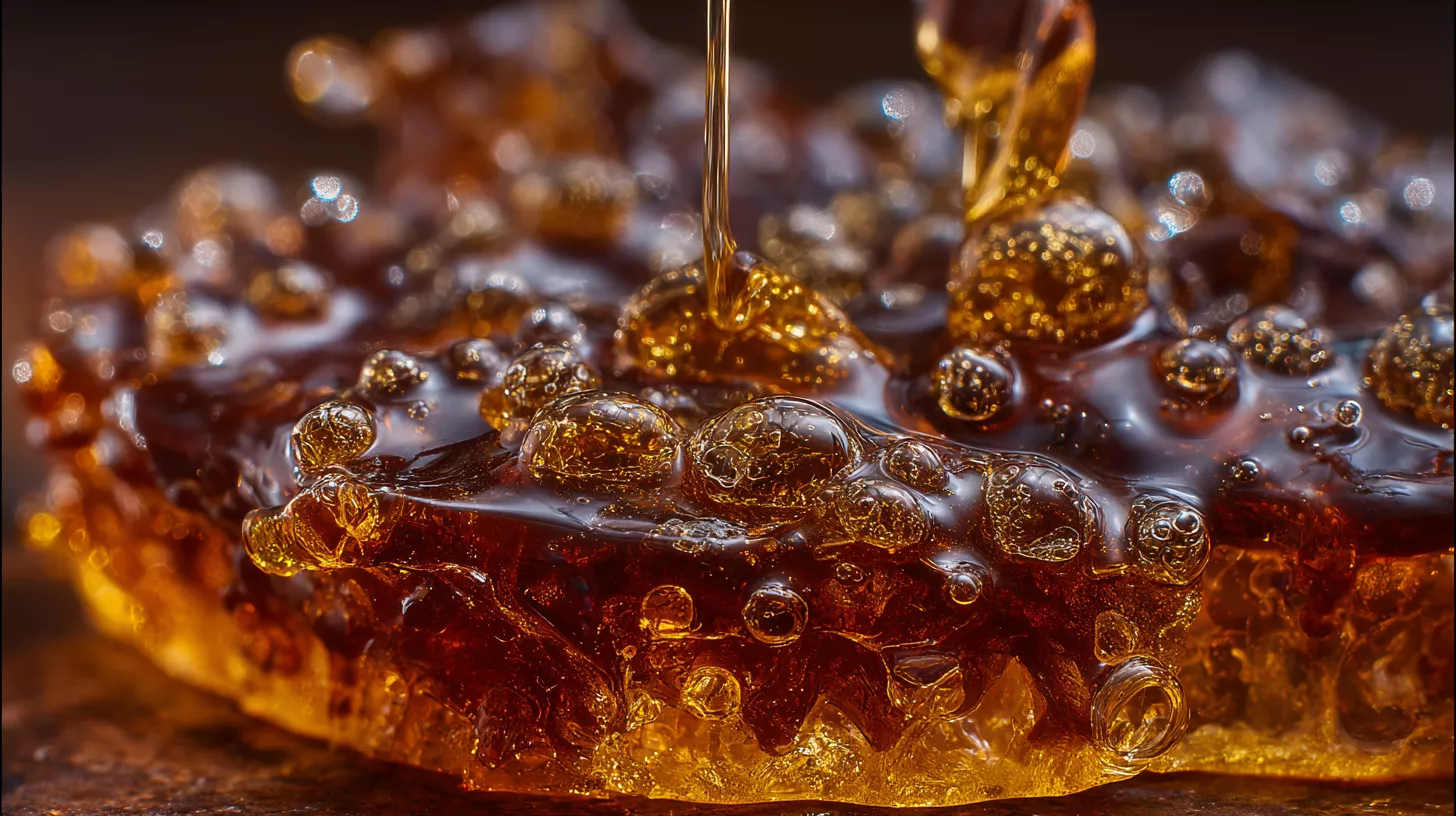
Understanding the fundamental differences between shatter and wax concentrates is essential for Canadian cannabis consumers seeking optimal experiences tailored to their specific preferences and consumption methods. Both concentrates represent advanced extraction techniques that create high-potency cannabis products, but they differ significantly in texture, consistency, production methods, and practical applications. Shatter exhibits a glass-like, translucent appearance with brittle consistency, while wax displays an opaque, malleable texture resembling honeycomb or butter depending on specific processing techniques.
These texture differences result from distinct post-processing methods that affect molecular structure, terpene preservation, and handling characteristics while maintaining similar potency levels. Canadian producers excel at both concentrate types, utilizing advanced extraction facilities and innovative techniques that showcase the unique advantages of each consistency. The choice between shatter and wax often depends on personal preferences for handling ease, consumption methods, flavor intensity, and storage requirements rather than significant potency or quality differences.
???? Molecular Structure Differences
The fundamental distinction between shatter and wax lies in their molecular arrangements achieved through different post-extraction processing techniques. Shatter maintains ordered molecular structures through controlled cooling and minimal agitation, creating stable glass-like consistency. Wax develops disrupted molecular patterns through agitation, whipping, or heat cycling that incorporates air and creates malleable textures. Both processes preserve cannabinoids and terpene profiles while creating distinct physical properties that affect handling and consumption experiences.
Shatter and wax production begins with identical extraction processes using butane, CO2, or other solvents to separate cannabinoids and terpenes from plant material. The critical differences emerge during post-extraction processing, where specific techniques determine final texture and consistency characteristics. Shatter production emphasizes minimal agitation and controlled cooling that preserves molecular stability, while wax creation involves deliberate agitation, whipping, or heat manipulation that disrupts molecular arrangements to create malleable consistencies.
Advanced Canadian extraction facilities utilize sophisticated equipment and precise environmental controls that enable consistent production of both concentrate types from identical source material. The choice between shatter and wax production often depends on intended applications, consumer preferences, and market demands rather than quality limitations. Both processing methods require expertise and attention to detail that distinguish premium products from inferior alternatives, with Canadian producers leading global markets in consistency and innovation.
❄️ Controlled Cooling: Slow, steady cooling preventing molecular disruption
????️ Temperature Stability: Consistent temperatures maintaining glass-like structure
???? Minimal Agitation: Avoiding disturbance during purging and cooling phases
???? Vacuum Purging: Gentle solvent removal preserving molecular integrity
⏰ Extended Processing: Longer processing times achieving optimal consistency
???? Deliberate Agitation: Whipping or stirring creating air incorporation
???? Heat Cycling: Temperature fluctuations disrupting molecular structures
???? Pressure Variation: Vacuum changes affecting texture development
⚡ Rapid Processing: Faster production timelines creating malleable textures
???? Consistency Control: Precise manipulation achieving desired wax textures
???? Vacuum Ovens: Precise temperature and pressure control for both types
???? Agitation Systems: Specialized equipment for wax texture creation
????️ Temperature Controllers: Sophisticated heating and cooling systems
???? Monitoring Systems: Continuous quality assessment during processing
⚗️ Purging Equipment: Advanced solvent removal maintaining concentrate integrity
Texture and consistency represent the most obvious differences between shatter and wax concentrates, affecting handling methods, storage requirements, and consumption techniques. Shatter exhibits glass-like transparency and brittleness that requires careful handling to prevent breakage, while maintaining stability across various temperature ranges. The brittle nature allows for precise portioning but can create sharp edges that require careful manipulation during handling and consumption preparation.
Wax concentrates display malleable, opaque textures ranging from soft butter-like consistency to harder honeycomb structures depending on specific processing techniques. This malleability enables easy manipulation and portioning without specialized tools, while the opaque nature results from incorporated air bubbles and disrupted molecular structures. Different wax textures serve various preferences and applications, from soft budder ideal for easy handling to harder crumble varieties that offer stability and precise dosing capabilities.
???? Glass-like Appearance: Translucent, amber to gold coloration
???? Brittle Consistency: Snaps cleanly when manipulated at room temperature
????️ Temperature Sensitive: Becomes sticky when warm, more brittle when cool
???? Precise Portioning: Clean breaking allows accurate dosing
✨ Visual Quality: Transparency indicating purity and proper processing
???? Budder Consistency: Soft, butter-like texture easy to manipulate
???? Honeycomb Structure: Aerated texture with visible air pockets
???? Crumble Texture: Dry, crumbly consistency that breaks apart easily
???? Sauce Consistency: Liquid-like texture with crystalline formations
???? Sugar Wax: Granulated texture resembling coarse sugar crystals
????️ Tool Requirements: Shatter needs dabbing tools, wax allows finger manipulation
???? Storage Considerations: Different container needs based on consistency
????️ Temperature Sensitivity: Varying responses to environmental conditions
⚖️ Dosing Methods: Different portioning techniques for each type
???? Handling Ease: Wax generally easier to manipulate than brittle shatter
Potency levels between quality shatter and wax concentrates remain remarkably similar, typically ranging from 70-90% total cannabinoids regardless of texture differences. The extraction efficiency and starting material quality primarily determine cannabinoid content rather than post-processing techniques that create texture variations. Both concentrate types preserve the entourage effect through terpene retention, though different processing methods may affect aromatic compound preservation and overall flavor intensity.
Effects profiles depend more on source strain genetics and extraction quality than texture differences, with both shatter and wax delivering strain-specific experiences when produced from identical starting material. Some users report subtle differences in onset speed and flavor intensity between textures, potentially due to surface area variations affecting vaporization characteristics. Medical patients often choose based on handling preferences and consumption methods rather than significant therapeutic differences between properly produced shatter and wax concentrates.
???? THC Concentration: Both types typically 70-90% total cannabinoids
???? CBD Varieties: Similar CBD potency ranges available in both formats
⚗️ Minor Cannabinoids: Equivalent preservation of CBG, CBN, and other compounds
???? Extraction Efficiency: Both methods achieve high cannabinoid recovery
???? Consistency: Reliable potency across batches for quality producers
???? Aromatic Intensity: Wax may retain more pronounced terpene flavors
???? Volatile Compounds: Both preserve essential aromatic molecules
???? Vaporization Characteristics: Surface area affecting flavor release
???? Strain Expression: Both maintain strain-specific aromatic profiles
⚡ Flavor Duration: Different flavor persistence during consumption
???? Onset Speed: Similar rapid effects when properly vaporized
????️ Peak Intensity: Equivalent maximum effects from comparable doses
⏰ Duration: Similar effect timelines lasting 1-3 hours
???? Strain Specificity: Both preserve genetic characteristics effectively
???? Dose Control: Precise dosing possible with both concentrate types
Consumption methods for shatter and wax concentrates utilize similar equipment and techniques, though texture differences may influence specific approaches and user preferences. Dabbing remains the most popular method for both types, using heated nails or bangers that instantly vaporize concentrates for inhalation. Temperature control becomes crucial for optimal experiences, with both concentrates benefiting from low-temperature dabbing that preserves terpenes and provides smooth vapor quality.
Equipment selection may favor different concentrate types based on handling characteristics and vaporization properties. Shatter’s brittle nature requires careful handling and precise portioning tools, while wax’s malleable consistency allows for easier manipulation and loading into consumption devices. Vaporizer compatibility varies between concentrate types, with some devices performing better with specific textures due to chamber design and heating element configurations.
???? Temperature Control: Optimal ranges 315-450°F for both concentrate types
???? Nail Materials: Quartz, titanium, and ceramic options for different preferences
????️ Tool Selection: Appropriate dabbing tools for each texture type
???? Vapor Quality: Proper technique ensuring smooth, flavorful hits
⏰ Timing Precision: Heat timing affecting vaporization efficiency
???? Portable Devices: Concentrate pens optimized for different textures
???? Battery Technology: Variable voltage settings accommodating both types
???? Chamber Design: Different heating chambers favoring specific consistencies
????️ Temperature Precision: Digital controls optimizing vaporization for each type
???? Airflow Systems: Optimized vapor path design for different concentrate textures
???? Portion Control: Different methods for accurate dosing each type
????️ Tool Requirements: Specialized tools for handling brittle vs malleable textures
????️ Temperature Management: Handling considerations based on ambient conditions
⚖️ Waste Minimization: Techniques reducing product loss during loading
???? Precision Loading: Accurate placement for optimal vaporization
Storage requirements for shatter and wax concentrates differ significantly due to their distinct physical properties and environmental sensitivities. Shatter requires stable temperatures to maintain its glass-like consistency, becoming sticky and difficult to handle when warm while becoming excessively brittle in cold conditions. The translucent nature makes shatter more susceptible to light degradation, requiring dark storage containers that protect against UV exposure while preventing contamination.
Wax concentrates demonstrate greater temperature stability and handling flexibility, maintaining malleable consistency across broader temperature ranges. The opaque nature provides natural protection against light degradation, though proper storage remains important for preserving potency and preventing contamination. Different wax textures may require specific storage approaches, with softer budder needing cooler conditions while harder crumble varieties remain stable at room temperature.
????️ Temperature Stability: Consistent cool temperatures maintaining brittleness
???? Light Protection: Dark storage preventing UV degradation
???? Container Selection: Non-stick surfaces preventing product loss
???? Handling Care: Gentle manipulation preventing breakage
❄️ Climate Control: Stable environment preventing consistency changes
???? Container Flexibility: Various container options accommodating malleable texture
????️ Temperature Tolerance: Greater stability across temperature ranges
????️ Light Resistance: Natural opacity providing UV protection
✋ Handling Ease: Easier manipulation and portioning
???? Storage Variety: Different containers for various wax textures
???? Airtight Sealing: Preventing oxidation and terpene loss
????️ Consistent Environment: Stable conditions maintaining quality
???? Rotation Management: Using older products first maintaining freshness
???? Quality Monitoring: Regular inspection for degradation signs
???? Moisture Control: Preventing humidity affecting concentrate integrity
Quality assessment criteria differ between shatter and wax concentrates due to their distinct visual and textural characteristics, though both require evaluation of purity, potency, and safety standards. Shatter quality assessment emphasizes transparency, color consistency, and structural integrity that indicate proper extraction and purging techniques. Premium shatter displays uniform translucency without cloudiness, bubbles, or dark spots that suggest contamination or processing errors.
Wax quality evaluation focuses on texture consistency, color uniformity, and aromatic preservation that reflect extraction quality and post-processing expertise. Quality wax exhibits appropriate texture for its specific type, whether soft budder, granulated sugar wax, or structured honeycomb, while maintaining strain-specific aromatics and avoiding off-odors that indicate contamination or degradation. Both concentrate types require laboratory testing verification for accurate potency and safety assessment.
????️ Visual Clarity: Translucent appearance without cloudiness or opacity
???? Color Consistency: Uniform amber to gold coloration throughout
???? Structural Integrity: Appropriate brittleness without excessive stickiness
✨ Surface Quality: Smooth, clean surface without imperfections
???? Purity Indicators: Clear appearance indicating minimal impurities
???? Texture Appropriateness: Consistent texture matching product type
???? Color Uniformity: Even coloration without dark spots or discoloration
???? Aromatic Quality: Strong, strain-specific terpene preservation
???? Contamination Absence: No foreign particles or unwanted materials
⚖️ Consistency Standards: Appropriate malleability for handling and consumption
???? Potency Analysis: Verified cannabinoid percentages for both types
???? Residual Solvents: Safety testing for extraction solvent residues
???? Contaminant Screening: Pesticide, heavy metal, and microbial testing
???? Terpene Profiling: Preserved aromatic compound analysis
???? Certificate Review: Understanding testing documentation for both formats
Use case applications for shatter versus wax often depend on individual preferences, consumption habits, and specific situation requirements rather than significant quality or potency differences. Shatter appeals to users who prioritize visual aesthetics, precise dosing, and stable storage characteristics, while preferring the ritual and precision associated with brittle concentrate handling. The glass-like appearance and clean breaking properties make shatter ideal for users who appreciate the craftsmanship and visual appeal of premium concentrates.
Wax concentrates attract users seeking convenience, easy manipulation, and forgiving handling characteristics that accommodate various consumption situations. The malleable nature makes wax ideal for on-the-go consumption, quick loading into devices, and situations where precise portioning tools aren’t readily available. Different wax textures serve specific preferences, from soft budder for easy handling to granulated varieties that offer portion control and storage stability.
???? Precision Dosing: Clean breaking allowing accurate portion control
???? Home Consumption: Controlled environment optimal for brittle handling
???? Visual Appeal: Aesthetic presentation for concentrate enthusiasts
???? Quality Assessment: Transparency allowing visual purity evaluation
???? Premium Experience: Sophisticated concentrate experience and presentation
???? Portable Consumption: Easy handling for mobile and outdoor use
⚡ Quick Loading: Fast device loading without specialized tools
???? Beginner Friendly: Forgiving texture for new concentrate users
????️ Tool-Free Handling: Manipulation possible without dabbing tools
???? Travel Convenience: Stable texture for transportation and storage
???? Personal Preference: Individual comfort with different textures
???? Consumption Environment: Home vs mobile use considerations
????️ Equipment Availability: Tool and device compatibility
???? Storage Conditions: Available storage environment affecting choice
???? Value Considerations: Price differences and handling efficiency
At BIRCH+FOG, our Complete Concentrate Range encompasses both premium shatter and wax varieties, offering Canadian consumers the most comprehensive selection of high-quality cannabis concentrates available online. We understand that concentrate preferences are highly individual, influenced by handling comfort, consumption methods, and aesthetic preferences, which is why our collection features exceptional examples of both texture types from Canada’s finest extraction artists and innovative producers.
Our commitment to concentrate excellence ensures that whether customers prefer the precision and visual appeal of shatter or the convenience and malleability of wax concentrates, they’ll find products that meet the highest standards for purity, potency, and safety. We provide comprehensive education about the differences between concentrate types, helping customers make informed decisions based on their specific needs, experience level, and consumption preferences rather than marketing hype or misconceptions about quality differences.
???? Glass-Like Clarity: Exceptional translucency and visual appeal
???? Precision Products: Clean-breaking varieties for accurate dosing
???? Artisan Quality: Hand-selected products from master extraction artists
???? Verified Potency: Laboratory-confirmed cannabinoid and terpene profiles
???? Purity Standards: Rigorous testing ensuring safety and quality
???? Premium Genetics: Concentrates from exceptional cannabis strains
???? Budder Varieties: Soft, creamy textures for easy manipulation
???? Honeycomb Options: Aerated structures with unique texture appeal
???? Crumble Selection: Dry, stable textures for precise portioning
???? Sauce Concentrates: Liquid consistency with crystalline formations
???? Sugar Wax: Granulated textures offering handling versatility
⚡ Live Resin Wax: Fresh-frozen extraction preserving maximum terpenes
???? Texture Education: Comprehensive guides to concentrate differences and applications
???????? Technical Expertise: Staff knowledge of extraction methods and quality assessment
???? Personal Matching: Individual consultation for optimal concentrate selection
????️ Equipment Guidance: Consumption device recommendations for different textures
???? Safety Education: Proper handling and dosing techniques for concentrate safety
???? Ongoing Support: Continued guidance for optimizing concentrate experiences
Ready to explore the complete spectrum of cannabis concentrates? Visit BIRCH+FOG today and discover our comprehensive shatter and wax collection with expert guidance and quality assurance. Our knowledgeable team helps you find the perfect concentrate type and texture for your preferences, equipment, and consumption goals.
Enhance your concentrate knowledge with our detailed educational resources at the BIRCH+FOG Learning Centre. Access comprehensive guides comparing concentrate types, consumption methods, and selection strategies:
Shatter vs Wax: Complete Cannabis Concentrate Comparison Guide

