
×
Remove product
Remove item from cart?

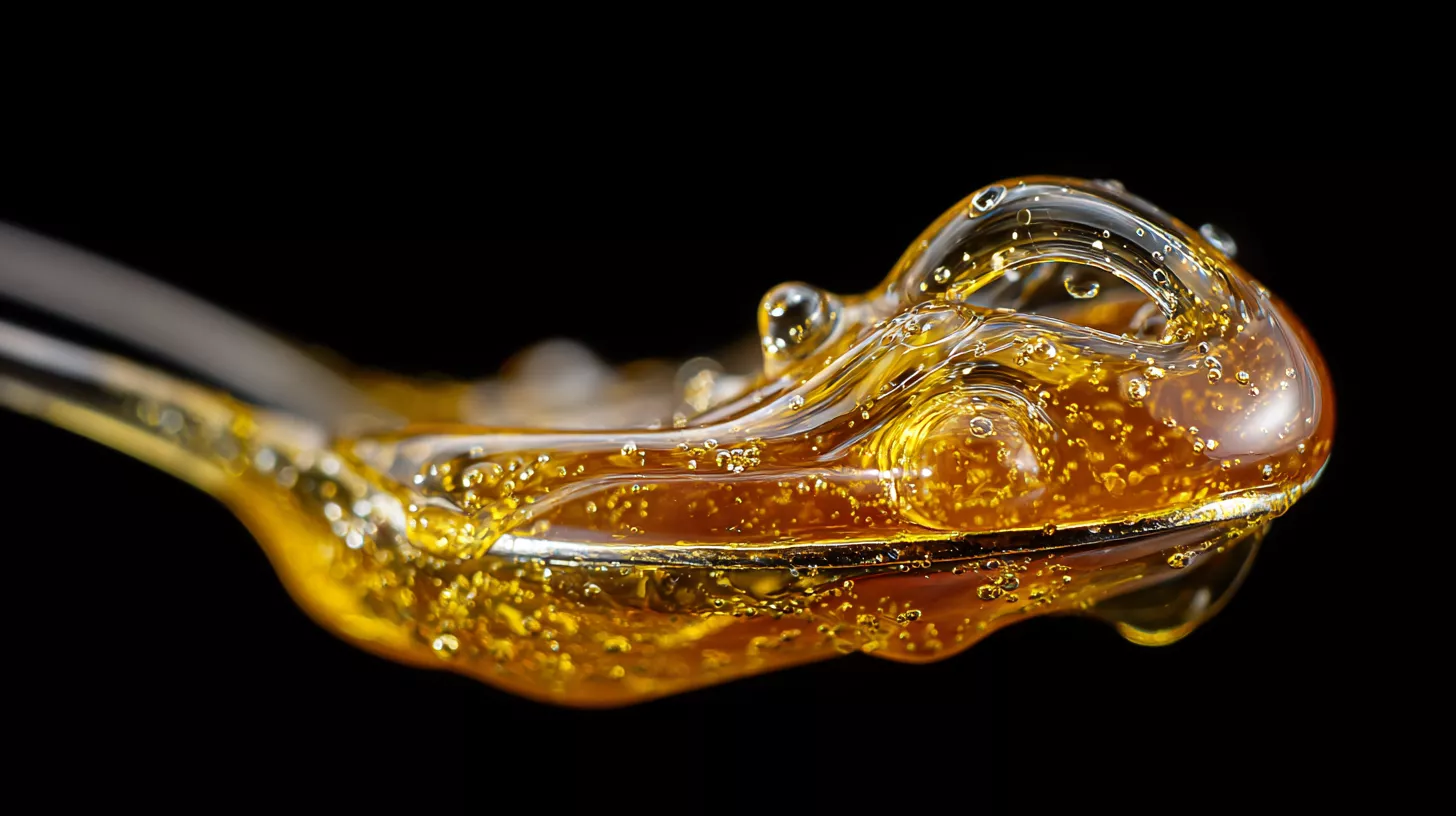
Dabbing shatter represents the most efficient and flavorful method for consuming cannabis concentrates, delivering intense effects through vaporization that preserves cannabinoids and terpenes while avoiding combustion that destroys beneficial compounds. This consumption technique utilizes heated surfaces to instantly vaporize small amounts of shatter, creating smooth, potent vapor that provides rapid onset effects within seconds to minutes. For beginners, understanding proper dabbing techniques ensures safe, effective consumption while maximizing the concentrate’s potential and avoiding waste or unpleasant experiences.
The dabbing process requires specific equipment and techniques that differ significantly from traditional cannabis consumption methods, making education essential for optimal results and safety. Canadian consumers benefit from legal access to high-quality shatter and professional-grade equipment that enables controlled, consistent dabbing experiences. This comprehensive guide provides step-by-step instructions, safety protocols, and optimization techniques that help beginners develop confidence and expertise in concentrate consumption while avoiding common mistakes that can diminish the experience.
???? Vaporization Science
Dabbing works through instantaneous vaporization that occurs when shatter contacts heated surfaces ranging from 315-600°F, creating rapid phase changes from solid to vapor without combustion. This process preserves delicate terpene profiles while maximizing cannabinoid delivery, resulting in more efficient and flavorful consumption compared to smoking. Understanding optimal temperature ranges and timing helps beginners achieve consistent results while avoiding overheating that can destroy beneficial compounds or create harsh vapor.
Successful dabbing requires specialized equipment designed specifically for concentrate vaporization, with each component playing crucial roles in safety, efficiency, and vapor quality. The basic setup includes a dab rig (specialized water pipe), heating element (nail or banger), dabbing tool for handling concentrates, and heat source for warming the nail. Quality equipment investment ensures better experiences, improved safety, and more efficient concentrate utilization that justifies the initial cost through superior performance and durability.
Equipment selection varies based on budget, experience level, and consumption preferences, with options ranging from basic starter setups to advanced systems featuring precision temperature control and innovative filtration mechanisms. Understanding each component’s function and quality indicators helps beginners make informed purchasing decisions while avoiding inadequate equipment that could compromise safety or experience quality. Canadian retailers offer comprehensive equipment selections with expert guidance for optimal setup development.
???? Water Filtration: Smooth vapor cooling and filtration through water chambers
???? Size Considerations: Smaller rigs providing better flavor and vapor density
???? Joint Compatibility: Proper sizing for nail and accessory compatibility
???? Glass Quality: Borosilicate glass offering durability and heat resistance
???? Percolation Options: Additional filtration for smoother vapor delivery
???? Quartz Bangers: Superior heat retention and flavor preservation
????️ Titanium Nails: Durable option with excellent heat distribution
???? Ceramic Options: Pure flavor with moderate heat retention
????️ E-Nail Systems: Electronic temperature control for precision dabbing
⚖️ Size Matching: Proper joint sizing ensuring secure connections
????️ Dabbing Tools: Titanium or glass tools for handling and application
???? Torch Lighter: Butane torch providing adequate heating power
????️ Temperature Gun: Infrared thermometer for precise temperature monitoring
⏰ Timer: Consistent heating and cooling time management
???? Carb Cap: Vapor retention and temperature regulation accessory
Safety preparation is paramount for successful dabbing, as the process involves high temperatures, flammable materials, and potent concentrates that require careful handling and respect. Proper workspace preparation includes stable surfaces for equipment, adequate ventilation for vapor dissipation, and fire safety measures including extinguishing materials and clear evacuation paths. Understanding potential hazards and implementing preventive measures ensures safe dabbing experiences while building confidence for beginners approaching concentrate consumption.
Personal safety considerations encompass proper clothing (avoiding loose sleeves near flames), hydration maintenance, and awareness of concentrate potency that can produce intense effects requiring careful dosing. Emergency preparedness includes understanding first aid for burns, having cooling materials readily available, and knowing when to seek medical attention for adverse reactions. Creating safe dabbing environments and developing safety habits prevents accidents while enabling enjoyable concentrate experiences.
???? Stable Surface: Heat-resistant, stable platform for equipment placement
???? Ventilation: Adequate airflow preventing vapor accumulation
???? Fire Safety: Fire extinguisher and burn treatment materials nearby
???? Clear Area: Removing flammable materials from workspace
⚡ Electrical Safety: Proper electrical connections for e-nail systems
???? Appropriate Clothing: Avoiding loose sleeves and synthetic materials
???? Hydration: Water readily available for comfort and safety
???? Heat Protection: Understanding hot surface identification and avoidance
???? Supervision: Having experienced users present for first attempts
???? Emergency Contacts: Medical information and emergency numbers accessible
???? Proper Assembly: Secure connections preventing equipment failure
????️ Temperature Awareness: Understanding heating and cooling patterns
???? Torch Safety: Proper lighter handling and storage procedures
⏰ Timing Control: Consistent heating preventing overheating accidents
???? Cooling Periods: Allowing adequate cooling between dabs
The dabbing process follows a systematic sequence that ensures consistent results, optimal vapor quality, and safety throughout the experience. Each step requires attention to detail and proper timing that develops through practice and experience. Beginning with equipment preparation and progressing through heating, application, and inhalation phases, the complete process typically takes 2-5 minutes from start to finish. Understanding each phase and its requirements helps beginners develop competence and confidence while avoiding common mistakes that can diminish the experience.
Proper technique development requires patience and practice, as timing and coordination improve with experience. Initial attempts should prioritize safety and basic technique mastery over vapor optimization, with beginners focusing on consistent heating, proper dosing, and smooth inhalation patterns. Advanced techniques including temperature stepping, carb cap manipulation, and flavor optimization can be developed after mastering fundamental dabbing skills and building confidence with the equipment and process.
???? Equipment Check: Ensuring all components are clean and properly assembled
???? Shatter Portion: Preparing rice grain-sized amount on dabbing tool
???? Water Level: Checking adequate water in rig for filtration
????️ Temperature Setup: Preparing thermometer and timing devices
????️ Safety Review: Final safety check and hazard awareness
???? Initial Heating: Torch application until nail/banger glows red-hot
⏰ Timing Control: 45-60 seconds heating for quartz bangers
????️ Temperature Monitoring: Allowing cooling to optimal range (450-500°F)
❄️ Cooling Period: 30-45 seconds cooling for beginners
???? Consistency: Developing timing patterns for repeatable results
???? Concentrate Application: Gentle contact with heated surface
???? Tool Movement: Slow rotation ensuring complete vaporization
???? Carb Cap Use: Optional vapor retention and temperature control
???? Inhalation Technique: Slow, steady draw maintaining vapor flow
⏱️ Timing Coordination: Simultaneous application and inhalation
Temperature control represents the most critical aspect of successful dabbing, determining vapor quality, flavor preservation, and overall experience satisfaction. Optimal temperatures for shatter dabbing range from 315-600°F, with different ranges providing distinct characteristics and benefits. Low-temperature dabs (315-450°F) preserve maximum terpene content and provide smooth, flavorful vapor, while high-temperature dabs (450-600°F) produce more intense effects but may sacrifice flavor quality and throat comfort.
Understanding temperature effects and developing consistent heating techniques enables optimization for specific preferences and situations. Beginners benefit from starting with moderate temperatures (400-450°F) that balance flavor preservation with complete vaporization, while experienced users can explore temperature ranges that maximize specific characteristics. Precision temperature control through infrared thermometers or electronic nails eliminates guesswork and enables reproducible results that enhance dabbing consistency and satisfaction.
❄️ Low Temperature (315-400°F): Maximum terpene preservation and smooth vapor
????️ Medium Temperature (400-450°F): Balanced flavor and complete vaporization
???? High Temperature (450-500°F): Intense effects with moderate flavor retention
???? Very High (500-600°F): Maximum vapor production but potential harshness
⚖️ Personal Preference: Individual optimization through experimentation
????️ Infrared Thermometer: Precise temperature reading for consistency
⏰ Timing Method: Consistent heating and cooling patterns
???? Water Drop Test: Basic temperature assessment through water reaction
???? E-Nail Systems: Electronic temperature control for precision
???? Experience Development: Learning visual and timing cues
???? Flavor Impact: Lower temperatures preserving terpene complexity
???? Vapor Density: Higher temperatures producing thicker vapor
???????? Throat Comfort: Cooler dabs providing smoother inhalation
⚡ Effect Intensity: Temperature correlation with perceived potency
???? Efficiency: Complete vaporization at appropriate temperatures
Proper dosing is crucial for safe and enjoyable dabbing experiences, as shatter concentrates contain 70-90% cannabinoids compared to 15-25% in flower cannabis. This dramatic potency increase requires significant dose reduction, with beginners starting with amounts comparable to rice grains rather than the larger quantities used for flower consumption. The rapid onset of dabbed concentrates means effects begin within seconds, requiring patience and conservative dosing to avoid overwhelming experiences that could discourage continued concentrate use.
Individual tolerance varies significantly based on cannabis experience, body weight, metabolism, and sensitivity factors that influence optimal dosing ranges. New concentrate users should start with minimal amounts and gradually increase based on effects and comfort levels, allowing adequate time between dabs for full effect assessment. Understanding dose-response relationships and developing personal dosing protocols ensures consistent, enjoyable experiences while avoiding adverse effects that can result from excessive consumption.
???? Starting Amount: Rice grain-sized portions for first attempts
⏰ Wait Periods: 15-30 minutes between dabs for effect assessment
???? Gradual Increase: Incremental dose increases based on tolerance
???? Effect Tracking: Recording doses and effects for optimization
????️ Conservative Approach: Prioritizing safety over intensity for beginners
???? Cannabis Experience: Previous use affecting concentrate tolerance
⚖️ Body Weight: Larger individuals potentially requiring higher doses
???? Metabolism Rate: Processing speed affecting duration and intensity
???? Medication Interactions: Other substances potentially affecting responses
???? Personal Sensitivity: Individual cannabinoid sensitivity variations
???? Weekly Increases: Gradual progression allowing tolerance assessment
???? Effect Targeting: Finding minimum effective dose for desired effects
⚖️ Tolerance Management: Avoiding excessive dose escalation
???? Consistency Tracking: Maintaining detailed consumption records
???? Periodic Breaks: Tolerance resets maintaining effectiveness
Common dabbing issues include poor vapor production, harsh hits, wasted concentrate, and equipment problems that can frustrate beginners and diminish the experience. Understanding typical problems and their solutions helps develop troubleshooting skills that improve consistency and satisfaction while building confidence with concentrate consumption. Most issues stem from temperature problems, timing errors, or equipment maintenance needs that are easily corrected with proper knowledge and technique adjustments.
Systematic troubleshooting approaches help identify root causes and implement effective solutions rather than abandoning techniques that could work with minor adjustments. Learning to recognize equipment issues, temperature problems, and technique errors enables rapid problem resolution while preventing frustration that could discourage concentrate exploration. Developing troubleshooting expertise builds overall dabbing competence and enables optimization for superior experiences.
???? Too Hot: Harsh vapor, burnt taste, rapid vaporization
❄️ Too Cool: Poor vaporization, wasted concentrate, weak effects
⏰ Timing Problems: Inconsistent heating affecting temperature accuracy
????️ Measurement Errors: Incorrect thermometer use or calibration
???? Equipment Issues: Nail/banger heat retention problems
???? Concentrate Sticking: Tool temperature or technique problems
???? Poor Vapor Production: Application speed or pressure issues
???? Uneven Vaporization: Tool movement or concentrate distribution problems
⏱️ Timing Coordination: Application and inhalation synchronization
???? Carb Cap Problems: Improper use affecting vapor quality
???? Connection Problems: Loose joints or compatibility issues
???? Water Level Issues: Inadequate filtration or overflow problems
???? Cleanliness Problems: Residue buildup affecting performance
???? Torch Issues: Fuel problems or flame adjustment needs
???? Electronic Problems: E-nail or temperature device malfunctions
Regular equipment maintenance ensures optimal performance, extends equipment lifespan, and maintains safety standards while preserving vapor quality and flavor. Cleaning protocols vary by component type, with glass pieces requiring different approaches than metal nails or electronic systems. Proper maintenance prevents residue buildup that can affect performance while ensuring equipment remains safe and hygienic for continued use. Developing maintenance routines creates consistent equipment performance and reduces replacement costs.
Maintenance schedules depend on usage frequency and concentrate types, with regular users requiring more frequent cleaning than occasional consumers. Understanding when and how to clean different components prevents damage while maintaining optimal functionality. Quality maintenance supplies and techniques protect equipment investments while ensuring continued performance that justifies the initial cost through extended useful life and consistent results.
???? Daily Cleaning: Basic residue removal after each session
???? Deep Cleaning: Weekly thorough cleaning with appropriate solvents
???? Water Changes: Regular fresh water for optimal filtration
????️ Temperature Cycling: Heat cleaning for stubborn residue removal
???? Cleaning Supplies: Isopropyl alcohol, cotton swabs, and cleaning solutions
???? Quartz Banger Care: Gentle cleaning preserving surface integrity
????️ Titanium Maintenance: Heat cycling and surface preparation
???? Glass Piece Care: Avoiding thermal shock and impact damage
???? Electronic Maintenance: Proper storage and electrical connection care
????️ Tool Maintenance: Cleaning and proper storage preventing damage
???? Proper Storage: Protective cases preventing damage during storage
????️ Temperature Stability: Avoiding extreme temperatures affecting equipment
???? Moisture Control: Preventing condensation and corrosion
???? Secure Storage: Safe storage preventing theft or damage
???? Organization: Systematic storage enabling easy access and inventory
At BIRCH+FOG, we’re committed to helping customers master dabbing techniques through comprehensive education, equipment guidance, and ongoing support that ensures safe, effective concentrate consumption. Our experienced team understands that dabbing can seem intimidating for beginners, which is why we provide detailed instruction, equipment recommendations, and troubleshooting assistance that builds confidence and expertise. We believe that proper education leads to better experiences and safer consumption practices that enhance the benefits of concentrate use.
Our dabbing support extends beyond basic instruction to include advanced technique development, equipment optimization, and safety protocol refinement that helps customers achieve their concentrate consumption goals. We provide personalized guidance based on individual experience levels, preferences, and equipment choices, ensuring that every customer receives relevant, practical advice that improves their dabbing success and satisfaction.
???? Beginner Workshops: Hands-on instruction for new concentrate users
???????? Technical Expertise: Staff knowledge of equipment and technique optimization
???? Educational Resources: Detailed guides, videos, and reference materials
???? Personalized Instruction: Individual guidance based on specific needs and goals
???? Ongoing Support: Available consultation for technique refinement and troubleshooting
???? Advanced Training: Skill development for experienced users seeking optimization
????️ Equipment Consultation: Personalized recommendations based on budget and preferences
???? Setup Assistance: Guidance for proper equipment assembly and configuration
⚖️ Quality Assessment: Education about equipment quality indicators and value
???? Upgrade Planning: Systematic equipment improvement strategies
????️ Warranty Support: Assistance with equipment issues and manufacturer relations
???? Starter Packages: Complete beginner setups with everything needed to start
????️ Safety Training: Comprehensive safety protocols and hazard awareness
???? Emergency Procedures: Response protocols for accidents or equipment failures
???? Best Practices: Technique optimization for safety and effectiveness
???? Risk Management: Identifying and mitigating potential dabbing hazards
???? Continuous Education: Updated safety information and technique improvements
???? Community Support: Access to experienced user community for advice and tips
Ready to master dabbing with expert guidance and support? Visit BIRCH+FOG today and discover our comprehensive dabbing education programs with equipment recommendations and safety training. Our knowledgeable team ensures you’ll develop confidence and expertise in concentrate consumption through proper instruction and ongoing support.
Access our complete dabbing resource library at the BIRCH+FOG Learning Centre for detailed guides, video tutorials, and technique optimization strategies:

