
×
Remove product
Remove item from cart?

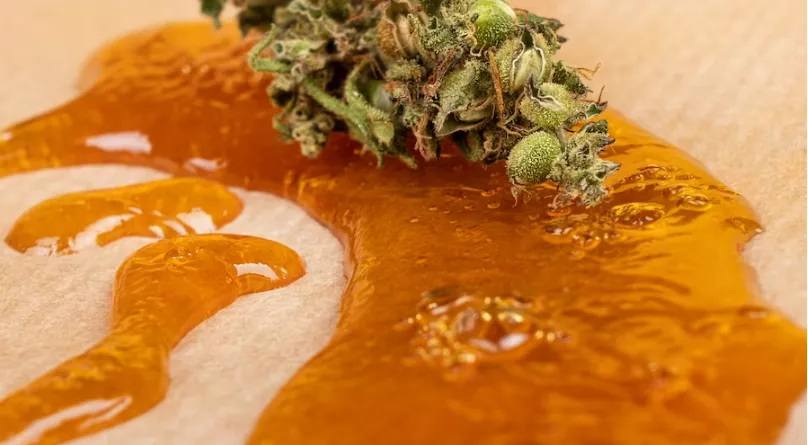
Cannabis wax stands as one of the most potent concentrate forms in modern cannabis culture, characterized by its opaque, malleable texture resembling ear wax or honey-comb, containing 60-90% THC compared to flower’s typical 15-25%. This concentrated extract emerged from medical cannabis communities seeking maximum therapeutic effects with minimal plant material consumption, revolutionizing how patients and recreational users approach dosing and consumption. The distinctive texture results from specific extraction and post-processing techniques that introduce air into the concentrate, creating a matrix of cannabinoid-rich material with microscopic air pockets.
The production of cannabis wax involves sophisticated extraction processes using hydrocarbon solvents like butane or propane, followed by specialized purging and whipping techniques that create its characteristic consistency. This transformation from raw plant material to concentrated medicine represents both technological advancement and artisanal craft, as extractors balance temperature, pressure, and agitation to achieve optimal texture while preserving terpene profiles. Unlike stable shatter or flowing oils, wax’s unique consistency makes it easier to handle with dabbing tools while maintaining potency levels that can overwhelm unprepared consumers.
Market significance of cannabis wax extends beyond potency, representing a category that bridges accessibility and connoisseurship in concentrate consumption. Medical patients appreciate consistent dosing and rapid onset for acute symptom management, while recreational users value the intense effects and terpene-rich profiles possible with quality wax. Understanding wax production, composition, consumption methods, and quality indicators helps consumers navigate this potent product category safely while maximizing therapeutic or recreational benefits.
Hydrocarbon extraction for wax production utilizes butane, propane, or blends as solvents to selectively dissolve cannabinoids and terpenes from plant material under controlled conditions. Closed-loop extraction systems maintain solvent containment while enabling precise temperature and pressure control critical for quality outcomes. Material preparation involves freezing fresh or dried cannabis to preserve terpenes and prevent chlorophyll extraction. Solvent selection affects extraction selectivity with butane pulling broader spectrum compounds while propane’s lower boiling point preserves volatile terpenes. Column packing density influences contact time and extraction efficiency with 50-70% fill optimal for most applications. Temperature control during extraction typically maintains -20 to -40°C preventing undesirable compound co-extraction. Pressure variations from 30-150 PSI affect extraction speed and selectivity. Multiple passes may extract different compound fractions for subsequent recombination. Solvent recovery through vacuum distillation enables recycling reducing costs and environmental impact. These technical parameters profoundly influence final product quality.
Post-extraction processing transforms raw oleoresin into characteristic wax consistency through careful manipulation of temperature, pressure, and agitation parameters. Initial solvent purging under vacuum reduces residual hydrocarbons below safe thresholds typically under 500 PPM. Temperature control during purging between 85-115°F prevents terpene loss while ensuring complete solvent removal. Whipping or agitation during purging introduces air creating nucleation sites for crystallization. Pressure fluctuations during vacuum purging influence texture development with rapid pressure changes promoting wax formation. Duration of processing affects final consistency with 24-72 hour purges common for optimal texture. Humidity control prevents moisture absorption affecting stability and appearance. Some processors utilize heated vacuum ovens while others prefer room temperature purging preserving terpenes. Final homogenization ensures consistent texture throughout batches. These processing steps require experience and intuition beyond simple technical parameters.
Alternative extraction methods for wax-like consistencies explore non-hydrocarbon approaches addressing safety and regulatory concerns while achieving similar textures. Rosin production using heat and pressure creates solventless wax through mechanical separation preserving full spectrum profiles. CO2 extraction followed by specific post-processing can achieve wax-like textures though typically with different terpene profiles. Ethanol extraction with controlled evaporation and agitation produces “sugar wax” consistencies. Ice water extraction creating “hash rosin” provides solventless options with wax-like malleability. Steam distillation followed by crystallization creates unique textures preserving specific compound fractions. Enzyme-assisted extraction explores biological approaches to concentrate production. Ultrasonic-assisted extraction accelerates processes while potentially preserving heat-sensitive compounds. Each method offers distinct advantages regarding safety, legality, and product characteristics. Innovation continues as extractors seek optimal methods balancing quality, safety, and regulatory compliance.
Cannabinoid profiles in cannabis wax reflect concentrated expressions of source material genetics amplified through extraction processes removing diluting plant matter. THC concentrations typically range 60-80% with exceptional extracts exceeding 90% representing 3-4x potency increases over flower. CBD-dominant waxes serve medical markets with similar concentration factors applied to therapeutic cannabinoids. Minor cannabinoids including CBG, CBN, and CBC concentrate proportionally potentially enhancing entourage effects. Acidic precursors (THCA, CBDA) may predominate depending on extraction temperatures and decarboxylation extent. Cannabinoid ratios generally mirror source material though selective extraction can modify profiles. Degradation products increase with excessive heat exposure during processing affecting psychoactive properties. Analytical testing reveals cannabinoid fingerprints unique to cultivars and processing methods. Potency variations within batches require homogenization ensuring consistent dosing. Understanding cannabinoid composition guides appropriate consumption levels preventing adverse experiences.
Terpene preservation in wax production represents critical quality factors influencing flavor, aroma, and potential therapeutic effects beyond cannabinoids alone. Monoterpenes including limonene, pinene, and myrcene exhibit high volatility requiring careful temperature control throughout extraction and processing. Sesquiterpenes like caryophyllene and humulene show better stability potentially concentrating relative to monoterpenes. Live resin techniques using fresh-frozen material preserve terpene profiles impossible with dried flower. Terpene percentages in quality wax range 4-10% contributing significantly to effects and experience. Strain-specific terpene signatures create unique product identities commanding premium prices. Reintroduced botanical terpenes in some products attempt recreating profiles lost during processing. Analytical testing identifies dozens of terpenes contributing to complex aromatic profiles. Storage conditions dramatically impact terpene retention with cold, dark environments essential. These aromatic compounds elevate wax beyond simple THC delivery to full-spectrum experiences.
Residual compounds in wax products raise safety concerns requiring rigorous testing and quality control throughout production processes. Hydrocarbon solvents must purge below regulatory limits typically 500-5000 PPM depending on jurisdiction and specific compounds. Pesticide residues concentrate during extraction potentially reaching dangerous levels from contaminated source material. Heavy metals from growing media or processing equipment require monitoring ensuring consumer safety. Microbial contamination including molds and bacteria can proliferate in improperly stored products. Plant waxes and lipids may remain creating harsh consumption experiences despite not posing health risks. Processing aids including filtering media must meet food-grade standards preventing contamination. Moisture content affects stability and potential microbial growth requiring control below 5%. Color variations may indicate oxidation or contamination requiring investigation. Comprehensive testing protocols ensure product safety though black market products often skip these crucial steps.
Dabbing methodology for wax consumption requires specialized equipment and techniques maximizing vaporization efficiency while minimizing waste and degradation. Traditional nail and dome setups heat titanium, quartz, or ceramic surfaces to 315-450°F optimal for wax vaporization. Electronic nails provide precise temperature control eliminating guesswork and improving consistency. Carb caps create convection effects lowering required temperatures while improving vaporization completeness. Cold start techniques place wax on room temperature nails gradually heating to preserve terpenes. Proper dosing starts with rice grain-sized amounts (25-50mg) containing 15-40mg THC far exceeding single flower hits. Timing involves heating nails to target temperature, allowing brief cooling, applying wax, and capping for optimal vapor production. Inhalation techniques emphasize slow, steady draws maximizing absorption while preventing coughing. Water filtration through dab rigs cools vapor improving comfort. These techniques require practice developing muscle memory for consistent results.
Vaporizer compatibility with wax expands consumption options beyond traditional dabbing appealing to users seeking portability and discretion. Wax-specific atomizers feature ceramic or quartz chambers optimizing heat distribution for complete vaporization. Load-as-you-go designs allow single-session amounts preventing waste and degradation. Temperature ranges between 350-430°F accommodate different preferences balancing flavor and vapor production. Wax consistency works particularly well in vaporizers due to easy handling and dosing compared to sticky oils. Hybrid devices accepting both flower and concentrates offer versatility for varied consumption preferences. Cleaning requirements increase with wax use due to residue accumulation in chambers and airways. Battery life impacts session capability with high-drain wax consumption depleting cells rapidly. Portable e-rigs combine traditional dabbing water filtration with battery power. Understanding device capabilities ensures optimal wax vaporization experiences matching user preferences.
Alternative consumption methods for wax adapt this potent concentrate for users unable or unwilling to dab or vaporize directly. Twaxing involves adding wax to flower in joints or bowls boosting potency while maintaining familiar consumption rituals. Edible production uses wax for precise dosing in homemade products after proper decarboxylation. Topical applications dissolve wax into carriers for localized relief without psychoactive effects. Suppository formulations utilize wax for systemic effects bypassing first-pass metabolism. Tincture production dissolves wax in alcohol or oils creating sublingual products. Moon rocks coat flower buds with oil then roll in kief creating ultra-potent products. Infused pre-rolls incorporate wax increasing potency and flavor. Capsule filling enables precise oral dosing for medical applications. These alternative methods expand wax accessibility beyond specialized equipment requirements.
Visual characteristics of quality wax provide immediate indicators distinguishing premium products from poorly processed or contaminated concentrates. Color ranges from light golden to amber with darker hues potentially indicating plant matter contamination or oxidation. Opacity results from microscopic air bubbles creating light scattering effects characteristic of proper wax formation. Consistency should remain stable at room temperature without separation or “sugaring” indicating proper purging. Homogeneous appearance throughout suggests thorough mixing and processing avoiding hot spots or inconsistencies. Foreign particles, plant matter, or crystalline formations indicate processing issues requiring scrutiny. Surface texture appears matte rather than glossy differentiating from pull-and-snap or shatter consistencies. Container presentation affects perception with professional packaging suggesting quality control. Quantity variations from advertised weights reveal quality control issues. These visual cues guide initial quality assessment before consumption.
Laboratory testing requirements for wax products ensure consumer safety through comprehensive analytical panels detecting potential contaminants. Cannabinoid potency testing verifies label claims while identifying profiles guiding dosing decisions. Residual solvent analysis using gas chromatography ensures hydrocarbon levels fall below regulatory limits. Pesticide screening detects agricultural chemicals concentrated during extraction threatening consumer health. Heavy metals testing identifies lead, cadmium, mercury, and arsenic from contaminated growing media or equipment. Microbial panels screen for bacteria, molds, and yeasts indicating processing or storage issues. Mycotoxin detection prevents aflatoxin and ochratoxin exposure from moldy source material. Terpene profiling provides strain verification and quality indicators. Water activity measurements predict storage stability and microbial growth potential. Homogeneity testing ensures consistent potency throughout batches. These comprehensive panels protect consumers while building trust in regulated markets.
Storage optimization for wax maintains potency, terpene profiles, and consistency through careful environmental control preventing degradation. Temperature control between 60-70°F prevents melting while avoiding terpene evaporation from excessive heat. Refrigeration extends storage life but requires careful handling preventing condensation during temperature transitions. Light exposure accelerates THC degradation to CBN requiring opaque containers or dark storage locations. Air exposure promotes oxidation affecting color, potency, and flavor necessitating airtight containers. Silicone containers provide non-stick surfaces ideal for wax consistency though some terpenes may absorb into silicone over time. Glass containers offer chemical inertness but create handling challenges with sticky products. Parchment paper enables portion control and easy handling for short-term storage. Vacuum sealing removes oxygen extending storage life for bulk quantities. Humidity control prevents moisture absorption affecting texture and promoting microbial growth. These storage practices maximize product lifespan maintaining quality from production to consumption.

