
×
Remove product
Remove item from cart?

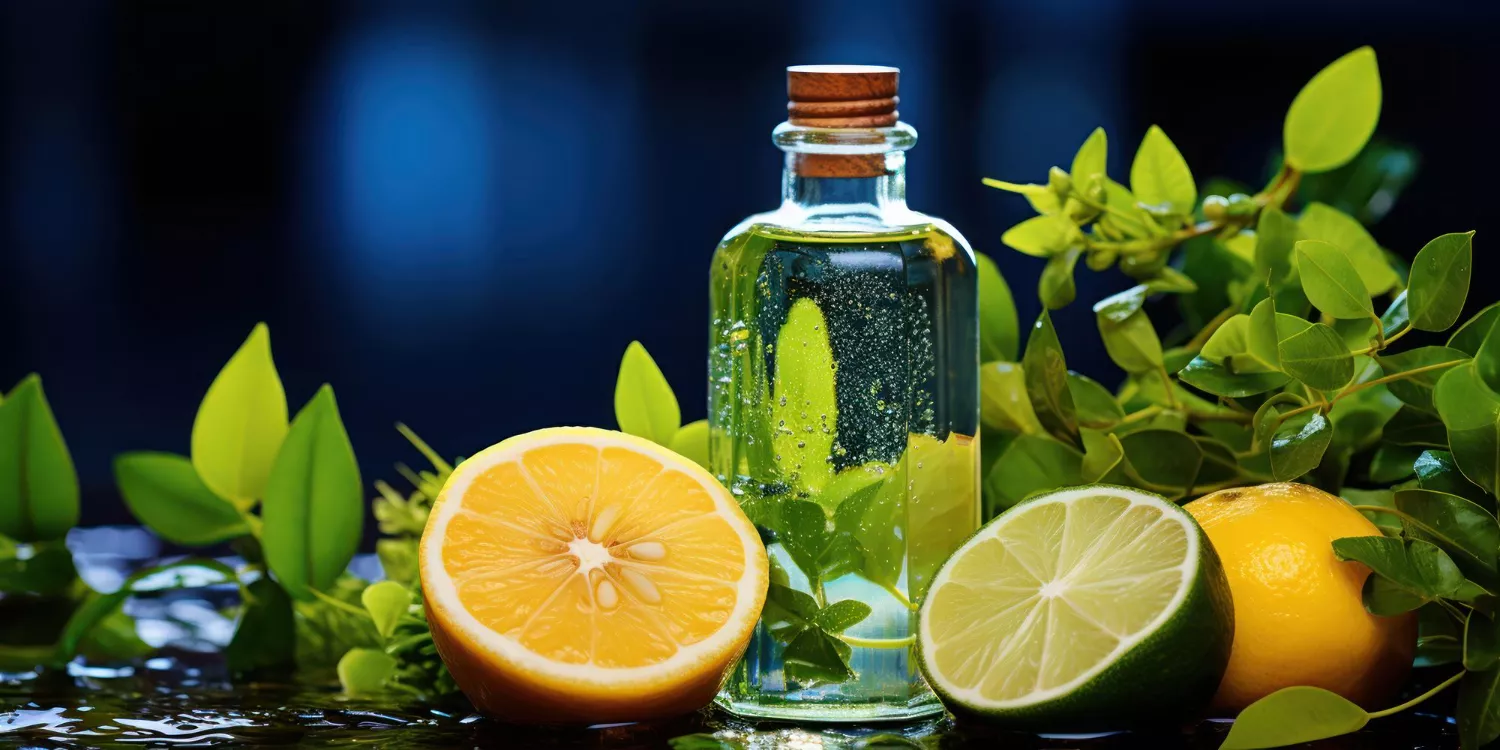
Valencene stands as a distinctive sesquiterpene found in cannabis and Valencia oranges, contributing sweet citrus aromas while potentially offering anti-inflammatory, insecticidal, and mood-enhancing properties that expand the plant’s therapeutic profile. This complex 15-carbon molecule demonstrates how minor terpenes beyond common monoterpenes like limonene and myrcene contribute to cannabis chemotype diversity and entourage effects. Named after its abundance in Valencia oranges, valencene appears in select cannabis cultivars at lower concentrations than primary terpenes but with potentially significant biological activity.
The presence of valencene in cannabis highlights the plant’s remarkable biosynthetic capacity, producing over 200 identified terpenes through intricate enzymatic pathways that create unique aromatic signatures and therapeutic potentials. Research into valencene’s specific effects remains limited compared to major cannabinoids, yet emerging studies suggest promising applications in mood regulation, skin health, and natural pest management. Its sweet, woody-citrus profile adds complexity to cannabis aromatics, distinguishing strains containing this terpene from simpler citrus profiles dominated by limonene alone.
Commercial interest in valencene extends beyond cannabis into food, cosmetic, and pharmaceutical industries, where its pleasant aroma and potential bioactivities drive demand for both natural extraction and biotechnological production. Understanding valencene’s role in cannabis requires examining its chemistry, biological effects, strain-specific expressions, and synergistic interactions with other compounds. This exploration reveals how minor terpenes contribute disproportionately to cannabis complexity, challenging simplistic categorizations while opening new avenues for targeted breeding and product development.
Molecular structure of valencene (C15H24) represents a bicyclic sesquiterpene featuring a unique arrangement of isoprene units creating its characteristic properties and biological activities. The molecule contains a decalin ring system with an isopropenyl side chain, placing it in the eremophilane family of sesquiterpenes. Three-dimensional configuration includes multiple chiral centers contributing to specific receptor interactions and aromatic properties. Molecular weight of 204.35 g/mol classifies valencene among heavier terpenes with lower volatility than monoterpenes. Structural similarity to nootkatone, its oxidized derivative, enables enzymatic conversion producing additional bioactive compounds. Computational modeling reveals lipophilic regions facilitating membrane penetration and hydrophobic protein interactions. Crystal structure studies demonstrate intermolecular associations affecting physical properties. Spectroscopic fingerprints enable analytical identification distinguishing valencene from similar sesquiterpenes. This complex architecture underlies diverse biological activities.
Physicochemical properties of valencene determine its behavior in cannabis products, extraction processes, and biological systems affecting therapeutic delivery. Boiling point of 254°C indicates low volatility requiring careful temperature control during processing to prevent losses. Density of 0.904 g/mL and log P of 4.5 confirm high lipophilicity enhancing absorption through biological membranes. Solubility remains negligible in water but excellent in ethanol, oils, and organic solvents guiding formulation strategies. Optical rotation [α]D20 = +104° serves as purity indicator for isolated compounds. Refractive index of 1.502 enables rapid quality assessment. Oxidative stability varies with environmental conditions requiring antioxidant protection in formulations. Vapor pressure below 0.1 mmHg at room temperature explains persistence in dried cannabis. Flash point of 96°C necessitates safety considerations during processing. These properties influence every aspect from biosynthesis to consumption.
Biosynthetic pathways producing valencene in cannabis involve sophisticated enzymatic machinery converting primary metabolites into complex sesquiterpene structures. Farnesyl pyrophosphate (FPP) serves as the universal sesquiterpene precursor formed through mevalonate or methylerythritol phosphate pathways. Valencene synthase catalyzes cyclization of FPP through carbocation intermediates forming the bicyclic core structure. Enzyme specificity determines product fidelity with minor changes producing different sesquiterpenes. Subcellular localization in plastids or cytosol affects substrate availability and product accumulation. Gene expression responds to developmental stages and environmental stimuli modulating production levels. Post-translational modifications of synthases affect catalytic efficiency. Metabolic engineering attempts to enhance valencene production face challenges balancing precursor supply with cellular metabolism. Understanding biosynthesis enables targeted approaches for increasing valencene content through breeding or biotechnology.
Anti-inflammatory mechanisms of valencene demonstrate therapeutic potential through modulation of inflammatory cascades and immune responses in preclinical models. In vitro studies show valencene inhibits pro-inflammatory cytokines including TNF-α, IL-1β, and IL-6 in activated macrophages. NF-κB pathway suppression reduces inflammatory gene transcription preventing excessive immune activation. Cyclooxygenase (COX) enzyme inhibition parallels conventional anti-inflammatory drugs without associated gastrointestinal risks. Antioxidant properties scavenge reactive oxygen species preventing oxidative stress-induced inflammation. Topical applications reduce skin inflammation markers in dermatitis models. Synergy with cannabinoids particularly CBD may enhance anti-inflammatory effects through complementary pathways. Dose-response relationships indicate therapeutic windows achievable through normal cannabis consumption. Chronic inflammation underlies numerous conditions suggesting broad therapeutic applications. Clinical translation requires human studies confirming preclinical findings.
Neuroprotective and mood-modulating effects of valencene suggest potential applications in mental health and neurodegenerative conditions through multiple mechanisms. Animal studies demonstrate anxiolytic effects comparable to conventional medications without sedation or motor impairment. Serotonin receptor modulation may underlie mood enhancement and stress reduction observed in behavioral models. Neuroprotection against oxidative stress prevents neuronal death in culture systems. Blood-brain barrier penetration enables central nervous system effects following systemic administration. Cognitive enhancement in aged animals suggests potential for age-related decline. Interaction with endocannabinoid system components may amplify cannabis psychoactive effects. Aromatherapy applications leverage olfactory pathways for rapid mood modulation. Entourage effects with other terpenes and cannabinoids likely enhance neurological benefits. Human studies remain limited requiring careful investigation of therapeutic potential.
Antimicrobial and insecticidal properties position valencene as a natural protective compound in cannabis and potential therapeutic agent. Broad-spectrum antimicrobial activity includes gram-positive bacteria, fungi, and certain viruses at concentrations achievable in cannabis products. Mechanism involves membrane disruption and interference with cellular respiration in susceptible organisms. Insecticidal effects particularly against mosquitoes and agricultural pests suggest ecological roles protecting cannabis plants. Synergy with other cannabis antimicrobials creates robust defense systems. Resistance development appears slower than conventional antimicrobials due to multiple target sites. Food preservation applications leverage antimicrobial properties extending shelf life naturally. Topical formulations may address skin infections utilizing combined anti-inflammatory and antimicrobial effects. Agricultural applications as natural pesticide reduce synthetic chemical dependence. These diverse bioactivities demonstrate valencene’s multifunctional roles in plant defense and human health.
Strain-specific valencene expression creates distinct chemotypes contributing unique aromatic and therapeutic profiles differentiating cannabis varieties in medical and recreational markets. Tangie and its derivatives consistently produce elevated valencene levels creating characteristic sweet orange aromas beyond simple limonene expression. Agent Orange combines valencene with myrcene and pinene producing complex citrus-skunk profiles. Clementine phenotypes express valencene alongside limonene creating layered citrus experiences. Testing data indicates valencene concentrations typically range 0.01-0.5% in flower, with exceptional phenotypes exceeding 1%. Environmental factors significantly influence expression with stress conditions often enhancing production. Harvest timing affects valencene levels with late-window harvests showing increased concentrations. Processing methods impact retention with low-temperature techniques preserving this volatile compound. Consumer preference for valencene-rich strains drives breeding programs selecting for enhanced expression.
Synergistic interactions between valencene and other cannabis compounds demonstrate entourage effects modifying therapeutic outcomes beyond individual component activities. Valencene combined with limonene creates enhanced mood elevation exceeding either terpene alone through complementary receptor activities. Anti-inflammatory effects amplify when valencene accompanies CBD through convergent pathway modulation. THC psychoactivity may be modulated by valencene potentially reducing anxiety while maintaining euphoria. Minor cannabinoids like CBG show enhanced bioavailability in valencene presence through improved membrane penetration. Terpene cocktails including valencene demonstrate superior therapeutic indices compared to isolated compounds. Ratio optimization through breeding or formulation enables targeted effect profiles. Analytical challenges in studying complex interactions require sophisticated experimental designs. Understanding synergies guides product development for specific therapeutic applications. These interactions justify whole-plant medicine approaches preserving natural compound relationships.
Product formulation strategies incorporating valencene address stability, bioavailability, and sensory considerations in diverse cannabis preparations from flowers to manufactured products. Vaporization temperatures require careful control with valencene’s 254°C boiling point necessitating higher settings than monoterpenes for complete delivery. Concentrate production through CO2 or hydrocarbon extraction efficiently captures valencene when parameters optimize for sesquiterpene recovery. Distillate formulations benefit from valencene addition restoring aromatic complexity lost during THC isolation. Edible products face challenges with valencene’s lipophilicity requiring emulsification for aqueous systems. Topical preparations leverage valencene’s skin penetration enhancement improving cannabinoid delivery. Stability enhancement through encapsulation or antioxidant addition prevents degradation during storage. Sensory masking applications utilize valencene’s pleasant aroma offsetting cannabis’s polarizing scent. Analytical verification ensures label accuracy as valencene content varies significantly between batches. These considerations optimize valencene utilization across product categories.
Market dynamics for valencene reflect growing demand across industries recognizing its aromatic and bioactive properties, creating opportunities for cannabis cultivators targeting premium segments. Global valencene market exceeds $50 million annually driven primarily by flavor and fragrance industries valuing natural sources. Cannabis-derived valencene commands premium pricing compared to citrus extraction due to limited supply and unique marketing appeal. Biotechnology companies develop fermentation processes using engineered organisms producing valencene at scale challenging agricultural sources. Patent landscapes reveal intense competition for production methods and novel applications. Consumer awareness remains limited compared to major terpenes requiring education initiatives. B2B markets for cannabis processors seeking valencene for product standardization show strongest growth. Vertical integration opportunities exist for cultivators controlling valencene-rich genetics through extraction and formulation. Price volatility reflects supply constraints as demand outpaces production capacity. These dynamics create profitable niches for specialized producers.
Quality standardization for valencene in cannabis products faces analytical and regulatory challenges requiring industry collaboration to establish meaningful specifications. Analytical methods using GC-MS provide accurate quantification but require expensive equipment and trained operators limiting accessibility. Reference standards vary in purity affecting inter-laboratory reproducibility of results. Degradation during storage complicates certificate of analysis validity over product shelf life. Regulatory frameworks rarely specify terpene requirements focusing instead on cannabinoid content and contaminants. Industry initiatives developing terpene standards face challenges balancing analytical precision with practical implementation costs. Blockchain verification systems track valencene content from cultivation through retail ensuring authenticity. Consumer-facing certifications highlighting valencene content differentiate premium products. International harmonization efforts seek common standards facilitating trade. These standardization efforts professionalize cannabis markets while protecting consumer interests.
Future innovations in valencene utilization span biotechnology, product development, and therapeutic applications as research reveals new potentials for this multifaceted compound. Metabolic engineering of cannabis aims to create super-producer strains with valencene levels exceeding natural variation through targeted gene expression. Synthetic biology approaches develop cell-free systems producing valencene on demand for pharmaceutical applications. Nano-formulation technologies enhance valencene bioavailability and targeting for specific therapeutic applications. Combination therapies leveraging valencene’s anti-inflammatory properties alongside conventional medications show promise. Agricultural applications as natural pesticide alternative align with organic cultivation trends. Aromatherapy devices optimized for sesquiterpene delivery expand wellness applications. Personalized medicine approaches may recommend valencene-rich products based on genetic markers. Novel extraction methods using green solvents improve sustainability. These innovations position valencene at the intersection of natural products and advanced technology.

