
×
Remove product
Remove item from cart?

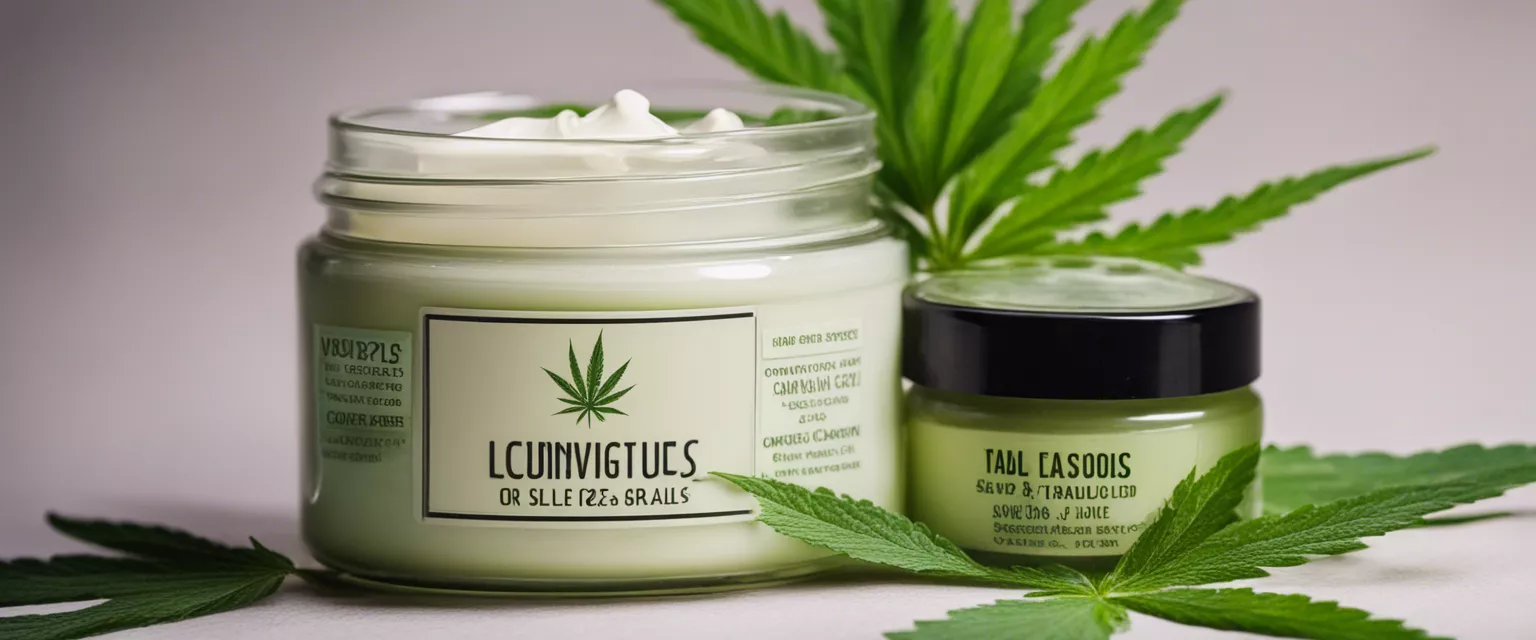
Cannabis topicals represent a unique category of products designed for external application to the skin, delivering localized relief without psychoactive effects through lotions, balms, salves, patches, and other formulations. This non-intoxicating approach to cannabis therapeutics has revolutionized access for patients seeking relief from pain, inflammation, and skin conditions while avoiding systemic effects. The science behind topicals leverages the skin’s endocannabinoid system, where CB1 and CB2 receptors interact with cannabinoids to produce therapeutic effects without significant bloodstream absorption.
The development of cannabis topicals bridges ancient herbal medicine traditions with modern pharmaceutical science, as cultures worldwide have used cannabis preparations externally for millennia before prohibition interrupted this knowledge. Contemporary formulations combine traditional wisdom with advanced delivery technologies, incorporating cannabinoids into sophisticated bases that optimize penetration, stability, and therapeutic efficacy. From simple home-made salves to pharmaceutical-grade transdermal patches, topicals demonstrate cannabis medicine’s versatility beyond smoking or ingestion.
Market growth in cannabis topicals reflects broader trends toward wellness products, non-psychoactive options, and targeted therapeutic delivery, attracting consumers who might otherwise avoid cannabis due to intoxication concerns. Athletes use topicals for recovery, elderly patients find arthritis relief, and skincare enthusiasts discover anti-inflammatory benefits, expanding cannabis markets beyond traditional demographics. Understanding topical mechanisms, formulation considerations, and therapeutic applications reveals an important frontier in cannabis medicine that challenges stereotypes while providing legitimate therapeutic options for diverse populations.
Cutaneous endocannabinoid system comprises locally expressed CB1 and CB2 receptors throughout skin layers, creating opportunities for targeted therapeutic intervention without systemic effects. CB1 receptors concentrate in nerve fibers, hair follicles, and sebaceous glands, mediating pain sensation and inflammatory responses. CB2 receptors dominate in immune cells including mast cells, macrophages, and keratinocytes, regulating inflammation and immune responses. Endocannabinoids like anandamide and 2-AG are produced locally in skin, maintaining homeostasis. TRPV, PPAR, and other non-cannabinoid receptors also interact with topical cannabinoids. This local system operates independently from central nervous system effects. Skin barrier function limits systemic absorption keeping effects localized. Understanding cutaneous ECS guides formulation strategies for specific conditions. Research continues revealing complexity of skin-based cannabinoid signaling.
Penetration enhancement technologies overcome the skin’s natural barrier function, improving cannabinoid delivery to target tissues while maintaining localized effects. Lipophilic cannabinoids require assistance crossing the aqueous portions of stratum corneum. Penetration enhancers like propylene glycol, ethanol, and terpenes temporarily disrupt skin barrier organization. Nano-emulsification creates smaller particles improving absorption through follicular routes. Liposomal encapsulation protects cannabinoids while facilitating membrane fusion. Microemulsions provide thermodynamically stable delivery systems. Chemical modifications like prodrugs improve skin permeation. Physical methods including microneedling or ultrasound enhance penetration for deeper effects. Occlusive dressings increase hydration improving absorption. Balance requires enhancing local delivery without enabling systemic absorption. These technologies significantly improve topical efficacy.
Pharmacokinetics of topical cannabinoids differ dramatically from other routes, with minimal systemic absorption preventing psychoactive effects while maintaining local therapeutic concentrations. Peak local tissue concentrations occur within 45-90 minutes of application. Duration of effects typically extends 2-4 hours necessitating repeated application. Systemic bioavailability remains below 10% even with penetration enhancement. First-pass metabolism further reduces any absorbed cannabinoids. Depot effects in skin provide sustained local release. Individual variations in skin thickness, hydration, and integrity affect absorption. Application site influences penetration with thinner skin areas showing increased absorption. Occlusion or heat increases absorption rates. These unique pharmacokinetics enable targeted therapy without intoxication concerns.
Traditional balms and salves represent the simplest topical formulations, combining cannabis extracts with natural waxes and oils in time-tested preparations. Beeswax provides structure while allowing skin breathing and moisture retention. Coconut oil offers antimicrobial properties and excellent skin penetration. Shea butter adds nourishing vitamins and fatty acids. Essential oils contribute therapeutic properties and pleasant scents. Traditional recipes often include complementary herbs like arnica or calendula. Processing methods range from simple infusions to sophisticated CO2 extracts. Consistency varies from firm balms to softer salves based on wax-to-oil ratios. Preservation relies on vitamin E and natural antimicrobials. These traditional formats appeal to natural product enthusiasts. Simplicity allows home production while commercial versions ensure consistency and potency.
Modern lotions and creams utilize advanced cosmetic chemistry creating elegant formulations with superior texture, stability, and patient acceptance. Oil-in-water emulsions provide light, non-greasy feel preferred for daily use. Water-in-oil formulations offer richer textures for intensive treatment. Emulsifying systems ensure stable cannabinoid distribution throughout products. Humectants like hyaluronic acid enhance skin hydration. Active ingredients including ceramides support barrier function. Preservation systems prevent microbial growth in water-containing formulas. pH optimization ensures skin compatibility and stability. Texture modifiers create luxurious sensory experiences. Packaging in airless pumps maintains stability and prevents contamination. These sophisticated formulations compete with mainstream skincare while delivering cannabis benefits.
Transdermal patches represent pharmaceutical-grade delivery systems designed to achieve systemic effects through controlled cannabinoid release over extended periods. Matrix patches embed cannabinoids in polymer matrices controlling release rates. Reservoir patches contain drug solutions behind rate-controlling membranes. Permeation enhancers enable crossing skin barriers for bloodstream access. Adhesive systems ensure consistent skin contact without irritation. Release kinetics provide steady-state plasma levels avoiding peaks and valleys. Duration ranges from 8-72 hours depending on design. Dose accuracy exceeds other delivery methods. Temperature stability enables convenient storage and transport. Current products target specific ratios like 1:1 THC:CBD. These advanced systems blur lines between topical and systemic delivery.
Pain management through topicals addresses localized discomfort from arthritis, muscle strains, neuropathy, and inflammatory conditions without systemic side effects. Arthritis sufferers report significant joint pain reduction with regular application. Sports injuries respond to anti-inflammatory effects reducing recovery time. Neuropathic pain from conditions like diabetic neuropathy shows improvement. Mechanism involves both cannabinoid receptor activation and TRPV1 modulation. Combination with menthol or capsaicin enhances analgesic effects through counterirritant action. Massage application improves penetration while providing mechanical benefits. Preventive use before activity may reduce exercise-induced inflammation. Patient satisfaction rates exceed many traditional topical analgesics. Absence of systemic effects enables use alongside oral medications. These applications position topicals as first-line therapy for localized pain.
Dermatological applications leverage cannabinoids’ anti-inflammatory, antimicrobial, and sebum-regulating properties for conditions including eczema, psoriasis, and acne. Atopic dermatitis symptoms including itching and inflammation respond to CB2 activation. Psoriasis plaques show reduced scaling and redness with regular application. Acne benefits from sebum regulation and antimicrobial effects. Wound healing accelerates through multiple mechanisms including improved epithelialization. Scar reduction occurs through modulation of fibroblast activity. Anti-aging formulations utilize antioxidant properties combating oxidative stress. Sensitive skin conditions benefit from barrier support and inflammation reduction. Clinical evidence continues accumulating supporting dermatological efficacy. Cosmeceutical applications expand beyond medical indications. These diverse applications establish topicals in dermatology and skincare.
Specialized applications continue emerging as research reveals new therapeutic targets for topical cannabinoid delivery in various medical contexts. Migraine relief through temple application suggests vascular effects. Menstrual cramp products target localized pain and muscle tension. Hemorrhoid preparations reduce inflammation and discomfort. Dental applications for gum disease show antimicrobial benefits. Veterinary topicals address pet arthritis and skin conditions. Sexual wellness products enhance sensation and reduce discomfort. Chemotherapy-induced peripheral neuropathy responds to regular application. Radiation dermatitis prevention and treatment show promise. Post-surgical scar management improves outcomes. These expanding applications demonstrate topicals’ versatility addressing unmet medical needs.
Consumer demographics for topicals reveal broad appeal across age groups, with particular strength among seniors, women, and cannabis-naive individuals seeking therapeutic benefits without intoxication. Elderly populations embrace topicals for arthritis and chronic pain management without cognitive effects. Women represent 60-70% of topical consumers, attracted to skincare benefits and discrete usage. Athletes and fitness enthusiasts adopt recovery-focused products. Cannabis-naive consumers feel comfortable starting with non-psychoactive options. Medical patients unable to smoke or ingest cannabis find accessible alternatives. Pet owners seek topical solutions for animal companions. Healthcare workers restricted from THC use can utilize CBD topicals. Price sensitivity varies with medical users accepting premium pricing for effective relief. These diverse demographics expand cannabis markets beyond traditional consumers.
Regulatory considerations for topicals often differ from other cannabis products, with some jurisdictions treating them more leniently due to minimal psychoactive potential. FDA oversight of cosmetic claims requires careful marketing language avoiding drug claims. State programs may exempt topicals from potency limits applied to other products. Testing requirements focus on contaminants rather than precise cannabinoid ratios. Child-resistant packaging requirements vary based on THC content and perceived ingestion risk. Interstate commerce of hemp-derived topicals faces fewer restrictions than marijuana products. International trade possibilities exist for CBD topicals in certain markets. Medical claims restrictions limit marketing despite therapeutic uses. Good Manufacturing Practices increasingly required for consistency and safety. These regulatory nuances create opportunities and challenges for topical manufacturers.
Retail strategies for topicals emphasize education, sampling, and integration with wellness categories beyond traditional cannabis sections. In-store demonstrations allow customers to experience texture and scent before purchase. Sample sizes enable trial before committing to full-size products. Cross-merchandising with pain relief or skincare sections expands visibility. Budtender training focuses on mechanism education and appropriate recommendations. Point-of-sale materials explain non-psychoactive nature addressing concerns. Gift sets and travel sizes capitalize on discrete, shareable formats. Subscription models build recurring revenue for daily-use products. Online sales where legal expand access beyond dispensary shoppers. Mainstream retail potential exists for hemp-derived versions. These strategies position topicals as accessible wellness products.

