
×
Remove product
Remove item from cart?

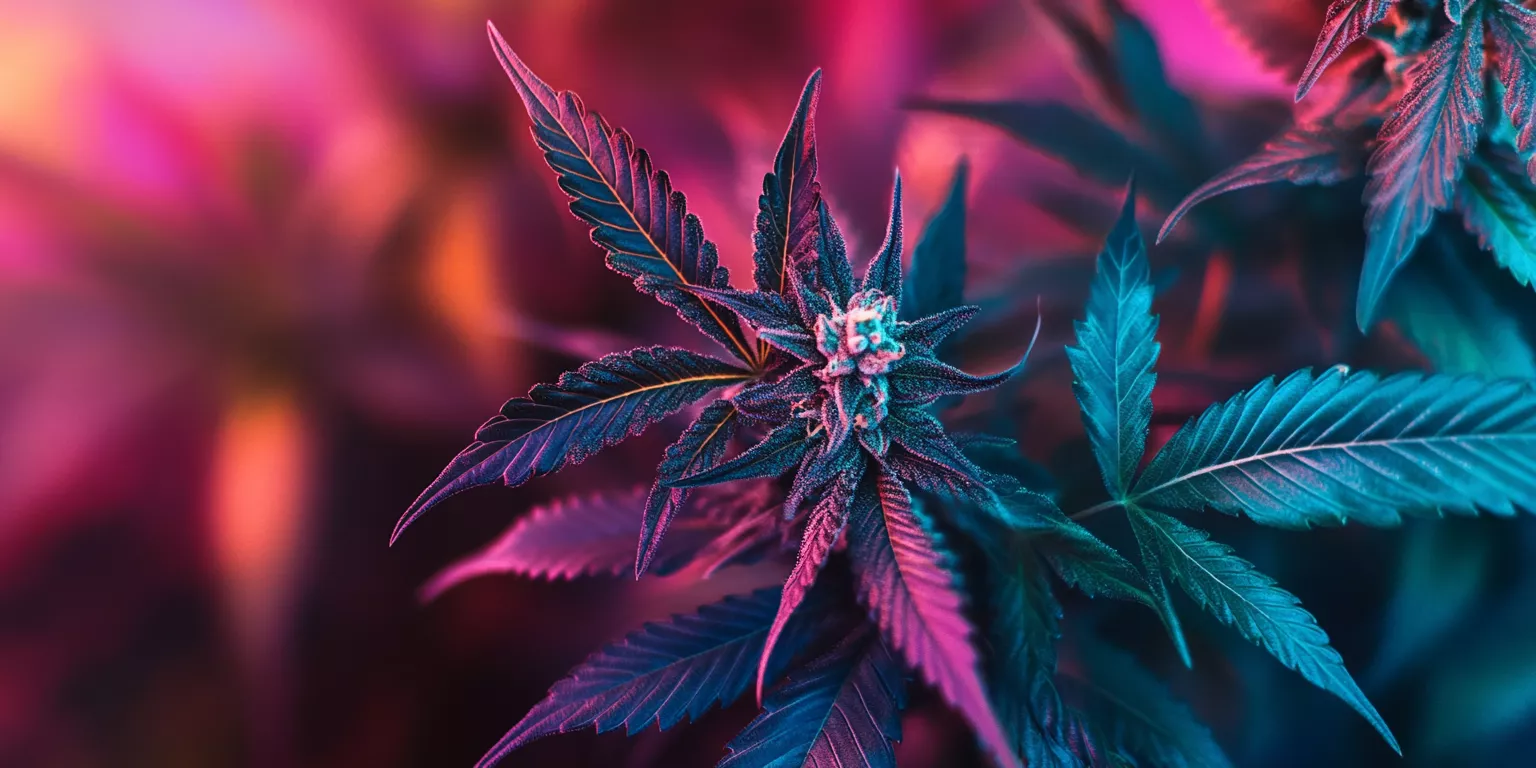
L-theanine, the unique amino acid predominantly found in tea leaves, represents an innovative functional ingredient in cannabis formulations designed to modulate psychoactive effects and enhance therapeutic outcomes. This gamma-glutamylethylamide compound, known for promoting relaxation without sedation, offers cannabis product developers a scientifically-validated tool for addressing common adverse effects like anxiety and cognitive impairment associated with THC consumption. The integration of theanine into cannabis products exemplifies the industry’s evolution toward multi-component formulations that leverage complementary bioactives to optimize user experience and expand therapeutic applications.
The neurological mechanisms of theanine complement cannabis effects through distinct but synergistic pathways, primarily involving increased alpha brain wave activity, GABA system modulation, and subtle effects on dopamine and serotonin. Unlike cannabinoids that directly activate specific receptors, theanine influences neurotransmitter systems that regulate arousal, attention, and stress response. This orthogonal mechanism of action allows theanine to smooth the sometimes jarring edges of THC experiences while potentially enhancing beneficial effects like creativity and focus. Clinical research demonstrating theanine’s ability to reduce caffeine-induced jitters provides a relevant model for its application in cannabis products.
Market adoption of theanine-enhanced cannabis products reflects growing consumer sophistication and demand for predictable, balanced experiences. Products combining theanine with specific cannabinoid ratios target users seeking THC benefits without anxiety or paranoia, expanding the addressable market to include cannabis-curious consumers previously deterred by adverse effects. The ingredient’s natural origin, extensive safety data, and association with mindfulness and tea culture align with wellness-oriented cannabis brands. As the industry continues exploring adjuvant ingredients that enhance or modify cannabis effects, theanine serves as a prime example of evidence-based formulation expanding beyond traditional plant components.
Alpha brain wave enhancement represents theanine’s primary mechanism for creating calm alertness that complements cannabis effects. EEG studies demonstrate increased alpha wave activity (8-12 Hz) within 30-45 minutes of theanine consumption, correlating with relaxed yet focused mental states. This effect contrasts with THC’s tendency to increase beta waves associated with anxiety in sensitive individuals. The combination potentially creates balanced brain wave patterns supporting the creative, contemplative states many cannabis users seek. Dose-dependent effects show 100-200mg theanine optimally enhances alpha activity without excessive sedation.
GABAergic system modulation by theanine provides anxiolytic effects through mechanisms distinct from cannabinoid pathways. While not directly binding GABA receptors, theanine increases GABA production and may enhance receptor sensitivity. This indirect GABAergic activity complements CBD’s allosteric modulation of GABA receptors, potentially creating synergistic anxiolysis. The combination addresses anxiety through multiple pathways, reducing likelihood of tolerance development. Theanine’s additional effects on glutamate balance help maintain excitatory/inhibitory equilibrium disrupted by high THC doses.
Dopaminergic and serotonergic influences of theanine subtly modulate reward and mood pathways affected by cannabis. Theanine shows selective increases in dopamine in specific brain regions associated with cognitive function rather than addiction pathways. This targeted effect may help maintain focus and motivation sometimes impaired by THC. Mild serotonergic activity contributes to mood stabilization without the risks associated with direct serotonin manipulation. These neuromodulatory effects create a neurochemical environment supporting positive cannabis experiences while mitigating potential negative outcomes.
Bioavailability optimization for theanine in cannabis products requires consideration of its water-soluble nature contrasting with lipophilic cannabinoids. Nanoemulsion technologies enable uniform dispersion of both hydrophilic theanine and lipophilic cannabinoids in single formulations. Liposomal encapsulation can incorporate theanine in aqueous cores while cannabinoids reside in lipid bilayers. Solid dispersion techniques create intimate mixtures maintaining stability. Beverage applications naturally suit theanine’s solubility while requiring cannabinoid solubilization strategies. These formulation approaches ensure synchronized absorption for optimal synergistic effects.
Dosing strategies must account for different pharmacokinetics between theanine and cannabinoids to achieve temporal effect alignment. Theanine’s 30-45 minute onset aligns well with sublingual or beverage cannabinoid delivery. For edibles with delayed onset, sustained-release theanine formulations maintain levels during peak cannabinoid effects. Typical doses of 100-200mg theanine balance noticeable effects with cost considerations. Higher doses up to 400mg may benefit high-THC products or sensitive individuals. Ratio optimization studies explore ideal theanine:THC proportions for different user populations and intended effects.
Product format selection influences theanine-cannabis synergy expression and consumer experience. Beverages naturally accommodate theanine given its tea origins, creating familiar consumption rituals. Gummies allow precise dosing of both ingredients with pleasant taste masking. Sublingual formulations enable rapid onset for acute anxiety management. Capsules suit medical users seeking consistent, measured doses. Vaporizable formulations face challenges due to theanine’s thermal instability, limiting inhalation applications. Format selection balances technical feasibility with target market preferences and use occasions.
Anxiety management represents the primary clinical application for theanine-enhanced cannabis products, addressing a significant barrier to cannabis use. Clinical trials demonstrate theanine’s anxiolytic effects at doses of 200-400mg, comparable to benzodiazepines without sedation or dependence risk. Combined with anxiolytic properties of CBD and carefully dosed THC, multi-pathway anxiety reduction occurs. Patient reports indicate reduced cannabis-induced paranoia and social anxiety. The combination particularly benefits medical cannabis patients requiring THC for symptom management but experiencing anxiety side effects. Predictable anxiety reduction expands cannabis accessibility to anxiety-prone populations.
Cognitive enhancement applications leverage theanine’s nootropic properties to counteract THC-related cognitive impairment. Studies show theanine improves attention, reaction time, and working memory—cognitive domains often impaired by THC. The combination may preserve therapeutic benefits while maintaining functional capacity. Creative professionals report enhanced flow states combining cannabis creativity with theanine focus. Students using medical cannabis find improved study capacity. Elderly patients experience less confusion. These cognitive benefits position theanine-cannabis combinations for daytime use and productivity-focused applications.
Sleep quality improvement through theanine addition addresses complex cannabis effects on sleep architecture. While cannabis aids sleep onset, it can disrupt REM sleep and cause grogginess. Theanine promotes sleep quality without suppressing REM, potentially normalizing cannabis-altered sleep patterns. The combination supports falling asleep, staying asleep, and waking refreshed. Dose timing affects outcomes—evening theanine maintains relaxation without morning sedation. Sleep tracking data from users shows improved sleep scores compared to cannabis alone. This application particularly benefits medical cannabis patients using nighttime doses.
Extensive safety data on theanine from decades of tea consumption and supplement use supports its addition to cannabis products. The FDA recognizes theanine as Generally Recognized as Safe (GRAS) with no established upper limit for daily intake. Human studies using doses up to 900mg show no adverse effects. The amino acid structure suggests minimal drug interaction potential. Metabolism occurs through enzymatic hydrolysis to glutamate and ethylamine, both normal metabolites. This robust safety profile contrasts with other anxiolytic compounds, supporting broad consumer use.
Drug interaction assessment reveals minimal concerns for theanine-cannabis combinations. Theanine shows no significant cytochrome P450 enzyme interactions that might affect cannabinoid metabolism. Mild blood pressure reduction from both compounds could theoretically cause hypotension, though clinical significance appears minimal. Theanine may enhance effects of other sedatives, requiring consideration in polypharmacy situations. The lack of receptor binding reduces interaction risks compared to other anxiolytics. Pregnancy and lactation data remain limited, suggesting caution in these populations as with cannabis generally.
Quality considerations for theanine sourcing impact product safety and efficacy. Synthetic L-theanine offers higher purity and consistency than tea extracts which may contain caffeine and other compounds. Enantiomeric purity matters—only L-theanine shows beneficial effects while D-theanine lacks activity. Heavy metal testing ensures safety given potential contamination in botanical sources. Microbiological standards prevent contamination in this nitrogen-rich compound. Identity testing distinguishes theanine from similar amino acids. These quality parameters ensure consistent, safe products meeting pharmaceutical standards.
Consumer education strategies must effectively communicate theanine benefits without making unauthorized health claims. Messaging focusing on “calm focus” and “smooth experience” resonates with cannabis consumers familiar with anxiety issues. Comparison to “cannabis with training wheels” helps novice users understand the buffering effect. Scientific backing differentiates from less-validated additives. Transparency about dosing and effects builds trust. Educational content about tea culture and theanine history provides context. Avoiding medical claims while conveying benefits requires careful marketing language development.
Premium positioning leverages theanine’s association with quality and wellness to support higher price points. The ingredient cost adds $0.10-0.50 per dose depending on quality and quantity. Consumers accepting of functional beverage premiums transfer this willingness to cannabis products. Positioning as “enhanced” or “optimized” cannabis rather than diluted product maintains potency perceptions. Bundle pricing with educational materials justifies costs. Subscription models for daily users provide value while ensuring consistent supply. Premium packaging reflecting the sophisticated formulation reinforces positioning.
Target demographics for theanine-enhanced cannabis include anxiety-sensitive users, professionals seeking functional benefits, and wellness-oriented consumers. Market research indicates 30-40% of potential cannabis users cite anxiety as a barrier to consumption. Professional demographics value cognitive preservation during cannabis use. Wellness consumers appreciate natural, clinically-backed ingredients. Women show higher interest in anxiety-reducing formulations. Older adults seek gentler cannabis experiences. These overlapping demographics create substantial market opportunity for properly positioned products.
Research directions explore optimizing theanine-cannabinoid-terpene interactions for targeted effects. Studies investigating theanine with specific terpene profiles may reveal enhanced synergies—linalool‘s relaxation potentially amplified by theanine. Minor cannabinoid interactions remain unexplored, with CBG’s focus-enhancing properties potentially complementing theanine. Pharmacokinetic studies optimizing absorption synchronization improve effect reliability. Brain imaging research elucidating combined neural effects guides formulation. Clinical trials for specific conditions like PTSD or social anxiety validate therapeutic applications. This research foundation supports evidence-based product development.
Personalization technologies enable matching theanine doses to individual sensitivity and cannabis tolerance. Genetic testing for COMT polymorphisms affecting anxiety and cannabis response could guide theanine dosing. Wearable devices monitoring stress biomarkers allow real-time optimization. Machine learning algorithms predict ideal theanine:cannabinoid ratios from user feedback. Adaptive products adjusting ratios based on time of day or activity enhance utility. This personalization transforms one-size-fits-all products into individually optimized solutions maximizing benefits while minimizing adverse effects.
The future of theanine in cannabis likely involves sophisticated integration into multi-component formulations targeting specific outcomes and user populations. Regulatory acceptance of theanine as safe additive facilitates mainstream adoption. Clinical validation of benefits supports medical recommendations. Consumer education advances from basic awareness to nuanced understanding of optimization strategies. Biotechnology potentially enables novel theanine analogs with enhanced properties. As cannabis products evolve toward pharmaceutical sophistication, theanine exemplifies how traditional botanical compounds can be scientifically integrated to enhance and refine cannabis experiences, ultimately expanding the plant’s therapeutic potential while improving safety and accessibility.

