
×
Remove product
Remove item from cart?

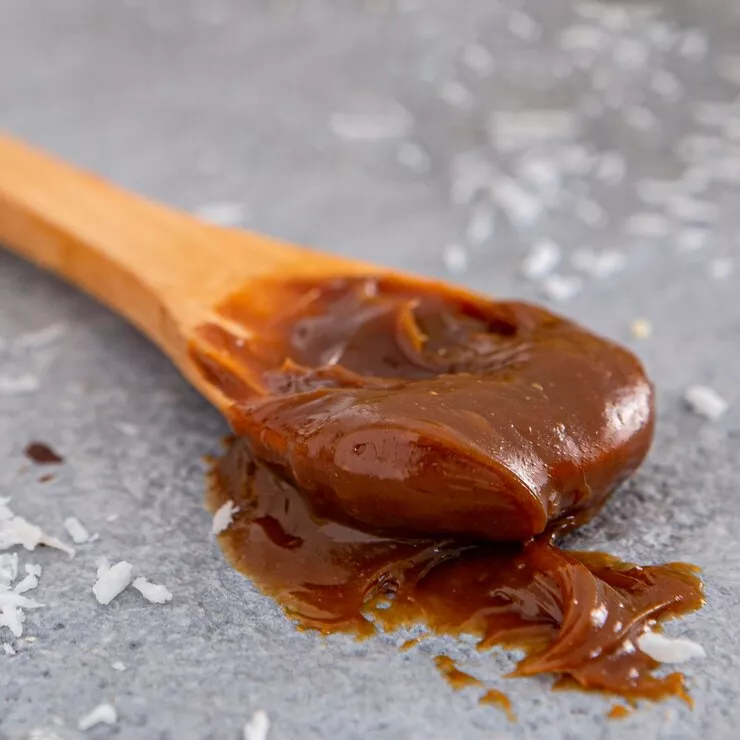
Taffy represents a unique concentrate consistency characterized by its stretchy, pliable texture that can be pulled and manipulated like its candy namesake, offering an ideal balance between stability and workability. This distinctive texture emerges from specific combinations of cannabinoids, residual solvents, and terpenes that create a semi-solid state allowing for easy handling while maintaining potency and flavor. The development of taffy consistency marked an important milestone in concentrate evolution, as extractors learned to manipulate post-processing conditions to achieve textures that addressed common complaints about both rigid shatter and messy oils.
The science behind taffy consistency involves careful control of temperature, agitation, and atmospheric exposure during the purging and finishing stages of concentrate production, creating partial crystallization within a malleable matrix. Unlike shatter that maintains a glassy amorphous state or sugar that fully crystallizes, taffy exists in an intermediate phase where microscopic crystals form within a viscous medium. This unique molecular arrangement provides the stretch and pull characteristics while preventing the brittleness of shatter or the graininess of sugar, making taffy particularly appealing for consumers who value easy handling and consistent dosing.
Contemporary taffy products occupy a specific niche in concentrate markets, appealing to users who appreciate the practical advantages of a texture that won’t shatter when dropped yet remains stable enough for easy storage and transport. The consistency has gained particular popularity in medical markets where patients with limited dexterity find taffy easier to manipulate than other concentrate forms. Understanding taffy’s production requirements, optimal handling conditions, and market positioning reveals how texture innovations continue to drive product differentiation in mature cannabis markets where basic potency and flavor no longer sufficiently distinguish offerings.
Temperature manipulation during purging creates the specific conditions necessary for taffy formation, requiring precise control within narrow ranges that promote partial crystallization while maintaining overall plasticity. Initial purging at standard temperatures (85-110°F) removes bulk solvents, followed by specific temperature cycling that encourages controlled nucleation. Cooling phases allow crystal formation while warming periods maintain matrix fluidity, creating the characteristic stretch. Temperature ramp rates critically influence final texture, with gradual changes producing smoother taffy while rapid shifts create grainier consistencies. Ambient temperature finishing allows molecular reorganization into stable taffy form. Some processors use proprietary temperature profiles developed through extensive experimentation. Digital controllers enable reproducible temperature curves ensuring consistency. Understanding thermal dynamics throughout processing enables intentional taffy creation rather than accidental achievement.
Agitation methods during taffy production range from simple whipping to complex folding techniques that incorporate air and distribute forming crystals throughout the concentrate matrix. Hand-whipping with dab tools introduces controlled amounts of air while allowing tactile feedback about consistency development. Mechanical mixers provide consistent agitation but risk over-working material into butter consistency. Folding techniques borrowed from candy making create layers within taffy enhancing visual appeal. Timing of agitation relative to temperature changes dramatically affects outcomes. Some processors use ultrasonic agitation claiming superior crystal distribution. The degree of agitation influences opacity, with more working creating lighter colors. Strain-specific responses to agitation require adjusted techniques for consistent results. These mechanical manipulations transform simple extracts into complex taffy textures.
Atmospheric control during taffy formation influences oxidation rates, terpene retention, and final consistency through management of pressure, humidity, and gas composition. Vacuum environments during initial processing prevent premature oxidation while removing solvents efficiently. Controlled atmosphere introduction during texture development can influence crystallization patterns. Nitrogen blanketing preserves terpenes while preventing oxidative degradation. Humidity levels affect final texture with dry conditions promoting brittleness while excess moisture creates instability. Some processors claim specific gas mixtures optimize taffy formation though evidence remains anecdotal. Pressure cycling may encourage crystal reorganization though mechanisms remain unclear. Environmental monitoring throughout production ensures reproducible conditions. These atmospheric considerations add complexity but enable superior product consistency.
Viscoelastic behavior of taffy concentrates demonstrates unique mechanical properties combining viscous flow with elastic recovery, creating the signature stretch and snap characteristics. Stress-strain curves show initial elastic deformation followed by plastic flow at higher stresses. Temperature strongly influences mechanical properties with warming increasing flow while cooling enhances elasticity. Strain rate sensitivity means rapid pulling creates different behavior than slow stretching. Recovery after deformation depends on temperature and time scales. Rheological measurements quantify flow properties enabling process optimization. Molecular weight distribution of components influences viscoelastic balance. Crystalline content provides structure while amorphous regions enable flow. These complex mechanical behaviors distinguish taffy from other concentrate consistencies.
Stability characteristics of properly made taffy show excellent resistance to further texture changes under normal storage conditions, maintaining consistency for extended periods. Temperature cycling resistance exceeds shatter which may sugar out or oils which can separate. Oxidation proceeds slowly due to reduced surface area compared to whipped butters. Terpene retention benefits from semi-solid matrix reducing evaporation. Package stability improves as taffy maintains shape without flowing or sticking. Long-term storage may show gradual hardening but rarely complete texture loss. Strain-specific stability varies with some maintaining taffy consistency indefinitely while others evolve. Moisture absorption resistance prevents common storage failures. These stability advantages position taffy as premium option for extended storage needs.
Handling properties of taffy concentrates provide significant advantages over other consistencies, enabling easy portioning, clean tool interaction, and minimal waste during consumption. Room temperature malleability allows pinching off desired amounts without tools. Cooling briefly enhances handling for precise portioning. Tool adhesion remains minimal compared to sappy consistencies reducing waste. Temperature tolerance during handling exceeds shatter’s brittleness or oil’s messiness. Portion consistency improves dosing accuracy for medical users. Travel durability surpasses fragile or runny alternatives. Minimal residue remains on containers or tools after use. These practical advantages drive consumer preference beyond mere novelty.
Medical market adoption of taffy consistencies reflects patient needs for easily manipulated concentrates accommodating various physical limitations while maintaining dosing accuracy. Arthritis patients appreciate taffy’s room temperature workability avoiding heating requirements. Tremor conditions benefit from forgiving texture tolerating imprecise movements. Portion control improves with visual and tactile feedback during separation. Stability enables pre-portioning for consistent dosing schedules. Travel compliance improves with leak-resistant consistency. Caregiver administration simplifies with easy handling properties. Patient feedback consistently favors taffy over difficult alternatives. Medical dispensaries increasingly stock taffy options recognizing therapeutic advantages. These medical applications validate taffy beyond recreational preferences.
Recreational positioning of taffy emphasizes the premium experience combining optimal flavor preservation with convenient handling, appealing to discerning consumers. Marketing narratives focus on artisanal production techniques suggesting careful attention. Strain-specific taffy preserves unique characteristics better than homogenized oils. Social consumption benefits from easy sharing and portioning. Flavor evolution during consumption as temperature changes create dynamic experiences. Visual appeal of stretched taffy provides Instagram-worthy content. Premium pricing reflects production complexity and superior handling. Limited edition taffy releases create collector interest. Brand differentiation through signature taffy techniques builds loyalty. These positioning strategies establish taffy within luxury concentrate segments.
Product integration opportunities for taffy extend beyond standalone concentrates into infused pre-rolls, moon rocks, and other value-added products leveraging its unique properties. Pre-roll enhancement using taffy maintains structural integrity better than oils. Moon rock production benefits from taffy’s adhesive properties binding layers. Vape cartridge formulation potentially uses taffy-derived materials for consistency. Edible applications explore taffy-inspired textures in cannabis confections. Topical products investigate taffy consistency for improved application. Combination products layering taffy with other textures create novel experiences. Research into taffy-specific consumption devices optimizes user experience. These integration opportunities expand taffy applications beyond traditional dabbing.
Strain selection for optimal taffy production identifies cultivars with cannabinoid and terpene profiles naturally suited to achieving desired consistency without extensive manipulation. High THCA strains with moderate terpene content (5-8%) often produce excellent taffy. Specific terpene profiles influence texture with some promoting plasticity while others encourage brittleness. Harvest timing affects precursor ratios impacting taffy formation potential. Fresh frozen material may produce different taffy characteristics than cured flower. Genetic consistency ensures reproducible taffy production reducing process variables. Some processors maintain proprietary strain lists for reliable taffy creation. Testing throughout cultivation identifies optimal harvest windows. Understanding strain-specific responses enables targeted cultivation for taffy production.
Process refinement for consistent taffy requires systematic optimization of each production stage from extraction through final texture development. Extraction parameters influence initial oil characteristics affecting downstream texture potential. Winterization decisions impact wax content altering mechanical properties. Purging protocols must balance solvent removal with terpene preservation. Temperature profiling refinement through iterative testing optimizes results. Documentation enables process reproduction and troubleshooting. Equipment calibration ensures parameter accuracy across batches. Staff training emphasizes critical control points affecting texture. Quality control at each stage prevents downstream issues. These refinements transform taffy from accidental outcome to intentional product.
Innovation opportunities in taffy development explore novel processing techniques, hybrid textures, and enhanced functionality pushing beyond current limitations. Ultrasonic texture modification might create unique crystal structures. Pressure manipulation during formation could influence mechanical properties. Terpene reintroduction post-texturing might enhance flavor without affecting consistency. Nano-structuring potentially improves bioavailability while maintaining texture. Hybrid taffy-sugar combinations offer textural complexity. Functional additives like vitamins might integrate without disrupting consistency. Smart packaging could indicate optimal handling temperatures. Strain-specific optimization protocols enhance natural characteristics. These innovations suggest significant development potential within established taffy framework.

