
×
Remove product
Remove item from cart?

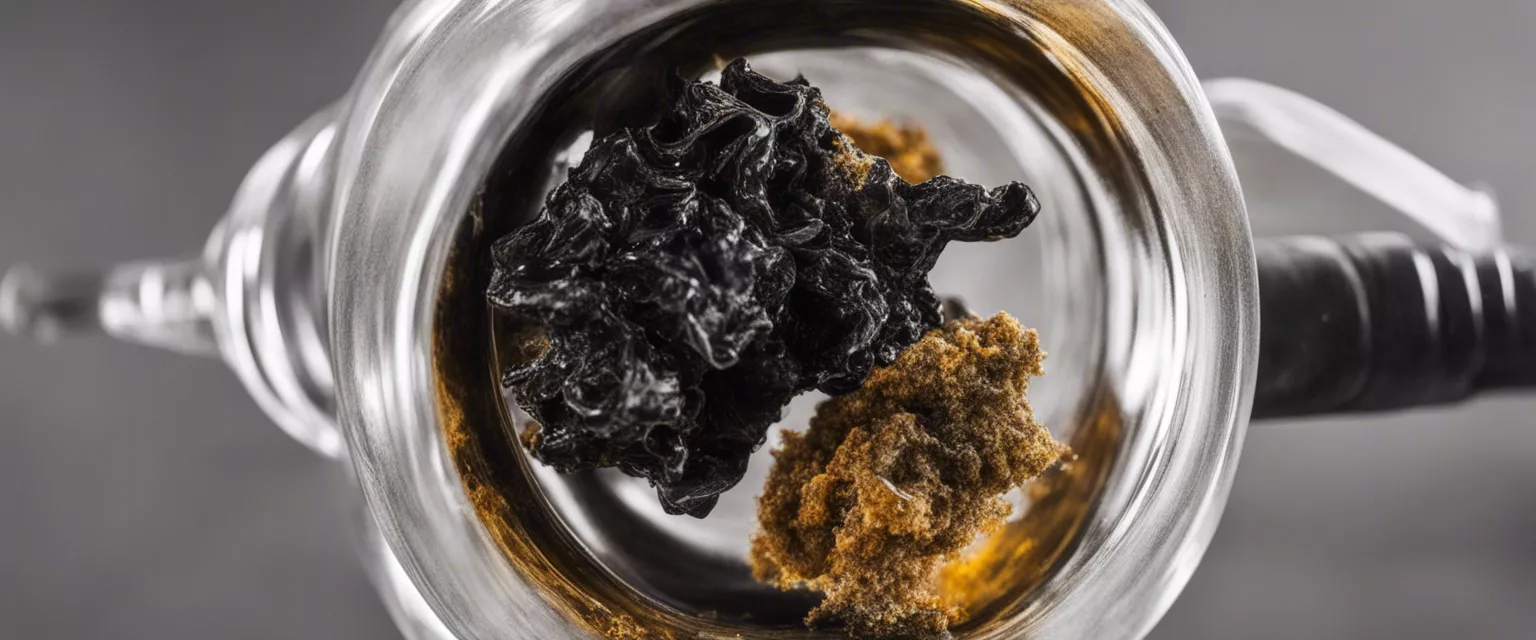
A resin hit refers to the practice of smoking the concentrated residue that accumulates in pipes, bongs, and other cannabis smoking devices, representing a controversial last-resort consumption method when fresh flower is unavailable. This dark, tar-like substance consists of combustion byproducts, concentrated cannabinoids, ash, and various particulates that condense on device surfaces during regular use. While containing active THC and other cannabinoids, pipe resin also harbors significantly higher concentrations of harmful compounds compared to fresh cannabis, making resin hits a practice born of scarcity rather than preference. The phenomenon reveals important aspects of cannabis consumption patterns, from economic constraints to dependency behaviors.
The practice of taking resin hits occupies a unique position in cannabis culture, simultaneously representing resourcefulness and desperation, often marking the distinction between casual use and problematic consumption patterns. During prohibition eras and in regions with limited access, resin hits provided a way to extend cannabis supplies when acquisition proved difficult or dangerous. The harsh, acrid smoke and intense, often unpleasant effects create experiences vastly different from fresh flower consumption, yet some users develop preferences for resin’s concentrated effects. This dichotomy between necessity and choice illuminates complex relationships between availability, tolerance, and consumption behaviors in cannabis communities.
Understanding resin hits requires examining not just the chemical composition and health implications, but also the socioeconomic factors that drive this practice and what it reveals about cannabis access, addiction potential, and harm reduction needs. As legal markets expand and cannabis becomes more accessible, resin hit frequency serves as an informal metric for market penetration and affordability. The practice raises important questions about cannabis dependency, as regular resin consumption often indicates problematic use patterns or economic constraints preventing normal acquisition. Public health perspectives on resin hits emphasize harm reduction approaches while acknowledging the practice’s persistence despite known risks.
Combustion byproduct analysis reveals pipe resin contains significantly higher concentrations of polycyclic aromatic hydrocarbons (PAHs), carbon monoxide precursors, and other toxic compounds compared to fresh cannabis smoke. The repeated heating and cooling cycles concentrate harmful substances as vapor condenses on pipe surfaces. Tar content in resin can exceed 50% by weight, compared to 15-20% in fresh cannabis smoke. Benzene, toluene, and naphthalene levels increase dramatically through concentration effects. Ammonia and hydrogen cyanide precursors accumulate from incomplete combustion. Heavy metals from lighter fluids and screen materials may concentrate in resin. Fungal and bacterial contamination often occurs in moist resin environments. The chemical profile resembles cigarette tar more than cannabis flower. These concentrated toxins pose substantially higher health risks than fresh consumption.
Cannabinoid degradation within pipe resin creates complex profiles of partially oxidized compounds with altered psychoactive properties and potentially harmful metabolites. THC degrades to cannabinol (CBN) through oxidation, creating sedative rather than euphoric effects. Delta-8-THC forms through isomerization in acidic resin conditions. Unknown degradation products form through repeated heat exposure. Terpenes completely degrade or transform into potentially harmful compounds. CBD and other cannabinoids undergo similar degradation cascades. The entourage effect disappears as minor compounds break down. Psychoactive potency varies unpredictably based on resin age and formation conditions. Some users report anxiety and paranoia from degraded cannabinoid profiles. This chemical instability makes dosing impossible and effects unpredictable.
Particulate matter concentration in resin includes ash, plant material, and environmental contaminants creating additional respiratory hazards beyond chemical toxins. Microscopic analysis reveals diverse particulates including carbonized plant fragments, dust, hair, and skin cells. Metal particles from screens and tools embed in resin matrices. Butane residues from lighter use accumulate over time. Pesticide residues concentrate through repeated exposure if present in source material. Mold spores and bacteria thrive in moist resin environments. These particulates cause additional lung irritation beyond chemical effects. Larger particles may trigger coughing fits and bronchial spasms. Chronic exposure to concentrated particulates increases respiratory disease risks. The heterogeneous nature of resin makes contamination levels unpredictable.
Scraping techniques for resin collection range from simple paper clip manipulation to specialized tools, with methods affecting both yield and contamination levels of the final product. Metal tools risk introducing additional particulates through scraping action. Heating devices before scraping softens resin for easier collection but increases toxic vapor exposure. Some users freeze pipes to make resin brittle and easier to chip away. Alcohol dissolution followed by evaporation concentrates resin but may leave solvent residues. Boiling water baths loosen resin while potentially extracting water-soluble toxins. Ultrasonic cleaners efficiently remove resin but aren’t typically available. Collection methods influence final resin consistency from powder to tar-like masses. Tool cleanliness dramatically affects contamination levels. These techniques reflect desperation-driven innovation in resource extraction.
Smoking methods for resin consumption require different approaches than flower due to density, moisture content, and burning characteristics of concentrated residues. Direct flame application often results in harsh, uncontrollable combustion and wasted material. Indirect heating through hot knives or specialized pipes provides more controlled vaporization. Mixing resin with ash or herb material improves burning properties. Some users create resin “snakes” for easier handling and consistent burning. Water filtration becomes essential due to increased harshness. Multiple heating cycles may be needed for complete consumption. Temperature control proves difficult with dense resin masses. Incomplete combustion increases toxic byproduct formation. These consumption challenges reflect resin’s fundamental unsuitability for smoking.
Alternative consumption approaches for pipe resin include various extraction and purification attempts, though none eliminate the fundamental health hazards of concentrated combustion byproducts. Ethanol extraction can remove some water-soluble toxins while concentrating cannabinoids. Activated carbon filtration might reduce some harmful compounds. Vaporization at controlled temperatures could minimize additional combustion byproduct formation. Some users attempt “cleaning” resin through repeated dissolution and precipitation. Edible preparation faces challenges from taste and unknown toxin profiles. Topical applications have been attempted despite lack of transdermal cannabinoid penetration. These alternatives represent harm reduction attempts rather than safe consumption methods. No processing method can restore resin to fresh cannabis safety levels.
Acute respiratory effects from resin hits include immediate irritation, coughing fits, bronchial spasms, and potential triggering of asthma attacks in susceptible individuals. The concentrated irritants cause immediate burning sensations in throat and lungs. Coughing often becomes uncontrollable, potentially causing vomiting or fainting. Bronchial constriction reduces oxygen flow, causing dizziness and anxiety. Particulate matter triggers inflammatory responses in airways. Some users experience temporary voice loss from throat irritation. Chest tightness and pain commonly follow resin consumption. Increased mucus production attempts clearing irritants. Recovery may take hours to days depending on exposure severity. These acute effects deter many from repeated resin use despite cannabinoid content.
Chronic respiratory implications of regular resin consumption parallel and potentially exceed risks associated with long-term tobacco use due to concentrated toxin exposure. Chronic bronchitis develops from repeated irritation and inflammation. Emphysema risk increases with long-term particulate exposure. Reduced lung capacity affects exercise tolerance and daily activities. Chronic cough becomes persistent even between use sessions. Increased respiratory infection susceptibility results from compromised lung defenses. Potential cancer risks from concentrated carcinogens require further study. Irreversible lung damage may occur with extended use. Young users face particular risks during lung development periods. These long-term consequences often manifest years after cessation. Medical professionals increasingly recognize resin hits as significant respiratory risk factors.
Cardiovascular strain from resin hit consumption exceeds normal cannabis use due to carbon monoxide concentration and acute stress responses to harsh smoke. Heart rate spikes beyond typical cannabis increases due to respiratory distress. Blood pressure elevations result from vasoconstriction and stress hormones. Carbon monoxide binding reduces oxygen carrying capacity significantly. Arrhythmia risks increase in predisposed individuals. Panic responses to intense effects compound cardiovascular stress. Chronic use may contribute to arterial disease through oxidative stress. Recovery times extend beyond normal cannabis effects. Pre-existing heart conditions face particular exacerbation risks. These cardiovascular effects add to overall health burden of resin consumption. Emergency room visits occasionally result from severe cardiovascular responses.
Poverty correlations with resin hit frequency reveal how economic constraints drive harmful consumption practices, highlighting cannabis access as both public health and social justice issue. Low-income users resort to resin when funds prevent fresh flower purchase. Minimum wage workers may stretch supplies through resin consumption between paychecks. Unemployment and underemployment increase resin hit likelihood. Housing instability affects ability to maintain fresh supplies. Food versus cannabis budget decisions drive conservation behaviors. Medical users without insurance face particular access challenges. Rural poverty compounds access issues through limited availability. Economic downturns correlate with increased resin consumption reports. These patterns demonstrate how prohibition and high legal prices perpetuate harmful practices among vulnerable populations.
Access barriers beyond simple affordability include geographic isolation, transportation limitations, and social factors that make resin hits practical despite health knowledge. Rural areas lacking dispensaries force long travel for legal cannabis. Transportation costs add significantly to cannabis prices for some users. Disability preventing travel makes regular acquisition difficult. Social anxiety or stigma may limit dispensary visits. Dealer relationship loss leaves users with accumulated resin only. Legal market age restrictions affect young medical users. Immigration status fears prevent some from legal purchases. Work schedules conflicting with dispensary hours create access gaps. These multifaceted barriers explain resin hit persistence beyond pure economic factors.
Underground market dynamics historically normalized resin hits during scarcity periods, creating cultural acceptance that persists despite increased availability in some communities. Prohibition-era scarcity made resource maximization socially acceptable. Dealer “dry spells” forced creative consumption methods. Community sharing included resin when flower unavailable. Prison and jail cultures developed extensive resin utilization practices. Military deployment created similar scarcity-driven behaviors. These historical patterns established resin hits within acceptable practice ranges. Generational transmission of conservation techniques includes resin use. Some communities view waste as worse than health risks. Understanding these cultural factors helps explain practice persistence despite education efforts.

