
×
Remove product
Remove item from cart?

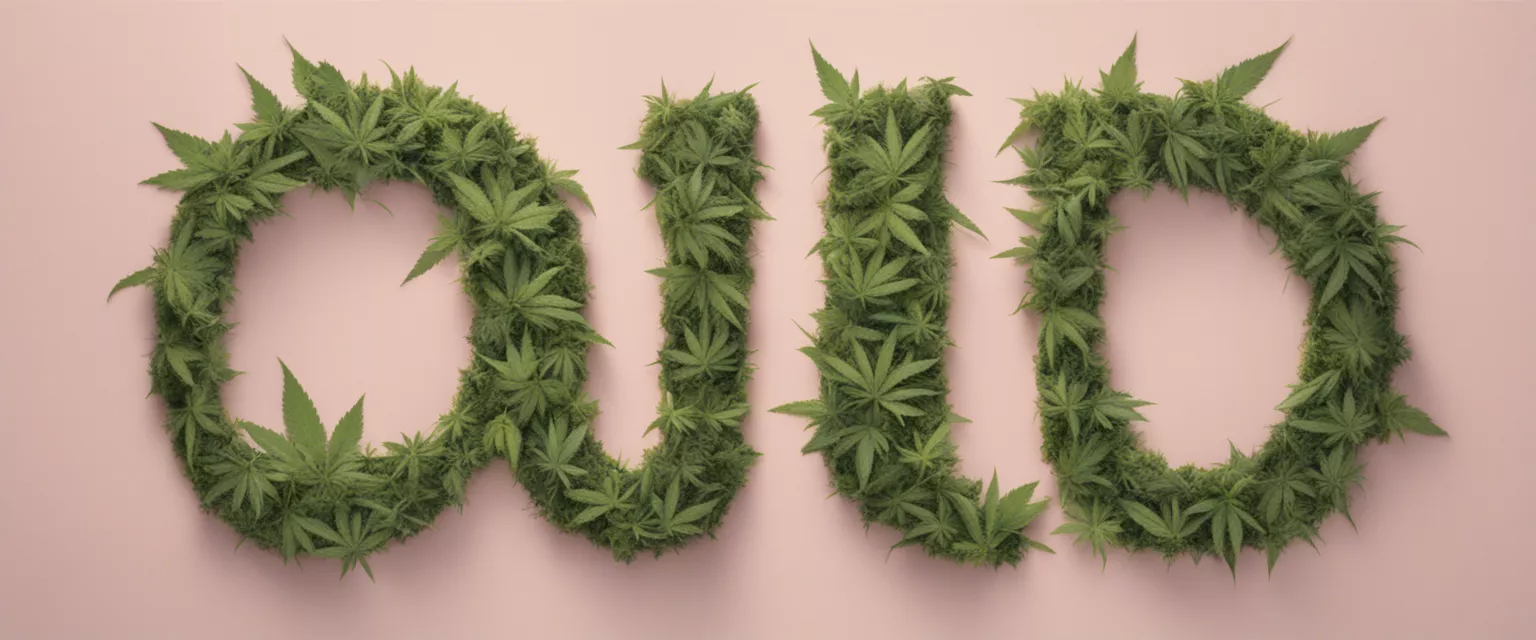
Ouid emerges as a playful linguistic evolution of “weed,” representing the dynamic nature of cannabis slang and demonstrating how digital communication, meme culture, and generational identity shape language development within cannabis communities, creating new terms that serve both practical communication needs and cultural signaling functions. This phonetic respelling, pronounced identically to “weed” but with French-influenced orthography, originated in online spaces where creative spelling variations distinguish in-group members while evading automated content filters and maintaining plausible deniability in contexts where direct cannabis references might face censorship or legal scrutiny. The term’s adoption reflects broader patterns in internet-mediated language change where communities develop distinctive vocabularies that strengthen group identity while adapting to platform constraints and social pressures.
The transformation from “weed” to “ouid” parallels similar linguistic innovations across digital subcultures, where alternative spellings create layers of meaning beyond simple substitution, encoding generational identity, cultural sophistication, and ironic distance from mainstream terminology. Young cannabis consumers particularly embrace “ouid” as a marker of contemporary cannabis culture distinct from older generations’ terminology, similar to how “za” emerged as slang for pizza among the same demographic. The French-seeming spelling adds cosmopolitan flair while maintaining accessibility, creating an inclusive exclusivity that welcomes those “in the know” while remaining comprehensible to broader audiences through context.
Understanding ouid’s emergence and usage provides insights into how cannabis culture continuously reinvents itself through language, responding to changing legal landscapes, platform policies, and generational shifts while maintaining continuity with historical traditions of coded communication developed under prohibition. The term’s rapid spread through TikTok, Twitter, and other social platforms demonstrates how digital natives shape cannabis discourse, creating new linguistic norms that older industry stakeholders must navigate to remain culturally relevant. This linguistic evolution reflects broader transformations in cannabis culture from counterculture resistance to mainstream integration, with playful terms like “ouid” helping normalize discussion while maintaining subcultural distinctiveness.
Phonetic transformation from “weed” to “ouid” follows established patterns in digital language evolution where visual similarity combines with pronunciation retention to create novel forms that satisfy multiple communication constraints simultaneously. The “w” to “ou” substitution mimics French orthography without requiring French pronunciation, creating visual distinctiveness while maintaining spoken clarity essential for verbal communication. This transformation exemplifies eye dialect, where non-standard spelling represents standard pronunciation, serving social rather than phonetic functions. The retained final “d” prevents confusion with French “oui,” maintaining English phonological patterns while borrowing Continental aesthetic. Such precise calibration reveals sophisticated linguistic intuition among term creators.
Morphological productivity of “ouid” enables derivative formations following English word-formation rules, with variants like “ouided” (high), “ouid-head” (stoner), and “ouidy” (weed-like) demonstrating the term’s integration into productive linguistic patterns. The base form’s compatibility with standard affixation processes indicates deeper adoption than simple lexical substitution would suggest. Compound formations like “ouid-man” (dealer) and “ouid-pen” (vape) show natural extension into cannabis-specific contexts. The term’s morphological behavior mirrors established slang patterns, suggesting potential longevity beyond temporary meme status. This linguistic flexibility enables creative expression while maintaining comprehensibility within cannabis discourse communities.
Semantic associations of “ouid” extend beyond simple synonym status to encode specific cultural meanings related to youth culture, digital nativity, and casual attitudes toward cannabis consumption contrasting with medical or connoisseur discourse. The term carries connotations of playfulness and irreverence absent from clinical “cannabis” or traditional “marijuana,” positioning users within specific subcultural frameworks. Usage patterns reveal preference in casual, social contexts rather than professional or medical discussions, maintaining register distinctions important for appropriate communication. The semantic narrowing from general “weed” to youth-associated “ouid” demonstrates how communities create specialized vocabularies encoding social information beyond denotative meaning.
Generational markers embedded in “ouid” usage distinguish Gen Z cannabis consumers from Millennial and older demographics, with term adoption serving as linguistic shibboleth identifying digital natives comfortable with fluid online/offline identity management. The rejection of established terminology like “pot,” “grass,” or even “weed” signals generational distance from both hippie and hip-hop cannabis cultures, establishing new cultural space aligned with contemporary values. Usage patterns correlate with other Gen Z linguistic innovations including “bussin,” “no cap,” and “fr fr,” creating coherent generational dialect. The term’s emergence during cannabis legalization’s expansion suggests connection between linguistic innovation and reduced stigma among younger consumers. This generational differentiation through language parallels historical patterns of youth slang development.
Social media contexts shape “ouid” usage patterns, with platform-specific adaptations demonstrating how technical affordances and community norms influence linguistic evolution in digital spaces where cannabis content faces varying restriction levels. TikTok’s algorithm-driven discovery encourages creative spelling to evade content filters, making “ouid” functional for reaching audiences while avoiding shadow-banning. Twitter’s character limits favor short, distinctive terms that pack cultural meaning efficiently. Instagram’s visual emphasis pairs “ouid” with aesthetic imagery appealing to lifestyle-focused cannabis consumers. Platform-specific usage norms emerge, with “ouid” appearing more frequently in casual contexts than educational or activist content. These adaptations reveal how digital infrastructure shapes linguistic innovation.
Ironic distance achieved through “ouid” usage allows speakers to acknowledge cannabis consumption while maintaining detachment from stoner stereotypes, enabling identity management in contexts where full embrace of cannabis culture might carry social costs. The term’s playful nature deflects serious drug discourse while acknowledging reality of consumption, threading needle between denial and celebration. Professional young adults particularly employ “ouid” to discuss cannabis without invoking corporate concern or parental judgment. The ironic register permits code-switching between cannabis-positive spaces and mainstream contexts requiring discretion. This linguistic strategy reflects sophisticated navigation of cannabis’s liminal legal and social status during transition from prohibition to acceptance.
Algorithm evasion represents primary functional driver for “ouid” adoption, as social media platforms implement automated content moderation systems scanning for drug-related terms that might violate community guidelines or advertiser preferences. Creative spelling variations exploit gaps between human linguistic competence and machine pattern recognition, allowing cannabis content to circulate more freely than posts using standard terminology. The arms race between content creators and platform moderation drives continuous linguistic innovation, with “ouid” representing successful adaptation that maintains communicative function while reducing algorithmic visibility. This practical necessity transforms into cultural practice as communities adopt evasion techniques as identity markers. The technical constraints of digital platforms thus directly shape linguistic evolution.
Meme ecology surrounding “ouid” demonstrates how internet humor accelerates linguistic spread through viral content that embeds new terms in memorable, shareable formats that traditional word-of-mouth transmission cannot match. Image macros featuring “ouid” in various contexts create visual associations strengthening term recognition and recall, while video memes on TikTok demonstrate pronunciation and usage in naturalistic contexts. The term’s meme-ability stems from its visual distinctiveness and phonetic familiarity creating cognitive tension resolved through humor. Remix culture enables endless variations maintaining term relevance across changing meme cycles. This digital folklore tradition represents new form of linguistic transmission unique to internet age.
Cross-platform migration patterns reveal how “ouid” spreads between digital communities, with initial emergence on youth-dominated platforms preceding adoption in broader cannabis spaces, demonstrating hierarchical diffusion through digital networks. Early adoption on TikTok among teenage users preceded Twitter embrace by young adults, followed by gradual Instagram integration and eventual Reddit documentation in cannabis communities. Each platform transition involves subtle usage adaptations reflecting community norms and technical constraints. The term’s movement maps onto user demographics and platform cultures, revealing how digital spaces maintain distinct linguistic environments despite interconnection. This migration process illuminates how internet-mediated language change operates across fragmented but linked communities.
Language legitimacy debates surrounding “ouid” reflect broader tensions between descriptive and prescriptive approaches to cannabis terminology, with established industry stakeholders sometimes resisting youth-driven linguistic innovation as unprofessional or trivializing. Traditional cannabis advocates argue terms like “ouid” undermine efforts to establish cannabis as legitimate medicine requiring serious terminology, while younger speakers view such criticism as gatekeeping that perpetuates hierarchies within cannabis culture. The conflict reveals competing visions for cannabis’s cultural position, with formal terminology signaling mainstream acceptance while playful terms maintain countercultural spirit. These debates mirror historical linguistic conflicts between standard and vernacular forms across many domains. Resolution requires recognizing multiple registers serve different functions within diverse cannabis communities.
Identity construction through “ouid” usage enables speakers to position themselves within specific intersections of age, digital fluency, and cannabis attitudes, creating nuanced social meanings beyond simple consumption acknowledgment. Young professionals might use “ouid” to signal cannabis normalization while maintaining distance from stereotypes that could impact career prospects. BIPOC youth employ the term to claim space within cannabis culture distinct from both white-dominated industry discourse and criminalized street terminology. LGBTQ+ communities adapt “ouid” within existing linguistic play traditions that celebrate creative language use. These identity intersections demonstrate how single terms accumulate complex social meanings through community usage. The flexibility enables diverse groups to adapt terminology for specific needs.
Future evolution of “ouid” depends on various factors including continued platform restrictions, generational turnover, and cannabis’s changing legal status, with potential paths ranging from mainstream adoption to replacement by newer innovations. Historical patterns suggest youth slang typically faces three fates: mainstream adoption losing original subcultural meaning, preservation within specific communities as identity markers, or replacement by newer terms as subsequent generations assert linguistic independence. “Ouid’s” digital origins may accelerate these processes, with algorithmic detection potentially necessitating rapid replacement. Alternatively, growing cannabis acceptance might reduce need for coded language entirely. The term’s trajectory provides real-time case study in digital-age language change, revealing how online communities shape linguistic evolution in unprecedented ways.

