
×
Remove product
Remove item from cart?

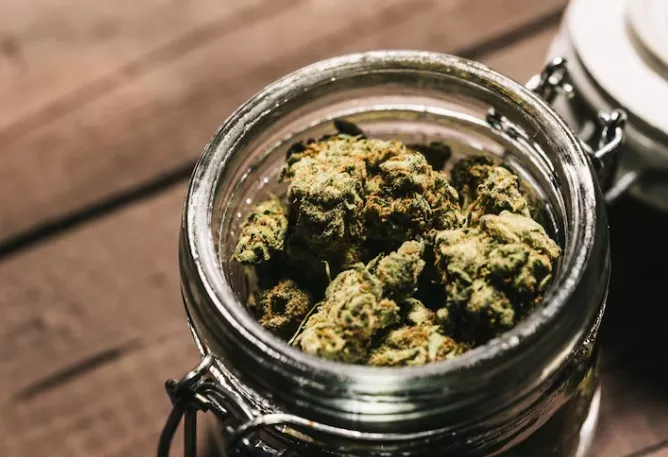
OG stands as perhaps the most influential genetic lineage in modern cannabis, with these three letters representing variously “Ocean Grown,” “Original Gangster,” or simply “Original” depending on who tells the story, yet universally recognized as denoting premium genetics characterized by distinctive fuel-forward aromas, potent effects, and challenging cultivation requirements that separate amateur growers from masters. The mystique surrounding OG’s origins adds to its allure, with competing narratives placing its birth in the early 1990s Southern California cannabis scene, involving legendary figures like Josh D, Bubba, and various members of the Cypress Hill crew who reportedly selected and propagated the original cutting that would reshape cannabis genetics worldwide. Regardless of origin stories, OG’s impact remains undeniable, spawning hundreds of variations including OG Kush, SFV OG, Tahoe OG, and Fire OG, each maintaining core characteristics while expressing unique traits that demonstrate the lineage’s remarkable genetic plasticity.
The defining characteristics that distinguish authentic OG genetics from imitators include a complex terpene profile dominated by fuel, earth, and pine notes with subtle citrus undertones, dense but relatively small flower structure with exceptional trichome coverage, and effects combining powerful cerebral stimulation with deep body relaxation. Cultivation challenges associated with OG varieties include susceptibility to powdery mildew, relatively low yields compared to modern hybrids, extended flowering times, and demanding nutrient requirements that test grower expertise. These difficulties paradoxically enhance OG’s prestige, as successfully cultivating top-shelf OG flowers demonstrates mastery and commands premium prices in discerning markets where authenticity matters more than yield.
Contemporary cannabis culture remains deeply influenced by OG genetics, with new hybrids frequently incorporating OG parentage to capture its distinctive characteristics while attempting to address cultivation challenges through selective breeding. Understanding OG’s history, characteristics, and cultural significance provides essential context for navigating modern cannabis markets where “OG” labeling appears on countless products with varying legitimacy. The evolution from closely-held clone-only varieties to widely available seeds represents both democratization of elite genetics and dilution of original characteristics, creating ongoing debates about authenticity and quality standards in an industry built partially on OG’s legendary reputation.
Origin theories for OG genetics reflect cannabis culture’s oral history traditions, with multiple credible narratives explaining how this revolutionary cultivar emerged from the underground breeding scene to dominate modern markets. The most widely accepted account credits Matt “Bubba” Berger with discovering the original seed in a bag of exceptional cannabis in 1991 Florida, later bringing it to Los Angeles where Josh D and others selected the phenotype that became OG Kush. Alternative histories involve claims of Hindu Kush and Chemdawg parentage, connections to the Grateful Dead touring circuit, or development by secretive Northern California cultivation groups. The truth likely involves elements from multiple stories, reflecting the collaborative yet competitive nature of early cannabis breeding.
Genetic analysis of various OG cuts reveals complex hybridization suggesting multiple ancestral contributors rather than simple two-parent crosses, with markers indicating Afghan, Thai, and potentially Mexican or Colombian heritage integrated through generations of selection. The remarkable consistency across different OG variations suggests either a stabilized true-breeding line or more likely widespread distribution of elite clones maintaining genetic uniformity. Phylogenetic studies place OG within a distinct cluster of fuel-scented varieties including Chemdawg and Sour Diesel, supporting theories of shared ancestry or intensive genetic exchange among early developers. Modern genomic tools continue revealing OG’s genetic architecture, though the absence of verified reference samples from original sources complicates definitive ancestry determination.
Phenotypic variations within the OG family demonstrate remarkable diversity while maintaining recognizable core traits, with expressions ranging from pure indica-dominant structures to surprisingly sativa-leaning effects depending on specific selections and environmental conditions. Classic OG Kush exhibits medium height with strong apical dominance and moderate lateral branching, while variants like SFV OG stretch considerably more and Tahoe OG remains notably compact. Flower development patterns show consistency in bud structure – dense, small to medium-sized nugs with exceptional resin coverage – though coloration varies from bright green to deep purple in temperature-responsive phenotypes. These morphological differences enable experienced cultivators to identify specific OG varieties through vegetative characteristics alone.
Environmental sensitivities of OG varieties demand precise cultivation parameters maintaining narrow temperature and humidity ranges while providing intense lighting and careful nutrient management to achieve characteristic quality. Optimal flowering temperatures between 65-78°F with nighttime drops no greater than 10°F prevent stress-induced hermaphroditism common in OG lines, while humidity control below 50% during flowering reduces powdery mildew susceptibility. Light intensity requirements exceed many modern hybrids, with OG varieties thriving under 1000+ PPFD conditions that would stress other cultivars. Air circulation becomes critical given dense flower structure and resin production creating microenvironments favoring pathogen development without constant fresh air exchange.
Nutrient demands of OG cultivation reflect its vigorous metabolism and heavy resin production, requiring carefully balanced feeding programs avoiding both deficiencies and toxicities that quickly manifest in these sensitive genetics. Calcium and magnesium requirements exceed typical cannabis needs, with many OG growers supplementing throughout the growth cycle to prevent characteristic deficiencies appearing as interveinal chlorosis. Phosphorus and potassium demands spike during flowering, though excessive levels create harsh-smoking flowers lacking OG’s refined characteristics. Organic cultivation methods particularly suit OG varieties, with living soil systems providing buffered nutrient availability that prevents the spikes and crashes affecting hydroponic grows.
Training techniques for OG optimization balance the genetics’ natural growth patterns with spatial efficiency and yield maximization, typically involving topping or FIM methods to increase cola sites while maintaining manageable heights. Screen of Green (SCROG) approaches work exceptionally well with OG’s moderate stretch and strong stems supporting heavy flowers, though careful timing prevents excessive vegetative growth delaying harvest. Defoliation strategies remain controversial among OG cultivators, with some swearing by aggressive leaf removal for airflow and light penetration while others maintain minimal intervention preserving photosynthetic capacity. Support systems become essential as flowers develop, with OG’s dense buds creating leverage that snaps branches without preventive measures.
Terpene signatures defining authentic OG profiles center on unique combinations of limonene, myrcene, and caryophyllene creating the characteristic fuel/earth/citrus aroma, with specific ratios distinguishing various OG phenotypes from each other and imitators. Gas chromatography analysis reveals limonene concentrations typically ranging 0.3-0.8%, providing citrus top notes, while myrcene at 0.2-0.5% contributes earthy body, and caryophyllene at 0.3-0.6% adds spicy, fuel-like qualities. Minor terpenes including linalool, humulene, and pinene appear in trace amounts but contribute significantly to overall complexity. The distinctive “OG funk” results from specific terpene ratios rather than individual compounds, explaining why isolated terpene recreation fails to capture authentic profiles.
Cannabinoid expressions in OG varieties typically feature high THC content ranging 18-25% with minimal CBD, creating potent psychoactive effects balanced by entourage contributions from minor cannabinoids and terpenes. THCV appears in detectable quantities in some OG phenotypes, potentially contributing to the clear-headed, energetic onset preceding deeper relaxation. CBG levels often exceed typical cannabis varieties, possibly influencing OG’s reported mood-elevating and anti-inflammatory properties. The maturation process significantly affects cannabinoid ratios, with early harvest preserving higher THCA and energetic effects while later harvest increases CBN and sedative qualities.
Effect profiles associated with OG consumption combine immediate cerebral activation characterized by euphoria, creativity, and sensory enhancement followed by progressive body relaxation without complete sedation, creating versatile experiences suitable for various contexts. Medical users particularly value OG for stress relief, mood disorders, and chronic pain, with the balanced effects providing symptom management without excessive impairment. Recreational consumers appreciate OG’s social qualities at moderate doses and introspective effects at higher consumption levels. Individual responses vary considerably based on tolerance, setting, and specific OG variety, though core characteristics remain recognizable across different expressions. Duration typically extends 2-3 hours with lingering relaxation, making OG suitable for evening use without next-day grogginess.
West Coast cannabis culture fundamentally shaped and was shaped by OG genetics, with Southern California’s medical marijuana movement adopting OG as flagship variety demonstrating cannabis’s therapeutic potential through undeniable quality. The association with hip-hop culture through artists like B-Real, Snoop Dogg, and Wiz Khalifa celebrating OG in lyrics and lifestyle brought mainstream recognition while maintaining underground credibility. Dispensary culture evolved around OG availability, with shops’ reputations often determined by their access to authentic cuts and ability to maintain quality standards. The phrase “I got that OG” became cultural shorthand for premium quality, influencing language beyond cannabis contexts.
Breeding influence of OG genetics extends throughout modern cannabis, with successful varieties frequently incorporating OG parentage for potency, flavor, and market recognition even when diverging significantly from original characteristics. Cookies, Gelato, and countless dessert-themed strains trace lineage to OG crosses, demonstrating how foundational genetics provide platforms for innovation. The concept of “elite clones” popularized by OG’s clone-only origins influenced breeding practices emphasizing phenotype selection over seed stability. Commercial breeding programs invest heavily in OG-derived lines knowing market demand remains strong for anything carrying authentic OG heritage. This genetic proliferation ensures OG’s influence continues expanding even as original cuts become increasingly rare.
Market dynamics around OG products reflect both enduring demand for authenticity and proliferation of varieties claiming OG heritage with varying legitimacy, creating complex landscapes where educated consumers pay premiums for verified genetics. Price stratification sees top-shelf OG flowers commanding 20-50% premiums over similar-testing varieties lacking prestigious lineage, demonstrating brand value in commodity markets. The emergence of “OG hunters” seeking rare cuts and phenotypes creates subcultures within cannabis communities, with social media facilitating connections and verification. International markets increasingly request OG genetics as global cannabis culture adopts American preferences and terminology. This cultural cachet translates directly to commercial value, influencing everything from breeding decisions to retail positioning strategies.

