
×
Remove product
Remove item from cart?

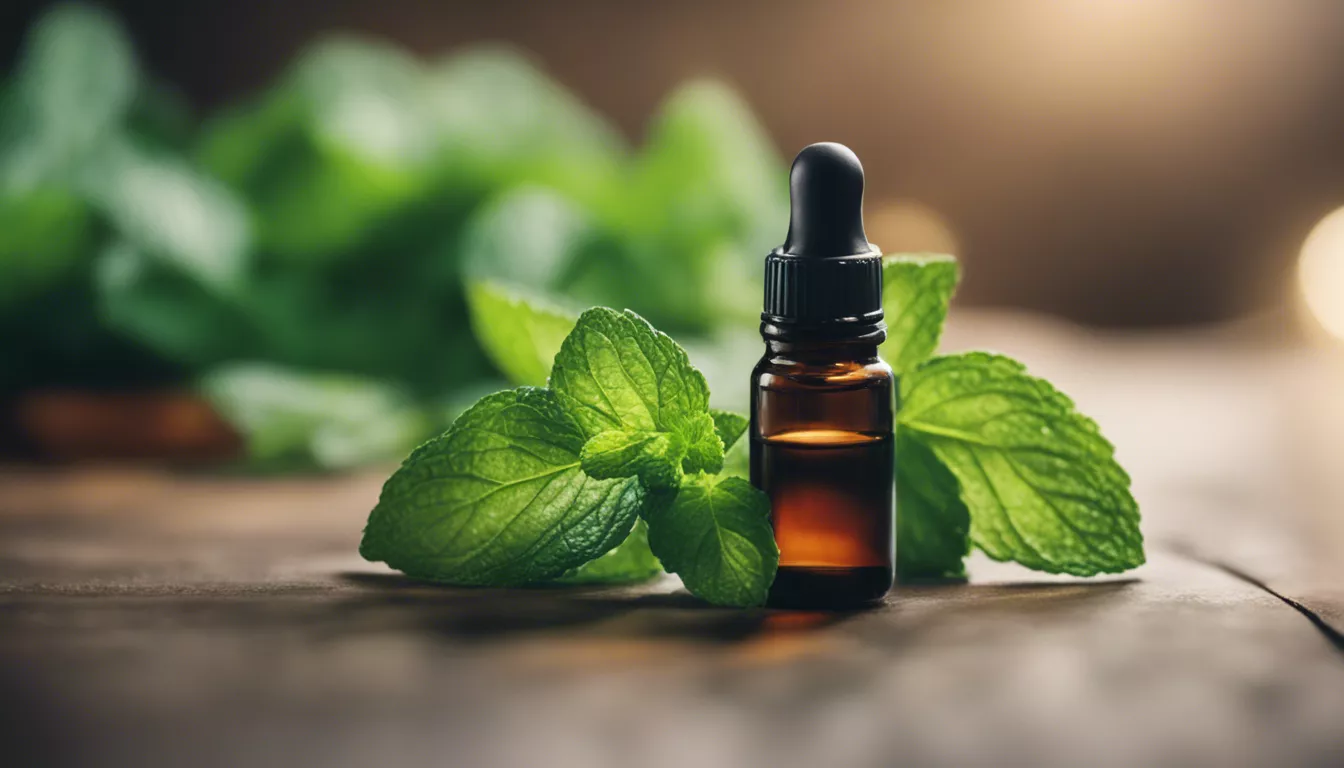
Menthol represents a unique monoterpenoid alcohol that creates distinctive cooling sensations through activation of cold-sensitive receptors, appearing naturally in various mint species and select cannabis strains while finding extensive use in pharmaceutical, food, and cosmetic applications. This cyclic terpene alcohol, primarily known from peppermint and other Mentha species, produces its characteristic cooling effect not through actual temperature reduction but by triggering TRPM8 receptors normally activated by cold temperatures, creating neurological illusions of coolness. In cannabis contexts, menthol appears both as a naturally occurring minor terpene in certain varieties and as a controversial additive in some consumption products, raising questions about sensory enhancement versus health concerns.
The molecular mechanisms underlying menthol’s effects extend beyond simple cooling sensations to include analgesic, anti-inflammatory, and potential bronchodilator properties that complement cannabis’s therapeutic profile when present naturally or added intentionally. Research reveals menthol’s ability to enhance skin penetration of other compounds, potentially improving topical cannabis product efficacy, while its local anesthetic properties may modulate smoking or vaping harshness. The compound’s widespread use in tobacco products, particularly targeting communities of color, creates complex cultural and health equity considerations when discussing menthol in cannabis contexts.
Contemporary cannabis industry relationships with menthol remain complicated, as some embrace its sensory and therapeutic properties while others reject any associations with tobacco industry manipulation tactics that used menthol to increase addiction potential. Understanding menthol’s natural occurrence in cannabis, its effects on consumption experiences, and the ethical considerations surrounding its use provides important context for product development, consumer choice, and public health discussions. The intersection of menthol with cannabis highlights broader themes about natural versus added compounds, sensory enhancement versus health risks, and industry responsibility in product formulation affecting vulnerable populations.
Natural occurrence of menthol in cannabis remains relatively rare compared to dominant terpenes, typically appearing at trace levels below 0.1% in varieties with mint-like characteristics, though certain phenotypes may express higher concentrations under specific conditions. Genetic analysis suggests menthol biosynthesis capability exists within cannabis’s enzymatic repertoire, as the precursor compounds and related metabolic pathways produce similar monoterpenoids like limonene and pulegone. Strains reported to contain detectable menthol often share genetic heritage with varieties known for cool, fresh aromas, including some Kush variants and certain CBD-rich cultivars. Environmental stressors including temperature fluctuations and mechanical damage may upregulate menthol production as part of defensive responses. The rarity of significant natural menthol makes varieties expressing this compound particularly interesting for breeding programs targeting novel sensory experiences.
Analytical detection of menthol in cannabis requires sophisticated methods distinguishing naturally occurring traces from potential contamination or intentional addition, as menthol’s ubiquity in consumer products creates contamination risks. Gas chromatography protocols must account for menthol’s specific retention time and potential co-elution with other monoterpene alcohols requiring high-resolution separation. Mass spectrometry confirmation uses characteristic fragmentation patterns, though structural similarity to other terpenes demands careful interpretation. Quantification challenges arise from menthol’s volatility and potential losses during sample preparation. Some laboratories now include menthol in expanded terpene panels responding to interest in minor compounds. The analytical distinction between endogenous and exogenous menthol remains technically challenging but important for product authenticity verification.
Cultivation factors potentially influencing natural menthol expression include genetic selection, environmental manipulation, and post-harvest handling, though reliable enhancement remains elusive given limited understanding of cannabis menthol synthase regulation. Cool nighttime temperatures during flowering may favor menthol accumulation as plants produce protective compounds, similar to mint cultivation practices. Mineral nutrition emphasizing potassium and micronutrients could support terpenoid diversity including trace menthol production. Biological stressors like controlled pathogen exposure might trigger defensive compound synthesis. Post-harvest practices affecting enzyme activity during early curing could influence final menthol content. However, the economic viability of optimizing cultivation for trace compounds remains questionable compared to focusing on major cannabinoids and terpenes unless specific market demand emerges.
Cooling sensation mechanisms of menthol involve specific activation of TRPM8 (transient receptor potential melastatin 8) channels, creating neurological signals interpreted as cold despite no actual temperature change, with implications for cannabis consumption comfort. These channels normally respond to temperatures below 26°C, but menthol binding causes conformational changes triggering similar neural responses at body temperature. The cooling effect intensifies with airflow, explaining enhanced sensations during inhalation. Individual variation in TRPM8 expression creates different sensitivity levels to menthol’s effects. In cannabis consumption, even trace menthol amounts can significantly impact perceived smoothness and throat comfort. This neurological trickery demonstrates how sensory perception can be manipulated through specific molecular interactions independent of physical reality.
Smoke and vapor modification by menthol addresses harshness concerns that deter some cannabis users, particularly those with respiratory sensitivity or transitioning from menthol tobacco products to cannabis. The local anesthetic properties reduce throat irritation allowing deeper inhalation and potentially increased cannabinoid absorption. Menthol’s interaction with smoke particles may alter deposition patterns in respiratory tissues, though research remains limited. The cooling sensation can mask warning signs of excessive heat or irritation, potentially enabling harmful consumption patterns. Former menthol cigarette smokers may find menthol-containing cannabis products more familiar and acceptable, raising questions about targeting vulnerable populations. These modification effects explain both therapeutic applications and public health concerns regarding menthol in inhalable products.
Flavor interaction between menthol and cannabis terpenes creates complex sensory experiences where cooling sensations enhance or mask other aromatic compounds, potentially altering strain-specific characteristics appreciated by connoisseurs. Low menthol concentrations can brighten citrus notes from limonene while suppressing earthy undertones from myrcene. Higher concentrations dominate sensory profiles, overwhelming subtle cannabis aromatics with mint characteristics. The temporal dynamics of menthol perception – initial cooling followed by slight warming – interact with cannabis’s evolving flavor profile during consumption sessions. Some users appreciate menthol’s palate-cleansing properties between different strains, while others feel it interferes with authentic cannabis appreciation. These interactions highlight the complexity of formulating products balancing sensory enhancement with terpene preservation.
Analgesic properties of menthol complement cannabis’s pain-relieving effects through distinct mechanisms, creating potential synergies for multimodal pain management approaches in topical and potentially systemic applications. Menthol’s activation of TRPM8 channels initiates descending pain inhibition pathways while simultaneously creating gate-control effects through counter-irritation mechanisms. The compound also interacts with κ-opioid receptors and voltage-gated sodium channels, providing additional analgesic pathways. When combined with cannabinoids in topical formulations, menthol may enhance both penetration and efficacy through complementary mechanisms. Clinical studies of menthol-containing topical cannabis products show promising results for localized pain conditions. These multi-target approaches align with modern pain management strategies emphasizing mechanism diversity over single-pathway interventions.
Anti-inflammatory mechanisms of menthol operate through suppression of inflammatory mediators and potential modulation of immune responses, adding another therapeutic dimension to cannabis preparations addressing inflammatory conditions. Research demonstrates menthol’s ability to reduce pro-inflammatory cytokines including TNF-α and various interleukins in cellular models. The compound may also affect neutrophil migration and activation at sites of inflammation. These anti-inflammatory properties appear independent of cooling sensations, suggesting direct molecular interactions with inflammatory pathways. Combined with cannabis’s well-documented anti-inflammatory effects, menthol could provide enhanced benefits for conditions like arthritis or inflammatory skin conditions. The safety profile of topical menthol supports its inclusion in anti-inflammatory formulations, though systemic effects require further investigation.
Respiratory effects of menthol present contradictions between subjective relief and potential risks, particularly relevant for inhaled cannabis products where respiratory health remains a primary concern. The sensation of easier breathing from menthol’s cooling effects may encourage deeper inhalation and increased smoke exposure, potentially negating harm reduction benefits. Some research suggests menthol’s mild bronchodilator properties could benefit certain respiratory conditions, while other studies indicate potential for increased airway inflammation with chronic exposure. The tobacco industry’s exploitation of menthol to facilitate smoking initiation and maintain addiction raises ethical concerns about similar patterns in cannabis. Medical cannabis programs increasingly scrutinize menthol additives, with some jurisdictions banning additions while permitting naturally occurring amounts. These complexities demand careful consideration of risk-benefit ratios for different patient populations.
Topical formulations represent the most accepted application for menthol in cannabis products, where cooling sensations and penetration enhancement provide clear therapeutic benefits with minimal systemic exposure concerns. Cannabis topicals containing 0.5-5% menthol show enhanced cannabinoid penetration through skin barriers, potentially improving efficacy for localized pain and inflammation. The cooling sensation provides immediate sensory feedback confirming application and potentially contributing to pain relief through gate-control mechanisms. Menthol’s antimicrobial properties may also contribute to product preservation. Formulation challenges include balancing menthol concentration for efficacy without irritation and ensuring compatibility with cannabis extracts and other ingredients. Consumer acceptance remains high for menthol-containing topicals, contrasting with controversy surrounding inhalable products.
Vaping product controversies surrounding menthol additions reflect broader tensions between harm reduction claims and public health concerns about facilitating cannabis initiation or maintaining nicotine-cannabis co-use patterns. Some vape manufacturers add menthol to improve smoothness and palatability, particularly in high-potency products that might otherwise cause throat irritation. Critics argue this parallels tobacco industry tactics using menthol to hook young users and maintain addiction. The potential for menthol to mask warning signs of contaminated or dangerous vaping products raises additional safety concerns. Several states considering or implementing menthol tobacco bans face decisions about cannabis products, with some including cannabis in restrictions while others exempt it. These regulatory variations create market confusion and cross-border complications.
Regulatory considerations for menthol in cannabis products evolve rapidly as jurisdictions balance consumer choice, public health protection, and industry interests within frameworks influenced by tobacco control precedents. Some states prohibit any additives to inhalable cannabis products, effectively banning menthol additions while permitting naturally occurring amounts. Others specifically target menthol due to tobacco history while allowing other terpene additions. Testing and labeling requirements vary, with some mandating disclosure of any added compounds while others focus only on safety contaminants. International approaches differ significantly, with some countries’ pharmaceutical cannabis frameworks prohibiting any additions while others permit standardized formulations. The regulatory patchwork creates compliance challenges for multi-state operators while potentially driving underground markets for prohibited products.

