
×
Remove product
Remove item from cart?

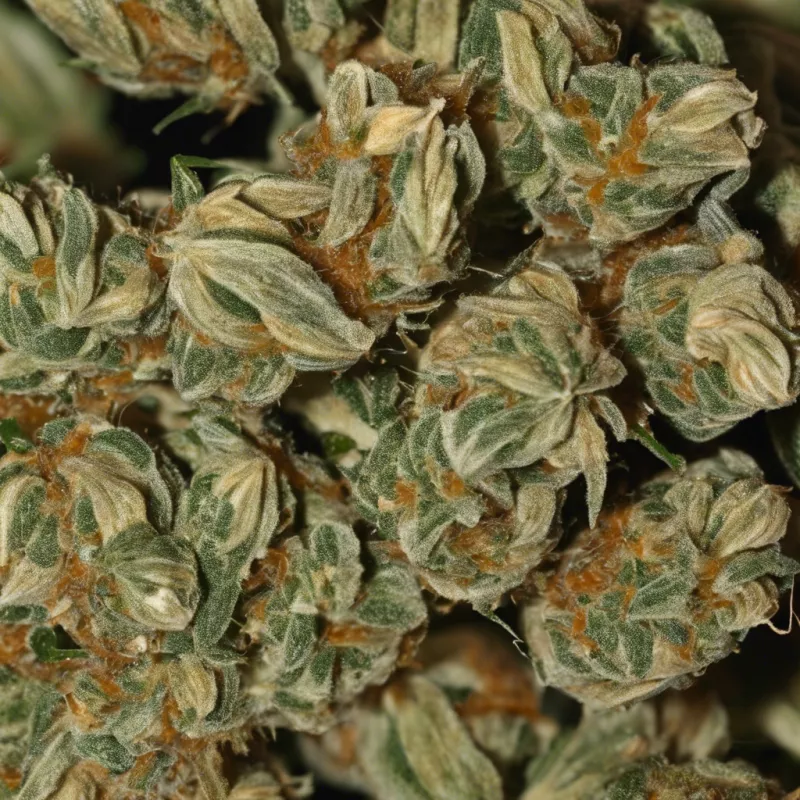
Kush represents one of cannabis‘s most legendary and influential genetic lineages, originating from the Hindu Kush mountain range spanning Afghanistan and Pakistan, where these hardy landrace strains evolved over millennia to thrive in harsh, high-altitude environments. This geographic isolation created unique plants characterized by dense, resinous buds, earthy-sweet aromas, and potent sedative effects that would eventually revolutionize global cannabis breeding. The term “Kush” has transcended its geographic origins to become synonymous with premium indica genetics, deeply embedded in cannabis culture through iconic strains like OG Kush, Bubba Kush, and Hindu Kush.
The journey of Kush genetics from remote mountain valleys to worldwide cultivation represents a pivotal chapter in cannabis history, beginning with hippie trail travelers in the 1960s-70s who brought seeds back to Western markets. These robust genetics proved ideal for indoor cultivation, offering compact growth, heavy resin production, and powerful effects that quickly gained favor among medical patients and recreational users alike. Kush strains became the backbone of California’s medical cannabis movement, with OG Kush emerging as perhaps the most influential strain in modern cannabis breeding.
Understanding Kush requires examining its geographic origins, distinctive genetic traits, cultural significance, and ongoing evolution in contemporary breeding programs. From ancient landrace populations to cutting-edge hybrids, Kush genetics continue shaping cannabis markets worldwide, representing authenticity, quality, and the deep connection between plant genetics and their environmental origins that defines true cannabis terroir.
Hindu Kush mountain range provides one of cannabis’s most significant genetic repositories, with elevations reaching 7,700 meters creating extreme environmental pressures that shaped unique adaptations. The region’s isolation preserved pure genetics for centuries, with local populations cultivating cannabis for hashish production, spiritual practices, and traditional medicine. Harsh winters with temperatures dropping below -25°C selected for plants completing flowering before killing frosts. Intense UV radiation at high altitudes triggered exceptional resin production as photoprotection. Limited water availability created drought-resistant traits valuable for modern cultivation. Short growing seasons selected for fast-flowering, compact plants ideal for indoor growing. Valley microclimates produced subtle variations creating diverse phenotypes within the broader Kush family. Traditional cultivation methods passed through generations preserved these genetics. Political instability and prohibition threaten these irreplaceable genetic resources. Conservation efforts work to preserve landrace genetics before environmental and human pressures cause extinction.
Historical cultivation practices in Kush regions developed sophisticated techniques maximizing resin production for hashish manufacturing. Traditional farmers selected plants based on resin quality rather than flower size, prioritizing trichome density. Cultivation occurred in terraced mountain fields utilizing natural water sources and organic methods. Harvest timing followed lunar calendars and weather patterns developed over centuries. Hand-rubbed charas production created live resin products predating modern techniques. Sieving methods using silk screens produced different hash grades for various uses. Aging and curing processes in underground storage developed complex flavors. Trade routes spread Kush hashish throughout Central Asia establishing its reputation. Cultural practices integrated cannabis into religious and social customs. Women traditionally handled delicate processing work requiring skilled hands. These ancient practices inform modern cultivation and processing methods worldwide.
Environmental pressures creating Kush characteristics demonstrate evolution’s power shaping cannabis diversity through natural selection. Temperature fluctuations between day and night extremes triggered anthocyanin production creating purple coloration. Low humidity reduced mold susceptibility developing dense bud structures. High altitude’s reduced atmospheric pressure affected transpiration rates and nutrient uptake. Mineral-rich mountain soils contributed unique terpene profiles distinguishing regional variations. Grazing pressure from wild animals selected for particularly pungent aromas deterring herbivory. Cross-pollination with wild populations maintained genetic diversity and vigor. Seasonal monsoons followed by dry periods created specific flowering triggers. Seismic activity’s soil disturbance selected for robust root systems. Intense competition from native plants encouraged efficient growth patterns. These environmental factors created genetics perfectly adapted to challenging conditions, traits proving valuable in diverse cultivation environments worldwide.
Morphological traits distinguishing Kush varieties reflect adaptation to mountainous environments and centuries of selective breeding. Compact, bushy growth patterns rarely exceed 4-5 feet adapting to short seasons and concealment needs. Broad, dark green leaves with overlapping leaflets maximize photosynthesis in limited growing periods. Dense internodal spacing creates sturdy structures supporting heavy flower production. Thick stems and branches resist breaking under snow and wind loads. Root systems develop extensively anchoring plants in rocky soils. Flower structures form tight, golf-ball shaped buds minimizing moisture retention. Abundant resin production coats all aerial parts providing protection from UV and pests. Purple and red coloration emerges in response to cold nighttime temperatures. Early flowering times of 7-9 weeks accommodate short mountain summers. These physical characteristics make Kush varieties immediately recognizable and highly valued for breeding.
Chemical profiles of authentic Kush strains exhibit distinctive patterns reflecting their unique genetic heritage. THC levels typically range 18-24% with some modern selections exceeding 25%. CBD presence varies but generally remains below 1% in recreational selections. Myrcene dominance creates sedative effects characteristic of Kush varieties. Limonene and pinene provide citrus and pine notes balancing earthy base notes. Caryophyllene contributes spicy, peppery aromas and anti-inflammatory effects. Linalool adds floral sweetness and anxiolytic properties. Unique minor terpenes like fenchol and camphene distinguish regional variations. Flavonoid profiles create distinctive colors and potential health benefits. Sesquiterpene content tends higher than many modern hybrids. Total terpene percentages often exceed 2% in well-grown specimens. These complex chemical signatures create Kush’s legendary effects and flavors.
Breeding characteristics making Kush genetics invaluable include stability, vigor, and reliable trait transmission. True-breeding tendencies from landrace origins provide predictable offspring. Dominant traits like density and resin production express reliably in hybrids. Hybrid vigor emerges when crossing with other varieties improving yields. Stress resistance translates to offspring enhancing commercial viability. Short flowering times remain even when hybridized with longer-flowering varieties. Terpene profiles often dominate in crosses influencing flavor outcomes. Clone-only selections maintain unique characteristics through vegetative propagation. Feminized seed production works well with stable Kush genetics. Autoflowering conversions preserve quality while adding day-neutral flowering. Back-crossing programs restore original characteristics diluted through hybridization. These breeding qualities established Kush as cornerstone genetics in modern cannabis.
West Coast cannabis culture embraced Kush genetics as foundational elements during medical marijuana‘s emergence. OG Kush’s mysterious origins in 1990s Los Angeles created legendary status and countless theories. Rapper and celebrity endorsements brought Kush terminology into mainstream consciousness. Medical patients discovered Kush varieties’ effectiveness for pain, insomnia, and anxiety. Dispensary menus featured Kush-dominant selections recognizing consumer preferences. Breeding programs used Kush genetics creating new classics like Girl Scout Cookies. Hip-hop lyrics celebrated specific Kush strains embedding them in popular culture. High Times Cannabis Cups awarded numerous prizes to Kush varieties. California’s Prop 215 era saw Kush strains dominating medical recommendations. Social media spread Kush imagery and culture globally instantaneously. This cultural adoption transformed regional genetics into worldwide phenomena.
Music and media representation of Kush strains significantly influenced public perception and market demand. Hip-hop artists from Snoop Dogg to Wiz Khalifa featured Kush prominently in lyrics. “Kush” became shorthand for premium cannabis in entertainment contexts. Music videos showcased Kush consumption normalizing use among mainstream audiences. Strain names appeared in song titles creating cultural touchstones. Documentary films explored Kush origins and cultural significance. Cannabis-focused media elevated Kush strains through reviews and features. Celebrity strain collaborations often featured Kush genetics. Gaming culture adopted Kush references in usernames and content. Merchandise featuring Kush imagery became fashion statements. This media saturation established Kush as premium cannabis archetype beyond mere genetics.
Global spread of Kush genetics demonstrates cannabis culture’s international connections transcending legal boundaries. Amsterdam coffee shops featured Kush varieties attracting cannabis tourists. Spanish cannabis clubs adopted Kush strains for member cultivation. Canadian medical programs recognized Kush effectiveness for various conditions. Australian underground networks prized imported Kush genetics. South American growers adapted Kush varieties to local climates. Israeli medical research utilized Kush strains for studies. European seed banks preserved and distributed Kush genetics. Asian markets emerging show preference for Kush-type effects. African cultivation projects introduce Kush for economic development. International Cannabis conventions celebrate Kush contributions. This worldwide distribution ensures Kush genetics’ continued evolution and preservation.
Contemporary breeding with Kush genetics pushes boundaries while respecting traditional characteristics. Cookies family strains combine Kush with Durban Poison creating new flavor profiles. Zkittlez crosses introduce fruit flavors to earthy Kush base notes. High-CBD selections provide medical options maintaining Kush growth traits. Autoflowering Kush varieties enable outdoor growing in challenging climates. Tissue culture preservation maintains exact genetic copies indefinitely. Marker-assisted selection identifies Kush traits in seedling stage. Terpene enhancement programs amplify distinctive Kush flavors. Disease resistance breeding addresses modern pathogen challenges. Polyploid development explores chromosome manipulation for novel traits. Landrace preservation projects protect original Hindu Kush populations. These breeding directions honor heritage while meeting evolving market demands.
Commercial cultivation of Kush varieties drives significant market segments worldwide. Indoor facilities optimize environmental conditions for Kush expression. Greenhouse operations balance natural light with climate control. Outdoor terroir projects explore regional Kush adaptations. Hydroponic systems maximize Kush varieties’ yield potential. Organic cultivation emphasizes terpene development in Kush strains. LED technology fine-tunes spectrum for optimal Kush characteristics. Automated systems ensure consistent quality at commercial scales. Integrated pest management protects valuable Kush crops. Post-harvest handling preserves distinctive Kush qualities. Testing protocols verify authentic Kush genetics and chemotypes. These cultivation advances maximize Kush genetics’ commercial potential.
Future prospects for Kush genetics involve preservation, innovation, and cultural evolution. Climate change threatens original landrace habitats requiring conservation action. Genetic sequencing projects map complete Kush genomes enabling precision breeding. International cooperation could protect Hindu Kush regional heritage. Medical research explores Kush compounds for pharmaceutical development. Craft cannabis movements celebrate regional Kush expressions. Appellation systems might recognize authentic Kush origins. Synthetic biology could recreate extinct Kush varieties. Space agriculture experiments include Kush genetics. Cultural institutions document Kush contributions to cannabis history. Educational programs teach Kush genetics’ significance. These future directions ensure Kush genetics remain relevant while honoring their storied past.

